There is a particular kind of comfort in a bowl of fermented rice wine soup with red beans and snow fungus. It is sweet but not sugary, silky but still light, and it carries that unmistakable warm fragrance of laozao — fermented glutinous rice — that makes a Chinese dessert feel like a hug. On a cool evening, or after a heavy meal, this is the bowl I reach for.

What makes this version special is how little it asks of you. Red beans, snow fungus, a little rock sugar, and a cup of fermented rice wine — that is the whole list. The beans do most of the work while they simmer, the fungus gives the broth its lovely body, and the laozao goes in at the very end so its perfume stays bright instead of cooking away. You end up with a dessert that tastes like it took all day, but the active time is barely half an hour.
I first learned to make this in a Jiangnan home kitchen, where the pot went on the stove after dinner and the whole family waited for the smell. Since then it has become one of my favorite things to make when I want something sweet that still feels nourishing. If you have ever ordered a sweet soup at a Chinese restaurant and wondered how the broth gets so glossy, this is the answer.
What Is Fermented Rice Wine Soup with Red Beans and Snow Fungus?
Laozao yin er geng (醪糟银耳羹) is a traditional Chinese sweet soup made from three humble ingredients: fermented glutinous rice wine, red beans, and snow fungus. It belongs to the family of tang shui — literally “sugar water” — the sweet soups that end meals across southern China. The name tells you exactly what is in the bowl: laozao is the fermented rice wine, yin er is snow fungus, and geng means a thick, spoonable soup.
Snow fungus (also called silver ear or white wood ear) is a dried fungus that rehydrates into ruffled, translucent petals. It has almost no flavor of its own, but when simmered it releases a natural gelatinous quality that thickens the broth and gives it a slippery, almost syrupy texture. Red beans bring earthy sweetness and body, while the fermented rice wine brings a gentle tang, a faint alcoholic warmth, and a floral aroma that ties everything together.
If you like this kind of cooking, my crispy sticky rice apple cakes is the closest recipe on the site — the same technique and the same pantry.
1Crispy Sticky Rice Apple Cakes (Mini Apple Pies)A lazy, no-oven dessert featuring a crispy Panko crust and a chewy, mochi-like center filled with fresh apples. Known in Chinese as ‘Mini Pingguo Pai’, these are pan-fried to golden perfection in just 5 minutes without deep frying.Check out this recipe

Cooked this way once, you will want the next one too: korean spicy chicken and rice cakes starts from the same base and the same pan.
2Korean Spicy Chicken and Rice Cakes (Dakgalbi Style Stir-fry)A fast, spicy, and savory stir-fry featuring tender chicken breast, chewy Korean rice cakes, and crisp vegetables in a rich Gochujang sauce. Inspired by Korean Dakgalbi but adapted for a quick home-cooked meal.Check out this recipe

And if you love chewy, sweet textures, this yellow millet sticky rice cake is a wonderful companion dessert to keep in the fridge alongside your soup.
3Yellow Millet Sticky Rice Cake (Huang Mi Liang Gao)A refreshing, chewy Chinese chilled dessert made with layers of pumpkin-infused millet and sweet glutinous rice.Check out this recipe

Why This Recipe Works
Three things make this bowl reliable. First, the beans and the fungus cook in stages rather than all at once. Red beans need a long, steady simmer to soften; snow fungus needs only about twenty minutes to release its body. Adding them together would give you either mushy fungus or stubborn beans.
Second, the fermented rice wine goes in off the heat. Laozao is a living product — it contains active cultures and volatile aromatics that break down under prolonged boiling. Stirring it in at the end, then covering the pot for a few minutes, keeps its tang and perfume intact.
Third, the sugar is added late and to taste. Rock sugar sweetens gently and gives the broth a clear, glossy shine, but the exact amount depends on how sweet your laozao is. Tasting before you commit means you never end up with a cloying bowl.
There is real food science behind the texture, too. Snow fungus is rich in water-soluble polysaccharides, long-chain sugars that trap water and form a natural gel as they simmer. That is why the broth thickens without cornstarch or gelatin — the fungus is doing the work. Researchers studying Tremella polysaccharides have documented exactly this water-binding behavior, and it is the same property that makes the soup feel silky on the tongue.
Equipment Needed
You do not need much for this recipe, but a few pieces make it easier:
- Wok or heavy pot — a wok works beautifully here because its wide surface reduces the broth gently and evenly. A Dutch oven or heavy saucepan is a fine substitute.
- Cutting board and knife — for trimming the hard core from the rehydrated snow fungus.
- Slotted spoon — handy for skimming foam from the bean broth and for lifting fungus pieces without dragging up sediment.
- Fine-mesh strainer — for draining the soaked beans and fungus.
- Measuring cups and a small bowl — for holding the laozao and aromatics until the very end.
If you cook a lot of Chinese food, you probably already own all of this. If you are just starting out, a wok is the one piece worth investing in — it is the workhorse behind everything from pork and garlic scape stir fry to this sweet soup.
Ingredients
Here is everything you need for four generous bowls. Full amounts are in the recipe card at the bottom of this post.
- Dried red beans — small, dark red adzuki beans are traditional. They hold their shape and have a naturally sweet, earthy flavor.
- Dried snow fungus — one small head is plenty; it expands to several times its size.
- Rock sugar — the classic sweetener for Chinese sweet soups. It melts clear and gives a clean, rounded sweetness.
- Fermented rice wine (laozao) — sold in jars in the refrigerated section of Asian markets. Use the rice and its liquid together.
- Goji berries — for color and a mild fruity note.
- Dried red dates — pitted, for natural sweetness and a soft chew.
- Osmanthus syrup — optional, but a lovely floral finish.
Ingredient Notes
Red beans. Adzuki beans are the standard, but any small red bean works. Older beans take longer to soften, so if yours have been in the pantry for a year or more, plan on extra simmering time. Do not substitute kidney beans — they are too large and starchy for this delicate soup.
Snow fungus. Look for heads that are pale ivory to light golden, not stark white. Very white fungus is sometimes sulfur-treated, which leaves a sharp smell. A little golden tint is a sign of natural drying.
Fermented rice wine. Quality matters more here than anywhere else in the recipe, because you are adding it raw at the end. Taste a spoonful first: it should be sweet, slightly tangy, and floral, with a gentle alcoholic tingle. If it tastes harsh or sour, the soup will too. If you want to understand how a single ingredient can make or break a dish, my notes on why sauce tastes flat apply just as much to sweet soups as to savory ones.
Rock sugar. Break larger chunks with the back of a knife or a mortar and pestle so they dissolve evenly. If you only have granulated sugar, use it, but add it in smaller increments — it is sweeter by volume.
Goji berries and red dates. Both are optional but traditional. Rinse goji berries briefly; soaking them too long makes them mushy. Pitted dates save you the step of removing stones at the table.
Prep & Mise en Place
This soup is easy to cook but rewards a little planning, because the soaking happens ahead of time.
Plan ahead: soak the red beans in plenty of cold water for at least 8 hours, ideally overnight. Soak the snow fungus separately in cold water for 2 hours. Both can sit on the counter while you go about your day.
Before you cook: drain and rinse the beans. Drain the fungus, cut away the hard yellow core at the base, and tear the petals into bite-sized pieces. Measure your rock sugar, rinse the goji berries, and set the laozao, dates, and osmanthus syrup in a small bowl near the stove so you can add them quickly at the end.
Set up your station: have your wok or pot, a slotted spoon, and a ladle within reach. Once the beans go on, the recipe moves in long, relaxed stretches — perfect for prepping your finishing ingredients while the pot simmers.
Cooking Process
Step 1 — Soak the Beans and Fungus
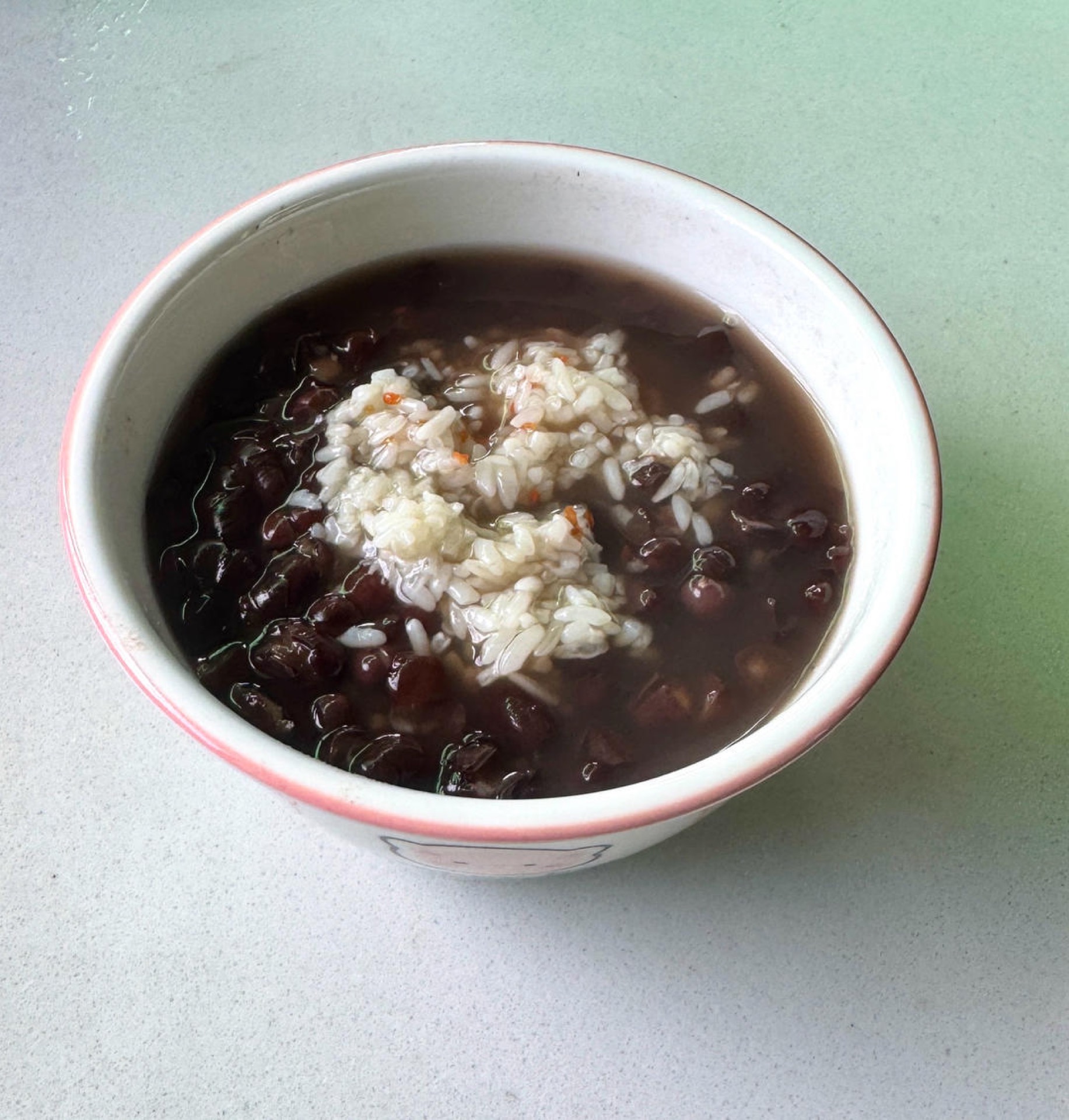
Rinse the red beans and the dried snow fungus, then soak the beans in cold water for at least 8 hours or overnight and the snow fungus in a separate bowl of cold water for 2 hours until fully softened.
Step 2 — Trim and Tear the Fungus
Drain the snow fungus, cut away the hard yellow core with a knife, and tear the frilly petals into bite-sized pieces.
Step 3 — Simmer the Beans
Put the drained red beans in a wok or pot with 8 cups of cold water, bring to a boil, then lower the heat and simmer for 45 to 60 minutes until the beans are completely tender and beginning to break apart.
Step 4 — Add the Fungus and Sugar
Stir the torn snow fungus and the rock sugar into the pot and simmer for another 20 minutes until the broth turns slightly thick and glossy.

Step 5 — Finish with the Rice Wine
Turn off the heat, then stir in the fermented rice wine, goji berries, dried red dates, and osmanthus syrup if using, and let the pot stand covered for 5 minutes so the aromas bloom.

Step 6 — Serve Warm or Chilled
Ladle the soup into bowls and serve warm, or chill it for 2 hours and serve cold over ice.
Common Mistakes When Making Fermented Rice Wine Soup
1. Soaking the snow fungus in hot water. Hot water softens the outer frills quickly while the center stays hard and woody. Always use cold water and give it the full two hours. The fix: if you are short on time, use lukewarm water and extend the soak, then trim away any part that still feels firm.
2. Skipping the core trim. The yellow base of the snow fungus never softens, no matter how long you simmer it. It is chewy and unpleasant in the finished soup. The fix: cut it away with a sharp knife before tearing the petals — it takes thirty seconds.
3. Boiling the fermented rice wine. Laozao added to a rolling boil loses its aroma and its tang, and the alcohol cooks off entirely. The fix: turn off the heat first, stir it in, and cover the pot for five minutes. The residual heat is enough to warm it through.
4. Undercooking the red beans. Beans that are not fully tender will stay chalky even after the fungus and sugar go in, and no amount of extra simmering with sugar present will fix them. The fix: taste a bean before you add anything else. It should crush easily between your fingers.
5. Adding sugar too early. Sugar raises the boiling point and slows the softening of bean skins. The fix: simmer the beans in plain water first, and add the rock sugar only once they are completely tender.
6. Making it too sweet. Laozao varies wildly in sweetness between brands, and rock sugar is potent. The fix: start with half the sugar, taste after it dissolves, and add more only if you need it.
Variations
With milk. Stir in half a cup of whole milk or oat milk at the end for a creamier, richer bowl. Add it off the heat so it does not curdle.
With osmanthus. A spoonful of osmanthus syrup or a pinch of dried osmanthus flowers turns this into a floral version that is especially lovely in autumn.
With lotus seeds. Add a handful of soaked lotus seeds along with the fungus for a more traditional banquet-style soup.
With tapioca pearls. Cook small tapioca pearls separately and spoon them into the bowls for a chewy, bubble-tea-adjacent twist.
Chilled version. Skip the goji berries, chill the soup for at least two hours, and serve over ice with a squeeze of lime. It is one of the best cold desserts for a hot day.
With glutinous rice balls. Drop a few small tang yuan into the simmering broth during the last five minutes for a filling, festival-style bowl.
Frequently Asked Questions
Does fermented rice wine soup contain alcohol? Yes, a small amount. Laozao typically contains 1 to 2 percent alcohol, and because we add it off the heat, most of it remains. If you are avoiding alcohol entirely, simmer the laozao for 10 minutes before adding it, though you will lose some aroma.
Can I make this in a pressure cooker or Instant Pot? Yes. Cook the soaked beans under high pressure for 20 minutes with 6 cups of water, release naturally, then switch to sauté mode to simmer the fungus and sugar for 15 minutes. Finish with the laozao off the heat as usual.
Why is my soup not thick? The body comes from the snow fungus, so if you used too little or simmered it for only a few minutes, the broth will stay thin. Simmer the fungus for the full 20 minutes, and remember that the soup thickens further as it cools.
Can I use canned red beans to save time? You can, and it turns this into a 20-minute recipe. Drain and rinse two cans of red beans, simmer them briefly with the fungus and sugar, then finish with the laozao. The texture will be softer and the broth less starchy, but it works well.
Is snow fungus safe to eat every day? Yes, it is a common food in Chinese cooking. As with any high-fiber ingredient, enjoy it in normal portions — a bowl a day is plenty.
How to Serve
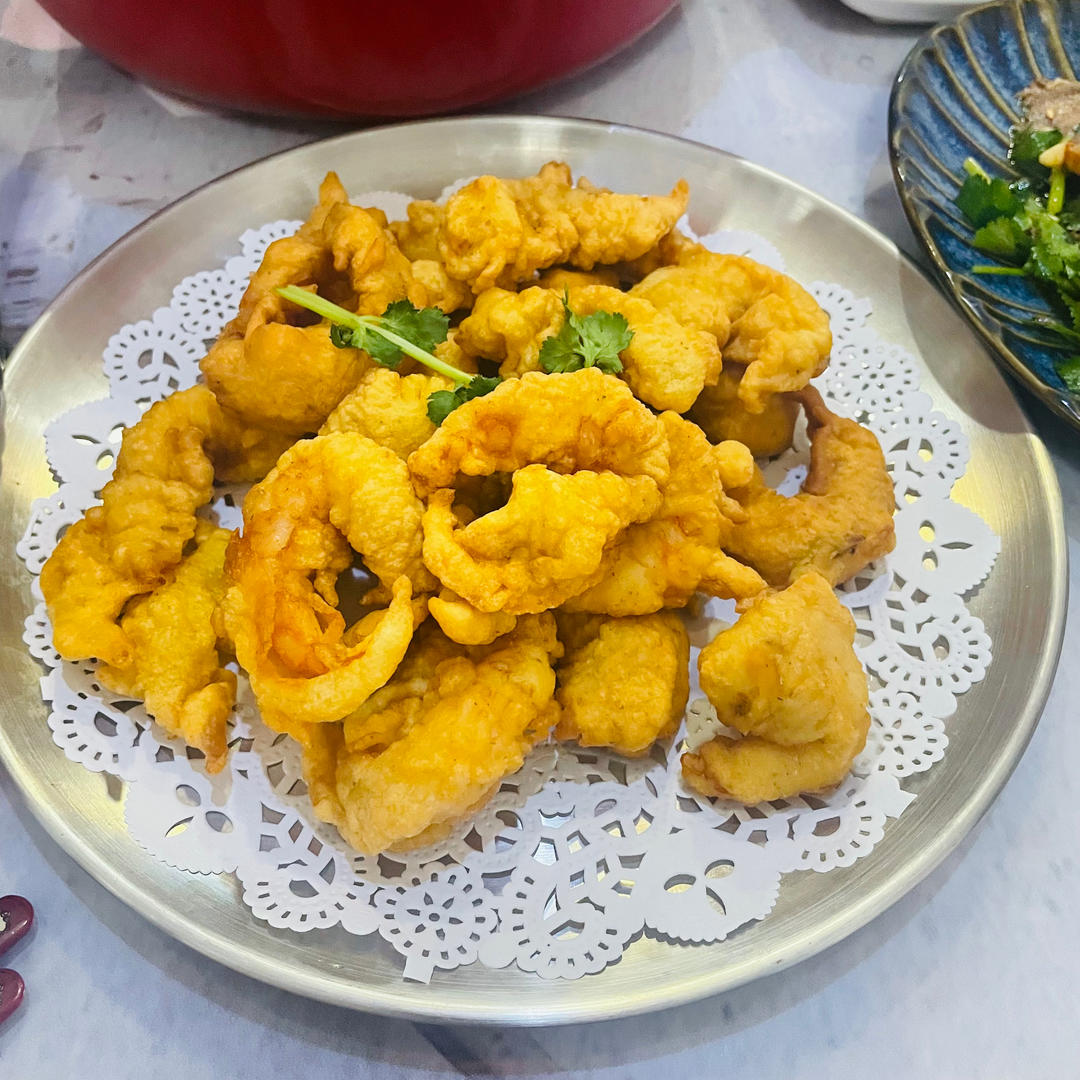
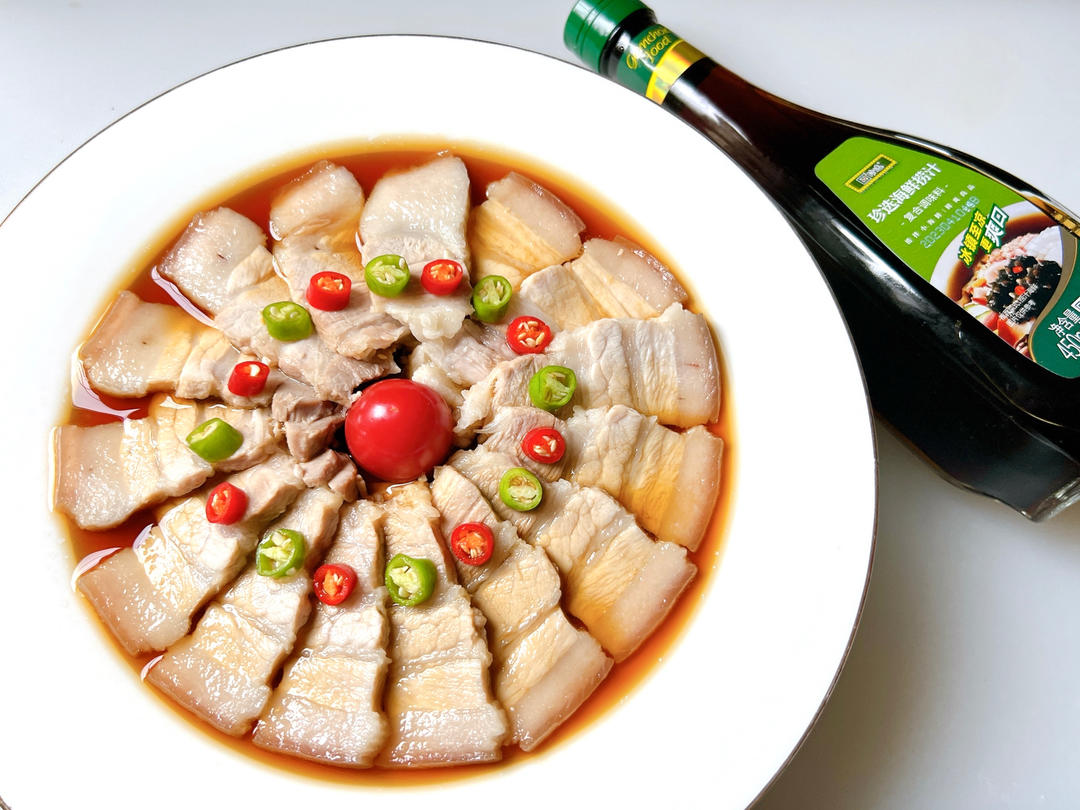
This soup is lovely on its own, warm in winter and chilled in summer. For a fuller dessert table, serve it alongside crispy garlic fried shrimp if you are building a savory-and-sweet spread, or pair it with a small plate of sliced pork belly in savory sauce for a contrast of rich and light. A pinch of Chinese salt baked chicken powder is not for this dish, but if you are cooking a larger meal, it is a wonderful seasoning to have on hand for the savory courses.
Storage & Reheat
Store leftovers in an airtight container in the refrigerator for up to four days. The soup will thicken considerably as it chills because the fungus polysaccharides continue to set — this is normal. Reheat gently on the stovetop with a splash of water to loosen it, or in the microwave in 30-second bursts.
For longer storage, freeze in single portions for up to two months. Thaw overnight in the refrigerator, then reheat to a gentle simmer. Note that the texture of the snow fungus softens slightly after freezing, but the flavor holds up well.
If you are making this ahead for a gathering, cook the bean-and-fungus base up to two days in advance and refrigerate it. Add the laozao, goji berries, and dates only when you reheat, so the aroma stays fresh.
Allergen Notice
This recipe is naturally free of the top nine allergens — no dairy, eggs, wheat, soy, peanuts, tree nuts, fish, shellfish, or sesame — when made with plain fermented rice wine and rock sugar. Always check your laozao label, as some brands add wheat-based sweeteners or preservatives. If you top the soup with nuts or serve it with dairy, those additions change the allergen profile.
Nutrition Disclaimer
Nutrition information is calculated using an ingredient database and should be considered an estimate. In cases where multiple ingredient alternatives are given, the first listed is calculated for nutrition. Garnishes and optional ingredients are not included.
About the Author & Recipe Development
Hi, I am Lin, the cook and writer behind Woks of Love. I grew up watching my grandmother make sweet soups like this one, and I have spent years testing and retesting Chinese home recipes so they work in a Western kitchen with ingredients you can actually find. This recipe was developed from a family version shared with me in Suzhou, then adjusted for consistent timing and clear measurements. Every recipe on this site is tested in my own kitchen before it is published, and I update notes whenever readers report something that could be clearer.
If you make this fermented rice wine soup, I would love to hear how it turned out. Leave a comment below, or tag me in a photo — seeing your bowls is the best part of this work.
Authoritative References
For safe food handling and storage guidance, see the FDA Food Code and the USDA safe temperature chart. For information on the polysaccharides that give snow fungus its thickening power, see the Tremella research overview. For general food safety principles, the WHO food safety fact sheet is a useful starting point.

Fermented Rice Wine Soup with Red Beans and Snow Fungus (醪糟银耳羹)

Equipment
- Wok
- Cutting Board
- Slotted Spoon
Ingredients
For the Soup Base
- 1 cup red beans dried, rinsed
- 1 oz snow fungus dried, about 1 small head
- 8 cups water plus more for soaking
- 1 piece rock sugar about 1 oz, or to taste
For the Fermented Rice Wine Finish
- 1 cup fermented rice wine laozao, with its liquid
- 1 tbsp goji berries rinsed
- 6 pieces dried red dates pitted
- 1 tbsp osmanthus syrup optional
Instructions
- Rinse the red beans and the dried snow fungus, then soak the beans in cold water for at least 8 hours or overnight and the snow fungus in a separate bowl of cold water for 2 hours until fully softened.

- Drain the snow fungus, cut away the hard yellow core with a knife, and tear the frilly petals into bite-sized pieces.

- Put the drained red beans in a wok or pot with 8 cups of cold water, bring to a boil, then lower the heat and simmer for 45 to 60 minutes until the beans are completely tender and beginning to break apart.

- Stir the torn snow fungus and the rock sugar into the pot and simmer for another 20 minutes until the broth turns slightly thick and glossy.

- Turn off the heat, then stir in the fermented rice wine, goji berries, dried red dates, and osmanthus syrup if using, and let the pot stand covered for 5 minutes so the aromas bloom.

- Ladle the soup into bowls and serve warm, or chill it for 2 hours and serve cold over ice.











Leave a Reply