Growing up in my family’s restaurant kitchen in Sichuan, the day always began with the scent of roasted rapeseed oil and searing chilies. To us, Chinese Chili Oil (Hong You) isn’t just a condiment; it’s the lifeblood of our cold dishes, noodles, and dipping sauces.

I remember my father teaching me that a truly “superior” chili oil (what we call ue jue zi or “absolutely amazing”) isn’t just about heat. It must be xiang (fragrant), rich, and possess a glossy, deep crimson color.
After over a decade of cooking professionally and testing this recipe countless times in both commercial woks and my home kitchen in the U.S., I am sharing my family’s “secret” formula. This version uses a specific technique involving lard for richness, a complex spice infusion, and a finishing splash of vinegar and spirits to awaken the aromatics.
Whether you are making Mouth-Watering Chicken (Kou Shui Ji) or simply dressing some Cold-Tossed Tofu, this oil will transform your cooking.
Why This Recipe Works
- The “Double Fat” Technique: By blending a small amount of pork lard with vegetable oil, the final sauce has a thicker viscosity and a savory depth that vegetable oil alone cannot achieve.
- Controlled Temperature Frying: Instead of pouring oil over the flakes, we fry the sesame and chilies in the cooling oil. This releases more essential oils without burning them, provided you watch the temperature.
- The Chemical Kick: Adding a splash of vinegar and baijiu (Chinese white spirit) at the very end triggers an esterification reaction, locking in a unique, mellow aroma that defines professional Sichuan chili oil.
What Is Sichuan Chili Oil?
Sichuan Chili Oil (红油, Hong You) is a foundational ingredient in Western Chinese cuisine. Unlike the crunchy, garlicky “Chili Crisp” popular in the West (like Lao Gan Ma), traditional Hong You focuses on the infused oil itself and the fine, fragrant sediment of the chili powder.
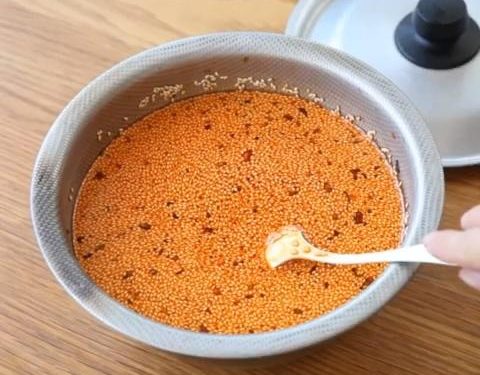
It is characterized by its bright red color, achieved by using Qin Peppers (Qin Jiao), and a complex aroma derived from frying dozens of spices before the chilies are even introduced.
Note on Similar Recipes: If you are looking for a simpler version or want to understand the basics of infused oils, you can check out our guide onHomemade Chinese Chili Oilor learn aboutHomemade Sichuan Peppercorn Oil. This recipe below is the “Pro/Deluxe” version.
1Homemade Chinese Chili Oil (Lajiao You)A staple in any Chinese kitchen, this homemade chili oil is aromatic, crispy, and savory. Made with a simple ‘three-pour’ technique, it beats store-bought versions every time. Perfect for dumplings, noodles, and salads.Check out this recipe2Homemade Sichuan Peppercorn Oil (Hua Jiao You)A fragrant, numbing finishing oil made from infusing Sichuan peppercorns in oil. Essential for authentic Sichuan cold dishes, noodles, and salads. This slow-infusion method ensures maximum flavor without bitterness.Check out this recipe

Key Ingredients & Substitutions
1. The Oil Base
- Rapeseed Oil (Caizi Oil): The authentic choice. It must be heated to “smoking point” to remove the raw vegetable smell. You can find this at Asian markets or specialty online retailers.
- Substitution: If you cannot find Caizi oil, use a neutral oil like canola, grapeseed, or peanut oil.
- Lard (Zhu You): This is the secret to the “sticky” mouthfeel.
- Substitution: Vegetarians can substitute with coconut oil (refined) or simply use more vegetable oil, though the texture will be thinner.
2. The Chilies
- Qin Pepper Powder (Qin Jiao Fen): This specific chili from the Shaanxi/Sichuan border is prized for its aroma and moderate heat. It provides that striking red color.
- Substitution: A mix of Sichuan Chili Flakes (for heat) and Korean Gochugaru (for the vibrant red color) is the best Western kitchen substitute. Aim for a medium grind.
3. The “Spirit” Finish
- Chinese Black Vinegar (Xiang Cu): Adds a subtle acidity that balances the grease. Chinkiang Vinegar is perfect here.
- Baijiu (White Spirit): High-proof Chinese liquor.
- Substitution: Vodka or Gin works surprisingly well to extract the final aromatics.
4. The Spice Packet
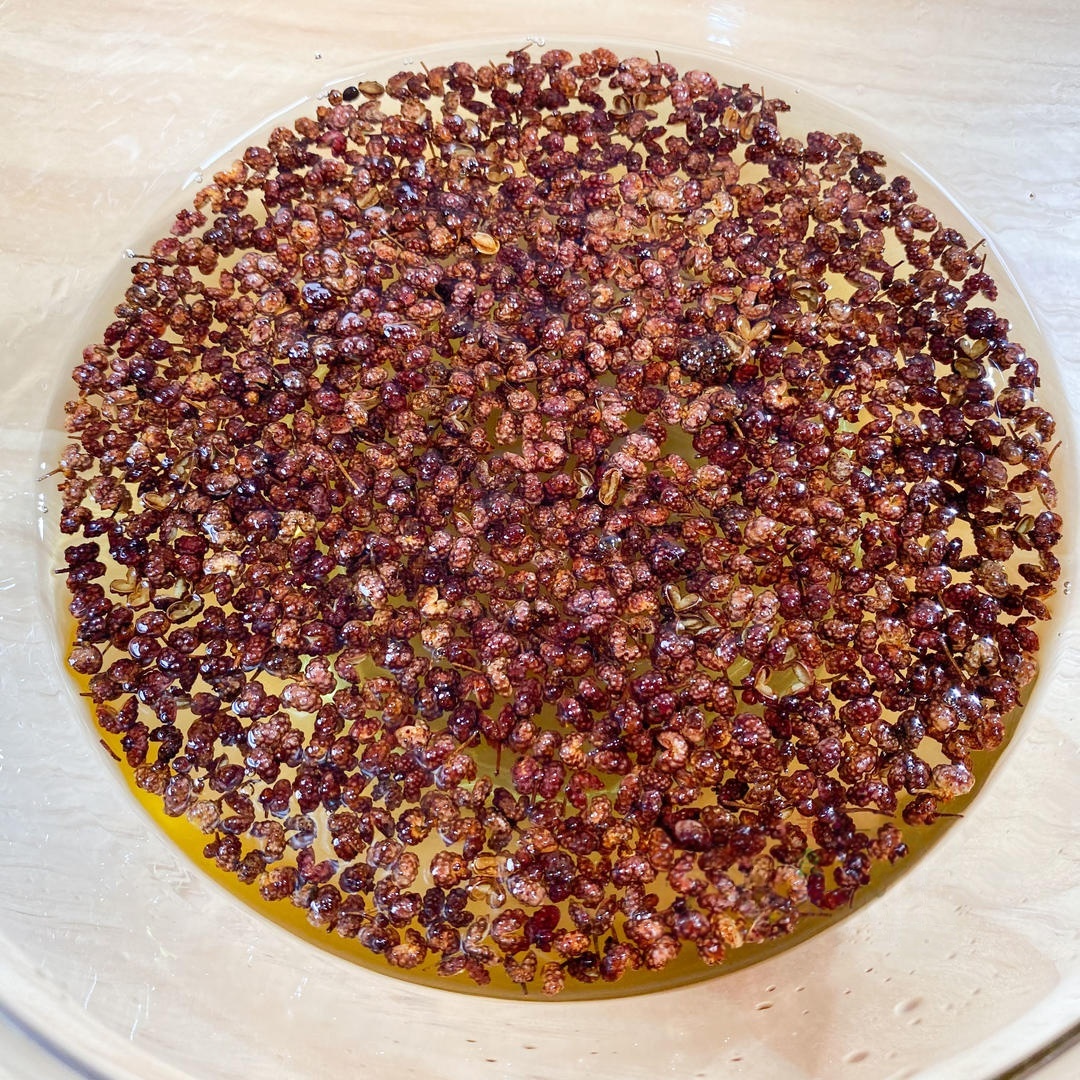
This recipe uses a robust blend including Star Anise, Cinnamon (Cassia), Sichuan Peppercorns, Fennel Seeds, and Tsaoko (Black Cardamom). See the full list in the recipe card.
Authoritative Reference: For a deep dive into the science of spice extraction and oil infusion safety, refer to theUSDA Food Safety guidelines on infused oils. Always store homemade infused oils containing fresh aromatics (like garlic/onion) properly to avoid botulism risks, though the high-heat frying method here significantly reduces moisture.
Recipe Notes Before You Start
- Safety First: We are working with 450g (approx 2 cups) of extremely hot oil. Ensure your workspace is clear of water (which causes splattering) and children.
- Ventilation: Turn your range hood to high. Frying chilies creates capsaicin-filled steam that can make you cough.
- Mise en Place: Measure everything before you turn on the stove. Once the oil is hot, the process moves fast.
How to Make Homemade Red Chili Oil
Step 1: Heat the Base Oil
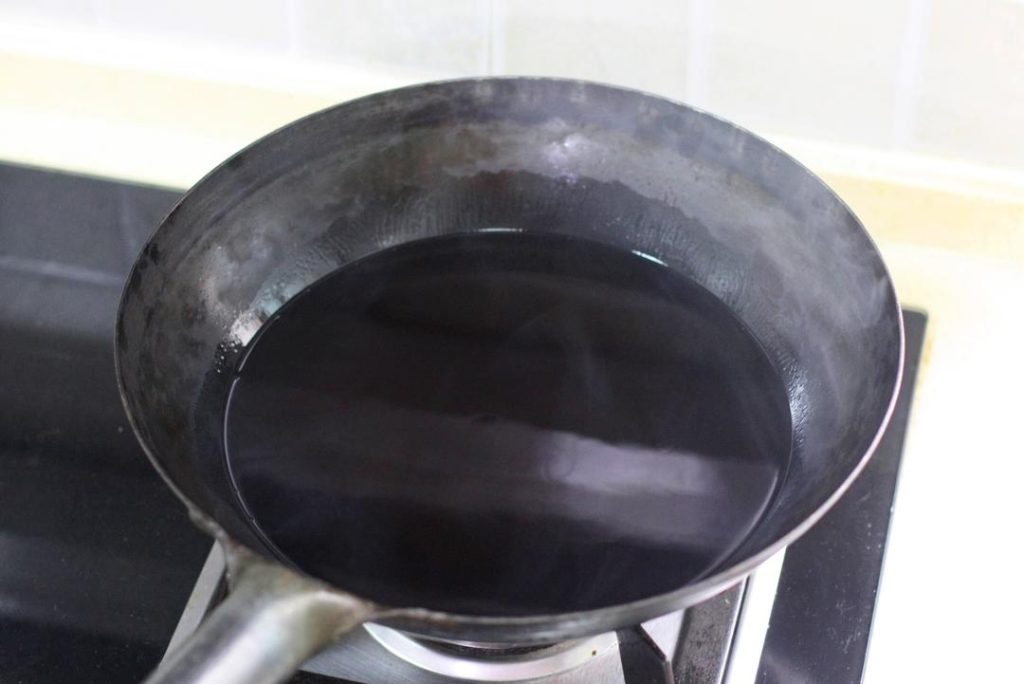
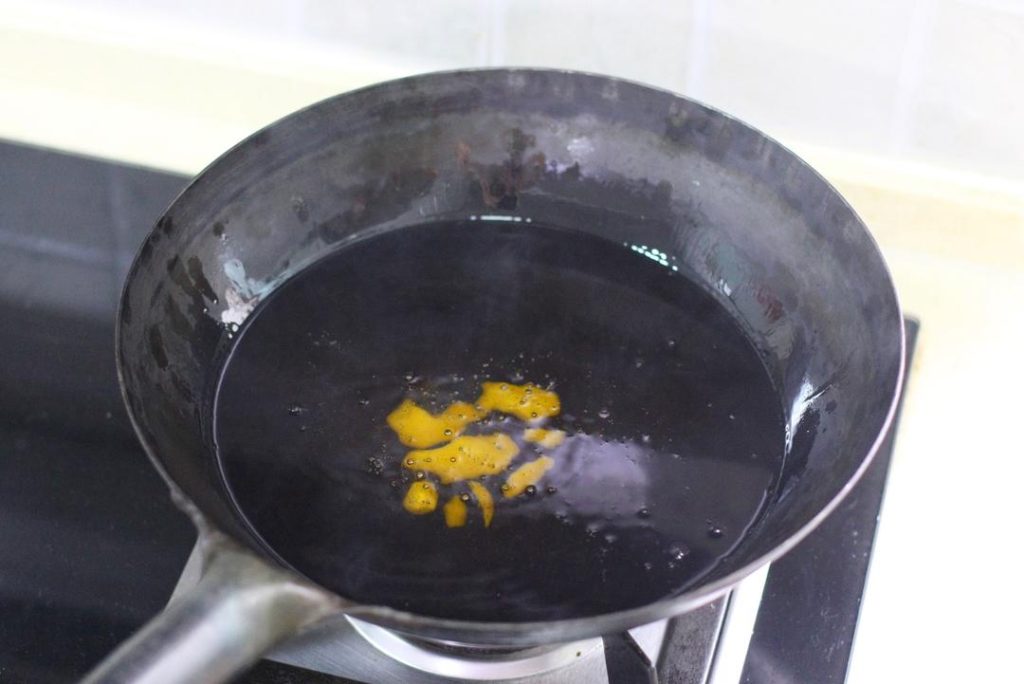
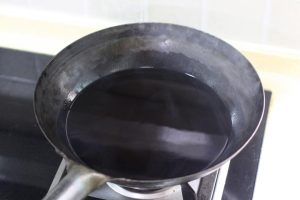
Pour the rapeseed oil (450g) into a wok or heavy-bottomed pot. Heat over medium-high until the oil produces white smoke (approx 400°F/200°C). This burns off the raw, pungent flavor of the rapeseed.
Tip: If using canola/peanut oil, you just need to heat it until it shimmers (350°F/175°C); no need to smoke it heavily. Turn off the heat and let it cool slightly (about 3-5 minutes). Add the lard (50g) and stir until fully melted.
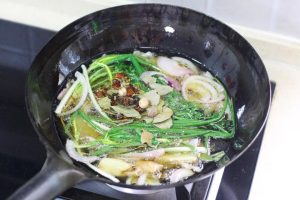
Step 2: Fry the Fresh Aromatics
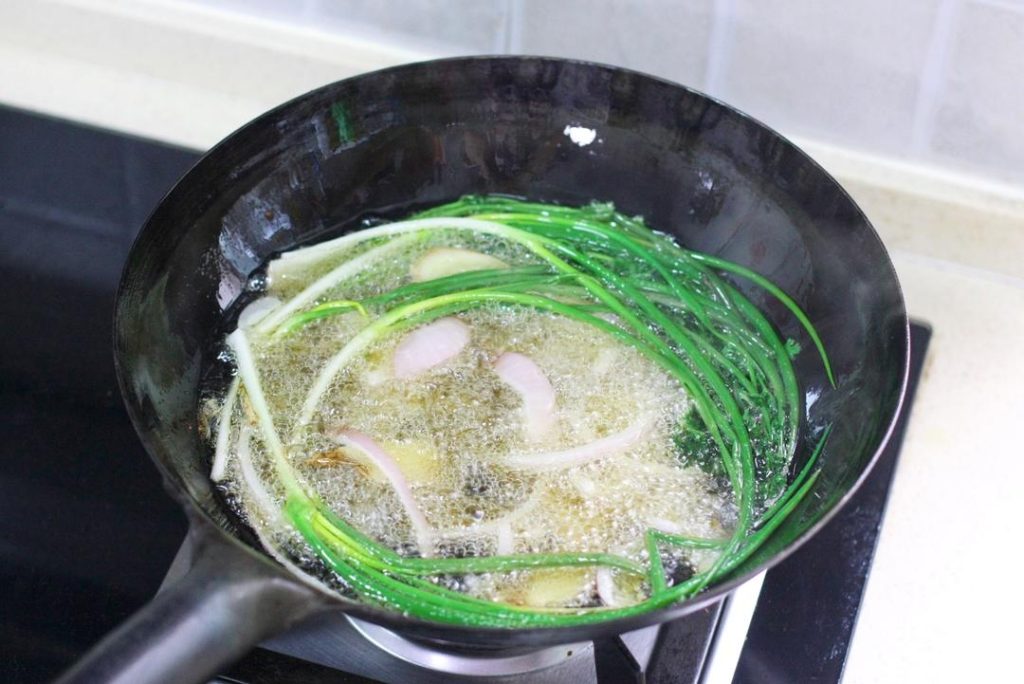
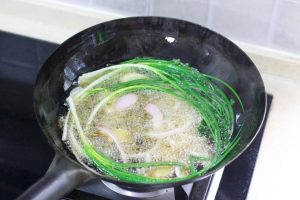
With the oil temperature around 300°F (150°C), carefully add the sliced onion, scallions, and ginger slices.
Safety: Use a lid as a shield when adding these, as the moisture in the onions may cause splashing. Fry over low heat until the aromatics turn golden and dry. This infuses the oil with a savory base.
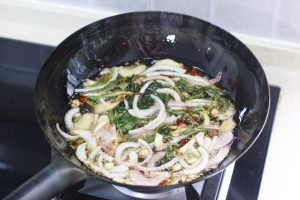
Step 3: The Spice Infusion
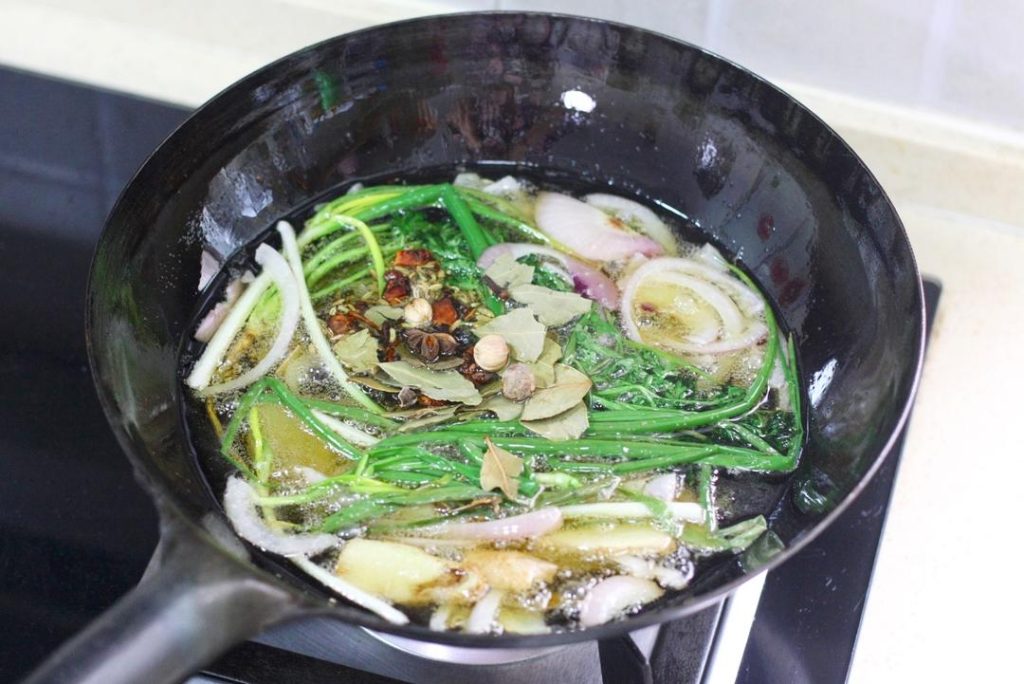
Once the onion is slightly browned, add your Spice Packet (Star anise, cinnamon, fennel, etc.). Continue to fry on low heat.
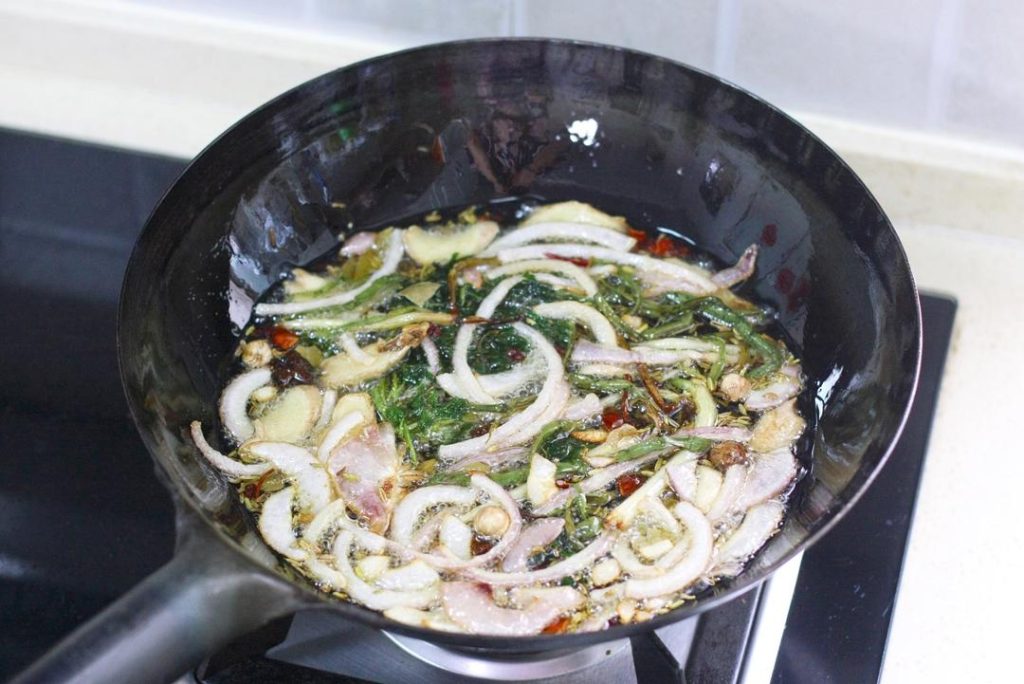
Why? Spices burn easily. We want to extract the flavor slowly. When the onions and scallions are completely withered, dry, and dark golden (but not burnt black), use a spider strainer or slotted spoon to remove all solids (spices and onions). Discard them. You now have pure, fragrant oil.
Step 4: Frying the Seeds and Chilies
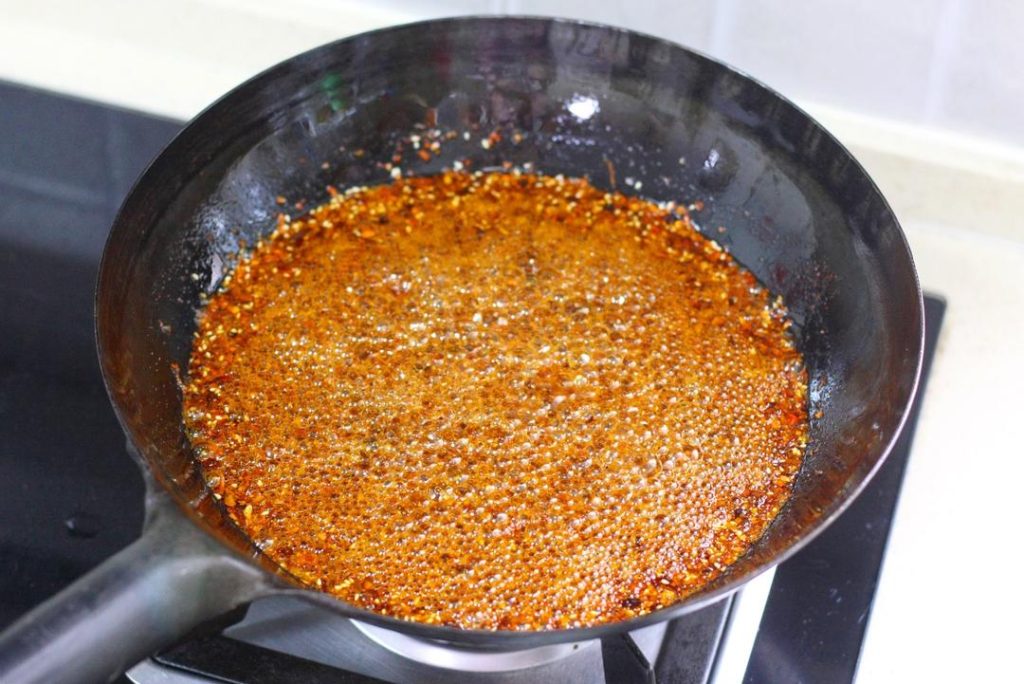
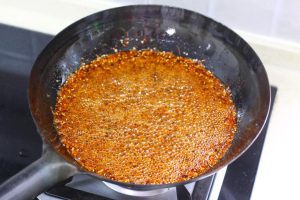
This is the critical step. Heat the oil back up to approx 325°F-340°F (160°C-170°C)—often called “80% hot” in Chinese kitchens.
- Add Sesame: Pour in the white sesame seeds. They will fizz vigorously.
- First Chili Pour: Wait until the sesame seeds float to the surface and turn light gold. Pour in half (1/2) of the Qin pepper powder.
- Note: The oil will bubble violently. Stir constantly. This stage fries the “aroma” out of the chili.
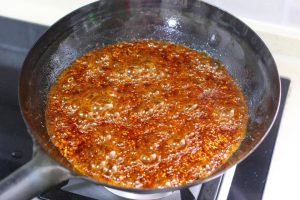
- Second Chili Pour: Pour in the remaining half of the chili powder. Stir well. This stage preserves the “color” and prevents burning.
Step 5: The “splash” Finish
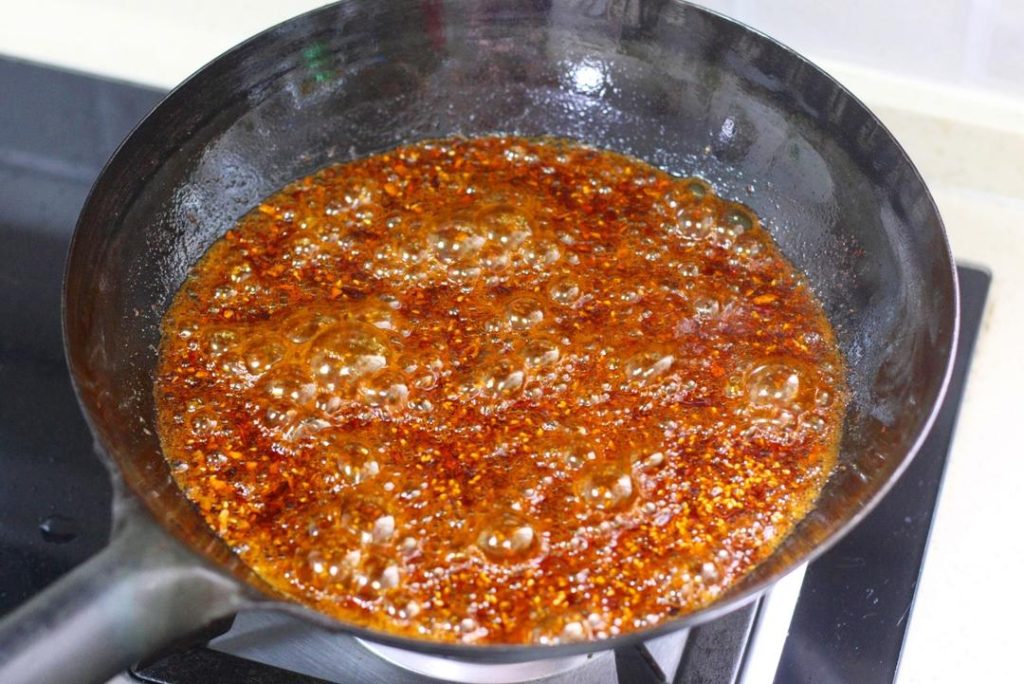
While the oil is still bubbling but off the heat:
- Pour the Chinese Black Vinegar (15g) along the edge of the pot. It will sizzle loudly—this is normal!
- Once the bubbles subside, pour the Baijiu/Spirit (5g) into the center.
- Science: This evaporates quickly, carrying away any greasy odor and leaving a crisp fragrance.
Step 6: The Long Rest
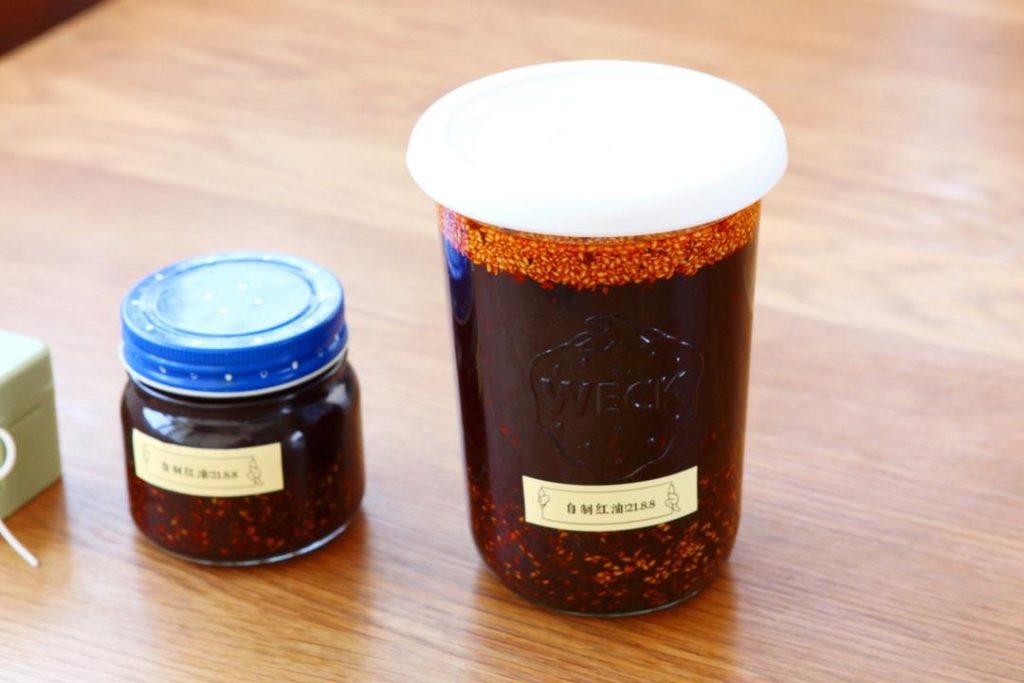
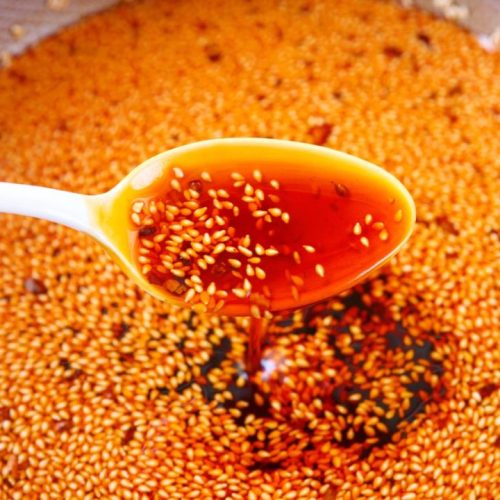
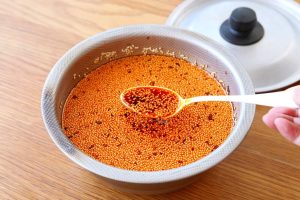
Transfer the oil (and the sludge of chilies at the bottom) into a heat-proof ceramic or stainless steel basin/jar. Cover with a lid immediately. Let it sit undisturbed for 24 hours (or at least overnight).
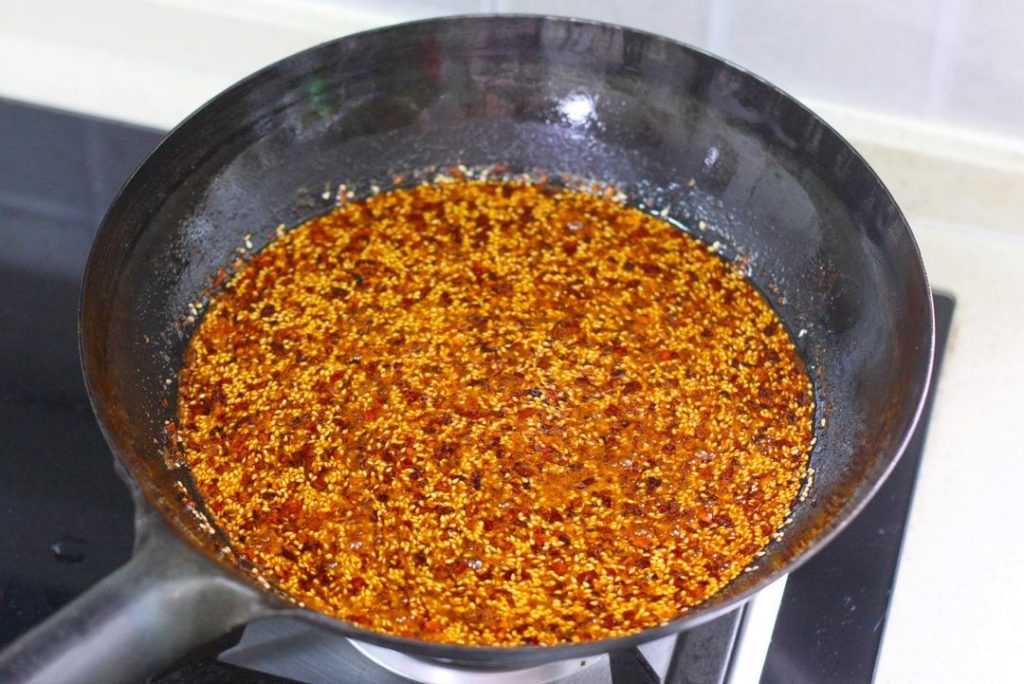
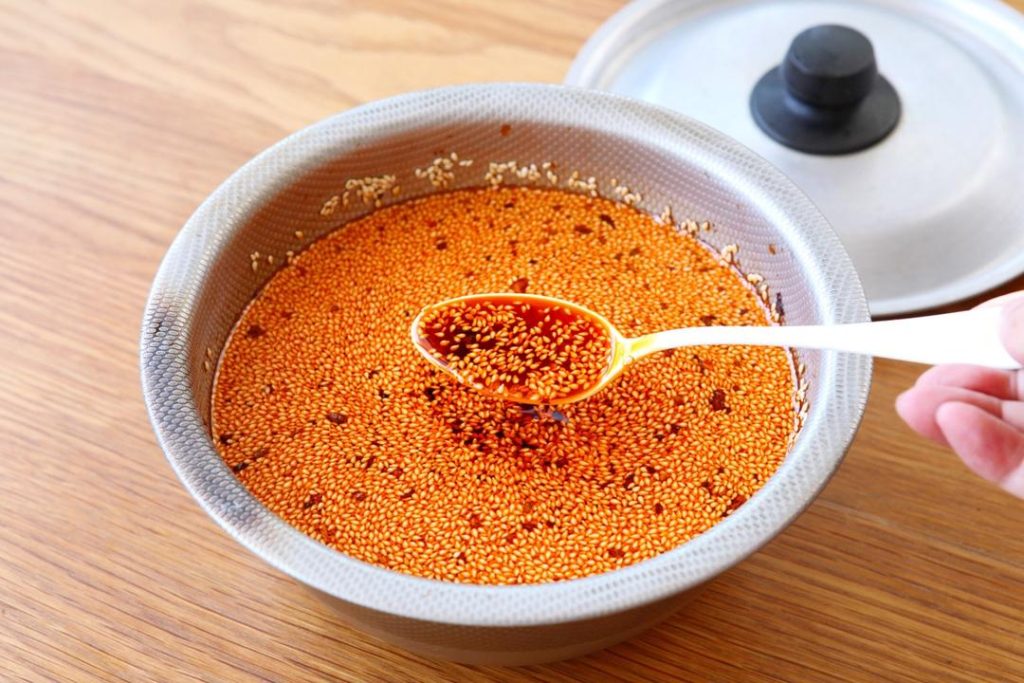
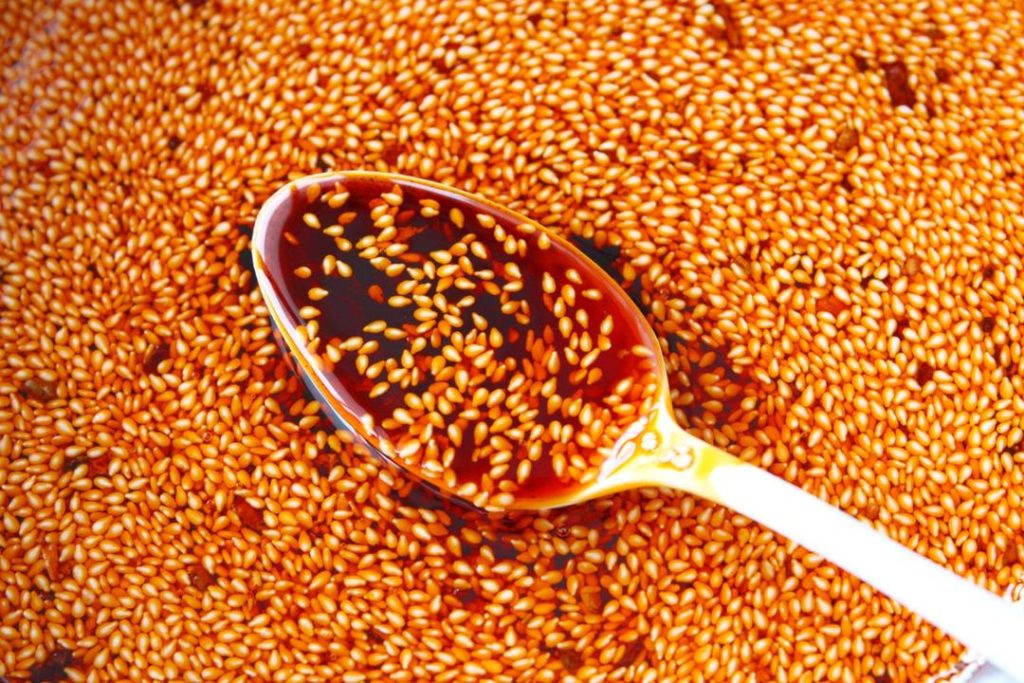
Why? This resting period allows the red pigment to fully leach into the oil, creating that glowing ruby color.
Common Mistakes When Making Chili Oil
- Burning the Chilies: If your oil is too hot (over 375°F/190°C) when you add the powder, it will turn black and taste bitter. If you are unsure, let the oil cool for an extra minute.
- Using Glass Jars: Never pour hot oil directly into a standard glass mason jar; it can shatter. Use a metal pot or ceramic crock to cool it first.
- Skipping the Rest: If you eat it immediately, it will taste “flat” and oily. The flavor profile develops significantly after curing overnight.
Serving Suggestions
This oil is incredibly versatile. Here are my favorite ways to use it:
- Dumplings: It is the soul of Sichuan Dumplings (Zhong Shui Jiao).
- Noodles: A few tablespoons will transform plain noodles into Dan Dan Noodles.
- Cold Appetizers: Use it as the dressing base for Smashed Cucumber Salad or Spicy Cold-Tossed Pork Tenderloin.
- Soups: Drizzle over Wonton Soup for a spicy kick.
About the Author & Recipe Development
Hi, I’m Lin. I was born and raised in the humid, spice-filled air of Sichuan province. My culinary journey began peeling garlic in my parents’ restaurant and eventually led me to culinary school where I specialized in traditional Sichuan flavor profiles.
This specific red oil recipe is a labor of love. I developed it by combining my father’s old-school method (using lard) with techniques I learned in professional kitchens (the vinegar splash). I have tested this batch size specifically for home cooks—it yields enough to last a month but fits safely in a standard 12-inch home wok.
Nutrition Information (Estimate)
- Calories: ~120 per tbsp
- Fat: 14g
- Carbohydrates: 1g
- Sodium: 0mg
- Allergens: Sesame. (Check your vinegar for wheat/gluten).
Disclaimer: Nutrition information is calculated using an ingredient database and should be considered an estimate. Garnishes and optional ingredients are not included. Actual values may vary depending on the specific brands of oil and chilies used.
Homemade Chinese Chili Oil (Sichuan Style)

Equipment
- Wok
- Kitchen Thermometer
- Heat-proof container
Ingredients
The Oil Base
- 450 g Rapeseed Oil (Caizi Oil) approx 2 cups; can substitute canola
- 50 g Pork Lard approx 1/4 cup; optional for vegetarians
Dry Ingredients
- 75 g Qin Pepper Powder approx 2/3 cup; or mix of Sichuan chili flakes + Gochugaru
- 25 g White Sesame Seeds approx 3 tbsp
Fresh Aromatics
- 0.5 Onion sliced
- 1 bunch Scallions cut into lengths
- 4 slices Ginger
Spice Packet
- 5 g Fennel Seeds
- 3 g Star Anise
- 3 g Cassia Bark Cinnamon
- 1 g Sichuan Peppercorns
- 1 Tsao-Ko Black Cardamom
- 1 Bay Leaves
The Finish
- 15 g Chinese Black Vinegar approx 1 tbsp
- 5 g Baijiu or Vodka; approx 1 tsp
Instructions
- Heat the rapeseed oil in a wok until it smokes white (approx 400°F/200°C) to remove raw flavor. Turn off heat and let cool for 3-5 minutes. Stir in the lard until melted.

- Add onion, scallions, and ginger. Fry gently on low heat until they begin to yellow (oil temp approx 300°F).
- Add the Spice Packet ingredients. Continue to fry slowly until onions are withered, dry, and dark golden brown.
- Remove and discard all solids (spices and aromatics) using a strainer.
- Bring oil temperature to approx 325°F-340°F (160°C-170°C). Add white sesame seeds. When they float, add HALF of the chili powder. Stir vigorously. Then add the remaining half of the chili powder.
- Turn off heat. Pour vinegar along the edge of the pot. Once bubbling subsides, pour baijiu/spirit into the center.
- Transfer to a heat-proof container (ceramic or steel). Cover immediately. Let rest for at least 12 hours/overnight before serving.












Leave a Reply