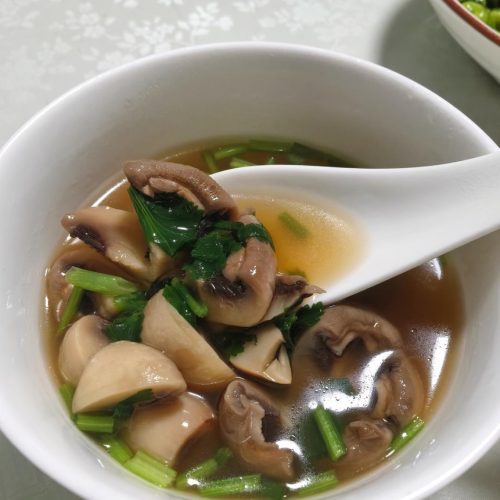
There is a soup in Chinese home cooking that costs almost nothing and tastes like it simmered all day. It is called 口蘑汤, button mushroom soup, and it relies on a single quiet trick: searing whole mushrooms until they sweat, brown, and give up their own concentrated juice. What you get is a crystal-clear broth with a savory depth that seems impossible for three ingredients.
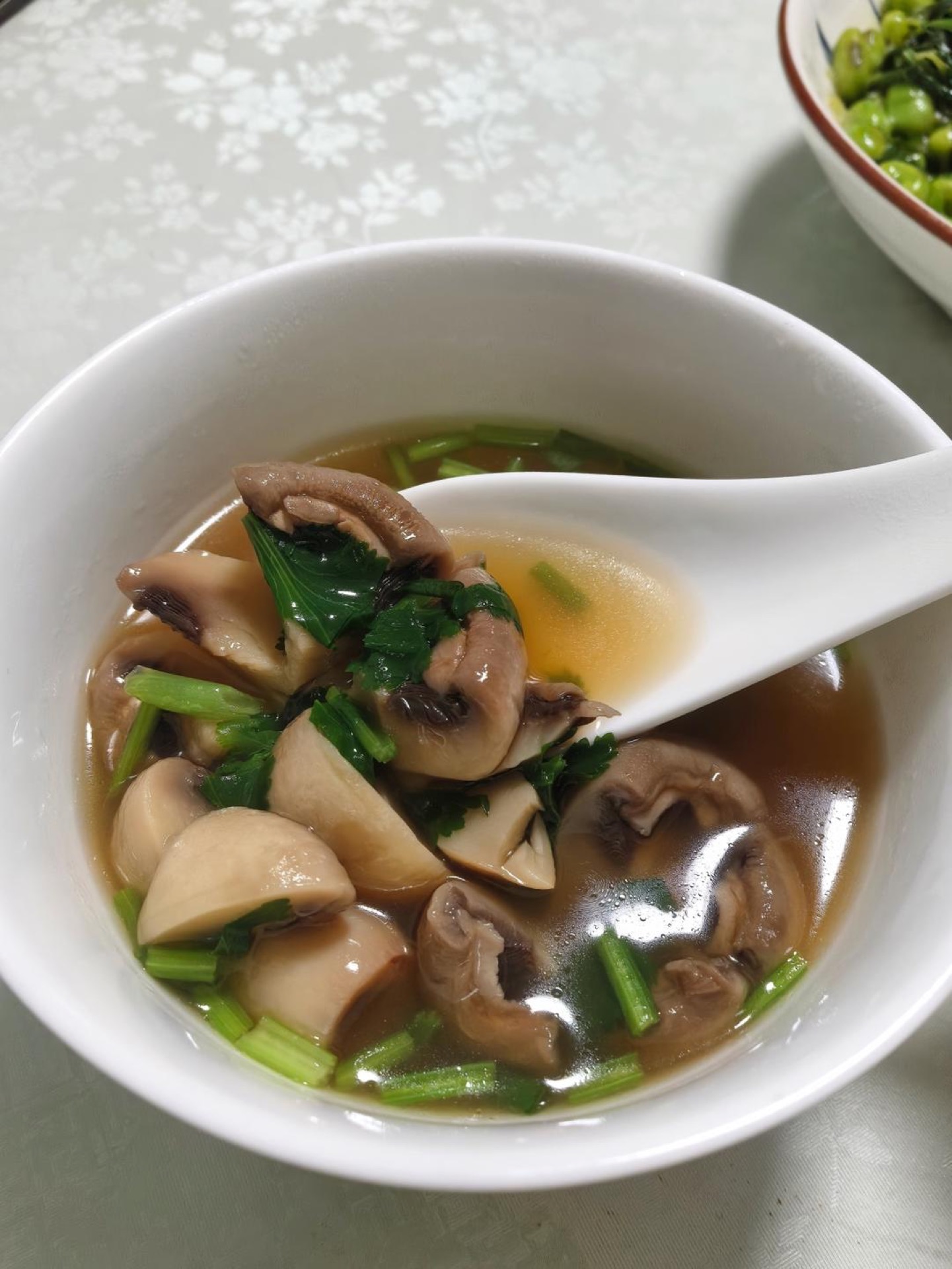
I first learned this method from my mother, who made it on nights when the fridge was nearly empty and dinner still had to be on the table. She never used stock, never used bouillon, and never once apologized for how simple it was. The mushrooms did all the work. Once you understand what is happening in the wok, you can make this soup from memory, on any weeknight, in about half an hour.
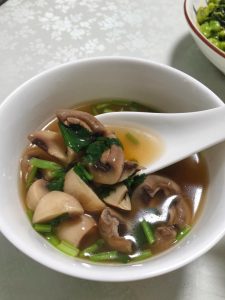
What makes it special is that it is not a thick, creamy mushroom soup. It is the opposite. The broth stays transparent, the mushroom flavor stays front and center, and the whole thing drinks like a light, restorative tea. It is the kind of dish that makes you realize how much flavor is hiding in an ordinary box of supermarket mushrooms.
What Is Button Mushroom Soup?
Button mushroom soup, known in Chinese as 口蘑汤 (koumotang), is a clear, home-style soup from northern China. Despite the name, 口蘑 originally referred to a specific wild mushroom from the grasslands around Zhangjiakou, prized for its intense aroma. Today the name is used loosely for soups made with cultivated button mushrooms, which are the closest everyday stand-in.
The defining technique is not simmering mushrooms in water, which produces a thin, flat broth. Instead, the mushrooms are seared whole in a lightly oiled wok until their moisture is driven out and their surfaces brown. That browning, plus the concentrated mushroom liquid pooling in the pan, becomes the entire flavor base. Hot water is then poured in and the soup is simmered briefly.
The result is a broth that tastes roasted and savory rather than raw and vegetal — proof that browning, not long cooking, is what makes a mushroom soup taste like mushrooms.
Because the ingredient list is so short, this is also one of the most forgiving soups in the Chinese repertoire. You can simmer it for ten minutes or forty. You can add tofu, noodles, or a handful of greens. The one thing you cannot skip is the sear.
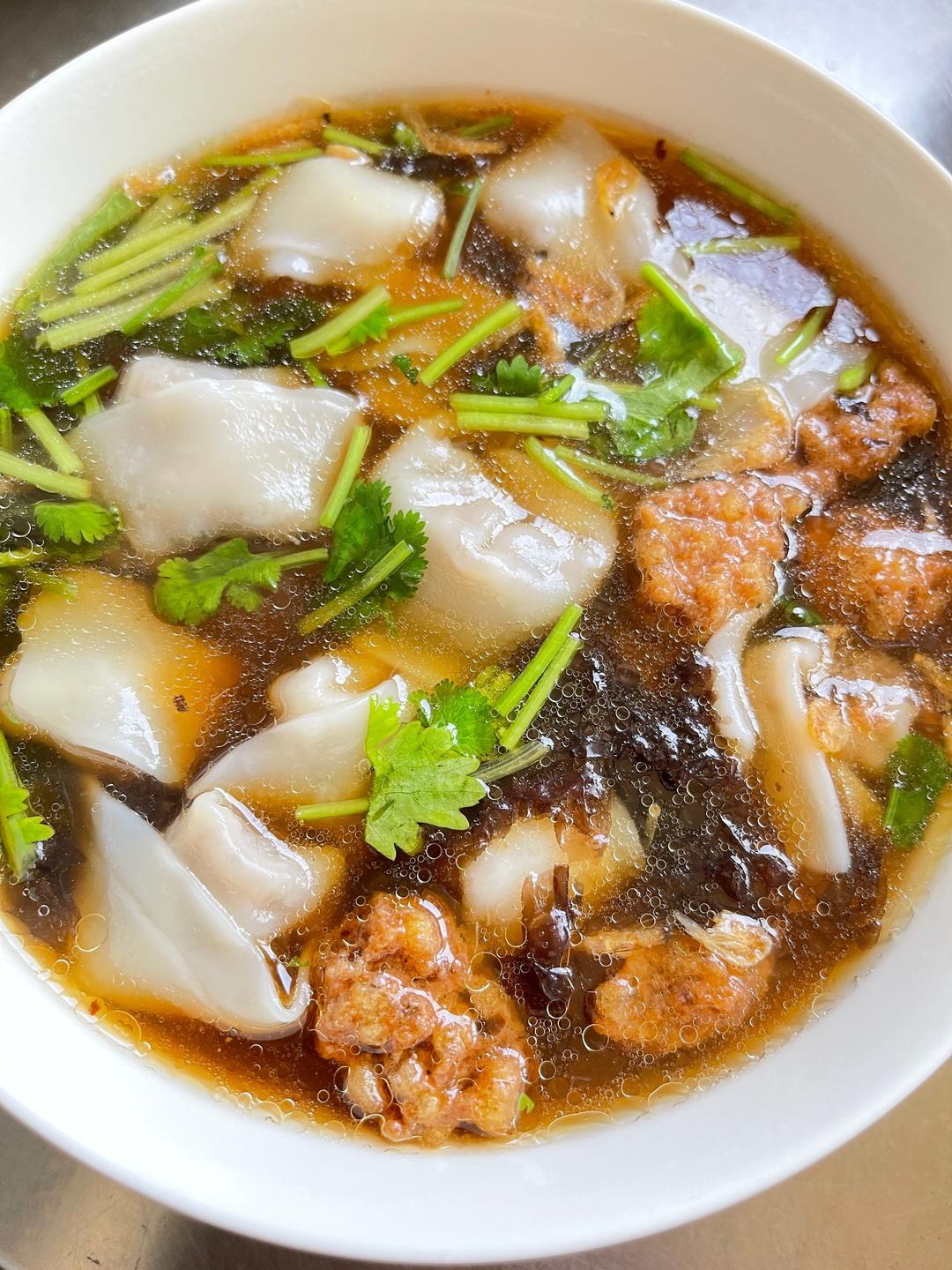
If you enjoy clean, savory broths, you will like the same flavor logic behind wonton soup broth, where a few aromatics and a short simmer do the heavy lifting.
15-Minute Wonton Soup Broth (Restaurant Secret)Learn the 5-minute restaurant secret to an amazing Wonton Soup Broth! This quick, “in-the-bowl” recipe uses pantry staples like dried shrimp, lard, and seaweed to create a rich, savory soup base in seconds. Tastes just like your favorite takeout!Check out this recipe
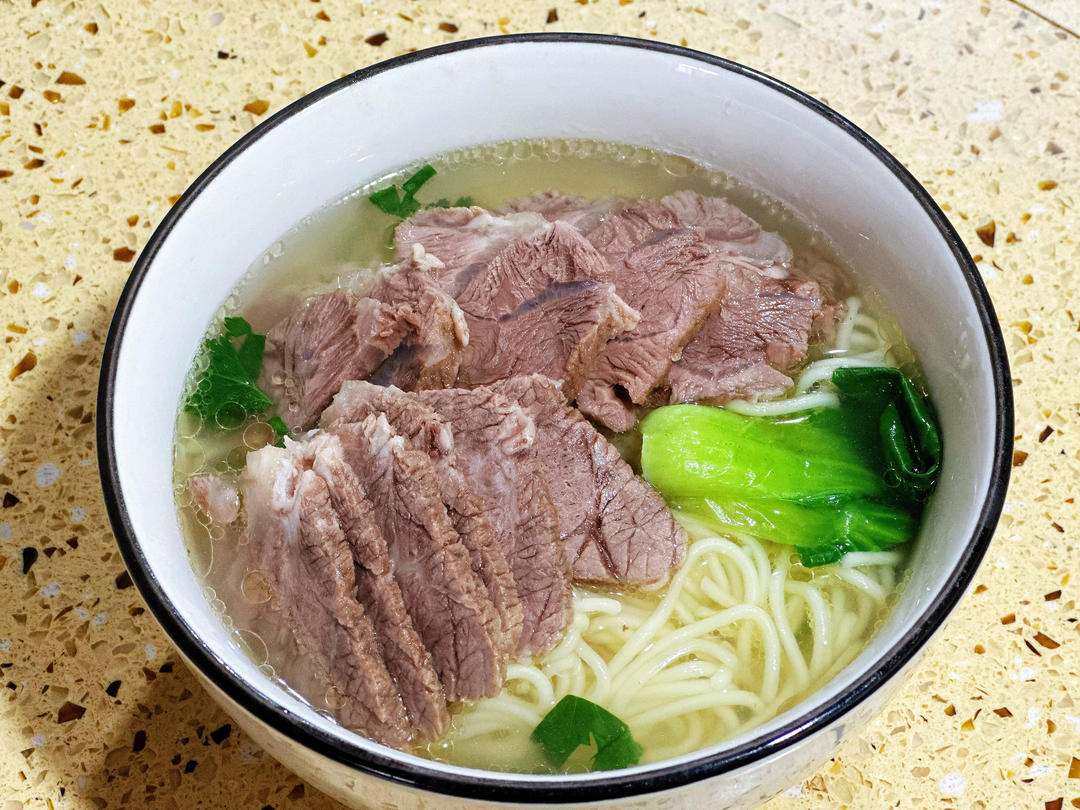
For a beefier, deeper version of the same clear-broth idea, try clear beef noodle soup, which builds its flavor slowly rather than in a hot wok.
2Simple Clear Beef Noodle Soup (清汤牛肉面)A simple, homestyle recipe for Clear Beef Noodle Soup (Qing Tang Niu Rou Mian). This recipe focuses on a “cook and steep” method and an overnight soak to create a crystal-clear, aromatic broth and perfectly tender, sliceable beef.Check out this recipe
And if you want another ten-minute soup in your rotation, this style egg drop soup uses the same principle of a light broth finished at the last second.
310-Minute Restaurant-Style Egg Drop Soup (Dan Hua Tang)A quick and authentic Chinese Egg Drop Soup featuring silky egg ribbons in a savory, seasoned chicken broth. Perfect as a starter or a light meal.Check out this recipe

Why This Recipe Works
Mushrooms are roughly 90 percent water, and that water is full of dissolved glutamates and guanylates — the same compounds responsible for the savory punch of aged parmesan or dried shiitake. When you sear them, you drive off that water and concentrate those compounds in the pan. The browned bits left behind are pure flavor, and the hot water you add dissolves them back into the broth.
This is why the recipe insists on low heat and patience rather than a fast, high-heat stir-fry. A hard sear can burn the outside before the inside has given up its moisture, leaving you with bitter edges and a watery soup. Low, steady heat lets the mushrooms collapse gradually, releasing their liquid into a shallow pool that then reduces and browns.
Adding hot water instead of cold matters too. Cold water shocks the hot wok, stops the browning dead, and can leave the broth cloudy. Hot water keeps the pan at temperature, so the fond dissolves instantly and the broth stays glass-clear.
Finally, the seasoning is deliberately minimal. Light soy sauce adds salinity plus a little fermented depth, and salt fine-tunes it. Anything more — vinegar, chili oil, heavy aromatics — would bury the mushroom flavor you just worked to build.
Equipment Needed
A wok is the ideal vessel because its wide, sloped sides give the mushrooms room to spread out in a single layer, which is essential for proper browning. A wide skillet or Dutch oven works too, but a narrow saucepan will steam the mushrooms instead of searing them.
You will also want a cutting board for trimming stems and slicing the garnish, a slotted spoon for lifting the mushrooms out if you choose to strain the broth, and a kettle or small pot for heating the water. A lid is helpful if you decide to simmer covered, though this soup does not require one.
One more useful tool: a fine-mesh strainer. Some cooks prefer to strain the finished broth so it is perfectly clear, especially if serving it as a first course. It is optional, but it turns a rustic home soup into something you could serve to guests. For more on wok technique, see our guide to how to stir fry vegetables without overcooking.
Ingredients
You need very little: a pound of button mushrooms, a neutral oil, hot water, light soy sauce, salt, scallions, and cilantro. That is the entire list. The quality of the mushrooms matters more than anything else, so buy the firmest, whitest ones you can find and avoid any that look damp or bruised.
If you can find cremini mushrooms, they work beautifully here and give a slightly deeper color and flavor. White button mushrooms are the classic choice and produce the clearest broth. A mix of the two is excellent.
For the soy sauce, use a light or standard soy sauce rather than dark soy, which is thicker, sweeter, and would muddy the color of the broth. Tamari is a fine substitute if you are avoiding gluten.
Ingredient Notes
Button mushrooms. Wipe them with a damp paper towel rather than soaking them. Mushrooms are sponges, and a long soak makes them release water in the pan, which steams rather than sears them. If they are very dirty, rinse quickly and dry thoroughly before cooking.
Neutral oil. Use an oil with a high smoke point and little flavor — grapeseed, canola, avocado, or a refined peanut oil. Olive oil’s flavor will compete with the mushrooms, and butter will burn during the sear.
Light soy sauce. This provides both salt and umami. Start with one tablespoon and adjust at the end, since soy sauces vary widely in sodium. If your sauce tastes flat rather than salty, that is a different problem — our notes on why a sauce can taste too salty explain how to rebalance it.
Scallions and cilantro. These go in at the very end, off the heat. Their job is freshness and aroma, not cooking. If you dislike cilantro, flat-leaf parsley or a few thin slices of fresh ginger work well.
Hot water. Not optional. Boil it in a kettle while the mushrooms sear so it is ready the moment you need it.
Prep & Mise en Place
Trim the mushroom stems flush with the caps and wipe the caps clean. Leave small mushrooms whole and halve or quarter any that are larger than a golf ball, so they cook evenly. Set them aside on a plate — do not wash them again.
Slice the scallions thinly on a bias and roughly chop the cilantro. Keep them together in a small bowl, since they go in at the same moment. Measure your soy sauce and salt into a tiny dish so you can season quickly without the mushrooms overcooking.
Put the water on to boil. Have your wok, a spatula, and a serving bowl within reach. Once the sear starts, you will not want to leave the stove, so getting everything ready first is the difference between a relaxed cook and a scramble.
If you are adding any optional extras — tofu cubes, a handful of spinach, cooked noodles — prep them now as well. This is also a good moment to think about the rest of the meal; a simple stir-fry like green pepper and egg stir fry or a plate of shrimp and broccoli stir fry rounds out the table nicely.
Cooking Process
Step 1 — Sear the Mushrooms
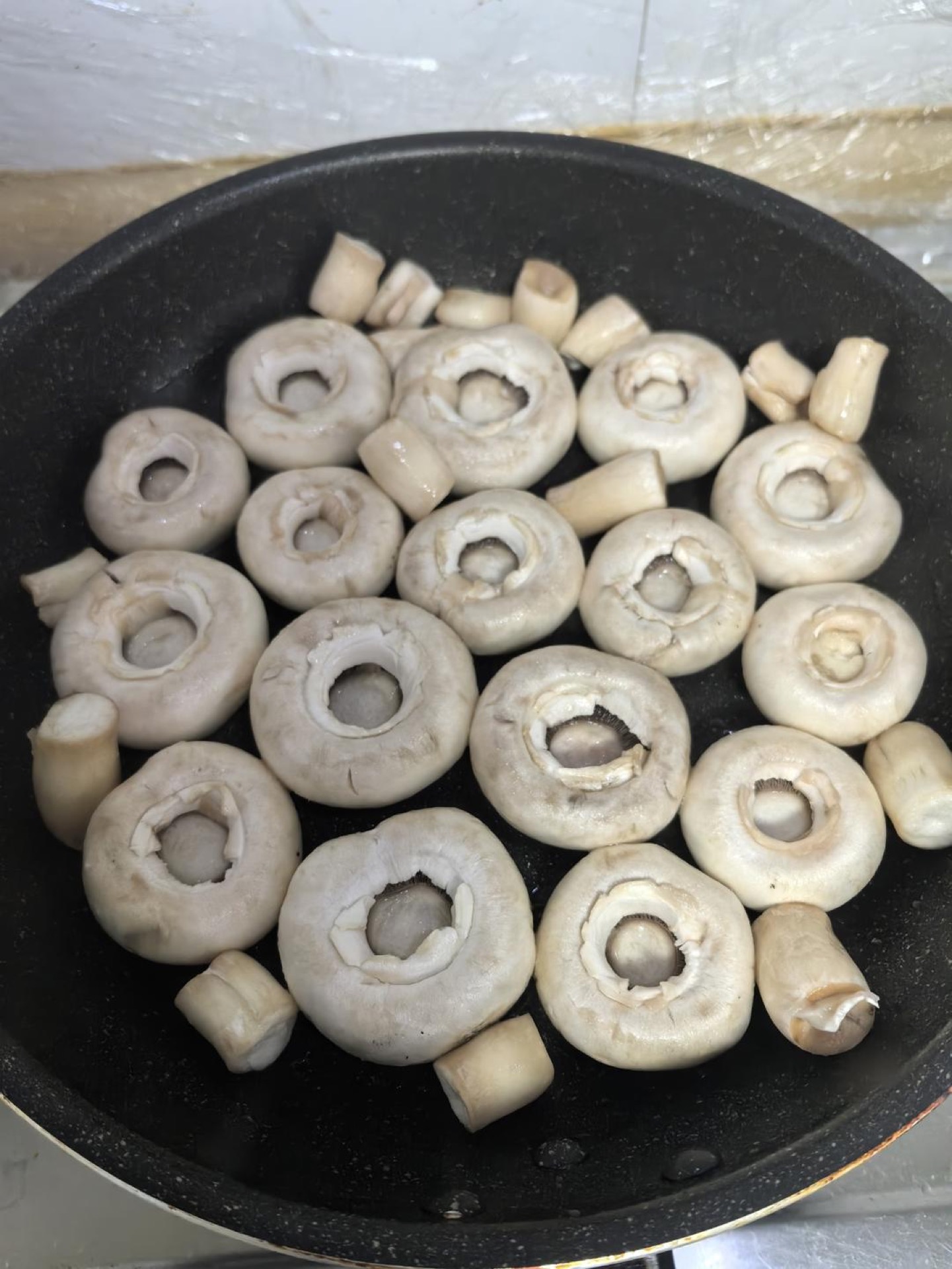
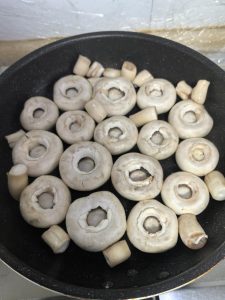
Wash the mushrooms well, add a little oil to the wok, and sear over low heat.
Step 2 — Wait for the Release
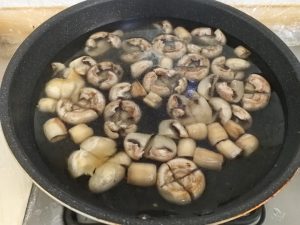
Be patient and wait until the mushrooms release their liquid, smell fragrant, and turn slightly browned on the bottom.
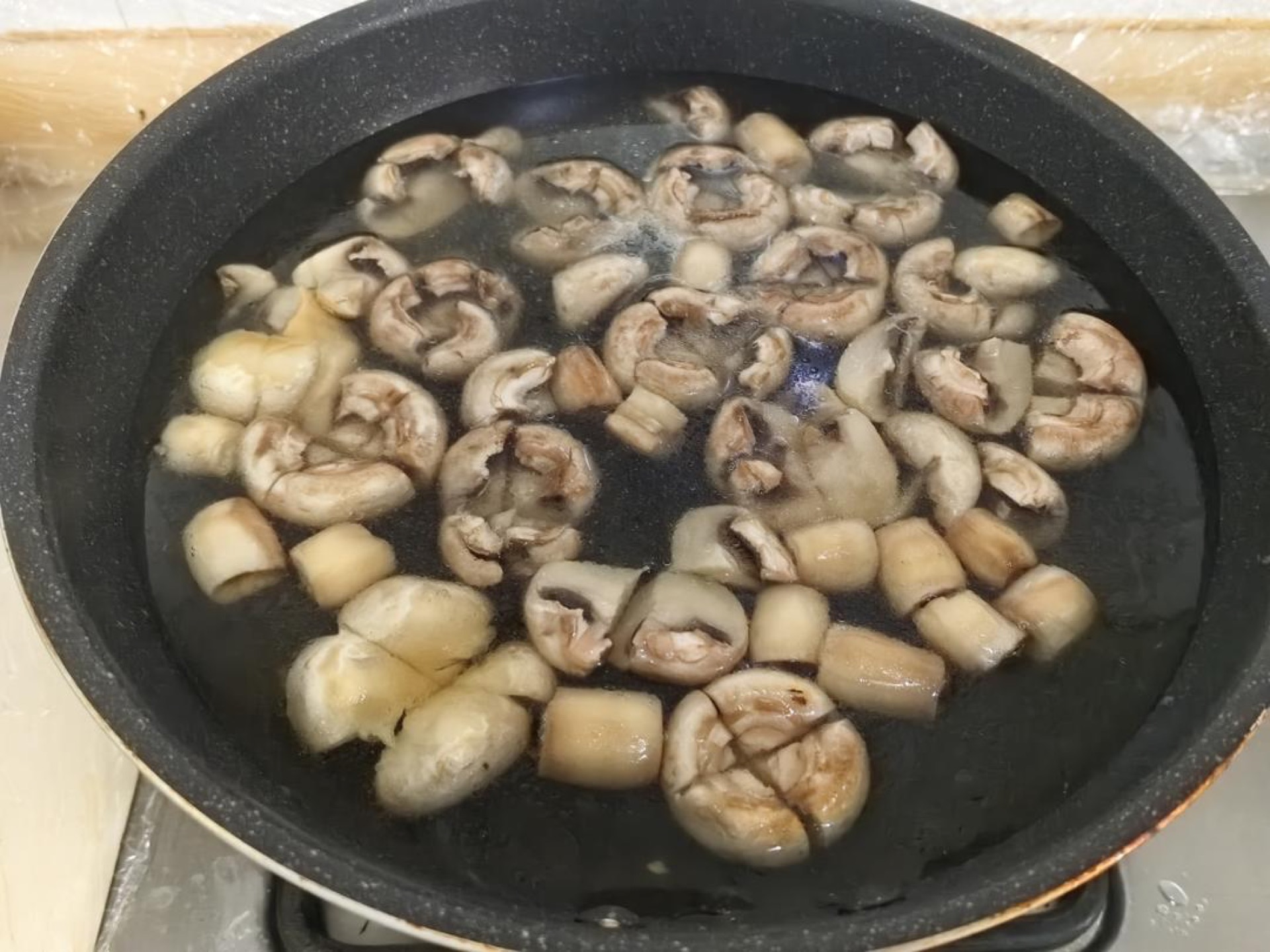
Step 3 — Add Hot Water and Simmer
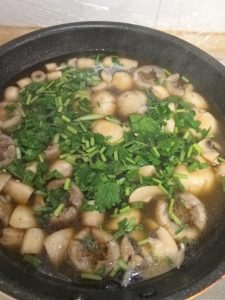
Pour in hot water, bring to a rolling boil over high heat, then add light soy sauce and salt to your own taste, lower the heat, and simmer as long as you like — you can go do something else, twenty minutes is fine.
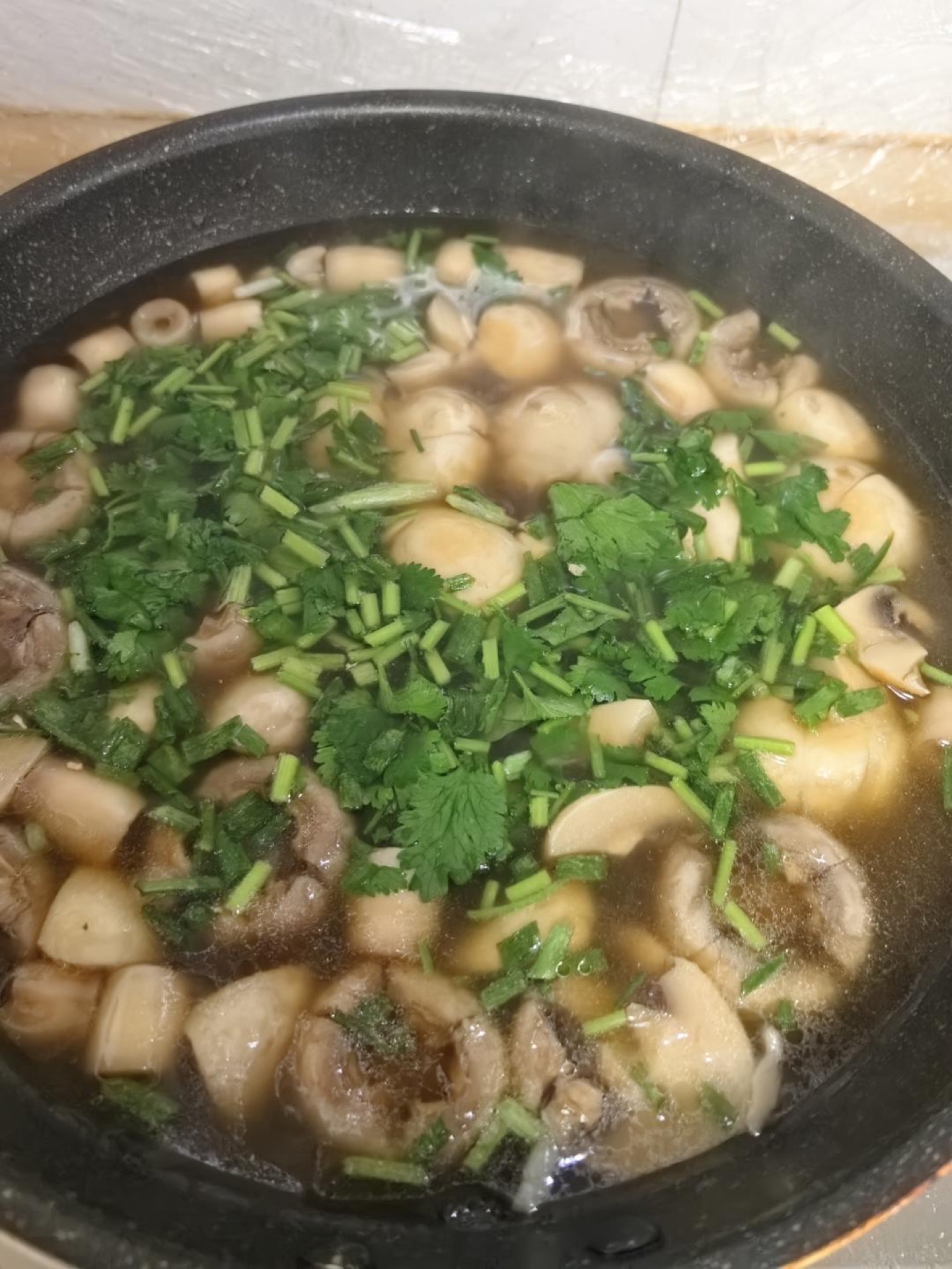
Step 4 — Finish with Herbs
Add the cilantro and scallions, then take the soup off the heat and serve.
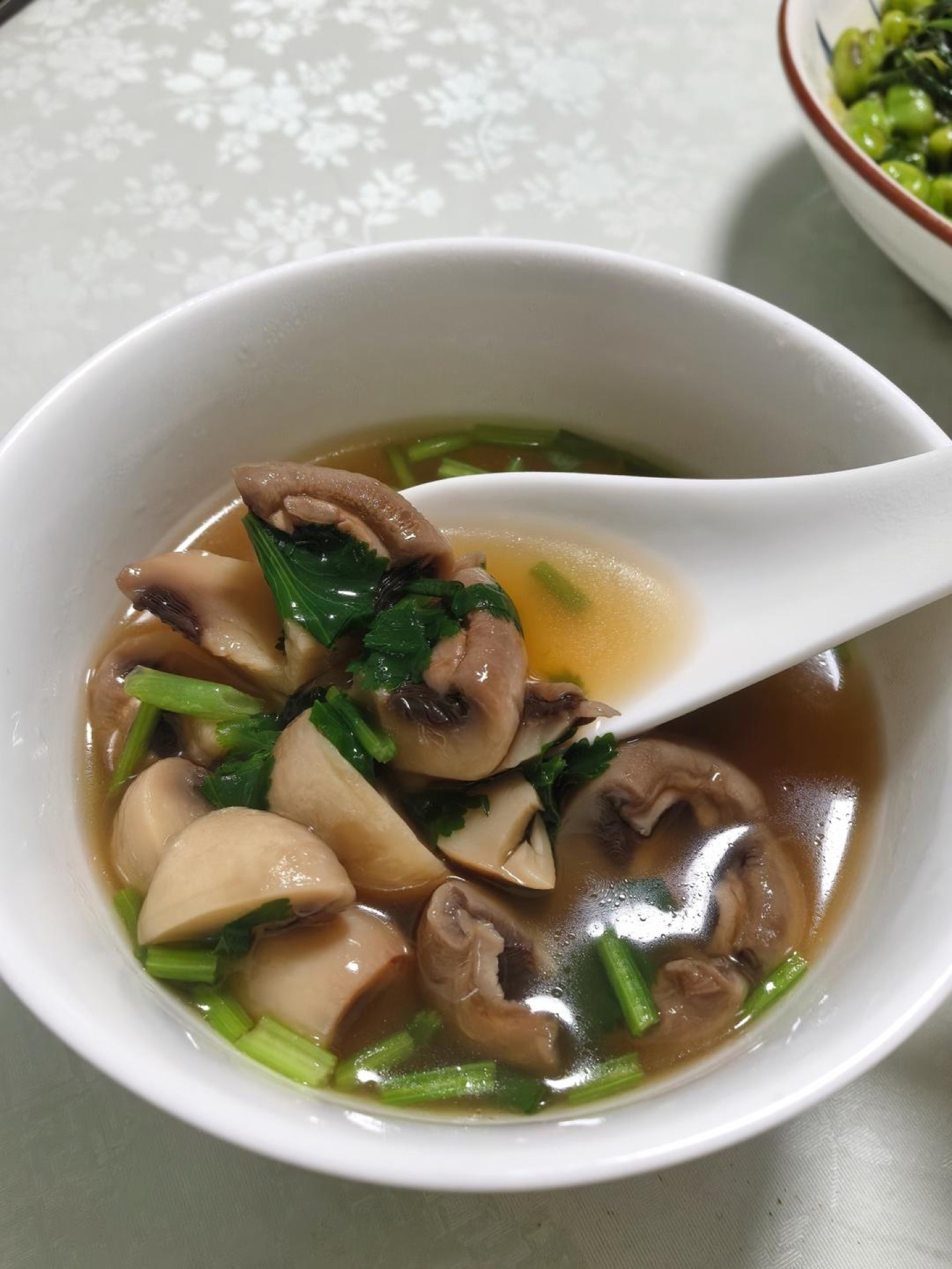
Step 5 — Serve and Enjoy
It is delicious — tasty, nourishing, and healthy.
Common Mistakes When Making Button Mushroom Soup
1. Crowding the pan. If the mushrooms are piled on top of each other, they steam in their own moisture and never brown. The fix is simple: cook them in two batches, or use a wider wok. You want a single layer with a little space between each mushroom.
2. Using high heat. A screaming-hot wok burns the outside of the mushrooms before the interior releases its water, which leaves bitter spots and a thin broth. Use low to medium-low heat and let the mushrooms sweat slowly. This is the single most important adjustment for anyone used to fast stir-frying.
3. Stirring constantly. Mushrooms need contact time with the hot surface to brown. Stirring every few seconds prevents that. Let them sit for a minute or two at a time, then give the wok a shake and turn them.
4. Adding cold water. Cold water drops the pan temperature instantly and stops the fond from dissolving cleanly, which produces a cloudy, dull broth. Always use water that is at a rolling boil.
5. Over-seasoning early. Salt draws moisture out of the mushrooms and can make them release water before they have browned. Hold the soy sauce and salt until after the hot water goes in, then adjust at the end.
6. Skipping the taste test. Because the broth is so simple, the final seasoning is everything. Taste after the simmer, add a pinch more salt if it tastes flat, and only then add the herbs. A soup that tastes dull almost always just needs salt.
Variations
Creamy version. After the mushrooms are seared, stir in a tablespoon of flour, cook for a minute, then add the hot water and finish with a splash of cream or whole milk. You lose the clarity but gain a rich, velvety body.
Tofu and mushroom. Add cubes of soft or medium tofu during the simmer. They soak up the mushroom broth and turn this into a more substantial one-bowl meal. A spoonful of all purpose wonton filling dropped in as small meatballs is another excellent addition.
Noodle soup. Cook thin wheat noodles separately, rinse them, and add them to the bowl before ladling over the broth. This turns the soup into a full meal and is one of the most common ways it is served at home.
Spicier and bolder. Add a few slices of fresh ginger and a dried chili to the oil before the mushrooms go in, or finish with a drizzle of chili oil. If you like that style of heat, our firecracker chicken uses a similar sweet-heat balance.
Mixed mushroom. Combine button mushrooms with shiitake, oyster, or king oyster mushrooms for a more complex, forest-like flavor. Dried shiitake, rehydrated and simmered, add enormous depth.
Frequently Asked Questions
Can I use dried mushrooms instead of fresh? Yes, but treat them differently. Rehydrate dried shiitake in warm water for at least 30 minutes, then use the strained soaking liquid as part of your hot water. Dried mushrooms should be added to the simmer rather than seared, since they are already firm and concentrated.
Why is my mushroom soup bland? Almost always because the mushrooms were not browned enough, or because the broth was not salted properly at the end. Both are easy fixes. Sear longer on lower heat next time, and taste the finished broth before serving.
Do I have to use a wok? No. A wide skillet or a Dutch oven works well. What matters is surface area and a heavy bottom that holds heat evenly. A narrow, deep saucepan is the one vessel to avoid.
How do I keep the broth clear? Use hot water, avoid stirring vigorously after the water goes in, and skim any foam that rises during the first minute of boiling. Straining the finished broth through a fine-mesh strainer gives the clearest result.
Can I make this ahead of time? Yes. The soup actually improves after a night in the refrigerator, as the mushroom flavor deepens. Reheat gently on the stove and add the fresh herbs only after reheating.
How to Serve
Button mushroom soup is most often served as part of a multi-dish Chinese meal, alongside rice and one or two stir-fries. Its clean, light character makes it a natural contrast to richer braises and fried dishes.
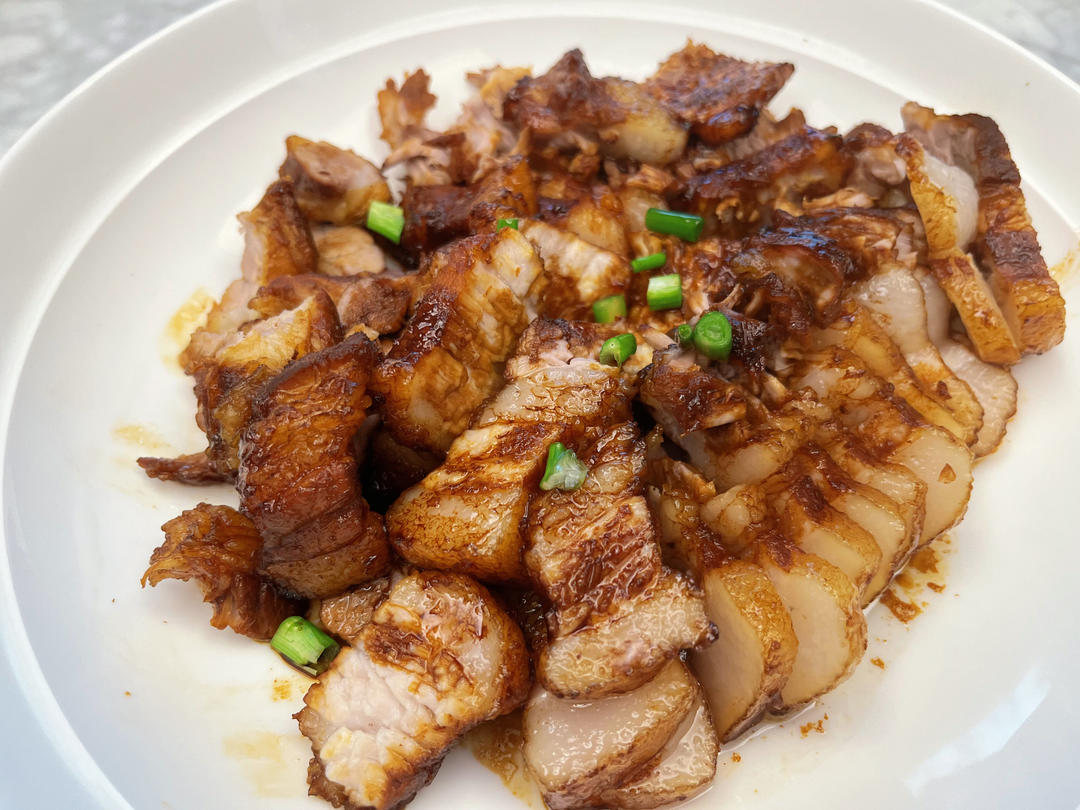
For a heartier spread, pair it with Wenzhou braised pork belly, whose soy-and-spice depth is beautifully balanced by the clear mushroom broth. A plate of greens stir-fried with garlic is another classic companion, and our guide to how to make stir fry sauce will help you season them confidently.
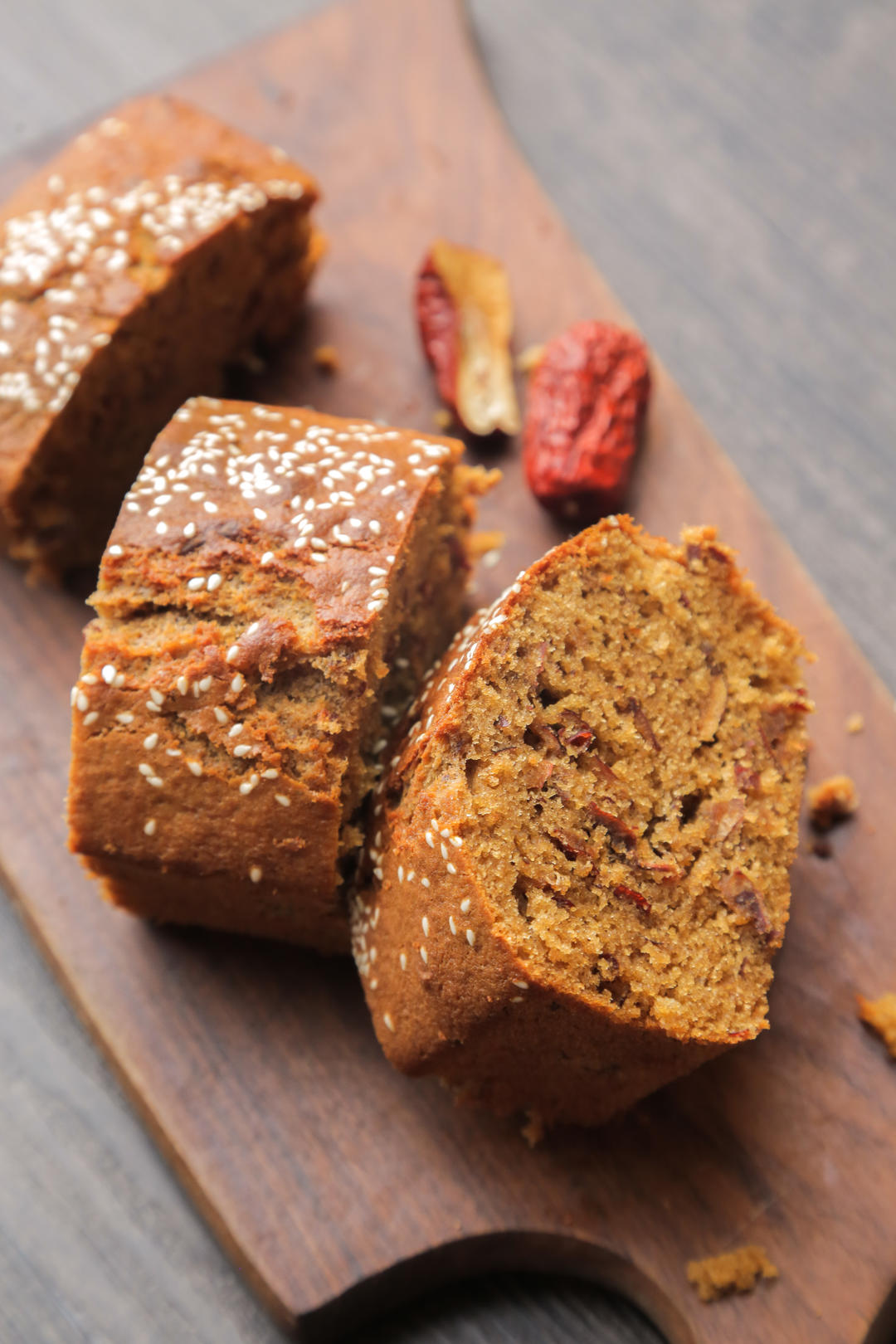
End the meal with something sweet and traditional, like chinese date cake, which is gently sweet rather than heavy and finishes the table on a warm note.
Storage & Reheat
Cool the soup to room temperature within two hours of cooking, then transfer it to a sealed container and refrigerate. It keeps for up to three days. The flavor deepens overnight, so leftovers are often better than the first serving.
To reheat, bring it gently to a simmer on the stovetop. Avoid boiling hard for long periods, which dulls the fresh mushroom aroma. If the broth has reduced, top it up with a little hot water and re-season with a pinch of salt.
The soup does not freeze especially well because the mushrooms become spongy and the texture suffers, though it is safe to freeze for up to two months if you do not mind the softer texture. Add fresh scallions and cilantro after reheating, never before storing.
Allergen Notice
This recipe contains soy, from the light soy sauce. For a soy-free version, substitute tamari or coconut aminos and adjust the salt to taste. It contains no gluten, dairy, egg, peanut, tree nut, fish, or shellfish ingredients. If you add noodles, check the label, as wheat noodles contain gluten.
Nutrition Disclaimer
Nutrition information is calculated using an ingredient database and should be considered an estimate. In cases where multiple ingredient alternatives are given, the first listed is calculated for nutrition. Garnishes and optional ingredients are not included.
About the Author & Recipe Development
This recipe comes from the home kitchens of northern China, where 口蘑汤 is a weeknight staple rather than a restaurant dish. I developed this version with my mother’s method as the starting point, testing it repeatedly to pin down the details that matter most — the heat level during the sear, the moment the mushrooms are ready, and the temperature of the water you add.
Across several rounds of testing, the biggest variable turned out to be patience. Mushrooms rushed at high heat produced a bitter, thin soup every time, while mushrooms given five or six quiet minutes at low heat produced a broth with real depth. The measurements here reflect what worked consistently in a home wok, and the timing is generous on purpose so you can step away during the simmer.
Authoritative References
For safe handling and reheating temperatures, see the FDA Food Code. The USDA safe temperature chart confirms that cooked vegetables and vegetable-based soups should reach 165°F (74°C), and leftovers should be reheated to the same temperature.
Button Mushroom Soup (口蘑汤): Umami-Packed Clear Mushroom Broth

Equipment
- Wok
- Cutting Board
- Slotted Spoon
Ingredients
For the Soup
- 1 lb button mushrooms about 2 boxes, wiped clean, stems trimmed
- 2 tbsp neutral oil divided
- 4 cups hot water just boiled
- 1 tbsp light soy sauce or tamari
- 1 tsp salt plus more to taste
For the Garnish
- 2 stalks scallions thinly sliced
- 1 small handful cilantro roughly chopped
Instructions
- Wash the mushrooms well, add a little oil to the wok, and sear over low heat.

- Be patient and wait until the mushrooms release their liquid, smell fragrant, and turn slightly browned on the bottom.
- Pour in hot water, bring to a rolling boil over high heat, then add light soy sauce and salt to your own taste, lower the heat, and simmer as long as you like — you can go do something else, twenty minutes is fine.

- Add the cilantro and scallions, then take the soup off the heat and serve.
- It is delicious — tasty, nourishing, and healthy.












Leave a Reply