Soy sauce pork potato rice is the kind of dish that fills a kitchen with the smell of cured pork and steaming rice long before anyone sits down to eat. It is a homestyle one-wok meal from southern China, where a piece of homemade soy sauce pork is treated as a kind of seasoning in its own right — salty, deeply savory, and rich enough to flavor an entire pot of rice and potatoes.
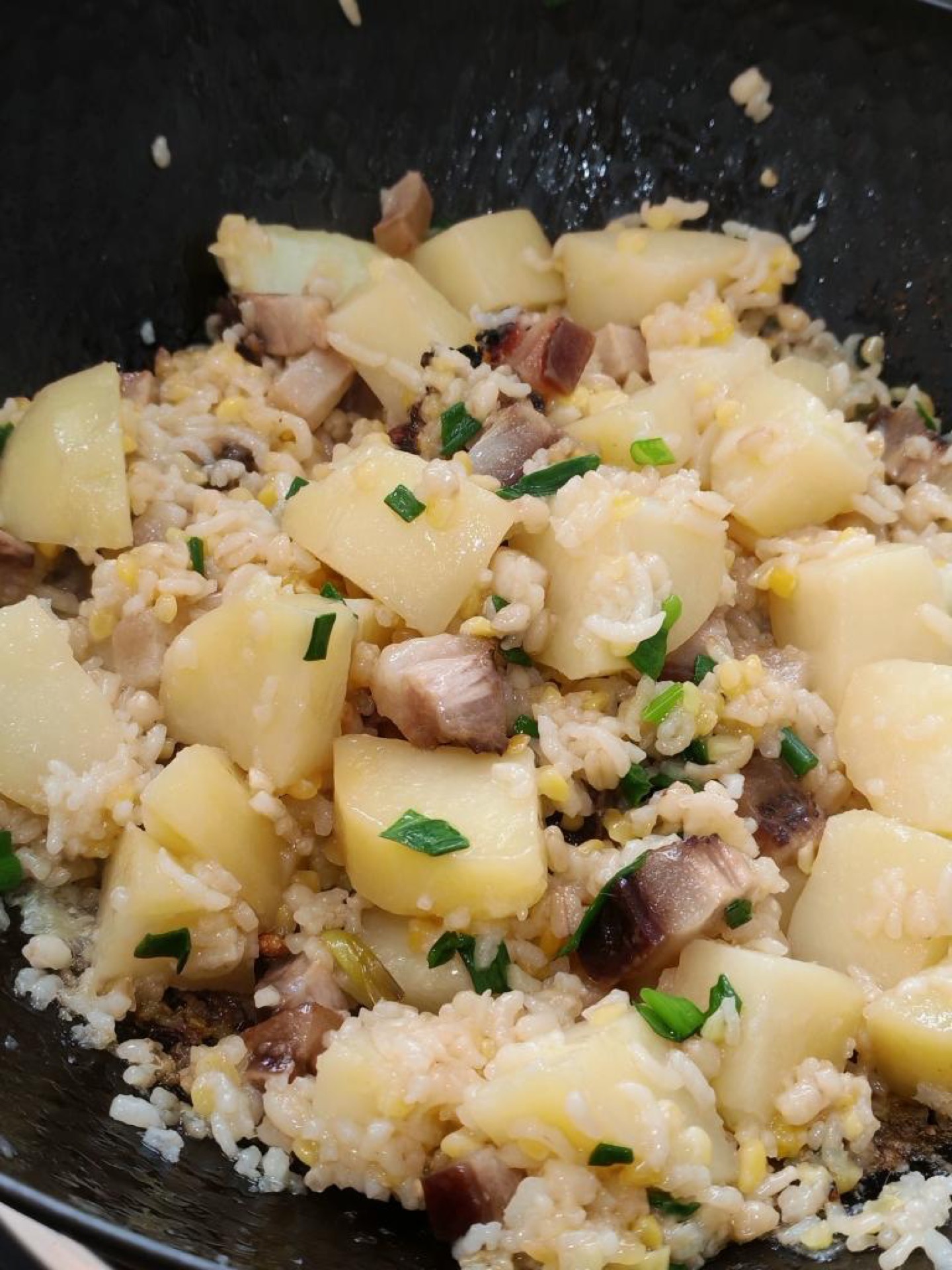
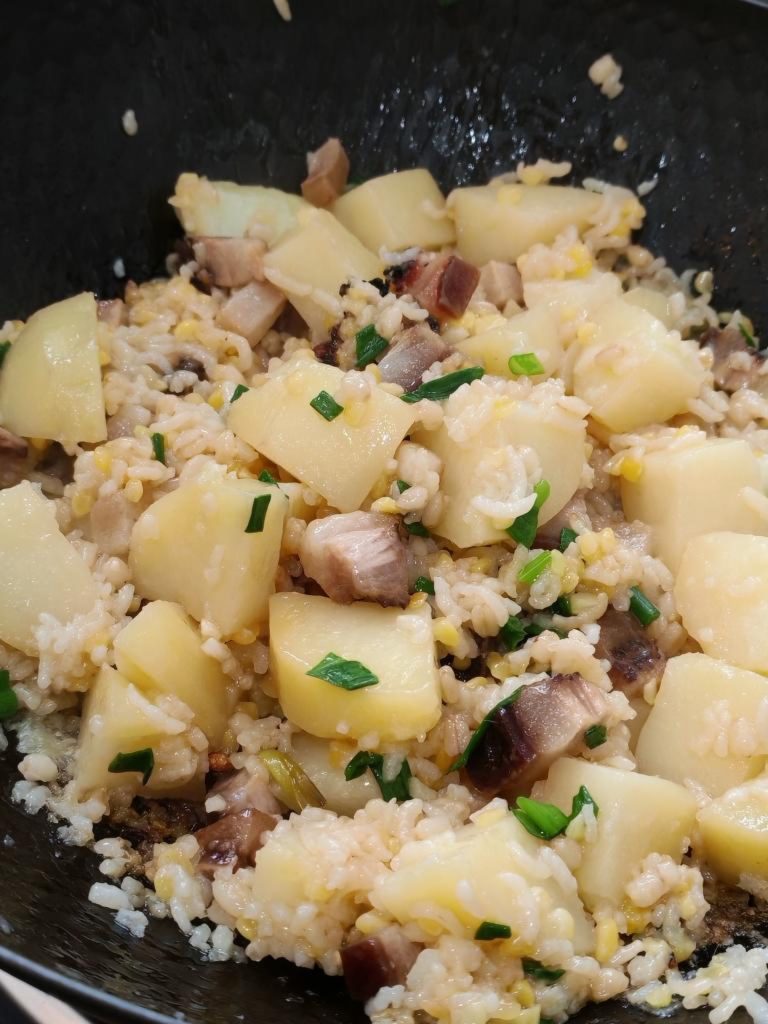
If you have ever had a bowl of rice that tasted like it had been cooking with the meat all day, this is that bowl. The potatoes soften into the rice, the pork cubes season everything around them, and the bottom of the wok develops a thin, crisp, caramelized crust that everyone at the table quietly fights over. It is a one-pot dish in the truest sense: one wok, one lid, and about half an hour of gentle simmering.
The recipe is also forgiving. You do not need a rice cooker, a clay pot, or any special equipment — a wok with a tight lid does the job. What it does ask for is patience with the heat: a low, steady simmer rather than a rolling boil, and the discipline not to stir once the rice goes in. Do that, and you get separate, fluffy grains instead of a sticky porridge.
What Is Soy Sauce Pork Potato Rice?
酱油肉焖土豆饭 (jiàng yóu ròu mèn tǔ dòu fàn) is a one-pot Chinese rice dish in which cured soy sauce pork, potato chunks and raw rice are cooked together in a covered wok or pot until the rice absorbs all the liquid. The word mèn means to braise or steam with the lid on, and that is exactly the technique: everything goes in, the lid goes on, and the whole dish finishes at once.
It belongs to the same family of homestyle rice meals as clay-pot rice and soy-braised pork rice, but it is simpler. There is no separate sauce to reduce and no long braise before the rice goes in. The soy sauce pork does the heavy lifting on flavor, the potatoes add body and sweetness, and the rice at the bottom of the wok picks up a crisp, savory crust.
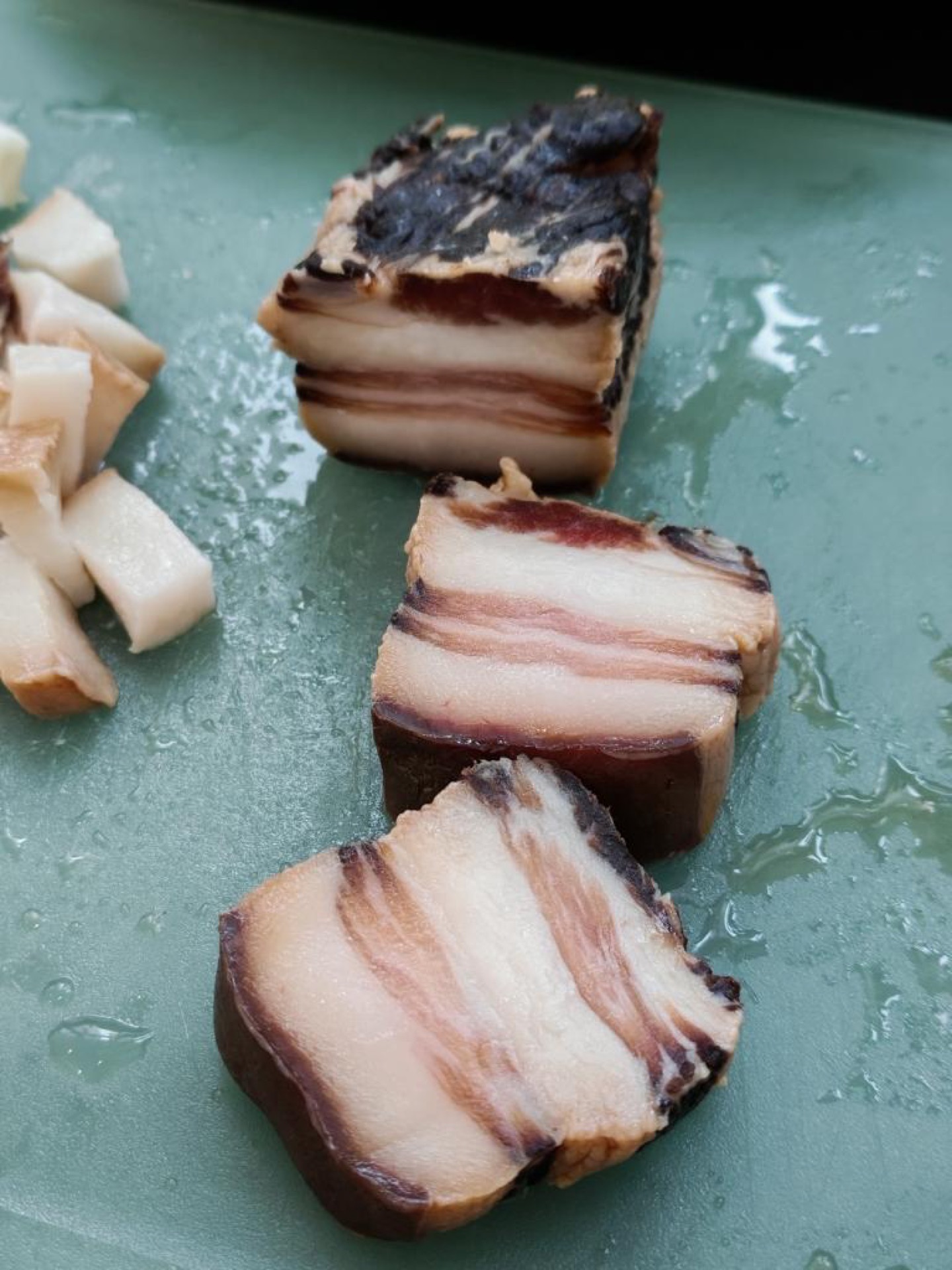
Soy sauce pork itself is a cured meat: pork is rubbed or marinated in soy sauce and aromatics, then air-dried or cured until firm and intensely savory. A small amount goes a long way, which is why one block of it is enough to season rice for four people.
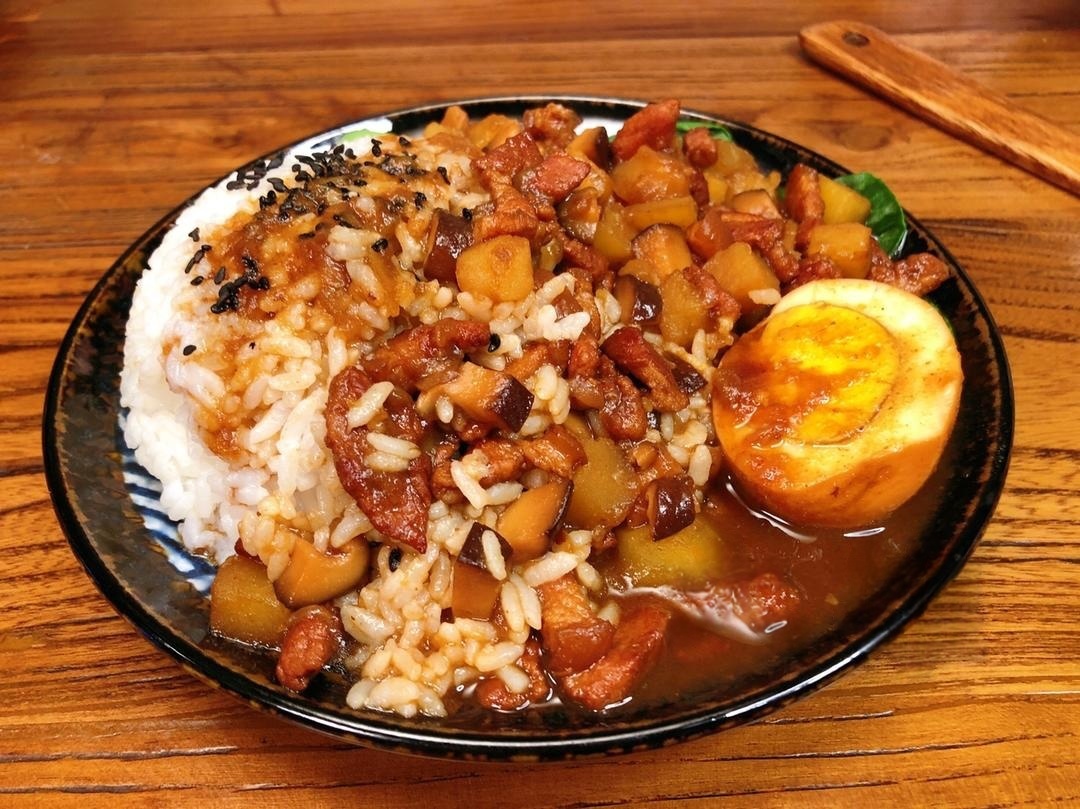
For a deeper, meatier version of the same idea, try this braised pork rice with potatoes, which takes the same potato-and-pork pairing in a saucier direction.
1Easy Braised Pork Rice (Lu Rou Fan) with PotatoesA simplified, home-style version of the classic Taiwanese Braised Pork Rice (Lu Rou Fan). This recipe skips the deep-fried shallots for ease and adds potatoes for a hearty, velvety sauce. Perfect for meal prep and freezing.Check out this recipe
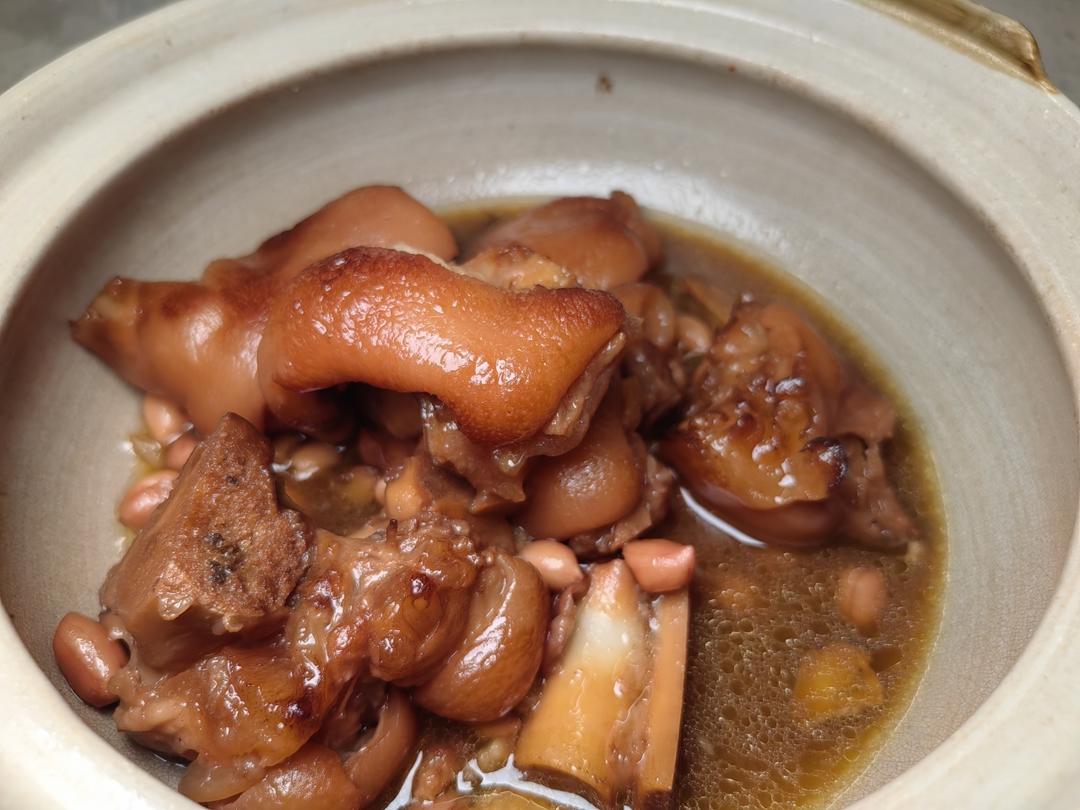
If you love the gelatinous, lip-smacking texture of long-braised pork, this braised pork trotters recipe is the richer, stickier cousin of the same braising tradition.
2Braised Pork Trotters with Chu Hou Sauce (Zhu Hou Men Zhu Shou)Tender, gelatinous pork trotters braised in a savory Cantonese Chu Hou sauce with peanuts. This authentic recipe includes Instant Pot and stovetop instructions to achieve that perfect “Q-tan” texture.Check out this recipe
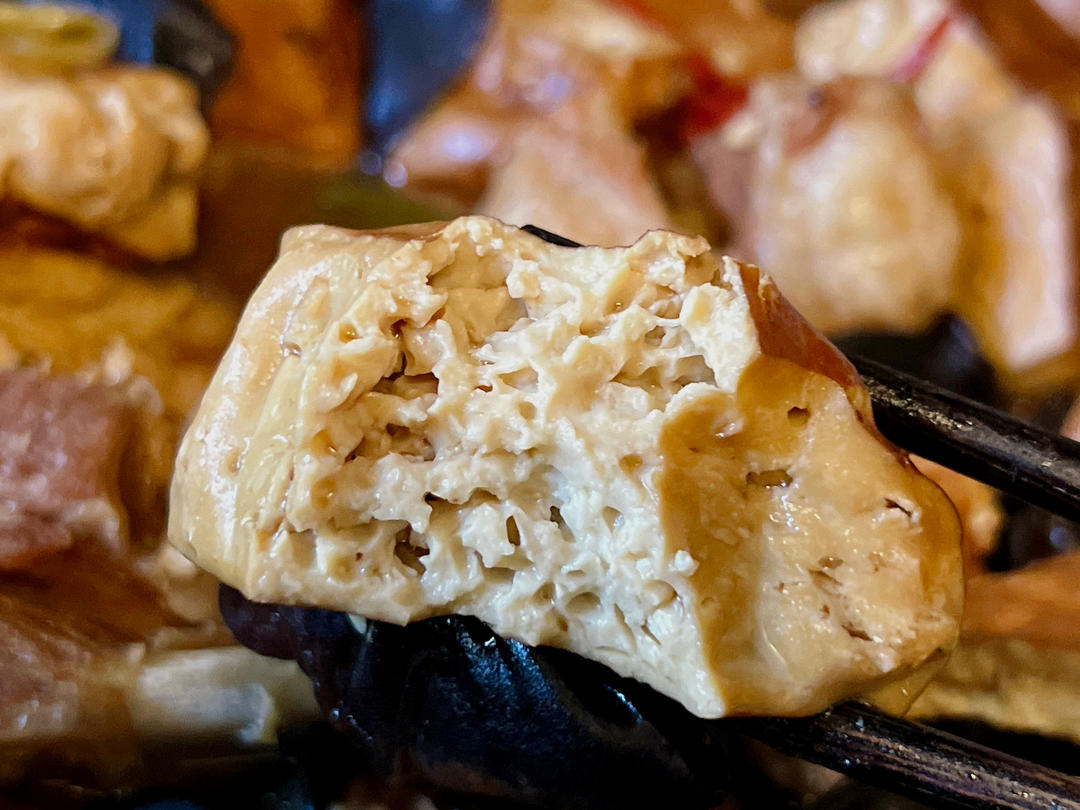
And for a set-it-and-forget-it version, this rice cooker braised pork ribs with tofu shows how far a single pot of rice can carry a whole dinner.
3Easy Rice Cooker Braised Pork Ribs with TofuA comforting, authentic Chinese recipe packed with rich, savory flavors. The rice cooker does all the hard work to tenderize the meat, while the thick dried tofu absorbs the delicious broth.Check out this recipe
Why This Recipe Works
The core idea is that the rice cooks in exactly the liquid it needs, no more and no less. Because the potatoes release some moisture of their own as they soften, the total water is kept a little below what plain rice would need, so the finished grains stay separate rather than turning gluey. Soaking the rice first shortens the cooking time and helps the grains hydrate evenly from the outside in.
The soy sauce pork is what makes the dish taste like it took hours. Cured pork has had time to develop savory, slightly funky, deeply salty notes that dissolve into the cooking water and season the rice from the inside. That is why the recipe needs almost no added salt — the pork is the seasoning.
Finally, the long, undisturbed low simmer is what creates the crust. When the water is gone and the rice keeps cooking against a hot wok bottom, the starches caramelize into a thin, crisp layer. That is not a mistake; it is the point.
Equipment Needed
- Wok with a tight-fitting lid — a heavy-bottomed wok or a Dutch oven both work; the lid matters more than the shape.
- Cutting board and knife for cubing the pork and chunking the potatoes.
- Slotted spoon for lifting the pork and potatoes out without dragging excess oil.
- Measuring cup for the rice and water — the ratio is the one thing worth being precise about.
- Small bowl for soaking the rice.
Ingredients
The ingredient list is deliberately short: one block of soy sauce pork, one bowl of rice, and two potatoes. Everything else is water, a little oil for the initial stir-fry, and scallions for the finish. That brevity is why the quality of the pork matters so much — there is nowhere for a mediocre cure to hide.
Use jasmine or another medium-grain rice. Short-grain rice works too, but it will give you a slightly stickier result, which some people prefer. Waxy potatoes hold their shape better than floury ones, though either will taste good.
Ingredient Notes
Soy sauce pork (酱油肉): Homemade is best and the flavor is noticeably more fragrant than most commercial versions. If you are buying it, look for a firm, dry-feeling block rather than a wet one. Rinse the surface and pat it dry before cubing if it feels very salty.
Rice: Rinse until the water runs mostly clear, then soak for 20 minutes and drain well. This is the single biggest factor in getting fluffy grains instead of a sticky mass.
Potatoes: Cut them into chunks roughly the same size as the pork so everything finishes at the same time. Peel them, or scrub well and leave the skin on for a more rustic texture.
Water: Start with water that just covers the potatoes and rice. You can always add a splash more if the wok looks dry before the rice is tender, but you cannot take water out.
Scallions: Added at the very end, off the heat, so they stay bright and fresh against the rich rice.
Prep & Mise en Place
Rinse the rice in cold water two or three times, until the water is only slightly cloudy, then cover it with fresh water and let it soak for 20 minutes. Drain it well in a sieve and set it aside. This is the one step worth doing ahead — everything else comes together quickly.
While the rice soaks, cut the soy sauce pork into 1-inch cubes and peel the potatoes, cutting them into 1 1/2-inch chunks. Chop the scallions and set them aside in a small bowl. Measure out your water so it is ready to pour the moment the stir-fry is done.
Have your lid within arm’s reach. Once the water goes in, you want to cover the wok quickly and not lift the lid again until the timer is up.
Cooking Process
Step 1 — Make or Pick Your Soy Sauce Pork
Homemade soy sauce pork is especially fragrant, so if you have the time, make your own, or follow the high-rated soy sauce pork posts from other home cooks on Xiachufang.
Step 2 — Cut the Pork and Potatoes
Cut the soy sauce pork into 1-inch cubes and peel the potatoes, cutting them into 1 1/2-inch chunks so they hold their shape.
Step 3 — Stir-Fry Together
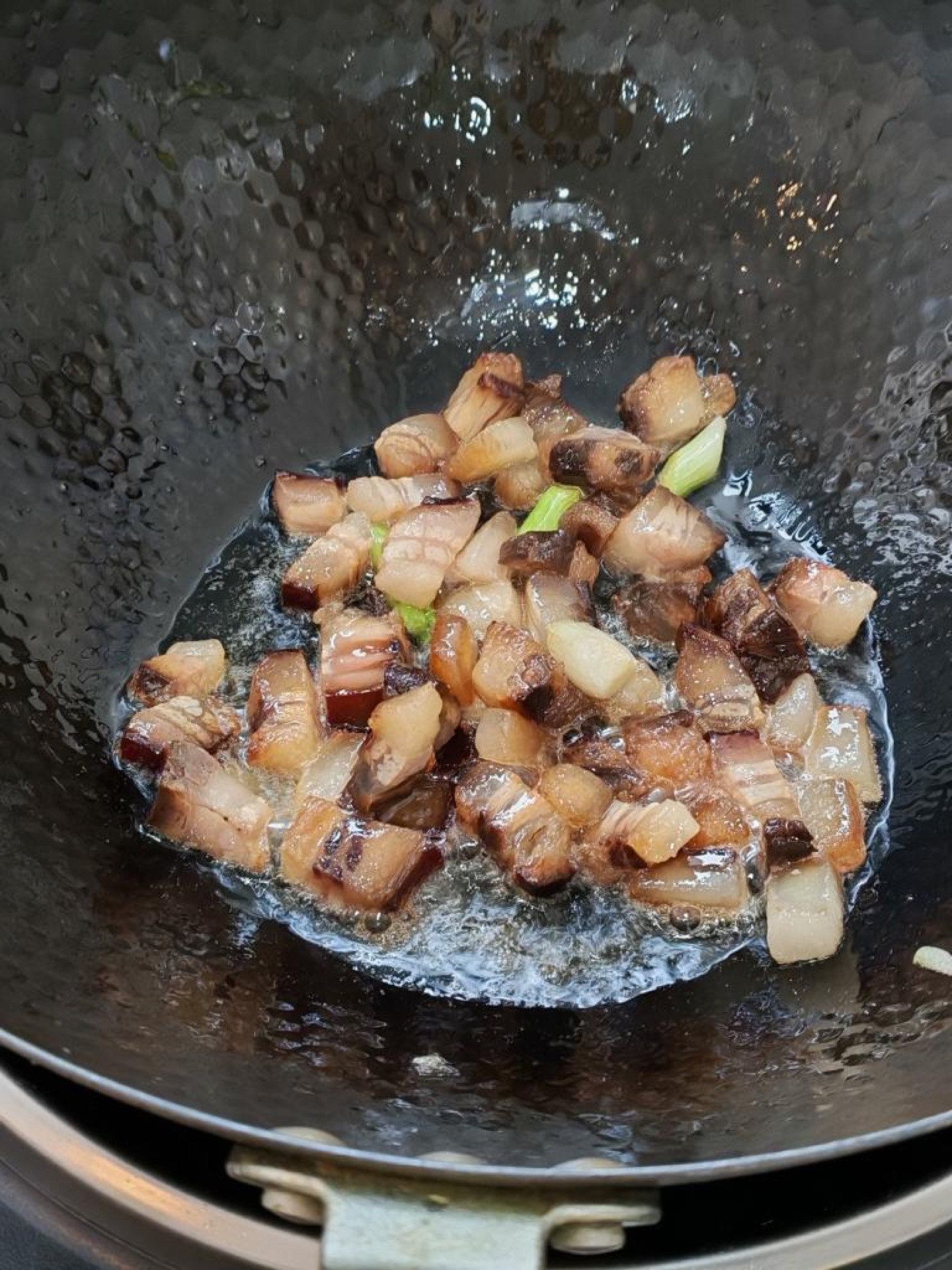
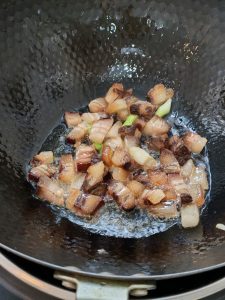
Heat the oil in a wok and stir-fry the pork and potato chunks together over medium heat until the pork releases its aroma and the potatoes are lightly coated.
Step 4 — Add Water to Cover
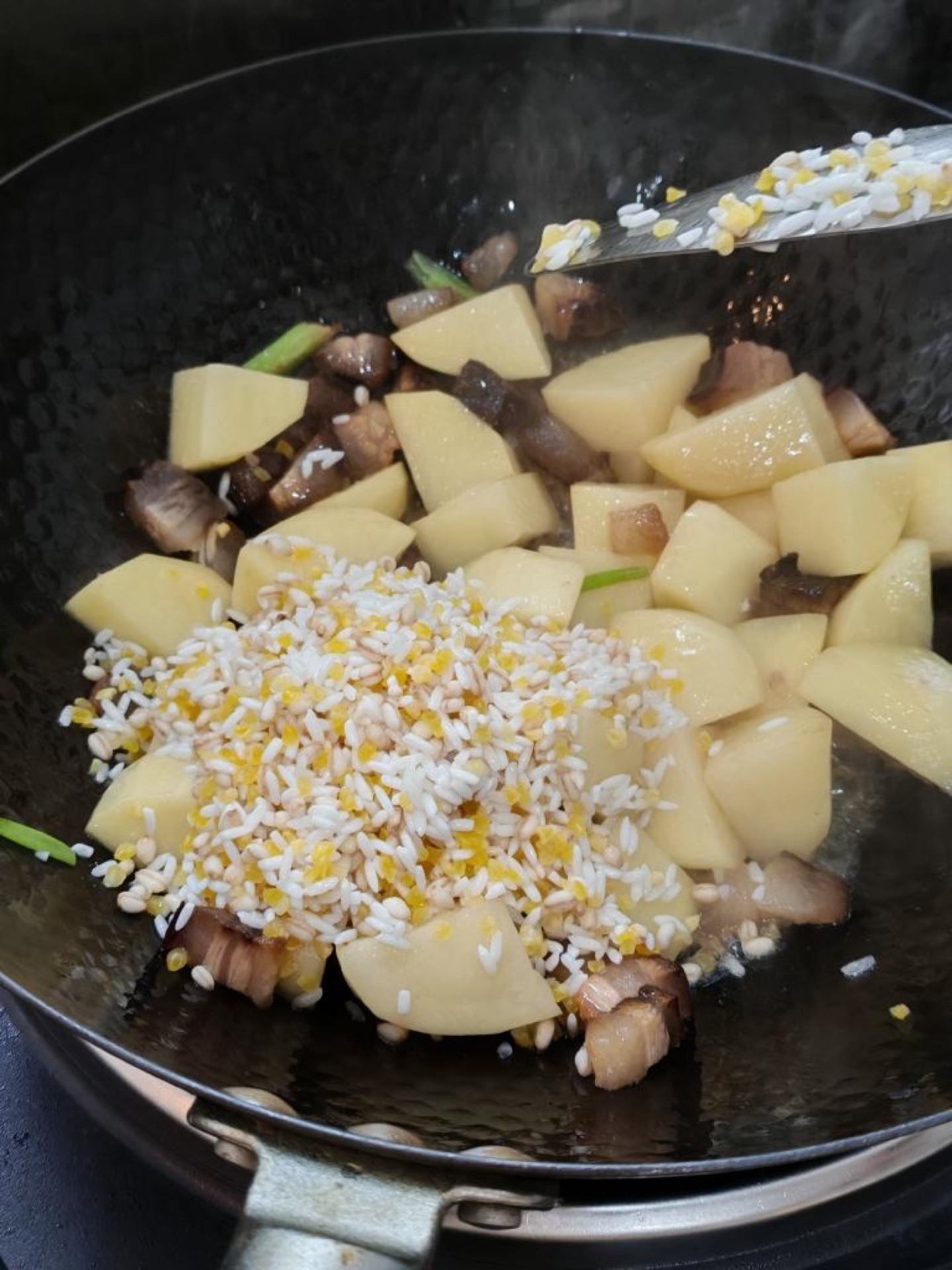
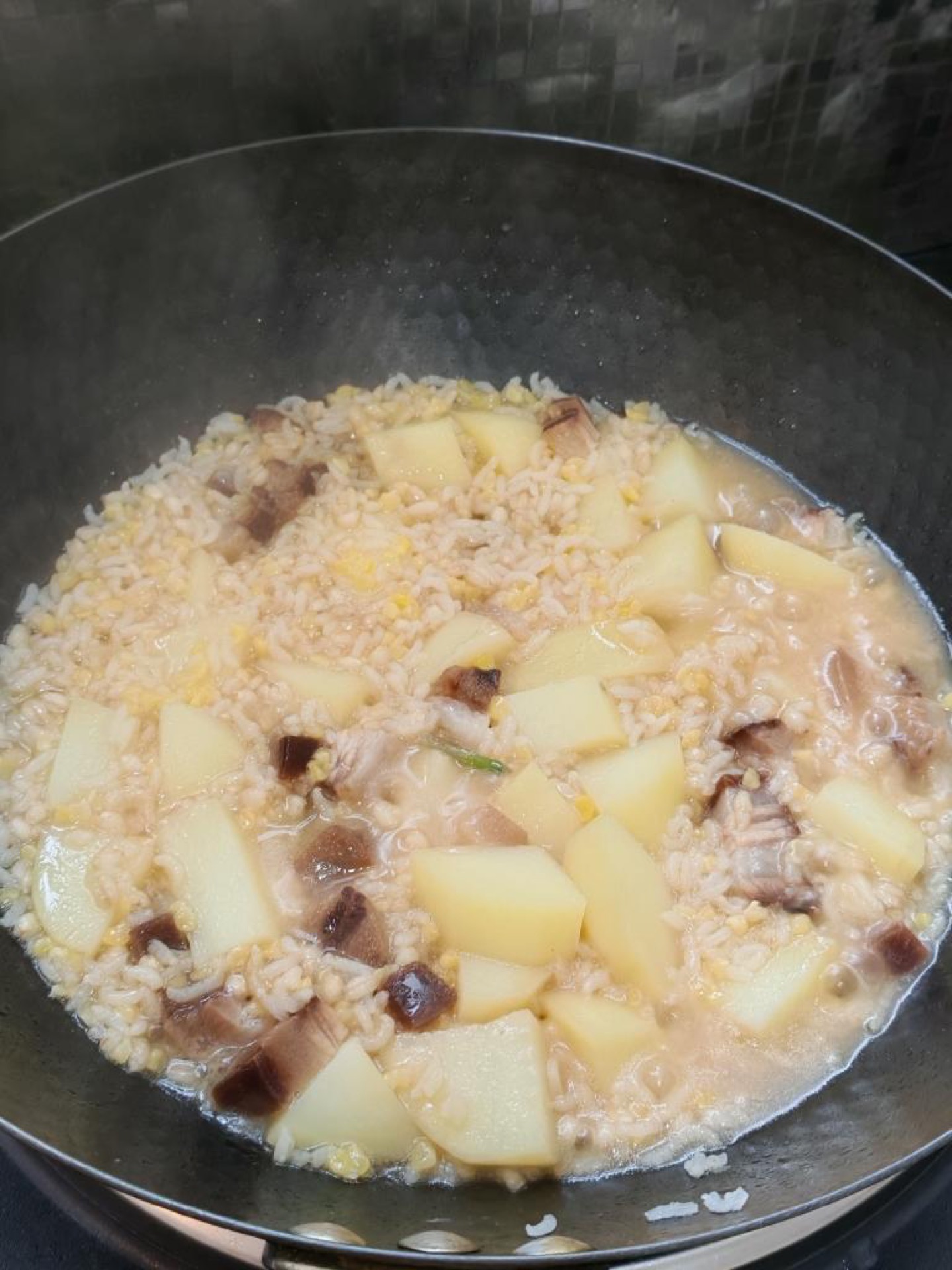
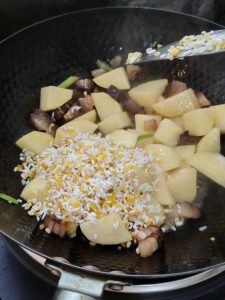
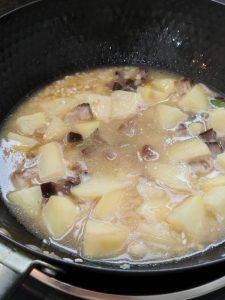
Add the soaked, drained rice and pour in water until it just covers the potatoes, then level the surface without stirring.
Step 5 — Simmer on Low for 30 Minutes
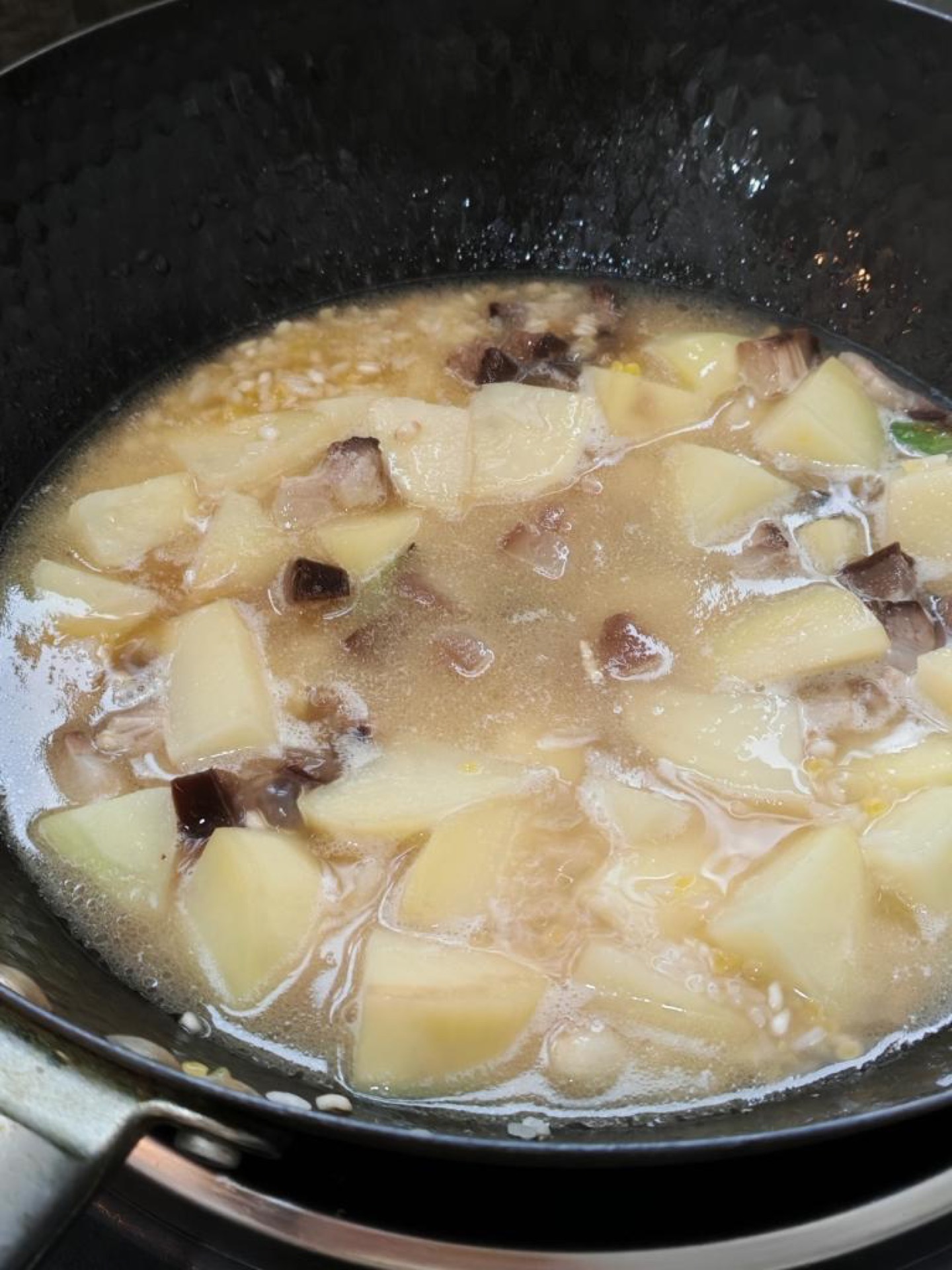
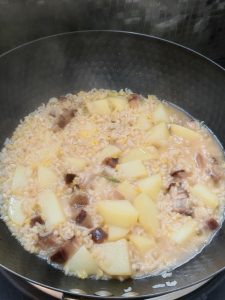
Cover and simmer over low heat for at least 30 minutes, until the rice is tender and the water is fully absorbed.
Step 6 — Crisp the Bottom and Add Scallions
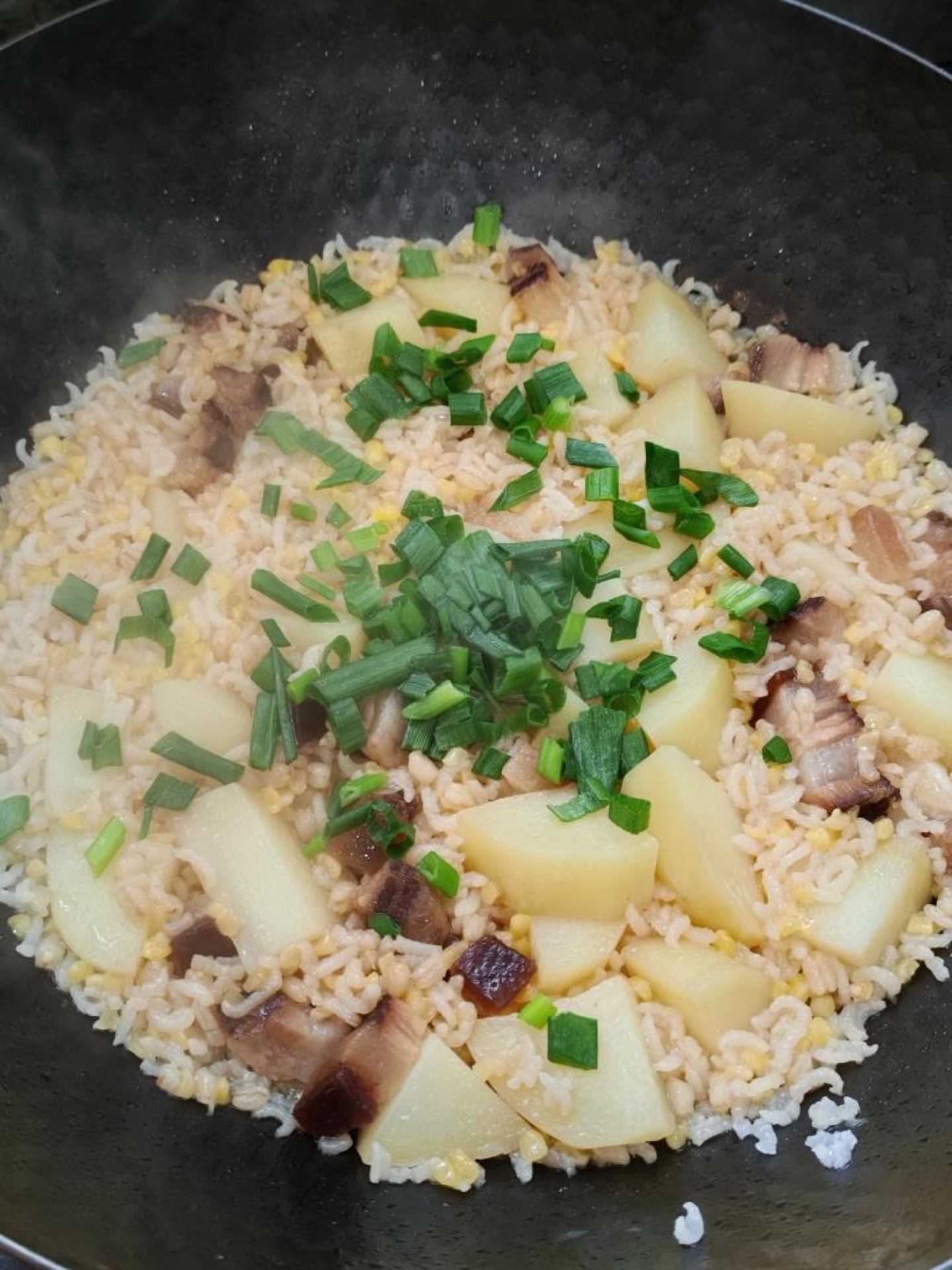
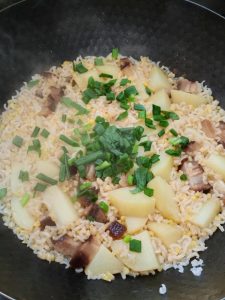
Let the bottom of the wok turn slightly crisp and browned, which is the best part, then scatter chopped scallions over the top.
Step 7 — Serve with Tender Pumpkin
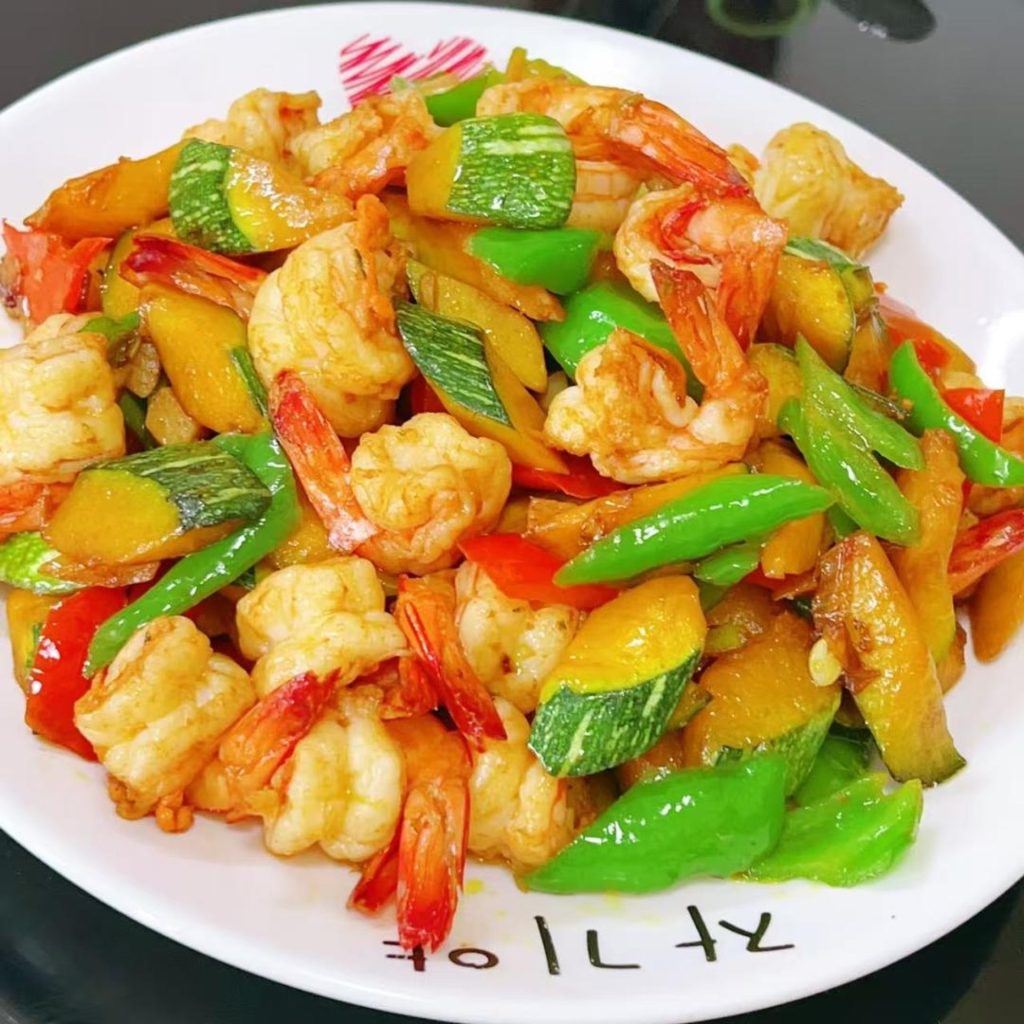
Serve the rice hot alongside tender steamed pumpkin to round out the meal.
Common Mistakes When Making Soy Sauce Pork Potato Rice
1. Stirring the rice after the water goes in. This is the most common cause of gluey rice. Stirring breaks the grains and releases surface starch, which turns the whole pot sticky. The fix: level the rice once with the back of a spoon, then leave it alone until it is done.
2. Using too much water. Potatoes release moisture as they cook, so a 1:2 rice-to-water ratio is too wet here. The fix: add water only until it just covers the potatoes, and remember that soaked rice needs less than dry rice.
3. Cooking over high heat. A rolling boil pushes the rice around, scorches the bottom before the middle is cooked, and boils over. The fix: bring it to a gentle simmer, then drop the heat to low and let it steam quietly for at least 30 minutes.
4. Skipping the soak. Unsoaked rice cooks unevenly — hard in the center, mushy on the outside — and takes longer, which dries out the wok. The fix: rinse and soak for 20 minutes, no shortcuts.
5. Adding salt out of habit. Soy sauce pork is already very salty, and the rice absorbs that salt directly. The fix: taste the finished rice before seasoning, and add salt only if it genuinely needs it.
6. Lifting the lid too often. Every time you peek, you release the steam that is doing the cooking. The fix: set a timer for 30 minutes and trust it, then check once at the end.
Variations
With Chinese sausage: Swap half the soy sauce pork for sliced Chinese sausage, or add a few slices alongside it, for a sweeter, smokier profile. Our Chinese sausage and potato rice is a good reference for how the flavors balance.
Rice cooker version: If you would rather not watch a wok, the same ingredients work beautifully in a rice cooker — see this Chinese sausage and potato rice cooker meal for the timing and water adjustments that method needs.
Spicier: Add a spoonful of doubanjiang to the stir-fry stage for a fermented, gently spicy backbone, or use a homemade spicy yellow soybean paste if you want a nuttier heat.
With greens: Stir a handful of chopped greens or shishito peppers into the wok in the last five minutes, or serve the rice next to scallion oil potato strips for a double-potato meal.
Extra porky: A spoonful of shredded pork in sweet bean sauce stirred in at the end deepens the savory flavor without changing the dish’s character.
Frequently Asked Questions
Do I have to soak the rice? You do not have to, but you should. Soaking for 20 minutes gives you more evenly cooked, fluffier grains and shortens the simmer, which reduces the chance of the bottom scorching before the center is done.
Can I make this in a rice cooker? Yes. Use slightly less water than you would for plain rice, because the potatoes release moisture, and add the stir-fried pork and potatoes on top of the rice without stirring them in.
Why did my rice turn out mushy? Almost always too much water, or stirring after the water went in. Both break the grains and release starch. Next time, add water only until it just covers the potatoes and leave the wok alone.
Is the crispy bottom supposed to be there? Yes — the slightly charred, crisp layer at the bottom of the wok is the best part of the dish. If you want more of it, leave the wok on low heat for an extra five minutes after the rice is tender.
Can I use regular pork instead of soy sauce pork? You can, but you will need to season the dish yourself with soy sauce, salt and a little sugar, and the flavor will be milder. The cured pork is what makes this version taste so deep.
How to Serve
Soy sauce pork potato rice is a complete meal on its own, but it shines next to something fresh and slightly acidic to cut the richness. A plate of quick-pickled cucumber, a bowl of plain steamed greens, or a simple tomato salad all work well. The source recipe serves it with tender steamed pumpkin, which adds a soft, sweet contrast to the salty rice.
If you want to round out the table with another dish, these shishito pepper pork potstickers make a great savory side, and a warming bowl of braised chicken with mushrooms turns the meal into a small banquet. For a lighter option, serve the rice with a simple air fryer Chinese meat pie on the side for contrast in texture.



Storage & Reheat
Let the rice cool to room temperature, then transfer it to an airtight container and refrigerate within 2 hours. It keeps for up to 3 days. Reheat in a covered pan over low heat with a splash of water, or in the microwave with a damp paper towel over the bowl, until steaming hot throughout — 165°F (74°C) is the target.
The crisp bottom crust will not survive storage, but the flavor will. If you want to bring some of that texture back, spread the rice in a thin layer in a hot oiled pan for a few minutes before serving.
Allergen Notice
This dish contains soy from the soy sauce pork. If you are cooking for someone with a soy allergy, substitute a soy-free cured meat or season plain pork with a soy-free seasoning blend, and check every packaged ingredient’s label. Serve with gluten-free accompaniments if gluten is also a concern.
Nutrition Disclaimer
Nutrition information is calculated using an ingredient database and should be considered an estimate. In cases where multiple ingredient alternatives are given, the first listed is calculated for nutrition. Garnishes and optional ingredients are not included.
About the Author & Recipe Development
Lin is the cook and writer behind Woks of Love, where she shares homestyle Chinese recipes tested in a home kitchen and written for people cooking outside of China. This recipe was developed from a family-style one-pot rice dish built around homemade soy sauce pork, with the water ratio and simmer time adjusted so the rice steams evenly in a wok rather than a rice cooker. Every step was cooked and tasted at home before publication.
Authoritative References
For safe pork cooking temperatures and storage guidance, see the USDA safe minimum internal temperature chart. General food-handling and cooling guidance follows the FDA Food Code.
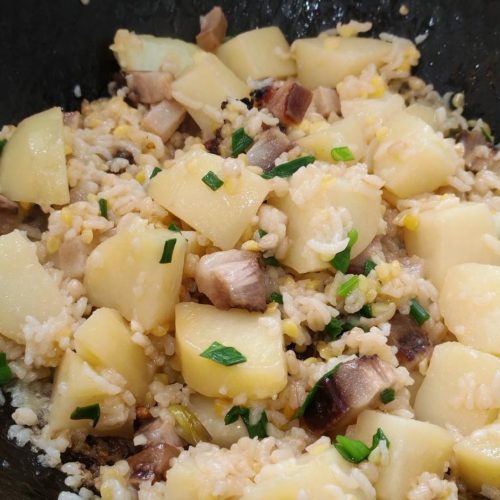
Soy Sauce Pork Potato Rice (酱油肉焖土豆饭): Savory Pork, Tender Potato

Equipment
- Wok
- Cutting Board
- Slotted Spoon
Ingredients
For the Pork and Rice
- 1 lb soy sauce pork homemade or store-bought, cut into 1-inch cubes
- 1 1/2 cups jasmine rice rinsed and soaked 20 minutes
- 2 medium potatoes about 1 lb, peeled and cut into 1 1/2-inch chunks
- 3 cups water plus more as needed
- 2 tbsp neutral oil for stir-frying
For Finishing
- 2 stalks scallions finely chopped
- 1 tsp sesame oil optional
Instructions
- Homemade soy sauce pork is especially fragrant, so if you have the time, make your own, or follow the high-rated soy sauce pork posts from other home cooks on Xiachufang.

- Cut the soy sauce pork into 1-inch cubes and peel the potatoes, cutting them into 1 1/2-inch chunks so they hold their shape.
- Heat the oil in a wok and stir-fry the pork and potato chunks together over medium heat until the pork releases its aroma and the potatoes are lightly coated.
- Add the soaked, drained rice and pour in water until it just covers the potatoes, then level the surface without stirring.
- Cover and simmer over low heat for at least 30 minutes, until the rice is tender and the water is fully absorbed.
- Let the bottom of the wok turn slightly crisp and browned, which is the best part, then scatter chopped scallions over the top.
- Serve the rice hot alongside tender steamed pumpkin to round out the meal.








Leave a Reply