Jing Jiang Rou Si (京酱肉丝) is a dish that immediately transports me back to the bustling restaurants of Beijing, though as a chef, I’ve cooked it in kitchens across China. It is the quintessential Northern Chinese meat dish: savory, slightly sweet, and incredibly interactive.
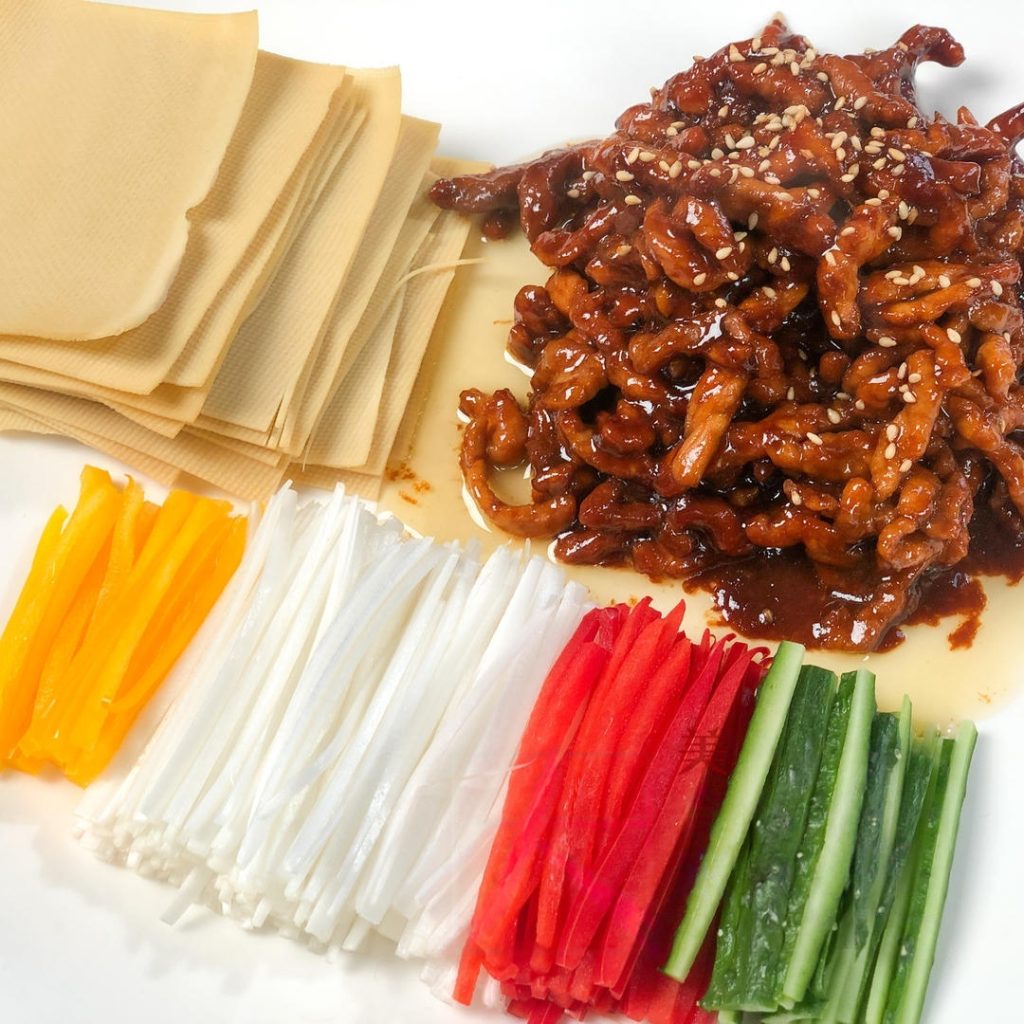
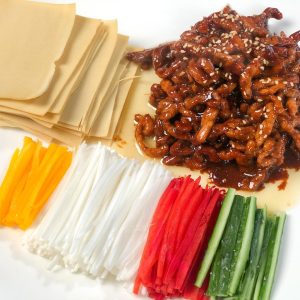
Unlike many stir-fries that are served simply over rice, this dish is a tactical experience. You take a sheet of tofu skin (or a thin pancake), pile on the glossy, sauce-coated pork, add refreshing crunch from julienned cucumbers and scallions, wrap it up, and take a bite. It’s like the rustic, pork-based cousin of Peking Duck.
Why This Recipe Works
- The “Velveting” Technique: We treat the lean pork loin with a marinade of egg and starch, protecting it from the high heat. This ensures the meat remains silky and tender, never dry.
- Sauce Reduction: Unlike quick stir-fries where sauce is poured over, here we “fry the sauce” (zha jiang) first. This caramelizes the sugar and bean paste, creating a depth of flavor that raw sauce can’t achieve.
- Texture Contrast: The richness of the sauce is perfectly cut by the raw, crisp vegetables and the chewy tofu skin wrappers.
What Is Jing Jiang Rou Si?
“Jing” (京) refers to the capital, Beijing; “Jiang” (酱) refers to the sauce (specifically Sweet Bean Sauce); and “Rou Si” (肉丝) means shredded meat.
Traditionally, this dish relies heavily on Tianmianjiang (Sweet Bean Sauce). It is a fermented paste made from wheat flour, salt, and water. It provides that signature dark, glossy look and a savory-sweet umami bomb that defines Beijing cuisine.
I grew up in the humid heat of a Sichuan kitchen, where chili oil flowed like water. However, during my culinary training, I developed a deep respect for the precision of Lu Cuisine (Shandong/Northern style), which forms the backbone of this dish.
In developing this specific recipe for the home kitchen, I tested the “Mystery Sauce” ratio extensively. In professional kitchens, we use a high-pressure wok burner to flash-fry the sauce. For home stoves, I adjusted the water and sugar ratios to ensure the sauce glazes the meat perfectly without burning or becoming too runny. I also incorporated the traditional step of washing the pork shreds—a technique my father taught me—to remove myoglobin, ensuring a cleaner flavor and lighter color before cooking.
Key Ingredients & Substitutions
- Pork Loin or Tenderloin: You need a lean cut that is easy to slice into uniform matchsticks. Tenderloin is the most tender and forgiving for beginners.
- Sweet Bean Sauce (Tianmianjiang): This is non-negotiable for the authentic taste. You can find it in Asian grocers. Substitute: If you absolutely cannot find it, Hoisin sauce is a passable alternative, though it will be sweeter and more spiced than the traditional version.
- Tofu Skin (Doupi): These are thin sheets of pressed soy curd (not the dried sticks/yuba). They are chewy and hold the wrap together well. Substitute: You can use thin flour tortillas or Spring Roll Wrappers (cooked) if tofu skin isn’t available.
- Dark Soy Sauce: Used primarily for that deep, appetizing amber color.
- Light Soy Sauce: Adds the salty, savory kick.
Ingredients
The Main Components
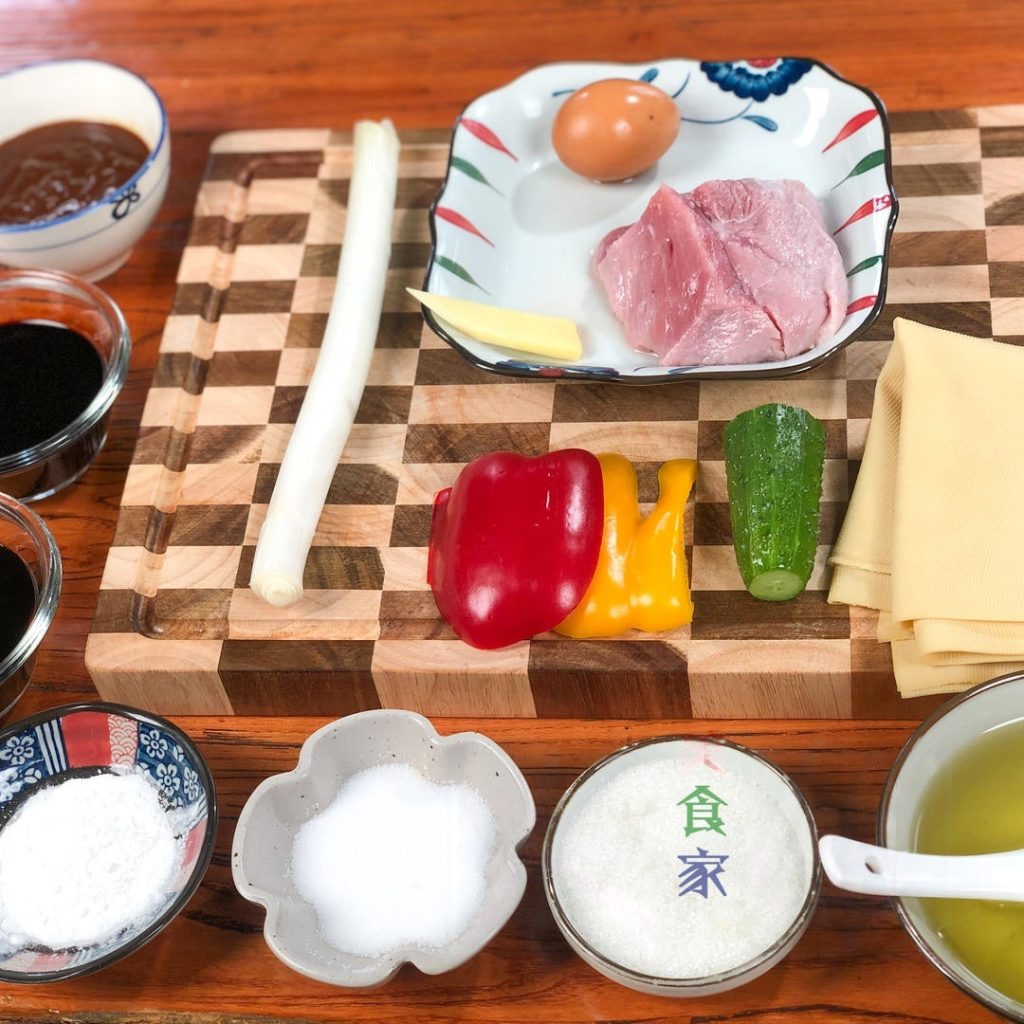
- 10 oz (300g) Pork loin or tenderloin
- 1 pack Tofu skin (bean curd sheets), for wrapping
- 1/2 Red bell pepper
- 1/2 Yellow bell pepper
- 1/2 Cucumber
- 1 stalk Leek or Scallion (white part preferred for shreds)
- 1 inch Ginger, minced
- Cooking oil (vegetable or canola)
The Pork Marinade
- Pinch of Salt
- 1/2 Egg (beaten)
- 1/2 tbsp Cornstarch
- 1/2 tbsp Dark Soy Sauce
- 1 tbsp Cooking oil
The “Mystery” Sauce
- 4 tbsp Sweet Bean Sauce (Tianmianjiang)
- 2 tbsp Sugar
- 1 tbsp Light Soy Sauce
- 1.5 tbsp Dark Soy Sauce
- 6 tbsp Water
Recipe Notes Before You Start
- Knife Skills: Cutting the pork into even “threads” (si) is crucial. If the pieces are uneven, they will cook at different rates.
- Freezer Trick: To make slicing easier, place your pork in the freezer for about 30 minutes until it firms up but isn’t frozen solid.
- Mise en Place: This stir-fry happens fast. Have your sauce mixed and veggies cut before you turn on the heat.
How to Make Jing Jiang Rou Si
Step 1: Prepare the Vegetables
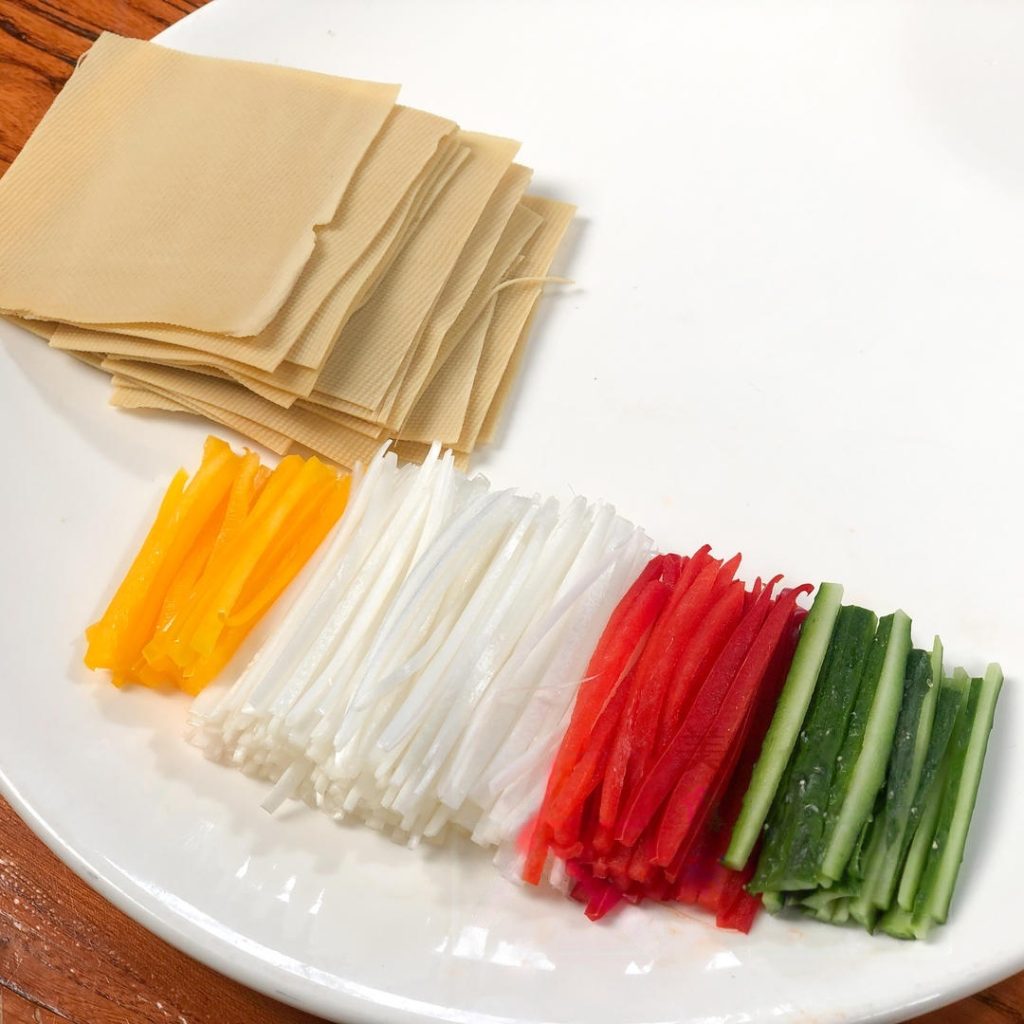
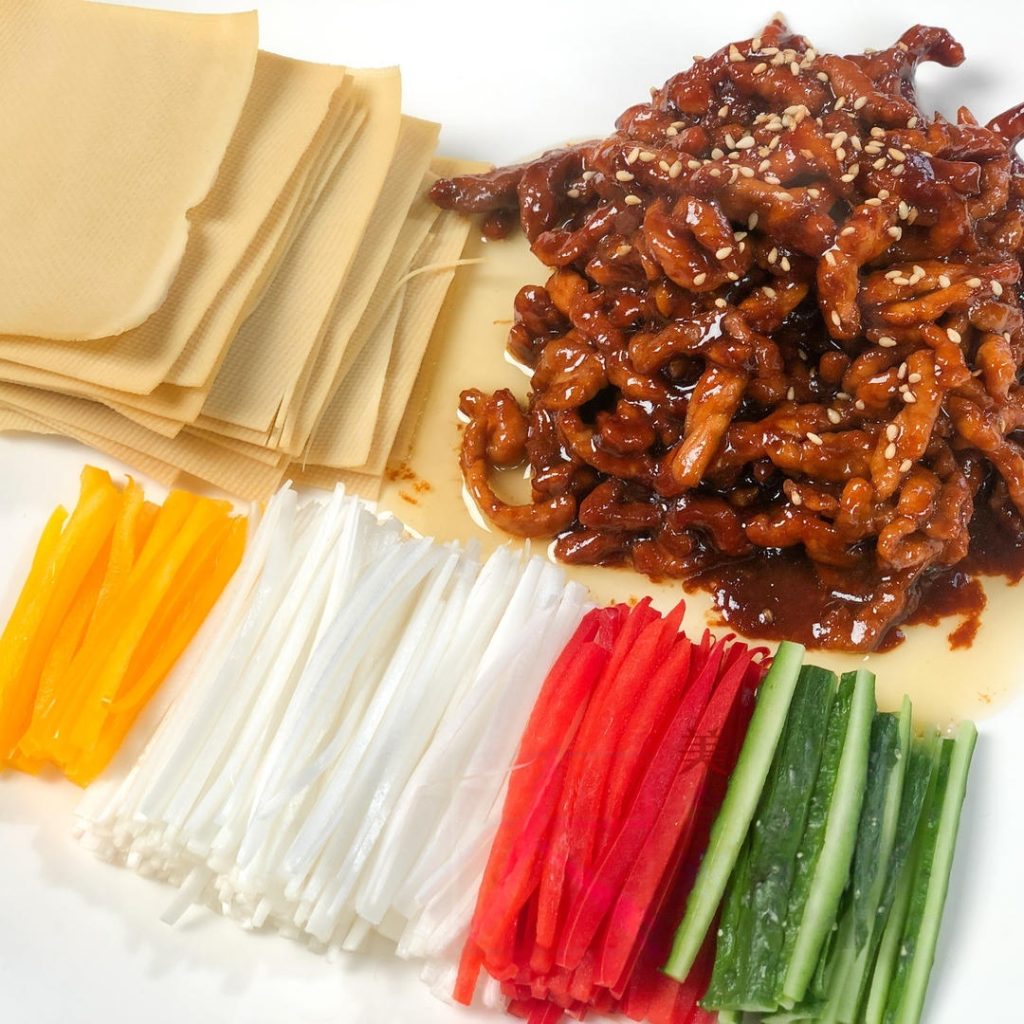
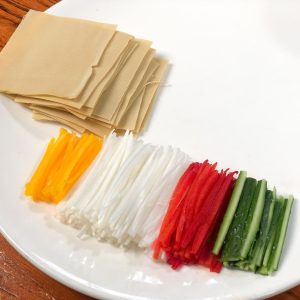
Wash all vegetables. Cut the tofu skin into large squares (about 4-5 inches). Slice the red and yellow peppers, cucumber, and scallions into fine, uniform strips. Finely mince the ginger. Arrange the tofu skin and vegetable strips neatly on a serving platter.
Step 2: Slice and Wash the Pork
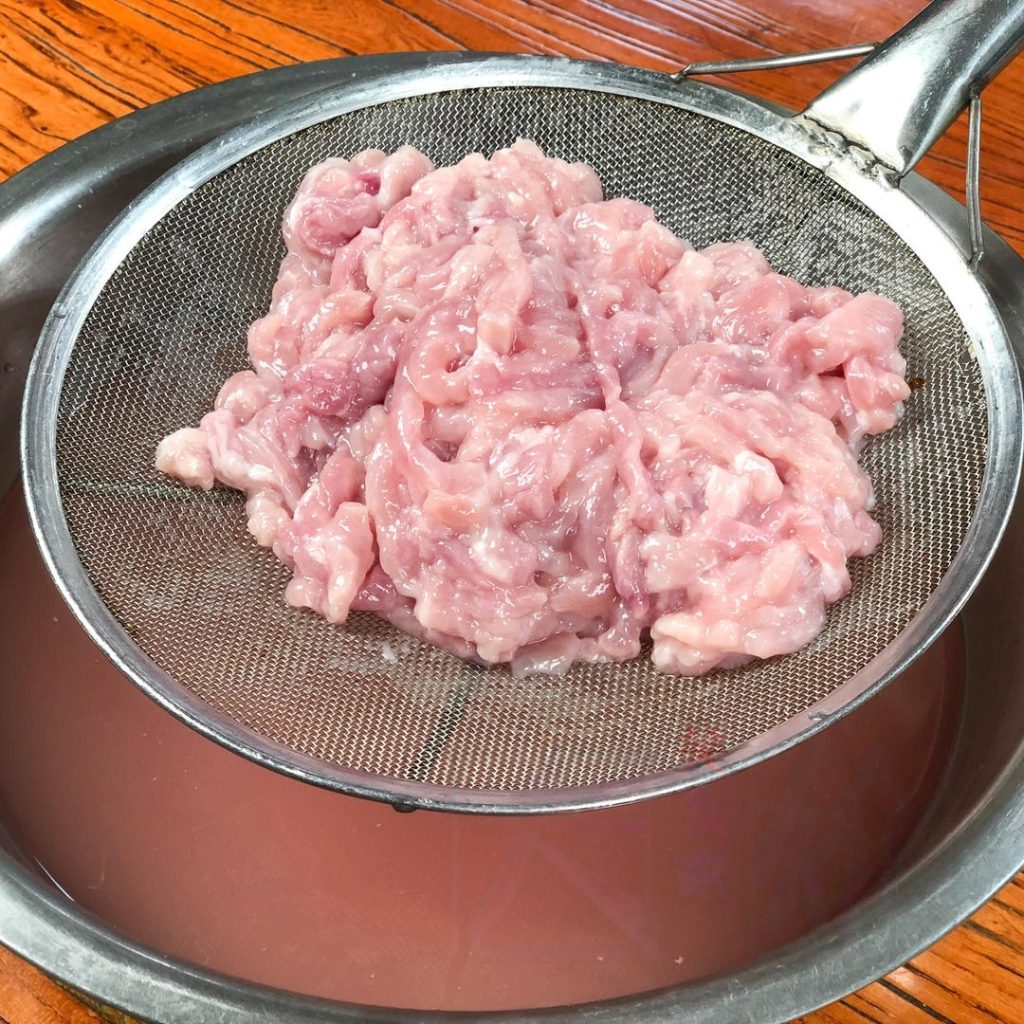
Slice the pork loin into thin sheets, then stack them and slice into thin matchsticks (shreds).
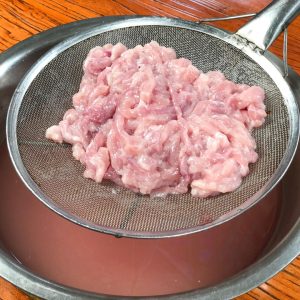
- Chef’s Tip: Place the shredded pork in a bowl of cool water and gently massage it. Drain and squeeze out the excess water. This removes residual blood, reducing any “gamey” odor and improving the texture.
Step 3: Marinate the Pork
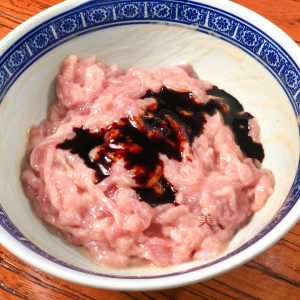
In a bowl, combine the drained pork shreds with a pinch of salt and half a beaten egg. Mix vigorously in one direction until sticky. Add the cornstarch and mix again. Then, add 1 tablespoon of cooking oil and mix to coat (this prevents sticking later). Finally, add 1/2 tablespoon of Dark Soy Sauce for base color. Let it sit for 10 minutes.
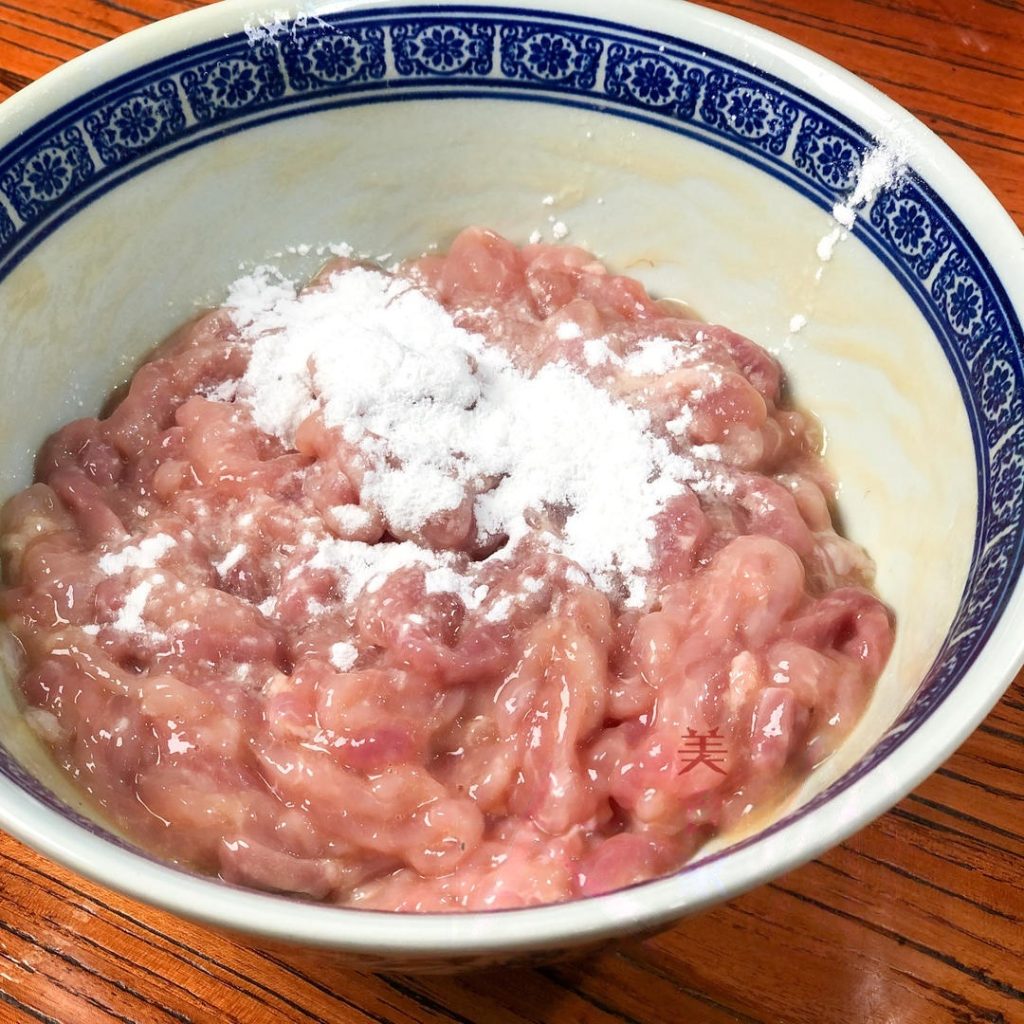
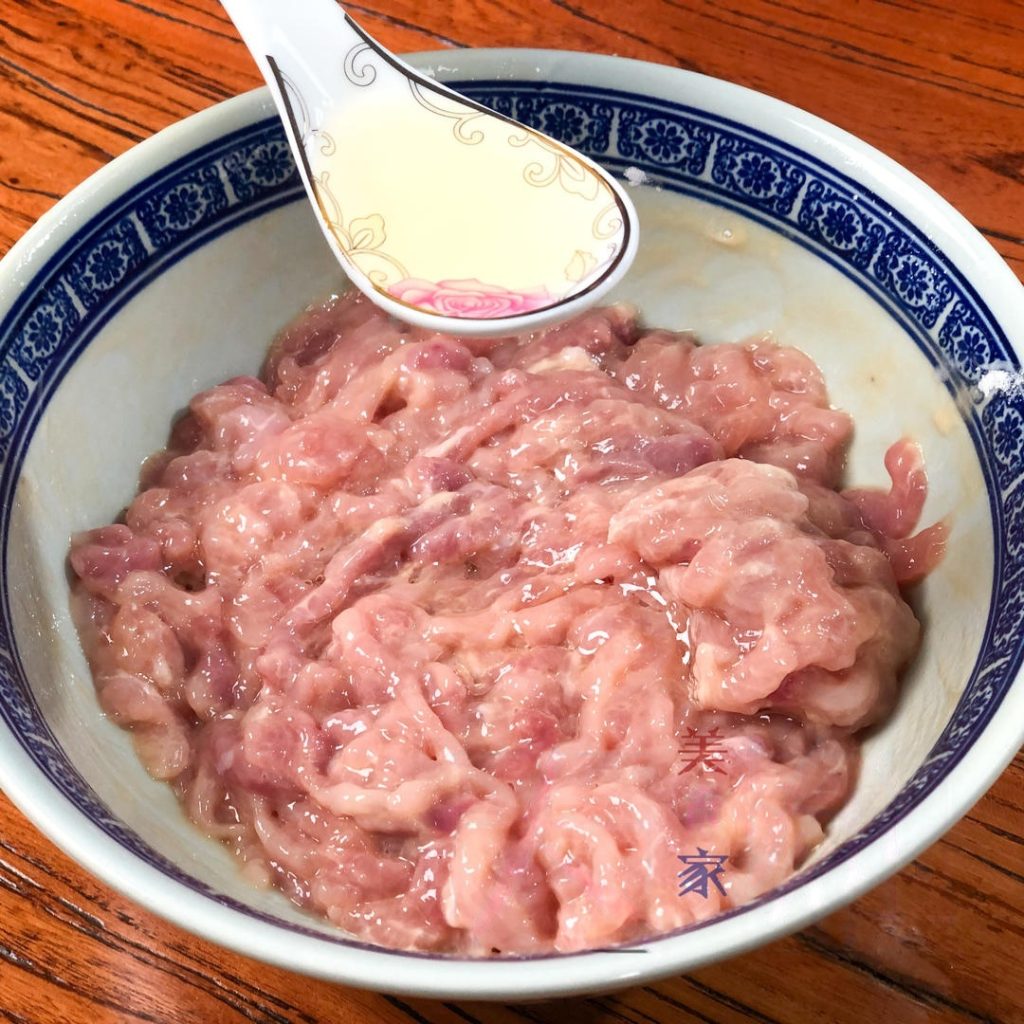
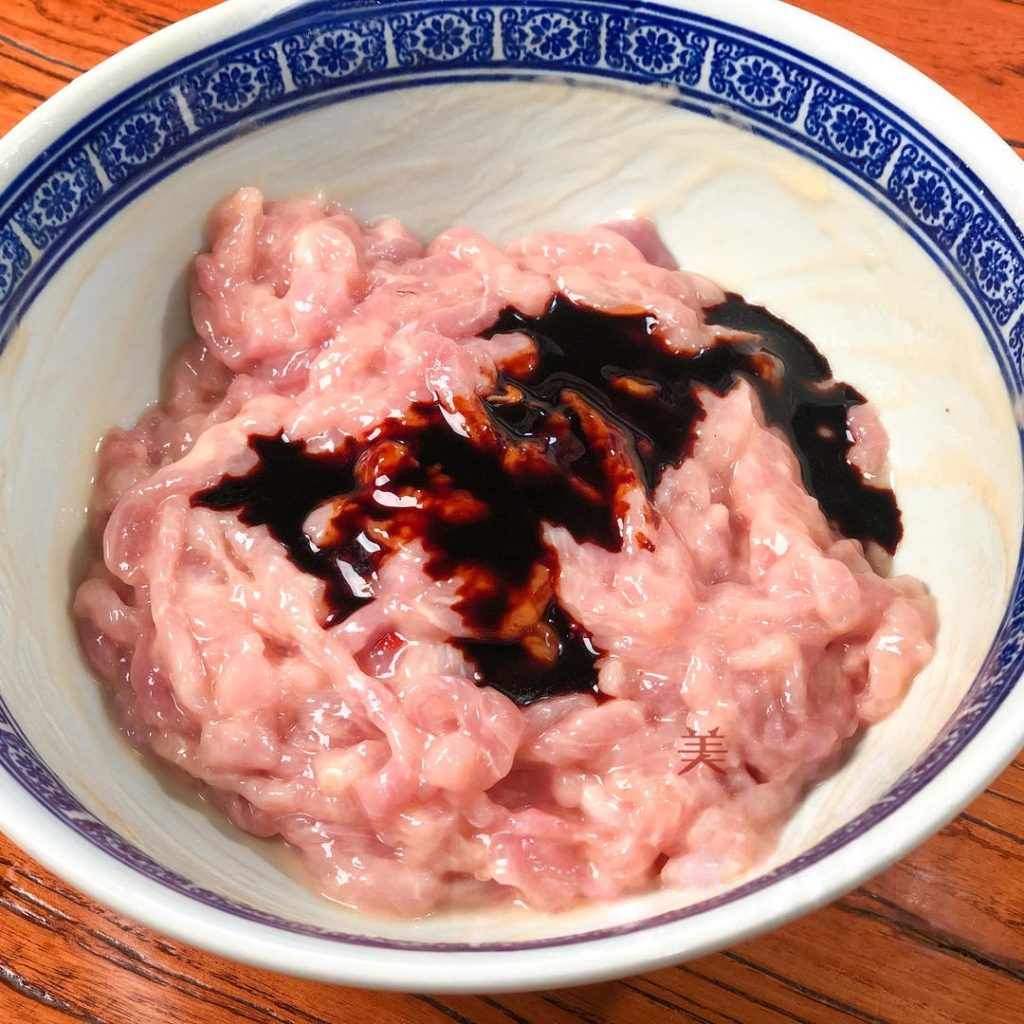
Step 4: Mix the Secret Sauce
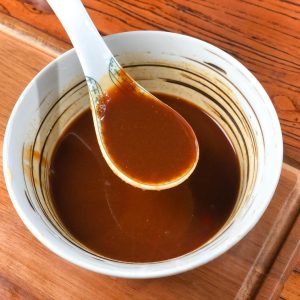
In a small bowl, combine 6 tablespoons water, 2 tablespoons sugar, 1 tablespoon Light Soy Sauce, 1.5 tablespoons Dark Soy Sauce, and 4 tablespoons Sweet Bean Sauce. Stir until the paste is fully dissolved.
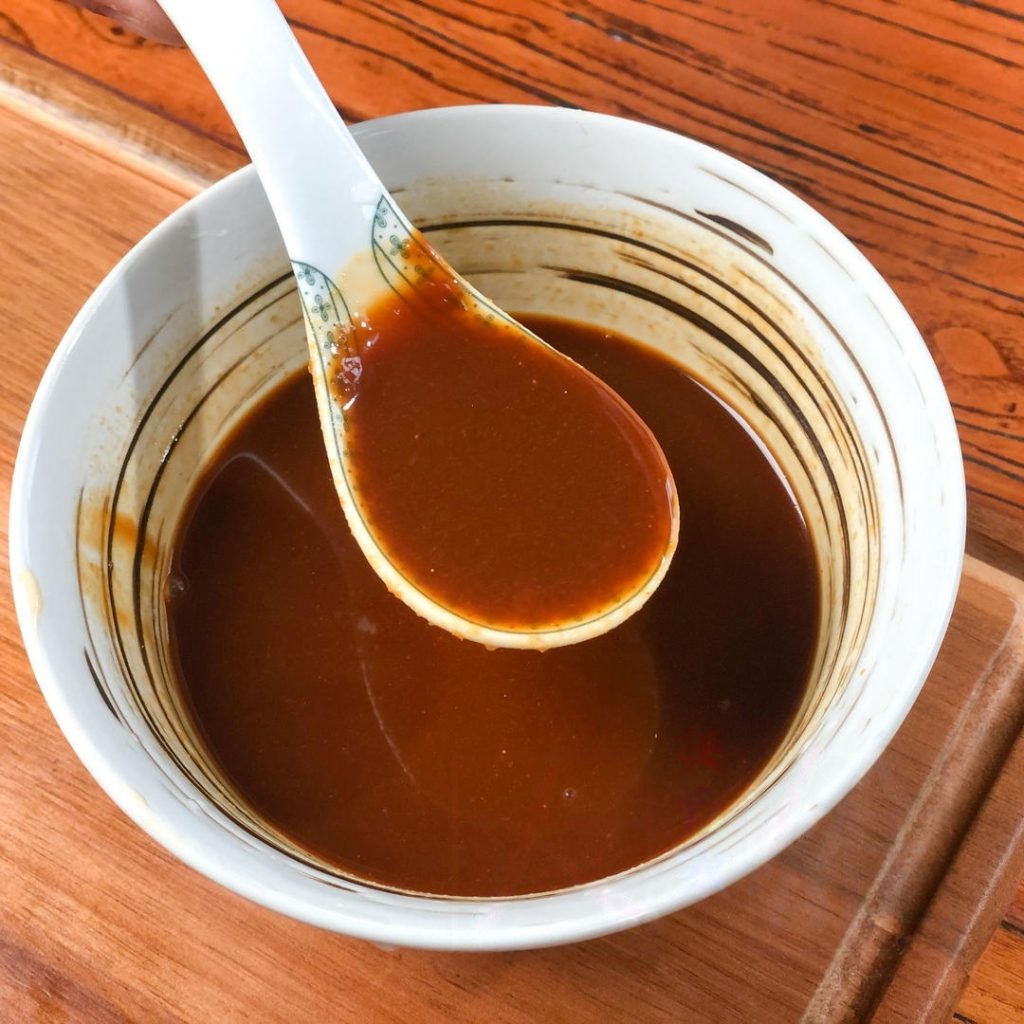
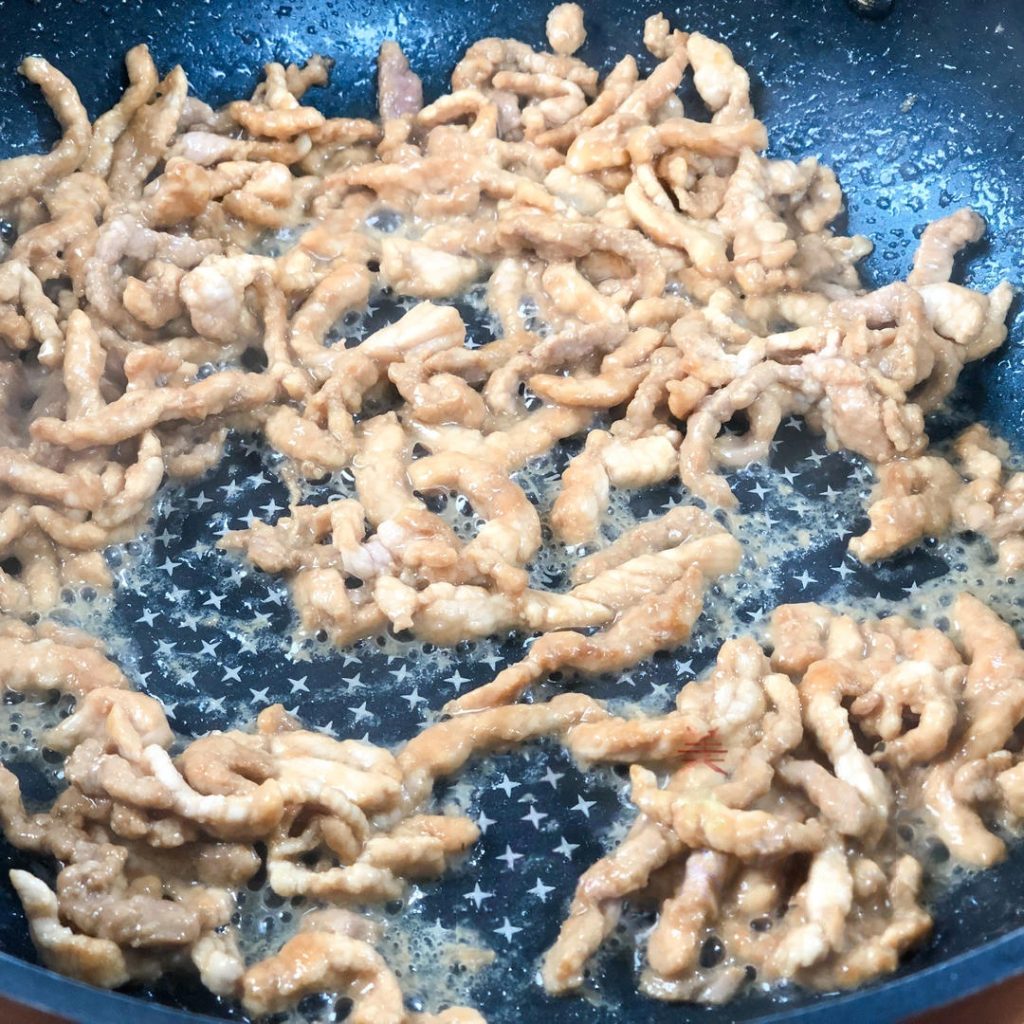
Step 5: Stir-fry the Pork
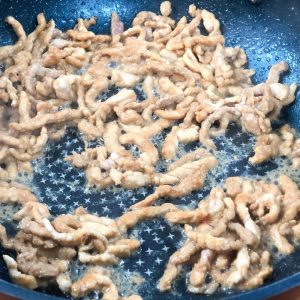
Heat your wok or skillet over medium-high heat. Add about 2 tablespoons of oil. When the oil is hot (shimmering but not smoking), add the marinated pork.
- Technique Note: Use chopsticks to separate the shreds rapidly. A spatula can cause them to clump up. Stir-fry until the pork changes color and is cooked through. Remove the pork from the pan and set aside.
Step 6: Fry the Sauce
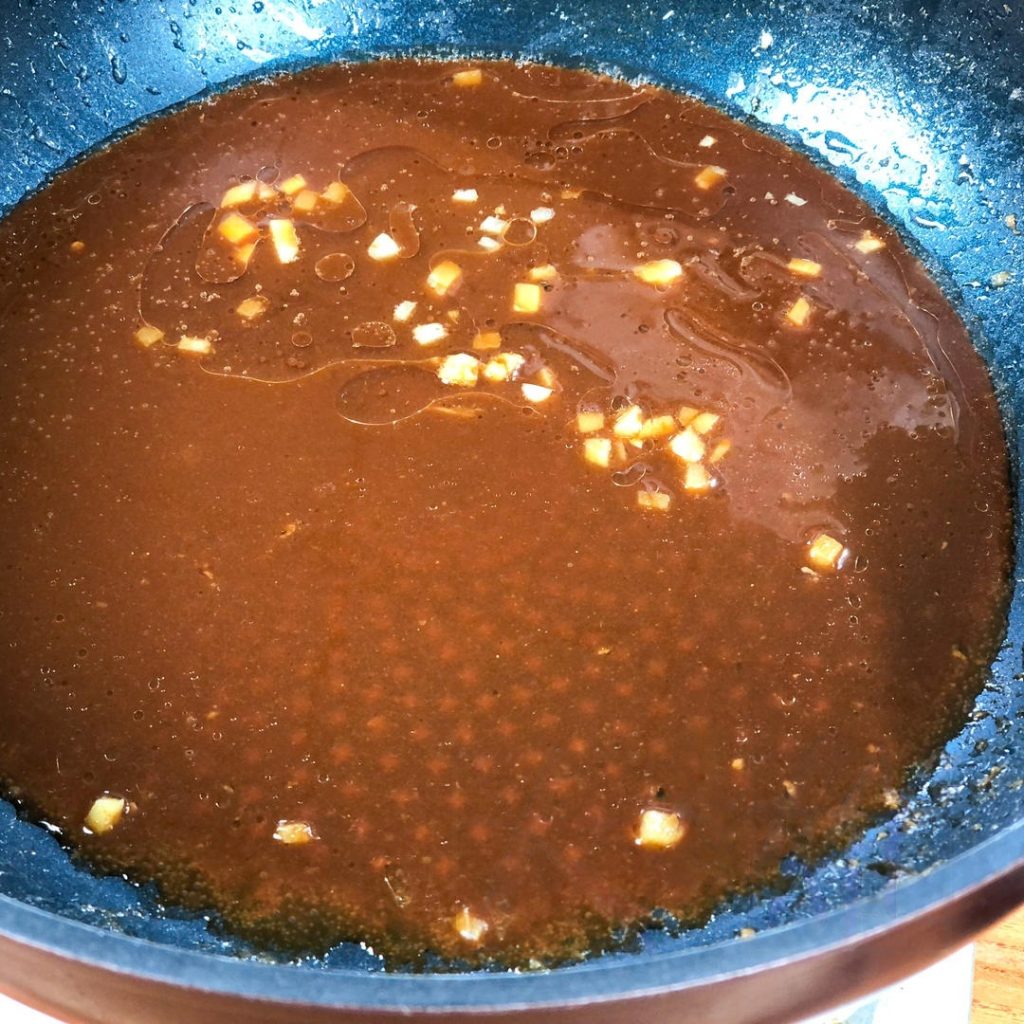
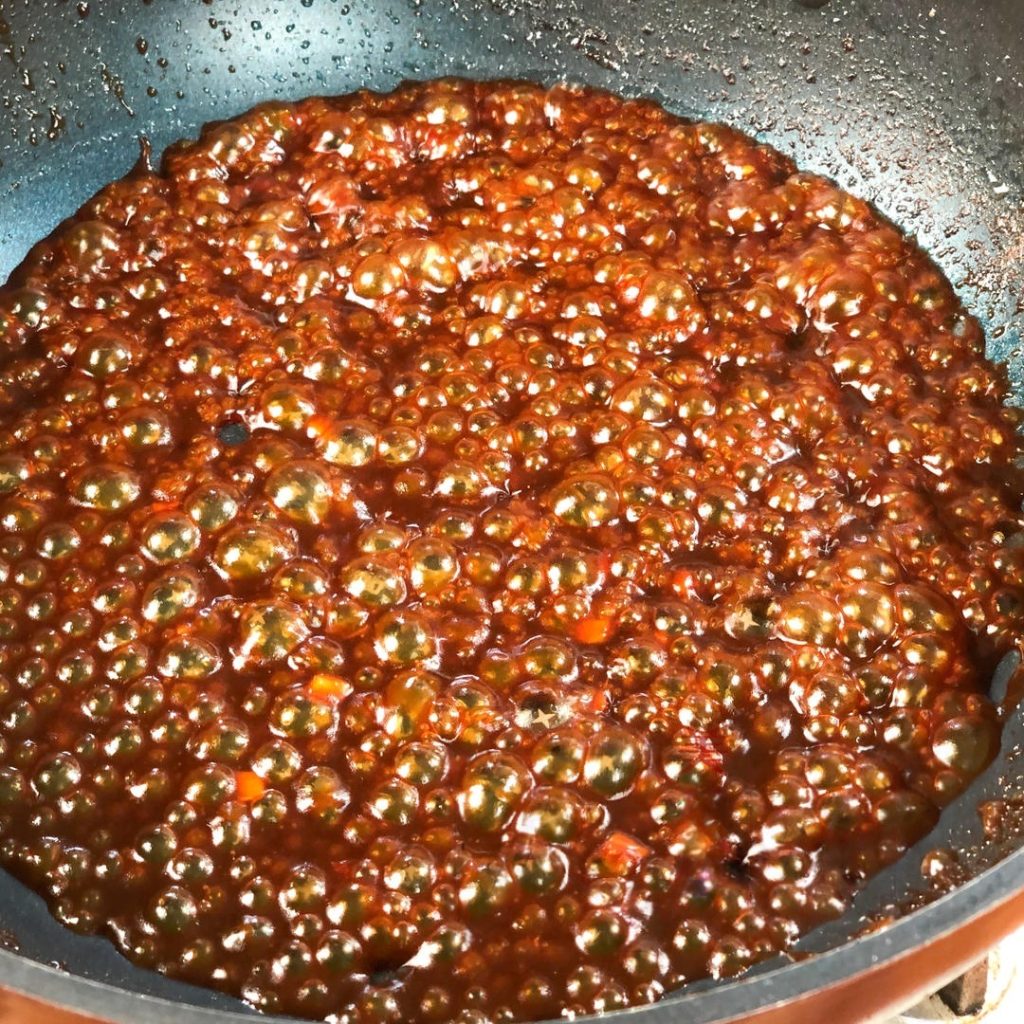
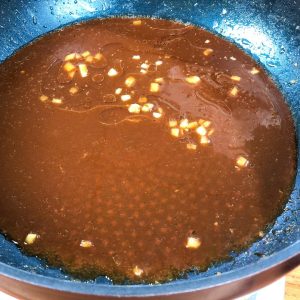
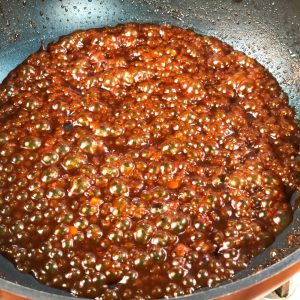
In the same wok, add another tablespoon of oil. Add the minced ginger and fry briefly until fragrant. Pour in your pre-mixed sauce. Bring it to a boil over medium heat. Stir continuously until the sugar has completely melted and the sauce begins to thicken and bubble. The sauce should look glossy and viscous.
Step 7: Combine and Serve
Pour the cooked pork shreds back into the bubbling sauce. Toss rapidly for about 1 minute so every strand of meat is evenly coated in that rich, dark glaze.
- Optional: If you love the aroma, drizzle a few drops of Sesame Oil just before turning off the heat.
Transfer the saucy pork to the center of your vegetable platter. To eat, place pork and veggies onto a sheet of tofu skin, roll it up, and enjoy!

Troubleshooting & FAQ
Q: Why did my pork shreds stick together? A: This usually happens if the starch wasn’t mixed well or if the oil wasn’t hot enough. Using chopsticks to separate them immediately upon entering the pan is the best prevention.
Q: Can I skip the sugar? A: I wouldn’t recommend skipping it entirely. This is a Beijing-style dish, and the flavor profile is distinctively savory-sweet. The sugar also helps the sauce glaze the meat. You can reduce it slightly if you prefer savory notes.
Q: Is this dish gluten-free? A: Traditionally, no. Sweet bean sauce and soy sauce usually contain wheat. You would need to source gluten-free tamari and a gluten-free bean paste substitute to make this safe for celiacs.
Q: My sauce is too runny. A: Keep simmering! The sugar needs time to caramelize and thicken. If you added too much water, just let it reduce longer before adding the meat back in.
Food Safety and Preparation
- Pork Safety: Ensure the pork reaches an internal temperature of 145°F (63°C) during the stir-fry stage.
- Tofu Skin: If buying fresh tofu skin from the refrigerated section, check the package instructions. Some brands recommend a quick blanch in boiling water for hygiene and texture.
Authoritative References
- For safe meat cooking temperatures, refer to the USDA Food Safety Guide.
- To understand more about the role of fermentation in Chinese sauces like Sweet Bean Paste, you can read more from the Food and Agriculture Organization (FAO).
Nutrition Information (Estimate)
- Calories: 320 kcal
- Protein: 28g
- Carbohydrates: 18g
- Fat: 16g
- Sodium: 980mg
- Sugar: 8g
(Disclaimer: Nutrition information is calculated using an ingredient database and should be considered an estimate. Garnishes and optional items are not included. Actual values vary based on specific brands of sauces used.)
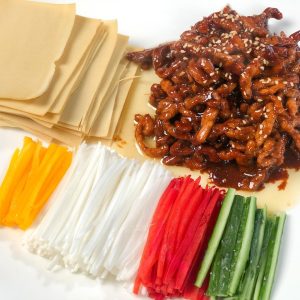
Sautéed Shredded Pork in Sweet Bean Sauce (Jing Jiang Rou Si)

Ingredients
Pork & Marinade
- 300 g Pork loin or tenderloin Cut into thin shreds
- 1 pinch Salt
- 1/2 Egg Beaten
- 1/2 tbsp Cornstarch
- 1 tbsp Cooking oil
- 1/2 tbsp Dark Soy Sauce
The Sauce
- 6 tbsp Water
- 2 tbsp Sugar
- 1 tbsp Light Soy Sauce
- 1.5 tbsp Dark Soy Sauce
- 4 tbsp Sweet Bean Sauce (Tianmianjiang)
Vegetables & Wraps
- 1 pack Tofu skin sheets (Doupi) Cut into squares
- 1/2 Red bell pepper Julienned
- 1/2 Yellow bell pepper Julienned
- 1/2 Cucumber Julienned
- 1 stalk Scallion or Leek Shredded
- 1 inch Ginger Minced
- 3 tbsp Cooking oil Divided use
Instructions
- Cut the tofu skin into large squares. Julienne the peppers, cucumber, and scallions. Mince the ginger. Arrange vegetables on a serving plate.

- Slice pork into thin shreds. Rinse shreds in water to remove blood, then drain and squeeze dry.
- Marinate pork: Mix with salt and egg vigorously. Add cornstarch and mix. Add 1 tbsp oil and 0.5 tbsp dark soy sauce. Mix well and let sit for 10 minutes.
- Mix the sauce: Combine water, sugar, light soy sauce, 1.5 tbsp dark soy sauce, and sweet bean sauce in a bowl.
- Heat 2 tbsp oil in a wok. Add pork shreds and stir-fry with chopsticks until cooked through. Remove pork from wok.
- Add 1 tbsp oil to the wok. Fry minced ginger until fragrant. Pour in the sauce mixture.
- Simmer sauce until sugar melts and sauce thickens.
- Return pork to the wok. Toss for 1 minute until evenly coated. (Optional: drizzle with sesame oil). Serve immediately with tofu skins and vegetables.
Notes
1. Use chopsticks to stir-fry the meat to prevent clumping.
2. Do not add chicken essence or MSG; the sauce is flavorful enough.
3. A drizzle of sesame oil at the end adds a wonderful aroma. (Disclaimer: Nutrition information is calculated using an ingredient database and should be considered an estimate. Garnishes and optional items are not included. Actual values vary based on specific brands of sauces used.)



Leave a Reply