There is a reason 咖喱土豆鸡 (curry chicken with potato and carrot) shows up on so many weeknight tables: it asks for almost nothing, forgives almost everything, and still tastes like a hug in a bowl. A handful of pantry staples, a couple of potatoes, and a block of curry roux turn ordinary chicken thighs into a glossy, fragrant stew that smells like dinner before it even finishes cooking. If you have ever had a curry go gluey or a chicken breast go dry, this is the recipe that fixes both.
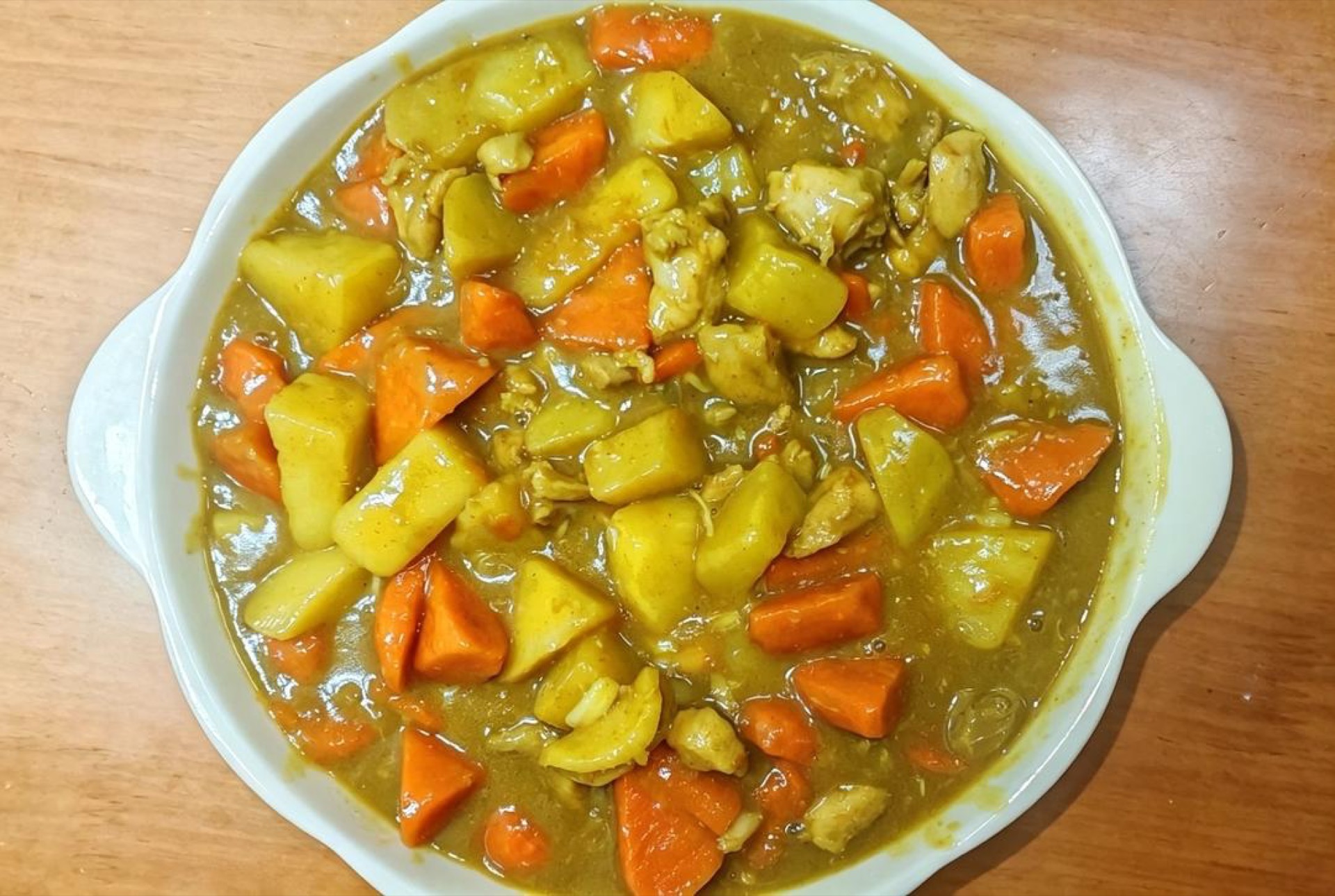
The trick here is not the curry block—it is the order of operations. Marinating the thigh meat with a little cornstarch and oil keeps it tender through a 20-minute simmer, while the potatoes go in early enough to release their starch and thicken the sauce naturally. By the time the curry blocks melt in, the vegetables are already soft and the gravy is halfway to velvety.
This is also a forgiving recipe, which is why it earns the “zero-fail” label. You do not need a precise curry powder blend, a slow cooker, or any technique beyond a steady stir at the end. One wok, one lid, and about half an hour of attention gets you a dish that tastes like it simmered all afternoon.
What Is Curry Chicken with Potato and Carrot?
Curry chicken with potato and carrot is a homestyle Chinese braise—often called 咖喱鸡 or 咖喱土豆鸡—built on chicken thighs, starchy potatoes, sweet carrots, and sliced onion simmered in a curry-roux gravy. It is not the same as Indian chicken curry or Thai green curry; the flavor comes from a Japanese- or Chinese-style curry block, which is mild, slightly sweet, and thickened with wheat flour and starch rather than coconut milk.
The dish belongs to a family of Chinese home curries that spread through port cities in the early twentieth century and later became a staple of Hong Kong cha chaan teng menus and Shanghai home kitchens. Its appeal is structural: potato gives body, carrot gives sweetness, onion gives depth, and chicken gives the whole thing a savory backbone. Every component has a job.
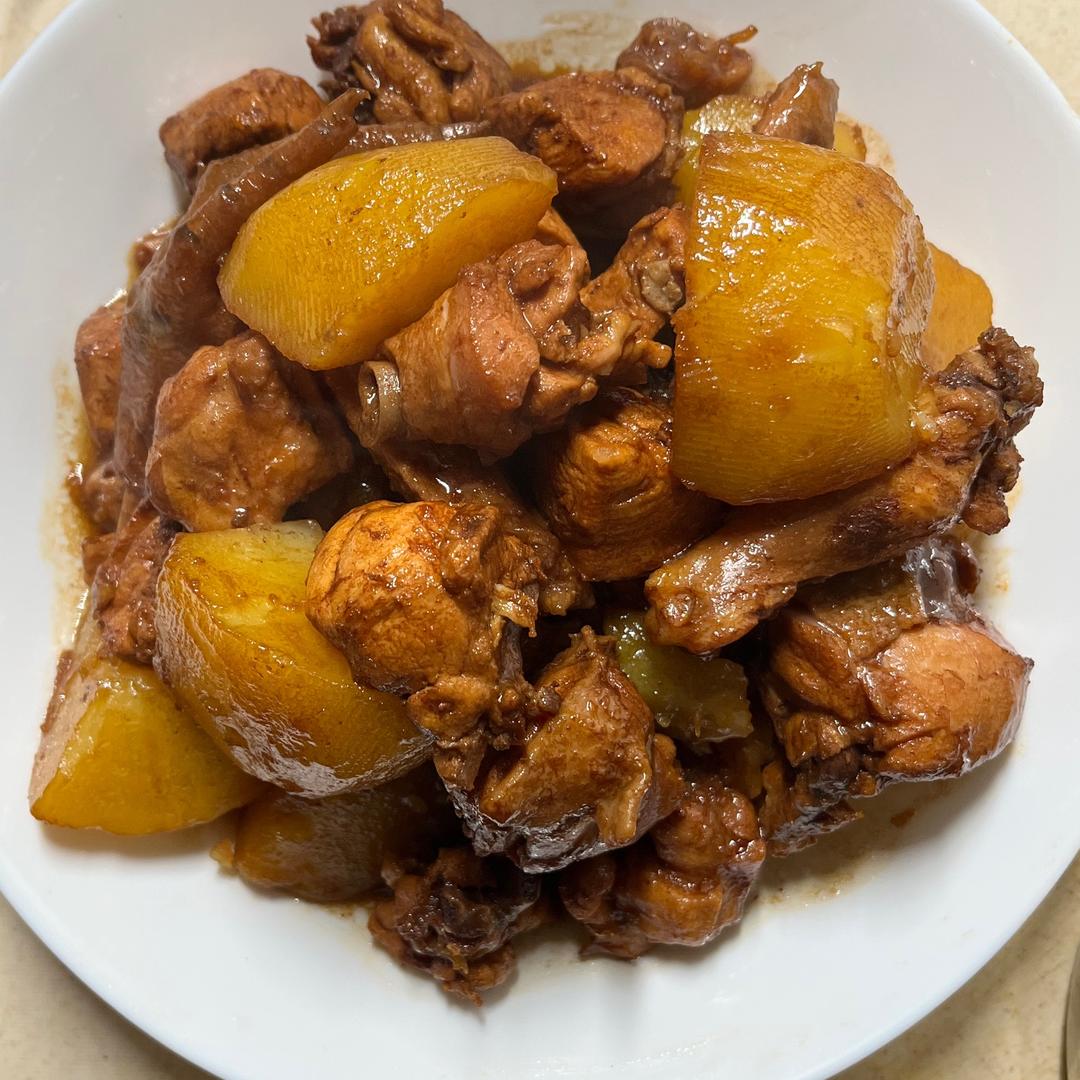
For a version that leans on slow braising rather than curry roux, this potato braised chicken is the soy-sauce cousin of today’s dish—same potato-and-chicken comfort, different sauce.
1Homestyle Potato Braised Chicken (Tu Dou Shao Ji)A classic Chinese comfort food! This easy, homestyle Potato Braised Chicken (Tu Dou Shao Ji) features tender chicken and potatoes braised in a rich, savory, and glossy “hong shao” (red-braised) sauce.Check out this recipe
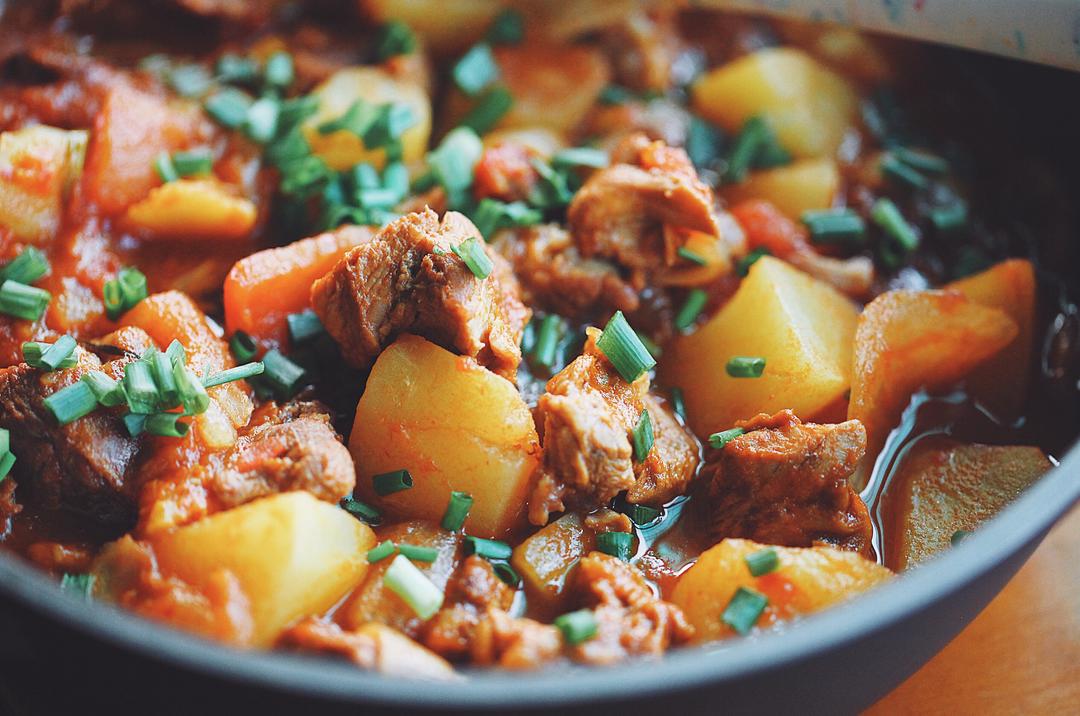
Cooked this way once, you will want the next one too: hearty tomato and potato beef stew starts from the same base and the same pan.
2Hearty Tomato and Potato Beef Stew (Fan Qie Tu Dou Dun Niu Rou)A classic Chinese comfort dish featuring tender beef, fluffy potatoes, and a rich, tangy tomato gravy. High in EEAT and flavor!Check out this recipe
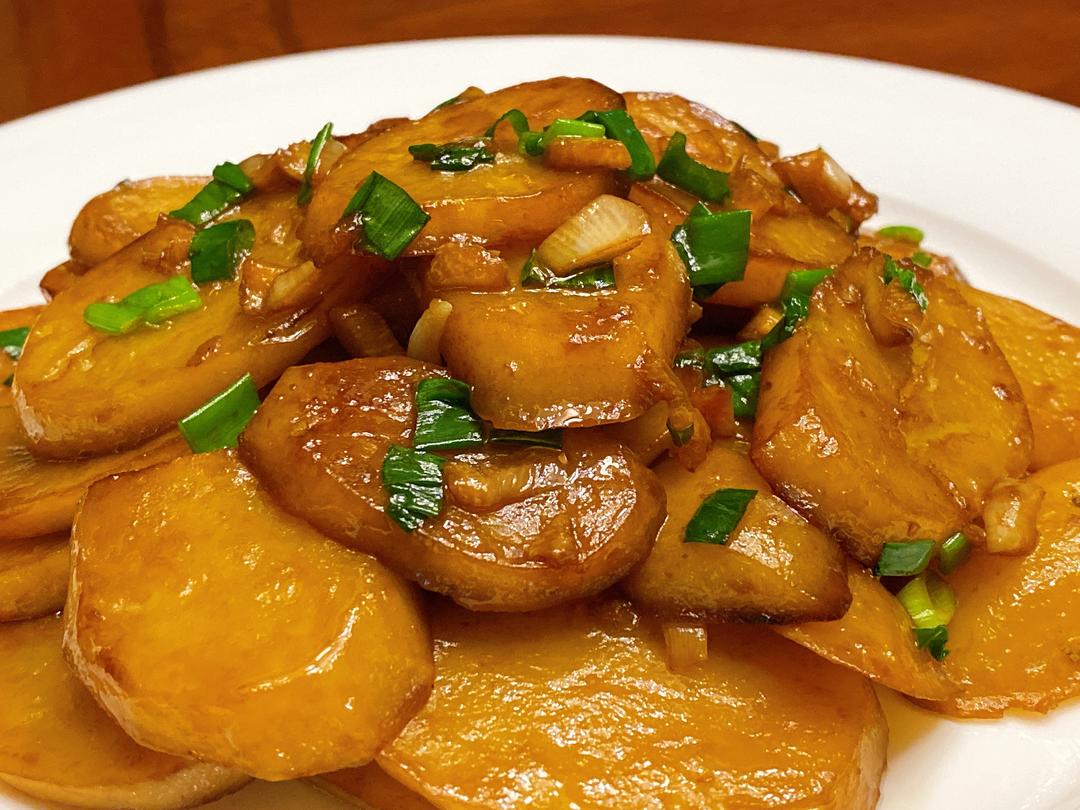
And if you want the potato to be the star rather than a supporting player, our braised potato slices show how far a good braise can take a humble tuber.
3Authentic Braised Potato Slices (Hong Shao Tu Dou Pian)A quick, comforting 20-minute recipe featuring tender potatoes in a savory soy and oyster sauce glaze. The ultimate Chinese homestyle side dish.Check out this recipe
Why This Recipe Works
Three decisions do most of the heavy lifting. First, the chicken is marinated with cornstarch and oil—a technique borrowed from Cantonese stir-fry prep—which forms a thin protective layer that keeps the meat juicy even after a long simmer. Second, the potatoes go in before the curry blocks, so they cook in plain water and release starch gradually instead of turning the sauce gluey from the start. Third, the curry blocks are added only after the vegetables are tender, then simmered briefly over low heat with constant stirring, which is the difference between a smooth gravy and a burnt pot.
There is also a practical reason this dish is so reliable: it is a one-pot recipe with a built-in buffer. If the sauce gets too thick, a splash of water fixes it; if it is too thin, five more minutes of simmering brings it back. That flexibility is why it works for first-time cooks and why it stays in rotation for experienced ones.
The sear on the chicken matters more than it looks. Letting the meat sit undisturbed for a full minute before stirring gives it a chance to brown slightly and develop flavor, rather than steaming in its own moisture. It is a small step that pays off in the final sauce.
Equipment Needed
A wok or a wide, heavy-bottomed pot with a lid is the only essential piece of equipment here. The wide surface lets the chicken sear rather than steam, and the lid traps enough heat to simmer the potatoes through in about 15 minutes. A cutting board and a sharp knife make quick work of the diamond-cut vegetables, and a slotted spoon is handy for lifting the chicken out if you want to brown the vegetables separately.
You will also want a wooden spoon or spatula for the final stirring stage—something with a flat edge that can scrape the bottom of the wok, because that is exactly where a starchy curry sauce likes to catch. A pair of chopsticks is the simplest way to test whether the potatoes are done.
Ingredients
The full ingredient list with US and metric measures sits in the recipe card below, but here is the short version: bone-in chicken thighs (skin removed), potatoes, carrots, onion, garlic, ginger, curry blocks, and a marinade of salt, Shaoxing wine, light soy sauce, oyster sauce, white pepper, cornstarch, and oil. Boiling water and an optional splash of milk round it out.
Nothing here is exotic. Curry blocks are sold in the international aisle of most supermarkets, and the rest is standard Chinese pantry stock. That is part of the point: this is a dish you can make on a Tuesday without a special shopping trip.
Ingredient Notes
Chicken thighs, not breast. Thigh meat has more fat and connective tissue, which is exactly what you want in a 20-minute braise. Breast meat will dry out and turn stringy. Bone-in thighs are ideal for flavor, but boneless work fine if you shorten the soak and keep the pieces large.
Curry blocks. Japanese-style curry roux (the kind sold in vacuum-sealed trays) is the most common choice and gives a mild, sweet, glossy result. Chinese curry blocks are similar but often a touch spicier. Either works; just break the blocks up before adding so they melt evenly. If your brand is very salty, hold back on the marinade salt.
Potatoes. Waxy potatoes hold their shape; starchy russets break down and thicken the sauce more. A middle-ground all-purpose potato is the safest bet. Cut them into diamond chunks of roughly equal size so they cook at the same rate.
Carrots. Cut them slightly smaller than the potatoes—they take a little longer to soften and their sweetness concentrates as they cook.
Oyster sauce and soy. These build the savory base of the marinade. Light soy is preferred over dark, which would darken the curry gravy. Tamari works for a gluten-free swap, though the curry block itself may still contain wheat.
Prep & Mise en Place
Start by soaking the chicken. Remove the skin, bone, and sinew from the thighs, then submerge the meat in cold water for about 30 minutes—this pulls out blood and gamey notes and gives you a cleaner-tasting sauce. Drain well and pat dry before cutting into chunks.
While the chicken soaks, cut the potatoes and carrots into diamond chunks, smash the garlic cloves with the flat of a knife, and slice the onion. Break the curry blocks into small pieces so they dissolve quickly later. Have the boiling water ready before you turn on the wok, because you will need it the moment the vegetables go in.
Once the chicken is drained and cut, toss it with the salt, Shaoxing wine, light soy, oyster sauce, white pepper, and cornstarch until every piece is coated, then add the oil and mix again. Let it sit for 10–15 minutes while you finish the rest of the prep. This is the entire mise en place—one bowl of marinated meat, one board of vegetables, one bowl of curry blocks.
Cooking Process
Step 1 — Gather and Prep
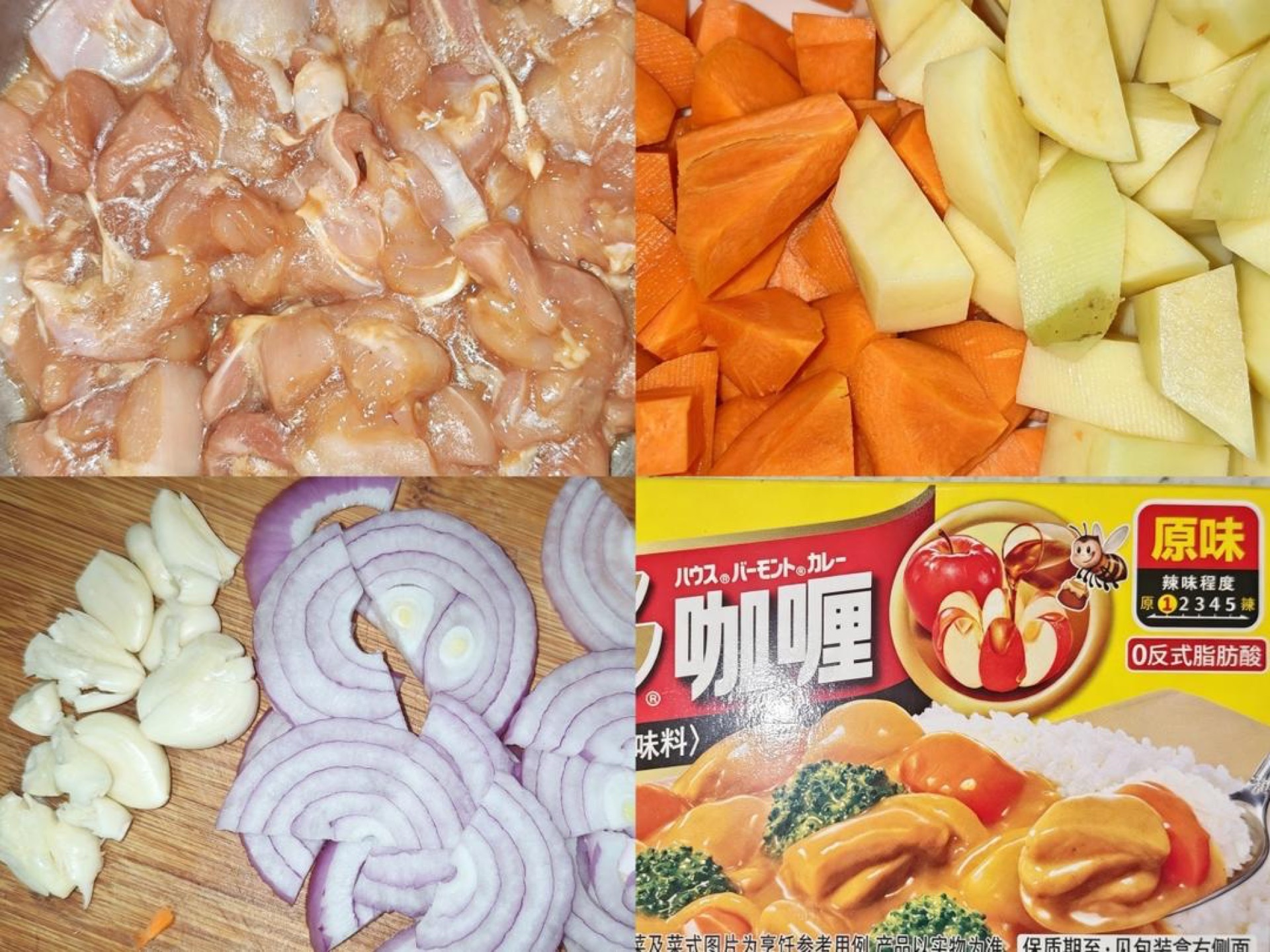
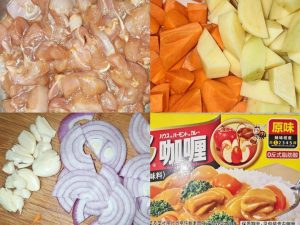
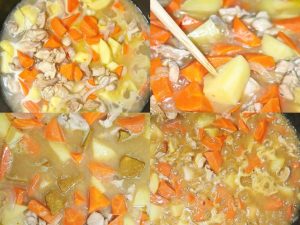
The ingredients: marinated chicken thigh meat, potatoes and carrots cut into diamond chunks, garlic smashed, onion sliced, and curry blocks ready.
Step 2 — Marinate the Chicken
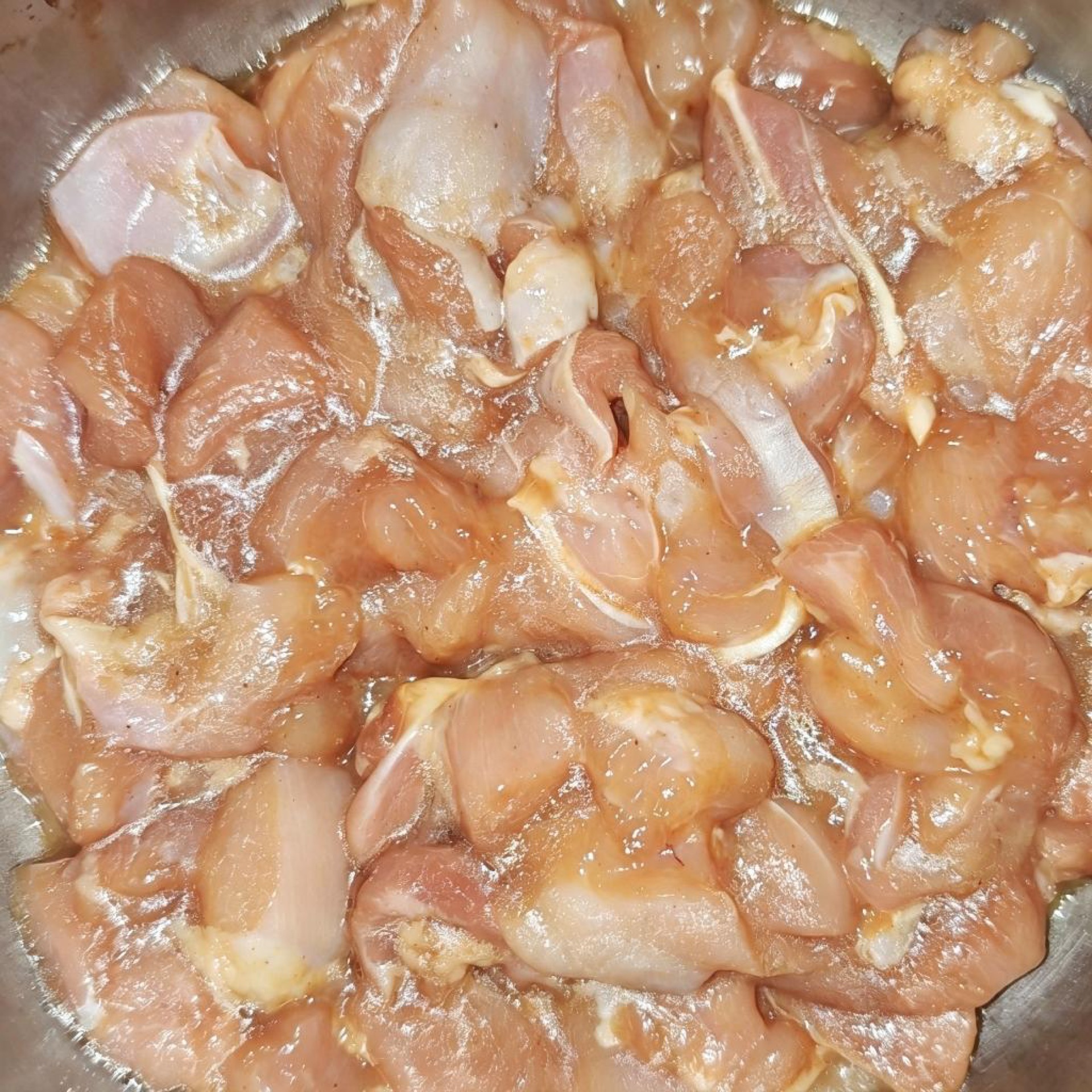
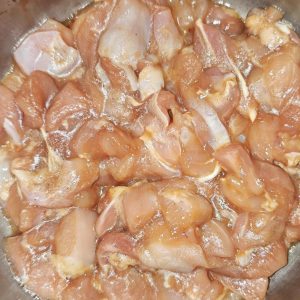
For the chicken thighs, remove the skin, bone, and sinew, soak in cold water for about 30 minutes, drain well, and cut into chunks. Add 2 g salt, 1 tbsp Shaoxing wine, 2 tbsp light soy sauce, 1 tbsp oyster sauce, a dash of white pepper, and 1 tbsp cornstarch, toss to combine, then coat with 2 tbsp cooking oil.
Step 3 — Sear and Layer the Vegetables
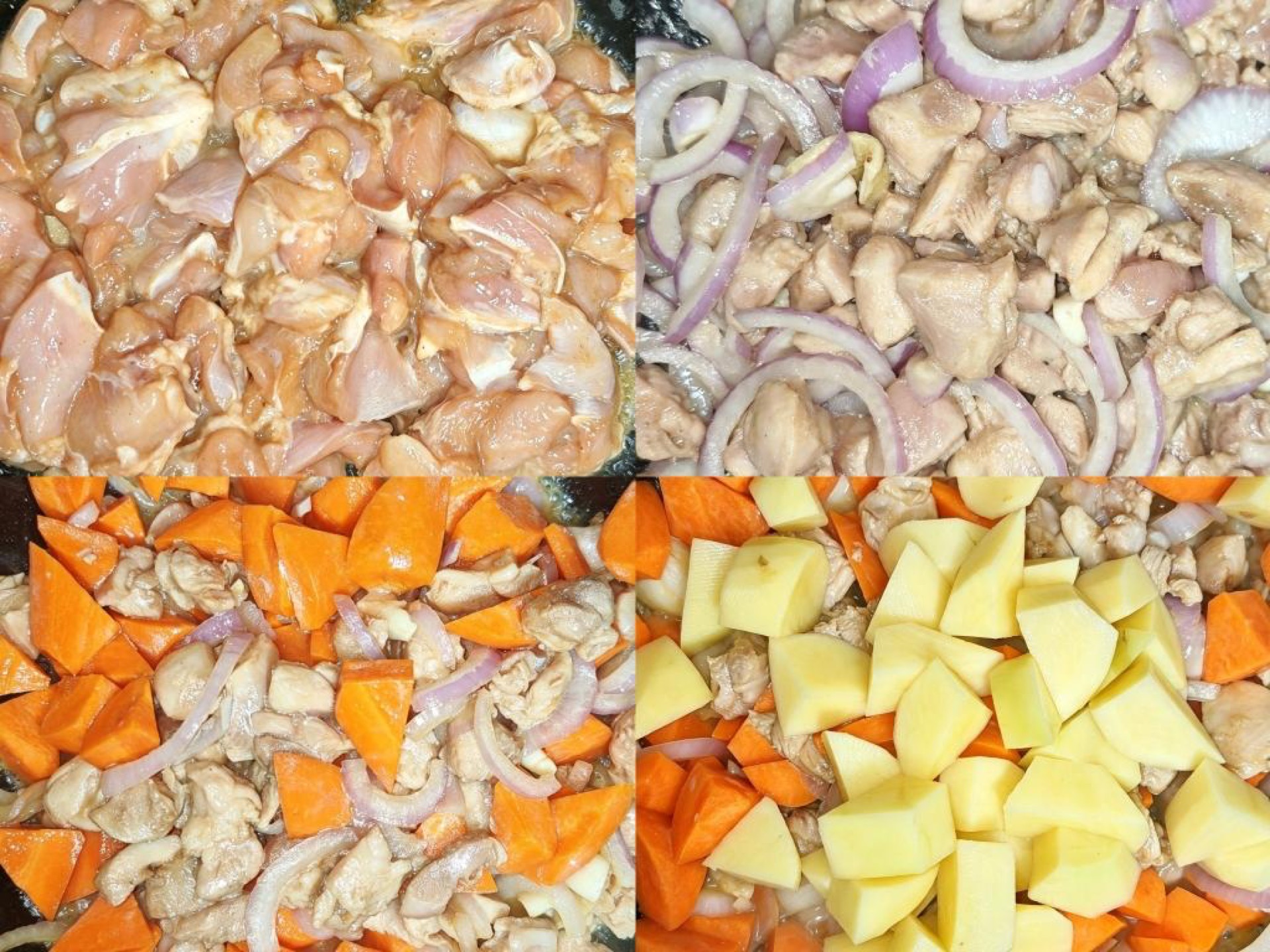
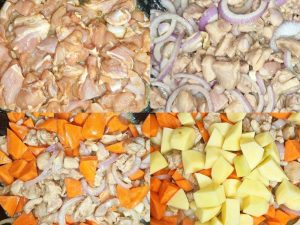
Heat the wok, add oil, and over medium heat add the ginger slices and the marinated chicken; resist stirring for 1 minute, then stir-fry until the meat loses its raw color. Add the garlic and onion and stir to combine, then add the carrots and stir, then the potatoes and stir again.
Step 4 — Simmer and Melt the Curry
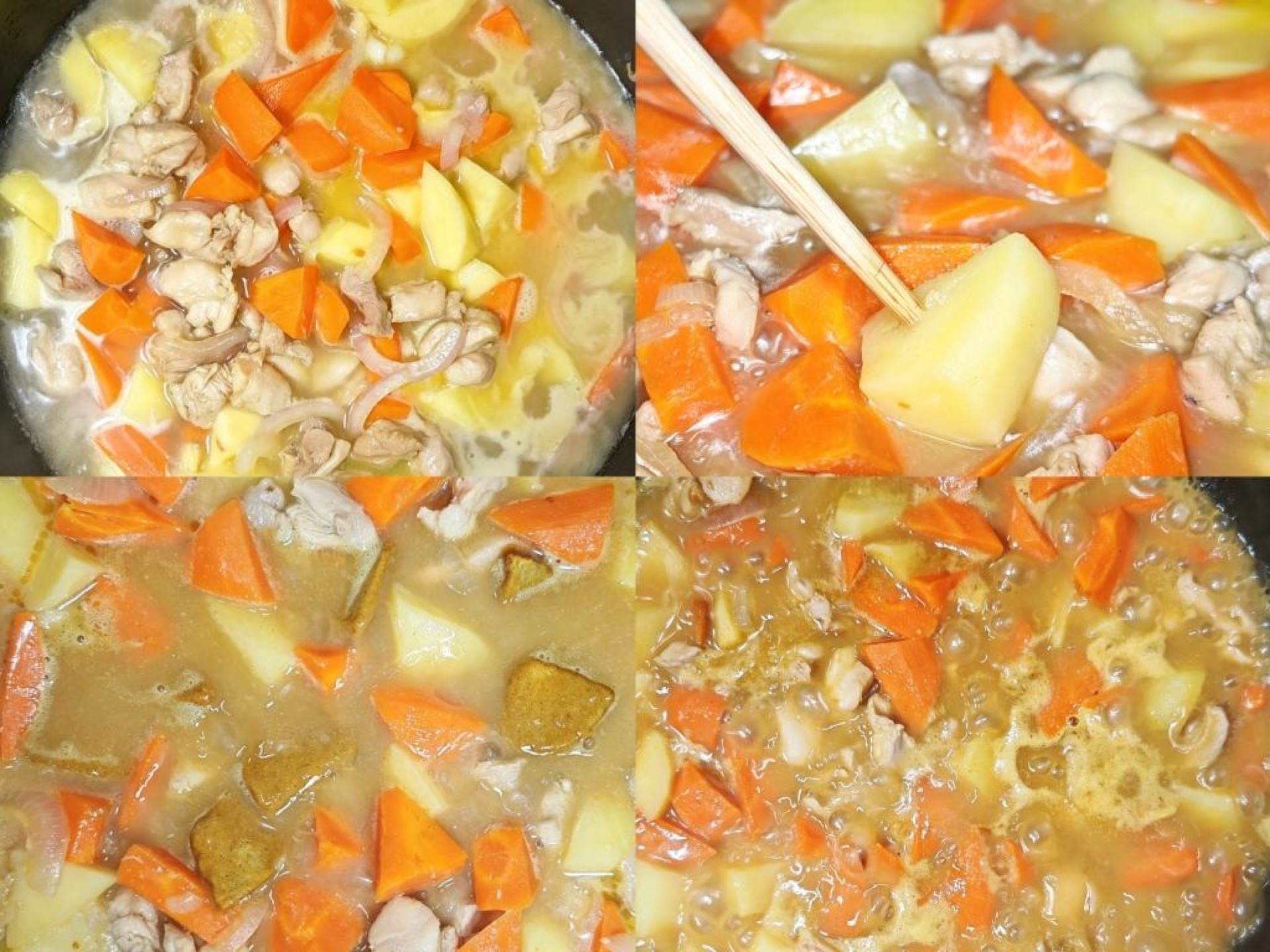
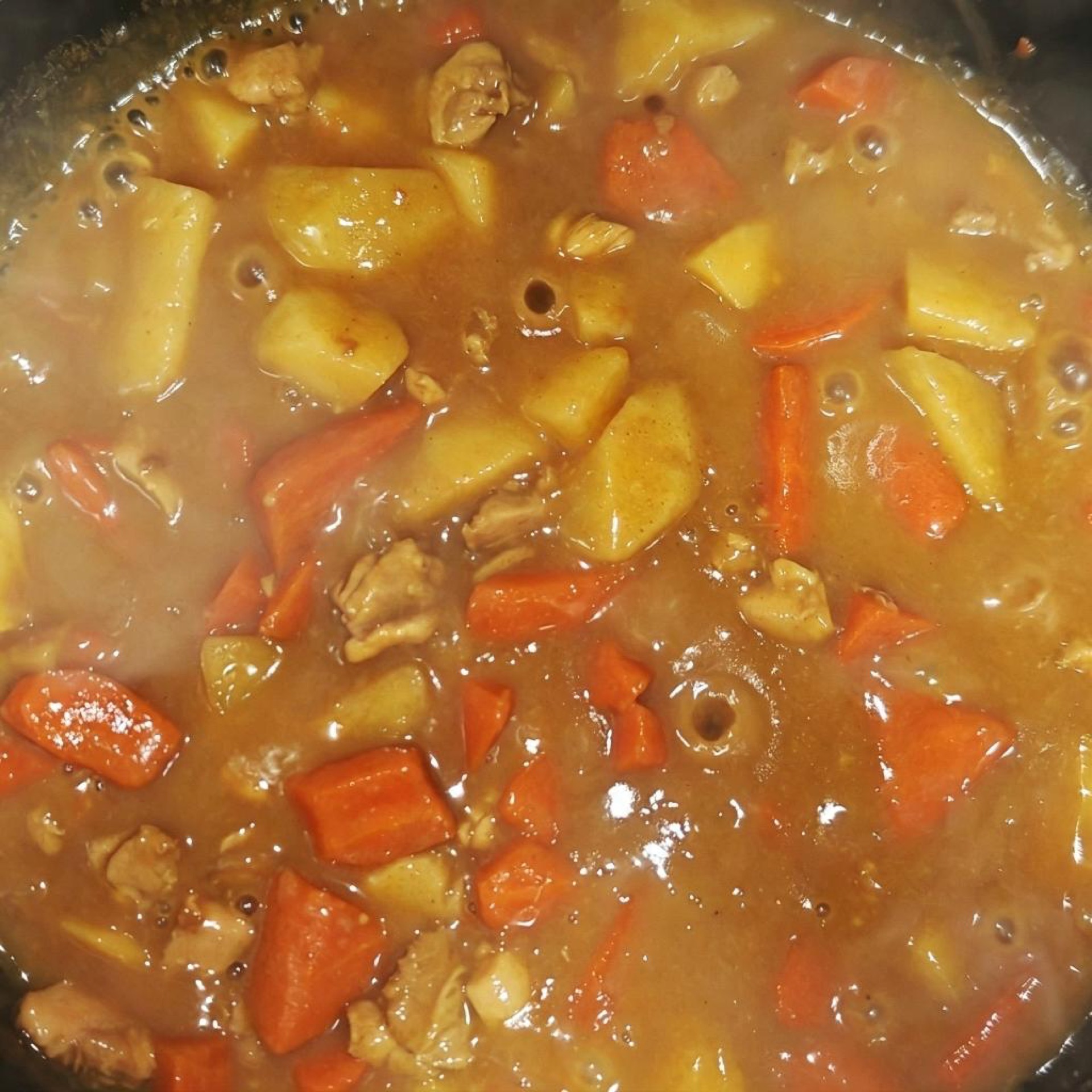
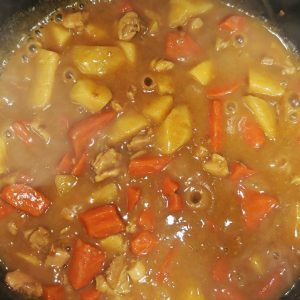
Pour in boiling water until it levels with the vegetables, cover, and simmer over medium heat for 15 minutes, until a chopstick pierces a potato easily. Add the broken-up curry blocks, stir until melted, then lower the heat and simmer 5–8 minutes, stirring constantly to keep the bottom from scorching.
Step 5 — Thicken and Finish
When the sauce is thick and glossy, take the wok off the heat; for a creamier finish stir in milk at the very end without a long boil.
Step 6 — Plate and Serve
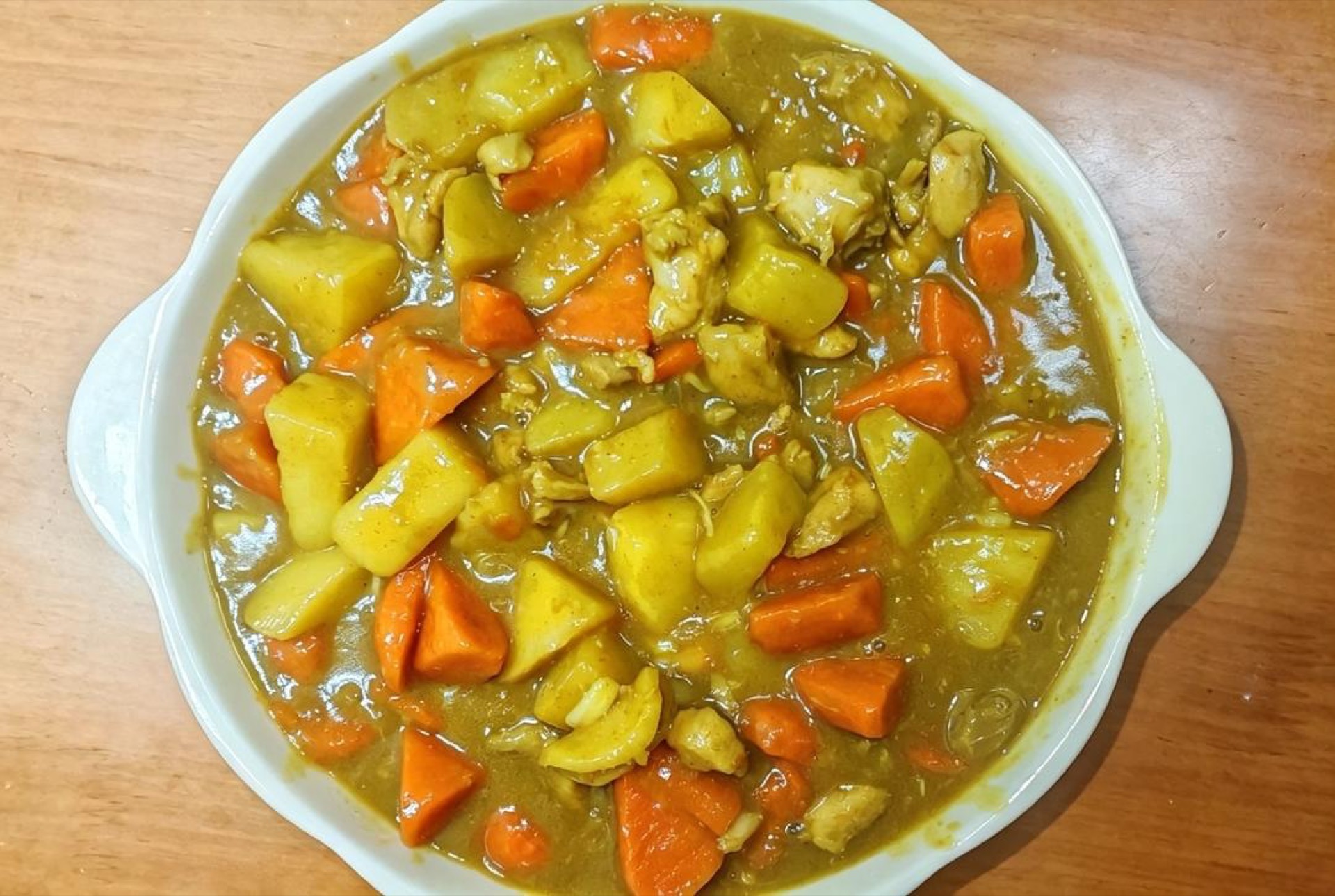
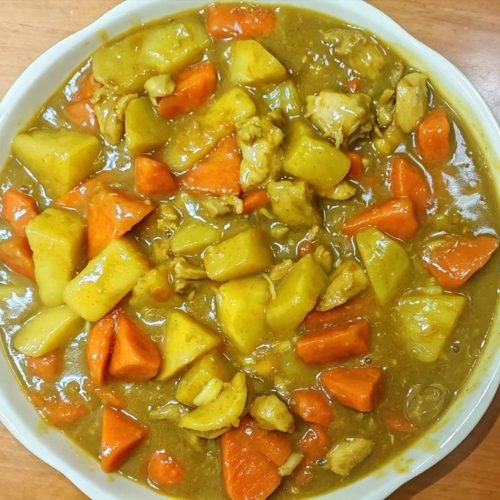
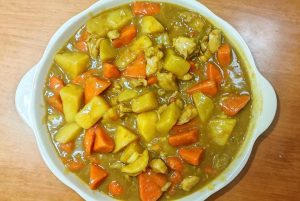
Serve hot—the chicken is tender and silky, the potatoes have drunk up the curry sauce and turned velvety, and the carrots bring their own gentle sweetness.
Common Mistakes When Making Curry Chicken with Potato and Carrot
1. Adding the curry blocks too early. If the roux goes in before the potatoes are tender, its starch thickens the liquid around the vegetables and they never soften properly—you get hard potato in a thick, pasty sauce. Cause: impatience. Fix: simmer the vegetables in plain water first, then add the curry only once a chopstick slides easily into a potato.
2. Not stirring after the curry melts. Curry roux is heavy and starchy, and it sinks. Within a minute or two of melting, the bottom of the wok becomes a scorch zone. Cause: walking away. Fix: stir constantly over low heat for the final 5–8 minutes, scraping the bottom with a flat-edged spoon.
3. Using chicken breast. Breast meat has almost no fat or collagen, so a 20-minute simmer leaves it dry and chalky. Cause: habit or a fridge clean-out. Fix: use thighs, or if you must use breast, add it later and simmer only until just cooked through.
4. Skipping the soak and the marinade. Unsoaked chicken can taste gamey, and unmarinated chicken loses moisture in the braise. Cause: rushing. Fix: give the meat its 30-minute soak and its 10-minute marinade—both are hands-off time you can use for chopping.
5. Adding too much water. The potatoes release starch and the curry blocks thicken the sauce, so a pot that looks thin at the start can turn soupy or, worse, gluey. Cause: overestimating how much liquid the dish needs. Fix: add just enough boiling water to level with the vegetables, and adjust at the end rather than the beginning.
6. Boiling the milk. If you finish with milk for a creamier sauce, a hard boil can cause it to split or catch on the bottom. Cause: leaving the heat on. Fix: take the wok off the heat before stirring the milk in.
Variations
Creamier finish. Stir in a quarter cup of whole milk or a spoonful of coconut milk off the heat at the very end. The sauce turns silkier and slightly richer without changing the core flavor.
Spicier curry. Add a teaspoon of curry powder or a sliced fresh chili with the garlic and onion. Japanese curry blocks are mild by design, so this is the easiest way to push the heat up.
Extra vegetables. Green beans, peas, or chunks of bell pepper can go in during the last 5 minutes of simmering. Avoid adding more starchy vegetables, which will over-thicken the sauce.
Curry chicken noodles. Thin the finished sauce with a little extra water or stock and ladle it over noodles instead of rice—a natural bridge to our curry chicken soba noodles.
Frequently Asked Questions
Can I use chicken breast instead of thighs? Yes, but add it later—about 8 minutes into the simmer—so it does not overcook. Thighs are more forgiving and give a juicier result.
Why did my curry turn gluey? Usually too much curry roux for the amount of liquid, or simmering it too long after the blocks melted. Thin with a splash of hot water and stir gently.
Do I have to soak the chicken? It is not strictly required, but a 30-minute cold-water soak removes blood and reduces gamey notes, giving you a cleaner sauce. If you skip it, rinse the meat well instead.
Can I make this ahead? Yes—it reheats beautifully and often tastes better the next day. Store it covered in the refrigerator and reheat gently with a splash of water.
Is this dish spicy? Not usually. Japanese-style curry blocks are mild and slightly sweet. Heat level depends entirely on the brand you buy.
How to Serve
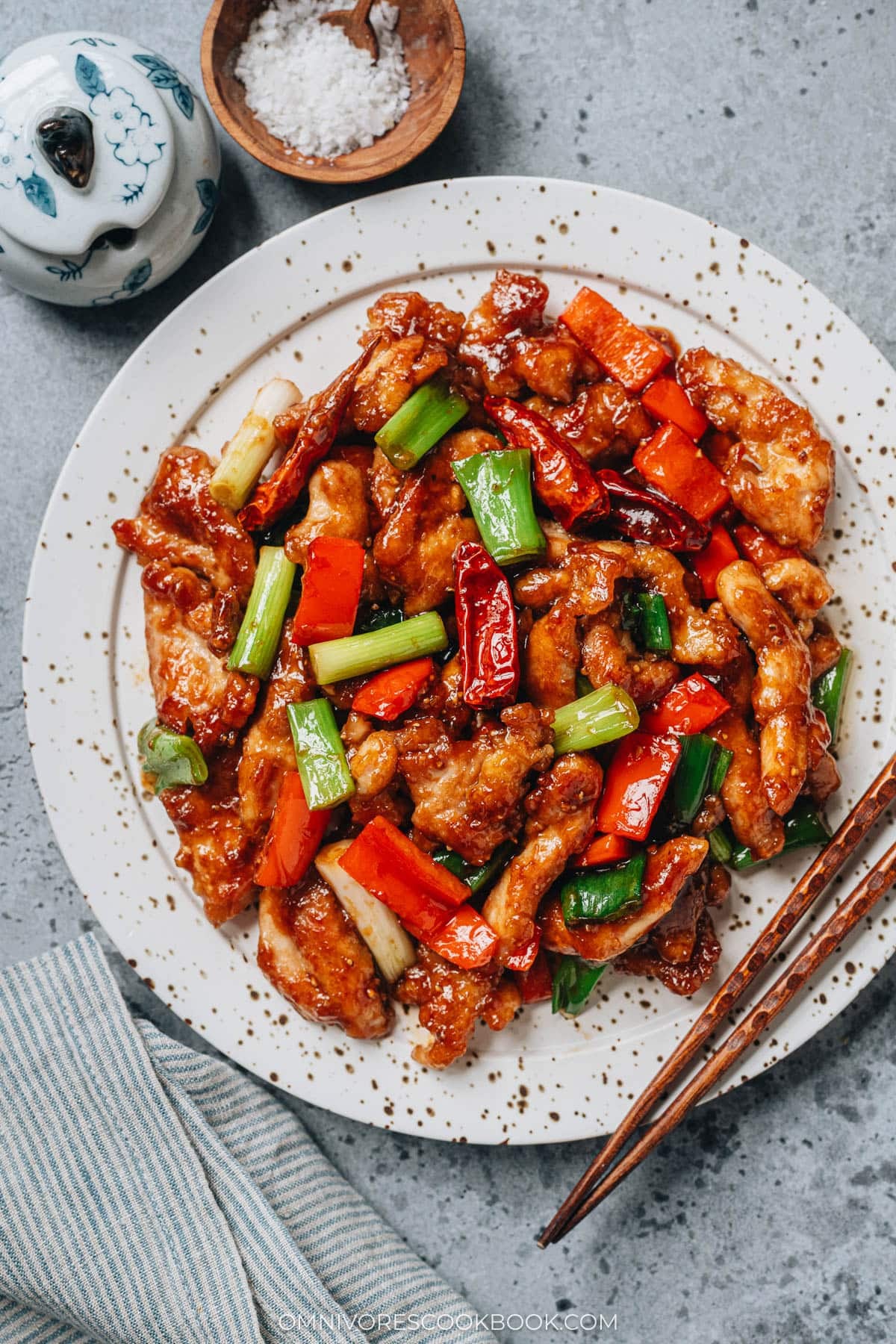
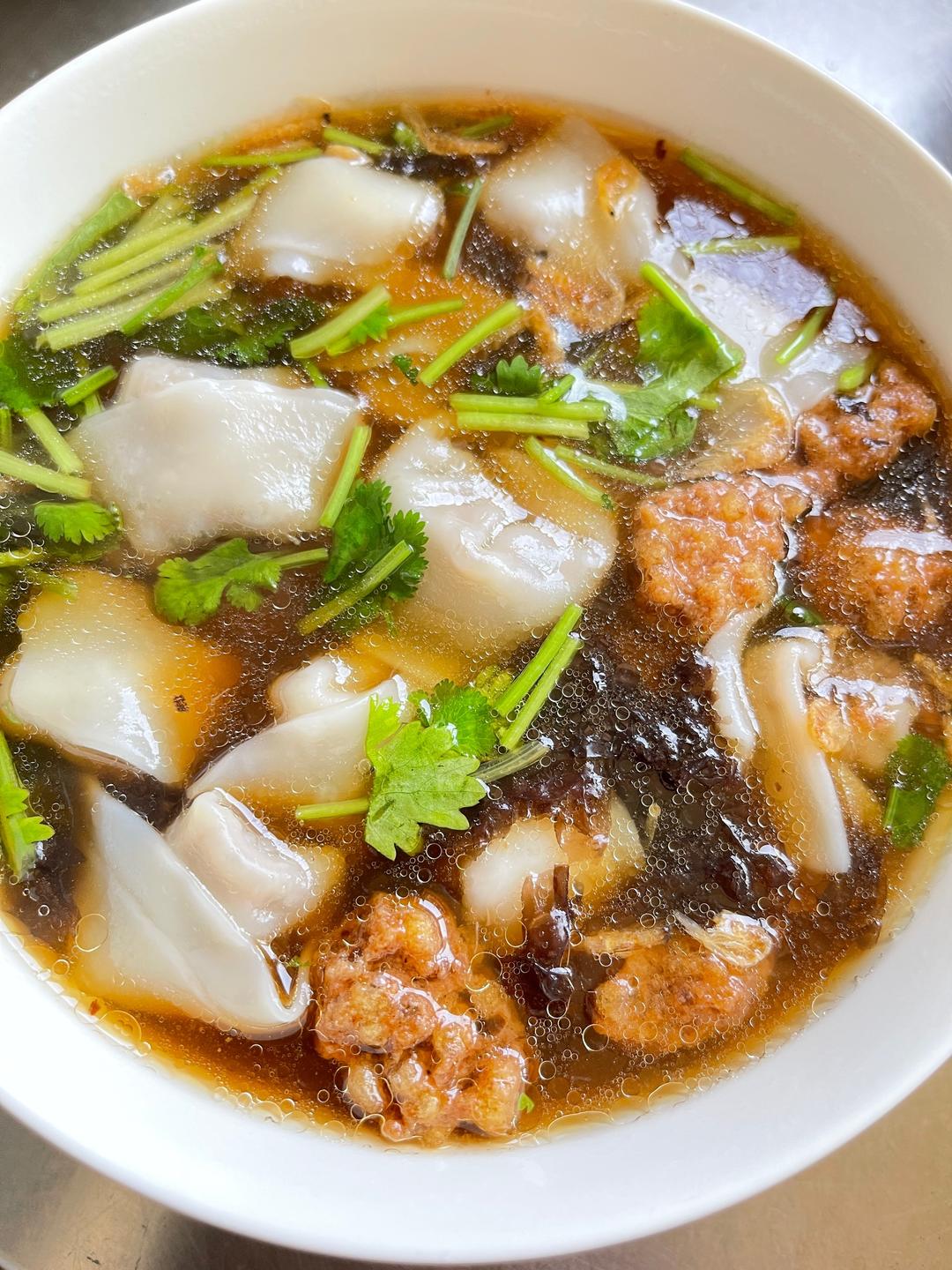
Curry chicken with potato and carrot is most often spooned over steamed white rice, with the gravy pooling at the edges of the bowl. A side of quick-pickled cucumber or a simple stir-fried green vegetable cuts through the richness nicely. If you want to build a fuller table, our Mongolian chicken stir fry makes a punchy, savory counterpoint, and a bowl of wonton soup broth rounds things out with something warm and light.
Storage & Reheat
Cool the curry to room temperature, then transfer it to an airtight container and refrigerate for up to 3 days. The sauce thickens considerably when cold, so reheat it gently in a saucepan over medium-low heat with a splash of water or stock, stirring until it loosens. Reheat until the chicken reaches 74°C / 165°F throughout.
Freezing works but changes the potatoes: they can turn grainy after thawing. If you plan to freeze, undercook the potatoes slightly so they finish cooking on reheat. Freeze for up to 2 months and thaw overnight in the refrigerator before reheating.
Allergen Notice
This recipe contains soy (soy sauce, oyster sauce) and may contain wheat, dairy, or MSG depending on the curry block brand. Always read the roux label if you are cooking for someone with allergies, and substitute tamari for the soy sauce where needed.
Nutrition Disclaimer
Nutrition information is calculated using an ingredient database and should be considered an estimate. In cases where multiple ingredient alternatives are given, the first listed is calculated for nutrition. Garnishes and optional ingredients are not included.
About the Author & Recipe Development
Lin is the recipe developer and writer behind Woks of Love, where she has spent years documenting homestyle Chinese cooking with an emphasis on technique, honest ingredients, and dishes that work in a real home kitchen. This recipe was developed from a family-style 咖喱土豆鸡 method and tested repeatedly for consistent texture and sauce consistency.
The development notes behind this version focused on three variables: the marinating time for the chicken, the point at which the curry blocks go in, and the final stirring technique. Each was adjusted until the dish held up reliably, even for cooks making it for the first time.
For another dish in the same spirit, japanese curry chicken rice kare raisu is worth cooking next.
For another dish in the same spirit, ground pork fat ratios is worth cooking next.
Authoritative References
For safe handling and cooking temperatures for poultry, see the USDA safe minimum internal temperature chart. General food-safety guidance on cooling and storing leftovers is available from the FDA food storage guidance. For background on curry’s spread through Chinese port cities and its place in home cooking, see this encyclopedia entry on curry.
Curry Chicken with Potato and Carrot (咖喱土豆鸡): Tender Chicken, Zero-Fail One Pot

Equipment
- Wok
- Cutting Board
- Slotted Spoon
Ingredients
For the Chicken Marinade
- 2 pieces chicken thighs bone-in, skin removed, about 1 lb / 450 g
- 2 g salt about 1/3 tsp
- 1 tbsp Shaoxing wine or dry sherry
- 2 tbsp light soy sauce or tamari
- 1 tbsp oyster sauce
- 1 dash white pepper to taste
- 1 tbsp cornstarch
- 2 tbsp cooking oil for coating the meat
For the Dish
- 2 tbsp cooking oil for the wok
- 3 slices ginger
- 2 pieces potatoes about 12 oz / 340 g, cut into diamond chunks
- 2 pieces carrots about 10 oz / 280 g, cut into diamond chunks
- 1 piece onion sliced
- 6 cloves garlic smashed
- 100 g curry blocks Japanese or Chinese curry roux, broken up
- 4 cups boiling water enough to just level with the vegetables
- 1/4 cup whole milk optional, for a creamier finish
Instructions
- The ingredients: marinated chicken thigh meat, potatoes and carrots cut into diamond chunks, garlic smashed, onion sliced, and curry blocks ready.

- For the chicken thighs, remove the skin, bone, and sinew, soak in cold water for about 30 minutes, drain well, and cut into chunks. Add 2 g salt, 1 tbsp Shaoxing wine, 2 tbsp light soy sauce, 1 tbsp oyster sauce, a dash of white pepper, and 1 tbsp cornstarch, toss to combine, then coat with 2 tbsp cooking oil.

- Heat the wok, add oil, and over medium heat add the ginger slices and the marinated chicken; resist stirring for 1 minute, then stir-fry until the meat loses its raw color. Add the garlic and onion and stir to combine, then add the carrots and stir, then the potatoes and stir again.
- Pour in boiling water until it levels with the vegetables, cover, and simmer over medium heat for 15 minutes, until a chopstick pierces a potato easily. Add the broken-up curry blocks, stir until melted, then lower the heat and simmer 5–8 minutes, stirring constantly to keep the bottom from scorching.
- When the sauce is thick and glossy, take the wok off the heat; for a creamier finish stir in milk at the very end without a long boil.
- Serve hot—the chicken is tender and silky, the potatoes have drunk up the curry sauce and turned velvety, and the carrots bring their own gentle sweetness.



Leave a Reply