I have always believed that a warm, comforting bowl of curry is the ultimate zero-failure recipe for home cooks. Whether you are cooking for a family gathering or meal-prepping for the week, this Japanese-style curry chicken rice is a dish you will never get tired of. It is incredibly easy to make, requires no advanced culinary skills, and delivers a rich, complex flavor that tastes like it simmered all day.
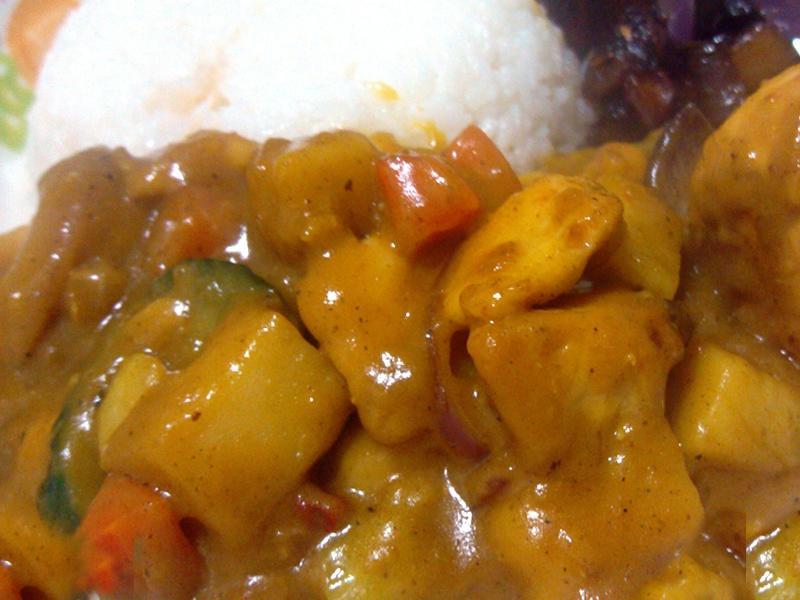
In this recipe, I will share a few of my secret techniques to elevate the sauce, ensuring your curry is fragrant, thick, and perfectly balanced.
What Is Japanese Curry Chicken?
Japanese curry (Kare) is a beloved comfort food known for its mildly sweet, deeply savory, and thick gravy. Unlike Indian or Thai curries, Japanese curry relies on a roux block that thickens the sauce and provides a harmonious blend of spices. While restaurant versions are excellent, the homestyle version is a staple because it is adaptable, quick, and foolproof.
Similar Recipes to Explore
If you love this style of comforting curry, you might also want to try our Easy Chicken Curry Rice for a slightly different take, or explore the rich flavors of our Beef Curry Rice for a heartier red-meat option.
1Easy Chicken Curry Rice (Creamy & Sweet-Savory)This homestyle Chicken Curry Rice features a secret ingredient—grated apple—for incredible depth. A creamy, savory, one-pot meal ready for weeknight dinner.Check out this recipe2Easy Beef Curry Rice (Ga Li Niu Rou Fan)A comforting, kid-friendly Chinese-style beef curry stew with potatoes and carrots. Using tender beef cuts and Japanese curry roux, this rich one-pot meal is ready in just 30 minutes.Check out this recipe
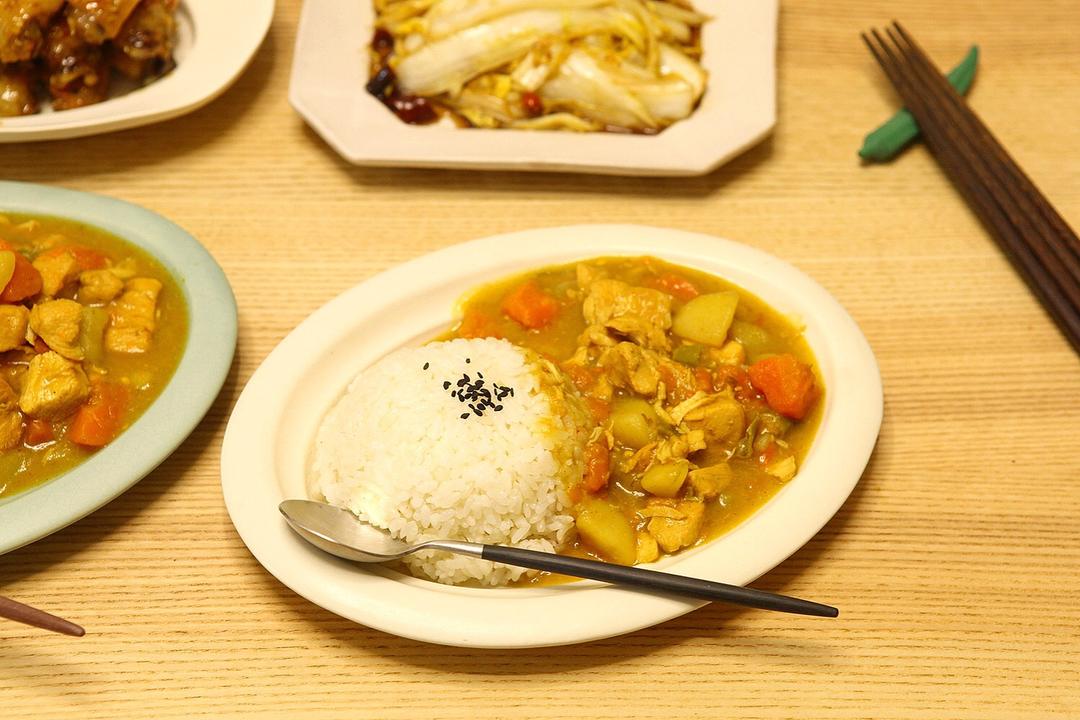
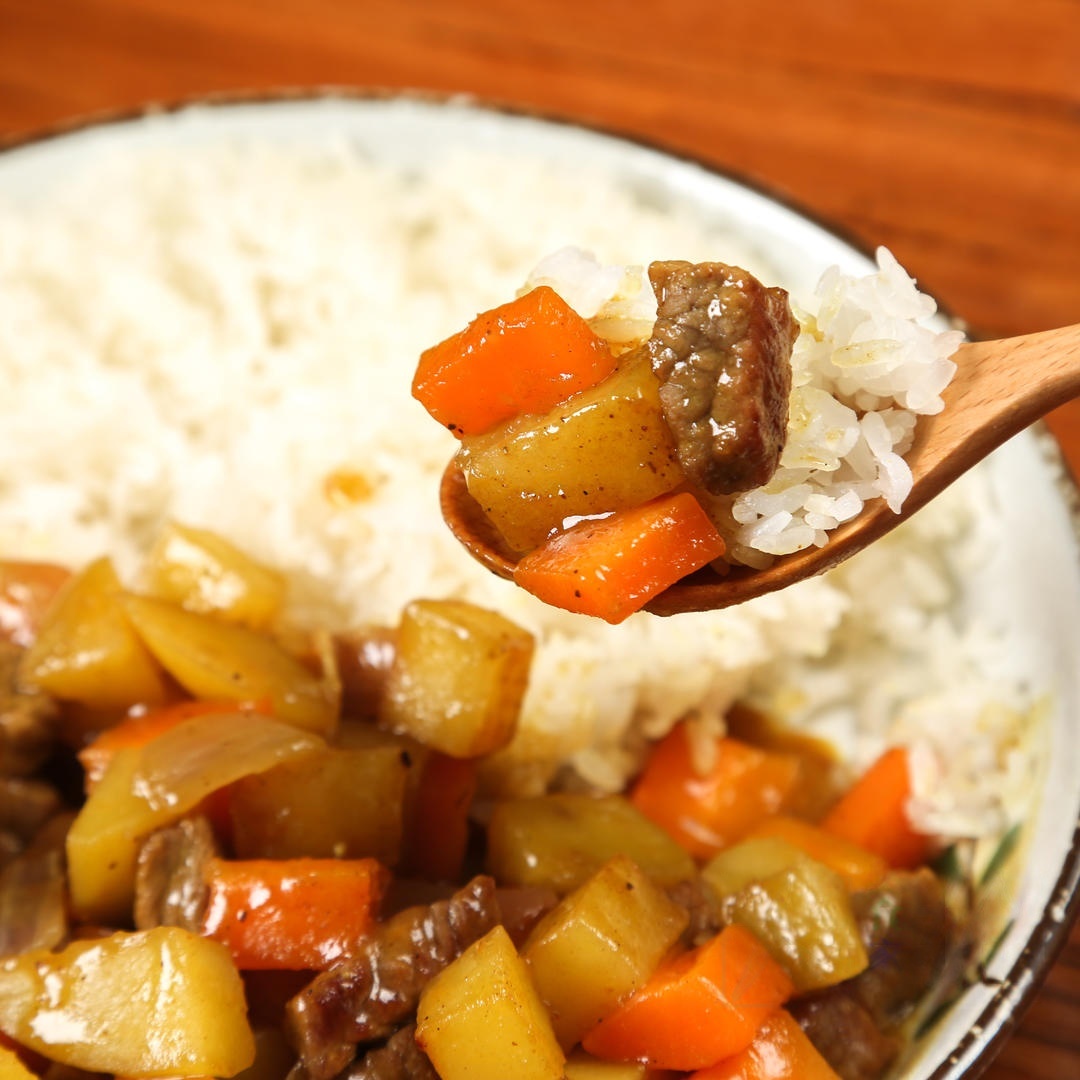
Ingredients
For the Chicken & Marinade:
- 3.5 oz (100 g) chicken breast or thigh, diced (Note: This is a traditional light-meat portion for 4 people; you can double it if preferred)
- 1 tablespoon Shaoxing wine (or use a suitable substitute for Shaoxing wine)
- 2 tablespoons Light Soy Sauce
- 1 teaspoon minced scallion
- 1 teaspoon minced ginger
- 1/4 teaspoon salt (keep it light, as the curry roux is salty)
- 1 tablespoon cornstarch
- For the Curry:
- 3.5 oz (100 g) Japanese curry roux blocks
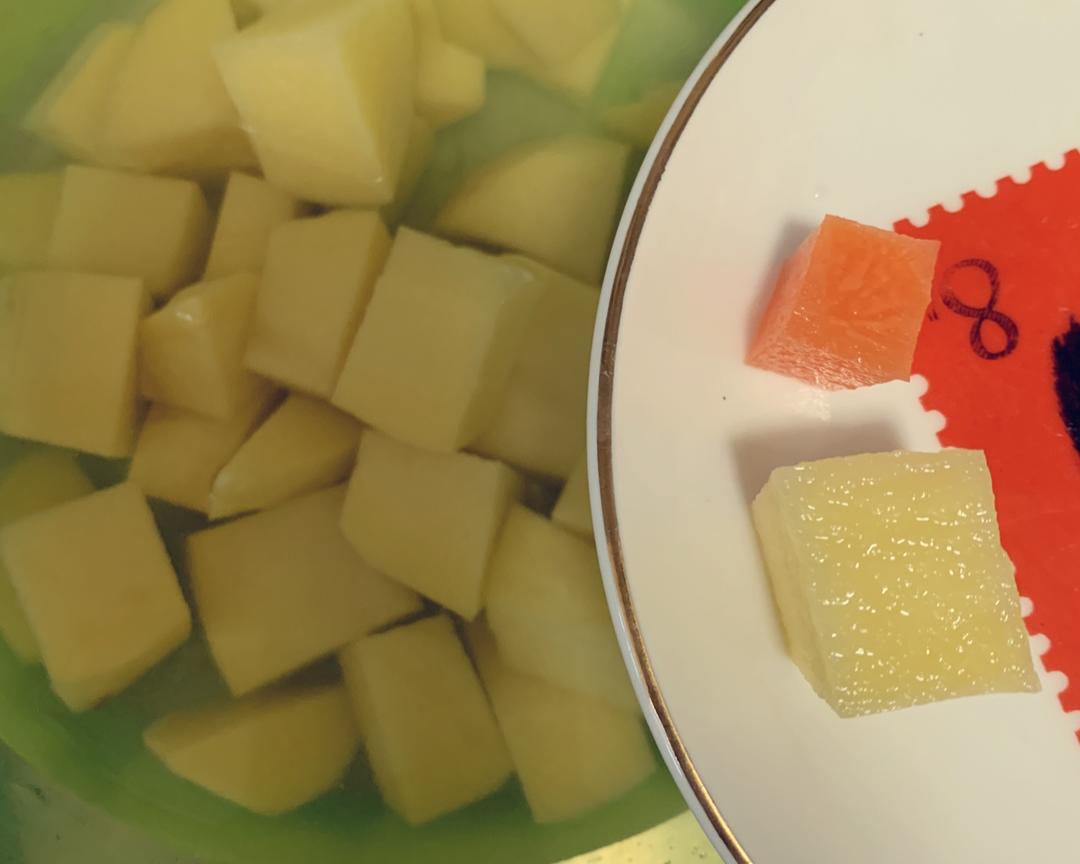
- 2 medium potatoes, peeled and chopped into bite-sized chunks
- 1 medium carrot, peeled and chopped (slightly smaller than the potatoes)
- 1/2 medium onion, thinly sliced
- 2 tablespoons cooking oil
- Cold water (enough to cover the ingredients in the pot)
- The Secret Flavor Boosters:
- 2.7 fl oz (80 ml) milk (about 1/3 cup)
- 1 small coffee spoon peanut butter (optional, but highly recommended)
- For Serving:
- Steamed white rice
- Blanched broccoli florets (for garnish)
- Toasted sesame seeds (for garnish)
Ingredient Notes
- Curry Roux Blocks: Ensure you are buying the solid blocks, not curry powder. The blocks contain fats and starches that create the signature thick texture.
- Milk & Peanut Butter: Adding milk at the end mimics the richness of coconut milk, while a tiny amount of peanut butter deepens the flavor profile without making it taste like peanuts.
Equipment Needed
- A high-quality nonstick pot or a heavy-bottomed Dutch oven (curry sticks easily, so a good best pan for stir fry or non-stick vessel is crucial).
- A wooden spoon or spatula for constant stirring.
Prep & Mise en Place
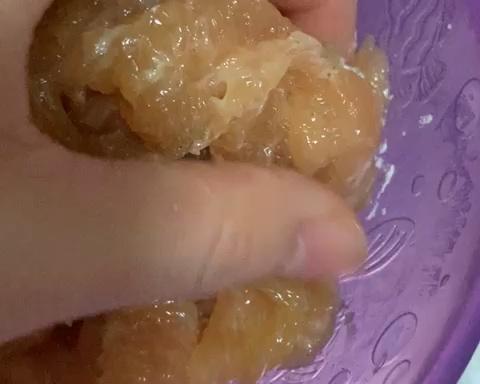
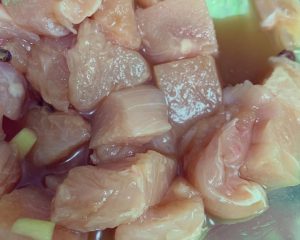
- Velvet the Chicken: Toss the diced chicken with the cooking wine, light soy sauce, scallion, ginger, salt, and cornstarch. Massage the mixture into the meat and let it marinate for about 20 minutes. If you want to learn more about this technique, read our guide on how to velvet chicken for stir fry.

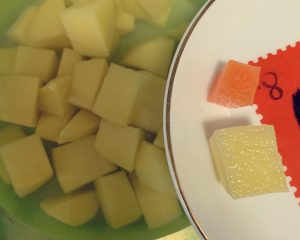
- Soak the Potatoes: Once the potatoes are chopped, immediately submerge them in a bowl of cold water. This removes excess surface starch and prevents them from oxidizing and turning black.

Cooking Process
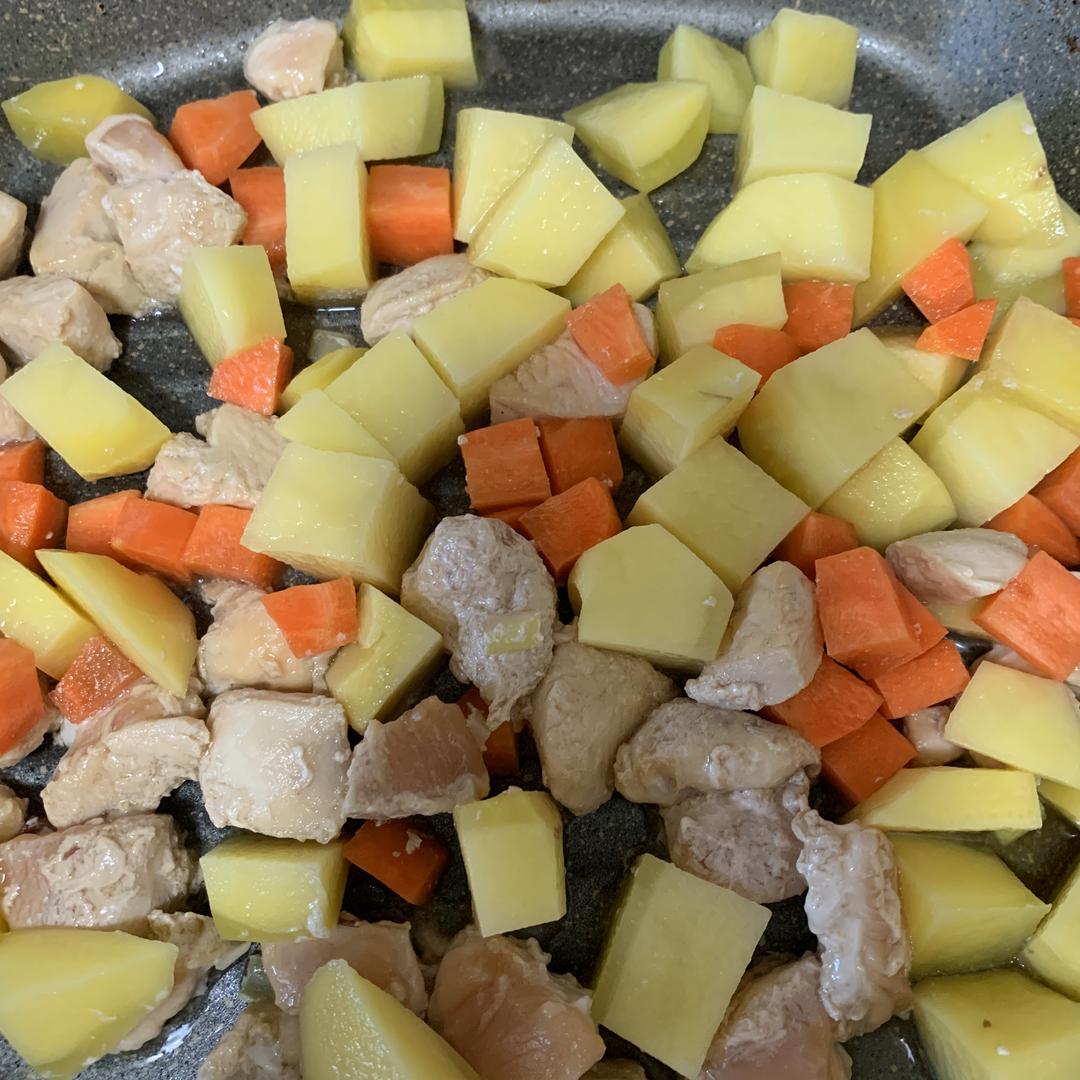
- Pan-Fry the Root Vegetables: Heat 1 tablespoon of oil in your pot over medium-high heat. Drain the potatoes well and add them to the pot along with the carrots. Sauté for 3–5 minutes until the edges of the potatoes turn a light golden brown. Remove them from the pot and set aside.

- Sauté the Aromatics and Chicken: In the same pot, add the remaining 1 tablespoon of oil. Add the sliced onions and cook over low heat until they are fragrant, sweet, and softened. Add the marinated chicken and stir-fry until the exterior changes color and is no longer pink (about 3 minutes).
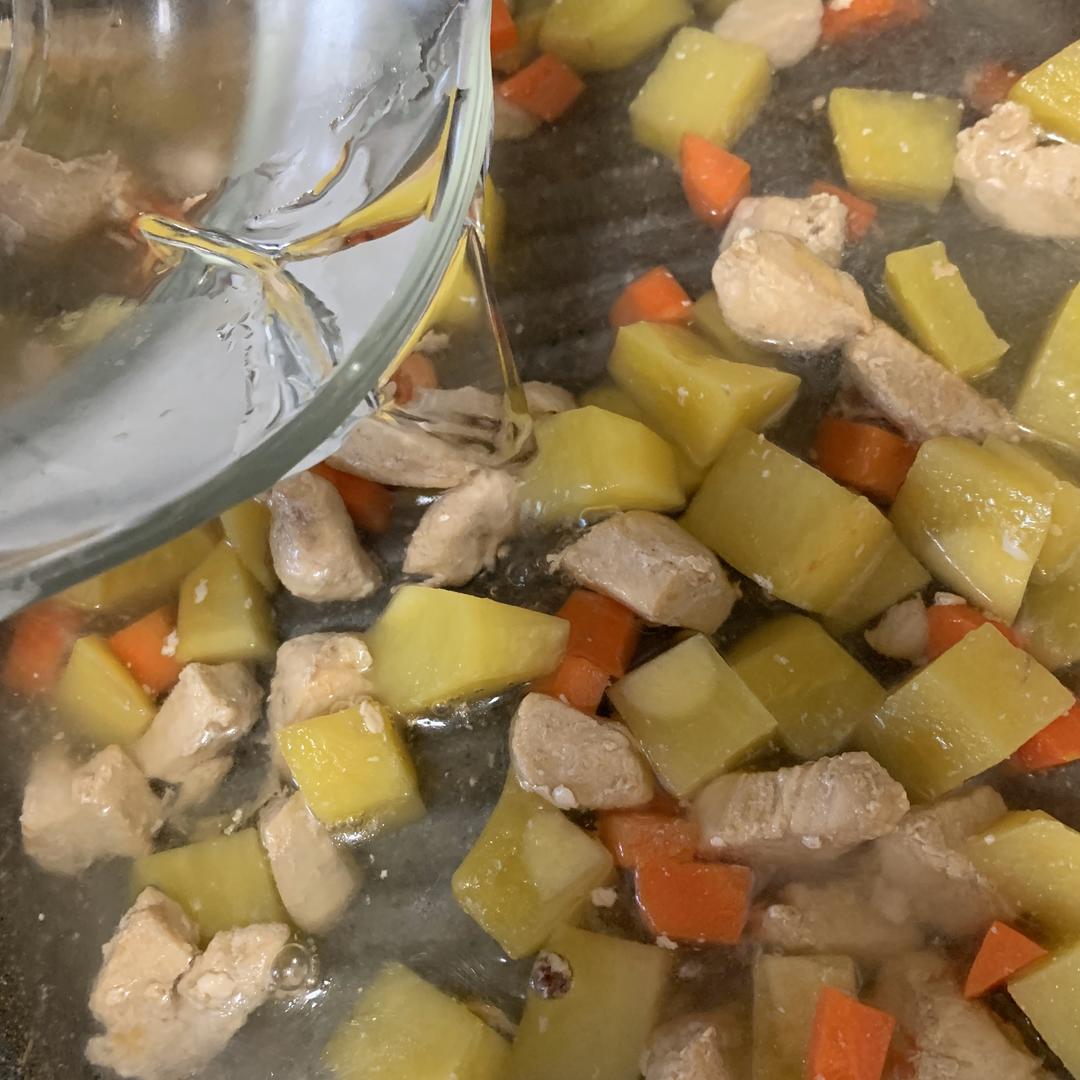
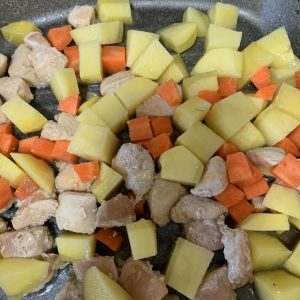
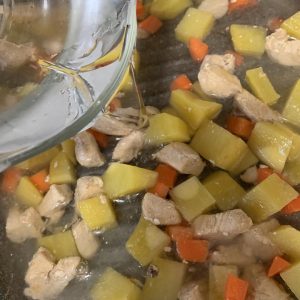
- Simmer: Return the golden potatoes and carrots to the pot. Pour in enough cold water to just cover all the ingredients. Cover with a lid and bring the liquid to a rolling boil over medium-high heat.
- Add the Curry Roux: While waiting for the water to boil, break the curry blocks into smaller pieces. Once boiling, turn the heat down to low and stir in the crushed curry roux.
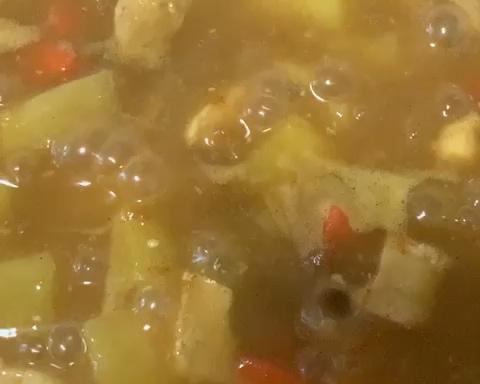
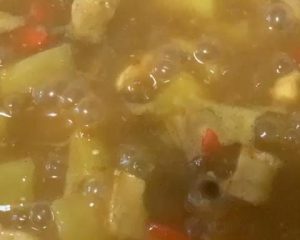
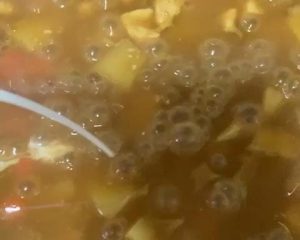
- Cook the Curry: Simmer gently on low heat for about 10 minutes. Stir the bottom frequently to prevent the starches from sticking and burning. Test a potato piece; it should be completely tender and soft.
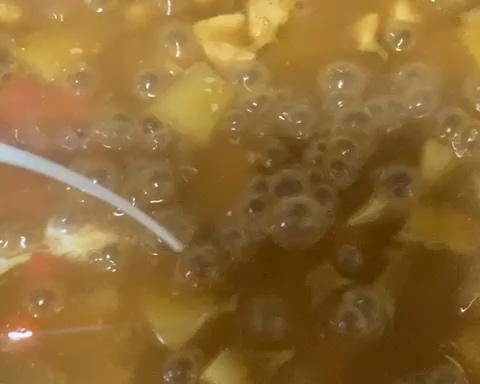
- The Final Flavor Boost: Once the sauce is bubbling and the potatoes are soft, turn the heat up to high for a brief moment to reduce the sauce. Pour in the milk and the tiny spoon of peanut butter. Stir well to combine.
“Adding dairy or fats at the very end of the cooking process creates an emulsion, binding the water and oils together to form a rich, velvety sauce. The cornstarch from the chicken marinade also undergoes starch gelatinization, contributing to the glossy finish.”
Why This Recipe Works
- Starch Control: Cornstarch in the marinade creates a protective barrier, keeping the chicken incredibly tender and juicy (preventing it from becoming dry and stringy).
- Pre-Frying Vegetables: Pan-frying the potatoes and carrots initiates the Maillard reaction, developing a deeper flavor before they are boiled.
- The Secret Add-ins: The combination of milk and peanut butter at the end creates a luscious, complex flavor profile that elevates standard store-bought roux into a restaurant-quality dish.
Common Mistakes When Making Japanese Curry
- Mistake: The bottom of the pot burns.
- Reason: Curry roux contains flour and thickeners that sink and stick.
- Solution: Always turn the heat to low after adding the roux and stir frequently, scraping the bottom of the pot.
- Mistake: The potatoes dissolve into mush.
- Reason: They were cut too small and cooked for too long.
- Solution: Cut them into larger chunks, as they will naturally melt down slightly during the simmering process.
- Mistake: The chicken is dry and chewy.
- Reason: Skipping the cornstarch marinade.
- Solution: Always take the 20 minutes to velvet the chicken; it fundamentally changes the texture.
Frequently Asked Questions
Can I substitute the chicken?
Yes. While this recipe uses chicken, you can easily substitute it with beef or pork. If using beef, ensure you simmer it longer until tender before adding the roux.
Can I make this ahead of time?
Absolutely. Curry often tastes even better the next day as the flavors have time to meld in the refrigerator.
Why do you use cold water instead of broth?
The curry roux blocks are highly seasoned and contain concentrated flavors. Using cold water (tap or filtered) allows the natural flavors of the chicken and vegetables to shine without making the dish overly salty.
How to Serve
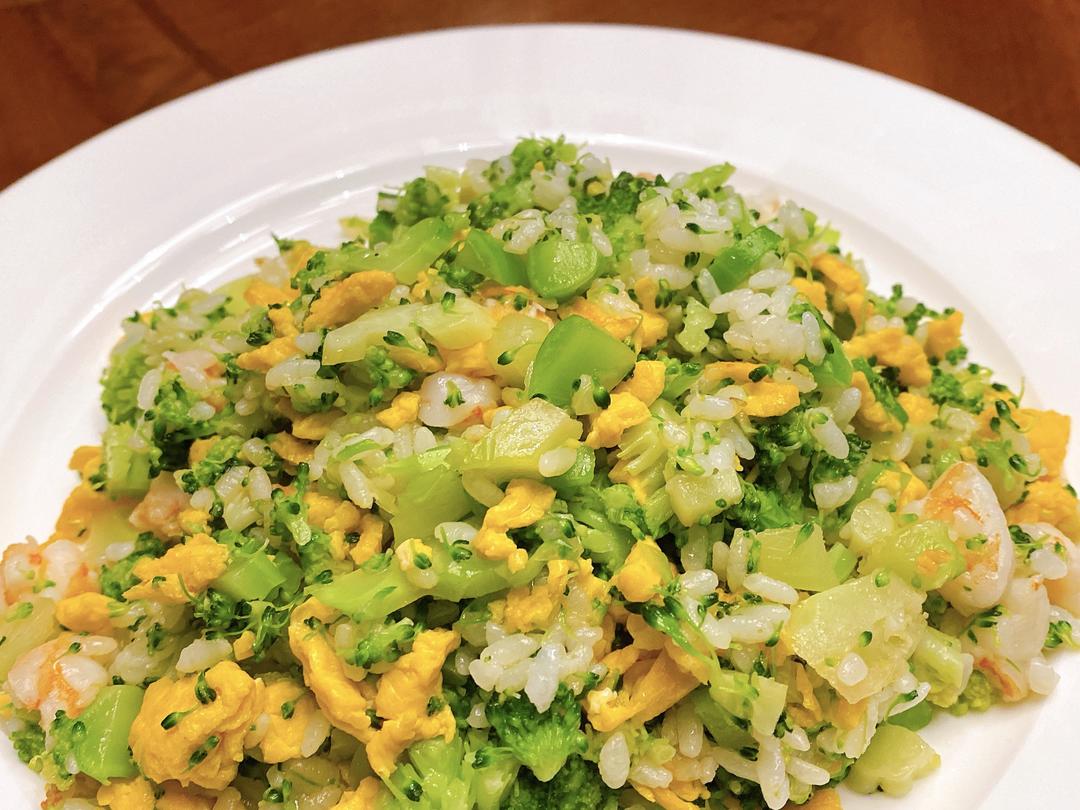
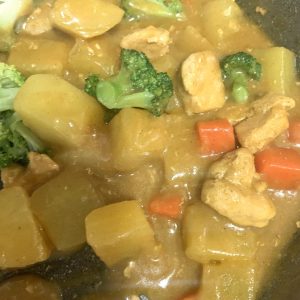
Serve this luscious curry ladled generously over a warm bed of rice. If you want to elevate your grain game, read our guide on how to cook perfect rice in a cast iron pot. Garnish the plate with a sprinkle of sesame seeds and a few pieces of steamed broccoli for a pop of color. For a complete meal, pair it with a light side like our Broccoli Egg Fried Rice.
Storage & Reheat
- Refrigerator: Store leftover curry in an airtight container in the fridge for up to 3-4 days.
- Freezer: You can freeze the curry for up to 2 months. However, note that frozen potatoes can sometimes change texture and become slightly grainy upon thawing.
- Reheating: Reheat gently on the stovetop over low heat, adding a splash of water or milk if the sauce has thickened too much in the fridge. Ensure the chicken reaches a safe internal temperature of 165°F (74°C).
Allergen Notice
- Gluten: Contains wheat (found in soy sauce and most curry roux blocks).
- Soy: Contains soy sauce.
- Dairy: Contains milk.
- Peanuts: Contains peanut butter (can be omitted for a nut-free version).
About the Author & Recipe Development
Hi, I’m Lin! I have spent years meticulously testing and translating traditional Asian recipes for the modern home kitchen here at Woks of Love. This curry recipe is a nostalgic favorite that I turn to when I need a comforting, reliable meal. I’ve refined the order of operations—like pre-frying the root vegetables and using the milk emulsion trick—to ensure that even a complete beginner can achieve a rich, deeply flavored sauce on the first try.
Authoritative References
- To ensure food safety, always cook poultry to a safe minimum internal temperature. Learn more from the USDA Safe Minimum Internal Temperature Chart.
- Understanding how starches thicken your curries can improve your cooking. Read about starch gelatinization in culinary science.
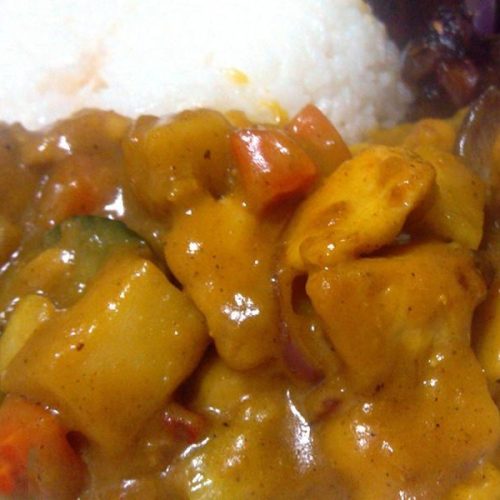
Foolproof Japanese Curry Chicken Rice
Equipment
- Nonstick Pot or Dutch Oven
Ingredients
Chicken Marinade
- 3.5 oz chicken breast or thigh diced
- 1 tbsp Shaoxing wine
- 2 tbsp light soy sauce
- 1 tsp minced scallion
- 1 tsp minced ginger
- 0.25 tsp salt
- 1 tbsp cornstarch
Curry Base
- 3.5 oz Japanese curry roux blocks
- 2 medium potatoes peeled and cut into bite-sized chunks
- 1 medium carrot peeled and chopped smaller than potatoes
- 0.5 medium onion thinly sliced
- 2 tbsp cooking oil
- 1 splash cold water enough to cover ingredients
Flavor Boosters & Garnish
- 2.7 fl oz milk
- 1 tsp peanut butter optional
- 1 tbsp toasted sesame seeds for garnish
- 0.5 cup blanched broccoli florets for garnish
Instructions
- Dice the chicken and mix with Shaoxing wine, light soy sauce, scallion, ginger, salt, and cornstarch. Massage well and let it marinate for 20 minutes to velvet the meat.

- Peel and chop the potatoes and carrots. Immediately submerge the potato chunks in cold water to remove excess starch and prevent oxidation.
- Heat 1 tablespoon of oil in a pot over medium-high heat. Drain the potatoes and add them along with the carrots. Sauté for 3-5 minutes until the edges are golden brown. Remove and set aside.

- Add the remaining 1 tablespoon of oil to the pot. Sauté the thinly sliced onion over low heat until softened and fragrant. Add the marinated chicken and stir-fry until the exterior is no longer pink (about 3 minutes).
- Return the golden potatoes and carrots to the pot. Pour in enough cold water to just cover all the ingredients. Bring to a rolling boil over medium-high heat.
- Break the curry roux blocks into smaller pieces. Once the water boils, lower the heat to a gentle simmer and stir in the curry blocks until dissolved.
- Cover and simmer on low heat for about 10 minutes, stirring frequently to ensure the bottom doesn’t burn. Cook until the potatoes are tender.
- Once the sauce is thick and bubbling, turn the heat to high. Pour in the milk and add the peanut butter. Stir well to emulsify into a rich sauce, then remove from heat.
- Serve hot over steamed rice, garnished with toasted sesame seeds and blanched broccoli.
Notes
Always ensure chicken is cooked to a safe internal temperature of 165°F (74°C).
Nutrition information is an estimate and provided for informational purposes only.




Leave a Reply