My daughter is obsessed with ketchup. Honestly, she would probably eat a plain bowl of steamed rice if I let her smother it in ketchup!

Getting her to try new foods can sometimes be a battle, but whenever we travel—whether it’s to Hangzhou or Nanchang—her request is always the same: “Where can we get Sweet and Sour Ribs or Sweet and Sour Pork?”
Recently, a friend treated us to a meal that featured a stunning plate of Pineapple Sweet and Sour Pork (Gu Lao Rou). It was vibrant, fragrant, and reportedly delicious. I say “reportedly” because I was so busy managing my daughter’s excitement that I forgot to eat enough of it myself!
So, I decided to recreate it at home. Ostensibly, this was to “encourage my daughter to eat more protein.” But let’s be real: I found the perfect excuse to satisfy my own craving. After testing and refining, this recipe delivers that perfect restaurant-quality balance of sweet, sour, and crispy that we were fighting over at the dinner table.
What is Sweet and Sour Pork?
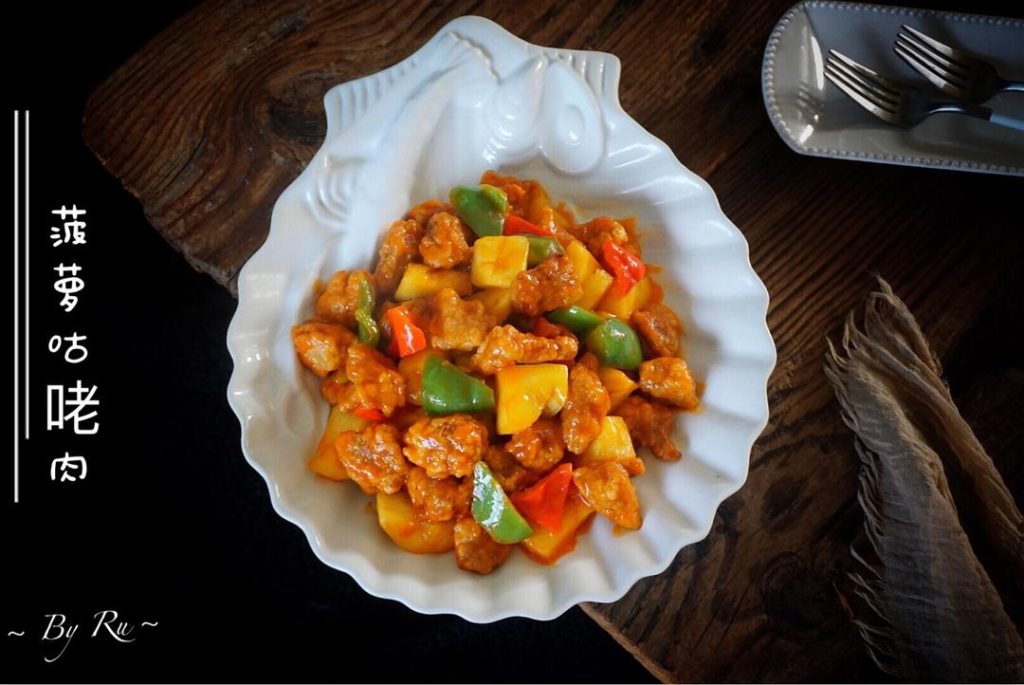
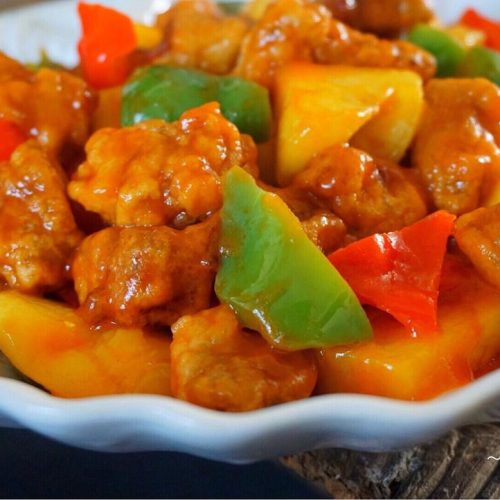
Sweet and Sour Pork, or Gū Lǎo Ròu (咕咾肉), is one of the most iconic Cantonese dishes. Known for its glossy, cherry-red sauce and harmonious balance of flavors, it features bite-sized pieces of pork that are deep-fried until crispy and then tossed in a vibrant sauce made from ketchup, sugar, and vinegar.
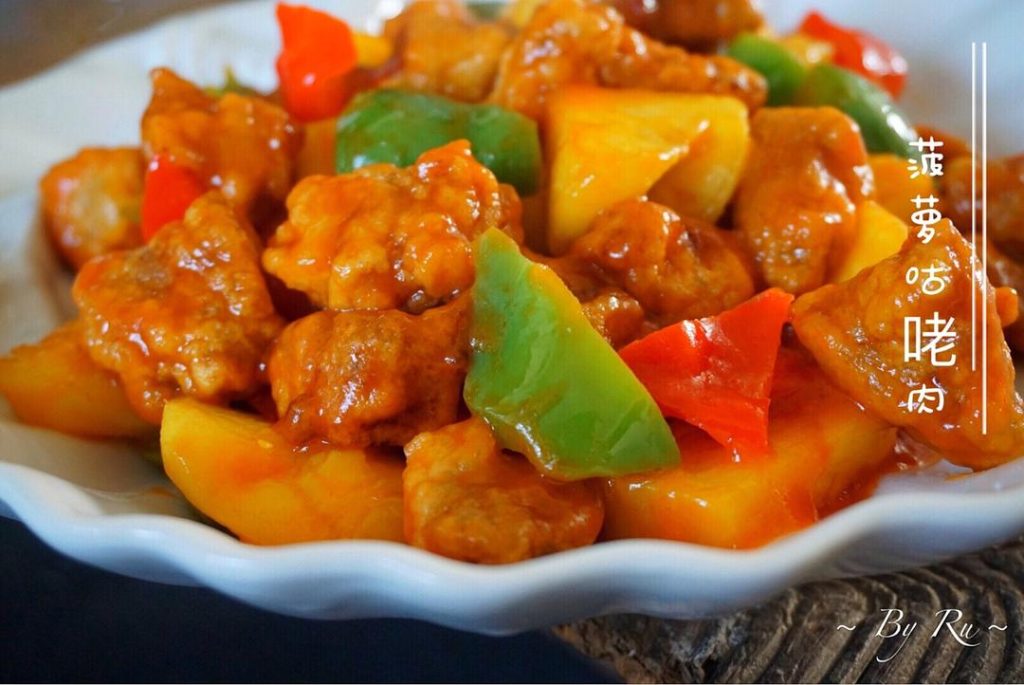
While many Western versions use a thick batter, the traditional Cantonese method—and the one we are using today—focuses on a lighter, crispier coating that stands up to the sauce without getting soggy immediately.
Why This Recipe Works
- The “Secret” Tenderizer: We use a splash of beer in the marinade. The carbonation and enzymes in the beer help break down the meat fibers, resulting in pork that is incredibly tender on the inside.
- Double Frying: We fry the pork twice—once at a lower temperature to cook it through, and a second flash-fry at high heat. This creates a superior crunch that lasts longer.
- Sweet Potato Starch: Unlike regular cornstarch, coarse sweet potato starch creates a craggier, crispier crust that grips the sauce perfectly.
Key Ingredients & Substitutions
You don’t need a wok to make this, but having the right ingredients makes a huge difference.
- Pork: The original recipe calls for pork loin, which is lean and easy to cut. However, if you prefer a juicier bite (and your kids don’t mind a little fat), pork butt (shoulder) or pork belly are excellent, flavorful alternatives.
- Beer: As mentioned, this is for tenderizing. If you prefer not to use alcohol, you can substitute it with cooking wine and a pinch of baking soda, or simply use water.
- Pineapple: Fresh pineapple is best for its acidity and enzyme activity (which helps digest meat). Ensure you soak fresh pineapple in salt water briefly to remove the tongue-pricking sensation. Canned pineapple works in a pinch!
- Starch: I highly recommend coarse sweet potato starch for the coating. If you cannot find it at your local Asian market, cornstarch mixed with a little all-purpose flour is a decent substitute.
- The Sauce: We use a base of ketchup, sugar, and white vinegar. It sounds simple, but it provides that nostalgic, “homestyle” flavor that is cleaner than using artificial dyes.
Recipe Notes Before You Start
Tenderizing is Key: Even if you use a tender cut like loin, use the back of your knife to gently pound the meat before cutting. This breaks the muscle fibers and ensures a melt-in-your-mouth texture.
Oil Temperature: For deep frying, temperature control is safety and success combined. If the oil is too cold, the pork will be greasy. If it’s too hot, the outside burns before the inside cooks. I recommend using an instant-read thermometer to aim for 325°F (160°C) for the first fry and 375°F (190°C) for the second fry.
Mise en Place / Prep
Stir-frying happens fast! Make sure you have everything ready.
- Prep the Meat: Slice the pork (loin or butt) into 1-inch cubes.
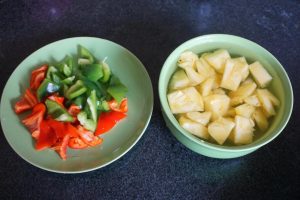
- Vegetables: Cut the green and red bell peppers into diamond shapes. Soak the pineapple chunks in salted water for 10 minutes, then drain.
- Make the Sauce: In a small bowl, mix the ketchup, sugar, white vinegar (optional), and water. Have your starch slurry ready separately.
How to Make Sweet and Sour Pork
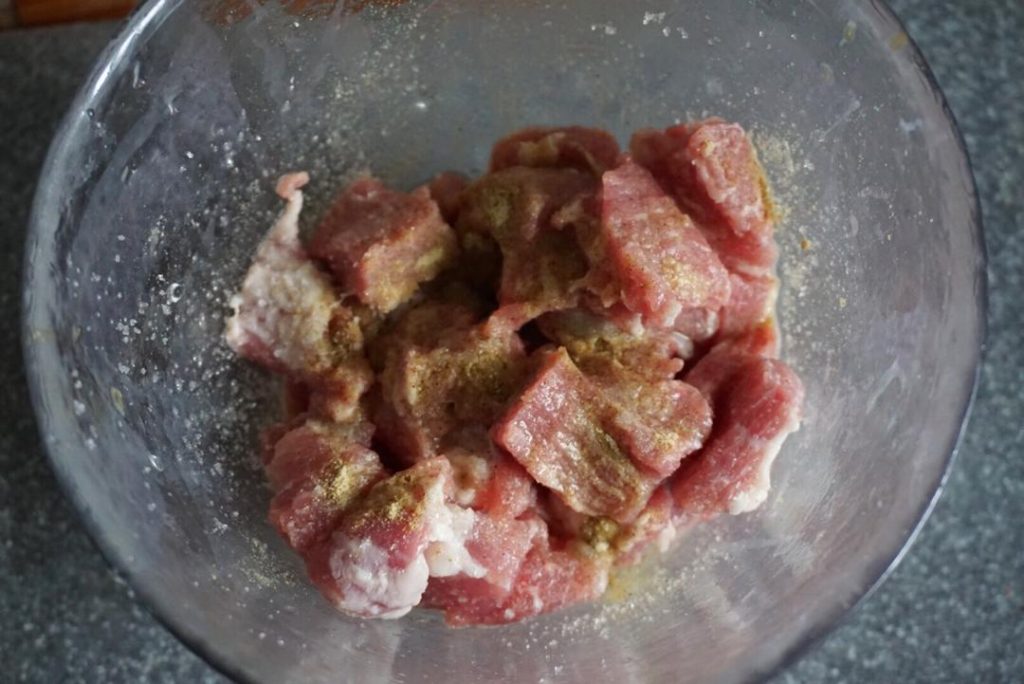
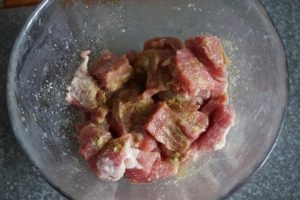
Step 1: Marinate the Pork In a bowl, combine the pork cubes with sugar, salt, white pepper, and the beer. Massage the meat with your hands until all the liquid is absorbed. This “eating water” step is crucial for juiciness! Let it marinate for at least 30 minutes.
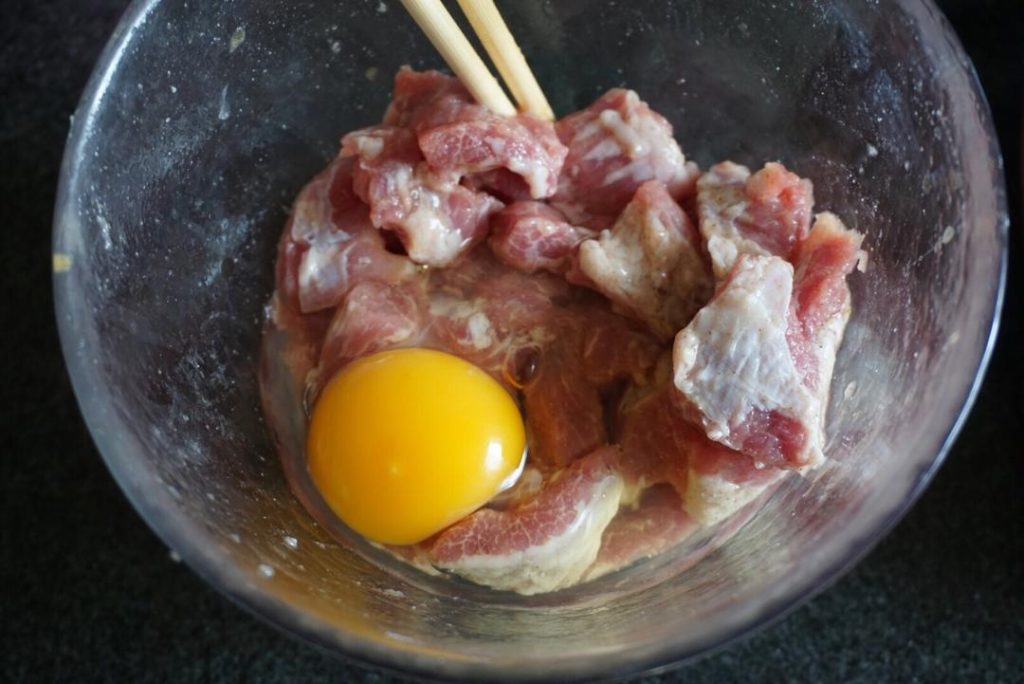
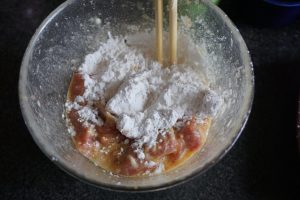
Step 2: Batter the Pork Add the beaten egg to the marinated pork and mix well. Then, add your sweet potato starch (or cornstarch) gradually. You want to coat the meat until there is no runny egg liquid left and the pork feels tacky and well-coated.
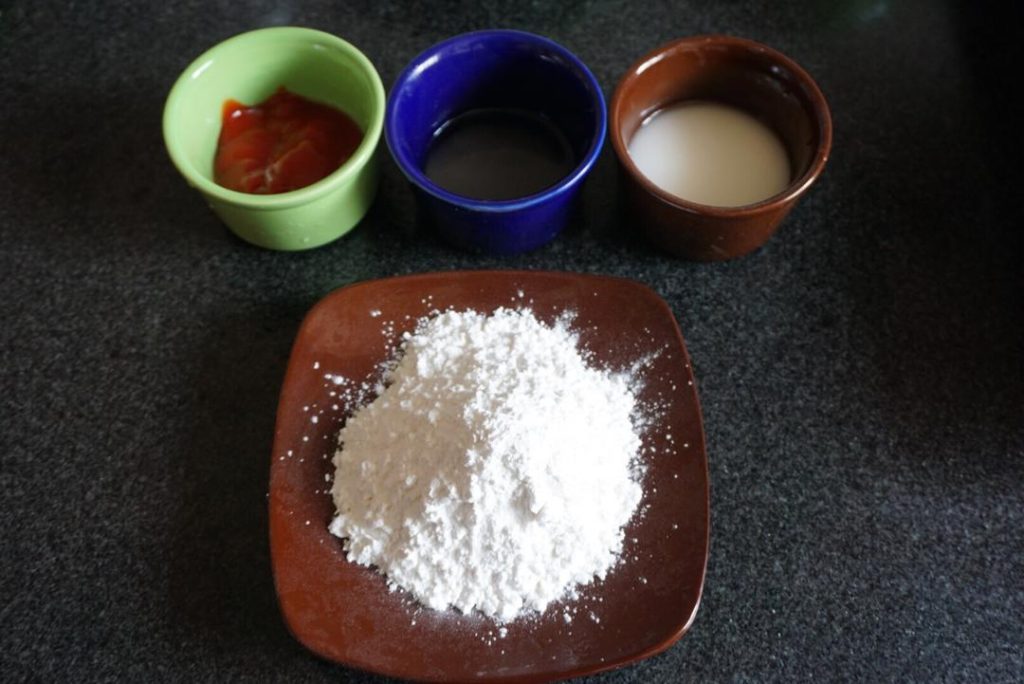
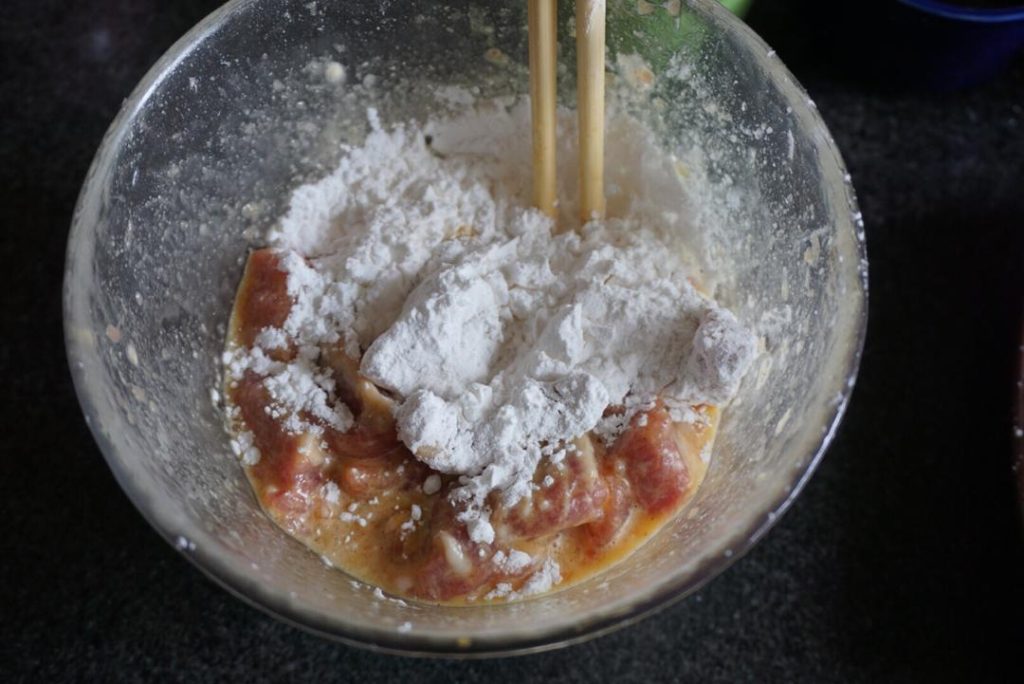
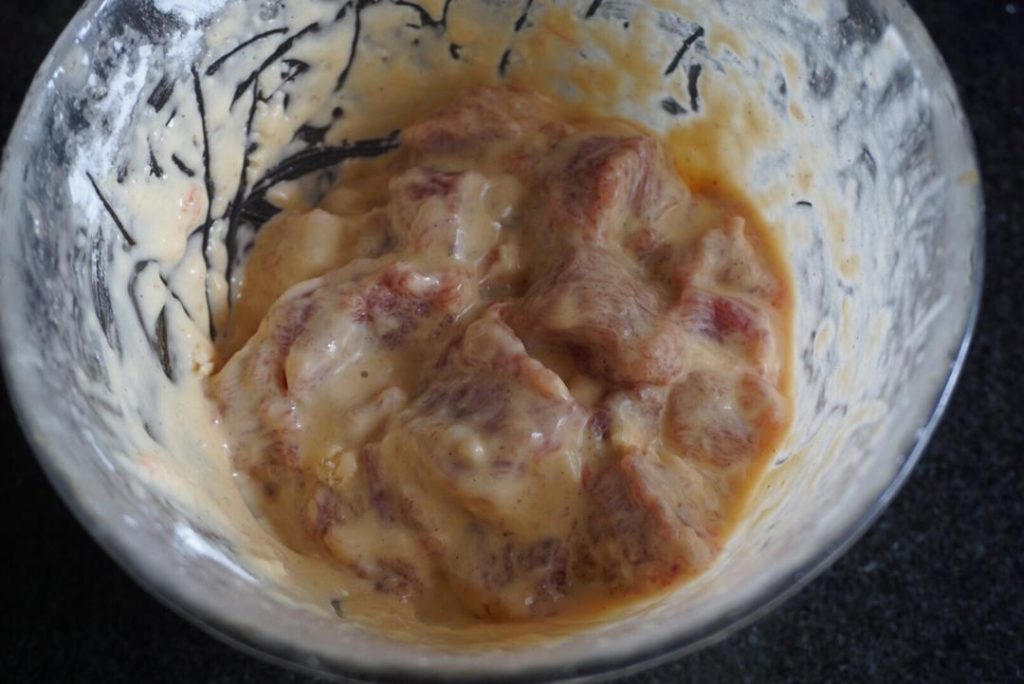
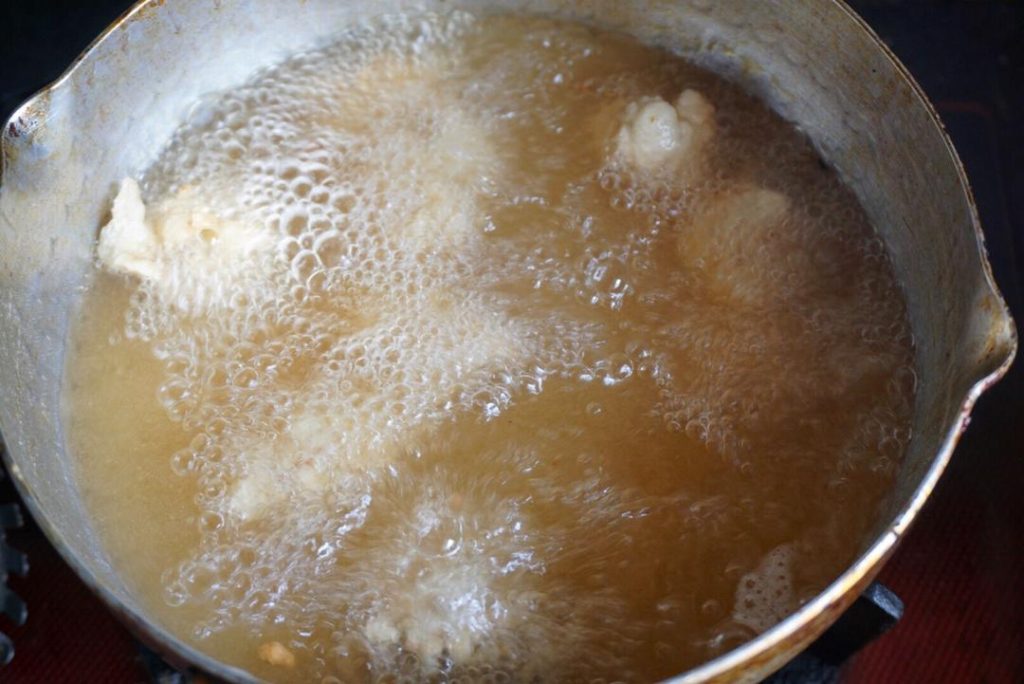
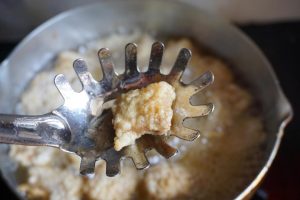
Step 3: The First Fry Heat oil in a deep pot (a smaller diameter pot saves oil!) to about 325°F (160°C). To test without a thermometer, dip a wooden chopstick into the oil; if gentle bubbles form around it, it’s ready.
Carefully drop the pork pieces in one by one so they don’t stick together. Fry on medium-low heat until the crust is pale yellow and set. Remove and let cool slightly.
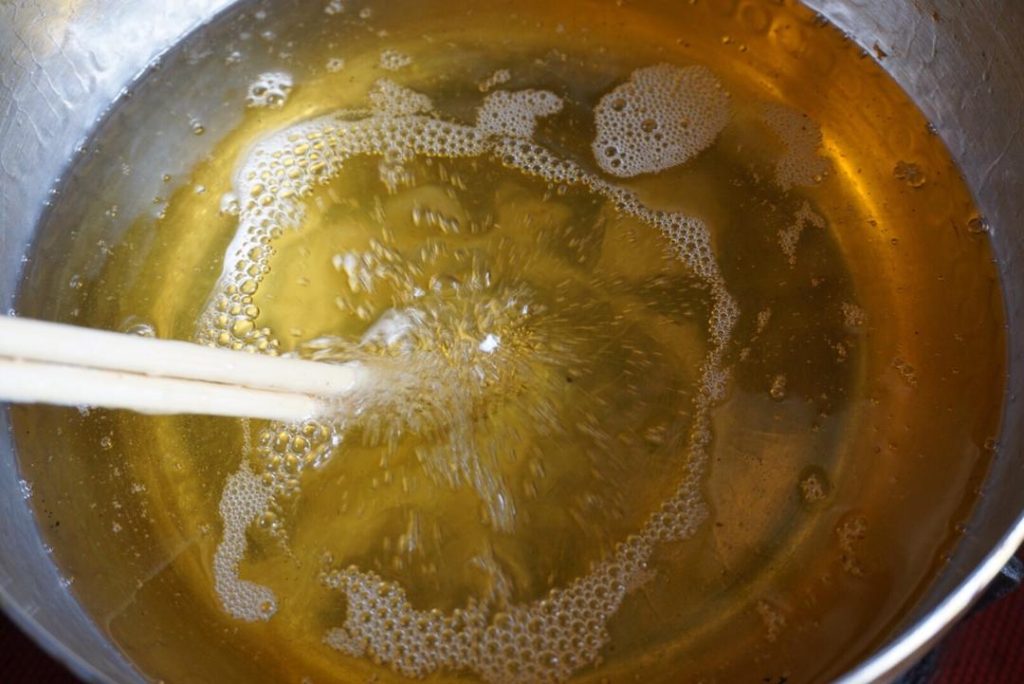
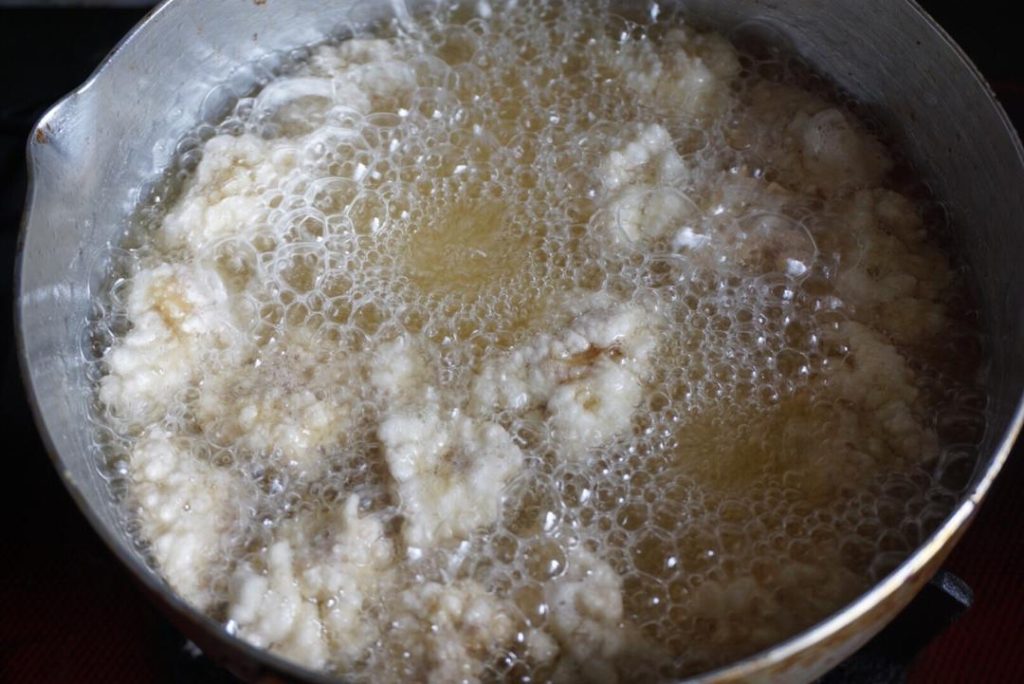
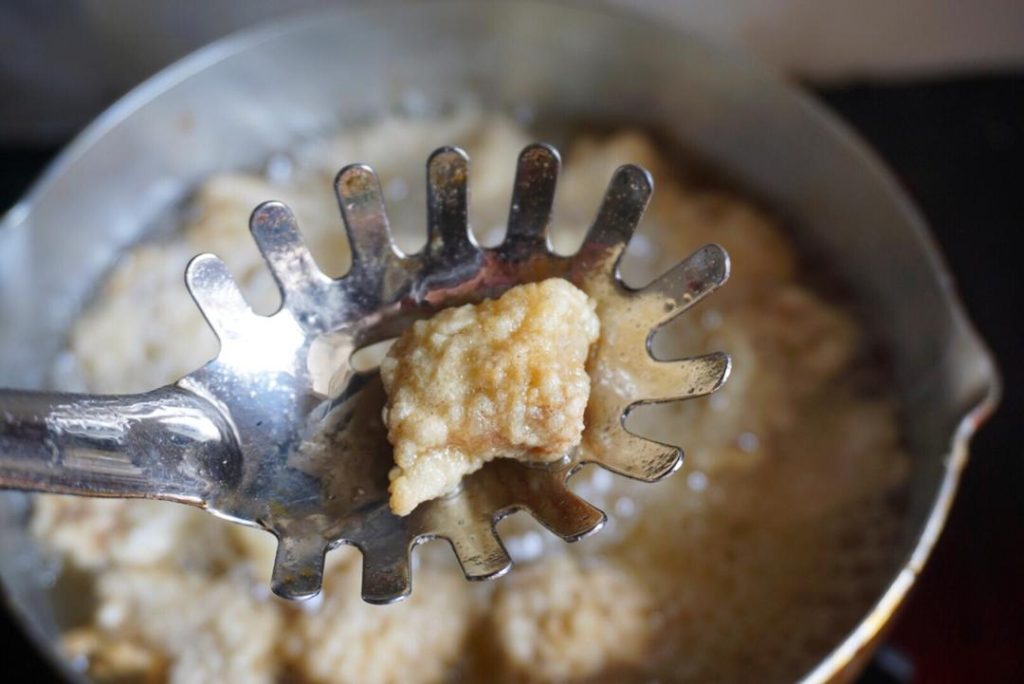
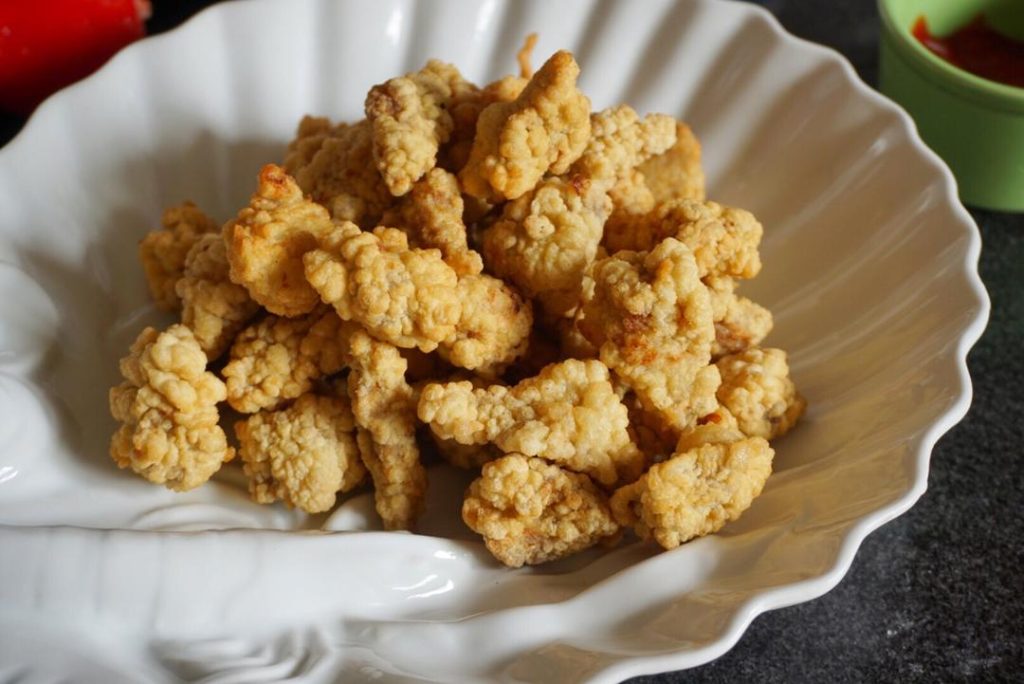
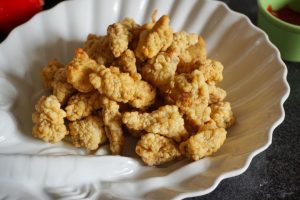
Step 4: The Second Fry (Flash Fry) Increase the heat to high (375°F / 190°C). Return the pork to the oil for just 10-15 seconds. This flashes off excess oil and turns the crust golden and super crispy. Remove immediately.
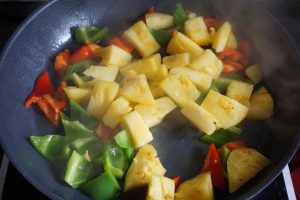
Step 5: Stir-fry the Veggies In a separate pan (or your wok), heat a tablespoon of oil. Quickly stir-fry the peppers until they are vibrantly colored but still crisp (about 80% cooked). Add the pineapple, toss briefly, and set aside with the peppers.
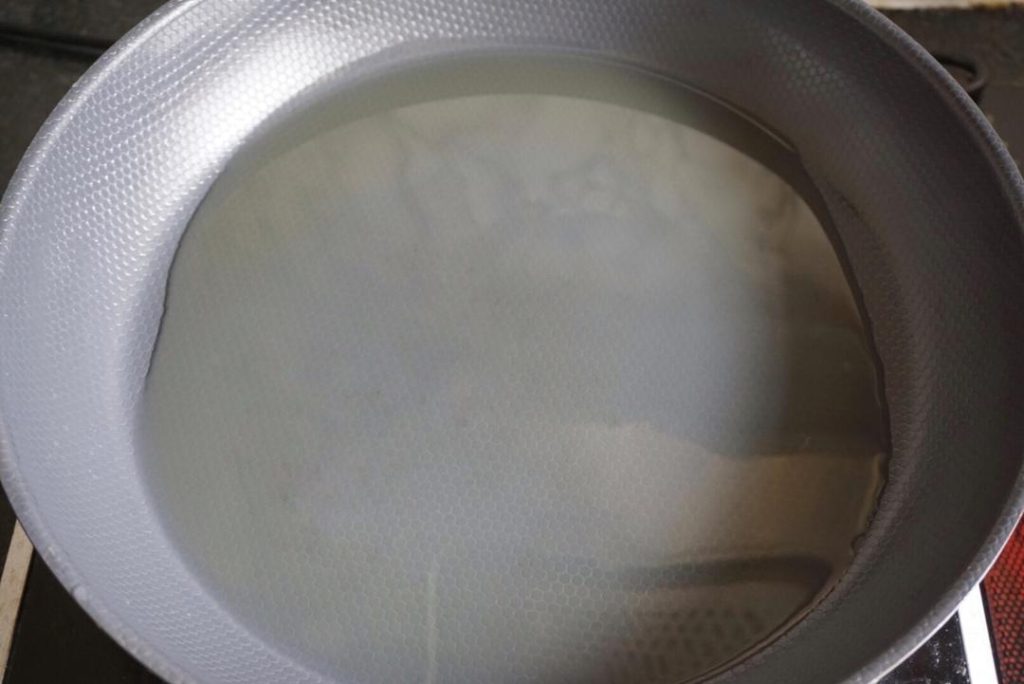
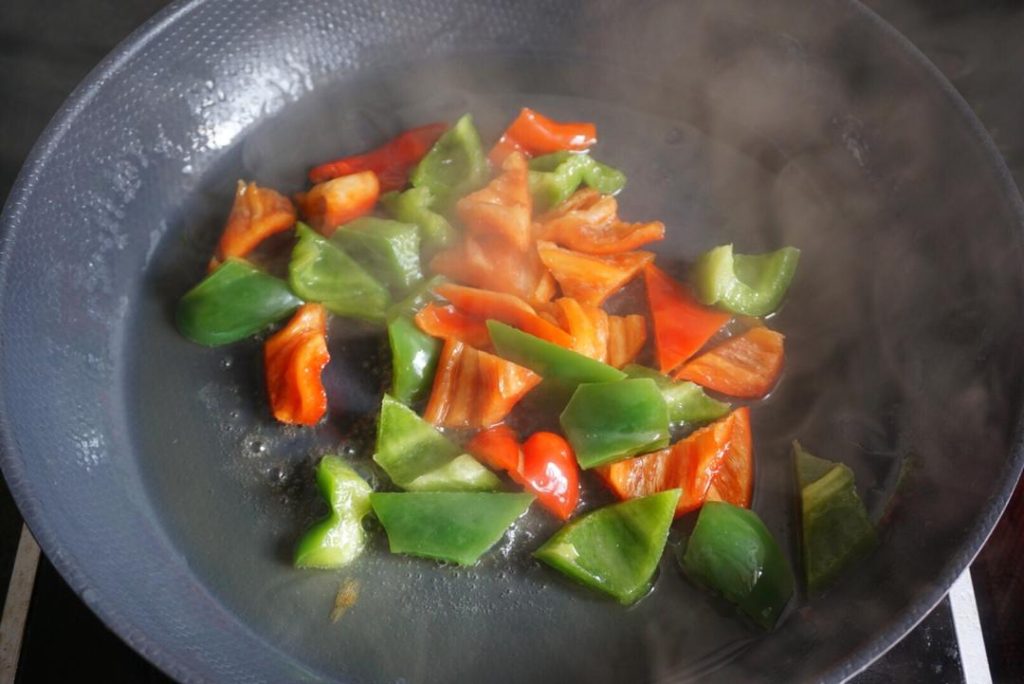
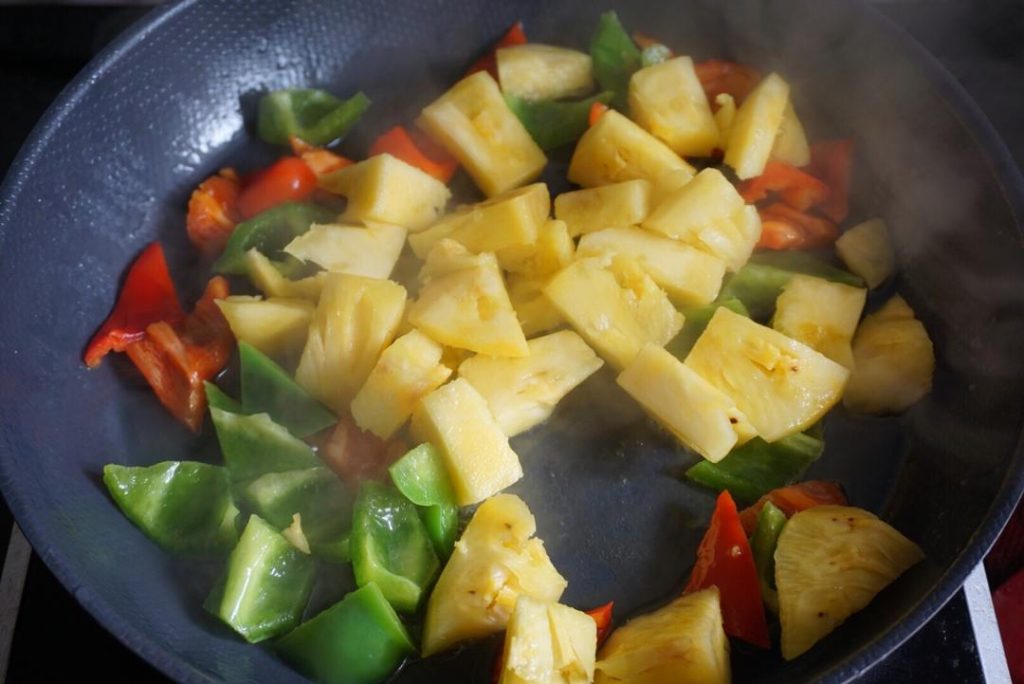
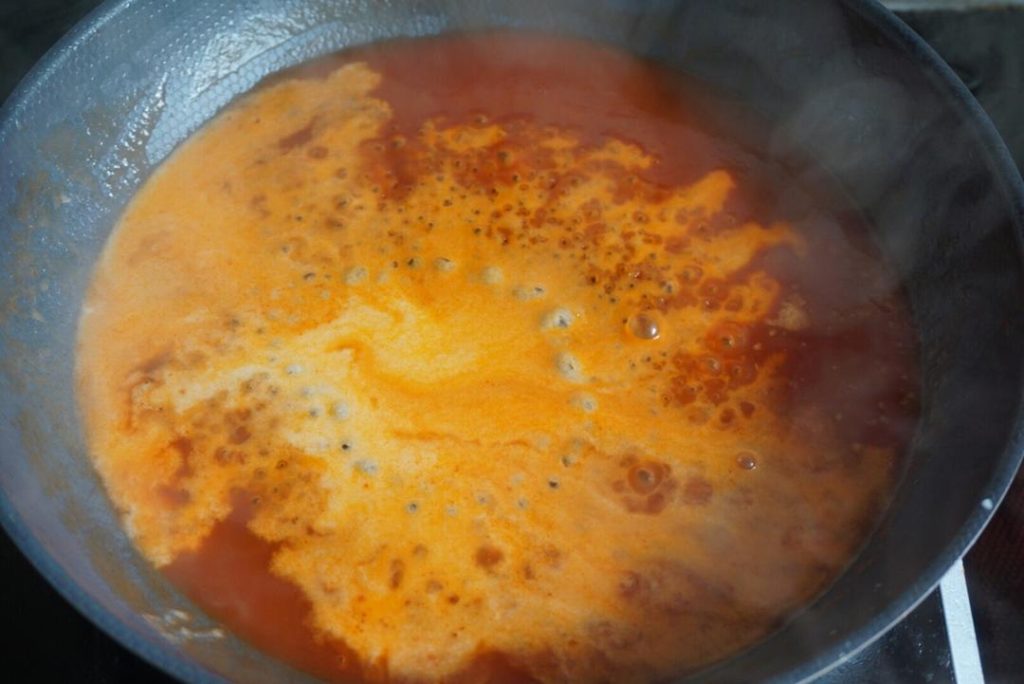
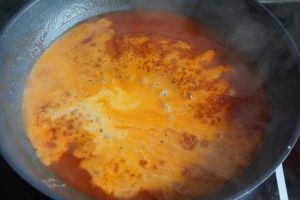
Step 6: The Final Toss In the same pan, add the ketchup sauce mixture and a splash of water. Simmer on low heat until it bubbles. Add sugar and white vinegar to taste. Stir in the starch water to thicken the sauce until it’s glossy and sticky.
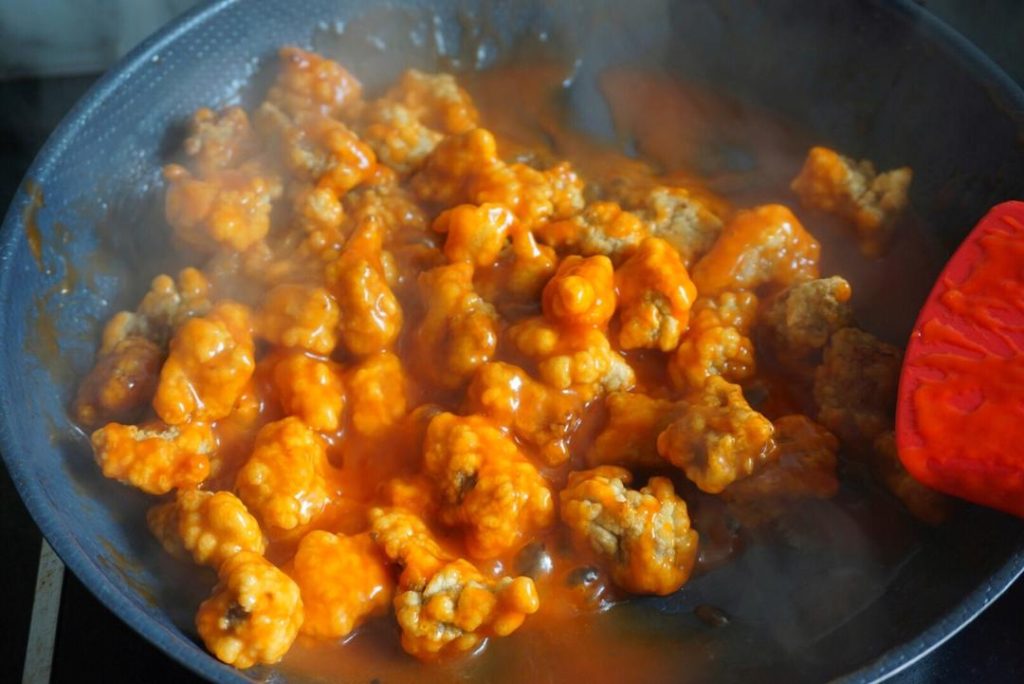
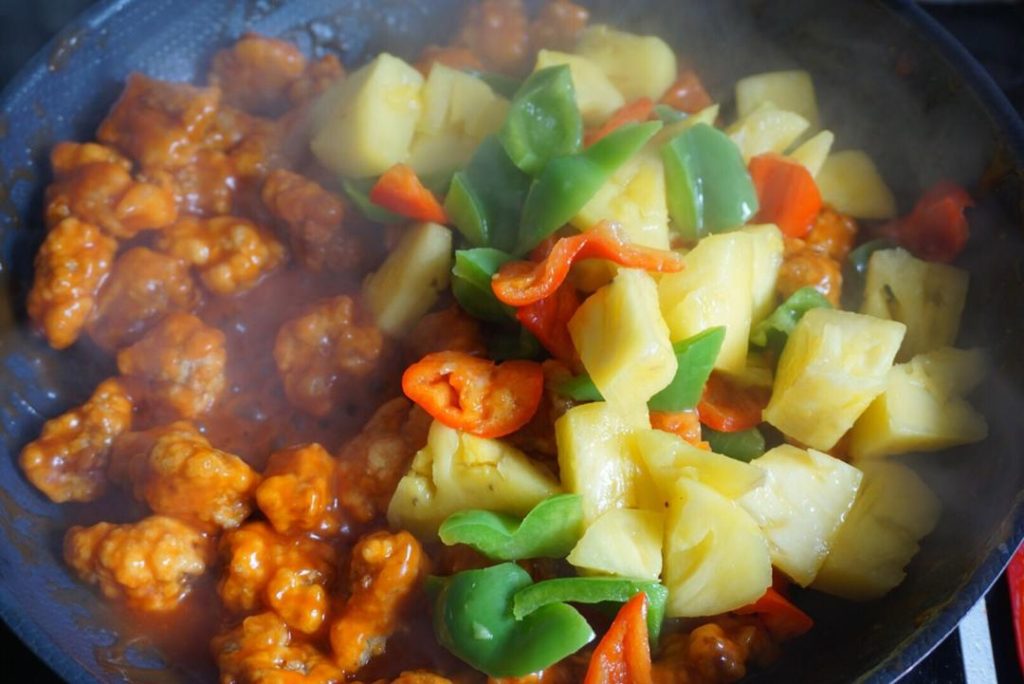
Add the fried pork. Toss quickly to coat every piece. Then, add the peppers and pineapple. Give it one final toss to combine everything evenly.
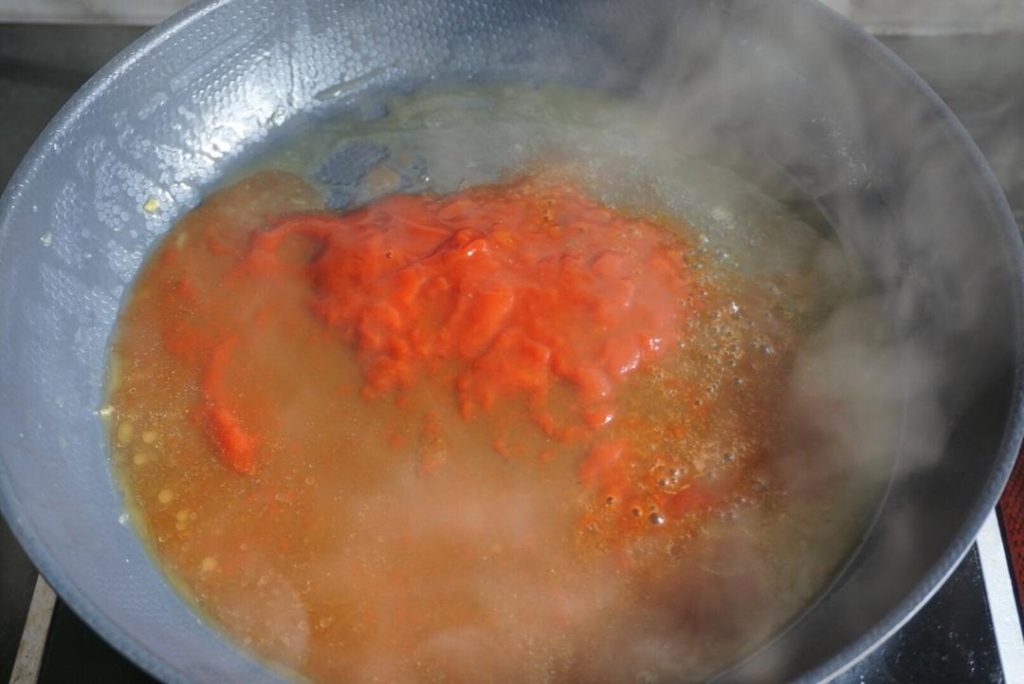
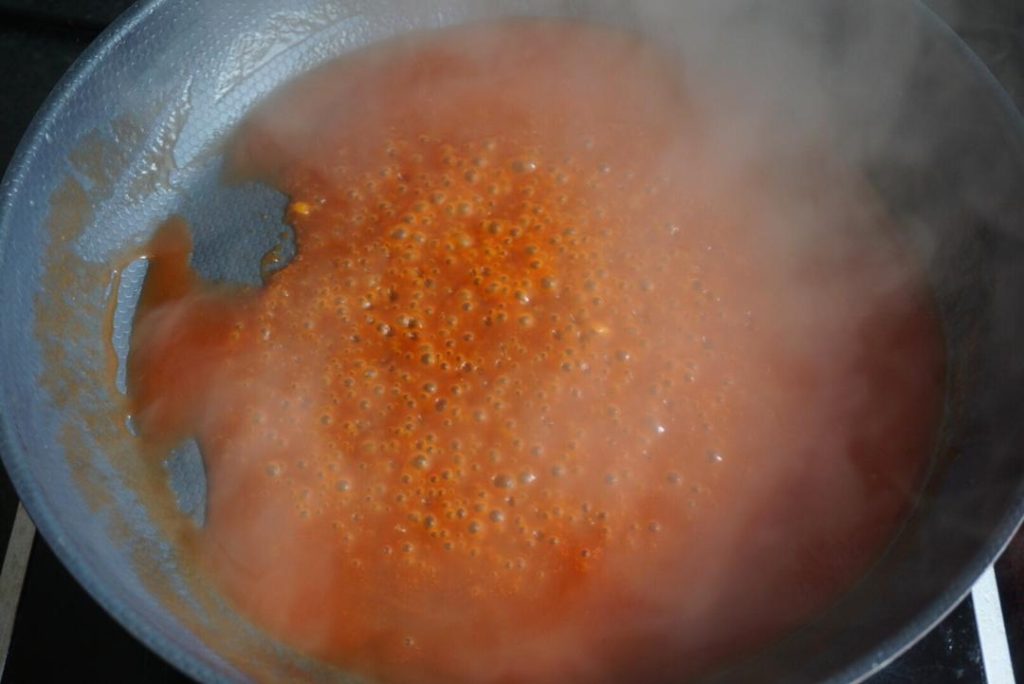
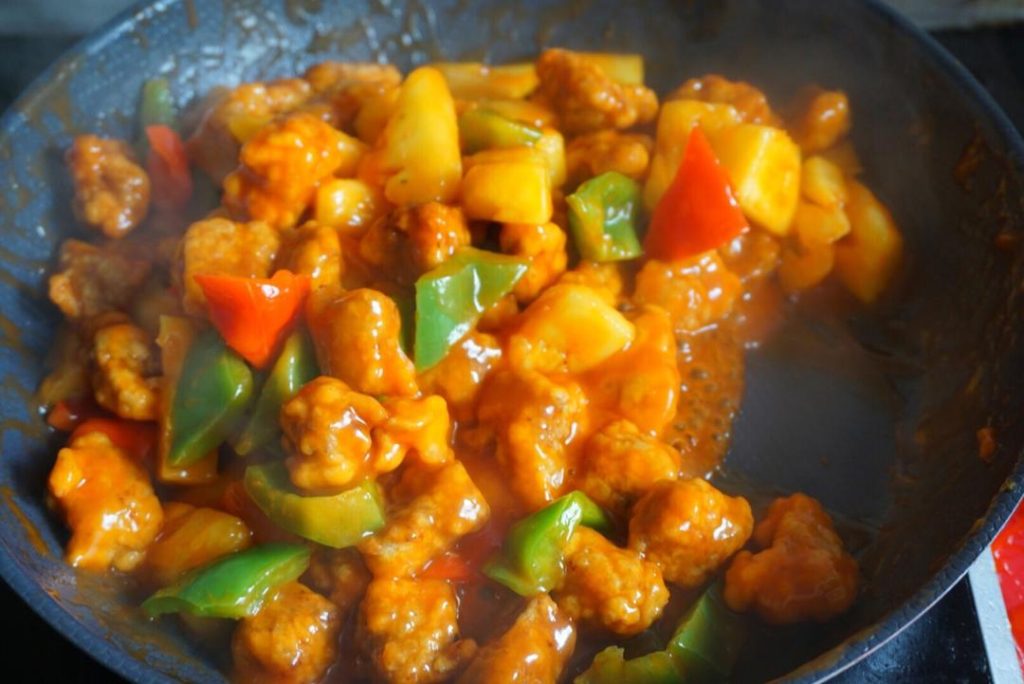
Step 7: Serve Plate immediately! The contrast between the hot, crispy pork, the sweet pineapple, and the crunchy peppers is best enjoyed right away.
Tips for Success
- Don’t skip the double fry: It really is the difference between “soggy in 2 minutes” and “crispy until the end of the meal.”
- Sauce Consistency: The sauce should be thick enough to cling to the meat, not runny. If it’s too thin, it will make the crust soggy.
- Pineapple Selection: Choose a pineapple that is ripe for the best natural sweetness.
Serving Suggestions
This dish is rich and flavorful, so it pairs perfectly with simple steamed jasmine rice to soak up that extra sauce.
For a complete family-style Chinese meal, I recommend serving this alongside:
- A light vegetable dish like our Stir-fried Lettuce with Garlic or Easy Stir-fried Eggplant and Green Beans.
- A comforting soup like Tomato Egg Drop Soup.
- If you are feeling ambitious, compare this Cantonese version with the Northern style Guo Bao Rou (Crispy Sweet and Sour Pork).
Nutrition Information
Serves: 4 people Serving Size: 1 portion (approx. 200g)
- Calories: 350 kcal
- Total Fat: 15 g
- Saturated Fat: 4 g
- Trans Fat: 0 g
- Cholesterol: 70 mg
- Sodium: 600 mg
- Total Carbohydrates: 30 g
- Dietary Fiber: 2 g
- Sugars: 12 g
- Protein: 25 g
- Vitamin A: 500 IU
- Vitamin C: 40 mg
- Calcium: 20 mg
- Iron: 1.5 mg
Disclaimer: Nutrition information is calculated using an ingredient database and should be considered an estimate. In cases where multiple ingredient alternatives are given, the first listed is calculated for nutrition. Garnishes and optional ingredients are not included. Actual values may vary depending on the specific brands of ingredients used and the exact amount of oil absorbed during frying.
Food Safety & Preparation
- Internal Temperature: Pork should be cooked to a minimum internal temperature of 145°F (63°C) to ensure it is safe to eat. Using a meat thermometer is the most reliable method to check doneness.
- Deep Frying Caution: When deep frying, never fill your pot more than halfway with oil to prevent overflowing when adding ingredients. Hot oil can cause severe burns; keep a lid nearby to smother any potential grease fires (never use water).
- Cross-Contamination: Always wash hands, knives, and cutting boards thoroughly with hot soapy water after handling raw pork before touching vegetables or cooked food.
- Oil Splatter: Pat the pineapple and peppers dry before adding them to the pan. Excess water hitting hot oil or glaze can cause dangerous popping and splattering.
Chef’s Notes
The Secret to “Restaurant-Style” Texture: The most critical step in this recipe—and the one beginners often rush—is the “water-eating” (打水) process during marination. When you massage the beer and seasonings into the pork, you aren’t just flavoring it; you are physically altering the protein structure to hold more moisture. You must keep mixing until the bowl is dry and the meat feels sticky. If you skip this, the high heat of deep-frying will drive out the natural juices, leaving you with dry, tough meat inside that crispy shell. Also, resist the urge to toss the pork in the sauce for too long. The final toss should be a “flash” action—literally 10 to 15 seconds—just enough to coat the pieces. The minute the pork hits the hot sauce, the clock starts ticking on its crispiness, so serve it immediately!
Frequently Asked Questions (FAQ)
1. Why did my pork turn soft so quickly after adding the sauce?
This usually happens for two reasons: either the sauce was too watery, or the oil wasn’t hot enough during the second fry. Ensure your sauce has thickened to a sticky, glue-like consistency before adding the meat. Also, the second “flash fry” must be done at a high temperature (375°F/190°C) to expel excess oil and harden the crust.
2. Can I make this recipe ahead of time?
You can perform the first fry ahead of time. Let the pork cool completely, then freeze it in a single layer. When you’re ready to eat, you can fry the frozen pork directly at the higher temperature (second fry stage) until hot and crispy, then proceed with the sauce. Do not sauce the pork ahead of time, or it will become soggy.
3. I can’t eat alcohol. What is the best substitute for beer?
No problem! The beer is primarily used for carbonation and enzymes to tenderize the meat. You can substitute it with an equal amount of club soda or plain water mixed with a pinch (1/4 tsp) of baking soda. The baking soda works wonders for tenderizing meat in Chinese cooking.
4. What if I can’t find coarse sweet potato starch?
While coarse sweet potato starch provides the authentic, craggy “pebbly” texture seen in Cantonese restaurants, you can use cornstarch or potato starch. The result will be a smoother, lighter crust, but it will still be delicious and crispy.
5. Is this dish spicy?
Traditionally, no. It is a sweet and sour dish. However, if you enjoy a little kick, you can add a teaspoon of chili oil or Sriracha to the ketchup sauce base, or stir-fry a few dried chili peppers with the vegetables.
Sweet and Sour Pork with Pineapple (Gu Lao Rou)

Equipment
- Wok or Deep Pot
- Instant Read Thermometer
Ingredients
The Pork & Marinade
- 11 oz pork loin or pork butt approx 300g, cut into 1-inch cubes
- 1 tbsp beer or Shaoxing wine/water
- 1/2 tsp salt
- 1/2 tsp white pepper powder
- 1/2 tsp sugar
The Coating (Batter)
- 1 large egg beaten
- 1/2 cup sweet potato starch coarse type preferred; or cornstarch
- neutral oil for deep frying
The Stir Fry & Sauce
- 1/2 green bell pepper cut into diamonds
- 1/2 red bell pepper cut into diamonds
- 1/2 cup fresh pineapple cut into chunks, soaked in salt water
- 3 tbsp ketchup
- 1 tbsp sugar adjust to taste
- 1/2 tbsp white vinegar optional, for extra tang
- 1 tbsp cornstarch slurry mix 1 tsp starch with 1 tbsp water
Instructions
- Tenderize the pork: Use the back of a knife to gently pound the meat to break the fibers. Cut into 1-inch bite-sized cubes.

- Marinate: In a bowl, mix the pork with salt, sugar, white pepper, and the beer. Massage well with your hands until the liquid is fully absorbed by the meat (this is the ‘water-eating’ technique). Marinate for at least 30 minutes.
- Prep vegetables: While marinating, cut the bell peppers into diamond shapes. Soak the pineapple chunks in salted water for 10 minutes, then drain and pat dry.
- Batter: Add the beaten egg to the pork and mix well. Gradually mix in the sweet potato starch (or cornstarch) until the pork is evenly coated with a sticky, tacky batter that isn’t too runny.
- First Fry: Heat oil in a deep pot to 325°F (160°C). Carefully drop in the pork pieces. Fry in batches over medium-low heat until the crust is pale yellow and set. Remove and let cool slightly.
- Second Fry (Flash Fry): Increase oil heat to 375°F (190°C). Return the pork to the oil for a second fry for 10-15 seconds until golden brown and super crispy. Remove immediately.
- Stir-fry Veggies: In a separate pan or wok, heat a little oil. Stir-fry the peppers and pineapple briefly until glossy (about 1 minute). Remove and set aside.
- Make Sauce: In the same pan, add ketchup and a splash of water. Simmer on low heat until bubbly. Add the sugar and white vinegar. Stir in the cornstarch slurry to thicken the sauce until glossy.
- Combine: Add the fried pork to the sauce and toss quickly to coat. Add the peppers and pineapple, toss once more to combine evenly, and serve immediately.













Leave a Reply