There is a category of Chinese cooking that doesn’t chase speed or crispness — it chases time. Braised beef tendon and tofu belongs to that category. The tendon surrenders its rubbery bite only after a long, patient simmer, collapsing into something gelatinous and almost buttery, while the tofu drinks up a glossy, chili-tinged sauce until each cube feels like a savory custard. This is the kind of dish a northern Chinese family puts on the table when the weather turns and everyone wants something that sticks to the ribs.
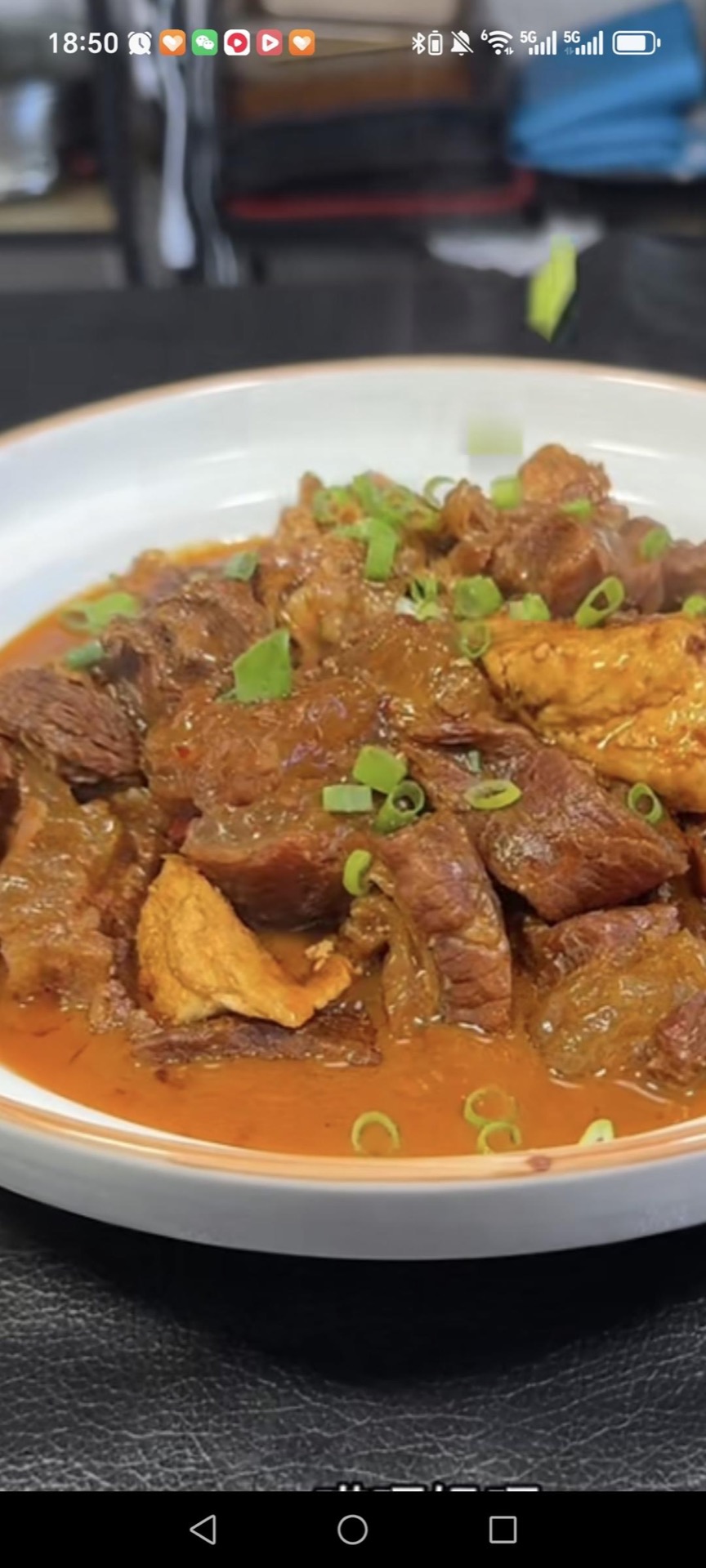
The name itself — 筋头巴脑炖豆腐 — tells you exactly what you’re getting. 筋头巴脑 is a colloquial northern term for the mixed connective-tissue cuts of beef: tendon, sinew, and the odd bits of muscle that cling to them. Braised low and slow with aromatics and tofu, these humble cuts turn into something far greater than the sum of their parts.
What makes this version worth cooking is the layering. The tendon gets a proper blanch before it ever meets the sauce, the doubanjiang is fried until its red oil blooms, and the tofu is pan-fried to a golden crust so it holds together through the final simmer. None of those steps is difficult, but each one changes the final bowl. By the time you ladle it out, the sauce is clinging to everything, and the whole kitchen smells like star anise and chili.
What Is Braised Beef Tendon and Tofu?
Braised beef tendon and tofu is a northern Chinese home braise built on 筋头巴脑 — the tendon-rich offcuts of beef — simmered with aromatics, doubanjiang, and soy until the collagen breaks down, then finished with chunks of pan-fried tofu. It sits somewhere between a stew and a sauce-heavy braise, and it’s eaten with steamed rice to soak up every drop.
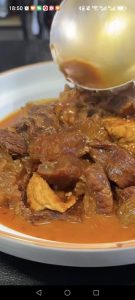
The hallmark of a good 筋头巴脑炖豆腐 is texture contrast: tendon that yields without dissolving, tofu that is crisp at the edges and custardy inside, and a sauce thick enough to coat a spoon but loose enough to pour over rice.
Because tendon is pure connective tissue, it has almost no flavor of its own — it’s a sponge for whatever it’s cooked in. That’s why the seasoning here is assertive: fermented chili bean paste, soy, oyster sauce, and a small handful of whole spices. The hawthorn slices are a traditional trick; their mild acidity helps tenderize the collagen and cuts through the richness.
If you enjoy the deep, savory style of Chinese braised tofu dishes, this one fits right into that family. For a simpler weeknight take on the same idea, try braised tofu with scallions, which builds a clean, scallion-forward sauce in under half an hour.
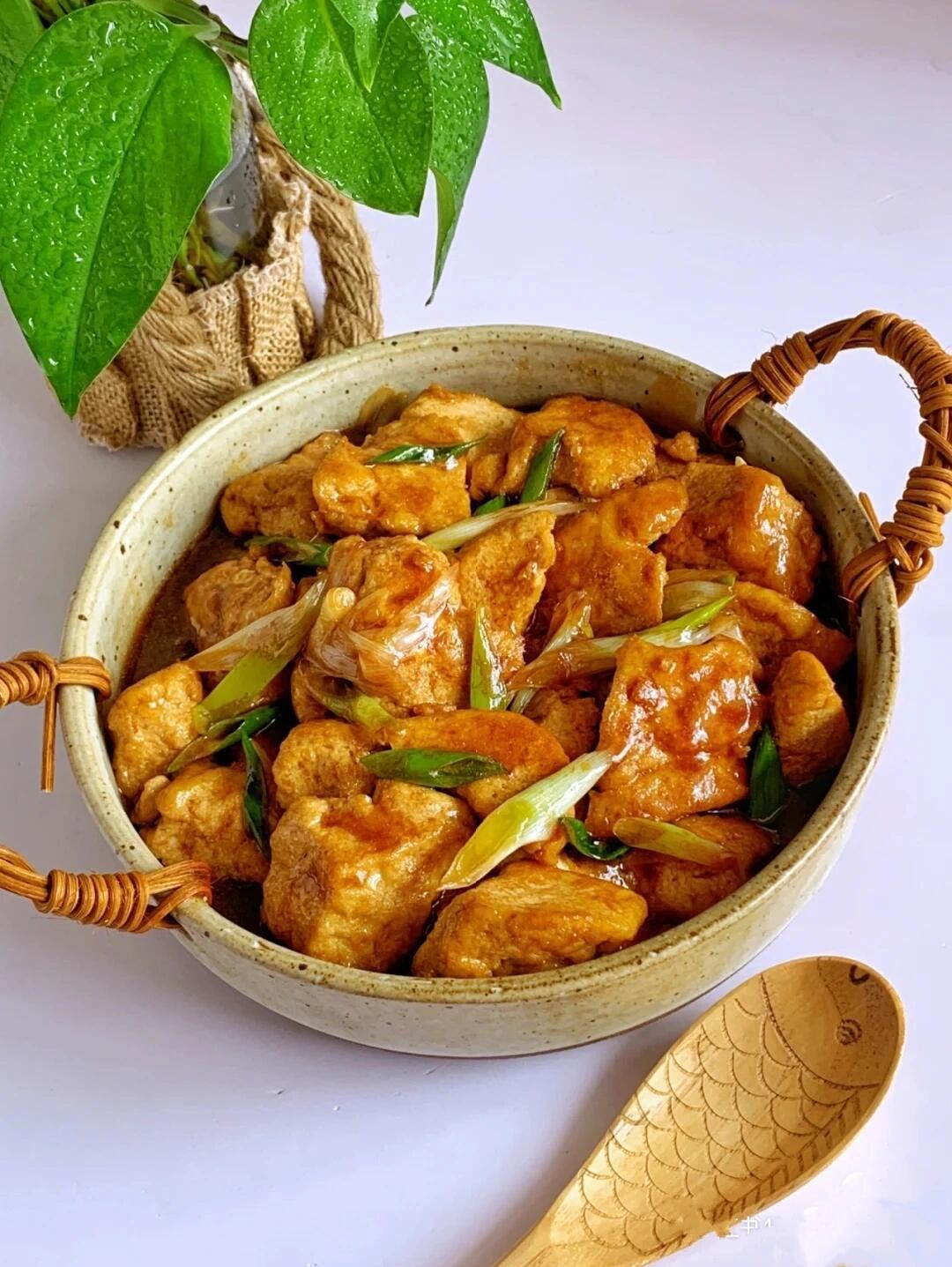
1Braised Tofu with Scallions (Cong Shao Doufu)A super simple, 15-minute Chinese home-style dish. Tender pan-fried tofu is braised in a rich, savory scallion-infused sauce. An easy and delicious “rice thief”!Check out this recipe
Cooked this way once, you will want the next one too: braised egg tofu with shrimp and tomato starts from the same base and the same pan.
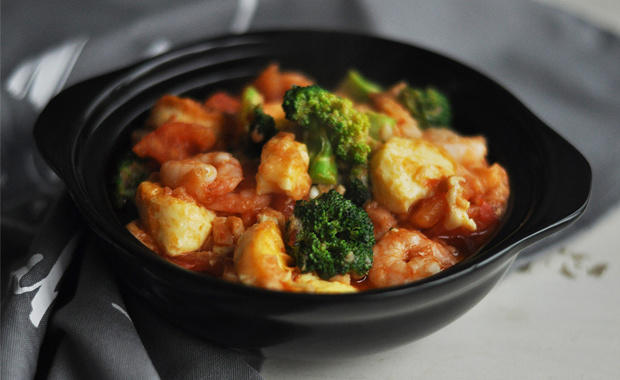
2Braised Egg Tofu with Shrimp and TomatoThis easy 20-minute clay pot style dish combines silky Japanese egg tofu, juicy shrimp, and crunchy broccoli in a savory and tangy tomato sauce. It is a perfect weeknight dinner that pairs beautifully with steamed rice.Check out this recipe
And for a mushroom-forward braise that uses the same soy-and-aromatic backbone, braised tofu and mushrooms is a great vegetarian counterpart to this dish.
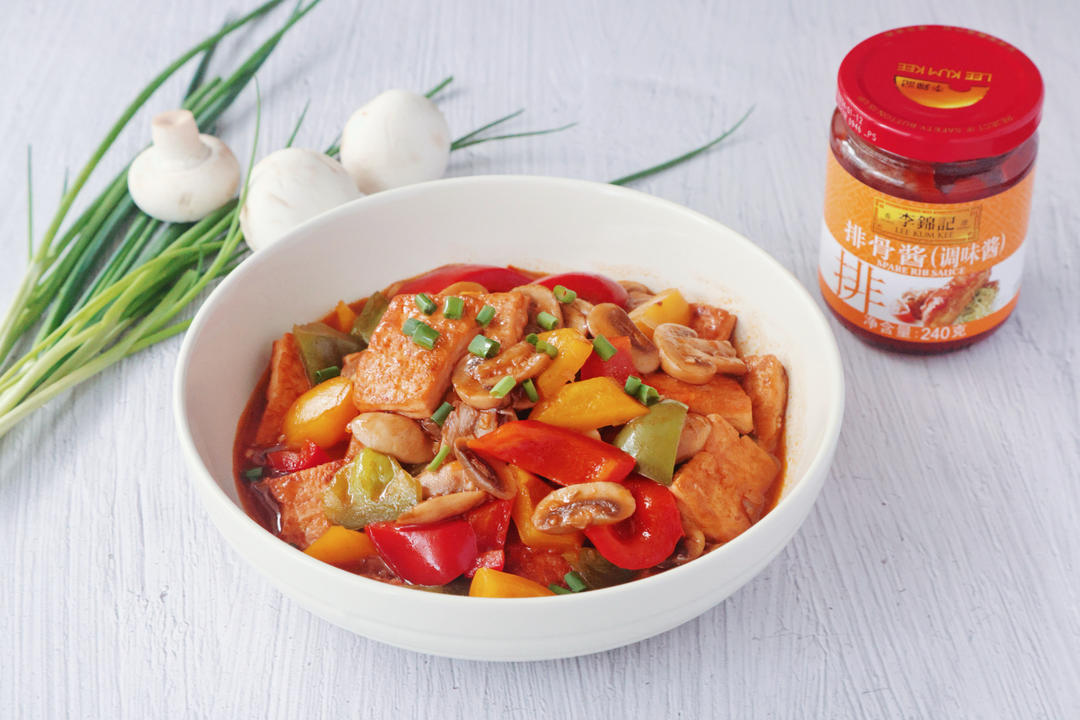
3Braised Tofu and MushroomsA rich, savory vegetarian dish featuring pan-fried tofu and mushrooms braised in a chef-secret Spare Rib sauce. Tastes better than meat!Check out this recipe
Why This Recipe Works
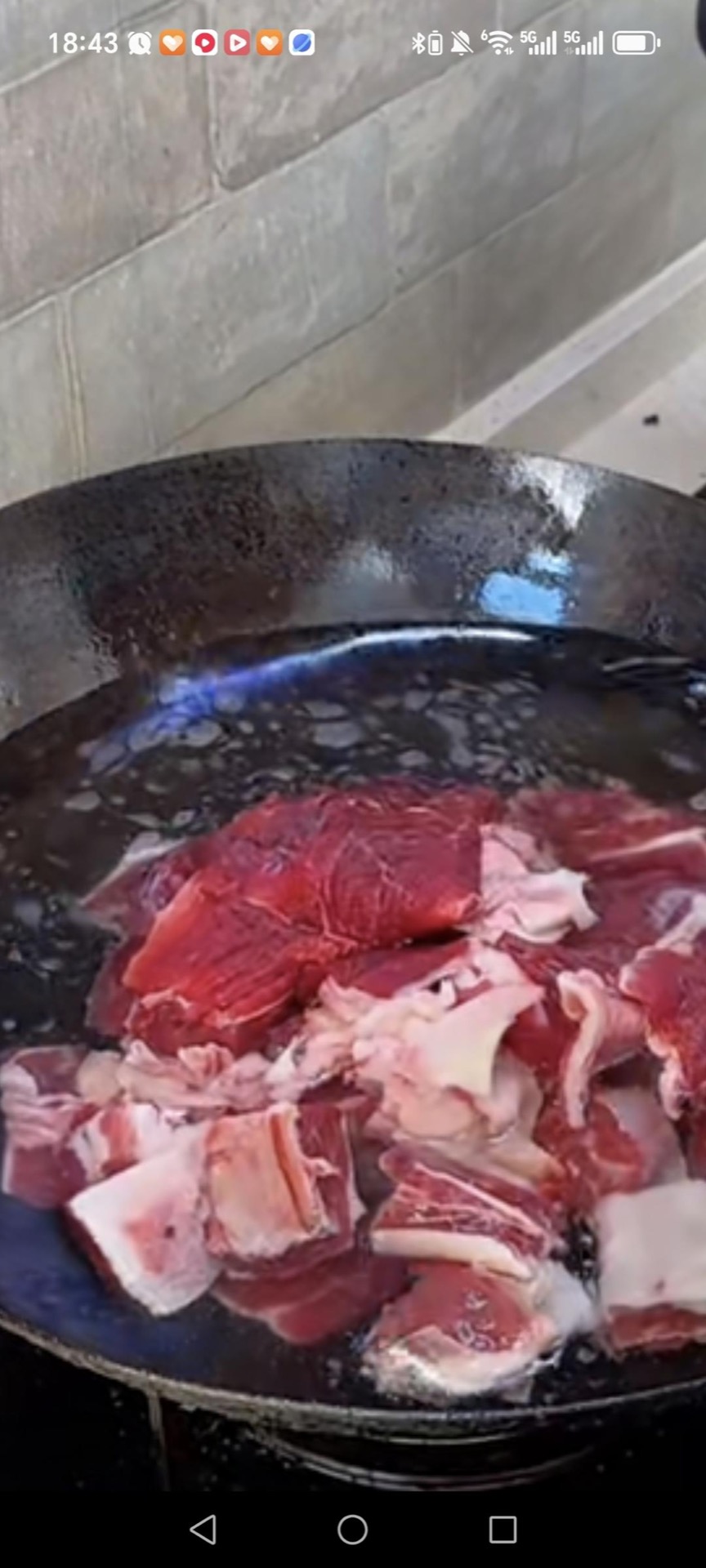
Three decisions carry this dish. The first is the cold-water blanch: starting the tendon in cold water and bringing it slowly to a boil draws out the blood and impurities that would otherwise cloud the braise and leave a gamey edge. Rinsing the blanched pieces under warm water removes the scum that clings to them.
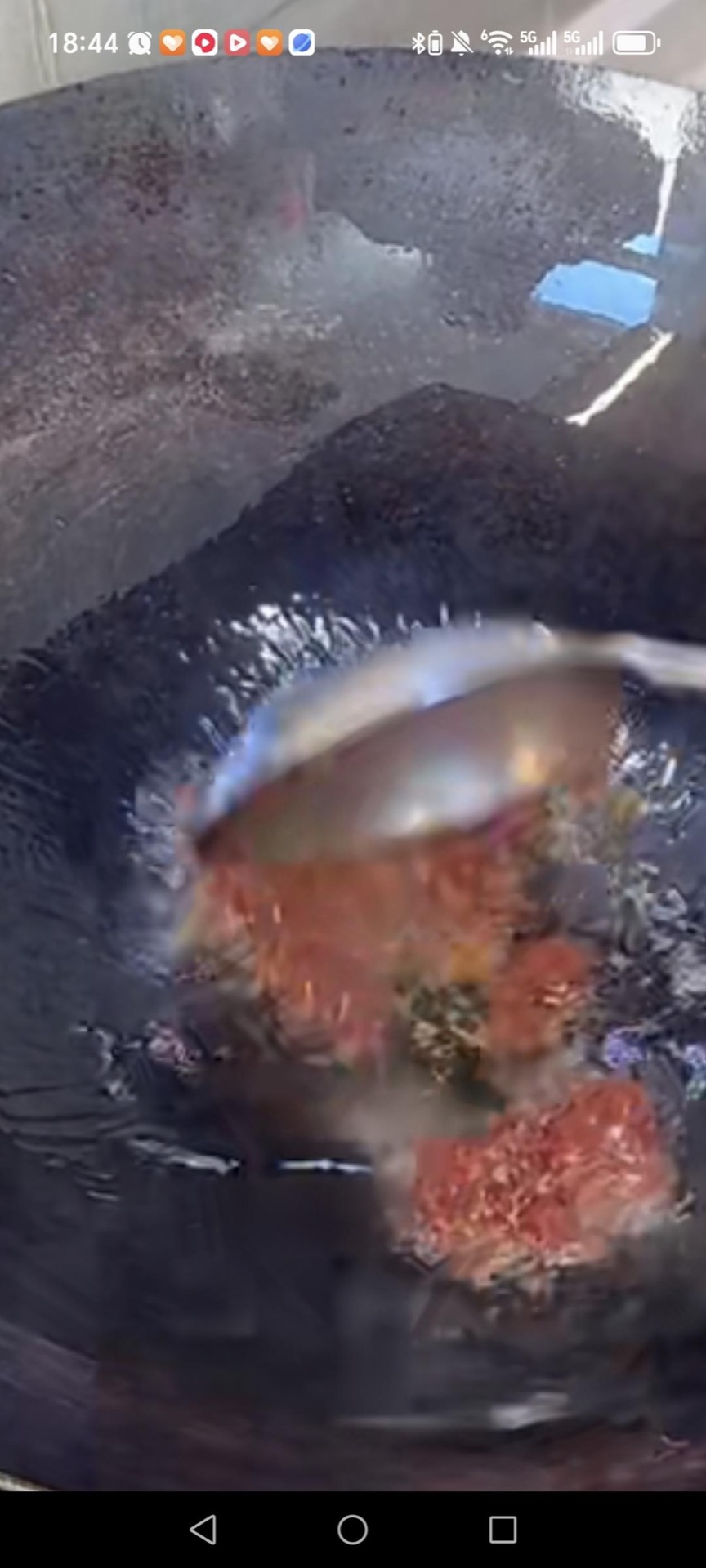
The second is frying the doubanjiang before anything else goes in. Doubanjiang is a fermented paste, and its flavor only fully opens up when it hits hot oil — you’re looking for the moment the paste darkens and a red oil separates out. Skip that and the sauce tastes flat and raw.
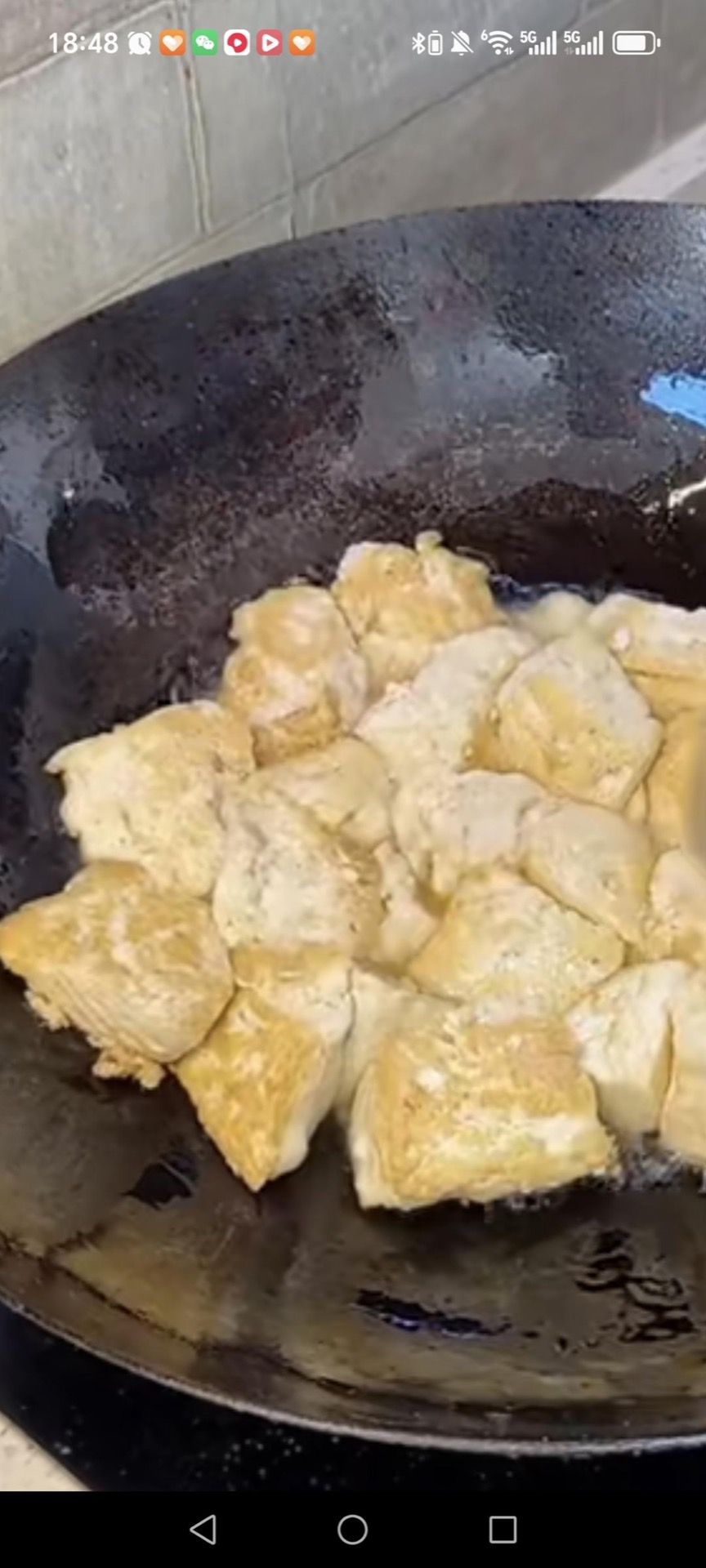
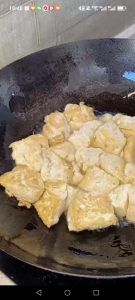
The third is pan-frying the tofu before it meets the beef. Tofu straight from the block is fragile and waterlogged; searing it to a golden crust firms the surface, drives off excess moisture, and gives the sauce something to grab onto. The result is tofu that stays intact through the final reduction instead of crumbling into the sauce.
Equipment Needed
A wok or wide heavy-bottomed pot handles both the initial frying and the final reduction. You’ll also want a pressure cooker or a heavy Dutch oven for the tendon — the pressure cooker cuts the braise from a couple of hours down to about thirty minutes. A cutting board, a sharp knife for mincing the doubanjiang, and a slotted spoon for lifting the blanched tendon out of the water round out the list.
If you don’t own a pressure cooker, a regular pot works fine; you’ll just need to keep the tendon at a bare simmer for at least 80 minutes, topping up with boiling water as needed so it stays covered.
Ingredients
The full ingredient list with exact amounts is in the recipe card at the bottom of this post. Here’s what each component is doing:
Beef tendon (筋头巴脑) is the star. Look for pieces that are mostly pale, translucent tendon with some attached meat — that mix gives you both the gelatinous texture and a bit of savory chew. Firm or semi-firm tofu is the right choice here; silken tofu will fall apart during the braise. Doubanjiang, the Sichuan fermented chili bean paste, provides the backbone of heat and umami.
Light soy sauce seasons and adds salt, dark soy sauce contributes color, and oyster sauce adds a rounded sweetness. The aromatics — scallion, ginger, cinnamon, star anise, bay leaf, and dried chili — build the warm, aromatic base. Dried hawthorn slices are optional but traditional.
Ingredient Notes
Doubanjiang: Pixian doubanjiang is the gold standard. It’s chunky, so mince it finely with a knife before it goes in the wok — otherwise you get uneven pockets of salt and heat. If you can only find a smoother chili bean paste, use the same amount.
Beef tendon: Fresh tendon from an Asian market is ideal. If yours is frozen, thaw it completely in the refrigerator overnight before blanching. You can also ask your butcher to cut it into chunks for you, since tendon is notoriously tough to slice at home.
Hawthorn slices (山楂): These are sold dried in Chinese groceries and online. They add a subtle fruity tartness and are traditionally believed to help soften the collagen. If you can’t find them, a small piece of dried tangerine peel or a teaspoon of rice vinegar is a reasonable substitute.
Tofu: Tear it by hand rather than cutting it. The rough, irregular surfaces catch sauce far better than clean cubes, and the torn edges crisp up beautifully in the pan.
Chicken bouillon or MSG: A small amount at the end wakes up the whole braise. If you’d rather avoid it, taste the sauce first — the doubanjiang and oyster sauce may already carry enough savoriness.
Prep & Mise en Place
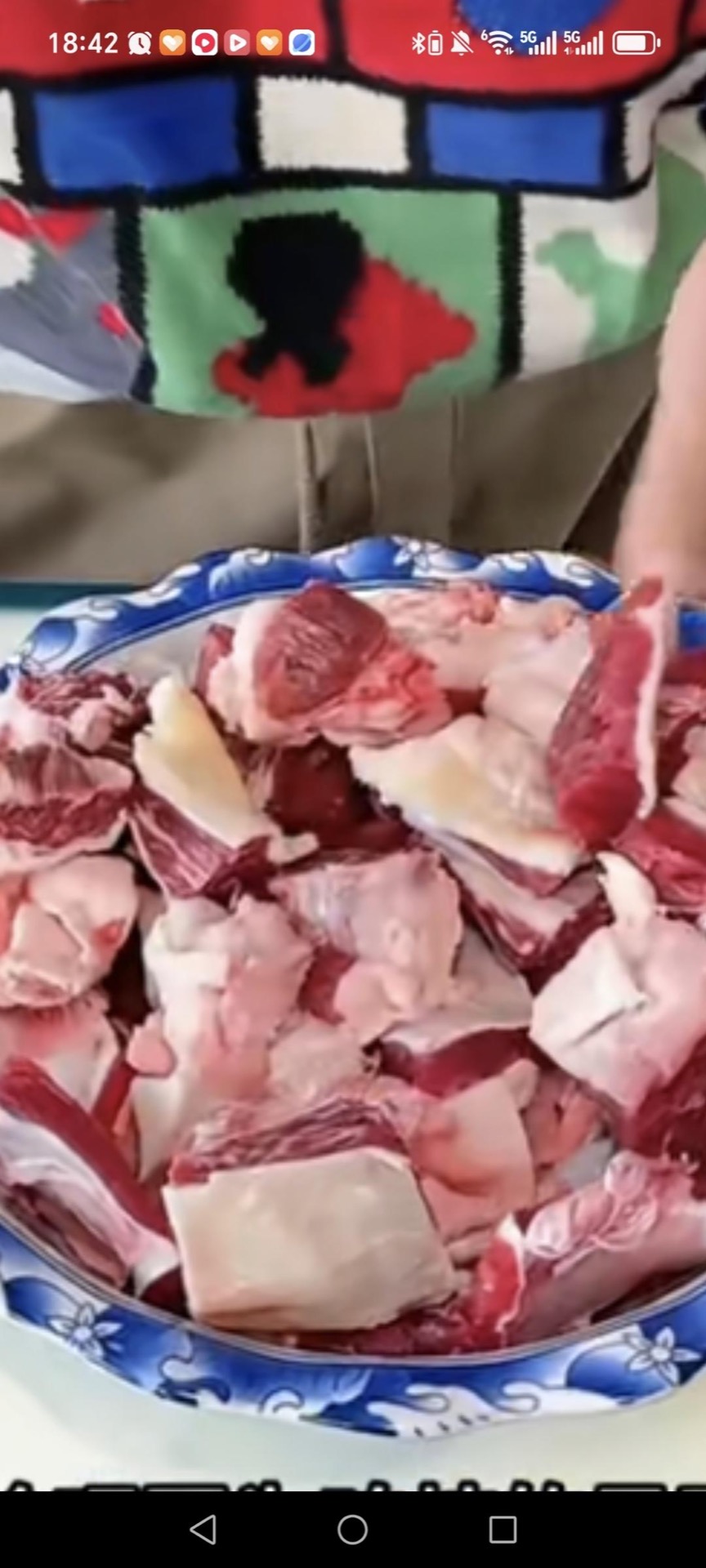
This dish moves fast once the wok is hot, so get everything ready before you turn on the burner. Cut the beef tendon into large 2-inch chunks — they’ll shrink considerably during the long braise. Tear the tofu into irregular chunks by hand and set it on a plate lined with paper towel to drain.
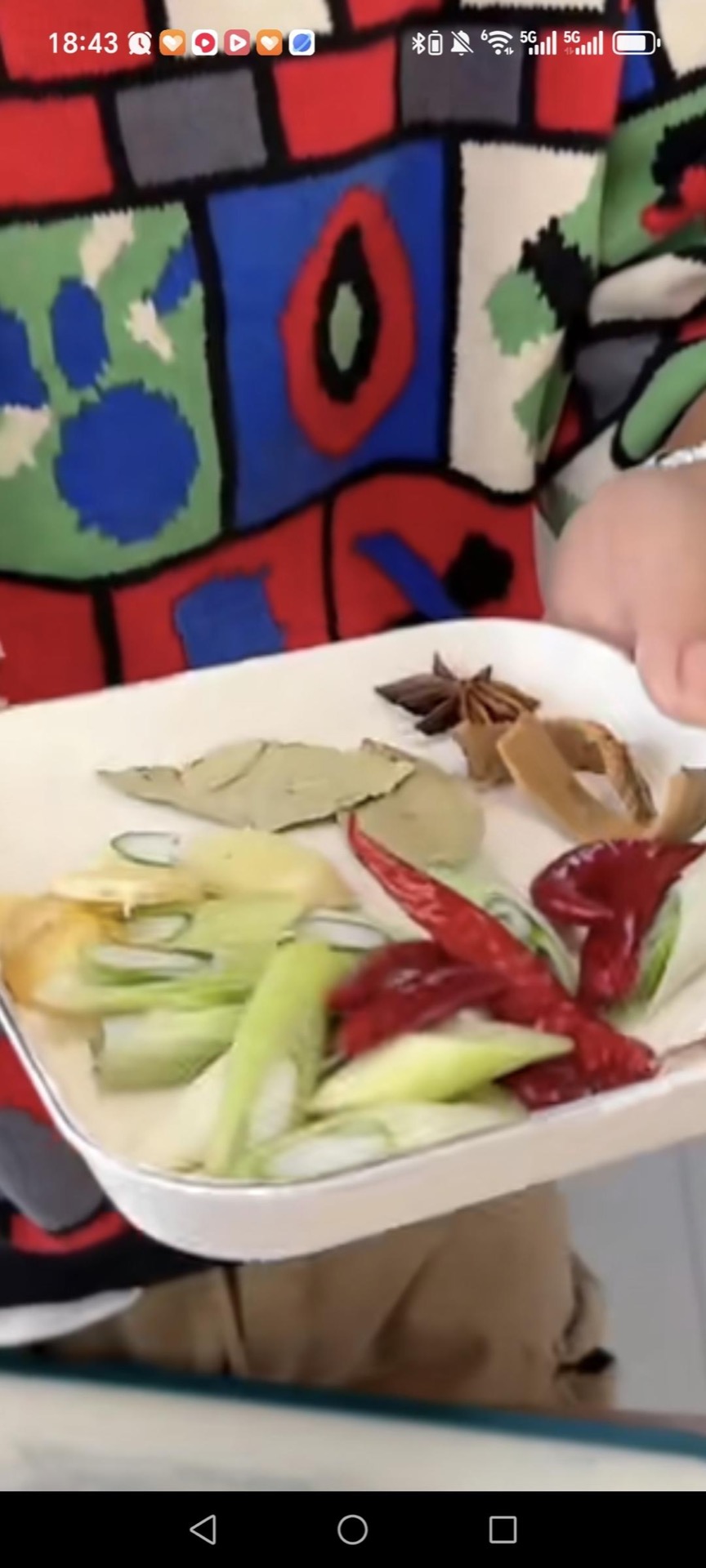
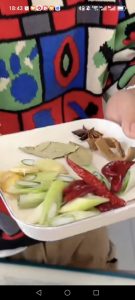
Prepare the aromatics on a single plate: scallion lengths, ginger slices, cinnamon bark, star anise, bay leaves, and dried chilis. Mince the doubanjiang finely on your cutting board. Measure out the light soy, dark soy, oyster sauce, and Shaoxing wine into small bowls so you can add them in one motion.
If you’re using a pressure cooker, have it ready and set it near the stove. If using a regular pot, fill your kettle with water and bring it to a boil now — you’ll need boiling water, not cold, when you add liquid to the braise.
Cooking Process
Step 1 — Cut the Beef Tendon
Cut the beef tendon into large chunks, about 2 inches each.
Step 2 — Tear the Tofu
Tear the tofu into irregular chunks by hand.
Step 3 — Prepare the Aromatics
Prepare the aromatics: scallion, ginger, cinnamon bark, star anise, bay leaves, and dried chilis as shown.
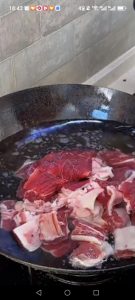
Step 4 — Blanch the Beef Tendon
Place the beef tendon in a pot of cold water, add a splash of Shaoxing wine, and boil for 5 to 8 minutes once the water comes to a boil.
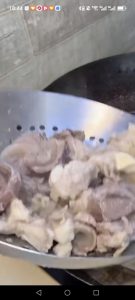
Step 5 — Rinse the Blanched Tendon
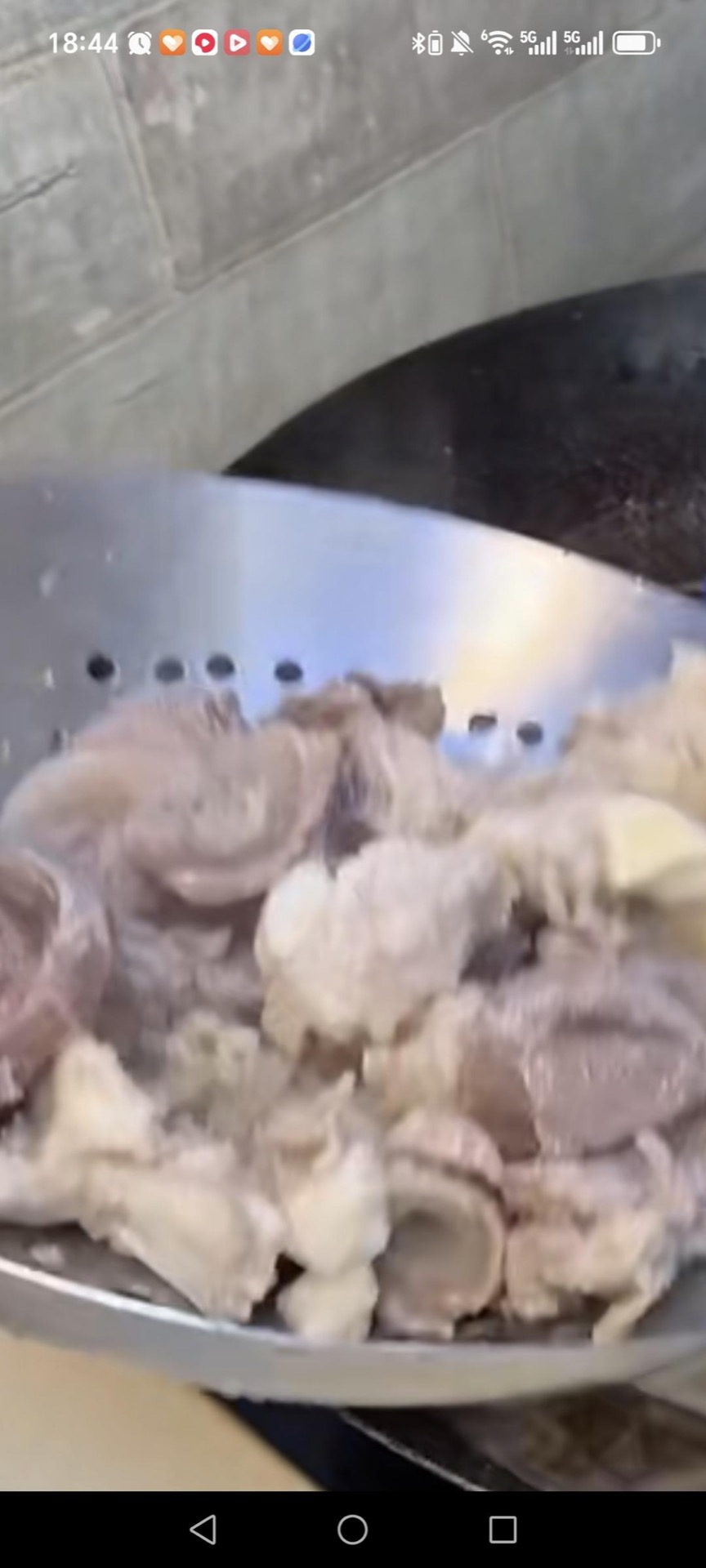
Scoop out the blanched beef tendon and rinse it clean under warm water.
Step 6 — Fry the Doubanjiang
Heat a wok over high heat, add oil, and add the doubanjiang (finely minced with a knife first), frying until the red oil releases.
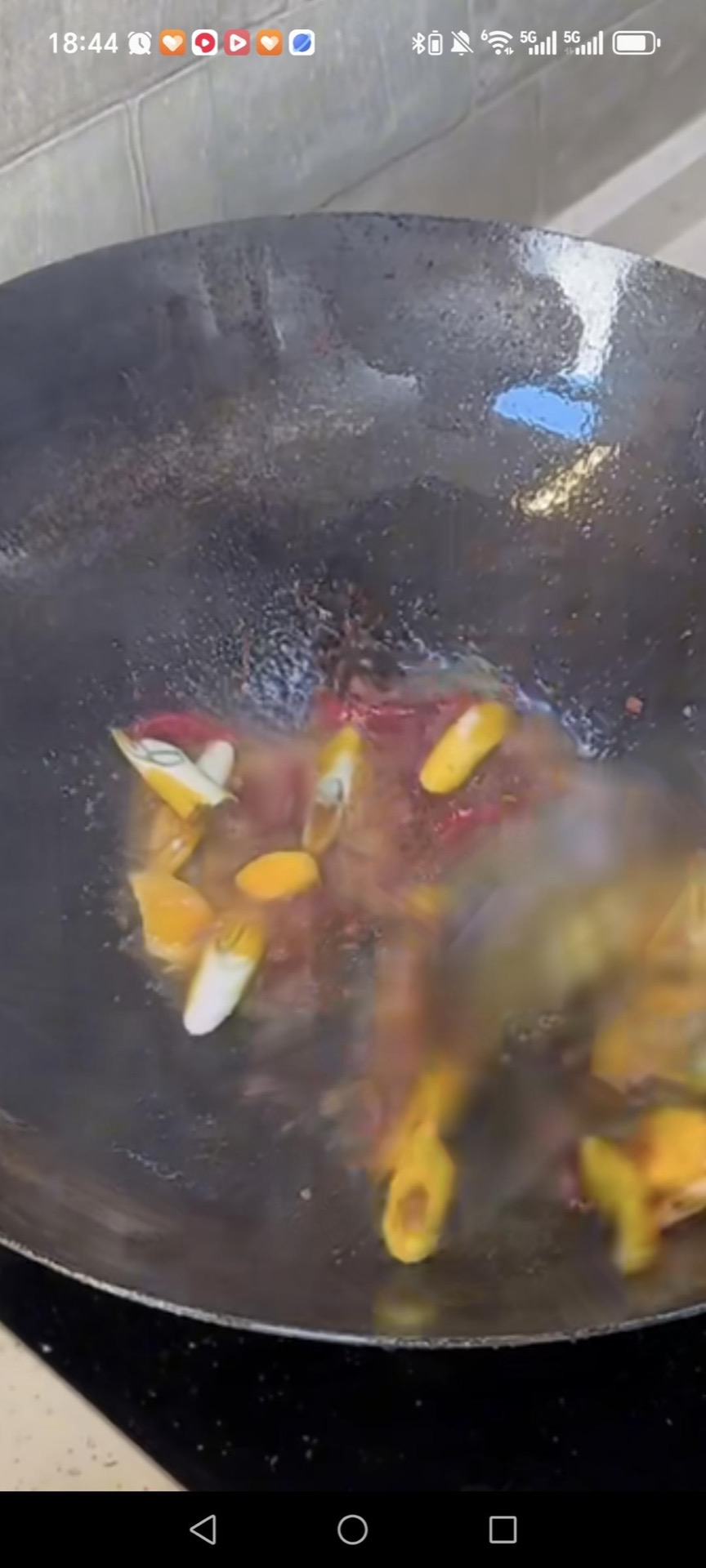
Step 7 — Fry the Aromatics
Add the prepared aromatics and stir-fry until fragrant.
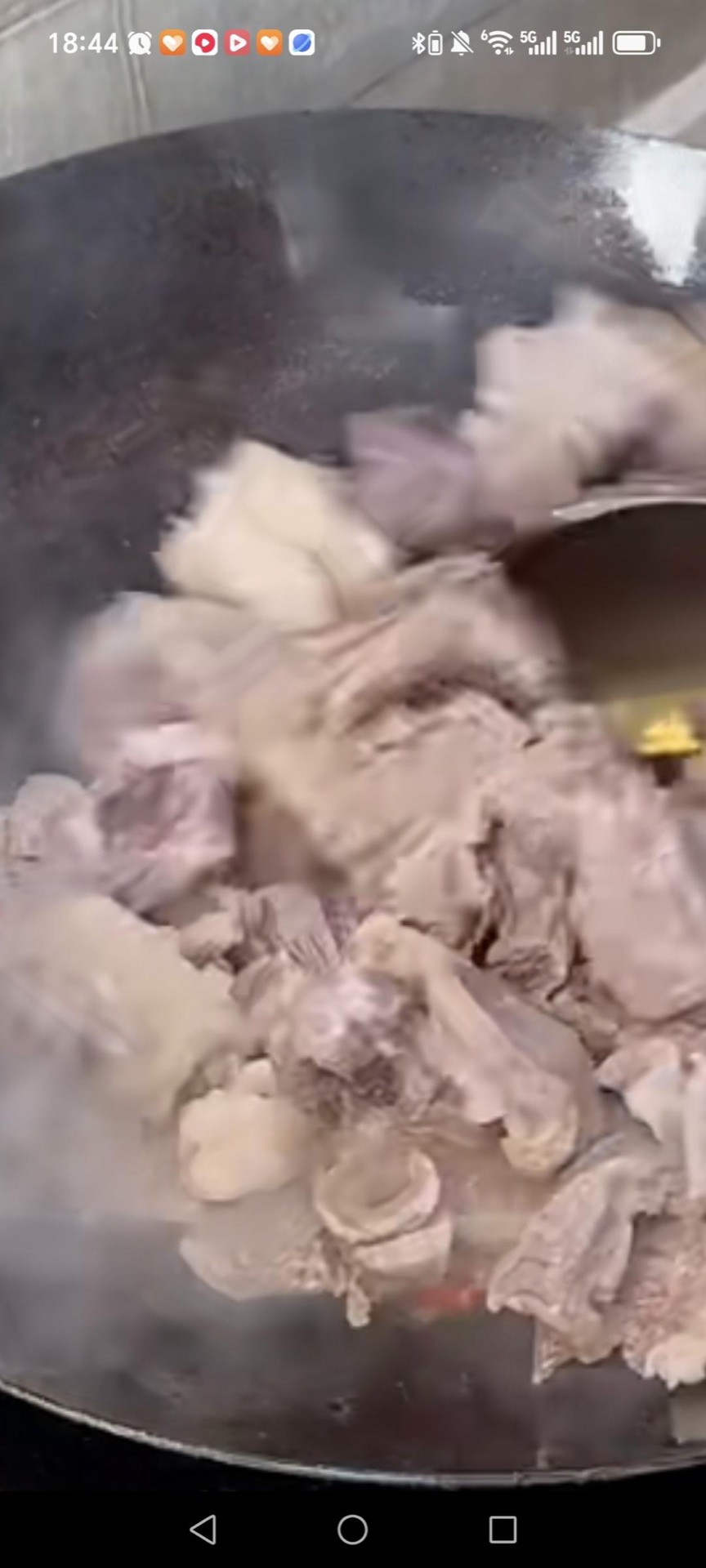
Step 8 — Add the Beef
Add the beef to the wok.
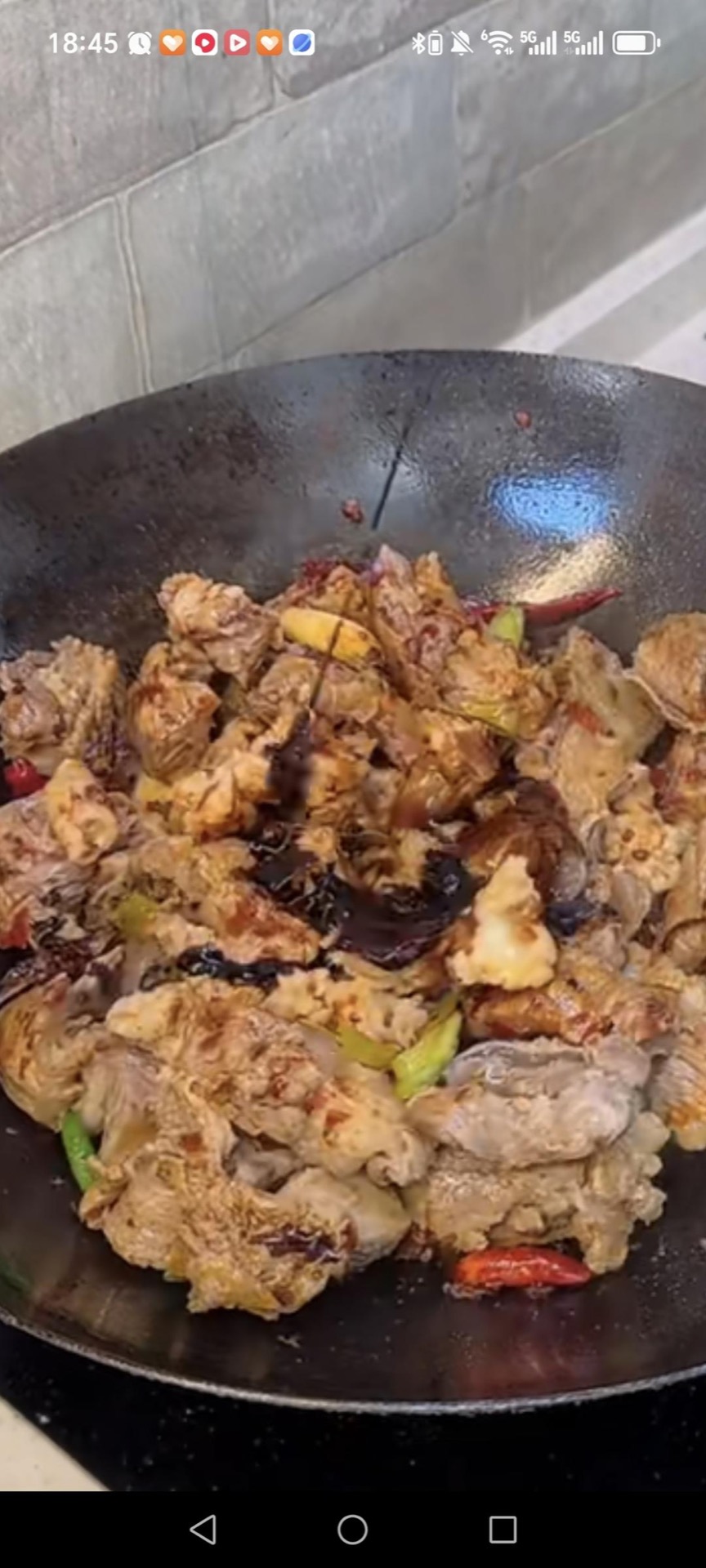
Step 9 — Season and Add Water
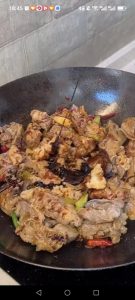
Splash in the Shaoxing wine and stir-fry, add the light soy sauce, oyster sauce, and a little dark soy sauce, then pour in boiling water and add the 4 hawthorn slices.
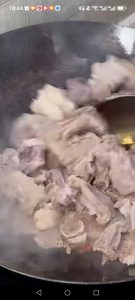
Step 10 — Pressure Cook the Beef
Transfer the beef to a pressure cooker and cook for 30 minutes, or simmer in a regular pot for at least 80 minutes.

Step 11 — Pan-Fry the Tofu
Heat a pan with oil, sprinkle in a little salt, and add the tofu, frying until both sides are golden brown as shown.
Step 12 — Combine Beef and Tofu
Pour the cooked beef over the tofu in the pan.
Step 13 — Season the Braise
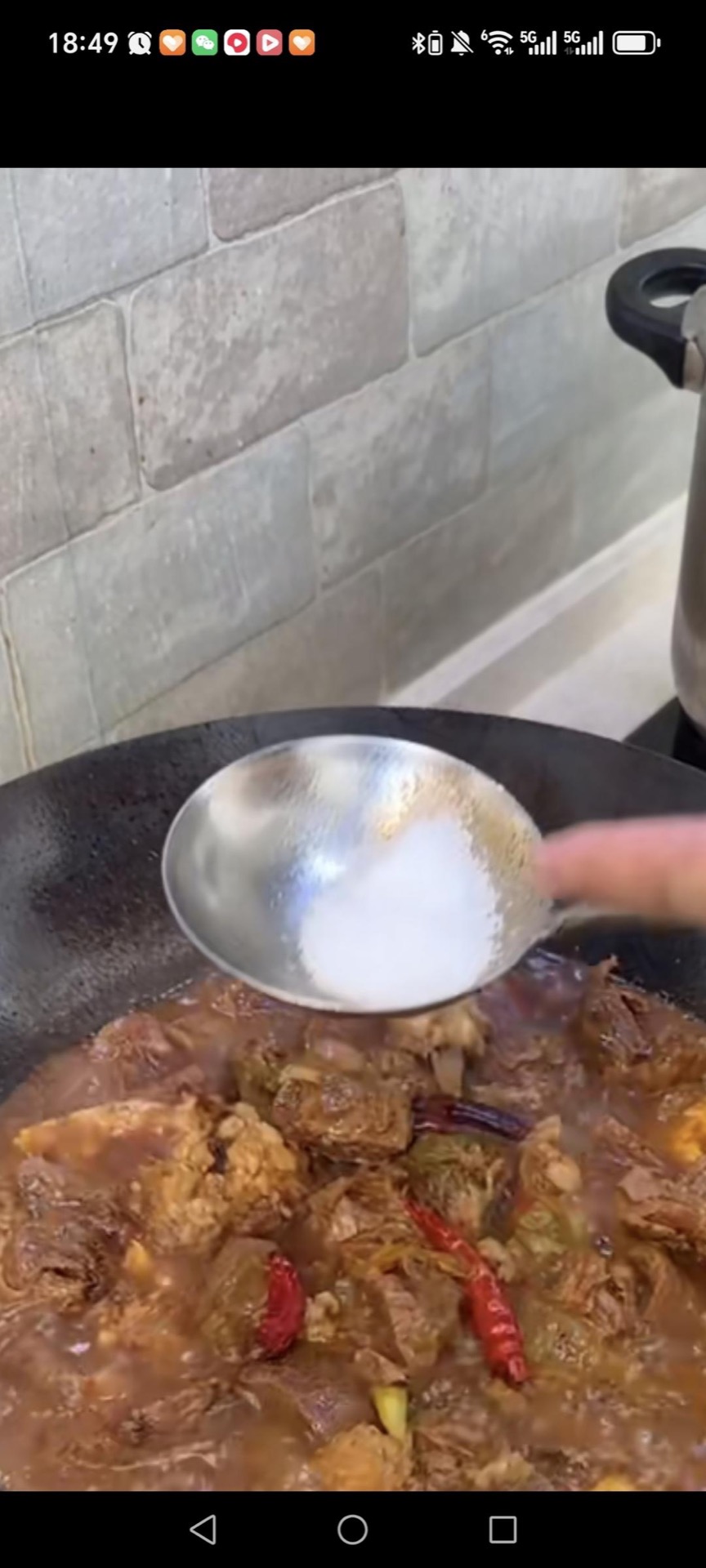
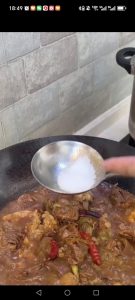
Add the appropriate amount of salt and chicken bouillon.
Step 14 — Reduce the Sauce
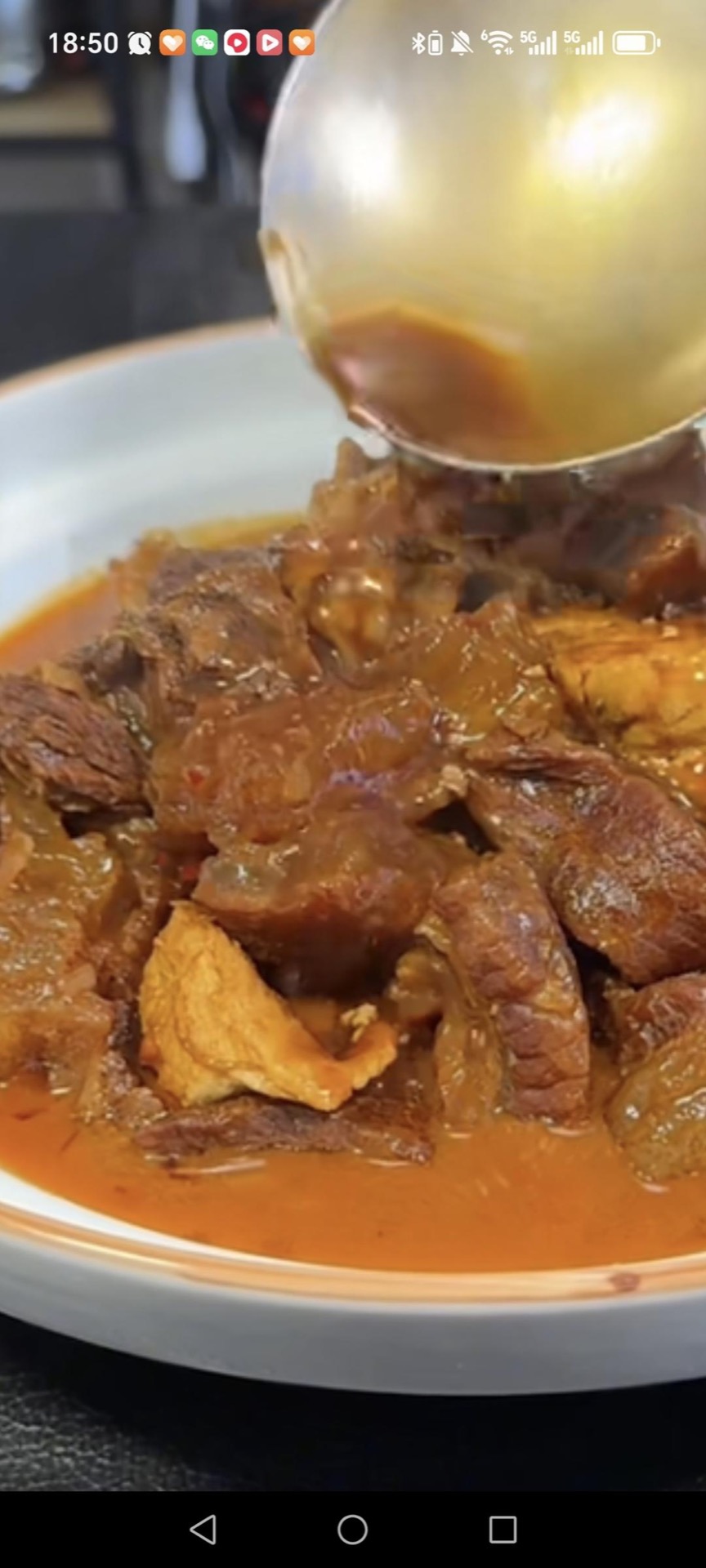
Stir everything together over high heat to reduce and thicken the sauce.
Step 15 — Plate and Garnish
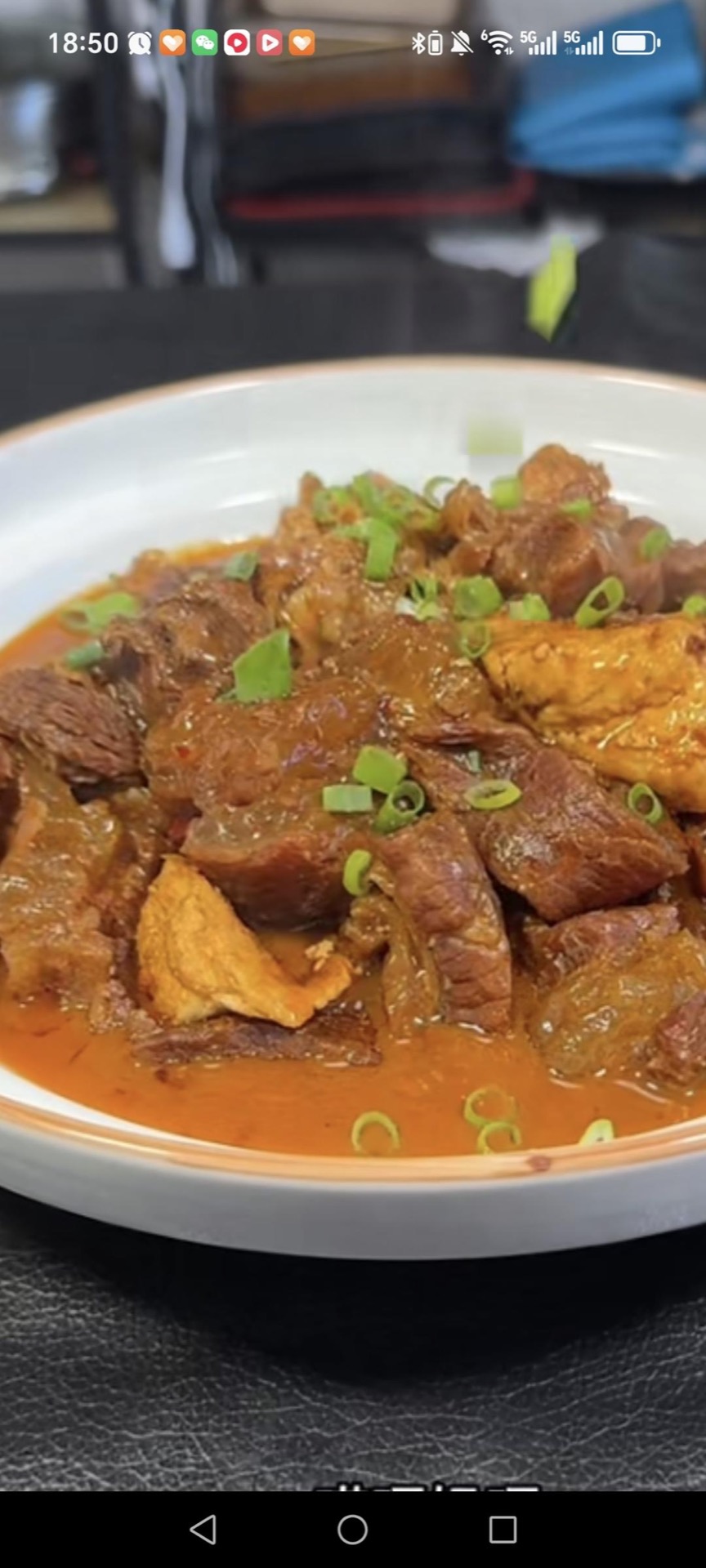
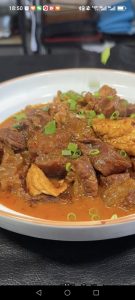
Plate the dish and sprinkle with chopped scallion — the braised beef tendon and tofu is ready.
Common Mistakes When Making Braised Beef Tendon and Tofu
1. Skipping the blanch or blanching in hot water. Tendon must start in cold water. Dropping it into already-boiling water seals the surface and traps the impurities inside, which leaves a muddy, gamey flavor in the final braise. Start cold, bring it up slowly, and skim the foam.
2. Not frying the doubanjiang long enough. If the paste goes in and you immediately add liquid, it never develops. Fry it in the oil for 30 to 60 seconds, until it darkens and the oil around it turns red. That’s the flavor base for everything that follows.
3. Adding cold water to the braise. Cold water shocks the meat and can toughen the tendon, and it stalls the simmer. Always use boiling water when you top up or add liquid.
4. Under-cooking the tendon. Tendon that isn’t fully braised is unpleasantly chewy and no amount of extra sauce will fix it. In a pressure cooker it needs a full 30 minutes; in a regular pot, at least 80 minutes at a bare simmer. It should be soft enough to cut with a spoon.
5. Adding the tofu too early or without frying it. Raw tofu added straight to the braise will break apart and turn watery. Pan-fry it first, and only combine it with the beef once the tendon is already tender, so the tofu doesn’t overcook while waiting.
6. Over-reducing the sauce. The final high-heat reduction should thicken the sauce to a glossy glaze, not a paste. Pull it off the heat while it still flows — it will tighten further as it cools.
Variations
With daikon radish: Add chunks of daikon in the last 20 minutes of braising. The radish absorbs the sauce beautifully and adds a soft, sweet counterpoint to the rich tendon.
Spicier version: Double the dried chilis and add a teaspoon of chili oil at the end. Some northern cooks also add a spoonful of fermented bean paste alongside the doubanjiang for extra depth.
Beef tendon with noodles: Ladle the finished braise over fresh wheat noodles with a splash of the braising liquid for an instant 红烧牛肉面-style bowl.
Vegetarian adaptation: Swap the beef tendon for king oyster mushrooms and the oyster sauce for vegetarian mushroom sauce. The braise won’t have the same gelatinous body, but the aromatic base carries the dish.
Frequently Asked Questions
Can I make this in a slow cooker? Yes. After the blanch and the wok-frying steps, transfer everything to a slow cooker and cook on low for 6 to 8 hours, then finish with the pan-fried tofu on the stovetop.
How do I know when the beef tendon is done? Press a piece with the back of a spoon — it should give easily and feel almost jelly-like. If it springs back or feels firm, keep cooking.
Can I use a different cut of beef? Yes. Beef shank, short rib, or brisket all work, though they’ll cook faster than tendon. Check them at the 25-minute mark in a pressure cooker.
Is this dish very spicy? It’s more savory than fiery. The doubanjiang and dried chilis give warmth and aroma rather than a sharp burn. To dial it down, reduce the dried chilis and use half the doubanjiang.
Can I make it ahead? Absolutely — it tastes even better the next day as the tofu absorbs more sauce. Cool it completely, refrigerate, and reheat gently on the stovetop with a splash of water.
How to Serve
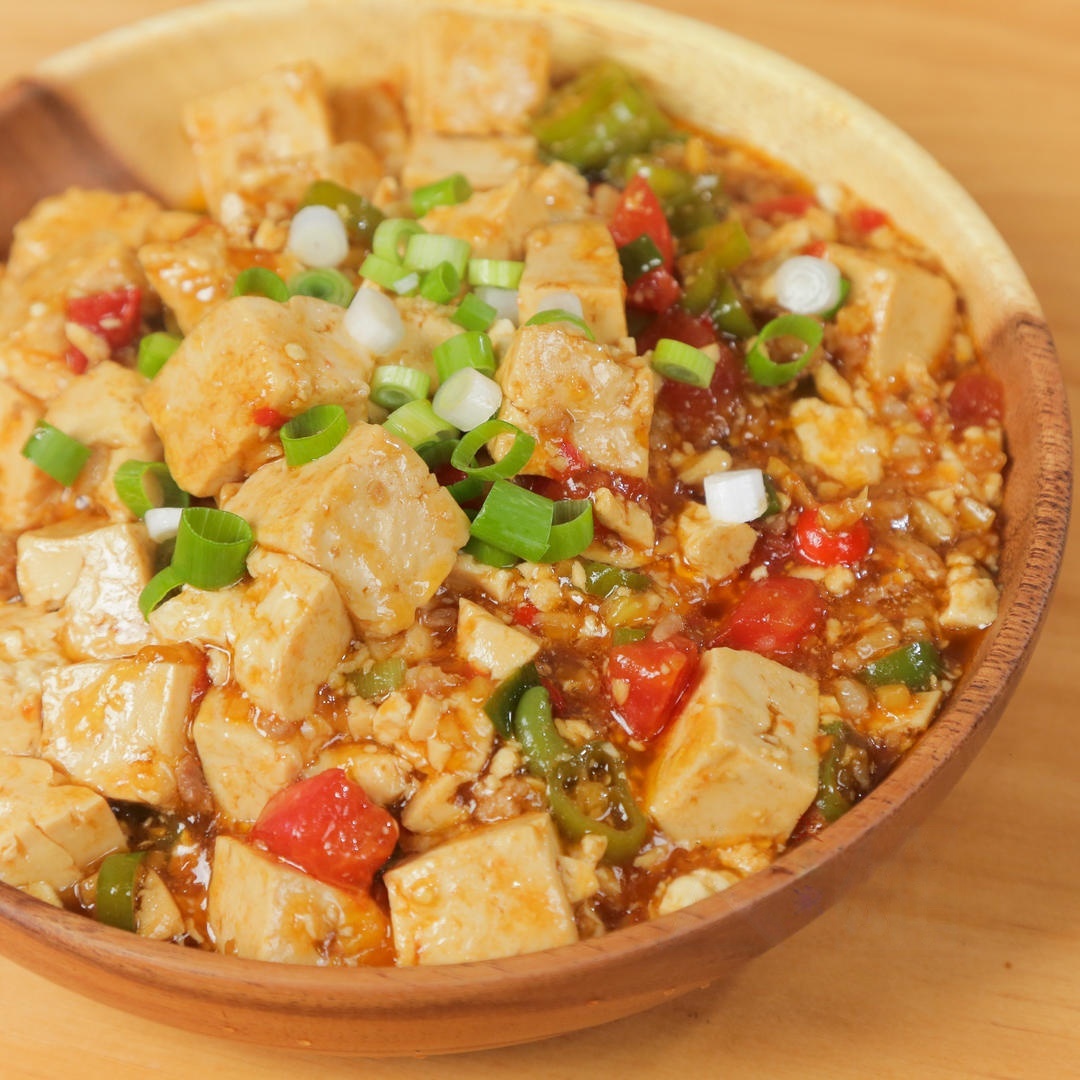
Braised beef tendon and tofu is best served over steamed white rice, with the sauce spooned generously over the top. A simple stir-fried green vegetable or a quick cucumber salad on the side keeps the meal balanced. If you want to round out the table with another tofu dish, braised tofu with fresh chilis and minced pork pairs well and adds a fresher, brighter heat.
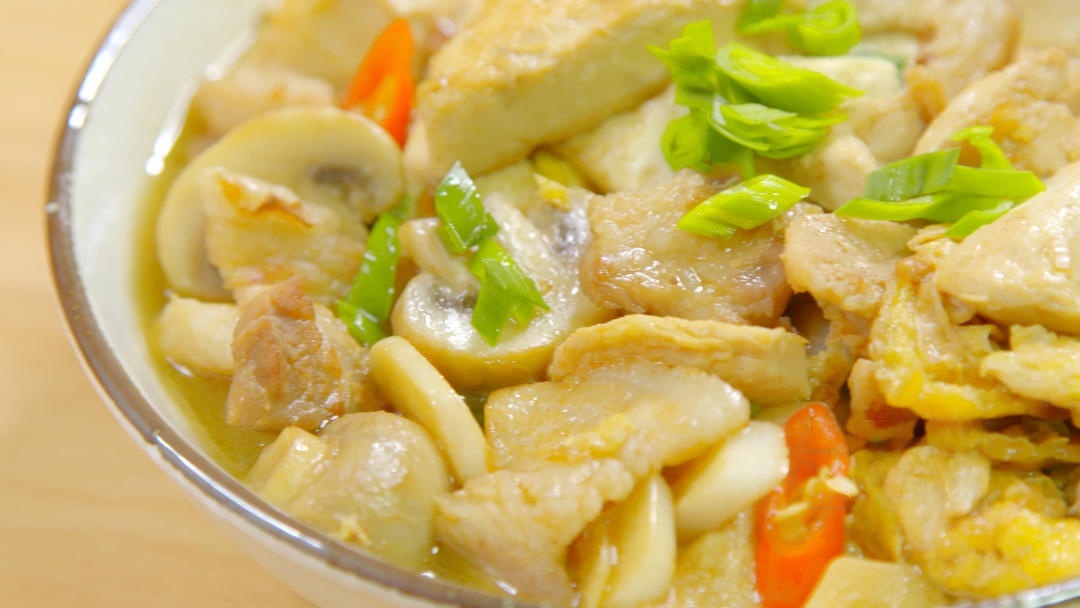
For a heartier spread, serve it alongside braised tofu with minced meat, which has a similar savory profile but a looser, more spoonable sauce. And if you’re feeding a crowd, braised tofu with mushrooms and pork brings an earthy note that complements the tendon nicely.

Storage & Reheat
Store leftovers in an airtight container in the refrigerator for up to 3 days. The flavors deepen overnight, and the tofu will soak up even more sauce. Reheat gently in a covered pan over medium-low heat with a tablespoon or two of water to loosen the sauce — avoid the microwave, which can toughen the tendon.
To freeze, cool completely and transfer to a freezer-safe container for up to 2 months. Thaw overnight in the refrigerator before reheating. Note that the tofu’s texture will soften after freezing, so if you plan to freeze a portion, consider setting some aside before adding the tofu.
Allergen Notice
This recipe contains soy (soy sauce, doubanjiang, oyster sauce) and wheat (soy sauce, doubanjiang). Oyster sauce is not vegetarian; check labels if that matters to you. To make it gluten-free, use tamari in place of both soy sauces and a gluten-free chili bean paste.
Nutrition Disclaimer
Nutrition information is calculated using an ingredient database and should be considered an estimate. In cases where multiple ingredient alternatives are given, the first listed is calculated for nutrition. Garnishes and optional ingredients are not included.
About the Author & Recipe Development
Lin is the cook and writer behind Woks of Love, where she shares the home-style Chinese recipes she grew up with and the ones she’s picked up from markets, aunties, and late-night noodle shops across China. This recipe was developed from a northern home version of 筋头巴脑炖豆腐, tested repeatedly to nail the balance between the tendon’s gelatinous texture and the tofu’s golden crust.
Authoritative References
For safe handling and cooking temperatures for beef, see the USDA safe minimum internal temperature chart. General food safety guidance on cooling and storing leftovers follows the FDA refrigerator and food safety guidance.
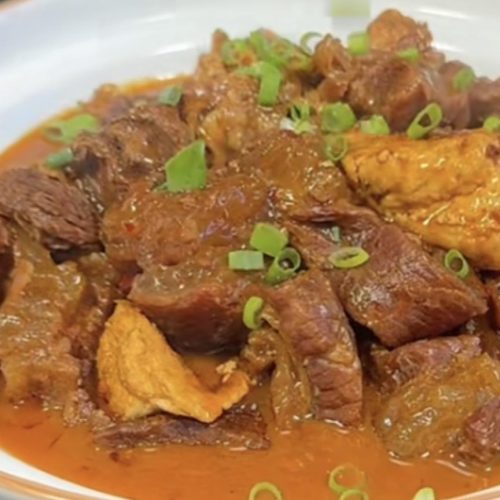
Braised Beef Tendon and Tofu (筋头巴脑炖豆腐): Tender Beef Tendon, Silky

Equipment
- Wok
- Cutting Board
- Slotted Spoon
Ingredients
For the Beef Tendon
- 2 lb beef tendon 筋头巴脑, cut into large 2-inch chunks
- 2 tbsp Shaoxing wine for the blanch
For the Aromatics
- 3 stalks scallions cut into 2-inch lengths
- 5 slices ginger
- 1 piece cinnamon bark about 2 inches
- 2 star anise
- 3 bay leaves
- 4 dried red chilis
- 4 dried hawthorn slices
For the Sauce
- 2 tbsp doubanjiang Pixian, finely minced
- 3 tbsp light soy sauce
- 1 tsp dark soy sauce
- 2 tbsp oyster sauce
- 2 tbsp Shaoxing wine for the braise
- 4 cups water boiling
For the Tofu
- 1 block firm tofu about 16 oz, torn into chunks
- 1 tsp salt for frying
- 1 tsp chicken bouillon or MSG
- 1 scallion thinly sliced, for garnish
Instructions
- Cut the beef tendon into large chunks, about 2 inches each.

- Tear the tofu into irregular chunks by hand.
- Prepare the aromatics: scallion, ginger, cinnamon bark, star anise, bay leaves, and dried chilis as shown.
- Place the beef tendon in a pot of cold water, add a splash of Shaoxing wine, and boil for 5 to 8 minutes once the water comes to a boil.
- Scoop out the blanched beef tendon and rinse it clean under warm water.
- Heat a wok over high heat, add oil, and add the doubanjiang (finely minced with a knife first), frying until the red oil releases.
- Add the prepared aromatics and stir-fry until fragrant.
- Add the beef to the wok.
- Splash in the Shaoxing wine and stir-fry, add the light soy sauce, oyster sauce, and a little dark soy sauce, then pour in boiling water and add the 4 hawthorn slices.
- Transfer the beef to a pressure cooker and cook for 30 minutes, or simmer in a regular pot for at least 80 minutes.
- Heat a pan with oil, sprinkle in a little salt, and add the tofu, frying until both sides are golden brown as shown.
- Pour the cooked beef over the tofu in the pan.
- Add the appropriate amount of salt and chicken bouillon.
- Stir everything together over high heat to reduce and thicken the sauce.
- Plate the dish and sprinkle with chopped scallion — the braised beef tendon and tofu is ready.















Leave a Reply