Growing up in Sichuan, my family’s dinner table wasn’t always filled with fiery red chili oil or complex, numbing spices. More often than not, the real stars of our daily meals were simple, comforting stir-fries that highlighted the natural freshness of vegetables. This Minced Pork with Baby Bok Choy (Rou Mo Xiao Bai Cai) is exactly that kind of dish.
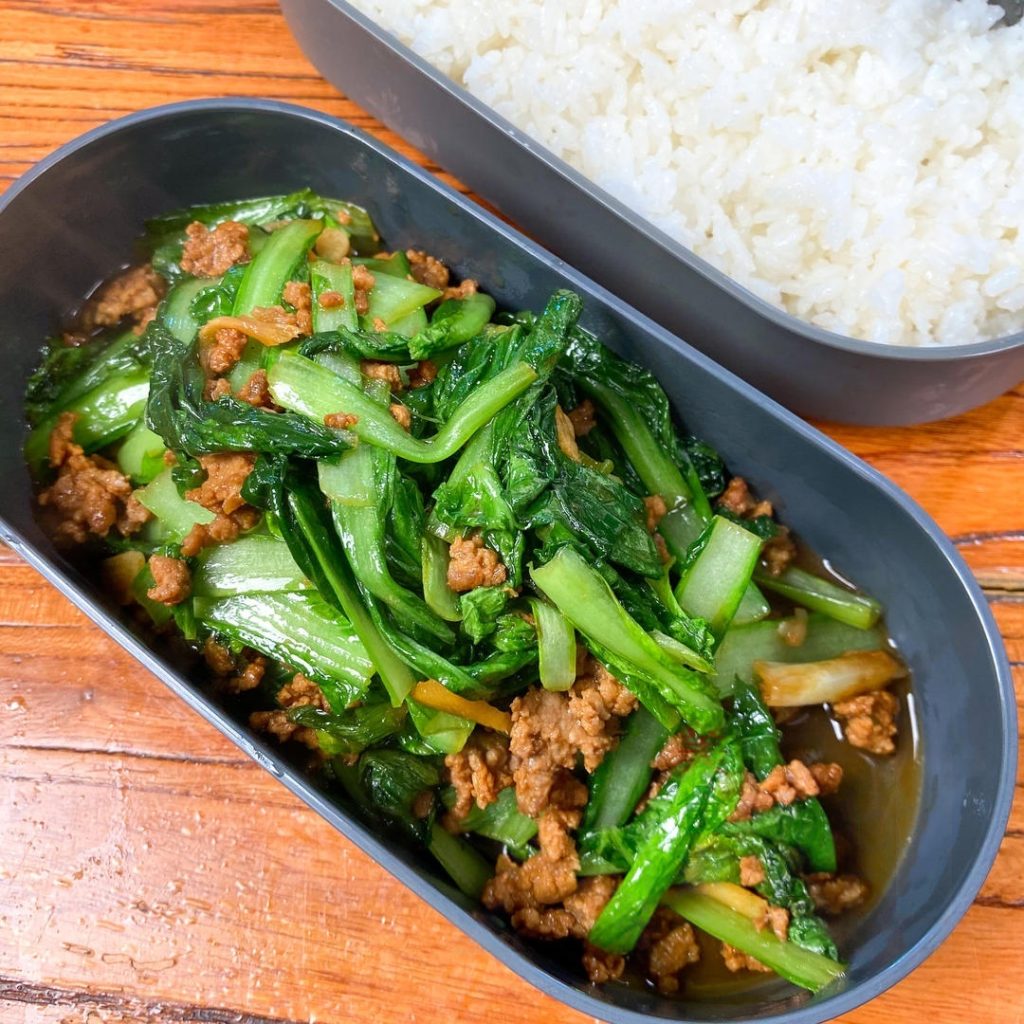
I remember my mother making this for my school lunches (“dai fan”) frequently. It travels incredibly well, reheating without losing too much texture, and it provides a perfect nutritional balance of protein and greens. It is savory, tender, and incredibly appetizing. It’s the kind of dish that makes you fall in love with eating leafy greens, turning a humble vegetable into a bowl-scraping meal when paired with steamed rice.
If you enjoyed my recipe for Stir-Fried Baby Napa Cabbage, you will find this dish just as satisfying but even faster to prepare.
What is Minced Pork with Baby Bok Choy?
This dish is a staple Chinese home-style stir-fry (jiachang cai). It combines Xiao Bai Cai (often sold as Baby Bok Choy or Shanghai Bok Choy in the West) with ground pork. The pork provides a savory, umami-rich base that coats the leaves, while the greens offer a refreshing crunch and sweetness.
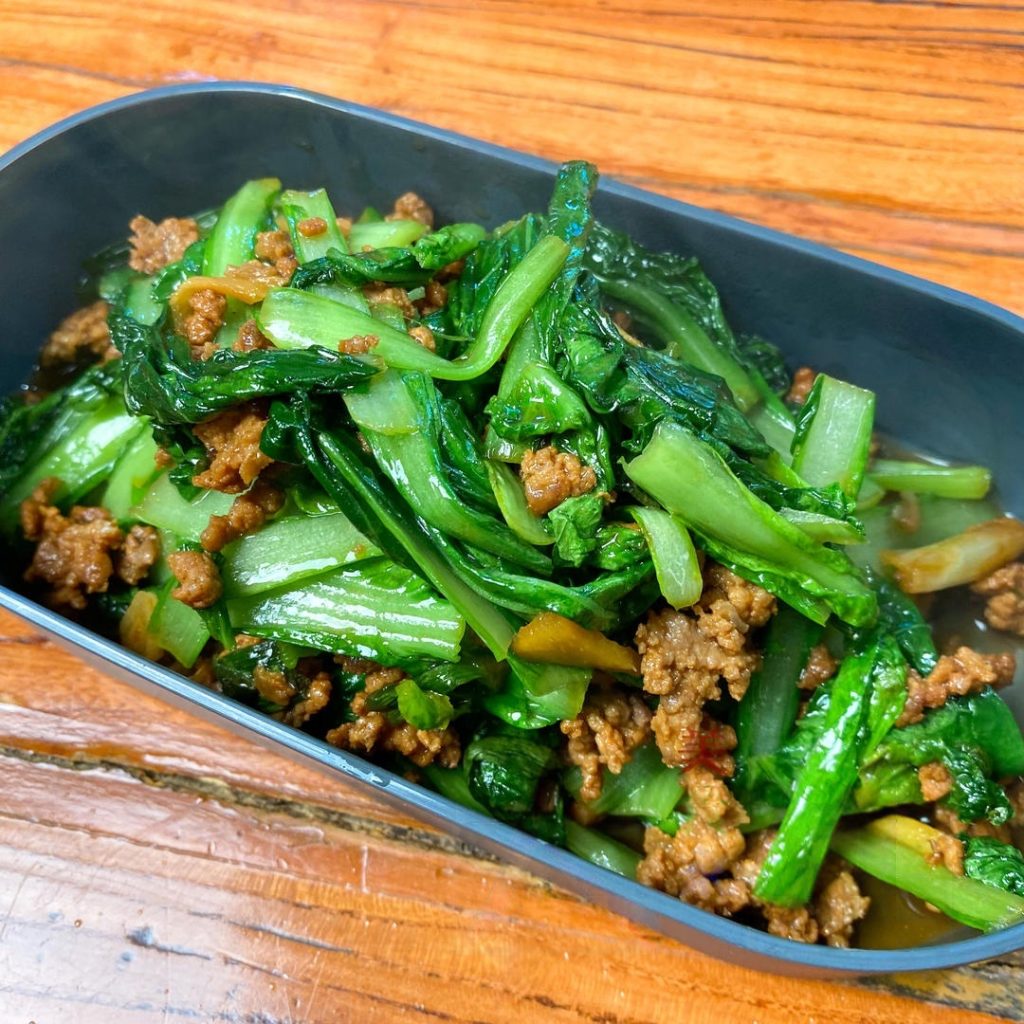
Unlike heavy braises, this is a quick stir-fry. The goal is to keep the vegetables vibrant green and tender-crisp, not mushy. It uses a “qiang guo” technique—aromatics hitting hot oil—to build a flavor base before the meat and vegetables are added.
Why This Recipe Works (Test Kitchen Notes)
Through my years of professional cooking and testing this recipe in my home kitchen, here is why this specific method succeeds:
- Texture Contrast: By sautéing the pork until it turns white and slightly crisp before adding the greens, we ensure the meat retains a distinct texture rather than steaming in the vegetable juices.
- The “Lard” Secret: The original recipe suggests lard for the best flavor. Animal fat coats the vegetable leaves, creating a glossy sheen and a depth of richness vegetable oil cannot match. However, neutral oil works perfectly fine for a lighter version.
- High Heat Efficiency: Cooking the greens on high heat evaporates excess moisture quickly, preventing the dreaded pool of water at the bottom of the plate.
Key Ingredients & Substitutions
Before we head to the stove, let’s check your pantry.
- Pork Mince (Ground Pork): Use pork with a bit of fat (80/20 ratio) for the juiciest results. If you want a lighter option, ground chicken or turkey works, though pork is traditional.
- Baby Bok Choy (Xiao Bai Cai): Look for fresh, firm stalks with bright green leaves. You can find these at Asian markets or most major supermarkets like Whole Foods.
- Substitutions: If you can’t find baby bok choy, Choy Sum or Spinach (added at the very last second) are good alternatives.
- Aromatics: Fresh Ginger, Garlic, and Scallion (Green Onion) are the “holy trinity” of Chinese stir-fries.
- Light Soy Sauce: Provides the salty, savory umami flavor. Brands like Pearl River Bridge or Kikkoman are reliable.
- Dark Soy Sauce: Used primarily for color. It gives the pork that appetizing amber hue. If you don’t have it, you can skip it, but the meat will look paler.
- Cooking Fat: The recipe recommends Lard for the most authentic fragrance. However, everyday neutral oils like canola, vegetable, or avocado oil are perfectly safe and healthy alternatives.
- MSG: A tiny pinch adds incredible umami. Note: If you are sensitive to MSG, you can omit it or use a splash of chicken stock or mushroom powder instead.
💡 Shopping Tip: When buying bok choy, check the bottom of the stems. They should be white or light green, not brown or slimy.
Recipe Notes Before You Begin
- Wash Thoroughly: Bok choy often traps dirt near the root. I recommend separating the leaves or cutting the stems and soaking them in cold water for 10 minutes before rinsing.
- Dry the Greens: This is crucial. Wet vegetables will lower the pan temperature and steam rather than stir-fry. Use a salad spinner or pat them dry with paper towels.
- Prep Ahead: Stir-frying happens fast. Have your ginger, garlic, and scallions chopped and your sauces measured before you turn on the heat. This concept, Mise en place, is essential in professional kitchens.
Equipment Needed
- Wok or Large Skillet: A carbon steel wok is ideal for “wok hei” (breath of the wok), but a large stainless steel or non-stick skillet works well for home cooking.
- Spatula: A metal wok spatula or a sturdy wooden spoon.
How to Make Minced Pork with Baby Bok Choy
Step 1: Mise en Place (Prep Work)
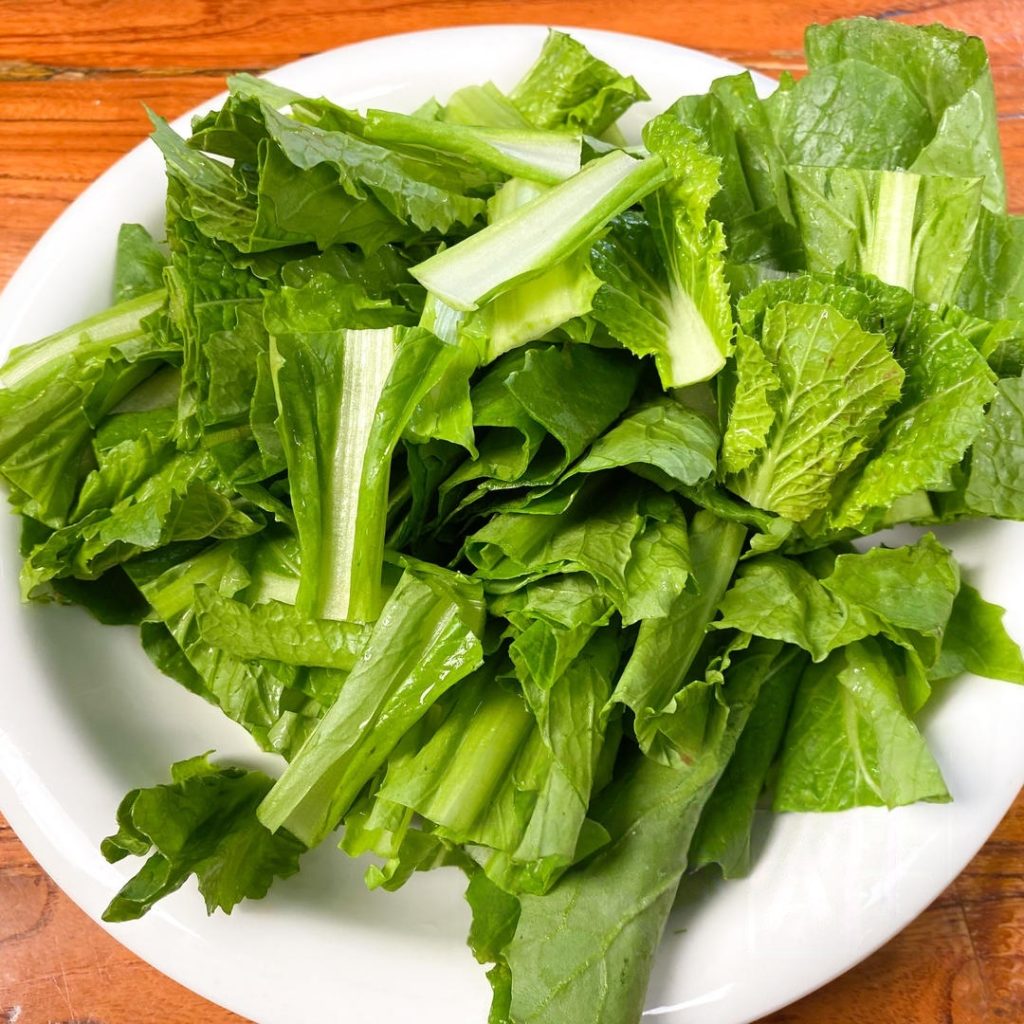
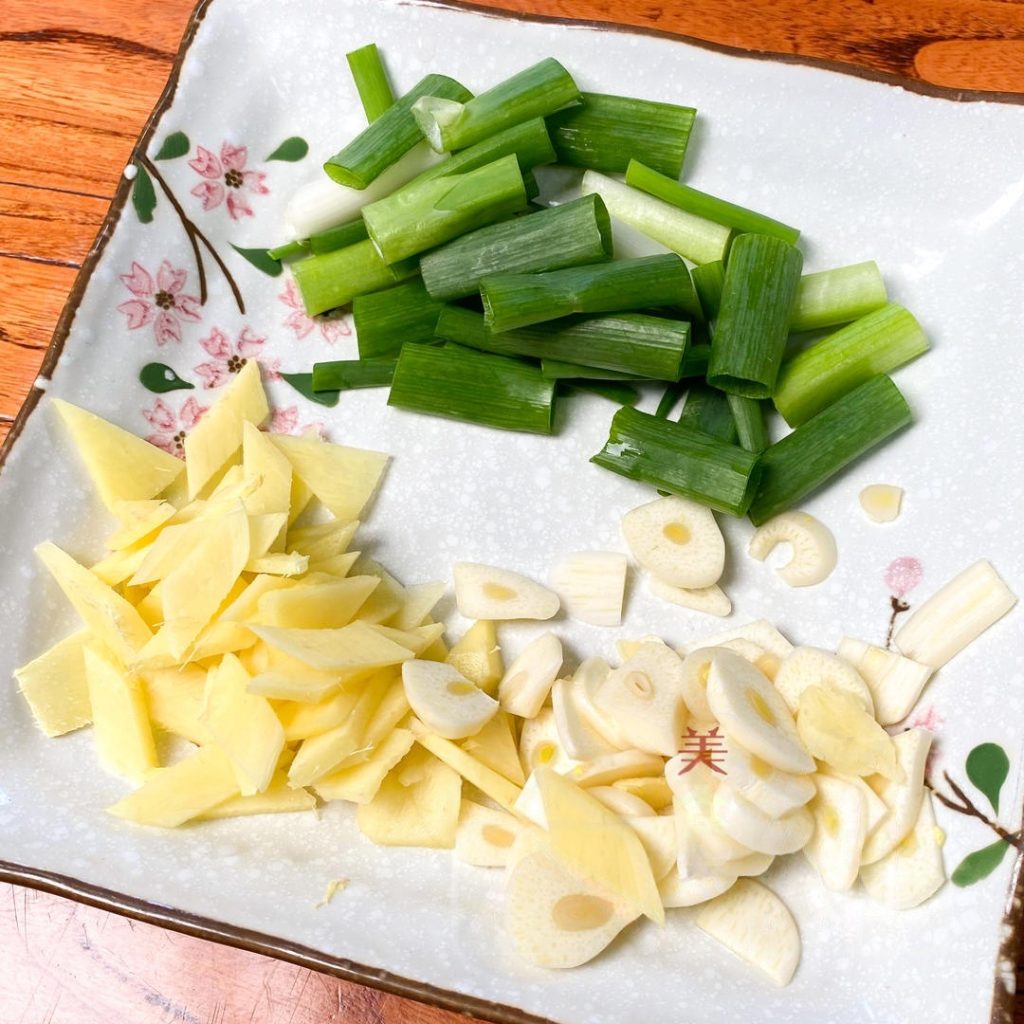
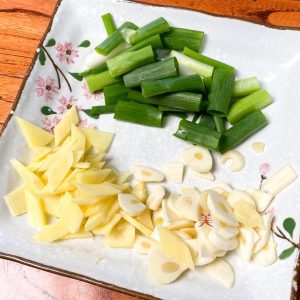
Wash the 8 oz (250g) of baby bok choy thoroughly. Cut them into small, bite-sized sections (about 1-2 inches long). Slice the ginger and garlic into thin slices or mince them. Cut the scallion into small rounds.
Step 2: Sauté the Aromatics
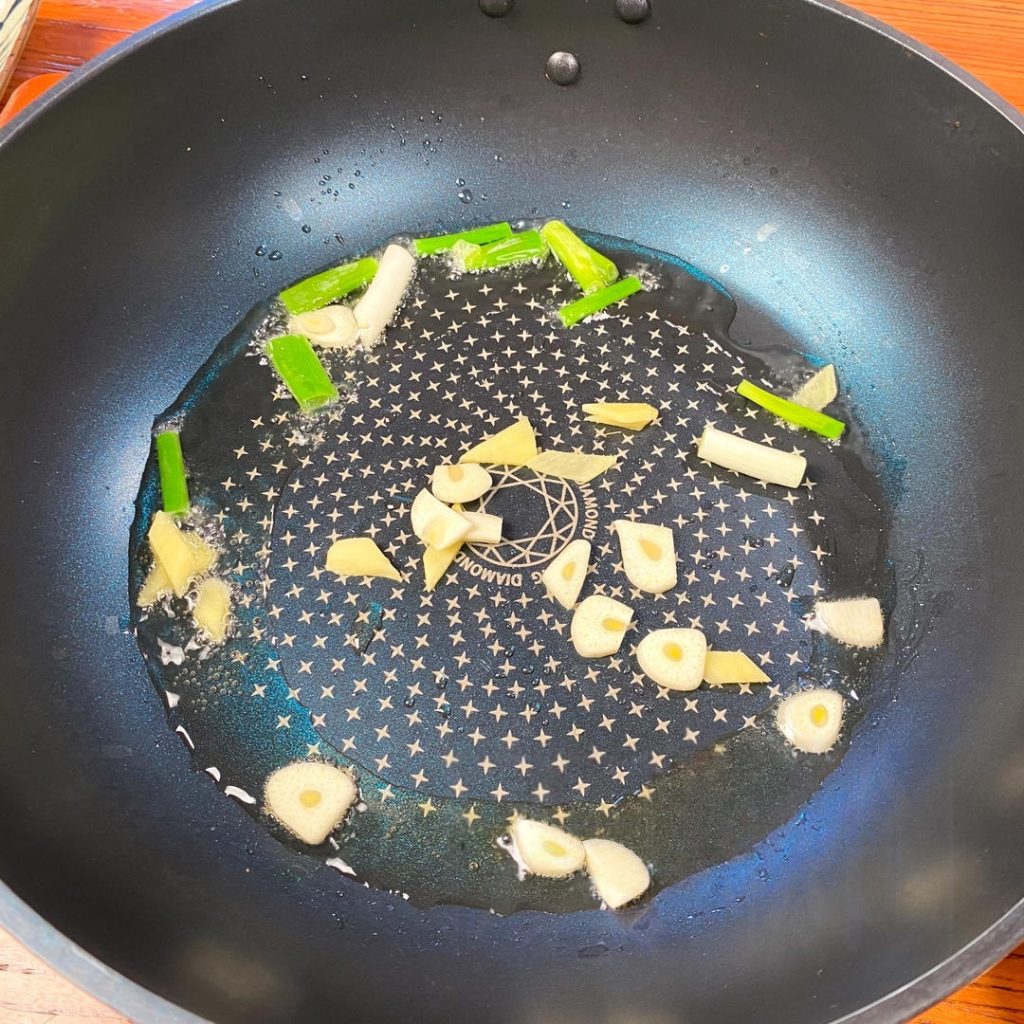
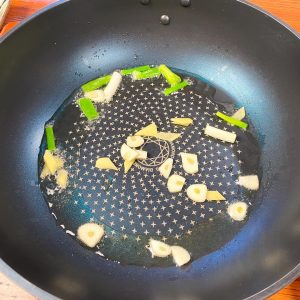
Place your wok or skillet over medium-high heat. Add about 2 tablespoons of oil (or lard). When the oil is shimmering and hot, add the scallion, ginger, and garlic. Stir-fry briefly until fragrant, about 30 seconds. Do not let the garlic burn.
Step 3: Cook the Pork
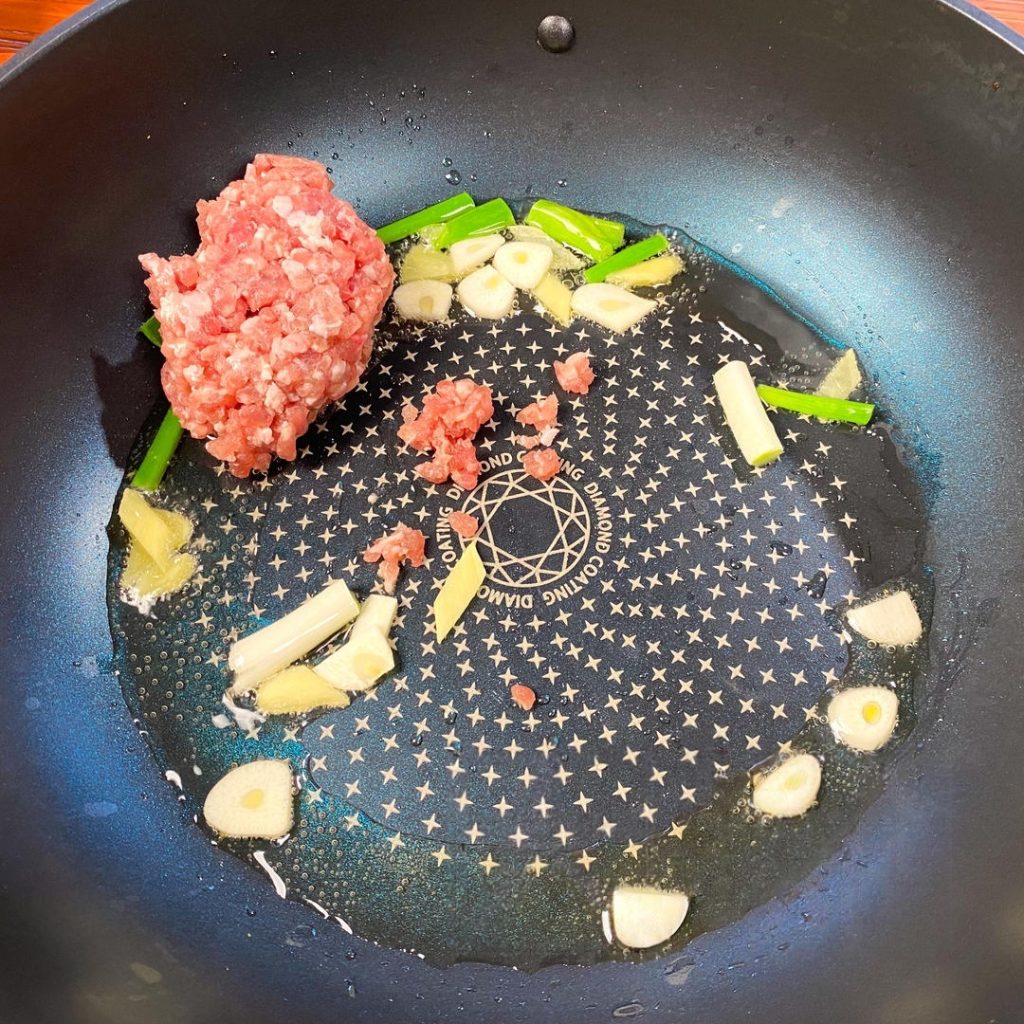
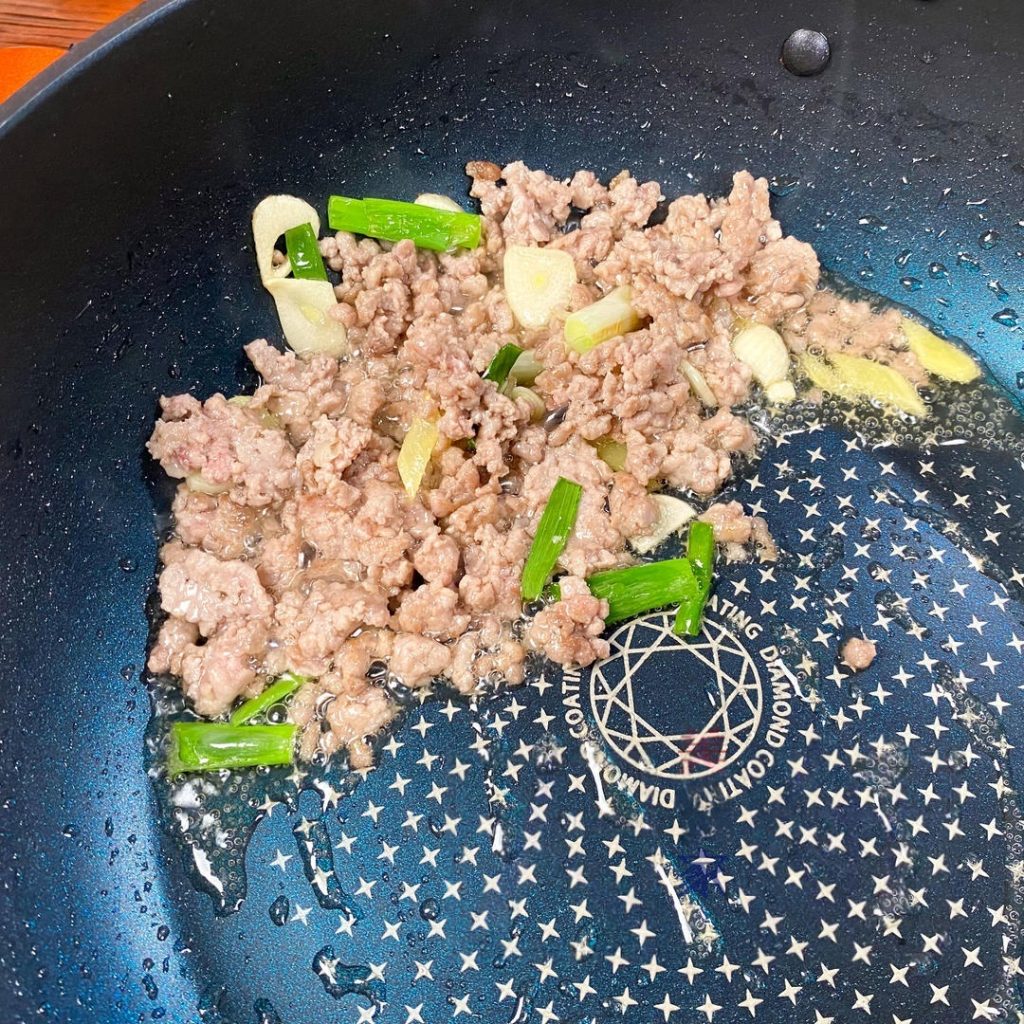
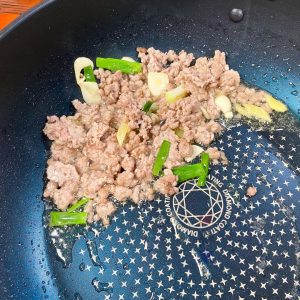
Add the 3.5 oz (100g) of minced pork to the pan. Use your spatula to break up the meat immediately so it doesn’t form a large lump. Stir-fry until the pork turns pale white and is no longer pink.
Why this matters: Cooking the pork until the fat renders slightly adds flavor to the oil, which then flavors the vegetables.
Step 4: Season the Meat
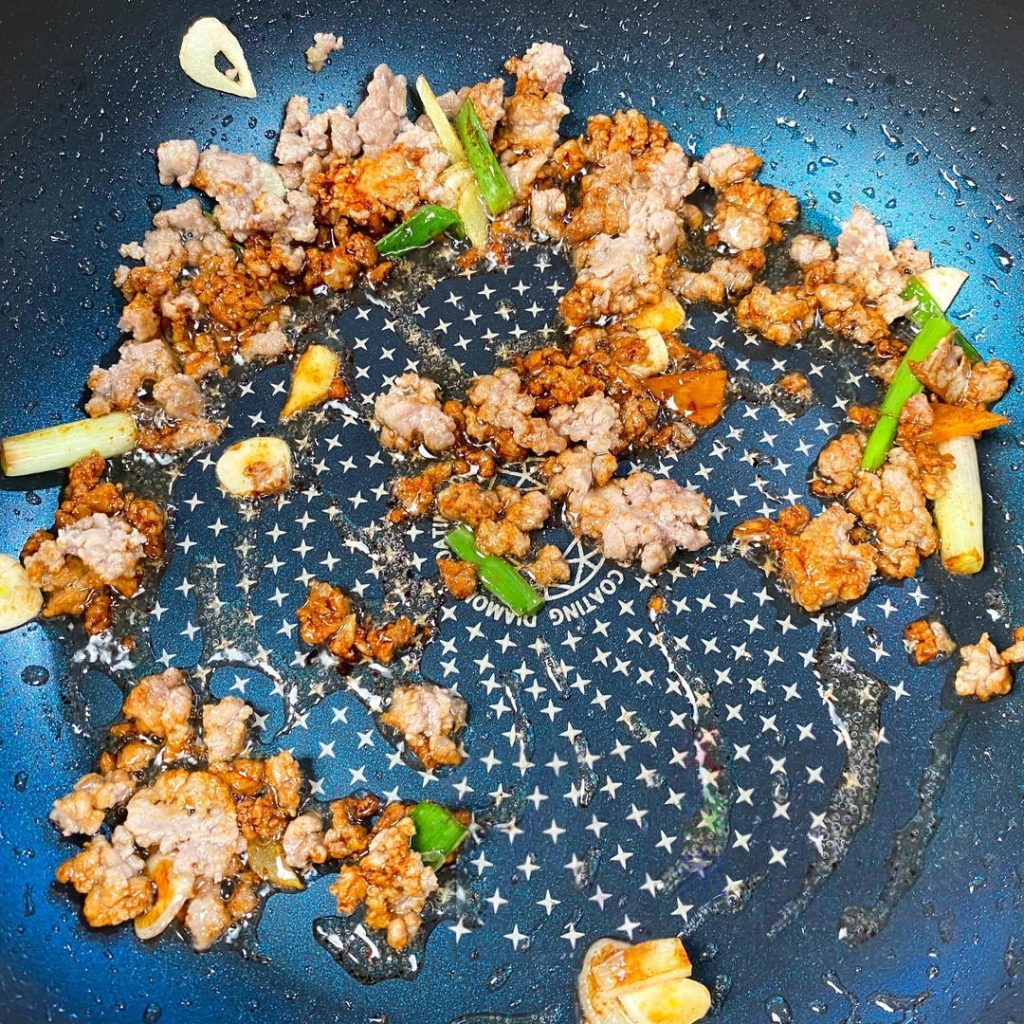
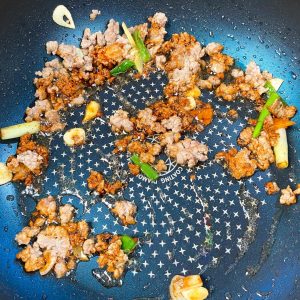
Add 1 tsp Light Soy Sauce and 1 tsp Dark Soy Sauce to the pork. Stir well to coat the meat evenly. The pork should take on a delicious brown color.
Step 5: Stir-fry the Greens
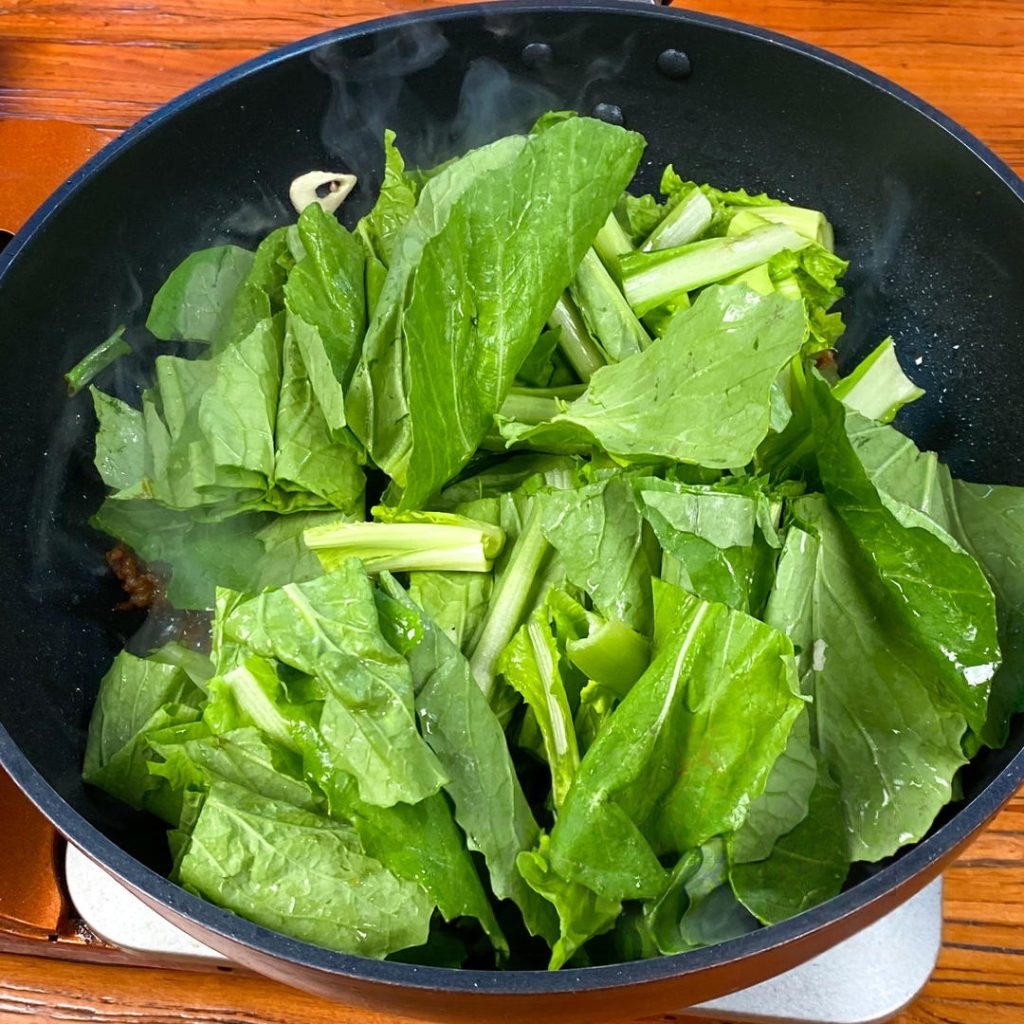
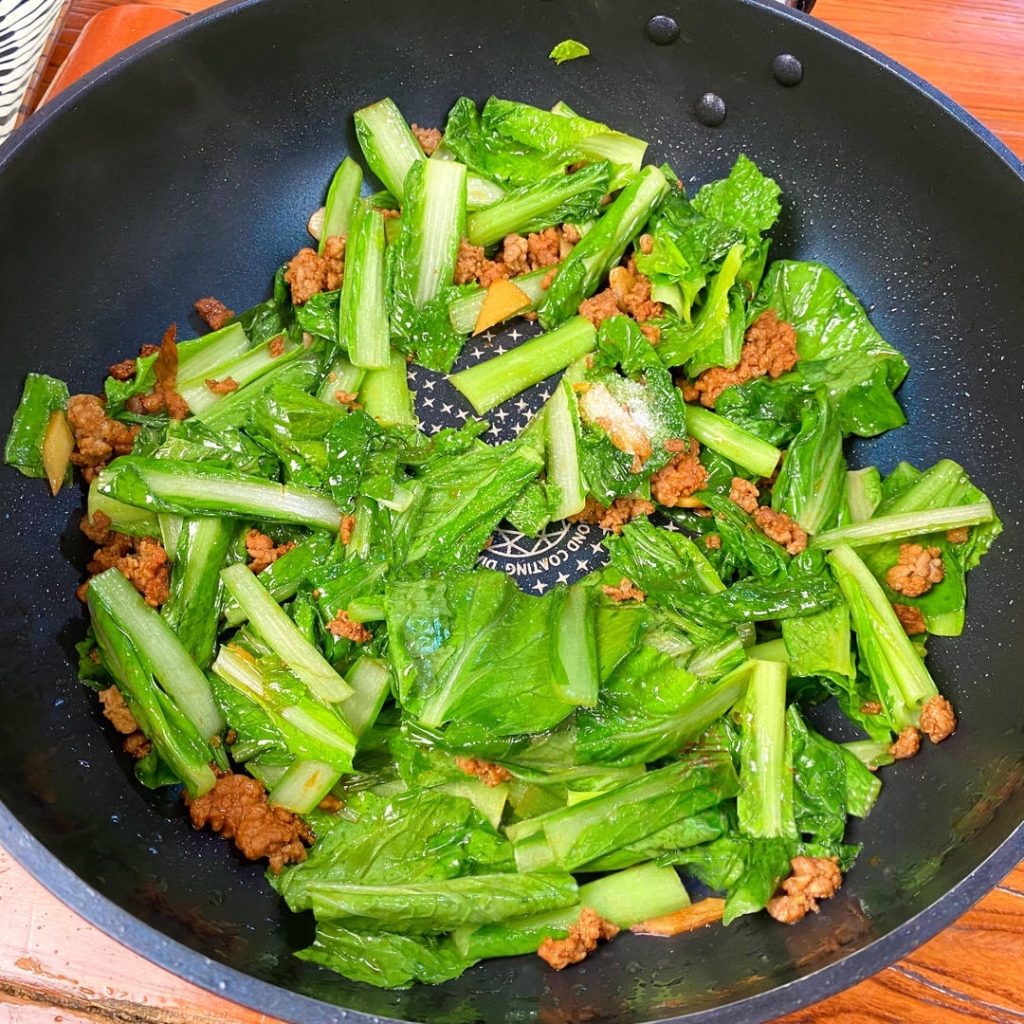
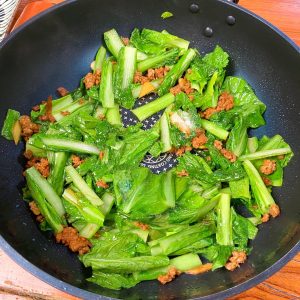
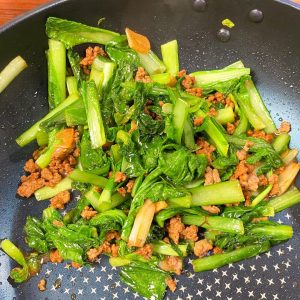
Turn the heat up to high. Add the cut bok choy to the pan. Stir-fry vigorously. The leaves will look voluminous at first but will wilt down quickly. Cook until the stems are tender-crisp and the leaves are soft, usually about 1-2 minutes.
Step 6: Final Seasoning
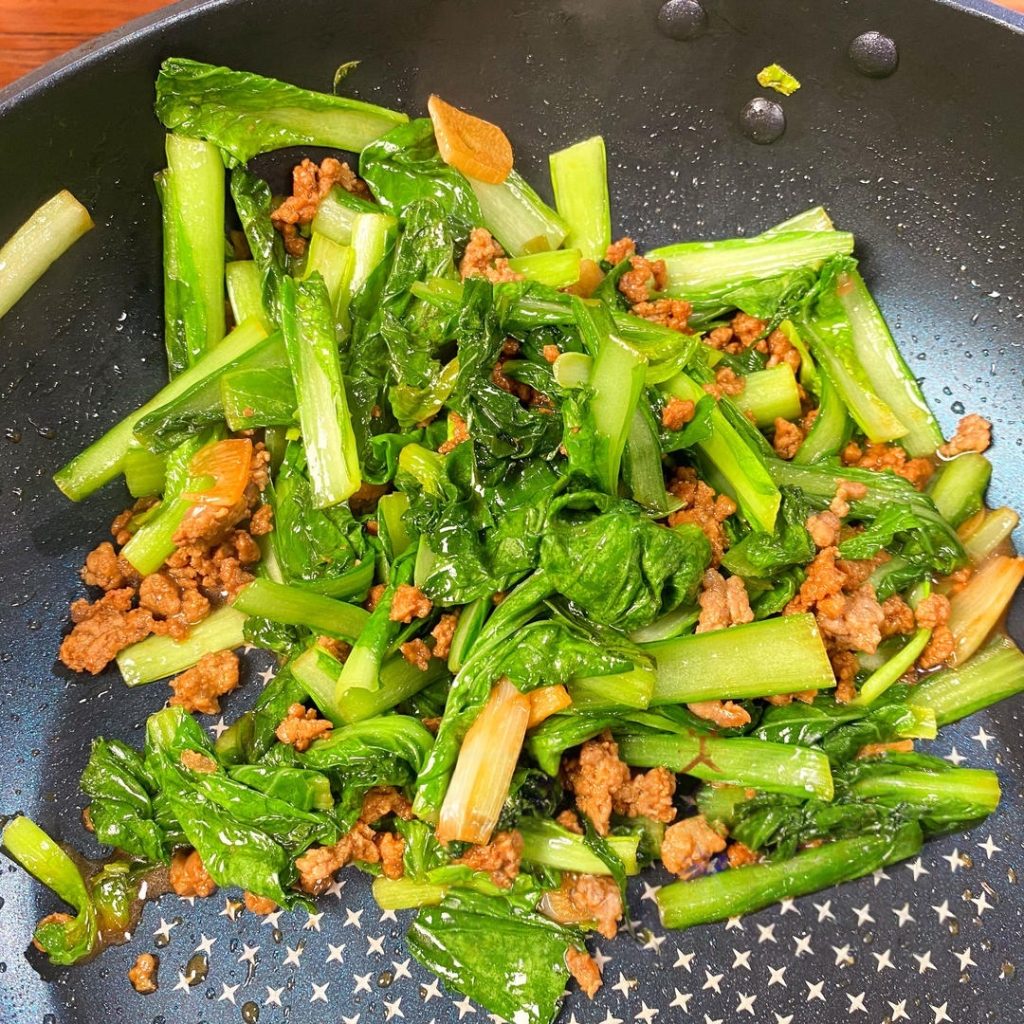
Sprinkle in 1/2 tsp of salt and a pinch of MSG (optional). Stir-fry for another 30 seconds to ensure the seasonings are evenly distributed.
Step 7: Serve
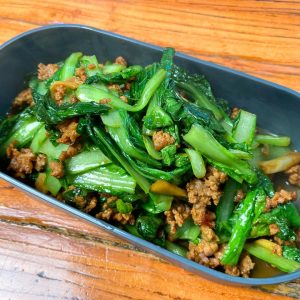
Remove from heat immediately and transfer to a serving plate. Serve hot with steamed rice.
Tips for Success
- Don’t Overcook: Bok choy stems should retain a little snap. If they turn mushy, they lose their refreshing quality.
- High Heat: When adding the vegetables, keep the heat high to evaporate moisture. If water pools in the pan, your heat is too low or the pan is too crowded.
- Garlic Lover? You can add half the garlic at the beginning and the other half at the very end for a stronger garlic punch, a technique often used in Minced Pork Noodles.
FAQ & Troubleshooting
Q: Why did my dish turn out watery? A: This usually happens if the bok choy wasn’t dried properly after washing, or if the pan wasn’t hot enough. Next time, ensure the veggies are dry and use the highest heat setting on your stove when adding greens.
Q: Can I make this vegetarian? A: Absolutely. You can swap the pork for firm tofu crumbles or chopped shiitake mushrooms. Swap the oyster/fish elements (if any) for vegetarian stir-fry sauce.
Q: Is lard healthy? A: In moderation, lard is a traditional fat used in Chinese cooking that provides superior flavor and texture. However, if you are watching saturated fat intake, avocado oil or peanut oil are excellent high-heat substitutes.
Serving Suggestions
This dish is a classic “Xia Fan Cai” (rice-downing dish). It pairs beautifully with:
- Main: A bowl of steamed jasmine rice.
- Soup: Tomato Egg Drop Soup for a complete comfort meal.
- Side: If you want something spicy to contrast the mild greens, try Smashed Cucumber Salad.
Food Safety & Storage
- Cooking Temp: Ensure ground pork reaches an internal temperature of 160°F (71°C).
- Storage: Leftovers can be stored in an airtight container in the refrigerator for up to 3 days. This dish reheats well in a microwave or on the stovetop.
- Freezing: I do not recommend freezing cooked bok choy as the texture will become mushy upon thawing.
About the Author & Recipe Development
I grew up in the kitchens of Sichuan, watching my parents transform simple market ingredients into feasts. Later, I trained professionally at a culinary institute in China before cooking in restaurants for over a decade. This recipe is based on the specific method my family used—prioritizing the “wok hei” and the layering of soy sauces—but adapted for the home kitchen with standard measurements. I have tested this recipe on both gas ranges and electric coil stoves to ensure it works for everyone.
Authoritative References
- For guidelines on cooking pork safely, refer to the USDA Food Safety and Inspection Service.
- Learn more about the nutritional benefits of cruciferous vegetables like bok choy from the Harvard T.H. Chan School of Public Health.
Minced Pork with Baby Bok Choy (Rou Mo Xiao Bai Cai)

Equipment
- 1 Wok or large skillet Carbon steel preferred for wok hei
- 1 Spatula
Ingredients
Main Ingredients
- 3.5 oz ground pork (approx. 100g)
- 8 oz baby bok choy (approx. 250g), washed and cut into sections
Aromatics
- 1 stalk scallion cut into small rounds
- 1 slice ginger small piece, minced or sliced
- 5 cloves garlic sliced or minced
Seasonings
- 2 tbsp cooking oil Lard is recommended for fragrance, or use neutral oil
- 1 tsp light soy sauce adjust to taste
- 1 tsp dark soy sauce for color
- 0.5 tsp salt approx. 1/4 ceramic spoon
- 1 pinch MSG optional, to taste
Instructions
- Wash the baby bok choy thoroughly and cut into small sections. Slice the ginger and garlic, and cut the scallion into small segments.

- Heat 2 tablespoons of oil (or lard) in a wok or skillet over medium-high heat. Once hot, add the scallion, ginger, and garlic. Stir-fry briefly until fragrant.
- Add the minced pork to the pan. Stir-fry, breaking up any clumps, until the meat turns white/pale.
- Add 1 tsp light soy sauce and 1 tsp dark soy sauce to the pork. Stir well to coat the meat evenly.
- Turn heat to high. Add the bok choy. Stir-fry vigorously until the leaves soften but stems remain tender-crisp (about 1-2 minutes).
- Add 1/2 tsp salt and a pinch of MSG (if using). Stir-fry for another 30 seconds to mix flavors.
- Remove from heat and serve immediately with steamed rice.
Notes
Calories: 280 kcal
Carbohydrates: 6g
Protein: 14g
Fat: 23g
Sodium: 650mg



Leave a Reply