This is one of those dishes I could eat every single day. Growing up as a Sichuan girl in my family’s restaurant, I saw my father—a chef of 30 years—craft all the elaborate, famous dishes like Kung Pao Chicken and complex braises. But at home, for our own meals, the food we craved was simple, fast, and intensely flavorful.

We have a special term for dishes like this: xià fàn (下饭), which literally means “down rice.” It’s a “rice killer.” A dish so savory and delicious that you just can’t stop eating bowl after bowl of steamed rice.
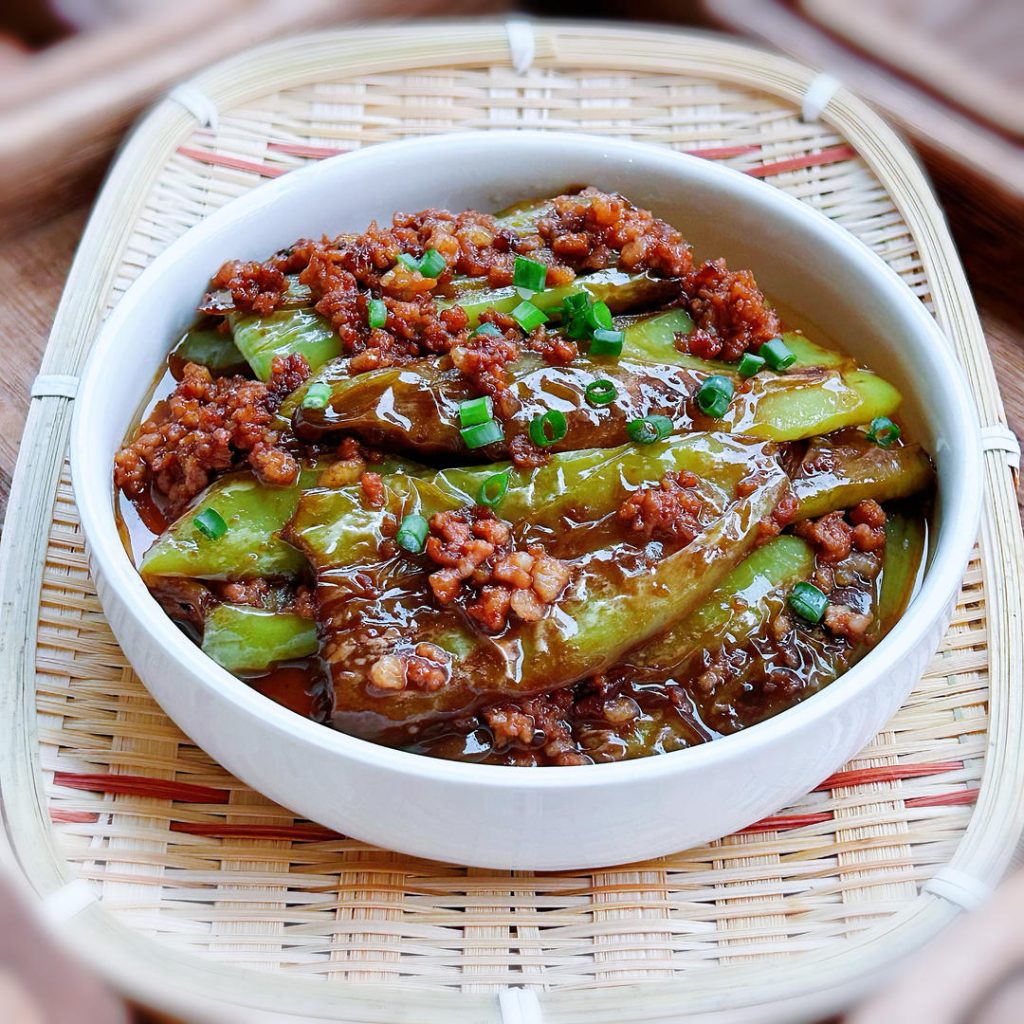
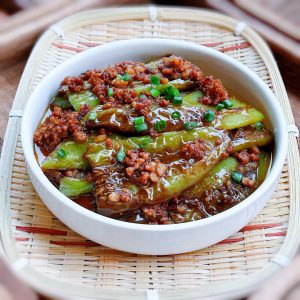
This Braised Tiger Skin Pepper with Minced Pork, or Hǔ Pí Qīng Jiāo (虎皮青椒), is the king of “rice-killer” dishes for me. It’s not a famous restaurant dish, but it’s pure Chinese home-cooking magic. The peppers are blistered and smoky, and the juicy, savory pork bits cling to every bite. It’s my ultimate comfort food, and it comes together in about 15 minutes.
What Are Tiger Skin Peppers (虎皮青椒, Hǔ Pí Qīng Jiāo)?
The name of this dish is wonderfully descriptive. “Hǔ Pí” (虎皮) means “Tiger Skin.” This doesn’t come from an ingredient, but from a cooking technique!
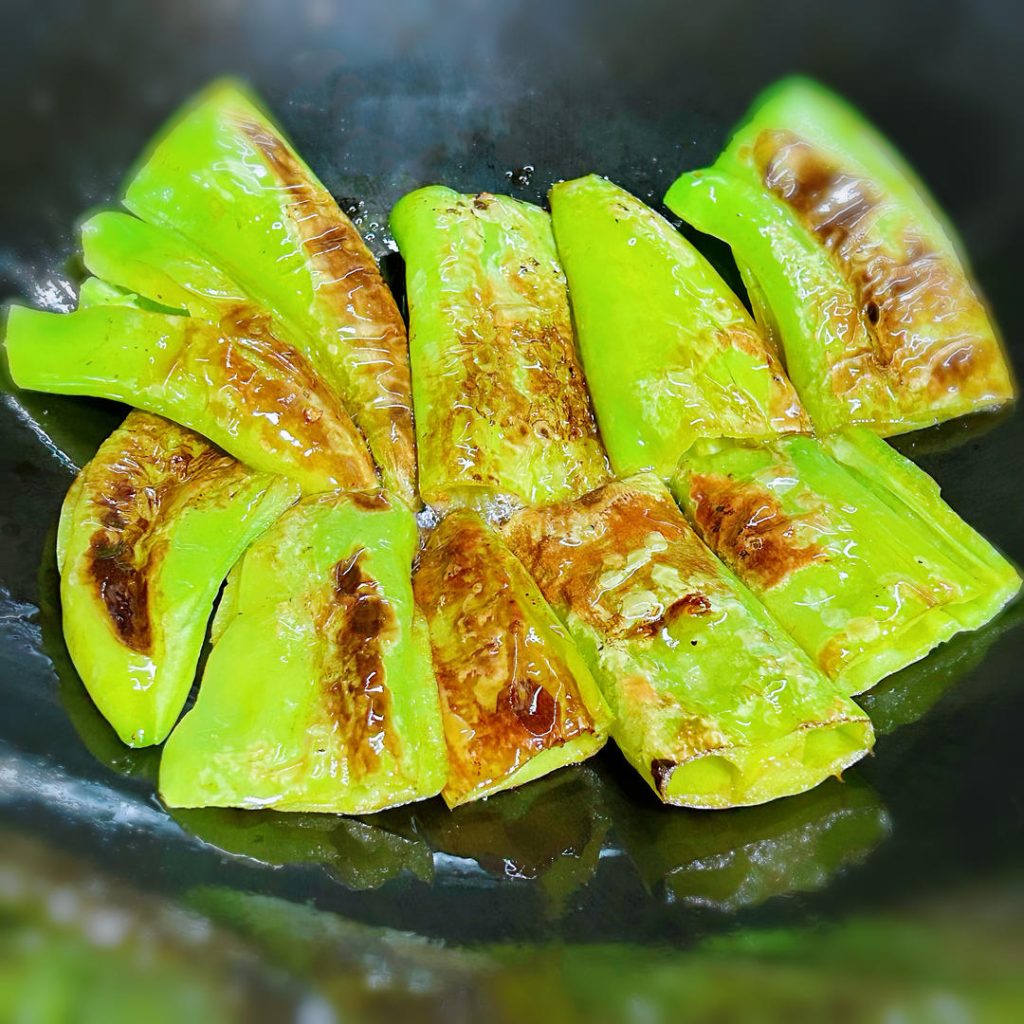
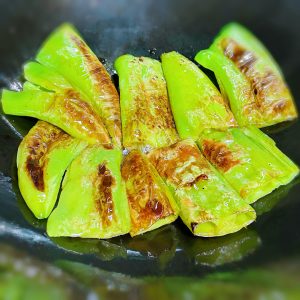
The “tiger skin” is the beautiful, wrinkled, charred pattern that forms on the peppers. You get this effect by dry-frying the peppers in a hot wok without oil first. This essential step, called kàng (炕), sears the pepper, removes its raw, grassy moisture, and coaxes out a smoky, sweet flavor. The skin blisters and chars in spots, creating the beautiful “tiger stripes.”
Only after this blistering do we add oil to fry them, then braise them in a simple, savory sauce with a little bitof minced pork for richness.
Why You’ll Love This Recipe
- Incredible Flavor from Simple Ingredients: The magic here is the technique, not a long list of fancy ingredients. It’s savory, smoky, and utterly addictive.
- A “Rice-Killer” Dish: This is the perfect example of a xià fàn (下饭) dish. The savory sauce and smoky peppers are literally built to be eaten with steamed rice.
- Super Fast: Once your prep is done, the dish cooks in less than 10 minutes, making it perfect for a weeknight dinner.
- Learn a Key Chinese Technique: You’ll master the “tiger skin” (dry-frying) technique, which you can use on other vegetables like long beans, too.
Ingredients
This recipe uses a “less-is-more” approach. The measurements are simple, so feel free to adjust to your taste.
(Serves 2-3 with rice)
For the Pork Marinade:
- 1.7 oz (50g) Minced Pork: (About 1/4 cup). This is a very small amount! In many homestyle Chinese dishes, meat is used as a flavor-boosting garnish, not the main event.
- 1 tsp Light Soy Sauce
- 1 tsp Cornstarch
- 1/4 tsp White Pepper: (Black pepper works in a pinch, but white pepper is more traditional).
- 1 tsp Cooking Oil
For the Stir-Fry:
- 5-6 Long Green Peppers: (See note below).
- 2 tbsp Cooking Oil: (e.g., canola, vegetable, peanut).
- 1 Star Anise: This adds a wonderful, subtle, warm-licorice aroma. Don’t skip it!
For the Sauce:
- 2 tbsp Light Soy Sauce: For savory umami. (Use Kikkoman, Pearl River Bridge, or your favorite brand).
- 1 tbsp Oyster Sauce: For a touch of savory sweetness and to thicken the sauce. (Lee Kum Kee is a common brand).
- 1/4 tsp Chicken Bouillon Powder (or MSG): This is the “restaurant secret” for a boost of umami. It’s optional, but recommended for that authentic homestyle taste.
- 1/4 cup (about 60ml) Water
A Note on Peppers: The Most Important Choice
To get the “tiger skin” effect, you cannot use standard green bell peppers. Their skin is too thick and waxy, and they contain too much water. They will just steam and turn mushy.
You need thin-skinned peppers. The best choices are:
- Ideal: Asian Long Green Peppers (available at most Asian markets).
- Great Mild Substitutes: Anaheim or Cubanelle peppers.
- A Bit Spicier: Hungarian Wax or Poblano peppers.
- Very Spicy (If you’re brave!): Jalapeño or Serrano peppers (just use more of them).
What You Will Need (Equipment)
- A Wok: A 14-inch carbon steel wok is best for getting the wok hei (smoky breath of the wok) and for the dry-frying technique.
- A Skillet: If you don’t have a wok, a large (12-inch) cast-iron or heavy-bottomed stainless steel skillet will also work. A non-stick skillet is less ideal as it’s hard to get the intense char.
- 2 Small Bowls: One for the pork marinade, one for the sauce.
How to Make Tiger Skin Peppers with Pork (Step-by-Step)
The key to any stir-fry is preparing all your ingredients before you turn on the stove. This is called mise en place. The cooking process is very fast!
1. Mise en Place (Get Ready)
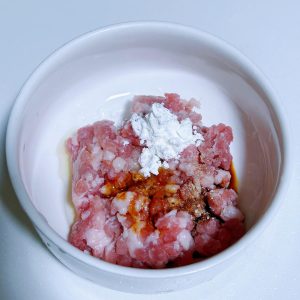
- Marinate Pork: In a small bowl, combine the minced pork, 1 tsp light soy sauce, 1 tsp cornstarch, 1/4 tsp white pepper, and 1 tsp oil. Mix well and set aside.Why? This is a simple “velveting” method. The cornstarch locks in the pork’s moisture, ensuring it stays tender and juicy even when flash-fried.

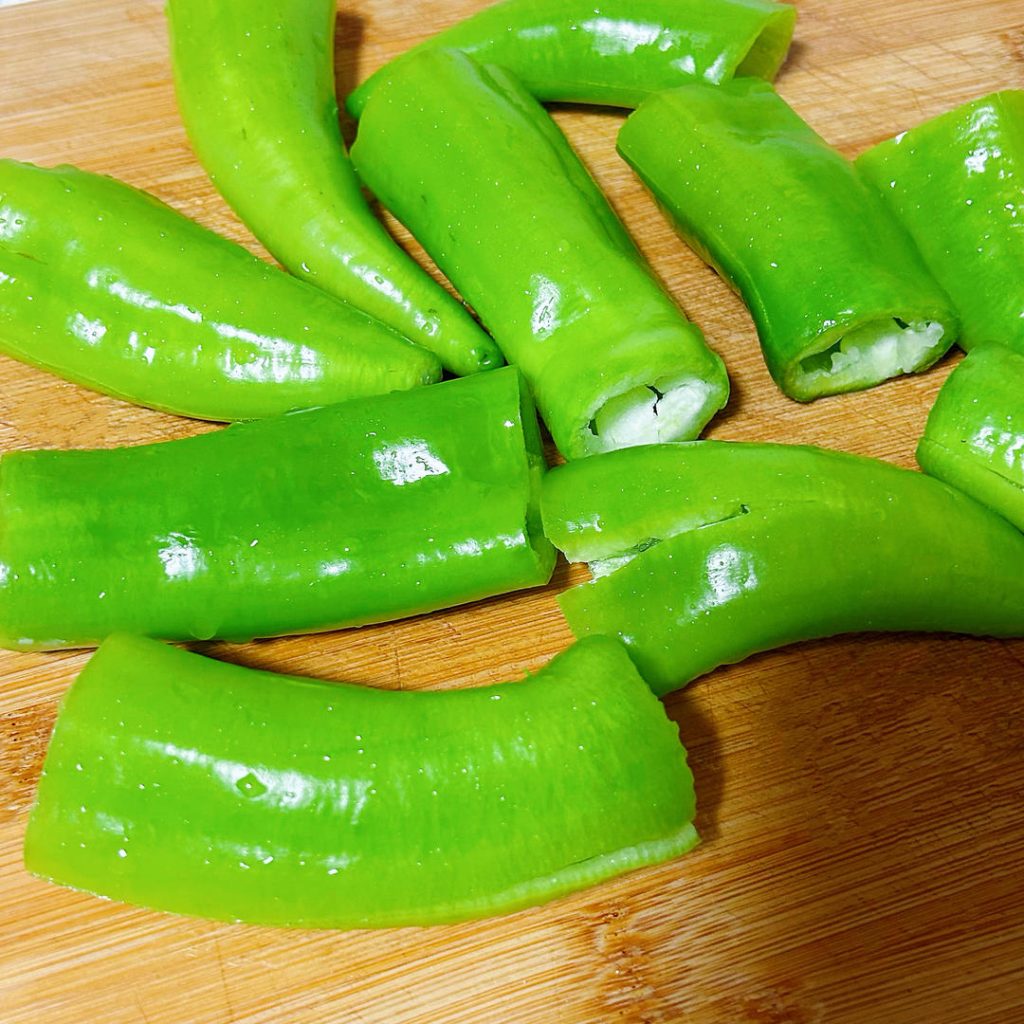
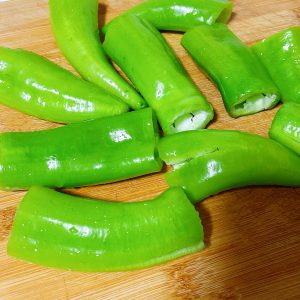
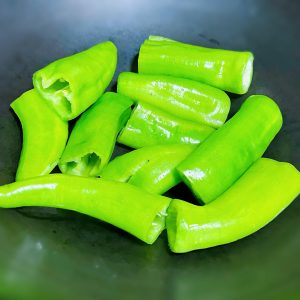
- Prep Peppers: Wash the green peppers. Cut off the stems and remove the seeds. The original recipe calls for pāi sàn (拍散), which means lightly “smashing” them with the side of your knife, similar to how you’d make Smashed Cucumber Salad. This breaks the fibers and helps them blister and absorb sauce. You can also just cut them into 2-inch pieces.
- Mix Sauce: In another small bowl, whisk together the 2 tbsp light soy sauce, 1 tbsp oyster sauce, 1/4 tsp chicken bouillon (if using), and 1/4 cup water. Set this right next to your stove.
2. Cooking Process (Under 10 Minutes)
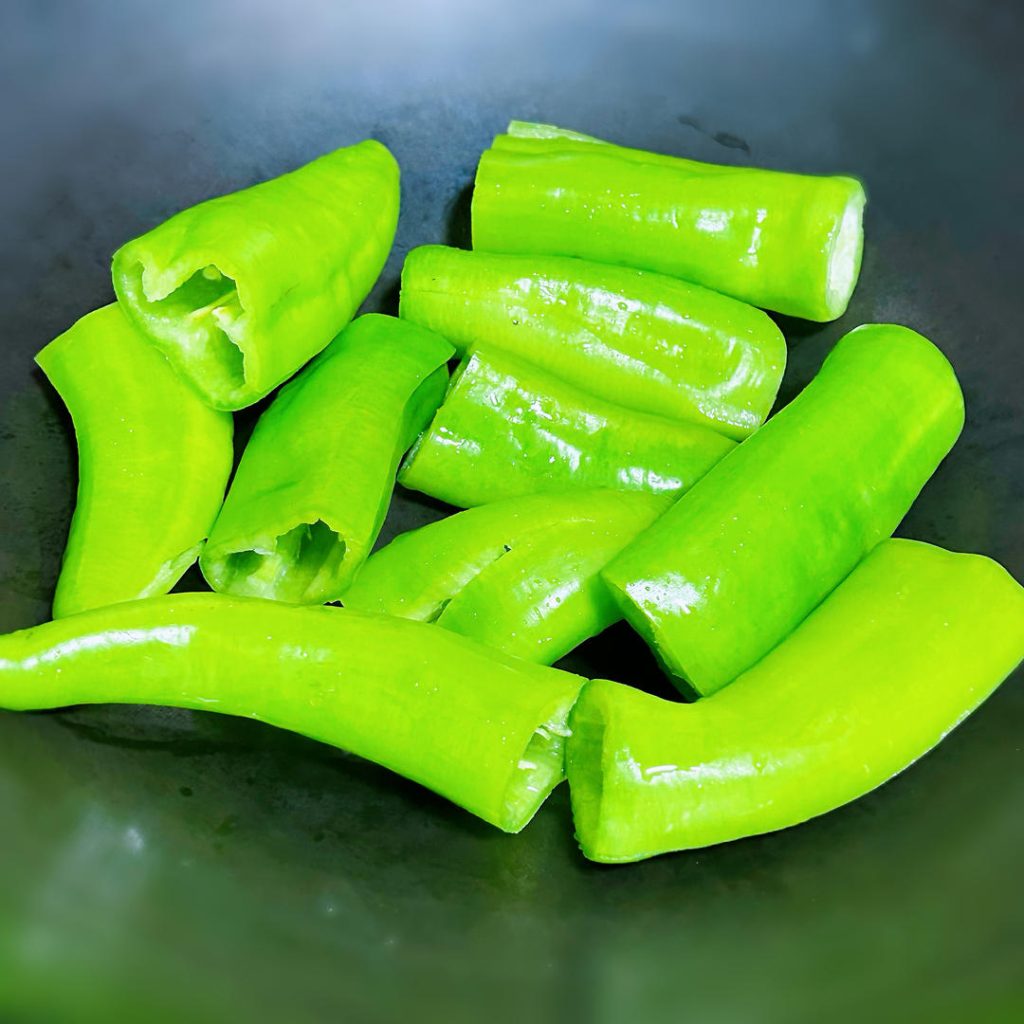
- Dry-Fry the Peppers (Get the Tiger Skin): Place your wok or skillet over medium-high heat. Do NOT add oil. When the wok is hot, add the prepared peppers in a single layer. Press them down with your spatula. Let them cook for 3-5 minutes, pressing and turning occasionally, until the skins start to blister, char, and “wrinkle” all over. This is the “tiger skin”!
- Fry the Peppers: Add the 2 tbsp of cooking oil and the single star anise. Stir-fry the peppers in the oil for another 2-3 minutes, until they are soft and the char is well-developed.
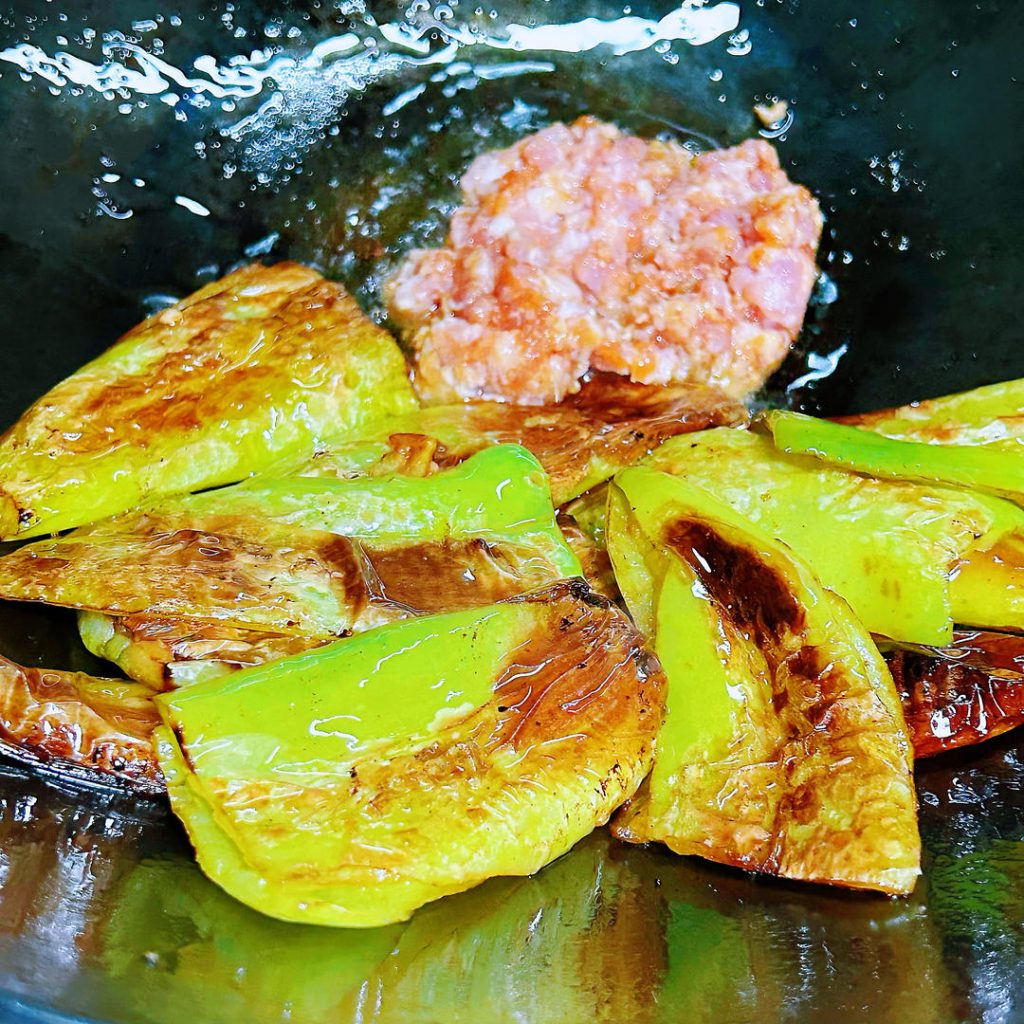
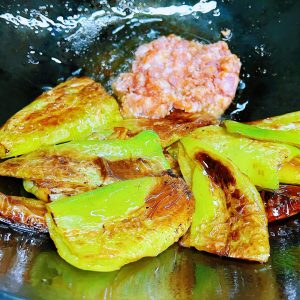
- Cook the Pork: Push the peppers up to the side of the wok (or, if you’re a beginner, just remove them to a plate temporarily). Add the marinated minced pork to the empty, oily space. Let it sit for 30 seconds to brown, then use your spatula to break it apart and stir-fry until it’s just cooked through (about 1-2 minutes).
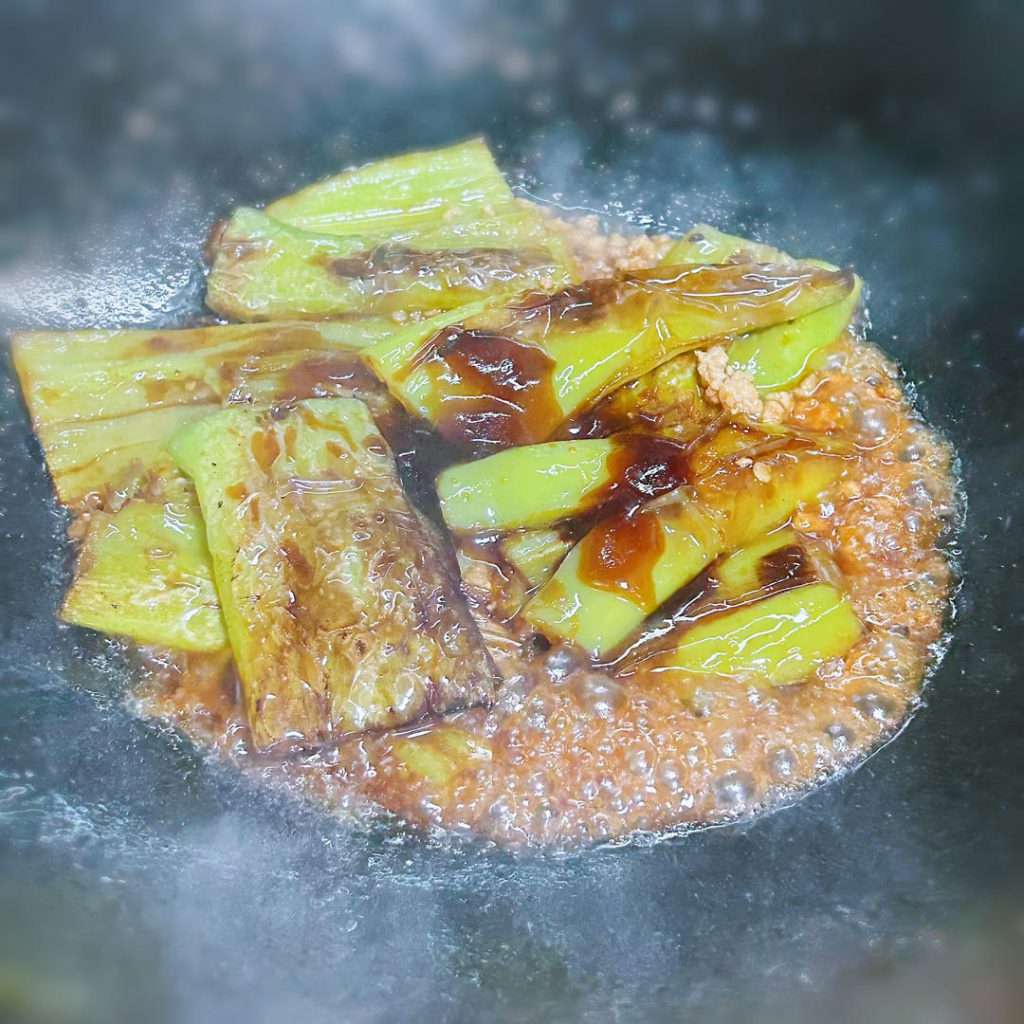
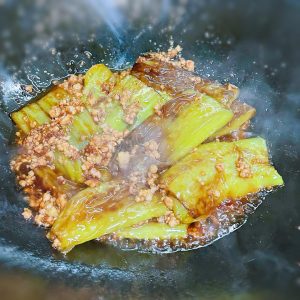
- Braise and Finish: Add the peppers back to the wok (if you removed them) and mix with the pork. Give your pre-mixed sauce a quick stir (the cornstarch from the pork marinade might be in there, or the oyster sauce is thick) and pour it all into the wok. It will sizzle immediately.
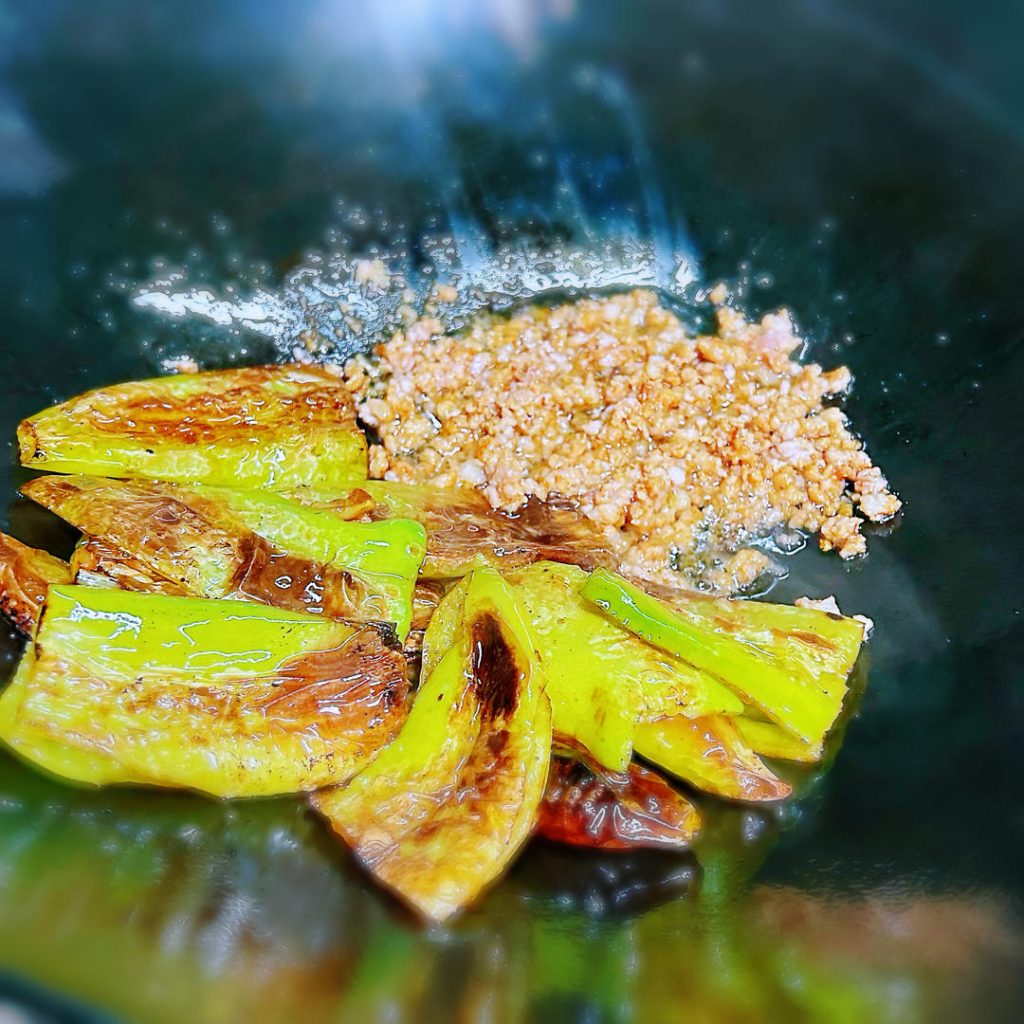
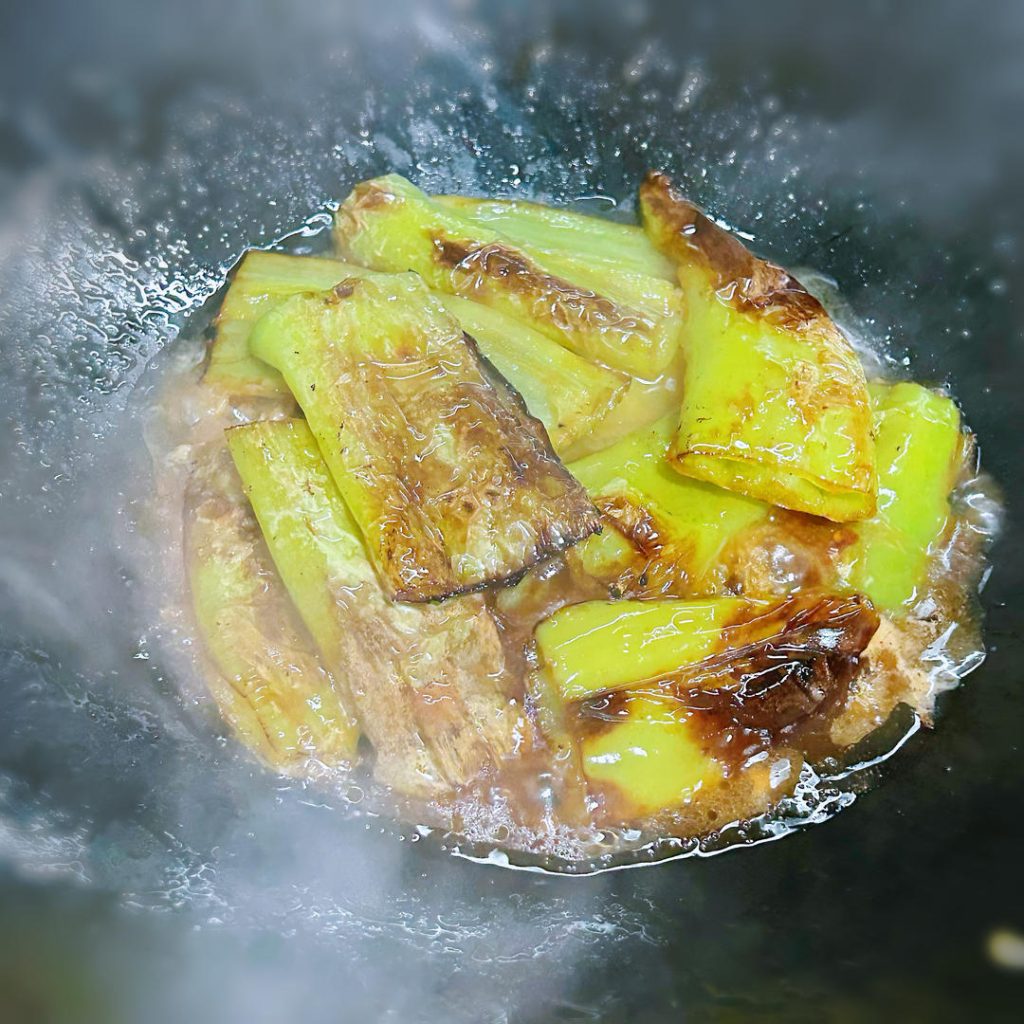
- The “Mèn” (Braise): Bring the sauce to a vigorous boil, then let it bubble and reduce for about 1 minute. This “oil-braise” (yóu mèn) step is what allows the smoky peppers to absorb all that savory sauce. Stir-fry everything together until the sauce has thickened and coats the peppers and pork.
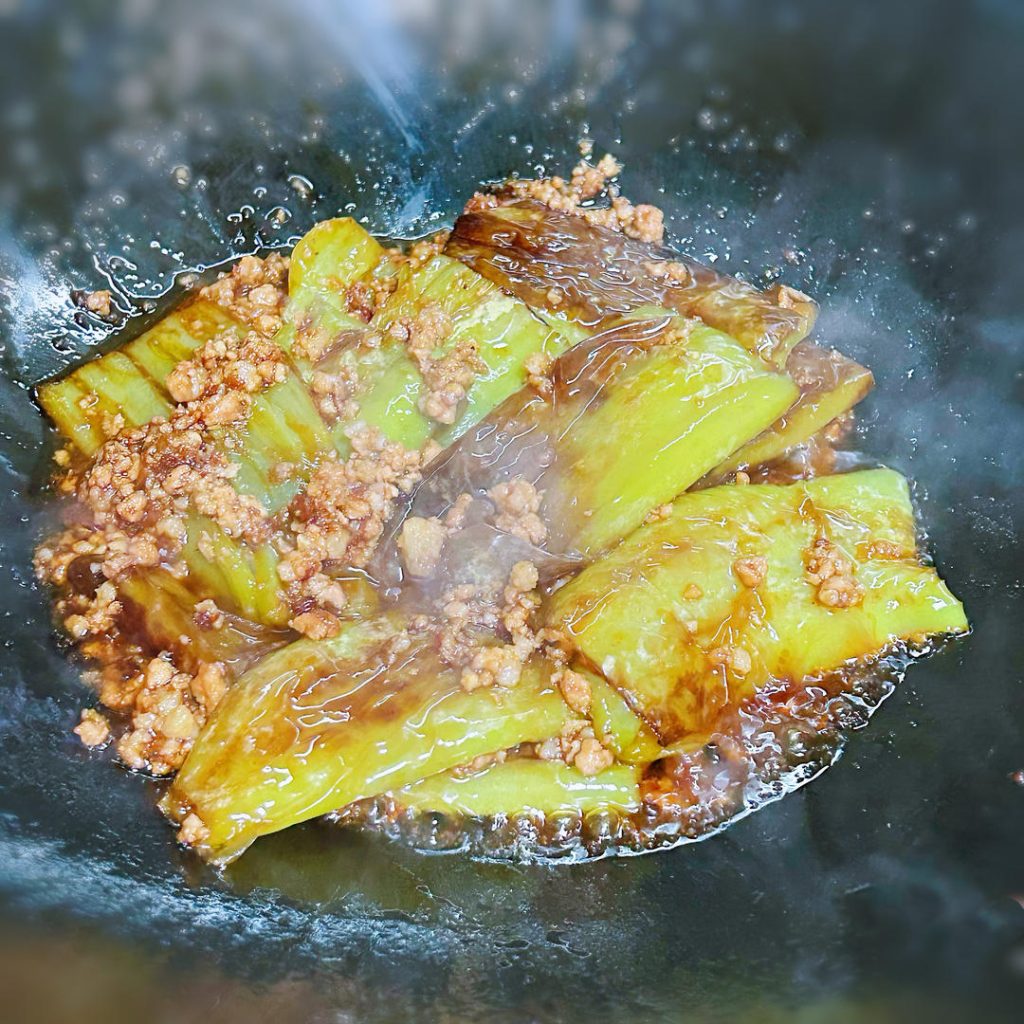
- Serve: Turn off the heat. Discard the star anise. Taste and adjust if needed (it should be perfectly salty and savory). Serve immediately.
How to Serve
This dish demands a bowl of fresh, hot steamed rice. It’s not a suggestion; it’s a rule! The savory, pork-studded sauce is meant to be spooned over rice.
For a more complete meal, pair it with a simple, clear soup like Seaweed Egg Drop Soup to balance the rich flavors.
Variations & Troubleshooting
- Want it spicier? Add 1 tablespoon of Doubanjiang (Sichuan Chili Bean Paste) and fry it with the pork until the oil turns red.
- Want more aromatics? Add 2-3 cloves of minced garlic with the pork. (My dad would definitely approve of this).
- To make it vegetarian/vegan: Omit the pork. Instead, you can use 5-6 minced shiitake mushrooms or 1/4 lb (113g) of crumbled firm tofu. Use a vegetarian oyster sauce (often mushroom-based).
FAQs & Cooking Tips
1. Why are my peppers soggy, not blistered?
You probably used bell peppers, or you skipped the crucial “dry-fry” step. You must fry the peppers in a dry wok first to remove moisture before adding oil or liquid.
2. Can I use bell peppers? I can’t find the other kinds.
I really don’t recommend it. The skin is too thick and waxy, and they will just steam and become soggy. You will get “Soggy Pepper Stew,” not “Tiger Skin Peppers.” If you absolutely must, try roasting them under your oven’s broiler on high heat until charred, then proceeding with the recipe.
3. My pork was tough and dry! What happened?
You likely either overcooked it or skipped the cornstarch in the marinade. That 1 tsp of cornstarch is a “velveting” secret that protects the meat and keeps it tender. Don’t skip it!
4. What if I don’t have a wok?
A heavy cast-iron skillet is your next best bet. It holds high, even heat, which is essential for the dry-frying step. A non-stick pan is the most difficult to use for this, as it’s not designed for the high, dry heat needed for charring.
Food Safety & Allergens
- Food Safety: Ensure the pork is cooked through. The internal temperature of minced pork should reach 160°F (71°C).
- Allergens: This recipe contains SOY, GLUTEN (from soy/oyster sauce), and SHELLFISH (from oyster sauce).
- To make Gluten-Free: Use tamari (GF soy sauce) and a certified gluten-free oyster sauce.
Braised ‘Tiger Skin’ Peppers with Minced Pork (虎皮青椒, Hǔ Pí Qīng Jiāo)

Equipment
- Wok (14-inch) or large Cast-Iron Skillet (12-inch)
- 2 Small Mixing Bowls
- Spatula (Wok spatula preferred)
Ingredients
Pork Marinade
- 1.7 oz (50g) Minced Pork
- 1 tsp Light Soy Sauce
- 1 tsp Cornstarch
- 0.25 tsp White Pepper
- 1 tsp Cooking Oil
Stir-Fry
- 5 Long Green Peppers approx. 5-6 (1/2 lb or 225g). Use Anaheim, Cubanelle, or Asian long peppers. Do NOT use bell peppers.
- 2 tbsp Cooking Oil e.g., canola, vegetable, peanut
- 1 Star Anise
Sauce Mixture
- 2 tbsp Light Soy Sauce
- 1 tbsp Oyster Sauce
- 0.25 tsp Chicken Bouillon Powder or MSG, optional
- 0.25 cup (60ml) Water
Instructions
- Marinate Pork: In a small bowl, combine all ‘Pork Marinade’ ingredients (minced pork, 1 tsp light soy sauce, 1 tsp cornstarch, 1/4 tsp white pepper, 1 tsp oil). Mix well and set aside for at least 10 minutes.

- Prep Sauce: In a second small bowl, whisk together all ‘Sauce Mixture’ ingredients (2 tbsp light soy sauce, 1 tbsp oyster sauce, 1/4 tsp chicken bouillon, 1/4 cup water). Set near the stove.
- Prep Peppers: Wash, de-stem, and de-seed the peppers. Lightly ‘smash’ them with the side of a knife or cut them into 2-inch (5cm) pieces.
- Get ‘Tiger Skin’: Heat your wok or skillet over medium-high heat *with no oil*. Add the peppers in a single layer and dry-fry, pressing down with a spatula, for 3-5 minutes until the skins are blistered and charred in spots.
- Fry: Add the 2 tbsp of cooking oil and the star anise. Stir-fry with the blistered peppers for 2-3 minutes more until fragrant and softened.
- Cook Pork: Push the peppers to the side of the wok. Add the marinated pork to the empty space. Let it sear for 30 seconds, then break it apart and stir-fry until cooked through (about 1-2 minutes). Ensure pork reaches 160°F (71°C).
- Braise & Finish: Mix the pork and peppers. Pour in the pre-mixed sauce. Bring to a boil and let it bubble rapidly for 1 minute, stirring constantly, until the sauce reduces and glazes the peppers and pork.
- Serve: Discard the star anise. Serve immediately with hot steamed rice.
Notes
- Serving Size: 1/2 of the recipe
- Calories: 185 kcal
- Protein: 8g
- Fat: 13g
- Carbohydrates: 9g
- Sodium: 1050mg












Leave a Reply