The Empty Pantry Panic
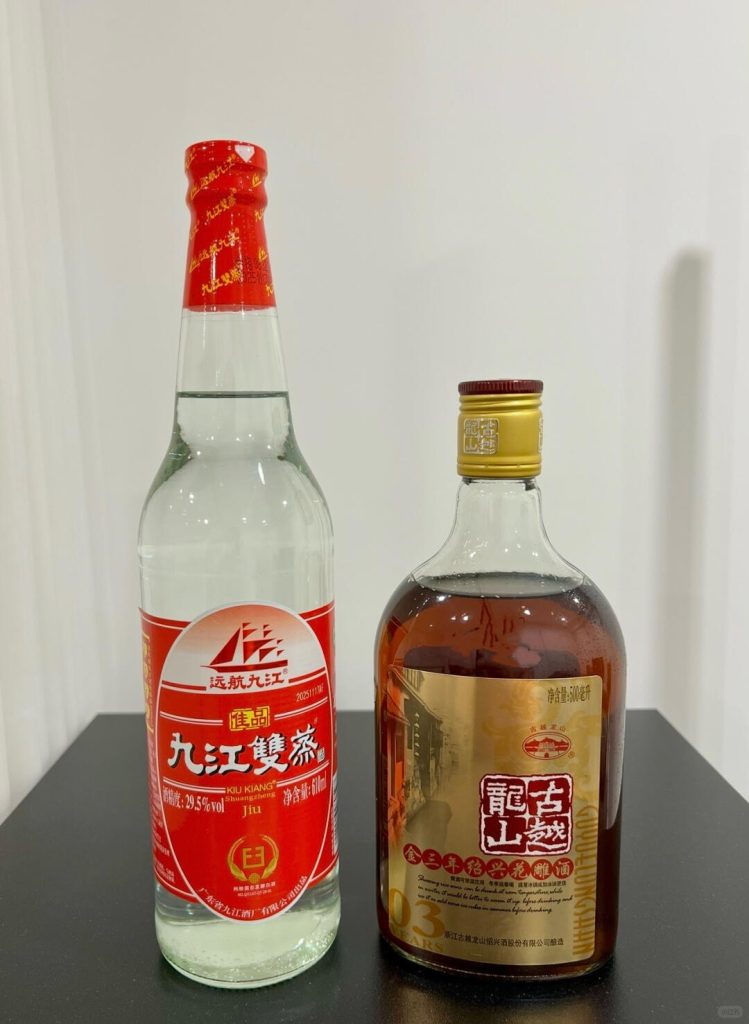
You’ve got the wok screaming hot, the aromatics are prepped, and the meat is sliced. Then you reach into the cabinet and realize your bottle of Shaoxing wine is bone dry. For many home cooks, this is the moment the recipe feels like a failure. You might think about skipping it, but then you remember the flat, one-dimensional taste of previous attempts—or that lingering “raw” smell that can ruin even a promising teriyaki chicken rice bowl.
The Best All-Around Swap
If you are stuck without Chinese rice wine, the most effective, actionable solution is Dry Sherry. In my experience working in professional kitchens, Dry Sherry is the closest match to the nutty, savory, and fermented complexity of Shaoxing. Use it in a 1:1 ratio for any stir-fry, marinade, or braised dish. It provides that essential “backbone” flavor that defines authentic Chinese cooking.
Why the Wine Matters
Chinese cooking wine isn’t just a flavor additive; it’s a chemical tool for “de-gaming” proteins. When the alcohol hits a scorching pan, it bonds with volatile compounds in the meat and evaporates them instantly. This reaction removes unwanted odors while the amino acids in the fermented wine create new, savory aromatic layers. Without this acidic element, your sauce often feels heavy or lacks that “zing” found in restaurant dishes.
The Real Kitchen Insight: The “Flash” Technique
In a professional kitchen, we never pour wine directly onto the food. We splash it along the scorching hot sides of the wok. What most beginners don’t realize is that the “sizzle” is the signal that the alcohol is turning into a fragrant steam. This steam seasons the meat far more effectively than liquid ever could. If your pan isn’t hot enough to cause an immediate hiss, you are likely boiling your meat, which is a primary reason why your stir-fry turns watery.
Essential Substitutes and Alternatives
When Sherry isn’t available, use these Western-friendly swaps in order of preference:
- Japanese Sake: A clean, slightly lighter alternative. Use a 1:1 ratio.
- Dry White Wine: Choose a Sauvignon Blanc or Pinot Grigio. Avoid anything “oaky” like Chardonnay.
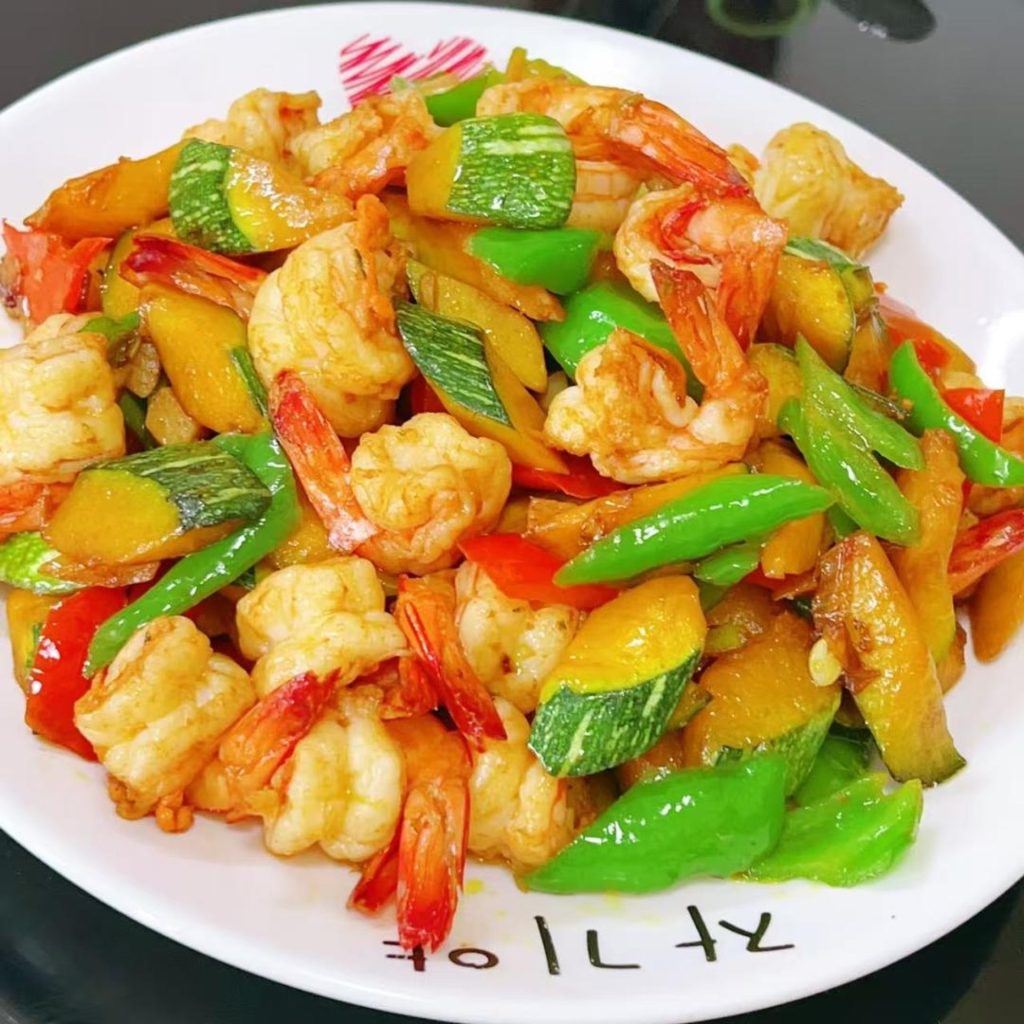
- Gin: Use about 75% of the called-for amount. Its botanical notes work beautifully with seafood.
- Mirin: Use as a last resort. Because it is much sweeter than Shaoxing, you must reduce the sugar in your recipe.
- Non-Alcoholic Swap: Use chicken or mushroom broth with a tiny squeeze of lemon to mimic the acidity.
Prep Strategy: Meat Treatment
Before the wine even enters the pan, how you handle the meat determines the final result. Understanding how to slice meat for stir fry—specifically cutting against the grain—creates more surface area for the wine and dark soy sauce to penetrate. I always recommend a 15-minute marinade with a splash of your wine substitute to start the odor-neutralizing process early.
Step-by-Step Cooking Process
- Heat the Pan: Use the best oil for stir fry and wait until it just begins to shimmer or smoke.
- Sear the Protein: Add the meat and let it brown for 30-45 seconds without moving it to build a crust.
- The Perimeter Splash: Pour 1 tablespoon of your substitute (like Dry Sherry) around the edges of the pan, not on the meat.
- Listen and Smell: You should hear a sharp hiss and smell a nutty, fermented aroma immediately.
- Toss: Stir quickly to let the vapor coat every piece of protein before adding your vegetables.
Common Substitution Mistakes
| Mistake | Why It Fails | The Fix |
|---|---|---|
| Using Balsamic | Too sweet and thick; ruins the color. | Use Rice Vinegar or White Wine. |
| Skipping the Wine | Meat retains a “raw” or gamey smell. | Use broth plus a drop of lemon juice. |
| Using Salted “Cooking Wine” | Supermarket versions are too salty to eat. | Always use drinking-grade Sherry or Sake. |
| Adding Too Much | Drowns the heat and steams the food. | Stick to 1-2 tablespoons per pound of meat. |
Pro Tips for Flavor Layering
If you are using a lighter substitute like white wine, you can deepen the profile by adding a tiny drop of toasted sesame oil at the very end of cooking. This replaces some of the earthy notes lost by not using real Shaoxing. For those who want more detail on ratios, you can explore our comprehensive guide on best substitutes for shaoxing wine. Also, ensure you are using the best pan for stir fry without a wok, like a heavy stainless steel skillet, to maintain the high heat needed for the “wine flash.”
Variations for Special Diets
- Gluten-Free: Many traditional rice wines contain wheat. Use a certified gluten-free Dry Sherry or Sake.
- Halal/Alcohol-Free: Mix 1 tablespoon of white grape juice with 1 teaspoon of rice vinegar. It provides umami and tang without the alcohol.
Mini Recipe: The “Substitute Test” Stir-Fry
- Meat: 1/2 lb thinly sliced pork or chicken.
- The Swap: 1 tbsp Dry Sherry.
- The Sauce: 1 tbsp light soy sauce, 1 tsp sugar, 1/2 tsp cornstarch.
- Method: Stir-fry meat on high heat until 80% done. Splash the Sherry around the perimeter. Add the sauce and toss for 30 seconds until the liquid thickens into a glossy, fragrant glaze.
FAQ
- Can I use Apple Cider Vinegar? Only if diluted 1:3 with water; otherwise, the apple flavor is too strong.
- Is Rice Vinegar the same as Rice Wine? No. Vinegar is much more acidic. If you use it, use only 1/3 the amount.
- What if I only have Red Wine? Avoid it. The tannins and heavy grape profile clash with Chinese spices.
- Does the alcohol cook out? On high heat, about 85-95% evaporates, but the flavor remains.
- Can I use Beer? It works for slow braises but is too watery for a quick stir-fry.




Leave a Reply