Growing up in Sichuan, the aroma of Chinese Tea Eggs (Cha Ye Dan) was the unofficial scent of the morning commute. Whether it was the steam rising from a street vendor’s large metal pot or the slow cooker at the local convenience store, that savory, herbal fragrance of star anise and black tea always signaled the start of a new day.

I remember my father, a chef who valued precision even in humble dishes, teaching me that a good tea egg isn’t just about boiling an egg in soy sauce. It is about patience. It is about the “marbling”—the spiderweb cracks that allow the flavorful brine to seep into the egg white, creating a mosaic of flavor and art.
Today, I am sharing a recipe based on a ratio given to me by a head chef during my culinary training. I have tested this specific blend of spices and seasoning in my home kitchen over three times to ensure it translates perfectly from a professional environment to your stovetop. It creates eggs that are savory, slightly sweet, and deeply aromatic—perfect for a grab-and-go breakfast or a protein-packed snack.
What Are Tea Eggs?
Tea Eggs, or Cha Ye Dan (茶叶蛋), are hard-boiled eggs that have been gently cracked and then simmered in a savory broth made of tea leaves, soy sauce, and Chinese five-spice components. They are a staple snack across China and Taiwan, found everywhere from 7-Elevens to night markets.
Unlike American deviled eggs or pickled eggs, the texture of a tea egg is firm but tender, and the flavor is complex—earthy from the tea, salty-savory from the soy, and fragrant from the spices.
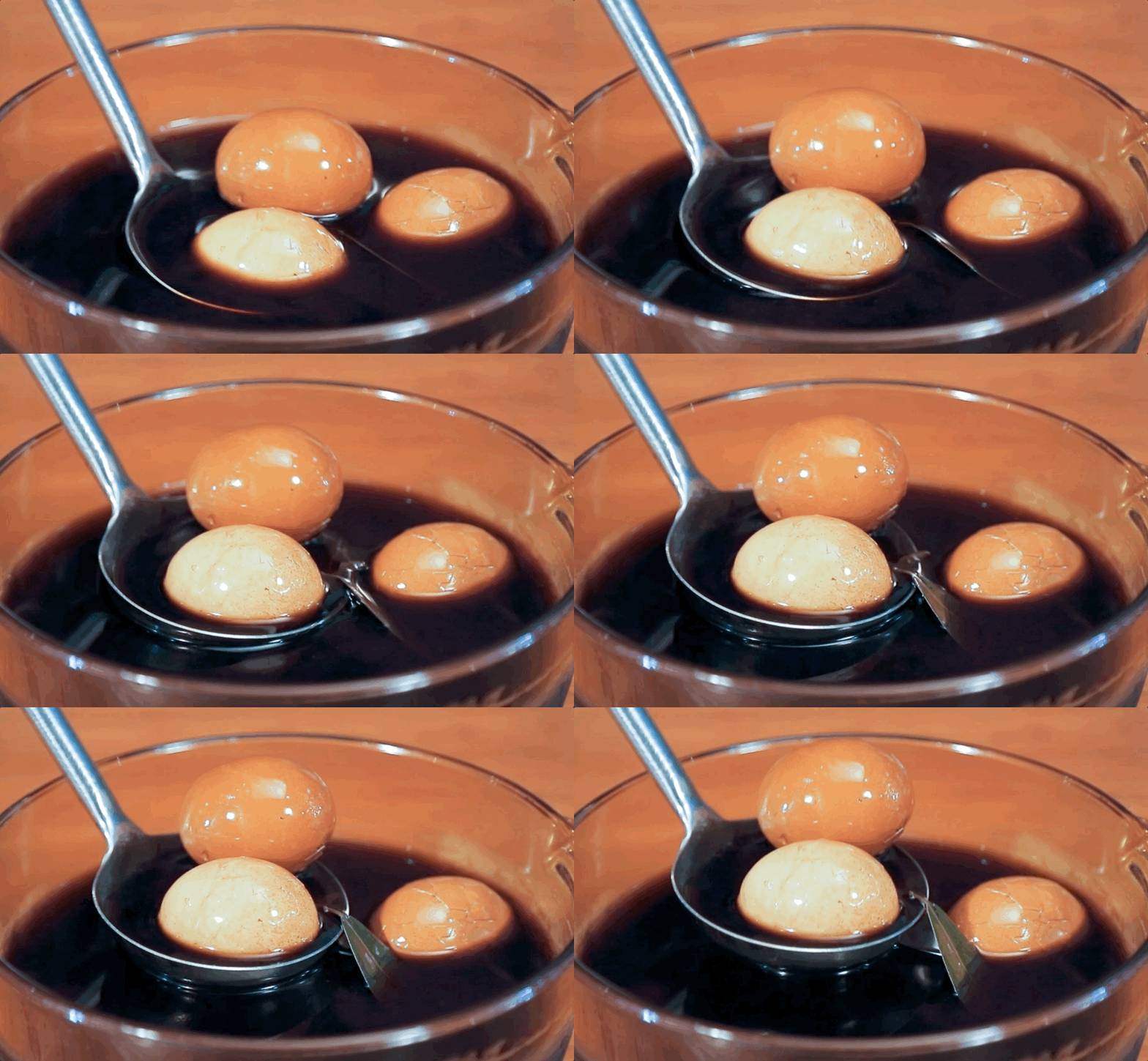
If you enjoy the gentle simmering and shell-cracking technique used for these tea eggs, you will absolutely love my Authentic Braised Quail Eggs (Wu Xiang Lu An Chun Dan). Quail eggs are a fantastic, bite-sized alternative that pack a serious nutritional punch, boasting higher lecithin levels than standard chicken eggs. The braising process is remarkably similar—utilizing that same delicate web-cracking method to allow the flavors to seep in and create a stunning marbled pattern—but the deeply savory, five-spice soy broth gives them a distinct, snackable flavor that makes them an absolute must-have for your next road trip or picnic cooler.
1Authentic Braised Quail Eggs (Wu Xiang Lu An Chun Dan)A foolproof method for making deeply savory, beautifully marbled Chinese Five-Spice Braised Quail Eggs. Perfect for snacks, picnics, or as a side dish.Check out this recipe

Why This Recipe Works
- The “Double Boil” Technique: We boil the eggs first to set them, then crack them, then simmer them again. This ensures the eggs are cooked perfectly before they begin absorbing flavor.
- Black Tea Base: We specifically use black tea (Red Tea/Hong Cha in Chinese) because its robust tannins provide a beautiful dark amber color and a depth of flavor that green tea cannot achieve.
- Balanced Brine: The ratio of 30g sugar to 20g salt creates a savory profile with just enough sweetness to round out the harshness of the salt and soy sauce.
Key Ingredients & Substitutions
- Eggs: Standard large chicken eggs. Older eggs (purchased a week prior) are actually better here as they are easier to peel.
- Tea Leaves: The recipe calls for 5g of tea. I recommend a strong Black Tea. You can use loose leaf (like Assam or Ceylon) or 2-3 standard tea bags. Avoid delicate green teas as they can turn the brine bitter during long simmers.
- Soy Sauce: We use a combination of Light Soy Sauce for saltiness and umami, and Dark Soy Sauce primarily for that rich, mahogany color.
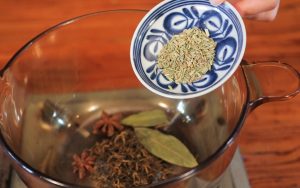
- Aromatics: The holy trinity for this brine includes Star Anise, Cinnamon (stick or bark), and Bay Leaves. We also use Fennel Seeds (Xiao Hui Xiang) for a distinct, sweet anise note.
- Sugar: Rock sugar is traditional for a glossy finish, but regular white sugar (30g) works perfectly fine and dissolves quickly.
Recipe Notes Before You Start
- Equipment: You will need a medium pot (about 3-4 quarts) that can comfortably hold 10 eggs in a single or double layer covered by water.
- Time Management: While the active cooking time is short, the secret to the best tea eggs is the soaking time. Plan to make these the day before you want to eat them. They need to soak for at least 12-24 hours.
- Pot Choice: Tea and dark soy sauce stain. I recommend using a stainless steel pot rather than a light-colored enameled dutch oven, unless you don’t mind scrubbing stains later!
Ingredients
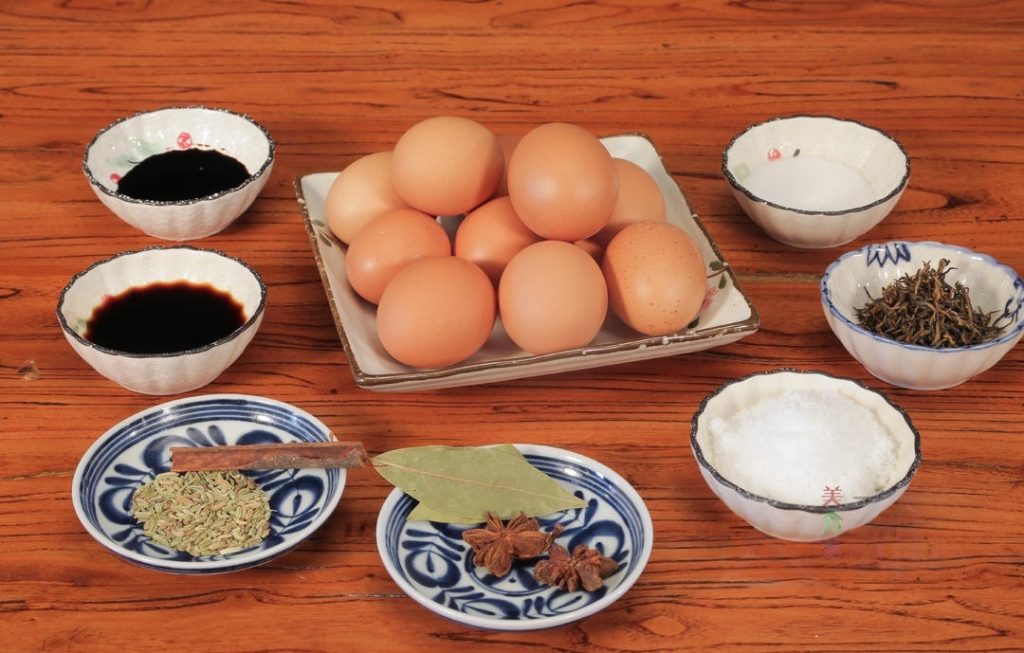
- 10 large eggs
- 5 g black tea leaves (or 2-3 tea bags)
- 2 whole star anise
- 2 bay leaves
- 1 g cinnamon stick (approx. 1 small piece)
- 2 g fennel seeds (approx. 1 tsp)
- 30 g (2 tbsp + 1 tsp) sugar
- 20 g (approx. 3.5 tsp) table salt
- 15 g (1 tbsp) Dark Soy Sauce
- 25 g (1.5 tbsp) Light Soy Sauce
- 500 g (2 cups) water (plus more for boiling eggs)
Mise en Place (Prep)
- Wash the Eggs: Since the eggs will be soaking in the liquid with their shells on, gently wash the eggshells to remove any debris.
- Measure Spices: Group your dry spices (star anise, bay leaves, cinnamon, fennel, tea) in one small bowl.
- Measure Seasonings: Combine the sugar, salt, and soy sauces in a measuring cup.
How to Make Chinese Tea Eggs
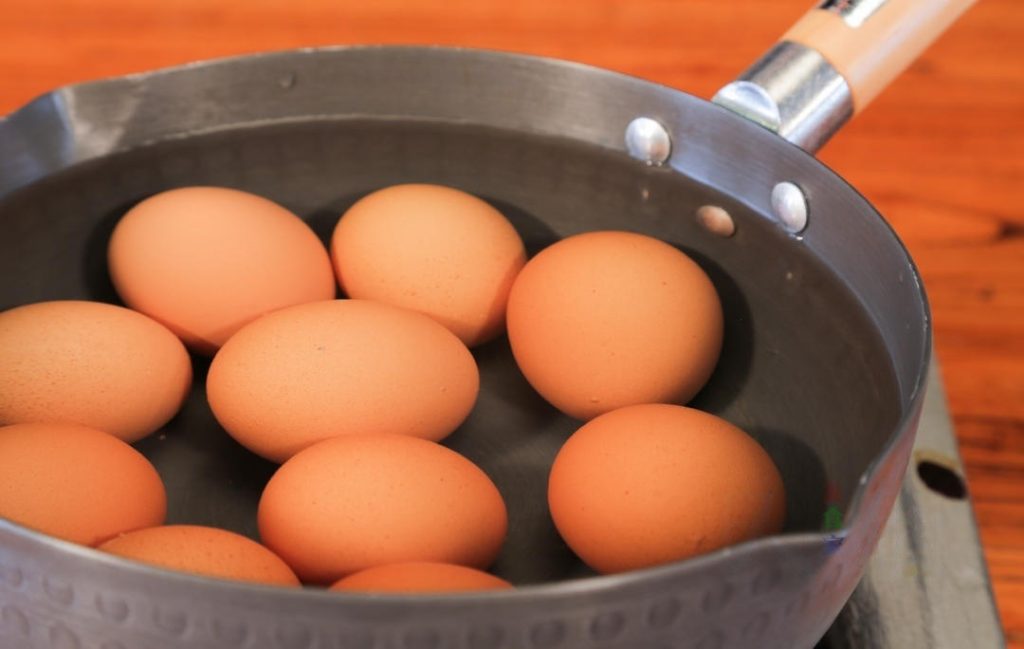
Step 1: The Initial Boil Place the washed eggs in a pot and add enough cold water to cover them by an inch. Turn the heat to medium. Once the water reaches a boil, set a timer and cook for 10 minutes.
- Why cold water? Starting with cold water allows the eggs to come up to temperature gradually, preventing the shells from cracking prematurely due to thermal shock.
Step 2: The Ice Bath Remove the eggs and immediately plunge them into a bowl of ice water (or very cold running water). Let them soak for 5 minutes.
- Why? This stops the cooking process and shrinks the egg white slightly away from the shell, making them easier to peel later.
Step 3: The Crack (The Art of the Marbling) Once cool enough to handle, gently tap the eggshells all over with the back of a spoon. You want a network of fine cracks (like a spiderweb), but do not peel the shell off.
- Tip: Be gentle! You want the shell to remain intact to hold the shape, just cracked enough to let the marinade seep in.

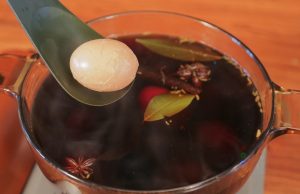
Step 4: Prepare the Brine Empty the water from the pot. Add the 500g water, all the spices (star anise, bay leaves, cinnamon, fennel), tea leaves, sugar, salt, dark soy sauce, and light soy sauce. Bring this mixture to a boil over high heat.
- Note: Ensure the water volume is enough to submerge the eggs. If your pot is wide, you may need to add a little more water and adjust the salt slightly.
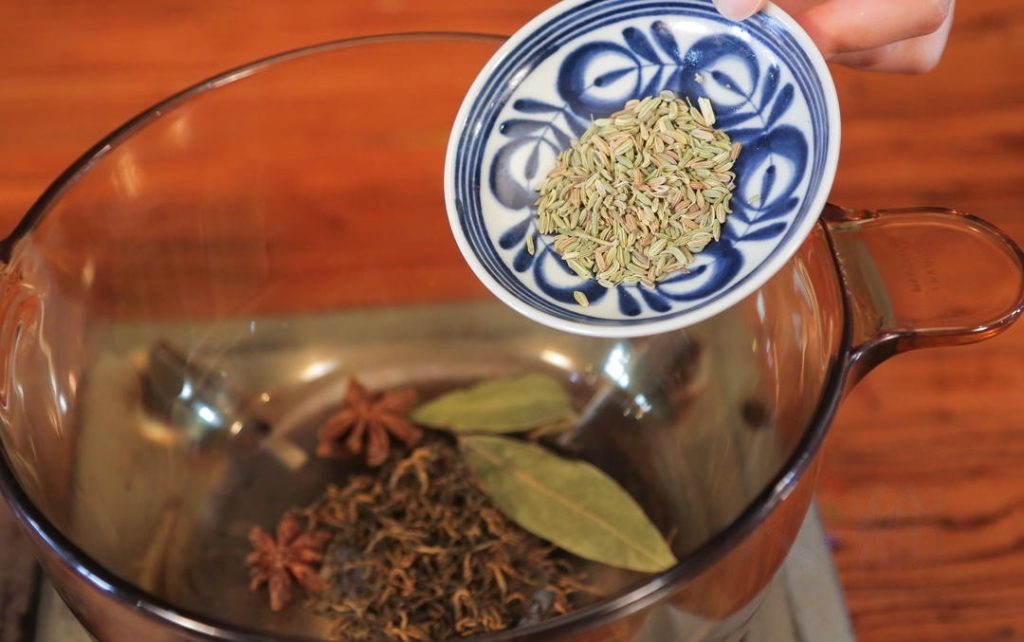
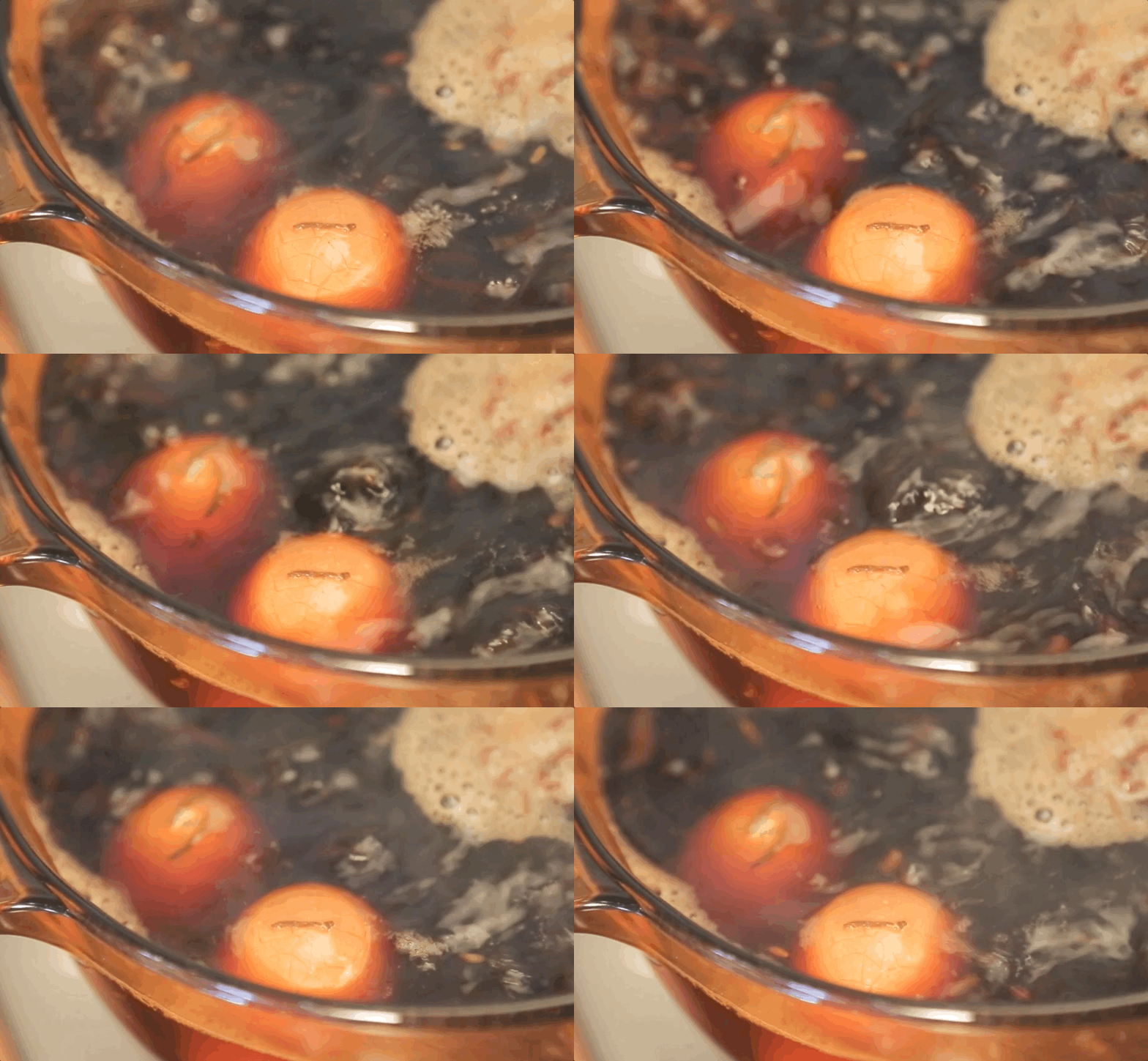
Step 5: Simmer Gently lower the cracked eggs into the boiling brine. Reduce the heat to low. Cover and simmer for 20 minutes.
- Flavor Infusion: The heat helps the pores of the eggshell open further and drives the flavor into the whites.
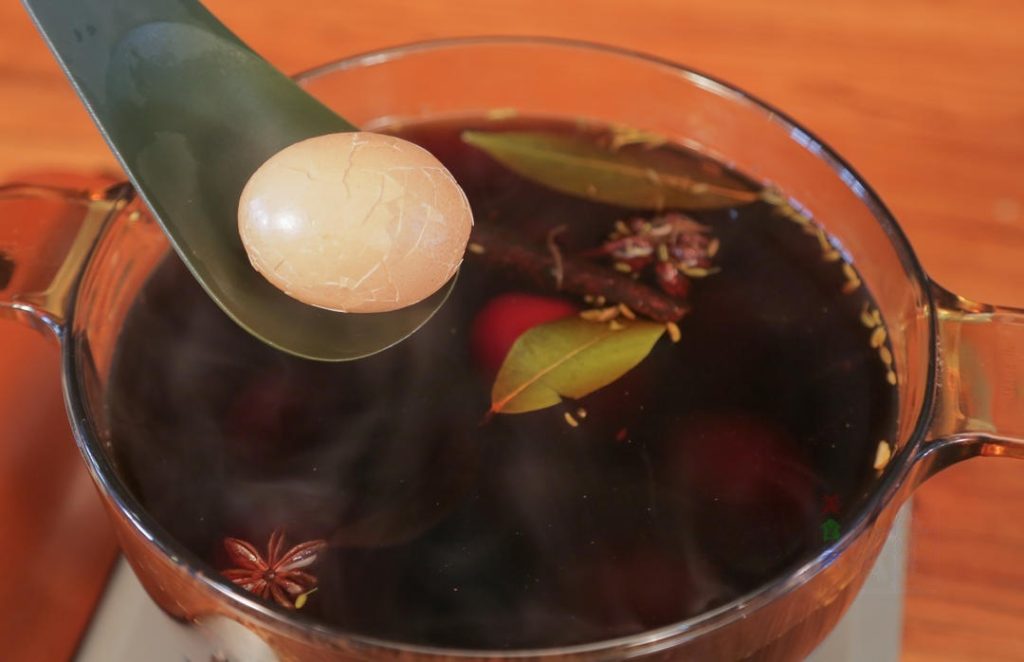
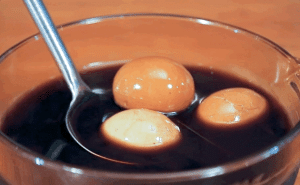
Step 6: The Steep (Crucial Step) Turn off the heat. Do not remove the eggs. Let the pot cool down naturally to room temperature. Once cool, transfer the eggs and the liquid into a sealed container and place it in the refrigerator.
- Patience pays off: Let them steep overnight (12-24 hours). This is when the flavor truly penetrates and the beautiful marbled pattern forms.
Common Mistakes When Making Tea Eggs
- Peeling the eggs immediately: If you peel them right after boiling, they will just be plain hard-boiled eggs. The flavor is in the soak!
- Boiling too vigorously: If you boil the eggs on high heat during the second stage (Step 5), the agitation can cause the shells to fall off completely, ruining the marbled effect. Keep it at a gentle simmer.
- Using Green Tea: While possible, green tea can become bitter if steeped for too long. Black tea or Pu-erh tea is much more forgiving and provides the classic color.
Serving Suggestions
Tea eggs are incredibly versatile. In my family, we often eat them cold straight from the fridge as a high-protein snack. However, they are best served as part of a traditional Chinese breakfast.
- The Classic Breakfast: Pair a tea egg with a warm bowl of Red Bean and Black Rice Porridge or some silky soy milk.
- Lunch Companion: They are fantastic sliced in half and served atop a bowl of Easy Sesame Noodles. The creamy yolk balances the nutty sauce perfectly.
- Dinner Side: Serve them alongside Braised Pork Belly (Hong Shao Rou). The flavors of star anise and soy sauce in both dishes complement each other beautifully.
- Summer Snack: In the summer, we pair them with a refreshing Smashed Cucumber Salad for a light lunch.
How to Store
- Fridge: Store the eggs in their liquid in an airtight container in the refrigerator. They will keep for up to 5-7 days. The flavor will get stronger (and saltier) the longer they sit. If they become too salty for your taste after day 3, you can drain the liquid.
- Reheating: You can eat them cold, but if you prefer them warm, you can steep the egg (shell on) in a bowl of hot water for 5 minutes. Do not microwave whole eggs, as they can explode.
About the Author & Recipe Development
I’m Lin, a culinary writer for Woks of Love. I spent my childhood in the back of my family’s restaurant in Sichuan, where I learned that the simplest dishes often require the most attention to detail. Later, during my professional training at the Sichuan Culinary Institute, I learned the science behind why we soak eggs in cold water and how different teas affect flavor. This recipe is a fusion of my family’s traditional method and the precise ratios I utilized in professional kitchens for over a decade.
Authoritative References
For more information on the science of cooking eggs and food safety, I recommend checking these resources:
- USDA Food Safety and Inspection Service: Shell Eggs from Farm to Table
- The Science of Boiling an Egg (Exploratorium)
Nutrition Information (Estimate)
- Serving Size: 1 Egg
- Calories: 75 kcal
- Protein: 6g
- Fat: 5g
- Carbohydrates: 1g
- Sodium: 350mg (Estimate; depends on soaking time)
- Cholesterol: 186mg
(Disclaimer: Nutrition information is calculated using an ingredient database and should be considered an estimate. In cases where multiple ingredient alternatives are given, the first listed is calculated for nutrition. Garnishes and optional ingredients are not included. Actual sodium content varies significantly based on how long the eggs soak in the brine.)

Chinese Tea Eggs (Cha Ye Dan)

Equipment
- Medium Pot (Stainless Steel recommended) Avoid enamel pots as tea may stain them.
- Spoon For cracking shells
Ingredients
Main Ingredients
- 10 large eggs older eggs peel easier
- 500 g water approx. 2 cups, plus more for initial boiling
The Brine & Aromatics
- 5 g black tea leaves or 2-3 tea bags (Red tea/Hong Cha)
- 2 star anise
- 2 bay leaves
- 1 g cinnamon stick approx 1 small piece
- 2 g fennel seeds approx 1 tsp
- 30 g sugar approx 2 tbsp + 1 tsp
- 20 g salt approx 3.5 tsp
- 15 g dark soy sauce approx 1 tbsp
- 25 g light soy sauce approx 1.5 tbsp
Instructions
- Wash the eggs thoroughly. Place them in a pot and cover with cold water. Turn heat to medium-high.

- Once the water boils, cook for 10 minutes.
- Remove eggs and immediately submerge them in cold water (or an ice bath) for 5 minutes. This stops the cooking and makes peeling easier later.
- Gently tap the eggshells with the back of a spoon to create cracks all over the surface. Do not peel the shell off. The cracks allow flavor to penetrate and create the marbled pattern.

- In the pot, combine the 500g water, tea leaves, star anise, bay leaves, cinnamon, fennel seeds, sugar, salt, dark soy sauce, and light soy sauce. Bring to a boil over high heat.

- Add the cracked eggs to the boiling brine. Reduce heat to low and simmer gently for 20 minutes.

- Turn off the heat. Do not remove the eggs. Allow them to cool naturally in the liquid.

- Transfer the eggs and the brine to a container and refrigerate overnight (12-24 hours) for the best flavor and color.





Leave a Reply