Growing up in Sichuan, the summers were sweltering. The humid heat seemed to stick to your skin, and the only thing that rivaled the temperature was the spice level of our local cuisine. After a sweaty, fiery meal of Mapo Tofu or Spicy Chicken Hot Pot, there was only one salvation: a bowl of ice-cold Bingfen (冰粉).

Bingfen, or Ice Jelly, is the quintessential Sichuanese summer dessert. It is crystal clear, jiggly, and incredibly refreshing. The jelly itself is tasteless, acting as a perfect canvas for rich brown sugar syrup, crunchy peanuts, chewy taro balls, and tart hawthorn flakes.
While traditional Bingfen is made by rubbing the seeds of the Nicandra physalodes plant in water, modern versions—and the version I am sharing today—use a convenient plant-based powder (usually konjac or carrageenan based). It is cleaner, faster, and just as delicious. In my family’s restaurant, we served hundreds of bowls of this during the summer months. Today, I’ll show you how to recreate this street food classic in your own kitchen with a fail-proof ratio.
What is Bingfen (Ice Jelly)?
Bingfen (冰粉) translates literally to “Ice Powder” or “Ice Jelly.” It looks like a clear block of ice but has a texture somewhere between Jell-O and water. Unlike gelatin-based desserts which are derived from animal collagen, Bingfen is traditionally plant-based.
In Chengdu and Chongqing, you will see street vendors with large vats of this jelly. They scoop it into bowls and top it with a dazzling array of ingredients. It is the perfect antidote to the “mala” (numbing heat) of dishes like Szechuan Cold Noodles with Shredded Chicken.

Why This Recipe Works
- Tested Ratios: The ratio of 18g powder to 600g water yields a texture that is tender enough to slurp but firm enough to hold its shape when cubed.
- Safety & Hygiene: Making this at home ensures the water quality is pure (we use mineral water) and the toppings are fresh.
- Customizable: While I provide the classic toppings from the source recipe, I also explain how to balance textures (chewy, crunchy, sweet, sour).
Key Ingredients & Substitutions
- Bingfen Powder (Ice Jelly Powder): This is the core ingredient. It is usually made from Konjac (a root vegetable) or seaweed extracts. You can find this in Asian grocery stores or online. It is generally tasteless and sets clear.
- Mineral Water: Because the jelly is 98% water, the quality matters. I prefer mineral water for a cleaner taste, but filtered water works well too.
- Brown Sugar: In Sichuan, we often use slab brown sugar (pian tang) or dark brown sugar. It needs to be rich and caramel-like. Standard white sugar won’t give the right depth of flavor.
- Taro Balls: These add the “QQ” (chewy) texture. You can buy them frozen or make them. If you love taro, check out my recipe for Crispy Taro Puffs to see how versatile this root vegetable is.
- Hawthorn Flakes (Shan Zha): These provide a necessary tartness to cut through the sweet syrup. If you can’t find them, dried cranberries or chopped raisins are good alternatives.
Recipe Notes Before You Start
- Equipment: You will need a clean pot, a whisk, a heat-proof container for setting the jelly, and a small saucepan for the syrup.
- Timing: This is a make-ahead recipe. The jelly needs 4 to 5 hours in the fridge to set properly. Do not rush this step.
- Safety Note: Do not freeze the jelly. Freezing will destroy the structure, causing the water to separate from the gel (syneresis), resulting in a weird, spongy texture.
About the Author & Recipe Development
I am Lin, a chef born and raised in Sichuan. My culinary journey began in my parents’ restaurant kitchen, where I learned that the best desserts aren’t just about sweetness—they are about balance. This recipe was developed based on the standard packets found in Chinese markets (usually sold in 40g or larger bags), scaled down to a family-friendly portion. I have tested this using both tap water and mineral water, and the mineral water version consistently yields a clearer, brighter tasting jelly.
Ingredients

The Jelly Base:
- 18g Ice Jelly Powder (Bingfen powder)
- 2 ½ cups (600g) Mineral water (or filtered water)
The Brown Sugar Syrup:
- 4 tbsp Brown sugar (or Chinese slab sugar)
- ½ cup Hot water
The Toppings (The “Soul” of the Dish):
- 2 tbsp Taro balls (store-bought or homemade)
- 1 tbsp Red beans (sweetened adzuki beans), cooked. Note: Similar to the beans used in Red Bean and Black Rice Porridge.
- 1 tbsp Dried cranberries
- 1 tbsp Raisins
- 1 tbsp Roasted peanuts, crushed
- 1 tbsp Hawthorn flakes, crushed (optional but authentic)
How to Make Authentic Bingfen
Step 1: Dissolve and Boil
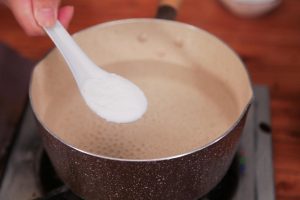
Pour 600g (about 2.5 cups) of mineral water into a pot and bring it to a rolling boil. Once boiling, sprinkle in the 18g of Bingfen powder.
- Tip: Whisk constantly while adding the powder to ensure it dissolves completely and doesn’t clump.

Step 2: Cool and Set
Pour the liquid into a heat-proof glass or ceramic container. Let it sit on the counter until it reaches room temperature. Once cool, place the container in the refrigerator (not the freezer!).
- Let it set for 4 to 5 hours. It should be firm and jiggly when you shake the container.
Step 3: Make the Brown Sugar Syrup
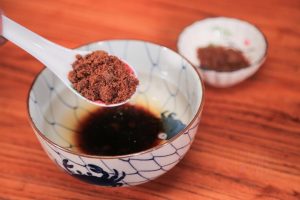
While the jelly sets, prepare the syrup. Combine the brown sugar with hot water.
- Chef’s Tip: If you have time, put this mixture in a small saucepan and simmer it for 3-5 minutes. This thickens the syrup and concentrates the caramel flavor, making it more aromatic than just dissolving sugar in water. Let it cool completely.

Step 4: Prepare the Toppings
Boil a pot of water. Add the taro balls and cook until they float to the surface (usually 2-3 minutes).
- Crucial Step: Prepare a bowl of ice water. Scoop the cooked taro balls out and immediately plunge them into the ice water. This “shocking” process makes them distinctively chewy and prevents them from getting mushy.
Step 5: Assemble
Once the jelly is set, take it out of the fridge. Use a knife to slice a grid pattern directly into the container to create cubes. Scoop the crystal jelly cubes into a serving bowl.

Step 6: Serve
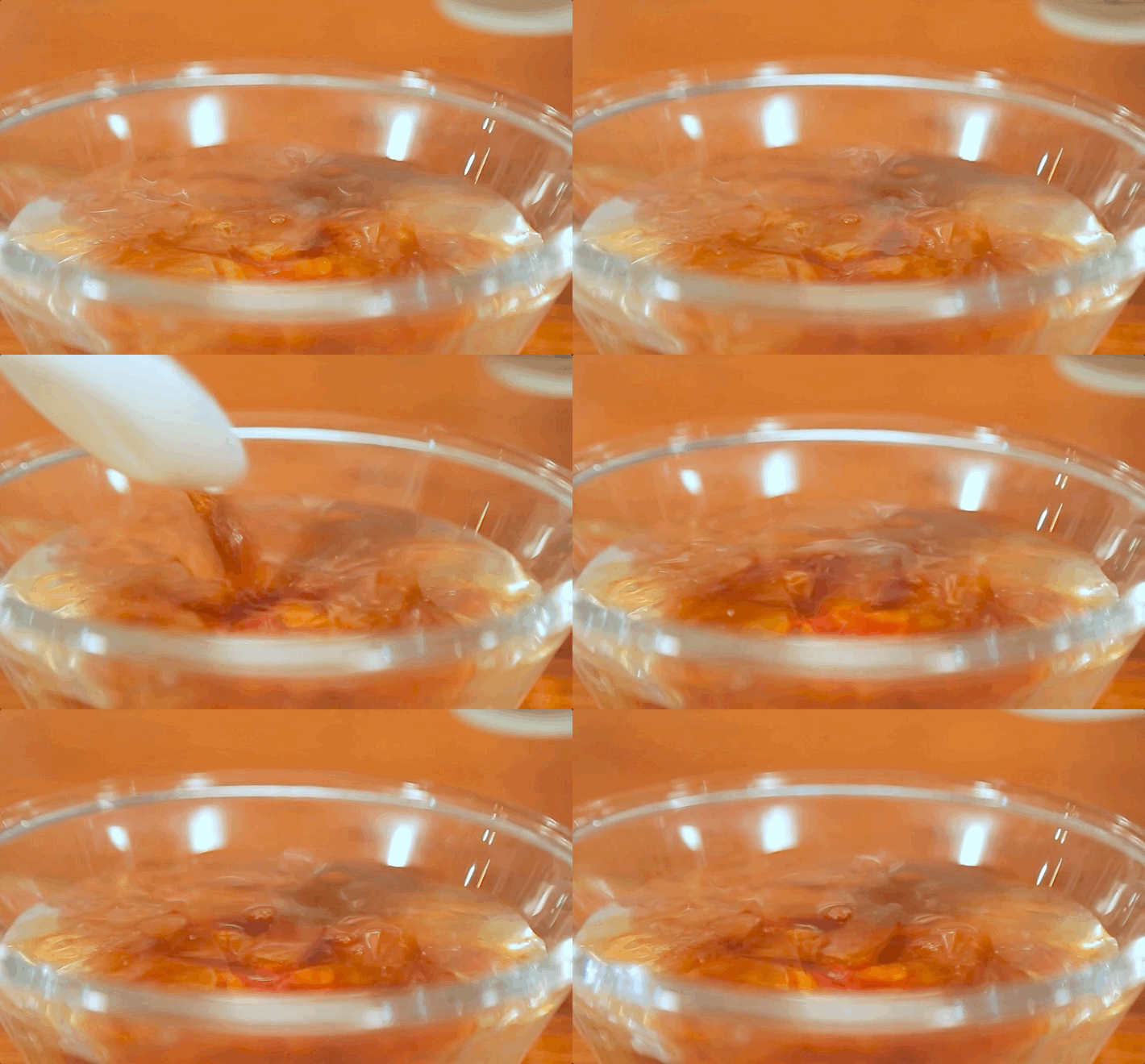
Pour the cooled brown sugar syrup over the jelly. Top with your prepared ingredients: cranberries, taro balls, red beans, raisins, crushed peanuts, and hawthorn bits.
- Pairing Suggestion: This is the perfect ending to a meal featuring Yellow Millet Sticky Rice Cake or simply a light summer lunch of Smashed Cucumber Salad.
Common Mistakes When Making Bingfen
1. Freezing the Jelly: I cannot stress this enough—never put Bingfen in the freezer to speed up the setting process. It will turn into an icy, watery mess that loses its bouncy texture.
2. Adding Powder to Cold Water: Some brands of powder require boiling water to activate the gelling agents. Always check your package instructions, but generally, boiling water ensures a smooth dissolve.
3. Skipping the Chill Time: If you cut into the jelly before it has fully set (at least 4 hours), it will be runny and lack that signature “Q” texture.
Notes
- Toppings: Feel free to customize! Fresh fruits like watermelon or mango are also popular modern additions.
- Storage: Plain jelly keeps in the fridge for 2 days. Do not freeze.
- Texture: If you prefer a firmer jelly, reduce water to 500g. For softer jelly, increase to 700g.
- Nutrition Disclaimer: Nutrition information is calculated using an ingredient database and should be considered an estimate. Garnishes and optional ingredients are not included.
How to Store
Bingfen is best eaten fresh on the day it is made. However, the plain jelly (without toppings or syrup) can be stored in an airtight container in the refrigerator for up to 2 days. Once the syrup is added, the jelly will start to release water (osmosis) and should be eaten within an hour.
Authoritative References
For those interested in the science behind the gelling agents or food safety regarding cooling cooked foods:
- USDA Food Safety and Inspection Service: Leftovers and Food Safety
- Konjac (Glucomannan) Overview – WebMD
Nutrition Information (Estimate)
- Calories: ~210 kcal per serving
- Carbohydrates: 45g
- Sugar: 32g
- Fat: 2g (mostly from peanuts)
- Fiber: 3g
- Disclaimer: Nutrition information is calculated using an ingredient database and should be considered an estimate. Garnishes and optional items like extra brown sugar or taro balls will affect these values. Actual values vary based on specific brands used.

Authentic Sichuan Ice Jelly (Bingfen)

Equipment
- Small Pot
- Whisk
- Heat-proof container
Ingredients
The Jelly
- 18 g Ice Jelly Powder Bingfen powder
- 600 g Mineral water approx 2.5 cups
The Syrup
- 4 tbsp Brown sugar or Chinese slab sugar
- 0.5 cup Hot water
The Toppings
- 2 tbsp Taro balls cooked
- 1 tbsp Red beans sweetened adzuki
- 1 tbsp Dried cranberries
- 1 tbsp Raisins
- 1 tbsp Roasted peanuts crushed
- 1 tbsp Hawthorn flakes crushed, optional
Instructions
- Pour 600g of mineral water into a pot and bring to a boil.
- Once boiling, whisk in 18g of Bingfen powder. Whisk vigorously to ensure there are no lumps.

- Pour the mixture into a heat-proof container. Let it cool to room temperature, then place it in the refrigerator for 4 to 5 hours until firm. Do not freeze.
- Dissolve brown sugar in hot water. For best flavor, simmer in a small pan for 3 minutes to thicken. Let cool.
- Boil taro balls until they float. Remove and immediately soak in ice water to keep them chewy.
- Remove jelly from the fridge. Slice into cubes. Transfer to a bowl, pour over the brown sugar syrup, and add all toppings. Enjoy immediately!


Notes
Calories: 210kcal | Carbohydrates: 45g | Sugar: 32g | Fat: 2g | Fiber: 3g
(Nutrition information is calculated using an ingredient database and should be considered an estimate. Garnishes and optional ingredients are not included.) Safety Note:
Bingfen powder is typically made from Konjac or plant extracts. Ensure powder is fully dissolved. Do not give large jelly chunks to small children due to choking hazards.




Leave a Reply