Spring rolls. They’re the quintessential Chinese takeout food. 1 For me, the sharp crackle of a perfectly fried spring roll isn’t just a sound; it’s a direct line to my childhood. I grew up in the heart of my family’s Sichuan restaurant, a bustling place my parents ran together for over 20 years. My father, a chef with three decades of experience, would stand over a shimmering wok, turning out hundreds of these golden cylinders for hungry customers.

But after the last patron left and the clatter of the kitchen quieted, we’d often make a special batch just for us. This is that recipe—a taste of home, simpler and more generously filled than the restaurant version, packed with juicy pork, fragrant chives, and crisp bean sprouts. It’s a recipe I learned not in culinary school, but at my father’s side. Now, I’m thrilled to share a piece of my family’s story with you.
What Are Spring Rolls (春卷)?
Spring Rolls, or Chūn Juǎn (春卷), are a traditional Chinese appetizer enjoyed year-round. These savory rolls consist of a thin wrapper filled with a variety of ingredients, which is then typically deep-fried to a golden crisp. The name itself hints at their origin, as they were traditionally made to celebrate the arrival of the Lunar New Year and the spring season, using the fresh vegetables of the new harvest.
While you’ll find countless variations across China and in American Chinese restaurants, this homestyle version focuses on a classic and deeply satisfying combination of pork, chives, and bean sprouts.
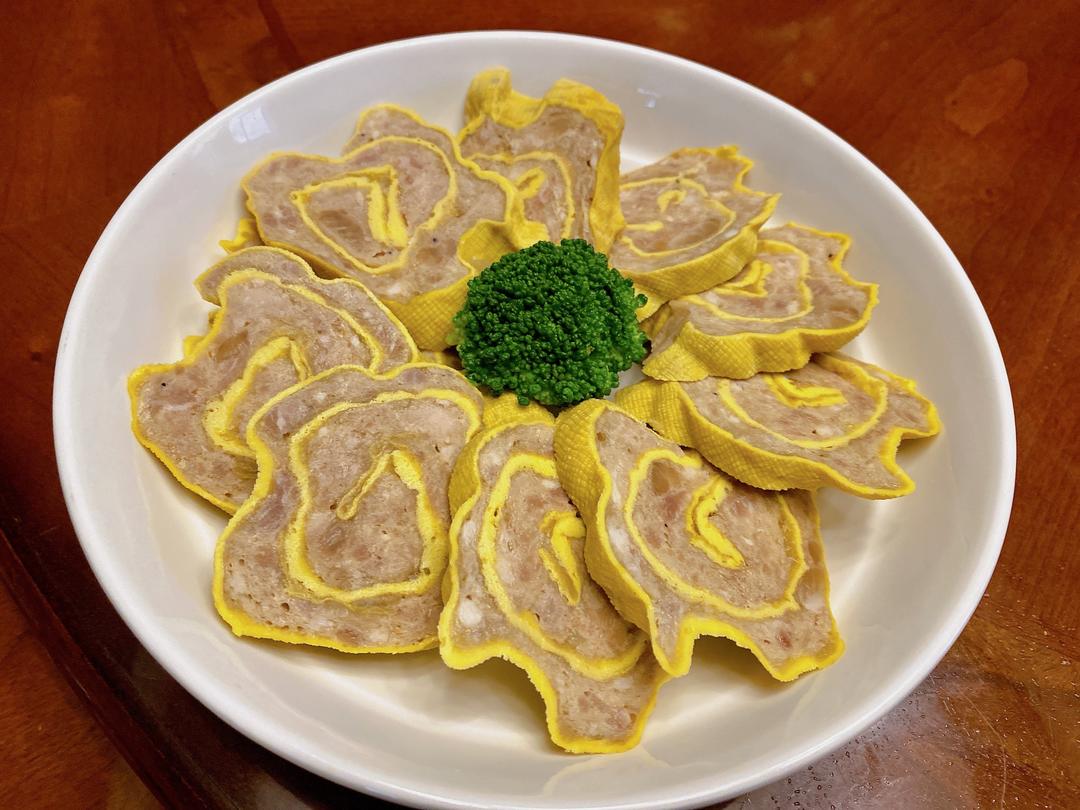
While these crispy spring rolls are perfect when you’re craving that irresistible golden crunch, sometimes you might be in the mood for something a bit more delicate but equally savory. If that sounds like you, I highly recommend trying my Authentic Steamed Pork Egg Rolls (Dan Juan Rou). Instead of a deep-fried wheat wrapper, this traditional Chinese banquet dish uses a beautifully soft duck egg crepe rolled tightly around a juicy pork filling, which is then gently steamed to perfection. It’s a fantastic make-ahead option that brings a completely different, yet wonderfully comforting texture to the table!
1Authentic Steamed Pork Egg Rolls (Dan Juan Rou)A traditional Chinese delicacy of savory pork filling tightly rolled in a golden duck egg wrapper. Steamed to perfection and pressed for clean, beautiful slices. Perfect for noodles, hot pots, or as an appetizer!Check out this recipe
Why This Recipe Works
- Authentic Restaurant-Learned Technique: This recipe comes straight from a professional kitchen, simplified for the home cook. We’ll use key techniques, like resting the filling, to ensure perfect flavor and texture.
- The Perfect Texture Contrast: We’re aiming for a shatteringly crispy, blistered wrapper that gives way to a moist, savory, and juicy interior. No soggy, greasy spring rolls here!
- Flavorful & Hearty Filling: Forget the cabbage-heavy, bland fillings of mediocre takeout. This recipe is packed with a generous amount of savory ground pork, aromatic Chinese chives, and fresh bean sprouts for a delightful crunch.
- Surprisingly Simple: Despite the incredible results, the process is straightforward. With a little prep, you’ll find that making spring rolls from scratch is not only achievable but also incredibly rewarding.
Key Ingredients Explained
A few key ingredients are essential for getting these spring rolls just right. Here’s what you’ll need and where to find it.
- Spring Roll Wrappers: These are thin, square sheets made from wheat flour, water, and salt. They are different from egg roll wrappers, which are thicker and more porous.
- Where to Buy: Look for them in the freezer or refrigerated section of most Asian grocery stores. Brands like Wei-Chuan or Spring Home are common. They are often labeled as “Spring Roll Pastry” or “Spring Roll Shells.”
- NOTE: These wrappers are delicate and can dry out quickly. While you work, keep the stack of wrappers covered with a damp paper towel to maintain their pliability.
- Ground Pork: A ratio of 80/20 (lean to fat) is ideal. The fat is crucial for creating a juicy, flavorful filling. Leaner ground pork can be used, but the filling may be a bit drier. For a non-pork alternative, ground chicken or turkey thigh works well.
- Chinese Chives (韭菜): These flat, dark green chives have a more potent, garlicky flavor than their Western counterparts. 2 They are the star aromatic in this filling. If you can’t find them at an Asian market, you can substitute with the dark green parts of scallions, though the flavor will be milder.
- Mung Bean Sprouts: These add a wonderful, subtle crunch and freshness that contrasts with the rich pork. Ensure they are fresh and crisp. Avoid any that look slimy or wilted.
What You Will Need: Equipment
- Wok or Large, Heavy-Bottomed Pot: A wok is traditional for deep-frying, but any deep, heavy pot like a Dutch oven will work perfectly. The key is to have enough space for the oil and spring rolls without overcrowding.
- Deep-Fry Thermometer: This is highly recommended for accuracy. Maintaining the correct oil temperature is the secret to crispy, not greasy, spring rolls.
- Tongs or Spider Strainer: For safely adding, turning, and removing the spring rolls from the hot oil.
- Wire Rack: Placing the fried spring rolls on a wire rack allows air to circulate, keeping the bottoms from getting soggy as they cool.
How to Make Spring Rolls: Step-by-Step
This process can be broken down into three simple stages: making the filling, wrapping the rolls, and frying them to perfection.
Mise en Place (Prep Work)
In a professional kitchen, getting all your components ready before you start cooking is called ‘mise en place’. For a fast-paced cooking method like deep-frying, it’s the secret to a calm and successful experience.
- Prepare the Filling: Mix all filling ingredients in a large bowl and allow it to rest.
- Make the Sealing Paste: In a small bowl, whisk together the flour and water.

- Set Up Your Wrapping Station: Arrange your wrappers (covered with a damp towel), the bowl of filling, the sealing paste, and a baking sheet lined with parchment paper to hold the finished rolls.
- Set Up Your Frying Station: Place your wok or pot on the stove. Have your thermometer, tongs, and a wire rack set over a baking sheet ready.
Part 1: Make the Filling
In a large bowl, combine the ground pork (1 lb / 500g), finely chopped Chinese chives (1.5 cups / 100-150g), and bean sprouts (1.5 cups / 100-150g).

Add the seasonings: light soy sauce (1 tbsp), sesame oil (1 tsp), salt (1 tsp), white pepper (½ tsp), and cornstarch (1 tbsp).

Using your hands or a spoon, mix everything until just combined. Be careful not to overwork the mixture.
Crucial Step: Let the filling rest for 15-20 minutes. This allows the salt to draw out some moisture from the vegetables and lets the flavors meld together. It also softens the vegetables slightly, which helps prevent them from poking through and tearing the delicate wrappers.

Part 2: Wrap the Spring Rolls
Prepare the Sealer: In a small bowl, mix 2 tablespoons of all-purpose flour with 3-4 tablespoons of water to form a thin paste. This will be your glue.
Position the Wrapper: Place one spring roll wrapper on a clean, dry surface in a diamond shape, with one corner pointing toward you.
Add the Filling: Spoon about 2-3 tablespoons of the filling in a horizontal line onto the bottom third of the wrapper. Don’t overfill, or the wrapper may burst during frying.

First Roll: Take the corner closest to you and fold it up and over the filling, tucking it in snugly.
Fold the Sides: Fold the left and right corners in towards the center, creating an envelope shape. This secures the ends so the filling won’t leak out.
Final Roll: Continue rolling the spring roll away from you, keeping it snug but not overly tight.

Seal It: When you have about 1-2 inches of the final corner left, brush a small amount of the flour paste onto it. Finish rolling to seal the spring roll completely. Place the finished roll, seam-side down, on your parchment-lined baking sheet.

Repeat with the remaining wrappers and filling.
Visual Cue: The process is very similar to rolling a small burrito. The goal is a tightly sealed cylinder that will hold its shape in the hot oil.
Part 3: Fry to Golden Perfection
- Heat the Oil: Pour about 3-4 inches of a neutral, high-smoke-point oil (like canola, vegetable, or peanut oil) into your wok or deep pot. Heat the oil over medium-high heat until it reaches 350°F (175°C). Use a thermometer for the best results.
- Fry in Batches: Carefully place 4-5 spring rolls into the hot oil, ensuring not to overcrowd the pot. Overcrowding will lower the oil temperature, leading to greasy results.
- Cook Until Golden: Fry for 4-6 minutes, turning them occasionally with tongs, until they are a deep golden brown, crispy, and blistered all over.
- Drain: Remove the spring rolls from the oil and place them on a wire rack to drain. The wire rack is key for maintaining crispiness all around.
- Repeat: Bring the oil back up to 350°F (175°C) before frying the next batch.
Safety First: Hot oil is extremely dangerous. Never leave it unattended. Gently slide the spring rolls into the oil away from you to prevent splashing. Keep a lid nearby in case of a grease fire.
Alternative Cooking Methods (Healthier Options)
While deep-frying yields the crispiest, most authentic result, you can also bake or air fry them.
- To Bake: Preheat your oven to 400°F (200°C). Arrange the spring rolls on a baking sheet lined with parchment paper, ensuring they don’t touch. Brush them generously on all sides with a neutral oil. Bake for 20-25 minutes, flipping them halfway through, until golden brown and crisp.
- To Air Fry: Preheat your air fryer to 375°F (190°C). Brush or spray the spring rolls with oil. Place them in a single layer in the air fryer basket. Cook for 10-14 minutes, flipping halfway, until crisp and golden.
Note: Baked and air-fried versions will be less evenly browned and have a slightly drier, less blistered texture than their deep-fried counterparts, but are still delicious.
How to Serve and Store
Serving Suggestions:
These spring rolls are fantastic on their own but are even better with a dipping sauce. Classic choices include sweet chili sauce, duck sauce, or a simple mixture of soy sauce and rice vinegar.
They make a perfect appetizer for a larger meal. To create a full restaurant-style experience at home, serve them alongside a comforting bowl of Wonton Noodle Soup (广式云吞面) or as a starter before a classic main like our Kung Pao Chicken (宫保鸡丁).
How to Store and Reheat:
- Freezing Uncooked Spring Rolls: This is the best way to make them ahead. Place the wrapped, uncooked spring rolls in a single layer on a parchment-lined baking sheet and freeze until solid. Once frozen, transfer them to a freezer bag. They can be fried directly from frozen; just add 2-3 extra minutes to the cooking time.
- Storing Cooked Spring Rolls: Store leftovers in an airtight container in the refrigerator for up to 3 days.
- Reheating: For the best results and to revive the crispiness, reheat cooked spring rolls in an oven or air fryer at 375°F (190°C) for 5-8 minutes until hot and crispy. Avoid the microwave, as it will make them soggy.
Frequently Asked Questions (FAQ) & Cooking Tips
- Why did my spring rolls burst while frying?
- This is usually caused by overfilling, a tear in the wrapper, or not sealing the roll tightly enough. It can also happen if the oil is too hot, causing the moisture inside to expand too quickly.
- Can I make these vegetarian?
- Absolutely! Replace the ground pork with 1 lb of finely chopped shiitake mushrooms, crumbled firm tofu, or a mix of shredded vegetables like carrots and cabbage.
- My spring rolls are greasy. What went wrong?
- The most common reason for greasy spring rolls is that the oil temperature was too low. The wrapper absorbs oil instead of instantly crisping up. Make sure your oil is consistently at 350°F (175°C).
- Can I prepare the filling in advance?
- Yes, you can make the filling up to 24 hours ahead and store it in an airtight container in the refrigerator. Wait to wrap the spring rolls until you’re ready to fry them to prevent the wrappers from getting soggy.

Crispy Pork and Chive Spring Rolls (春卷)

Equipment
- 1 Large Wok or Dutch Oven
- 1 Deep-fry thermometer
- 1 Spider Strainer or Tongs
- 1 Wire Rack
Ingredients
For the Filling
- 1 lb ground pork (450-500g)preferably 80/20 fat ratio
- 1.5 cups Chinese chives (approx. 100-150g)finely chopped
- 1.5 cups mung bean sprouts (approx. 100-150g)
- 1 tbsp light soy sauce (e.g., Kikkoman or Pearl River Bridge)
- 1 tsp sesame oil
- ½ tsp ground white pepper
- 1 tbsp cornstarch
For Assembly
- 30 sheets spring roll wrappers (8×8 inch / 20×20 cm), thawed if frozen
- 2 tbsp all-purpose flour
- 3-4 tbsp water
For Frying
- 4-6 cups neutral oil for frying (e.g., canola, vegetable, or peanut)
Instructions
- Make the Filling: In a large bowl, combine the ground pork, chopped chives, bean sprouts, soy sauce, sesame oil, salt, white pepper, and cornstarch. Mix until just combined. Let the filling rest for 15-20 minutes.
- Prepare for Wrapping: In a small bowl, whisk together the flour and water to create a thin sealing paste. Set up your wrapping station with the filling, wrappers (kept under a damp towel), and paste.
- Wrap the Spring Rolls: Place a wrapper in a diamond orientation. Spoon 2-3 tablespoons of filling near the bottom corner. Fold the bottom corner over the filling. Fold in the left and right sides. Roll tightly towards the top corner. Brush the final corner with the flour paste and seal. Repeat for all rolls.
- Heat the Oil: Pour oil into a wok or deep pot to a depth of 3-4 inches. Heat over medium-high heat to 350°F (175°C).
- Fry the Spring Rolls: Working in batches of 4-5, gently place the spring rolls into the hot oil. Fry for 4-6 minutes, turning occasionally, until deep golden brown and crispy.
- Drain: Remove the spring rolls with tongs or a spider strainer and let them drain on a wire rack. Ensure the oil returns to temperature before frying the next batch.
- Serve: Serve immediately with your favorite dipping sauces.
Notes
- Wrapper Handling: Keep spring roll wrappers covered with a damp cloth or paper towel at all times to prevent them from drying out and cracking.
- Oil Temperature: Do not let the oil get too hot, or the outside will burn before the inside is cooked. If it’s too cool, the spring rolls will absorb excess oil and become greasy.
- Allergy Information: Contains gluten (wrappers) and soy (soy sauce).
- Calories: 250 kcal
- Carbohydrates: 18g
- Protein: 12g
- Fat: 14g
- Sodium: 350mg
From Our Kitchen to Yours (Reviews)
Here’s what others have said after trying this recipe:
⭐⭐⭐⭐⭐ “This is IT! I’ve been searching for a spring roll recipe that tastes like the ones from my favorite childhood restaurant, and this is it. The filling is so juicy and flavorful, and the wrapper is perfectly crispy. The tip about resting the filling made a huge difference. Thank you for sharing your family’s treasure!” – Jessica L.
⭐⭐⭐⭐⭐ “I was always intimidated by deep-frying, but your instructions were so clear and easy to follow. I made a batch for a party, and they were gone in minutes! I tried the air fryer method for the leftovers, and they crisped up beautifully. A new family favorite for sure.” – David Chen
⭐⭐⭐⭐ “A fantastic recipe. I substituted the pork with ground chicken and added some shredded carrots for extra veg. They turned out great. The only challenge was keeping the wrappers from drying out, but the damp towel trick worked well once I got the hang of it. Will be making these again!” – Maria G.












Leave a Reply