You’ve prepped the veggies, sliced the meat, and whisked together what looked like a beautiful sauce. But the moment everything hits the plate, the tragedy unfolds: your meat and vegetables look dry and matte, while a sad, watery puddle of gray liquid collects at the bottom of the dish. It’s frustrating, it’s bland, and it’s the number one reason home stir-fries often feel “homemade” in the worst way possible.
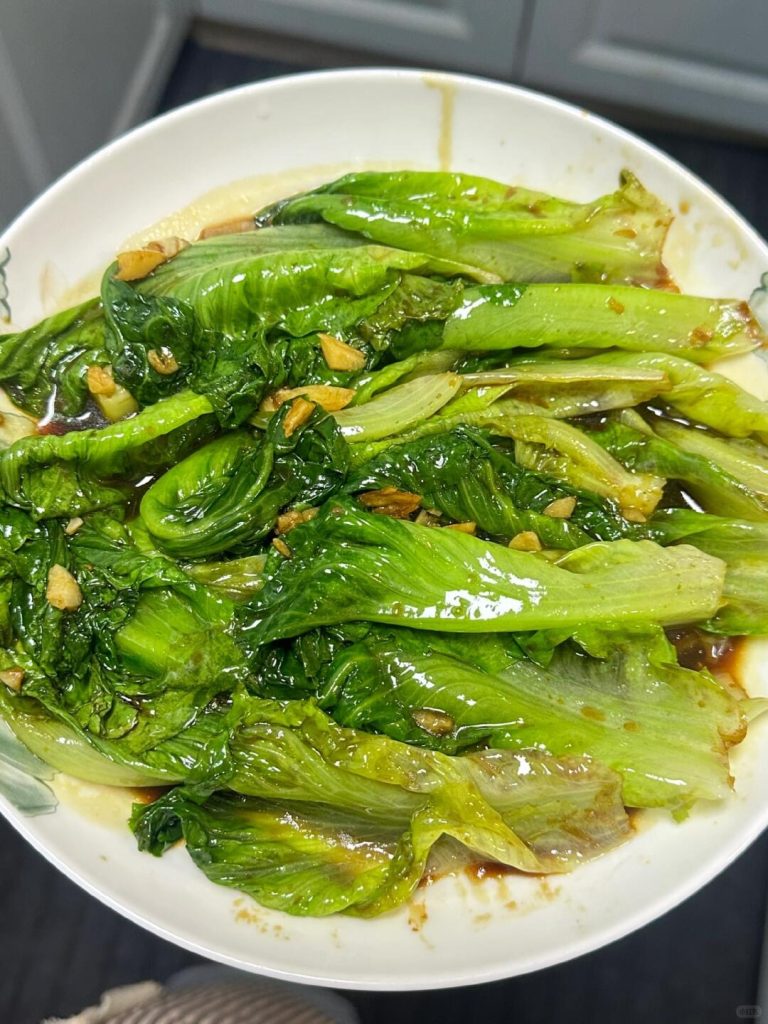
The Quick Fix for a Glossy Coating
The secret to a sauce that clings like a velvet robe is a combination of proper moisture control and a well-activated cornstarch slurry. If your sauce isn’t coating, you likely have too much residual water from your vegetables or you haven’t hit the “gelatinization point” where the starch transforms into a sticky glaze.
Why It Works: The Science of “Cling”
To get a sauce to stick, you need to manage three things: surface tension, starch activation, and emulsification.
- Starch Gelatinization: Cornstarch molecules are like tiny sponges that only “switch on” and expand when they hit roughly 144°F (62°C). If your pan is too cold, they just sit there like grit.
- Surface Moisture: If your chicken or broccoli is wet, the sauce will slide right off. Think of it like trying to paint a wet wall—it just won’t take.
- The Oil Bond: A small amount of fat helps emulsify the liquids, creating a thicker, shinier body that adheres to the food’s surface.
The Real Kitchen Insight
In my experience working the line in high-volume Chinese kitchens, I’ve seen thousands of home cooks make the same mistake: they treat the sauce like a soup. In a restaurant, we don’t just “pour and pray.” We create a “dry” environment first. What most beginners don’t realize is that the “sauce” stage is actually the shortest part of the process. In a restaurant kitchen, we use high-heat burners to evaporate excess moisture instantly. On a standard home stove, you have to compensate for the lower heat by being much more aggressive with your . You also need to ensure your light soy sauceand other liquids are balanced so they don’t overwhelm the ingredients.
Essential Ingredients & Substitutes
To build a sauce with “grip,” you need specific building blocks:
- Thickener: Cornstarch is the gold standard for that clear, glossy look.
- Substitute: Arrowroot powder (great for acidic sauces) or a tiny bit of all-purpose flour (though it will be cloudy).
- Tackiness Provider: Sugar or honey. Sugars caramelize and provide a physical “stickiness.”
- Depth: Oyster sauce has a natural viscosity that helps the glaze body.
- Substitute: Vegetarian mushroom sauce.
- Aromatic Base: Finely minced ginger and garlic. If these are too chunky, the sauce won’t emulsify around them.
Prep Strategy for Maximum Adhesion
Before you turn on the burner, follow this logic:
- The Paper Towel Rule: Pat your proteins and vegetables bone-dry. Any water clinging to that cabbage will turn your sauce into a soup.
- The Slurry Shake: Starch settles at the bottom of the bowl. You must stir your slurry (cornstarch + water/broth) immediately before it hits the pan.
- The Sizing: Keep your cuts uniform. If some pieces are huge and others tiny, the sauce will coat them unevenly, leaving the big pieces “naked.”
Step-by-Step to the Perfect Glaze
- Sear the Protein: Get your pan ripping hot with a high-smoke point oil. You should hear a loud, aggressive sizzle.
- Vegetable Blasts: Cook your veggies until they are 80% done. If they start releasing water, remove them and drain the pan.
- The Aromatic Bloom: Push everything to the sides and drop your garlic/ginger in the center. Look for light browning—this takes about 10 seconds.
- The Sauce Pour: Pour your sauce base around the edges of the pan so it heats up before hitting the food.
- The Slurry Whirlpool: Give your slurry a final stir and pour it in. Use your spatula to move the liquid in a circular motion.
- The Final Toss: As soon as you see the sauce turn from opaque to translucent and shiny, toss everything together vigorously for 30 seconds.
6 Common Mistakes & How to Fix Them
| Mistake | Why it happens | The Fix |
| Watery Puddle | Too many watery veggies (like zucchini) or not enough starch. | Use a Stir Fry Sauce Thickening Guide to check your ratios. |
| Gummy Clumps | Adding slurry to a pan that is too hot without stirring. | Whisk the sauce constantly as you pour the slurry in. |
| Dull/Matte Look | Lack of sugar or oil. | Add a teaspoon of sesame oil at the very end for a “mirror” finish. |
| The “Slide Off” | Food was too wet or oily before the sauce was added. | Pat ingredients dry and don’t overdo the cooking oil. |
| Bland Taste | The sauce didn’t reduce enough to concentrate flavors. | Ensure the sauce bubbles for at least 15-20 seconds to thicken. |
| Burnt Garlic | Adding aromatics too early. | Add them just before the liquid to keep them sweet and fragrant. |
Pro Tips for the Home Stove
- The Skillet vs. Wok Debate: If you are using an electric stove, a flat-bottomed skillet often works better than a wok because it has more surface contact with the heat. This helps evaporate moisture faster, preventing the “stewing” effect.
- Flavor Layering: Never add all your salt at once. Use a soy sauce base for the salt, but finish with a splash of black vinegar for brightness.
- Heat Hacks: If your stove is weak, cook in smaller batches. Overcrowding the pan is the fastest way to kill the heat and end up with a watery sauce.
Variations for Every Diet
- Keto/Low-Carb: Use 1/4 teaspoon of Xanthan Gum instead of cornstarch. Be careful—it’s much more powerful!
- Gluten-Free: Ensure you use Tamari instead of regular soy sauce and check your oyster sauce label.
- Vegan: Use a mushroom-based “oyster” sauce to maintain that thick, savory body.
Mini Recipe: The “Universal Gloss” Stir-Fry Sauce
If you want a sauce that never fails to coat, try this simple ratio:
- Ingredients: 1/2 cup chicken broth, 2 tbsp light soy sauce, 1 tbsp oyster sauce, 1 tsp sugar, 1 tsp sesame oil, and 1 tbsp cornstarch.
- Method: Whisk all ingredients in a jar. After stir-frying your Shrimp and Broccoli, pour this in. Toss for 30 seconds until it looks like a shiny glaze. It’s better than any jarred sauce you’ll find at the store.
Internal Linking & Resources
Learning how to stir fry properly is the first step in mastering Chinese home cooking. If you find your results are still inconsistent, you might want to check why your stir fry turns watery or explore my guide on why your sauce is too thinfor a deeper dive into starch ratios.
FAQ
Q: Can I use flour instead of cornstarch?
A: You can, but the sauce will be opaque and “heavy” rather than clear and glossy. Use double the amount of flour compared to cornstarch.
Q: Why does my sauce get thin again after it thickens?
A: This is called “over-stirring” or overcooking the starch. If you boil cornstarch too long, the starch molecules break down and release the water they trapped.
Q: My sauce is too salty, how do I fix it?
A: Do not add more water! Add a splash of rice vinegar or a pinch of sugar to balance the saltiness without thinning the texture.
Q: Do I need a wok to get a good coating?
A: No! A heavy stainless steel or cast iron skillet is actually superior for most Western stovetops because it retains heat better.
Q: How do I store leftover sauce-coated food?
A: Starch-thickened sauces will “weep” (release water) as they sit. Reheat quickly in a hot pan rather than the microwave to restore some of the texture.




Leave a Reply