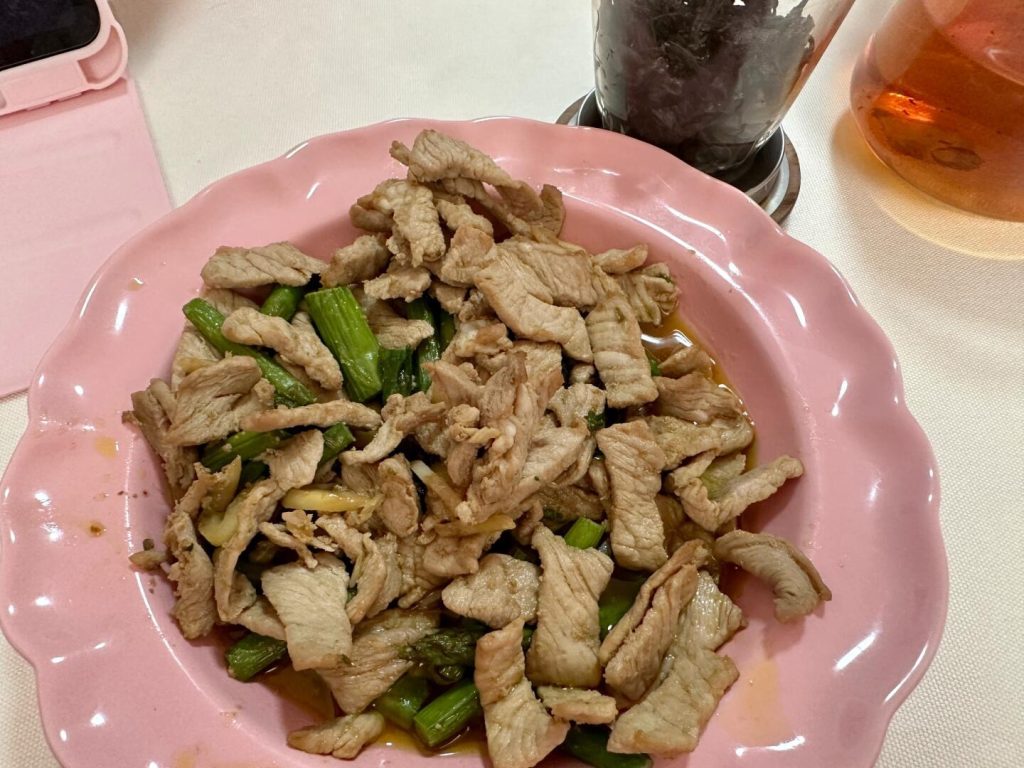
Nothing ruins a weeknight dinner faster than biting into a piece of stir-fried pork that feels like flavored cardboard. You followed the recipe, you bought the lean “healthy” cut, and yet, the meat is tough, stringy, and completely devoid of moisture. It’s a common frustration for home cooks trying to replicate that silky, tender texture found in restaurant dishes like Pork Stir-fry with Green Peppers.
The Quick Fix for Juicy Pork
To stop pork from drying out, you must use the velveting technique: marinate thinly sliced meat with a combination of liquid (water or soy sauce), cornstarch, and oil. This creates a protective barrier that seals in juices. Additionally, always slice across the grain and cook in small batches to ensure the meat sears rather than steams.
The Science of the “Woody” Texture
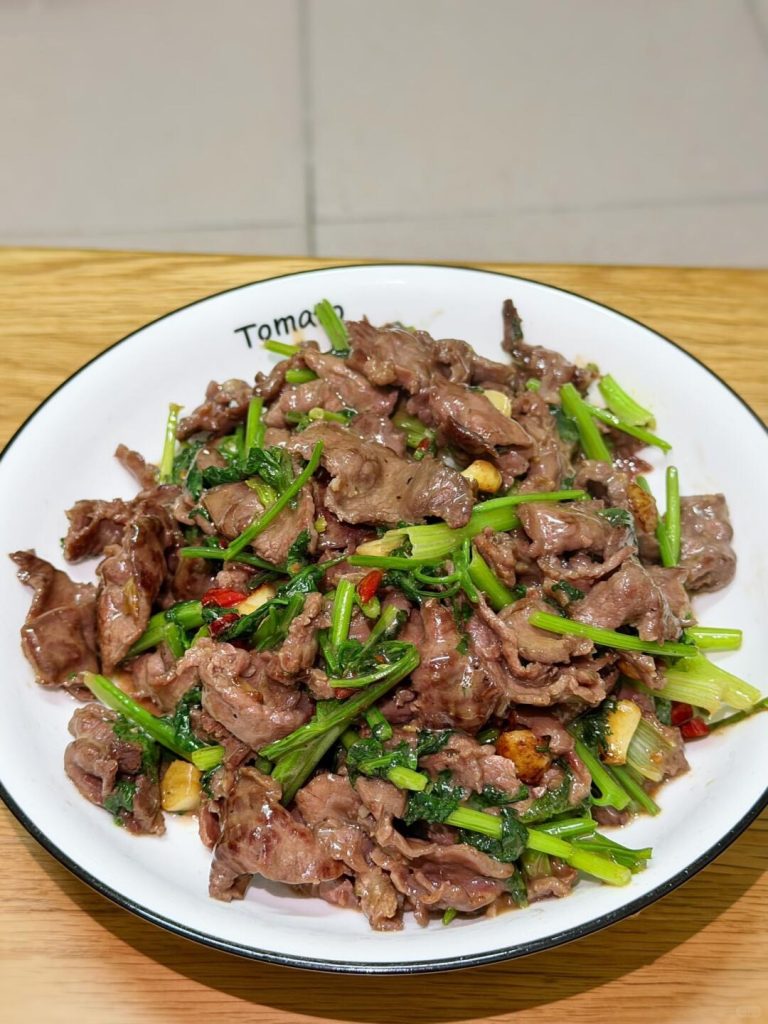
Pork dries out because of rapid protein coagulation and moisture loss. Lean cuts like Pork Loin have very little intramuscular fat to buffer against high heat. When the muscle fibers are exposed to heat, they contract and squeeze out their internal water. Without a barrier, that water evaporates instantly, leaving the fibers tightly packed and “woody.” The cornstarch in a marinade acts as a physical shield, while the added liquid is absorbed into the fibers through a process called “water-binding,” keeping the interior hydrated even as the exterior browns.
The Real Kitchen Insight
In my experience working in high-volume restaurant kitchens, we never just “toss the meat in the pan.” What most beginners don’t realize is that “water-binding” is the true secret. In a restaurant, we often massage water into the pork slices until the meat becomes tacky and plump before adding the cornstarch. If your pork looks dry before it hits the pan, it will definitely be dry after. We also rely on “velveting” (pass-through in oil or water) to par-cook the meat at a lower temperature before the final high-heat stir-fry.
Essential Ingredients and Substitutes
- Cornstarch: The binder that creates the “velvet” coating. (Sub: Arrowroot powder or Potato starch).
- Light Soy Sauce: Provides salt and umami. (Sub: All-purpose soy sauce or a pinch of salt).
- Shaoxing Wine: Removes the “porky” smell and adds depth. (Sub: Dry sherry or omit).
- Water/Broth: The moisture the meat “drinks” during marination.
- Neutral Oil: To “unlock” the meat slices so they don’t stick together.
The Prep Strategy
- Selection: If you want foolproof results, choose pork shoulder (butt) over loin; it has more fat and connective tissue.
- The Grain: Find the lines of the muscle and slice across them. If you cut with the grain, you’re leaving long, tough fibers intact.
- Thickness: Aim for 1/8th inch (3mm). Consistent thickness means consistent cooking.
- Marination Time: Give it at least 15–20 minutes. You want the meat to feel “slippery” and slightly heavier than when you started.
Step-by-Step Professional Stir-Fry
- The Cold Oil Start: Heat your pan, add a high-smoke point oil, and swirl it around.
- Searing: Spread the pork in a single layer. You should hear a sharp, aggressive sizzle. Let it sit for 30 seconds without moving it to develop a crust.
- The Flip: Once the edges turn opaque, toss the meat. It should look slightly glossy and “velvety.”
- Remove Early: Take the pork out when it is 80% cooked (no longer pink on the outside, but tender). Set it aside.
- The Finish: Stir-fry your vegetables, then add the pork back in only for the final 30 seconds when tossing with your Garlic Sauce.
Mistakes vs. Fixes
| Mistake | Why it ruins the pork | The Fix |
|---|---|---|
| Overcrowding the pan | Lowers the temperature; meat boils in its own juice. | Cook in two batches if using a standard home stove. |
| Skipping the cornstarch | No protection against the direct heat of the pan. | Always use at least 1 tsp of cornstarch per half-pound. |
| Slicing with the grain | Creates long, chewy “rubber bands.” | Rotate the meat 90 degrees and cut across the grain. |
| Using “Super Lean” pork | No fat means zero margin for error with timing. | Marinate with extra oil and water to compensate. |
| Cooking until “done” | Residual heat will overcook the meat once plated. | Pull the pork when it’s just turned opaque. |
导出到 Google 表格
Pro Tips: Wok vs. Skillet
If you are using a flat-bottomed skillet on an electric stove, you won’t get the same wok hei (breath of the wok) as a restaurant. To compensate, let the pan get smoking hot before adding the oil. Unlike a wok, which moves heat around, a skillet holds heat in the base. Don’t constantly stir; let the meat “pan-sear” to get that golden-brown color that adds flavor without drying out the center.
Variations to Try
- The Tenderloin Swap: If using pork tenderloin, decrease cooking time by 20%. It is the most delicate cut and dries out the fastest.
- Sweet and Savory: Add a teaspoon of sugar to the marinade to help with caramelization (Maillard reaction) on home stoves that don’t get hot enough.
Mini Recipe: 10-Minute Velvet Pork
- Prep: Slice 1/2 lb pork loin across the grain.
- Marinate: Mix with 1 tbsp water, 1 tsp light soy sauce, 1 tsp cornstarch, and 1 tsp oil. Let sit for 15 mins.
- Cook: Heat 2 tbsp oil in a skillet until shimmering. Sear pork for 1 minute per side.
- Finish: Toss with sliced scallions and a splash of soy sauce. Serve over hot rice.
Internal Linking Guides
If you find your pork is tender but the rest of the dish is lacking, check out our guide on Why Is My Stir Fry Watery or learn the velveting technique in more detail. For those who find pork too temperamental, our tips on Why Is My Chicken Tough offer similar solutions for poultry.
FAQ
1. Can I use baking soda to tenderize pork? Yes, but use it sparingly (1/4 tsp per lb) and rinse it off after 15 minutes, or the meat will have a metallic, soapy taste.
2. Why does my pork stick to the pan? Likely because the pan wasn’t hot enough, or you didn’t add oil to the marinade. The oil in the marinade helps “separate” the starch-coated slices.
3. Is pork loin or shoulder better for stir-fry? Shoulder (butt) is more forgiving for beginners. Loin is leaner but requires perfect “velveting” to stay juicy.
4. Can I skip the cornstarch for a keto diet? You can, but you must be extremely careful with heat. Using a bit of egg white can provide a similar (though less effective) protective coating.
5. How do I know when the pork is perfectly done? The meat should feel springy to the touch, not hard. If you cut a piece open, it should be solid white (no pink) but still glistening with moisture.






Leave a Reply