1. The Gummy Noodle Nightmare
You lift your tongs out of the pan, expecting a beautiful cascade of savory noodles, but instead, you pull up a giant, gummy brain of dough. The vegetables are trapped inside the clump, the sauce is unevenly plastered on the outside, and your weeknight dinner has turned into a sticky, unappetizing brick. Nothing frustrates a home cook more than clumpy noodles that refuse to separate.
2. The Quick Answer
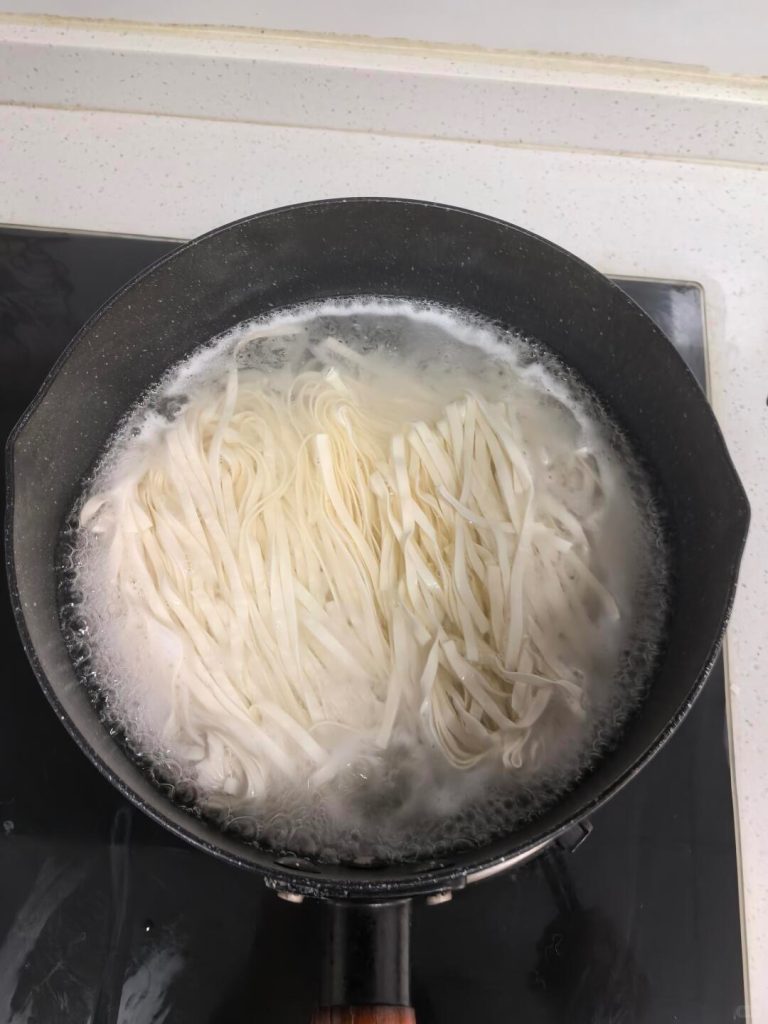
Your lo mein is sticky because you left residual surface starch on the noodles and allowed them to overcook in their own steam. To fix this, immediately rinse your boiled noodles under cold water to stop the cooking process and wash away the gluey starch. Drain them completely, then toss them with a teaspoon of neutral oil before they touch your pan.
3. Why It Works: The Starch and Steam Trap
When you boil wheat or egg noodles, the starches on the exterior expand and burst, creating a sticky gel. If you pull the noodles from the hot water and let them sit in a colander, the residual heat continues to cook them while the moisture evaporates, turning that surface starch into literal glue.
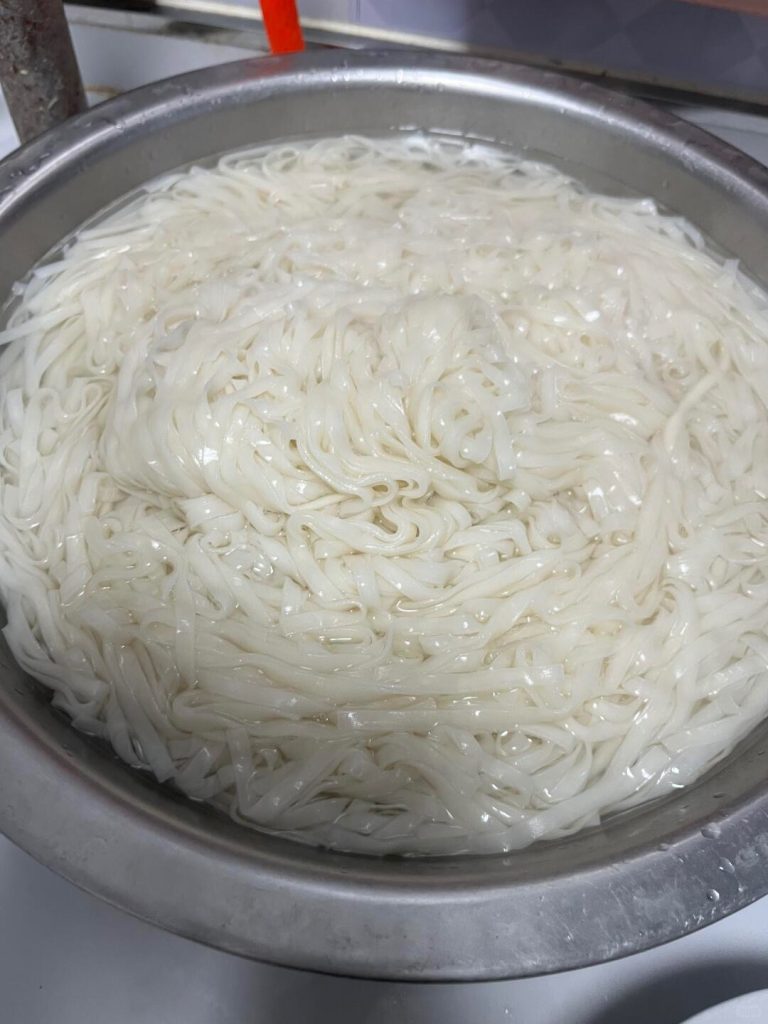
Blasting them with cold water instantly halts the cooking process (heat control) and physically washes away the excess starch (moisture control). Adding a thin coat of oil afterward creates a hydrophobic barrier, ensuring individual strands slide against each other rather than fusing together when they hit the hot pan.
4. The Real Kitchen Insight
What most beginners don’t realize is that noodle prep matters just as much as the stir-fry itself. In my experience working the wok station in restaurant kitchens, we never drop noodles straight from a boiling vat into a stir-fry. We par-boil them until they are just shy of al dente, thoroughly shock them in cold water, and heavily oil them. We keep massive batches of these cold, separated noodles on hand so that when an order comes in, they toss effortlessly into the sauce without turning into a mushy clump.
5. Essential Ingredients for the Perfect Coat
- Lo Mein Noodles: Fresh yellow egg noodles are ideal. If you can’t find them, knowing the types of Chinese noodles explained can help you substitute them effectively; regular spaghetti boiled with a pinch of baking soda is a great alternative.
- Light Soy Sauce: Provides the salty, savory base. If you don’t have light soy sauce, standard all-purpose soy sauce works.
- Dark Soy Sauce: This is purely for that deep, caramelized restaurant color and a touch of sweetness. Dark soy sauce is thick; substitute with a dash of regular soy sauce mixed with a tiny pinch of brown sugar if necessary.
- Oyster Sauce: Adds an earthy umami depth that clings to the oil-coated noodles. Oyster sauce is hard to replace perfectly, but vegetarian mushroom stir-fry sauce is the closest match.
6. Prep Strategy
Timing is everything to prevent stickiness. First, mix your sauce in a bowl so you aren’t fumbling with bottles while your noodles overcook in the pan. Second, set up a colander in your sink before the water even boils. Cut your vegetables into long, thin matchsticks so they tangle beautifully with the noodle shape. Prep the noodles last, shocking and oiling them right before you fire up the stove.
7. Step-by-Step Cooking
- Boil and Shock: Boil the noodles 1 minute less than the package instructions. Drain and immediately blast them with cold water until they are entirely cool to the touch.
- Oil and Loosen: Toss the drained noodles with a teaspoon of oil. Use your hands to separate any tangled strands. Choosing the best oil for stir frying, like canola or peanut oil, ensures you don’t introduce bitter flavors at high heat.
- Sear Aromatics (Medium-High Heat): Add oil to your pan. You should hear a sharp sizzle as your garlic and scallions hit the metal.
- Toss Noodles (High Heat): Add the oiled noodles. Toss constantly with tongs for 1 minute to heat them through.
- Add Sauce (High Heat): Pour the sauce around the edges of the pan, not directly on the noodles. Look for light browning and smell the sweet caramelization of the soy sauce hitting the hot metal. Toss until evenly coated.
8. Common Lo Mein Mistakes + Fixes
| Mistake | Why It Happens | How to Fix It |
|---|---|---|
| Skipping the cold water rinse | Leaves sticky surface starch on the noodles. | Always shock in cold water immediately after boiling. |
| Boiling until fully soft | Noodles absorb more liquid in the pan and turn to mush. | Under-cook by 1-2 minutes; they will finish cooking in the sauce. |
| Overcrowding the pan | Traps steam, boiling the noodles instead of frying them. | Cook in smaller batches, or learn how to prevent overcrowding in stir fry. |
| Adding sauce too early | The noodles soak up the liquid before forming a protective sear. | Toss noodles in oil first, then add sauce in the final 30 seconds. |
| Using a small, cramped pot | Not enough water means a high starch-to-water ratio, creating noodle glue. | Use a large pot with at least 3 quarts of rolling boiling water. |
9. Pro Tips for the Home Stove
- The Right Pan: If your noodles constantly stick to the bottom, your pan might not be holding heat well. Understanding the difference between a flat pan vs wok for stir fry is crucial. A wide, heavy-bottomed skillet on a standard electric or gas home stove often outperforms a thin wok that loses heat instantly.
- The Tong Twirl: Ditch the flat spatula. Use a pair of tongs to lift, twirl, and separate the noodles as they cook, letting steam escape.
- Flavor Layering: Add a dash of sesame oil and a pinch of white pepper off the heat right before serving for that authentic aromatic punch.
10. Variations
- Gluten-Free: Swap wheat noodles for rice noodles, but be warned—rice noodles require soaking in warm water, not heavy boiling, to prevent them from turning into a sticky paste.
- Vegetable Heavy: Add julienned carrots, snow peas, and bean sprouts. Toss the sprouts in at the very last second so they retain their crunch and don’t release excess water that washes away your sauce.
11. Mini Recipe: Foolproof 15-Minute Chicken Lo Mein
Try putting these techniques to the test with an easy chicken lo mein in 15 minutes.
Ingredients: 8 oz fresh egg noodles, 1/2 lb sliced chicken breast, 2 cups shredded cabbage, 1 tbsp light soy sauce, 1 tbsp dark soy sauce, 1 tbsp oyster sauce, 1 tsp sesame oil.
Instructions: Boil and shock the noodles under cold water, then toss with 1 tsp oil. Sear the chicken in a hot skillet until cooked through, then remove it. Stir-fry the cabbage in the remaining oil until slightly soft. Add the cold noodles, cooked chicken, and your mixed sauce. Toss vigorously with tongs on high heat for 1 minute until everything is coated and smells slightly smoky. Serve immediately.
12. Frequently Asked Questions
- Can I use spaghetti instead of Chinese egg noodles? Yes. Add a teaspoon of baking soda to the boiling water to give regular spaghetti that alkaline, bouncy texture typical of traditional Asian egg noodles.
- Why are my noodles breaking into tiny pieces? You either overcooked them in the water, or you stirred them too aggressively before they had a chance to soften in the pan. Use tongs to gently lift rather than stirring in harsh circles.
- Do I have to use a wok? No. On a standard home stove, a large stainless steel or cast-iron skillet actually retains heat better, preventing the noodles from steaming in their own juices.
- Can I prep lo mein noodles ahead of time? Absolutely. Boil, shock, and oil them. Store them in an airtight container in the fridge for up to 3 days. Let them come to room temperature before tossing them in the pan.
- How do I fix a sticky batch of lo mein that’s already ruined? Once it’s a gummy brick mixed with sauce, it’s tough to reverse. You can try adding a small splash of chicken broth and a drizzle of sesame oil over low heat, using tongs to very gently pry the strands apart.





Leave a Reply