You’ve spent twenty minutes chopping vegetables and slicing meat to perfection. The wok is humming, the oil is shimmering, and you toss in that beautiful pile of minced garlic. Suddenly, a puff of acrid smoke hits your nose, and the garlic turns from white to a dark, angry brown in the blink of an eye. You toss the rest of the ingredients in, hoping to save it, but one bite later, the entire dish is ruined by a lingering, metallic bitterness. It is the single most common frustration for home cooks trying to master high-heat cooking.
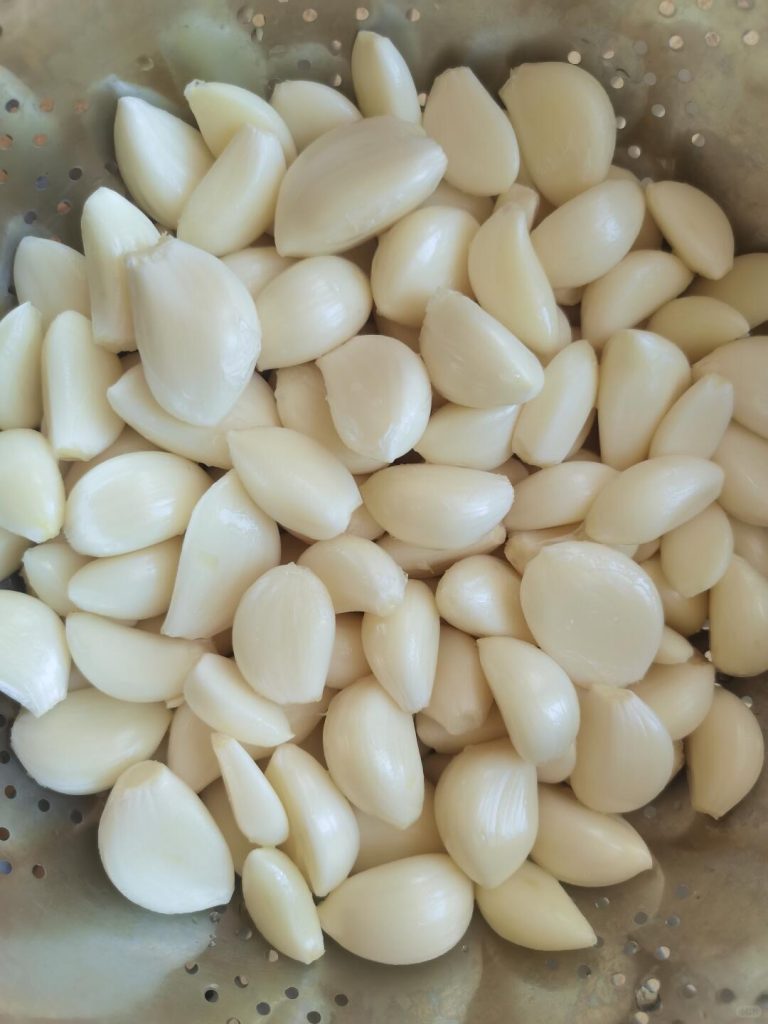
The 10-Second Fix
Garlic turns bitter primarily because it has a very high sugar content and low moisture, causing it to burn (carbonize) at temperatures far lower than onions or ginger. To stop the bitterness, you must either lower the initial heat, increase the cut size, or add a liquid buffer (like soy sauce or broth) the moment the garlic turns pale gold.
Why It Turns Acrid: The Science of Sulfur
Garlic is a chemical powerhouse. When you cut it, an enzyme called alliinase converts alliin into allicin, which provides that classic “garlicky” aroma. However, garlic also contains high levels of natural sugars. In a hot pan, these sugars undergo the Maillard reaction rapidly, but because garlic pieces are usually tiny, they skip the “deliciously toasted” phase and go straight to carbonization. Once the garlic turns dark brown or black, the sulfur compounds break down into acrid-tasting chemicals that permeate the entire dish, especially if you are using a best oil for stir frying with a high smoke point that carries the heat too efficiently.
Real Kitchen Insight: Respect the “Aromatic Window”
In my years working in professional restaurant kitchens, I’ve seen thousands of apprentices ruin dishes in the first five seconds. What most beginners don’t realize is that in a high-BTU environment, garlic is often the last aromatic to enter the pan, not the first. We often use ginger as a “heat shield” because it is heartier and contains more moisture. In a restaurant, we also rely on “garlic oil” where the garlic is infused at a lower temperature to avoid the risk of burning during the final toss. At home, you don’t have a jet-engine burner, but you do have a flat pan vs wok choice; a heavy skillet actually holds heat longer, making it easier to burn garlic if you aren’t careful.
Essential Ingredients & Their Roles
- Fresh Garlic: High moisture, best flavor. Substitute: Jarred minced garlic (though often more acidic).
- Ginger: Provides a moisture buffer and aromatic depth.
- High Smoke Point Oil: Necessary for the best oil for stir frying experience.
- Shaoxing Wine or Broth: Use this as a “fire extinguisher” to instantly drop the pan temperature.
The Prep Strategy: Size Matters
The way you cut your garlic dictates how much heat it can handle.
- Smashed Cloves: Best for long braises or infusing oil. They rarely burn because the surface area is low.
- Slices: Perfect for quick vegetable stir-fries. They offer a “toasted nut” flavor without the risk of instant burning.
- Minced: High risk, high reward. It provides the strongest flavor but must be handled with extreme care. Pro Tip: If you are using a cast iron pot for a one-pot meal, keep your garlic in large chunks to survive the longer cook time.
Step-by-Step: The “Cold Oil” Sauté
- Start Low: Place your pan over medium heat. Add your oil.
- The Entry: Add your garlic (and ginger) while the oil is still warming up. This allows the flavor to infuse gradually.
- Listen and Smell: You should hear a gentle sizzle, not a violent crackle. Smell for a nutty, sweet fragrance.
- The Visual Cue: As soon as the edges of the garlic turn a very pale, champagne gold, add your main proteins or vegetables.
- Deglaze: If the pan looks too hot, splash in a little homemade chili garlic sauce or broth to stop the browning process.
Common Garlic Mistakes & Fixes
| Mistake | Why it happens | The Professional Fix |
| Adding garlic to smoking oil | The oil temperature is above 400°F; garlic burns in 3 seconds. | Turn off the heat for 30 seconds before adding garlic. |
| Using a Garlic Press | The press turns garlic into a paste, releasing too much juice and sulfur. | Hand-mince with a knife for more uniform, heat-resistant pieces. |
| Overcrowding with Aromatics | Too much garlic in a small spot creates uneven browning. | Spread the garlic across the pan or toss it with the ginger. |
| Cooking Garlic Alone | There is no other moisture in the pan to regulate heat. | Toss garlic in with the “hard” vegetables like carrots or broccoli. |
| Ignoring the “Carry-over” Heat | Garlic continues to cook even after you add other ingredients. | Pull the garlic when it is white, not brown, if the pan is very hot. |
Pro Tips: Master the Heat
- The Buffer Technique: Mix your minced garlic with a teaspoon of oil or a splash of water before adding it to the wok. This coating acts as a thermal insulator.
- The Sauce Shield: If you are using a Chinese brown sauce, mix your garlic directly into the sauce. The sugars and starches in the sauce will caramelize around the garlic, preventing it from hitting the direct metal of the pan.
- Infusion vs. Frying: For a milder flavor, fry whole smashed cloves in Chinese chili oil then remove them before adding your stir-fry ingredients.
Flavor Variations
- Crispy Garlic Chips: Slice garlic thinly and fry in cool oil until golden. Use as a garnish.
- Garlic Water: Common in many “Dry Pot” recipes. Blend garlic with water and strain; use the liquid to provide garlic flavor without any solids that can burn.
- Fermented Garlic: Use doubanjiang (fermented bean paste) which often contains garlic that is already “cooked” by the fermentation process and is much harder to burn.
Mini Recipe: 5-Minute Garlic Bok Choy
- Ingredients: 1 lb Baby Bok Choy, 4 cloves garlic (sliced), 1 tbsp oil, pinch of salt, splash of water.
- Method: Heat oil in a wok on medium. Add sliced garlic. When it smells fragrant (about 30 seconds), crank the heat to high and toss in the bok choy. Add salt and water. Cover for 1 minute. The steam will cook the greens while the garlic stays sweet and tender.
FAQ
- Can I use sprouting garlic? Yes, but remove the green germ in the center; that part is naturally more bitter when heated.
- Why does restaurant garlic taste different? Chefs often use “blanched garlic” or garlic that has been soaked in water to remove excess sugars before frying.
- Is jarred garlic better for high heat? No, it often has preservatives that can create “off” flavors when scorched.
- What if my garlic turns blue? That’s a reaction between sulfur and trace minerals or acids. It’s safe to eat and not actually bitter!
- How do I save a bitter dish? You can’t “un-burn” garlic. Your best bet is to add a touch of sugar or acid (vinegar) to mask the bitterness, but if it’s black, it’s better to start over.



Leave a Reply