You’ve spent twenty minutes meticulously slicing ginger, dicing chicken, and cleaning bok choy. You fire up the stove, toss everything in, and hope for that crisp, vibrant takeout-style meal. But instead of “breath of the wok,” you end up with a plate of limp, heavy vegetables sitting in a pool of yellow grease. It feels heavy on the tongue and leaves a slick in the back of your throat. If your stir-fry tastes more like a deep-fry gone wrong, you aren’t alone—this is the number one frustration for home cooks entering the world of Chinese cuisine.
The Quick Fix: Heat and Dryness
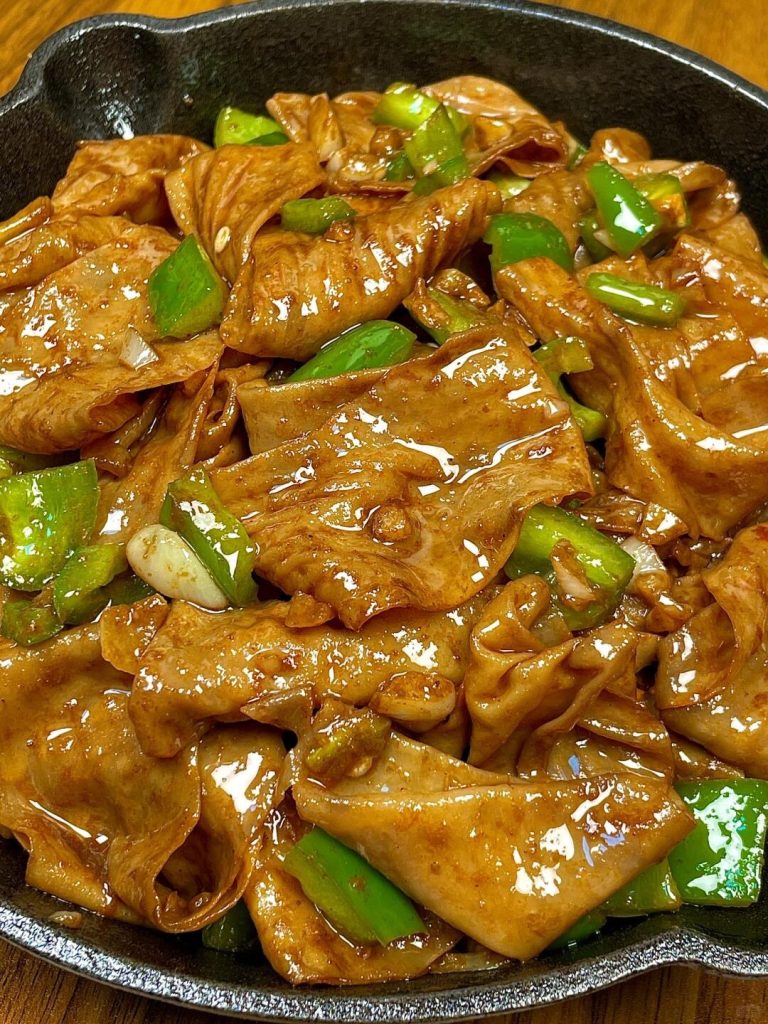
An oily stir-fry is almost always caused by low pan temperature or excess moisture on your ingredients. When the pan isn’t hot enough, the oil cannot emulsify with the sauce; instead, it just coats the cold food. To fix this instantly: wait for the oil to shimmer or barely smoke before adding food, and ensure every vegetable is bone-dry before it touches the pan.
The Mechanics of Oil and Heat
In stir-frying, oil isn’t just a lubricant; it’s a heat-transfer medium. When the pan is screaming hot, the oil creates a flash-sear that locks in moisture and keeps the oil on the outside of the food. If the temperature drops—which happens if you overcrowd the pan—the oil temperature plummets. The food then begins to “stew” in the lukewarm oil, allowing the fat to penetrate the fibers of the meat and vegetables. This is why choosing the best oil for stir frying with a high smoke point is non-negotiable; you need an oil that can handle the heat without breaking down.
The Real Kitchen Insight: Why Your Home Stove is Different
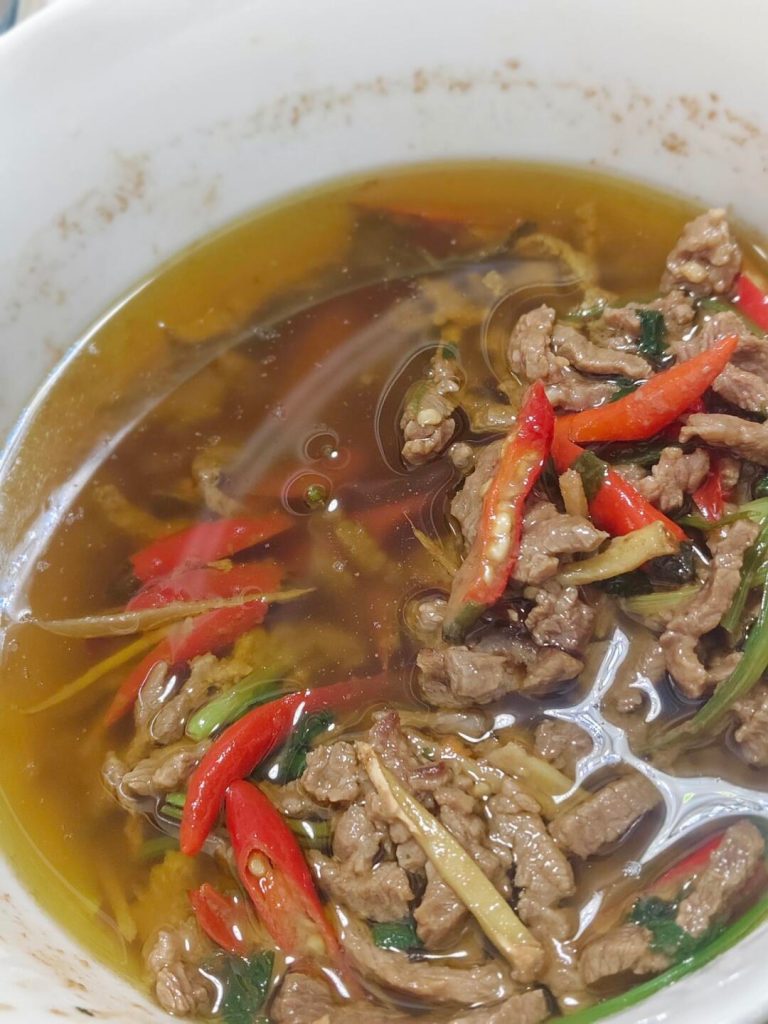
In a restaurant kitchen, we have high-BTU burners that look like jet engines. We can dump two pounds of food into a wok and the temperature won’t budge. At home, your standard stove has a fraction of that power. What most beginners don’t realize is that you cannot cook like a restaurant chef if you use restaurant quantities. In my experience, the biggest mistake is “the pile-up.” If you see liquid bubbling at the bottom of your pan instead of hearing a constant, aggressive hissing sound, your pan has lost its heat, and your stir-fry is officially becoming a grease-slick.
Essential Ingredients and Smart Swaps
You don’t need a pantry full of specialty items, but you do need the right types of fats and binders.
- High Smoke Point Oil: Grapeseed, canola, or peanut oil. Avoid extra virgin olive oil or butter—they burn too fast and create a bitter, greasy film.
- Aromatics: Fresh ginger and garlic. If you use the jarred kind sitting in water, you’re adding more moisture that causes oil to splatter and fail.
- Cornstarch (The Binder): A small amount of cornstarch in your sauce helps the oil and liquid bind together. This “glaze” ensures the flavor sticks to the food rather than pooling at the bottom.
The Prep Strategy: Dryness is Key
If you wash your broccoli and throw it straight into the pan, the water will steam the oil, preventing it from searing. I always recommend using a salad spinner or patting everything dry with paper towels. Furthermore, learning how to velvet chicken for stir fry—a technique involving a light coating of cornstarch and egg white—creates a protective barrier that keeps the meat tender and prevents it from soaking up excess oil.
Step-by-Step to a Clean Stir-Fry
- The Dry Run: Heat your wok or skillet over high heat until you see the first wisp of smoke rising from the surface.
- The Oil Shimmer: Add 1-2 tablespoons of oil. Swirl it to coat the sides. It should ripple and shimmer instantly.
- Aromatic Flash: Add ginger and garlic. You should hear a loud crackling sound. Stir for only 10 seconds—don’t let them brown.
- Protein First: Add meat in a single layer. Let it sear for 30 seconds before moving it. This builds a crust that rejects excess oil.
- Batch Cooking: Remove the meat and cook vegetables separately if your pan is small. This is the secret to maintaining high heat.
- The Final Toss: Add everything back in, pour the sauce down the sides of the pan (to heat it up before it hits the food), and toss vigorously for 30-60 seconds.
6 Common Stir-Fry Mistakes & How to Fix Them
| Mistake | Why it happens | The Fix |
|---|---|---|
| Adding oil to a cold pan | Oil soaks into the food as it warms up. | Heat the pan before adding oil (Long Yao). |
| Wet Vegetables | Water creates steam, lowering the oil temp. | Use a salad spinner; ensure veggies are 100% dry. |
| Crowding the Pan | Too much food absorbs all the heat. | Cook in batches; never fill the pan more than 1/3 full. |
| Using the wrong pan | Thin pans lose heat instantly. | Use a heavy bottom skillet or a carbon steel wok. |
| Slow Stirring | Food sits in oil too long without moving. | Keep the food in constant motion once it has seared. |
| Too much sauce | Excess liquid thins the oil into a greasy soup. | Use a thickened sauce with a cornstarch slurry. |
导出到 Google 表格
Pro Tips for the Home Kitchen
Whether you are debating flat pan vs wok for stir fry, the goal is always heat retention. If you use an electric stove, a heavy cast-iron skillet is often better than a cheap, thin wok because it holds onto heat like a battery. Also, if you find yourself wondering how to fix soggy vegetables in stir fry, remember that “less is more.” Use just enough oil to coat the ingredients; you can always add a splash of water or broth later to create steam if the pan gets too dry, which is much healthier than adding more oil.
Variations for Lighter Meals
- The “Water-Fry” Method: Use half the oil and add a tablespoon of water mid-way through to create a steam-sear effect.
- Aromatic Infusion: If you want the flavor of sesame oil, add it after you turn off the heat. Heating sesame oil too high makes it taste greasy and loses its floral aroma.
Mini Recipe: Garlicky Hand-Torn Cabbage
This dish is a classic test of oil control. Done right, it’s smoky and crisp; done wrong, it’s a soggy mess.
- Ingredients: half a head of green cabbage (torn into 2-inch pieces, bone dry), 3 cloves garlic (sliced), 2 dried chilis, 1 tsp light soy sauce, 1 tsp vinegar.
- Method: Heat your pan until smoking. Add 1 tbsp oil and the cabbage. Do not stir for 30 seconds—let the edges char. Toss, add garlic and chilis, and stir-fry on high for 2 minutes. Splash the soy sauce and vinegar around the edges, toss once more, and serve immediately. This technique is similar to making hand-torn cabbage in a professional kitchen.
Internal Linking & Further Reading
Mastering the balance of oil and heat takes practice. If you are working with beef, learning how to keep beef tender in stir fry is essential, as tough meat often tempts cooks to add more oil to “soften” it. For a simple, low-oil side dish that practices heat control, try this stir-fried lettuce with garlic, which requires precision to keep from turning into a greasy puddle.
FAQ: Solving Your Greasy Stir-Fry Problems
1. Can I use olive oil for stir-frying? I don’t recommend it. Extra virgin olive oil has a low smoke point and a strong flavor that clashes with Chinese aromatics. It also breaks down into a sticky, greasy texture at high heat. Stick to neutral oils.
2. Why does my sauce always separate from the oil? This happens when the sauce isn’t properly thickened or the pan isn’t hot enough to emulsify the fats. Make sure your sauce contains a little cornstarch and that the pan is sizzling when you add it.
3. Is it possible to stir-fry with no oil at all? Not really—that would be “dry searing” or steaming. You need a small amount of fat to conduct heat. If you’re watching calories, use a non-stick pan and a spray bottle for the oil to ensure an even, thin coating.
4. How do I know when the pan is hot enough? The “water drop test” is a classic: flick a drop of water onto the dry pan. If it dances and evaporates instantly, you’re ready. If it just sits there and bubbles, wait.
5. Why is my chicken always greasy even if the pan is hot? You might be skipping the “sear” phase. If you move the chicken the second it hits the pan, it won’t form a crust and will simply absorb the oil. Let it sit for a few seconds first!







Leave a Reply