You’ve spent thirty minutes chopping, the kitchen smells vaguely like ginger, and you finally sit down to eat, only to find your stir-fry tastes like… nothing. Or worse, it tastes like wet, steamed vegetables with a hint of salt. It’s a common frustration for home cooks: the dish looks right, but that punchy, savory “restaurant” depth is missing. You add more soy sauce, but then it’s just salty and thin. That elusive complexity seems trapped behind the kitchen doors of your favorite takeout joint.
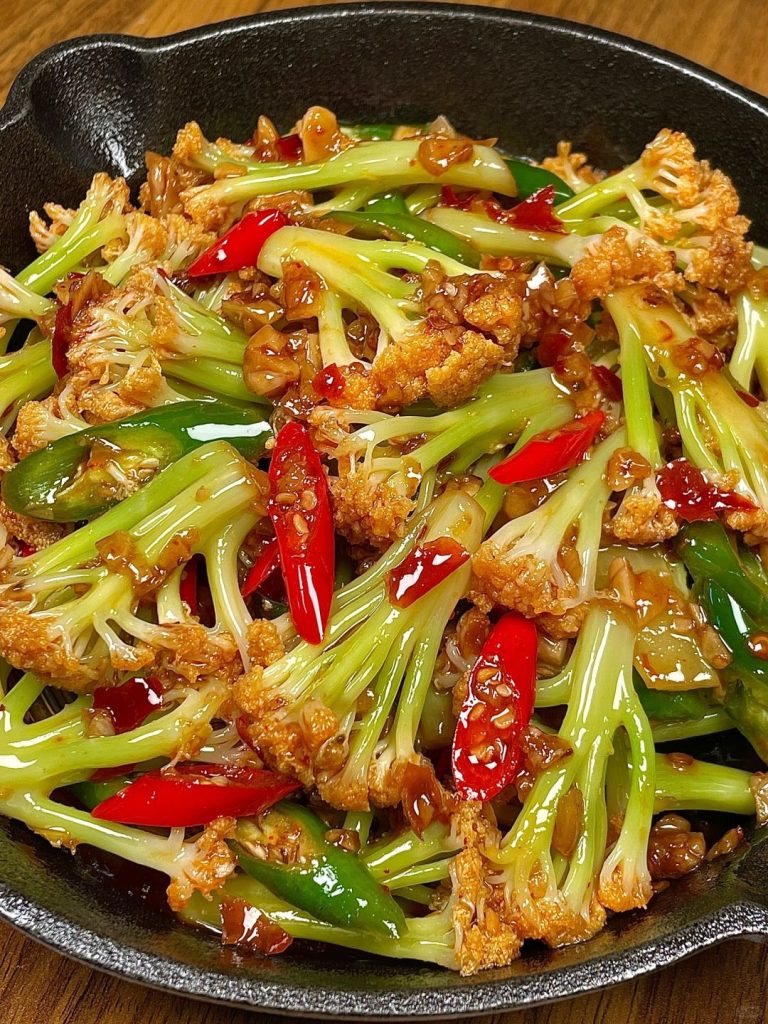
The 60-Second Fix
The most common reasons for bland stir-fry are under-seasoning the protein, crowding the pan, and failing to bloom your aromatics. To fix it instantly, ensure your meat is marinated for at least 15 minutes, sear it in small batches to avoid “steaming,” and always sizzle your garlic and ginger in oil before adding anything else.
The Science of Flavor Layering
In a professional kitchen, we don’t just “dump and stir.” Stir-frying is a sequence of chemical reactions. Flavor comes from the Maillard reaction—the browning of sugars and proteins that only happens at high heat in a dry environment. If your pan is full of vegetable water, that reaction stops. Additionally, many flavors in Chinese cooking (like the essential oils in ginger and star anise) are fat-soluble, meaning they only release their full potential when they hit hot oil, not when they are boiled in a sauce at the end.
The Real Kitchen Insight
In my experience working the line, what most beginners don’t realize is that the “sauce” is actually the last 10% of the flavor. In a restaurant kitchen, we focus heavily on the “foundation.” If you don’t slicing meat properly and season it before it ever touches the wok, no amount of bottled sauce will save it. We also rely on the “breath of the wok,” but since you’re likely on a home stove, you have to compensate for the lower heat by working in smaller batches to maintain that searing temperature.
Essential Pantry Power-Players
If your food is bland, you might be missing these heavy hitters. Here is what I use and how you can swap them:
- Light Soy Sauce: For salt and “umami.” (Sub: All-purpose soy sauce).
- Shaoxing Wine: Adds a fermented, nutty depth. (Sub: Dry Sherry or even a splash of dry white wine).
- Oyster Sauce: Provides body and a savory-sweet finish. (Sub: Vegetarian stir-fry sauce or a mix of soy sauce and brown sugar). Oyster sauce explained is a great way to understand its thickening power.
- White Pepper: It has a “funkier” heat than black pepper. (Sub: Black pepper, but use half the amount).
- Aromatics: Fresh garlic, ginger, and scallions are non-negotiable.
Prep Strategy: The “Dry” Rule
Flavor starts with a knife and a paper towel.
- Moisture Control: Pat your meat and vegetables bone-dry. Any water on the surface will turn into steam, which kills flavor.
- Uniformity: Cut everything into bite-sized pieces so they cook at the same rate.
- The Marinade: Even a simple 15-minute soak in soy sauce and a pinch of cornstarch does wonders. This is the secret to how we velvet the chicken to keep it tender and seasoned to the core.
Step-by-Step Flavor Building
- Heat the pan: Wait until the oil is shimmering and just starting to smoke. You want to see that wisp of heat.
- Sear the protein: Lay the meat flat. Don’t touch it for 30 seconds. You should hear a loud, aggressive sizzle. Remove once browned but not fully cooked.
- Bloom the aromatics: Add a fresh teaspoon of best oil for stir frying and toss in your ginger and garlic. Smelling that fragrance? That’s flavor entering the oil.
- Flash-fry vegetables: High heat, quick tosses.
- The Re-entry: Add the meat back in, pour the sauce around the edges of the pan (to caramelize it instantly), and toss until glossy.
5 Common Mistakes + Fixes
| Mistake | Why it ruins flavor | The Fix |
| Crowding the pan | Lowers temperature; meat “stews” in its own juice. | Cook in batches; meat first, then veggies. |
| Cold Aromatics | Adding garlic to water-heavy veggies. | Sizzle garlic in oil first to release oils. |
| Over-saucing | Drowns the natural sear and makes it soggy. | Use a cornstarch slurry to thicken the sauce into a glaze. |
| Using “Takeout” sauce only | Bottled sauces lack the fresh zing of aromatics. | Always use fresh ginger/garlic as a base. |
| Low Heat | No Maillard reaction, no “wok hei” flavor. | Use the highest setting on your home stove. |
导出到 Google 表格
Pro Tips for the Home Cook
- Wok vs. Skillet: If you have an electric stove, use a heavy flat-bottomed skillet. It maintains contact with the heat source better than a round-bottom wok.
- The Acid Kick: If your dish tastes “flat” after cooking, add a teaspoon of Chinkiang vinegar or a squeeze of lime at the very end. Acid wakes up the salt.
- Wok Hei Hack: You can simulate controlling wok hei at home by letting the food sit undisturbed for a few extra seconds to get a slight char.
Flavor Variations
- Spicy: Add a spoonful of chili garlic sauce during the aromatic stage.
- Nutty: Drizzle toasted sesame oil after the heat is turned off to preserve the delicate aroma.
- Sweet & Savory: Add a tablespoon of hoisin sauce for a Cantonese-style finish.
Mini Recipe: The “Emergency” Garlic Chicken
- Protein: 1/2 lb chicken breast, sliced thin.
- Marinade: 1 tsp soy sauce, 1 tsp cornstarch.
- Sauce: 1 tbsp soy sauce, 1 tsp sugar, 1 tsp sesame oil, 1 tbsp water.
- Aromatics: 3 cloves garlic (minced), 1 tsp ginger (minced).
- Process: Sear chicken in hot oil until brown. Remove. Sizzle aromatics for 10 seconds. Toss in 2 cups of broccoli (dry!). Add chicken back with sauce. Toss for 1 minute until the sauce coats everything like a shiny lacquer.
FAQ
Q: Can I use frozen vegetables? A: Yes, but thaw and dry them thoroughly. Frozen veggies release a lot of water, which is the enemy of a flavorful stir-fry.
Q: My garlic always burns. Help! A: Lower your heat slightly when adding aromatics, or add them 10 seconds after the meat starts searing so they don’t sit in the hot oil alone for too long.
Q: Why does my sauce stay watery? A: You likely didn’t use a cornstarch slurry. Mix 1 tsp cornstarch with 1 tbsp water and add it at the very end; it will thicken as soon as it boils.
Q: Is MSG necessary for flavor? A: It’s an optional umami booster. If you don’t use it, ensure you have enough oyster sauce or mushroom powder for that savory depth.
Q: How do I keep my vegetables crunchy? A: Don’t cook them until they’re soft. In the restaurant, we aim for “crisp-tender”—bright color and a definitive “snap” when you bite.










Leave a Reply