The Heartbreak of the “Stuck” Stir Fry
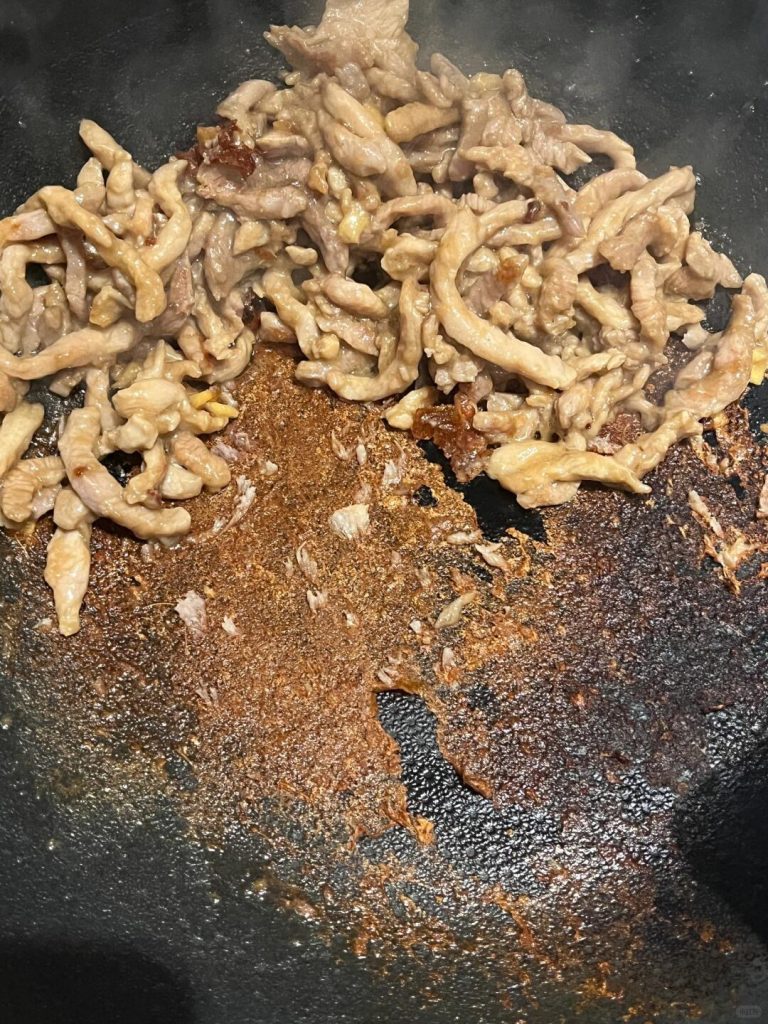
There is nothing more frustrating than spending thirty minutes meticulously slicing ginger and scallions, only to have your beautiful strips of marinated pork fuse to the bottom of the pan the second they hit the heat. You try to scrape them loose, but the “crust” stays behind, turning into a bitter, blackened mess that ruins the sauce and leaves you with a pan that requires an overnight soak. It feels like the wok is personally rejecting your efforts to eat a healthy, home-cooked meal.
The Quick Fix: Heat First, Oil Second
Sticking usually happens because the pan isn’t hot enough or the surface isn’t properly prepared. To stop the sticking immediately: get your pan smoking hot before adding oil, use a high-smoke-point fat, and pat your protein bone-dry before it touches the heat.
The Science of the “Sizzle”
When food sticks, it’s often because a chemical bond has formed between the protein and the metal of the pan. In a professional kitchen, we rely on the “Leidenfrost effect”. When a pan is sufficiently hot, moisture in the food vaporizes instantly, creating a microscopic cushion of steam that literally floats the food above the metal. If the pan is too cold, the juices seep out, mix with the proteins, and act like a high-strength glue.
Insights from a Sichuan Kitchen
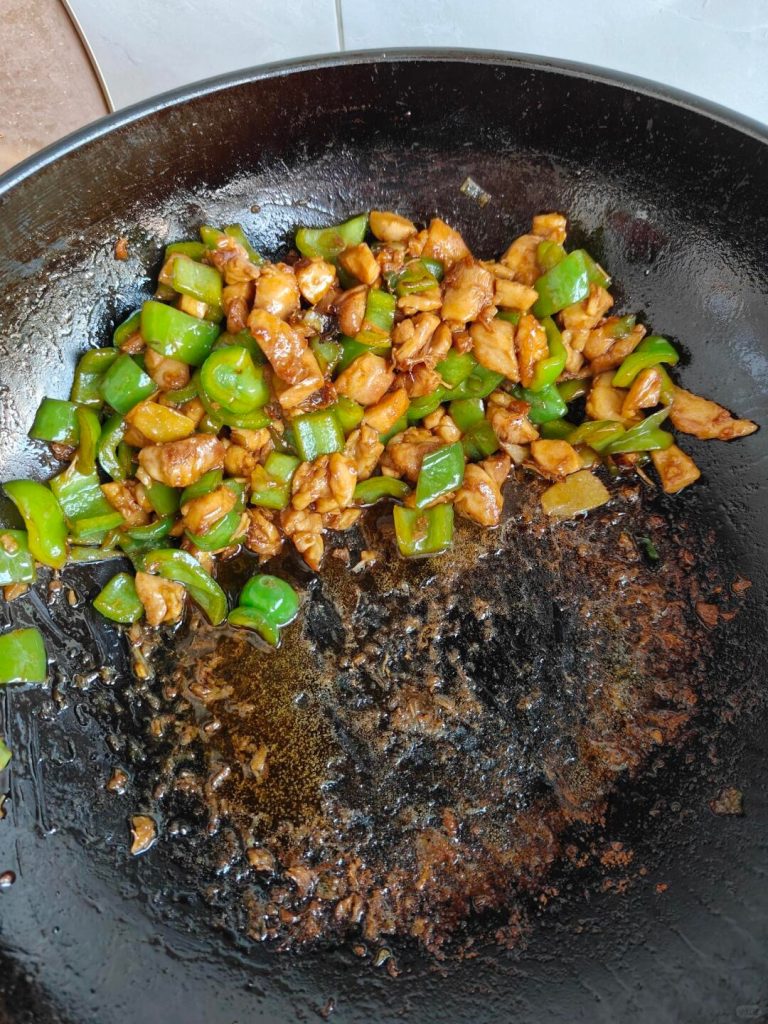
Growing up in Sichuan with parents who were both professional chefs, I learned that “Long Yao” (笼灶)—the technique of “hot wok, cold oil”—is the golden rule. In a restaurant, we have high-BTU burners that can heat a wok in seconds, but at home, you have to be more patient. What most beginners don’t realize is that even a well-seasoned wok will fail you if you overcrowd it, because the cold meat drops the pan’s temperature faster than your home stove can recover.
Essential Ingredients for a Slide-Free Surface
To ensure your ingredients glide instead of grind, you need the right tools in your arsenal:
- High-Smoke-Point Oil: Avoid extra virgin olive oil or butter. Reach for peanut, canola, or grapeseed oil. Learning about the best oil for stir frying is the first step to a clean pan.
- The Right Pan: While non-stick is tempting for beginners, it can’t handle the high heat needed for true wok hei. I recommend a seasoned carbon steel wok, but if you’re undecided, check out my guide on carbon steel vs cast iron wok options.
- A Solid Starch: Cornstarch or potato starch helps create a protective barrier around meat.
The Prep Strategy: Dry and Uniform
Moisture is the enemy of a successful sear.
- Pat it Dry: Even if you’ve marinated your meat, pat the exterior dry with a paper towel before it goes into the pan.
- Size Matters: Ensure your pieces are uniform. If some are thick and some are thin, the thin ones will overcook and release sugars that burn and stick before the thick ones are done. Knowing how to slice meat for stir fry across the grain is vital for both texture and ease of cooking.
Step-by-Step to a Non-Stick Result
- Preheat the Dry Pan: Heat your wok over high heat until a drop of water flicked onto it dances and evaporates in less than a second.
- Add the Oil: Swirl in 2–3 tablespoons of oil. It should shimmer and perhaps wisps of smoke will appear.
- The “Long Yao” Moment: Swirl the oil to coat the sides, then—if you have time—pour the hot oil out and add fresh, room-temperature oil. For home cooks, just making sure the oil is hot is usually enough.
- Listen for the Sizzle: When the protein hits the pan, you should hear a loud, aggressive hiss. If it’s quiet, your pan is too cold.
- Leave it Alone: Don’t start stirring immediately. Let the meat sear for 15–30 seconds to develop a “crust” that will naturally release from the pan.
Common Sticking Mistakes & How to Fix Them
| Mistake | Why It Happens | The Fix |
| Crowding the Pan | Too much cold food drops the temperature. | Cook in small batches and set aside. |
| Using Wet Meat | Steam forms instead of a sear. | Pat meat dry and use a starch coating. |
| Dirty Pan | Old carbon buildup acts like velcro. | Learn how to season a wok properly to maintain the patina. |
| Moving Too Fast | The protein hasn’t formed a crust. | Wait 20 seconds before your first stir. |
| Sweet Marinades | Sugar burns at high heat. | Add sugar-heavy sauces at the very end. |
Pro Tips for the Home Chef
In my ten years in professional kitchens, I’ve found that “velveting” is the secret weapon for home cooks. If you struggle with lean meats like chicken breast sticking and becoming tough, learning how to velvet chicken for stir fry will change your life; it uses a cornstarch and egg white coating to keep the meat slippery and juicy. Also, pay attention to the stir fry order of ingredients; aromatics like garlic and ginger should go in only after the meat is partially cooked to prevent them from burning and sticking to the bottom.
Variations: Cast Iron vs. Stainless Steel
If you aren’t using a wok, a heavy cast iron skillet is your next best friend because it holds heat exceptionally well. If you are forced to use stainless steel, you must be even more diligent with the temperature; the “water drop test” is non-negotiable here to ensure the surface is hot enough to prevent the protein-metal bond.
Mini Recipe: The “No-Stick” Beef & Broccoli
This authentic beef and broccoli method is perfect for practicing your heat control:
- Marinate: Thinly slice 8oz flank steak. Mix with 1 tsp soy sauce, 1 tsp oil, and 1 tsp cornstarch.
- Heat: Get your wok smoking hot. Add oil.
- Sear: Spread the beef in one layer. Let it sit for 30 seconds.
- Toss: Flip and stir until 80% cooked. Remove from the pan.
- Finish: Stir-fry broccoli with a splash of water, return the beef, add your sauce, and toss until thickened.
FAQ: Frequently Asked Questions
- Can I use a non-stick pan? You can, but you won’t get the smoky wok hei flavor, and you shouldn’t use very high heat as it can damage the coating.
- Why does my garlic always burn? Garlic has high sugar content. Add it after the meat has cooled the pan slightly, or toss it in for only the last 30 seconds.
- What if the food is already stuck? Don’t scrape! Add a tablespoon of water or cooking wine. The steam will help deglaze the pan and lift the stuck bits.
- Is my wok ruined if it has black spots? No! That’s just “character” (carbonized seasoning). Just scrub it gently and re-season.
- Does the type of soy sauce matter? For the marinade, use light soy sauce. Dark soy sauce is mostly for color and can burn more easily due to higher sugar content




Leave a Reply