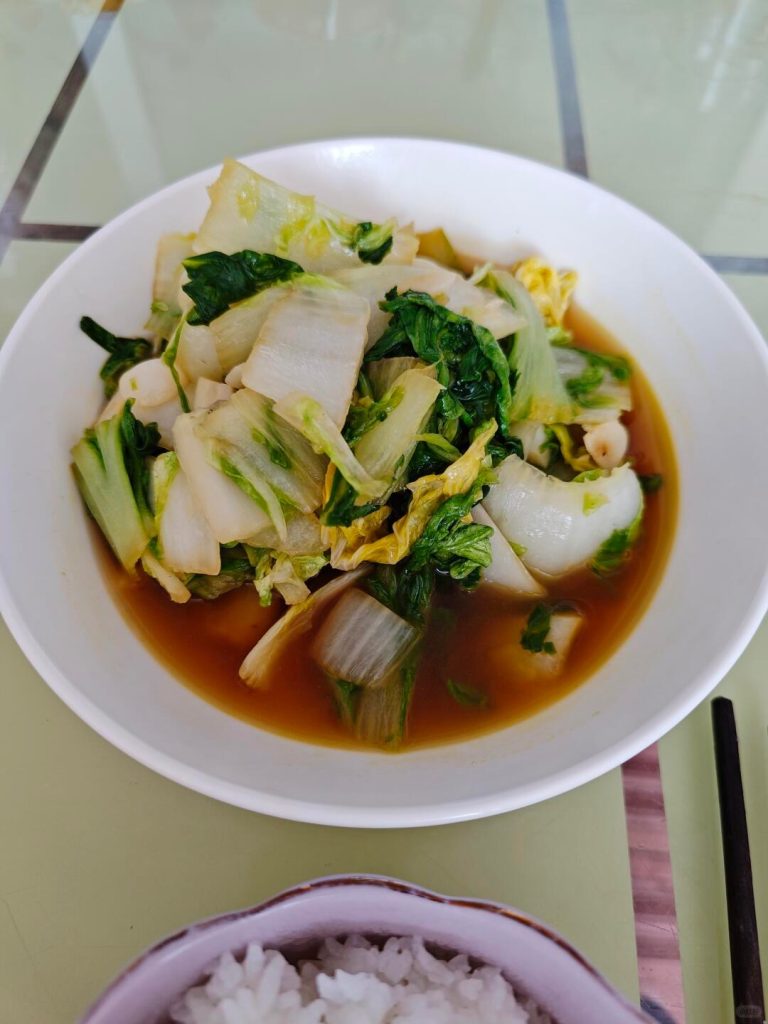
You’ve prepped the vegetables, sliced the meat perfectly, and the wok is screaming hot. Everything looks restaurant-quality until you plate it. Ten minutes later, that glossy, beautiful glaze has vanished, replaced by a pool of thin, flavored water and a greasy layer of oil sitting on top. It’s a common frustration that makes a dish feel heavy and unappetizing rather than light and vibrant.
The Quick Fix for Separated Sauces
Sauce separation usually happens because the starch didn’t fully gelatinize or the oil-to-liquid ratio was off. To fix this instantly, ensure your sauce reaches a full simmer to activate the starch, and never over-oil the pan before adding your liquid components. If it’s already broken on the plate, there isn’t a perfect fix, but keeping the heat high during the final toss is the best prevention.
The Science of the “Broken” Sauce
In Chinese cooking, we rely on a delicate balance of moisture, oil, and starch. When you add a cornstarch slurry to a hot wok, the starch granules absorb liquid and swell, a process called gelatinization. This creates a network that “traps” the oil and water together in an emulsion. If the heat is too low, the starch won’t swell enough to hold the oil. Conversely, if you cook the starch for too long at high heat, the starch molecules actually begin to break down, causing the sauce to “weep” or release the water it just grabbed.
Insights from a Professional Kitchen
In my experience, home cooks often treat sauce as an afterthought, but in a restaurant, it’s the “bridge” between the ingredients. What most beginners don’t realize is that “Wok Hei” isn’t just about char; it’s about the rapid evaporation of moisture that forces the sauce to cling to the food. In a restaurant kitchen, we use a technique called “the ring of fire”—pouring the sauce around the edges of the wok so it hits the hottest metal first, instantly thickening before it even touches the meat.
Essential Ingredients for a Stable Glaze
To prevent separation, you need a reliable base. Here is what I keep in my pantry:
- Cornstarch or Potato Starch: The primary thickening agent. Potato starch provides a more translucent, “glassy” look but breaks down faster than cornstarch.
- Light Soy Sauce: For salt and umami. I recommend a quality Light Soy Sauce to keep the flavors bright.
- Dark Soy Sauce: Used sparingly for a rich, mahogany color. You can find a guide on Dark Soy Sauce to understand the intensity.
- Shaoxing Wine: Adds acidity and depth. If you don’t have it, dry sherry is a reliable Shaoxing Wine substitute.
- Aromatic Oils: A drop of Sesame Oil added at the very end provides fragrance without breaking the emulsion.
Prep Strategy for Success
The secret to a sauce that stays together is the “Slurry Logic.”
- Cold Liquid Start: Always whisk your starch into cold or room-temperature liquid. If you add it to hot liquid, it clumps instantly.
- The Ratio: For a standard stir-fry, a 1:1 ratio of starch to water is your “thickening paste,” which you then add to your total sauce volume.
- Moisture Control: Pat your vegetables and meat dry. Excess water on your ingredients will dilute the starch network, leading to a watery stir fry.
Step-by-Step Emulsification
- Sear the Protein: Get your meat about 80% cooked and remove it. This prevents it from releasing too much juice into the sauce later.
- Sauté Aromatics: Use just enough oil to coat the pan. Too much oil is the #1 cause of a greasy, separated sauce.
- The Re-Whisk: Before pouring your sauce into the wok, whisk it again. Starch settles at the bottom of the bowl in seconds.
- The Pour: Pour the sauce around the edges of the wok. You should hear a loud sizzle.
- The Bubble: Wait for the sauce to bubble and turn from cloudy to translucent. This is the signal that the starch is activated.
- The Final Toss: Return the protein and vegetables to the wok. Toss rapidly so every piece is coated in the thickening glaze.
Common Mistakes and Fixes
| Mistake | Why it happens | The Fix |
|---|---|---|
| Oily Puddle | Too much oil used during the initial sauté. | Use only 1-2 tablespoons of oil for the whole dish. |
| Thin/Watery Sauce | Starch didn’t reach boiling point or ingredients were wet. | Ensure the sauce bubbles; check my Stir Fry Sauce Thickening Guide. |
| Clumpy Sauce | Slurry was added directly to boiling liquid without mixing. | Always mix starch with a cold liquid first. |
| Sauce Won’t Stick | The “bridge” is missing; ingredients are too oily. | Add a splash of water or broth to help the starch emulsify the fats. |
Professional Heat Hacks
On a home stove, you lack the high-BTU power of a restaurant burner. To compensate, work in batches. If you crowd the pan, the temperature drops, the ingredients steam instead of sear, and the sauce will never emulsify correctly. Also, try using a Carbon Steel Wok which responds to temperature changes much faster than stainless steel or cast iron.
Flavor Variations
- Spicy: Add a spoonful of Homemade Chinese Chili Oil at the very end to keep the spice fresh.
- Savory/Sweet: Incorporate Oyster Sauce for a thicker, glossier texture that naturally resists separation.
The “Never-Fail” Garlic Brown Sauce
This is a versatile mini-recipe to practice your emulsification skills.
- 1 cup chicken broth
- 2 tbsp light soy sauce
- 1 tsp dark soy sauce
- 1 tbsp Shaoxing wine
- 1 tsp sugar
- 1.5 tbsp cornstarch
Whisk all ingredients in a small bowl until the starch is fully dissolved. Heat 1 tbsp oil in a wok, sauté minced garlic until fragrant, then pour the mixture in. Stir constantly until it bubbles and turns into a thick, glossy glaze.
Internal Linking & Resources
To master the foundations of Chinese home cooking, explore these guides:
- Learn how to handle different textures with our Pork Tenderloin guide.
- Master the art of the stir-fry with our Complete Beginner Guide.
- If your sauce is consistently too thin, see Why Is My Sauce Too Thin for specific troubleshooting.
FAQ
Can I use flour instead of cornstarch? Flour creates a cloudy, opaque sauce (like gravy) and requires much more fat to stay stable. For authentic Chinese results, stick to cornstarch or potato starch.
Why does my sauce get thin again after it sits? This is often due to an enzyme called amylase found in saliva (if you’ve tasted the sauce with a used spoon) or from overcooking the starch until the molecules collapse.
How do I make the sauce “glassy” like takeout? A tiny splash of oil added at the very last second of tossing—called “shining the oil”—gives that professional sheen without causing separation.
My sauce is too salty, can I fix it? You can add a little more water and a tiny bit more starch to volume it out, or a pinch of sugar to balance the salt. Check our guide on Why Does My Sauce Taste Too Salty for more.
What is the best oil for stir-frying? Use an oil with a high smoke point, like peanut or grapeseed oil. Avoid extra virgin olive oil as it breaks down and tastes bitter at the heats required for a stable sauce.



Leave a Reply