We’ve all been there: you’re trying to get a perfect sear on a steak or recreate that restaurant-style char on your vegetables, and suddenly, the kitchen is a war zone. The air is thick with a stinging, acrid blue fog, your eyes are watering, and the fire alarm is screaming at the ceiling. By the time you get the windows open, your dinner tastes like a burnt tire. It is one of the most common frustrations for home cooks, and it usually stems from a misunderstanding of how fat handles fire.

The Quick Fix for a Smoking Pan
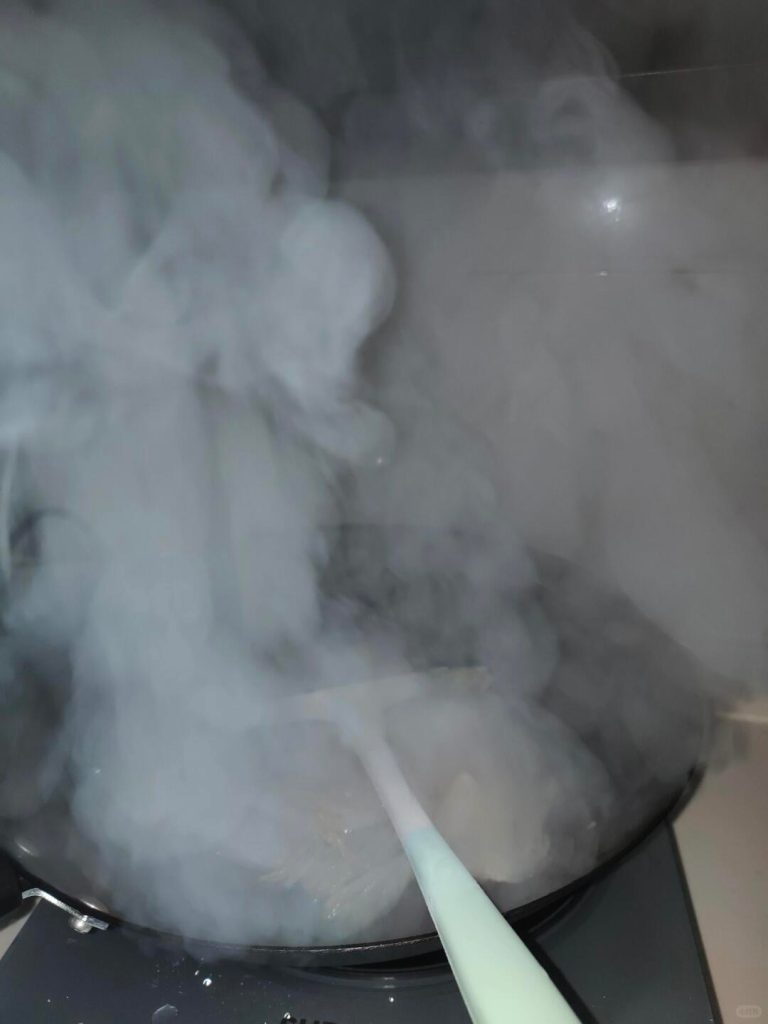
Your oil is smoking because it has reached its smoke point—the specific temperature where the fat molecules break down and begin to burn. To stop this, you must either lower your burner temperature or switch to an oil with a higher smoke point (like avocado, grapeseed, or peanut oil). If the oil is already billowing smoke, remove the pan from the heat immediately; once an oil smokes heavily, it develops toxic compounds and a bitter, “off” flavor that will ruin your food.
The Science of the Smoke Point: What’s Actually Happening?
Every cooking fat is a biological structure of glycerol and fatty acids. When you apply heat, these structures vibrate. At a certain threshold, the bonds snap. This chemical breakdown releases acrolein, the specific substance responsible for that stinging sensation in your eyes and the burnt smell in the air.
- Heat vs. Stability: Refined oils have had impurities (proteins and minerals) removed, making them more stable at high temperatures.
- The Breakdown: As the oil decomposes, it stops “shimmering” and starts “off-gassing.” This isn’t just steam; it’s the physical destruction of your cooking medium.
- Flavor Degradation: Once the smoke point is breached, the oil loses its nutritional value and begins to taste soapy or metallic.
A Real Kitchen Insight: What the Pros Know
In a restaurant kitchen, we work with high-BTU burners that would make a home cook sweat. What most beginners don’t realize is that the “best” oil for a salad is often the “worst” oil for a pan. I see many people using expensive extra-virgin olive oil for everything because they think “higher quality” equals “better results.”
In reality, in a professional setting, we save the fancy, unrefined oils for finishing. If I’m doing a high-heat sear, I reach for the “workhorse” oils. What we call “Long Yao” in Chinese cooking involves heating the wok until it’s just beginning to haze, then adding room-temperature oil to create a non-stick surface. If you use an oil with a low smoke point for this, you’ve failed before the food even hits the pan.
Essential Fats and Their Limits
Choosing the right tool for the job is half the battle. Here is a breakdown of what to use and when to swap:
- High-Heat Heroes (Smoke Point >450°F): Avocado oil, Safflower oil, or Refined Peanut oil. These are your go-to options for searing.
- The Daily Drivers (Smoke Point 400°F – 440°F): Grapeseed, Canola, and Sunflower oil. These are perfect for your everyday teriyaki chicken rice bowl or quick sautés.
- Low-Heat Flavor Makers (Smoke Point <350°F): Butter, Extra Virgin Olive Oil, and Toasted Sesame Oil. Use these for low-heat simmering or finishing a dish.
Chef’s Tip: If you want that buttery flavor without the smoke, use the “split” method: start your sear with a high-smoke point oil and drop a knob of butter in only during the last minute of cooking.
Prep Strategy: Setting the Stage for Success
Before you even turn on the stove, your preparation dictates the smoke level.
- Dry Your Ingredients: Moisture is the enemy. If you drop wet meat into hot oil, the water evaporates instantly, causing splattering and forcing you to turn up the heat to maintain a sear, which leads to—you guessed it—smoking oil.
- Clean Your Equipment: Old, carbonized food bits from your last meal will smoke long before your fresh oil does. Whether you cook rice in a cast iron pot or use a stainless steel skillet, ensure the surface is pristine.
- Choose the Right Vessel: A thin pan has “hot spots” that burn oil unevenly. A heavy-bottomed skillet or a seasoned wok distributes heat more predictably.
How to Heat Your Pan Like a Chef
Follow these sensory cues to ensure you’re at the right temperature without crossing the line:
- The Dry Heat: Place your pan on medium-high heat. Hover your hand two inches above the surface; you should feel a steady radiance.
- The Oil Add: Pour in your oil. Watch the texture. You are looking for the shimmer. The oil will become thinner and move like water across the pan, forming “legs” or ripples.
- The Wisp of Blue: For high-heat stir-frying, wait for a single, tiny wisp of blue smoke—not a cloud. This tells you the oil is at its peak energy.
- The Sizzle Test: If you aren’t sure, dip the end of a wooden chopstick into the oil. If it bubbles immediately, you’re ready.
Common Smoking Mistakes & Easy Fixes
| Mistake | Why it Happens | The Professional Fix |
|---|---|---|
| Using “Light” Olive Oil for Deep Frying | People mistake “light” for “high smoke point.” | Use peanut or vegetable oil for frying; save olive oil for low-heat cooking. |
| Crowding the Pan | Overcrowding drops the temp, then the oil “rebounds” and spikes too high. | Cook in batches to keep the oil temperature stable. |
| Burnt Aromatics | Adding garlic and ginger too early. | Understand why garlic burns so fast and add it when the pan is already filled with other ingredients to buffer the heat. |
| Leaving the Pan Unattended | Empty pans heat up exponentially fast. | Never preheat an empty pan for more than 2-3 minutes on a home stove. |
| Using Unrefined Oils | Particles in unrefined oils burn at very low temps. | Use refined oils for the cooking process and unrefined oils for the sauce. |
Pro Tips for Heat Management
If you find yourself constantly battling smoke, try these “heat hacks” from the pro kitchen:
- The “Off-Heat” Pivot: If the pan starts smoking too much, don’t just turn down the dial—physically lift the pan off the burner. This stops the heat transfer instantly.
- Buffering with Vegetables: If the oil is getting too hot, adding a large volume of room-temperature vegetables will immediately sink the pan’s temperature.
- The Sauce Buffer: When making a stir-fry, having your master formula for brown sauce ready to go is crucial. Adding the liquid sauce quenches the heat and stops the oil from reaching the combustion point.
Flavor Variations Without the Fire
You don’t need to burn your oil to get deep flavor. Instead of high-heat infusion, try layering:
- Infusion: Use a best oil for stir frying to do the heavy lifting.
- Finishing: Once the heat is off, drizzle on a high-quality Chinese chili oil. The residual heat will wake up the aromatics without burning the delicate flakes.
- Aromatic Oils: Toasted sesame oil should almost always be added at the very end of cooking to preserve its nutty fragrance.
The “Smoke-Free” Sear Method (Mini-Recipe)
Try this technique with a simple protein (chicken or firm tofu) to practice heat control.
- Heat a heavy skillet over medium-high heat for 2 minutes.
- Pat your protein bone-dry with paper towels.
- Add 2 tablespoons of grapeseed or avocado oil. Swirl until it shimmers.
- Place the protein in the pan. You should hear a vigorous sizzle.
- Monitor: If the sizzle turns into a “crackling” sound and blue smoke rises, turn the heat down 10%.
- Flip once a golden-brown crust has formed. The oil should remain clear, not brown or black.
Internal Linking: Master Your Kitchen Skills
To truly master the stove, you need to understand the relationship between your ingredients and your tools. Check out our guides on:
- Choosing the best oil for stir frying based on smoke points.
- Troubleshooting why garlic burns so fast in your stir-fries.
- Learning the master formula for brown sauce to perfectly glaze your dishes.
- The secret to Chinese chili oil for adding heat without the smoke.
- Why you should cook rice in a cast iron pot for better heat retention.
FAQ: Clearing the Air
Can I still use oil after it has smoked? If it was just a tiny wisp, it’s fine. If it was billowing smoke, throw it out. The chemical structure has changed, and it will taste bitter and be unhealthy to consume.
Why does my oil smoke even on low heat? This usually means there is residue on your pan from a previous meal, or you are using a very delicate fat like butter or unrefined nut oil which has a very low threshold for heat.
Does the age of the oil matter? Yes. Old oil or oil that has been reused multiple times will have a lower smoke point than fresh oil because of the accumulated food particles and oxidation.
Is avocado oil really the best for high heat? It has one of the highest smoke points (around 520°F), making it excellent for searing, but it can be expensive. Refined peanut oil is a more budget-friendly professional alternative.
How do I stop my kitchen from smelling like burnt oil for days? Turn on your exhaust fan before you start heating the pan, and keep a bowl of white vinegar on the counter overnight to absorb the lingering odors.



Leave a Reply