Why Your Fried Rice Eggs Are Turning Into Rubber
We’ve all been there: you have the perfect batch of day-old rice, your vegetables are prepped, and the soy sauce is ready. But as you take that first bite, the eggs don’t melt in your mouth. Instead, they feel like chewy, bounce-off-the-teeth rubber bands. It’s a common frustration that can ruin an otherwise stellar meal.
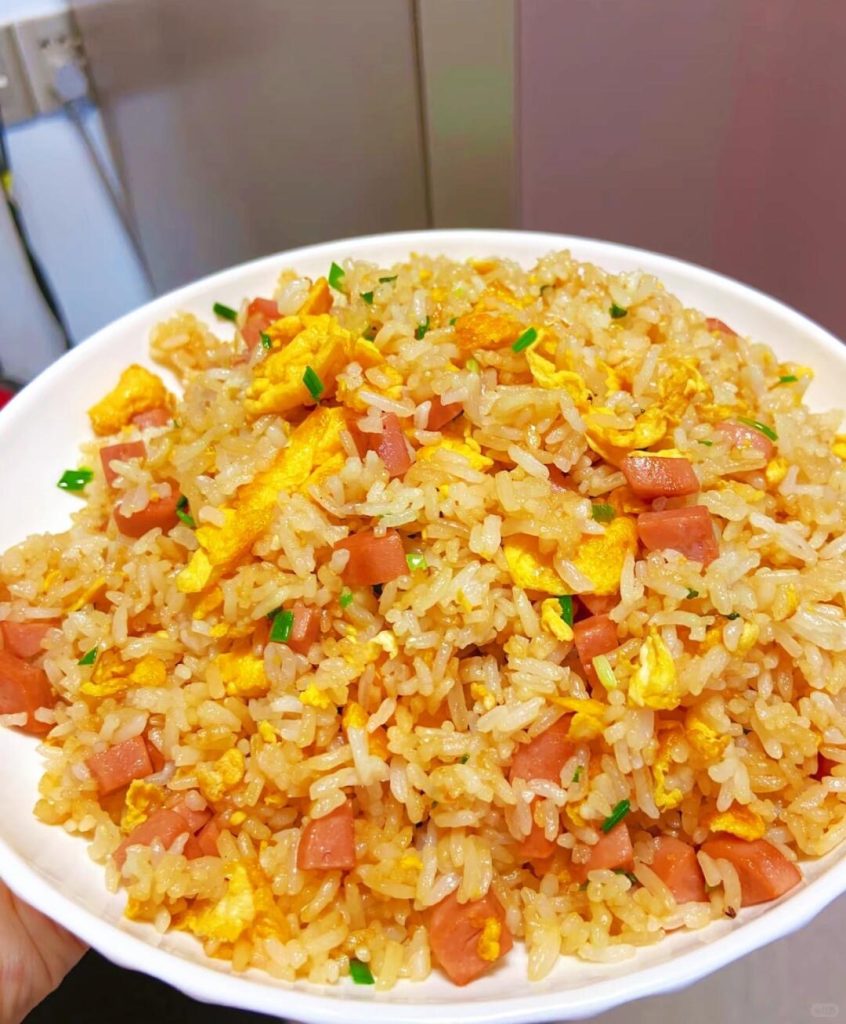
The Quick Fix for Fluffy Eggs
Rubbery eggs are caused by excessive moisture loss and over-denatured proteins. To fix this, you must cook the eggs over medium-high heat very quickly, remove them when they are still slightly runny (70% cooked), and only fold them back into the rice at the very end of the stir-fry process.
Why It Works: The Science of the Squeak
When you heat an egg, the proteins uncoil and then bond together. If you cook them too long or at a low, lingering temperature, those bonds tighten so much that they squeeze out all the moisture. This leaves you with a dense, dry protein structure.
Furthermore, overcooked eggs release sulfur, which not only affects the texture but gives the dish that “cafeteria” smell. By using high heat for a short duration, you create steam inside the egg, which puffs it up, creating the airy, pillowy texture seen in professional restaurant-style fried rice.
The Real Kitchen Insight
In my experience working in restaurant kitchens, we never “simmer” an egg. We treat it with “fast heat.” What most beginners don’t realize is that an egg continues to cook for nearly 60 seconds after it leaves the pan. In a professional kitchen, we pour the whisked eggs into a ripping hot, well-oiled wok, give them three or four fast swirls, and immediately scoop them out. If the egg looks “done” in the pan, it will be “overdone” by the time it hits the plate.
Essential Ingredients & Substitutes
- Fresh Eggs: The fresher the better for structural integrity.
- Neutral Oil: Use an oil with a high smoke point (Canola, Grapeseed, or Peanut oil). If you want a richer flavor, a tiny bit of rendered lard is a traditional secret.
- Toasted Sesame Oil: For aroma. (Substitute: A tiny drop of toasted walnut oil).
- White Pepper: Essential for that authentic “back-of-the-throat” warmth. (Substitute: Black pepper, though it will leave dark specks).
Prep Strategy for Success
- Room Temperature: Take your eggs out of the fridge 15 minutes before cooking. Cold eggs drop the pan temperature instantly, leading to sticking and uneven cooking.
- Don’t Over-Whisk: You want to break the yolks, but don’t beat them until they are watery. A few streaks of white and yellow actually provide a better texture.
- The “Pre-Season”: Add a tiny pinch of salt and a splash of water (or Shaoxing wine) to the eggs. The water creates extra steam for fluffiness.
Step-by-Step Cooking Guide
- Heat the Pan: Get your wok or skillet hot until a drop of water sizzles and evaporates instantly.
- The Oil Ripple: Add 1 tablespoon of oil and swirl to coat. You should see light wisps of smoke.
- The Sizzle: Pour in the eggs. You should hear a loud, aggressive Hiss!
- The Swirl: Use a spatula to push the cooked edges toward the center, letting the raw egg run to the edges.
- The Exit: As soon as the egg is no longer a liquid puddle but still looks glossy and wet (about 15-20 seconds), remove it to a bowl.
- The Reunion: Stir-fry your rice and soy sauce as usual. Fold the eggs back in during the final 30 seconds of cooking just to warm them through.
6 Common Egg Mistakes + Fixes
| Mistake | Why it happens | The Fix |
|---|---|---|
| Rubbery Texture | Cooking the egg with the rice the whole time. | Cook egg separately; add at the end. |
| Sticking to Pan | The pan wasn’t hot enough or lacked oil. | Use the “Longyau” technique: heat pan, add oil, then cook. |
| Bland Flavor | No seasoning in the egg itself. | Add salt and white pepper to the whisked eggs. |
| Grey/Green Eggs | Overcooking, causing a chemical reaction. | Shorten cook time; remove while “wet.” |
| Too Oily | Adding egg to cold oil. | Wait for the oil to shimmer/ripple before pouring. |
| Small, Tough Bits | Stirring too vigorously into tiny crumbs. | Use large, gentle folding motions for “curds.” |
导出到 Google 表格
Pro Tips for Better Texture
- The Skillet Hack: If you aren’t using a wok, use a non-stick skillet for the eggs specifically, then transfer them to your main frying pan. It guarantees no sticking.
- The “Golden Rice” Method: If you want a different texture, try mixing raw egg yolks directly into your cold rice before frying. This coats every grain, similar to the technique used in Tomato and Egg Stir-fry.
- Heat Layering: Always cook the egg first, then the aromatics, then the rice.
Variations to Try
- The Velvety Egg: Add 1/2 teaspoon of cornstarch slurry to the eggs for a softer, almost custard-like curd.
- Spicy Kick: Swirl in a teaspoon of chili garlic sauce during the final fold.
Mini Recipe: The “Perfect Egg” Fried Rice
- 2 cups chilled, day-old jasmine rice
- 2 large eggs, lightly beaten
- 1 scallion, chopped
- 1 tbsp soy sauce
- 1/2 tsp sugar (to balance the salt)
Method: Scramble eggs in a hot wok with oil for 15 seconds; remove. Fry rice with soy sauce and sugar until the grains “jump” in the pan. Toss in scallions and the reserved eggs. Toss for 10 seconds and serve.
FAQ
Can I use liquid egg whites? You can, but they lack the fat of the yolk, making them much more prone to becoming rubbery. If using whites, keep the heat slightly lower and use more oil.
Why does my egg taste “fishy”? This often happens if you use old eggs or a pan that wasn’t cleaned properly after cooking seafood. Ensure your pan is “neutral” before starting.
Should I add milk to the eggs? In Western omelets, yes. In Chinese fried rice, no. Use a splash of water or rice wine instead; milk can make the rice soggy.
How do I stop the egg from absorbing all the oil? The egg is a sponge. If you put it in a cold pan, it soaks up oil. If the oil is hot, it sears the outside instantly, preventing deep absorption.
Is a wok necessary for good eggs? Not at all. A heavy stainless steel or non-stick skillet works perfectly as long as you manage the heat correctly.












Leave a Reply