Few things are more frustrating than starting with a head of beautiful, emerald-green broccoli and ending up with a pile of mushy, olive-yellow florets. It looks unappetizing, tastes sulfurous, and feels like a failure. You followed the recipe, you turned on the heat, so why did the color vanish? This isn’t just an aesthetic issue; when broccoli loses its vibrant green, it often loses its crisp texture and sweet, earthy flavor too.
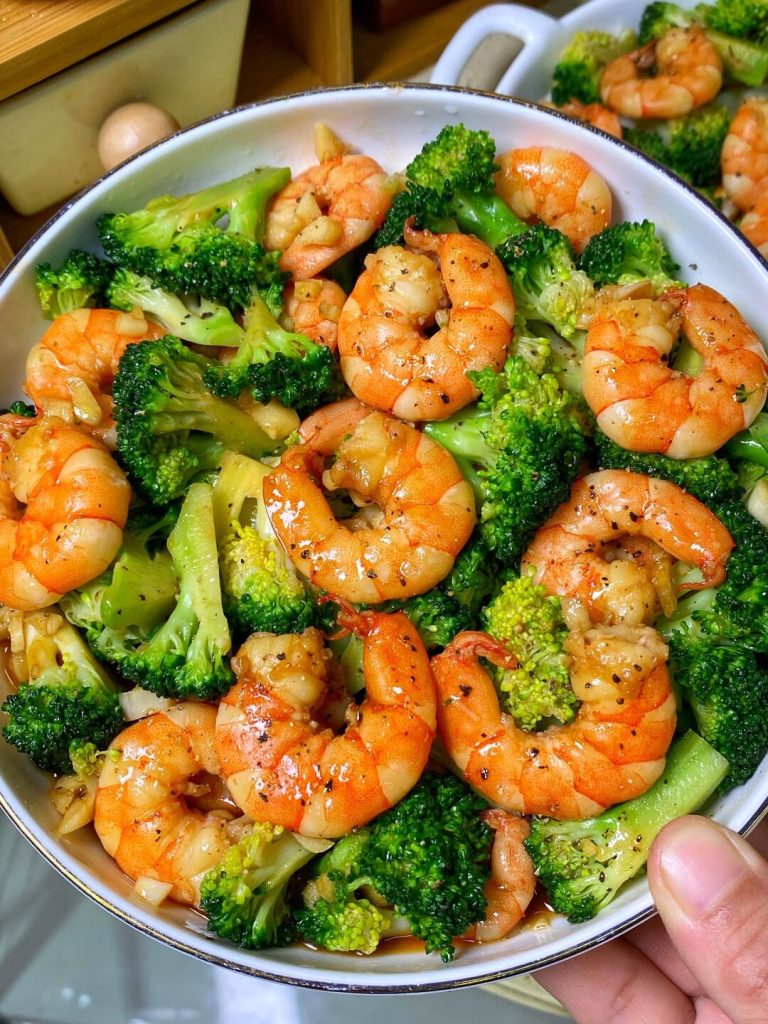
The Quick Answer: Acid and Time
Broccoli turns yellow because the chlorophyll (the green pigment) is being destroyed by acids released during the cooking process. When you heat broccoli for too long, or cover it with a lid, these natural acids stay in contact with the florets, causing a chemical reaction that turns the bright green into a dull, yellowish-brown. To keep it green, you must cook it fast and give the acids a way to escape.
The Science of the “Green Pop”
In the first few moments of cooking, you’ll notice broccoli actually gets greener. This is because heat expands the tiny air pockets between cells, making the chlorophyll more visible. However, if the heat continues too long, the cell membranes collapse. Natural plant acids then leak out and attack the magnesium atom at the center of the chlorophyll molecule. Once that magnesium is gone, the color shifts from “emerald” to “army fatigue” yellow. This is why learning how to stir-fry vegetables without overcooking is the most important skill for any home cook.
In My Experience: Lessons from the Restaurant Wok
In a professional restaurant kitchen, we almost never have this problem. Why? Because our burners are like jet engines, and our cooking times are measured in seconds. What most beginners don’t realize is that “slow and steady” is the enemy of green vegetables. In my years behind the line, I’ve seen that the biggest mistake is “crowding.” When you put too much broccoli in a small pan, the temperature drops, the broccoli starts to stew in its own juices, and the color dies instantly. You need to hear a constant, aggressive sizzle to know the moisture is evaporating rather than sitting there and acidifying the greens.
Essential Ingredients and Smart Swaps
- Fresh Broccoli: Look for tight, dark green (or even purplish) florets. If it’s already yellowing at the store, it’s already lost the battle.
- High Smoke Point Oil: You need heat. Use grapeseed, canola, or avocado oil. Refer to our guide on the best oil for stir-frying to ensure you aren’t smoking out your kitchen.
- Aromatics: Fresh ginger and garlic are non-negotiable.
- The “Green Protector” (Salt): Adding salt to your blanching water or early in the stir-fry helps stabilize the chlorophyll.
- Substitutes: If you don’t have fresh ginger, a tiny splash of dry sherry can add depth, though fresh is always king.
Prep Strategy: Size Matters
If your stems are thick and your florets are tiny, the florets will turn yellow before the stems are even warm.
- Peel the Stems: Use a vegetable peeler to remove the woody outer layer of the stalk. The inside is the most delicious part!
- Uniform Slicing: Slice the stems into thin coins and break the florets into bite-sized pieces.
- Dry Thoroughly: This is critical. If your broccoli is wet when it hits the pan, it will steam, not sear. This leads to the very problem of why your stir-fry turns watery, which eventually kills the color.
Step-by-Step: The Professional “Blanch and Sear” Method
- The Quick Blanch: Bring a pot of highly salted water to a rolling boil. Drop the broccoli in for exactly 60 seconds. It should be “crisp-tender”—bright green but still having a snap.
- The Ice Shock: Immediately plunge the broccoli into a bowl of ice water. This stops the cooking and “locks” the green in place.
- The High-Heat Sear: Get your skillet or wok ripping hot. Add oil and aromatics.
- Listen for the Signal: When you add the broccoli, you should hear a loud hiss. If it’s silent, your pan isn’t hot enough.
- Finish Fast: Toss for 1-2 minutes just to coat with flavor and heat through.
Common Mistakes + Easy Fixes
| Mistake | Why it happens | The Fix |
| Covering with a lid | Traps plant acids inside the pan. | Keep the lid off to let acids escape with the steam. |
| Adding Vinegar too early | Acid reacts directly with chlorophyll. | Add any acidic sauces (like balsamic or vinegar) at the very last second. |
| Overcrowding the pan | Lowers the heat and creates steam. | Cook in batches if your pan is small. |
| Low Heat | Slow cooking time allows color to degrade. | Crank the heat and use a flat pan or wok effectively. |
| Burnt Garlic | Bitter flavors distract from the fresh greens. | Learn why garlic burns so fast and add it later in the process. |
Pro Tips for Perfect Greens
- The Baking Soda Trick: Some old-school chefs add a tiny pinch (we’re talking 1/16th of a teaspoon) of baking soda to the blanching water. It makes the water slightly alkaline, which keeps the broccoli neon green. Warning: Use too much and the broccoli turns mushy.
- The Sugar Balance: A small pinch of sugar in your stir-fry doesn’t make it sweet, but it enhances the natural sweetness of the broccoli and helps with browning.
- Sauce Timing: If you are using a garlic sauce for stir fry, always thicken it separately or add it at the end so the broccoli doesn’t sit in liquid for too long.
Variations to Try
Once you master the color, you can play with textures. You can swap the broccoli for Broccolini or Chinese Broccoli (Gai Lan). If you want a complete meal, this technique is identical to what we use for a classic shrimp and broccoli stir-fry, where the vibrant green provides the perfect contrast to the pink shrimp.
Mini Recipe: 5-Minute Garlic Emerald Broccoli
- Ingredients: 1 head of broccoli, 3 cloves minced garlic, 1 tbsp oil, 1/2 tsp salt, 1/4 tsp sugar.
- Method:
- Blanch broccoli in salted boiling water for 60 seconds. Shock in ice water and drain well.
- Heat oil in a skillet over high heat. Add garlic; stir-fry for 10 seconds until fragrant.
- Add broccoli, salt, and sugar.
- Toss vigorously for 60 seconds. Serve immediately while the color is screaming green.
FAQ
Q: Is yellow broccoli safe to eat?
A: Yes, it’s safe, but it will taste slightly bitter and have a mushy texture. It has lost some Vitamin C, but it’s not harmful.
Q: Can I use frozen broccoli?
A: Frozen broccoli is usually blanched before freezing, so it turns yellow very quickly when overcooked. To keep it green, cook it directly from frozen on very high heat.
Q: Why does steaming sometimes turn it yellow?
A: Because people steam it for 10 minutes. 3-5 minutes is usually all you need. If you leave the lid on after the heat is off, the residual steam will “cook” the color right out of it.
Q: Does salt really help?
A: Yes. Salt reduces the solubility of chlorophyll in the cooking water, helping it stay inside the vegetable cells where it belongs.
Q: How do I fix it if it’s already turned yellow?
A: Unfortunately, you can’t reverse the chemistry. Your best bet is to blend it into a soup or toss it with a dark sauce like a savory brown sauce to hide the color!







Leave a Reply