Hi, I am Lin from Woks of Love. Growing up in Wenling, Zhejiang, Fried Rice Noodles (locally called “Chao Mi Mian”) were an absolute breakfast staple. The streets are lined with small breakfast shops specializing in frying these delicate rice noodles, along with rice cakes and sticky rice.
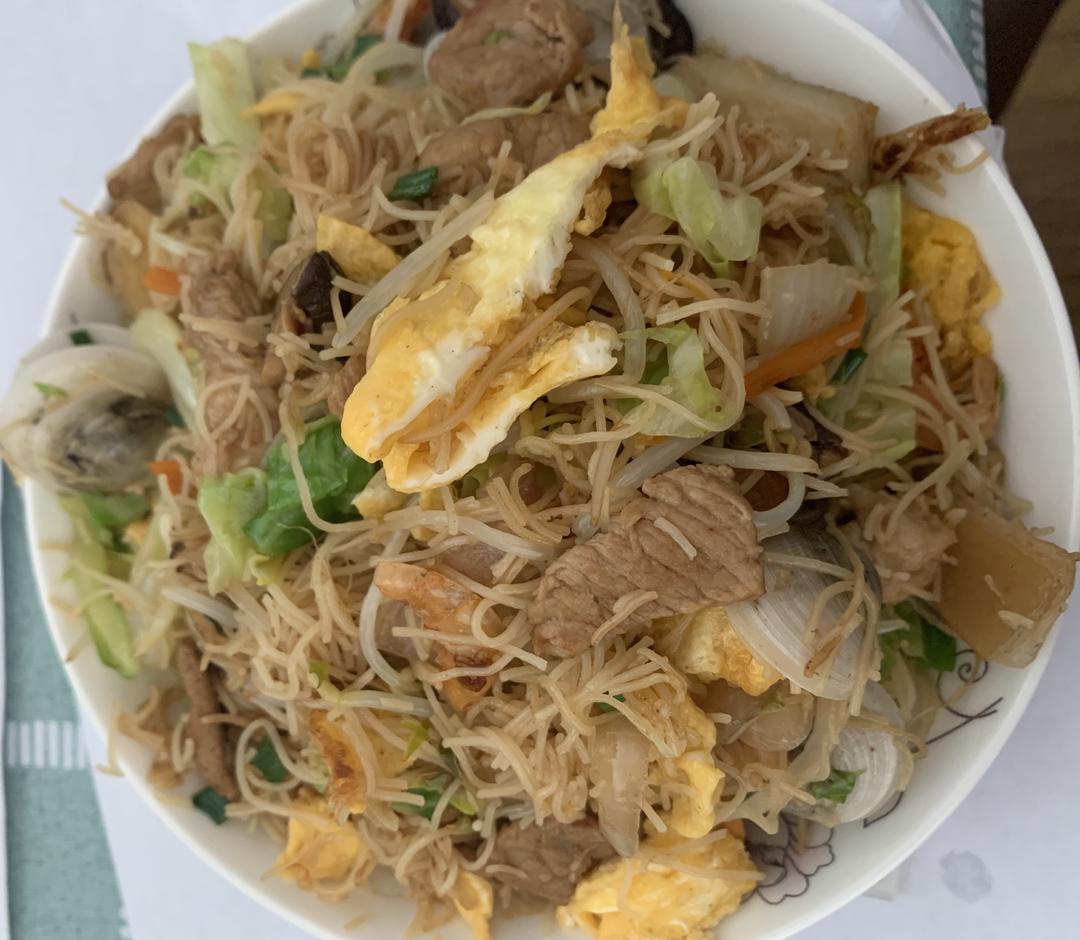
Since moving away to Ningbo for work, I rarely get to enjoy that comforting, hometown taste. Out of necessity, I started making it in my own kitchen. After a few slightly messy attempts, I’ve finally mastered the tossing technique and the precise layering of ingredients. Today, I want to share this deeply nostalgic, umami-packed recipe with you so you can recreate this regional specialty wherever you are.
What Is Wenling Fried Rice Noodles (Chao Mi Mian)?
To outsiders, “Chao Mi Mian” looks exactly like standard fried rice vermicelli (Chao Mi Fen). However, in Wenling, these thin rice noodles are characterized by a massive payload of diverse ingredients—pork, dried shrimp, shiitake mushrooms, and multiple vegetables—all tossed rapidly with both a spatula and chopsticks to prevent clumping.
If you are looking for a slightly different regional take on rice noodles, you might also want to check out my recipe for
Ingredients
- Rice Noodles (Mi Mian / Rice Vermicelli): 7 oz (200g). Thin, dried rice noodles.
- Pork: 3.5 oz (100g). A slightly fatty cut like pork shoulder works best, cut into thin slices.
- Eggs: 2 large.
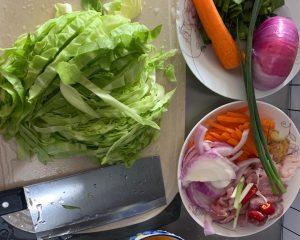
- Green Cabbage: 1/2 small head (about 7 oz / 200g), finely shredded.
- Mung Bean Sprouts: 1 generous handful (about 3.5 oz / 100g). You can even learn
How to Grow Mung Bean Sprouts at home for ultimate freshness! - Carrot: 1/2 small carrot (1.7 oz / 50g), julienned.
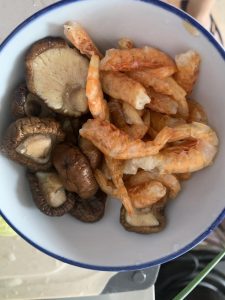
- Dried Shiitake Mushrooms: 7 to 10 pieces.
- Dried Shrimp: 1 small handful (about 1 oz / 30g). This is the secret to the authentic coastal flavor.
- Aromatics: 1/4 onion (sliced), 3 slices of fresh ginger, and 2 scallions (chopped).
- Clams (Optional): A small handful of fresh clams adds an incredible seafood sweetness if you have them on hand.
- Seasonings: 1 tbsp Shaoxing cooking wine, 1 tbsp
Light Soy Sauce , 1 tsp salt. You can optionally add 1 tbspOyster Sauce for extra depth.
Equipment Needed
- A wide, well-seasoned wok. If you are new to wok cooking, check out my guide on the
Best Carbon Steel Wok for Beginners . - A wok spatula.
- A pair of long cooking chopsticks (essential for the shaking technique).
- A meat thermometer (optional, for checking pork).
Prep & Mise en Place
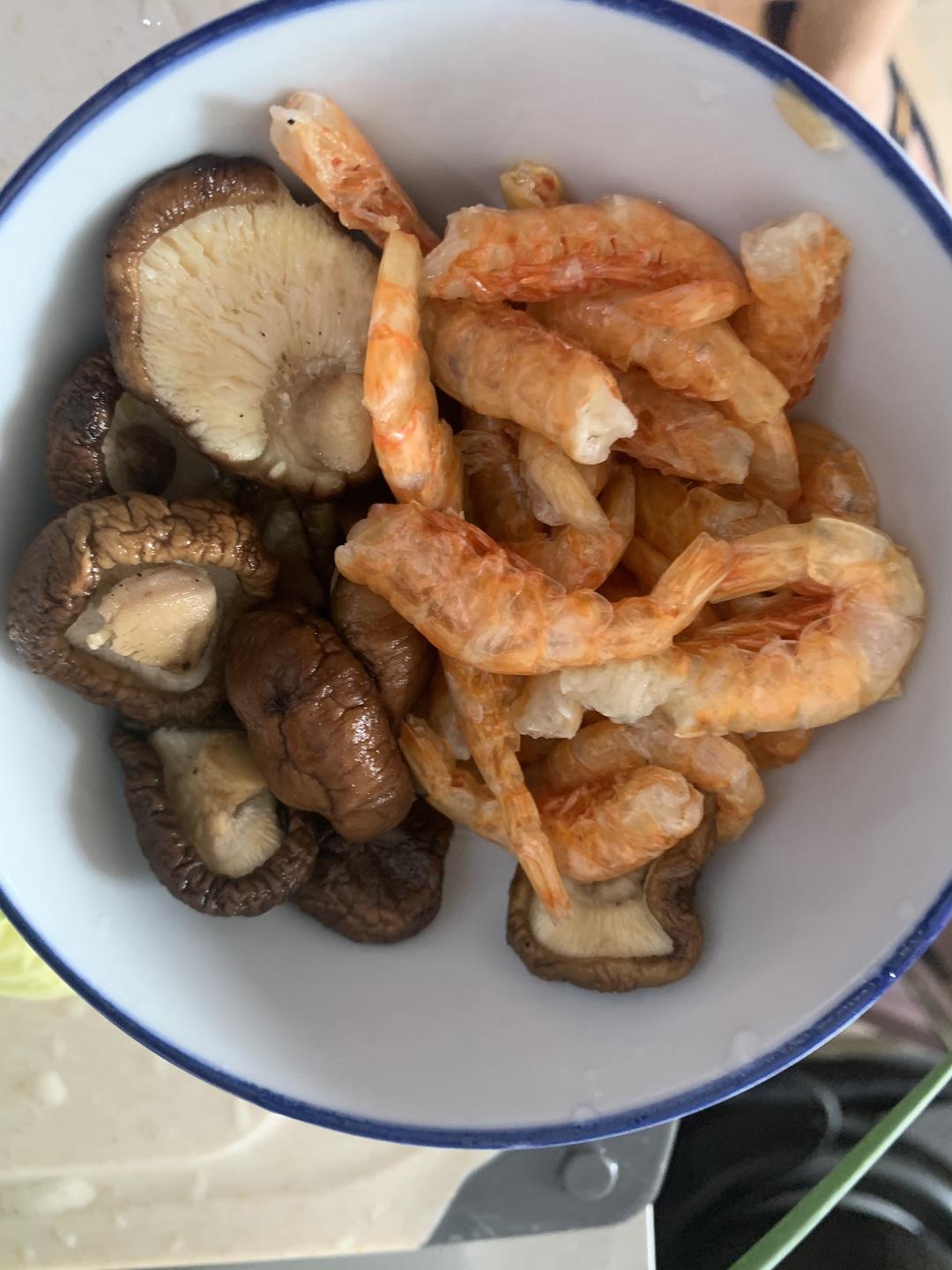
- Hydrate the Seafood and Fungi: Because we want to eat soon, soak the dried shiitake mushrooms in hot water to rehydrate them quickly (about 15 minutes). Rinse the dried shrimp clean.
- The Cold Water Soak (Crucial): Soak the dried rice noodles in a large bowl of cold water for about 10 to 15 minutes. Never use hot water! Hot water will pre-cook the starches, resulting in a mushy, clumpy mess when they hit the wok.
- Chop: Slice the pork, ginger, carrot, onion, and cabbage so everything is ready by the stove.
Cooking Process
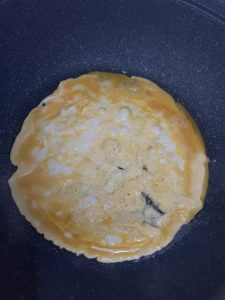
Step 1: Scramble the Eggs (3-4 minutes)
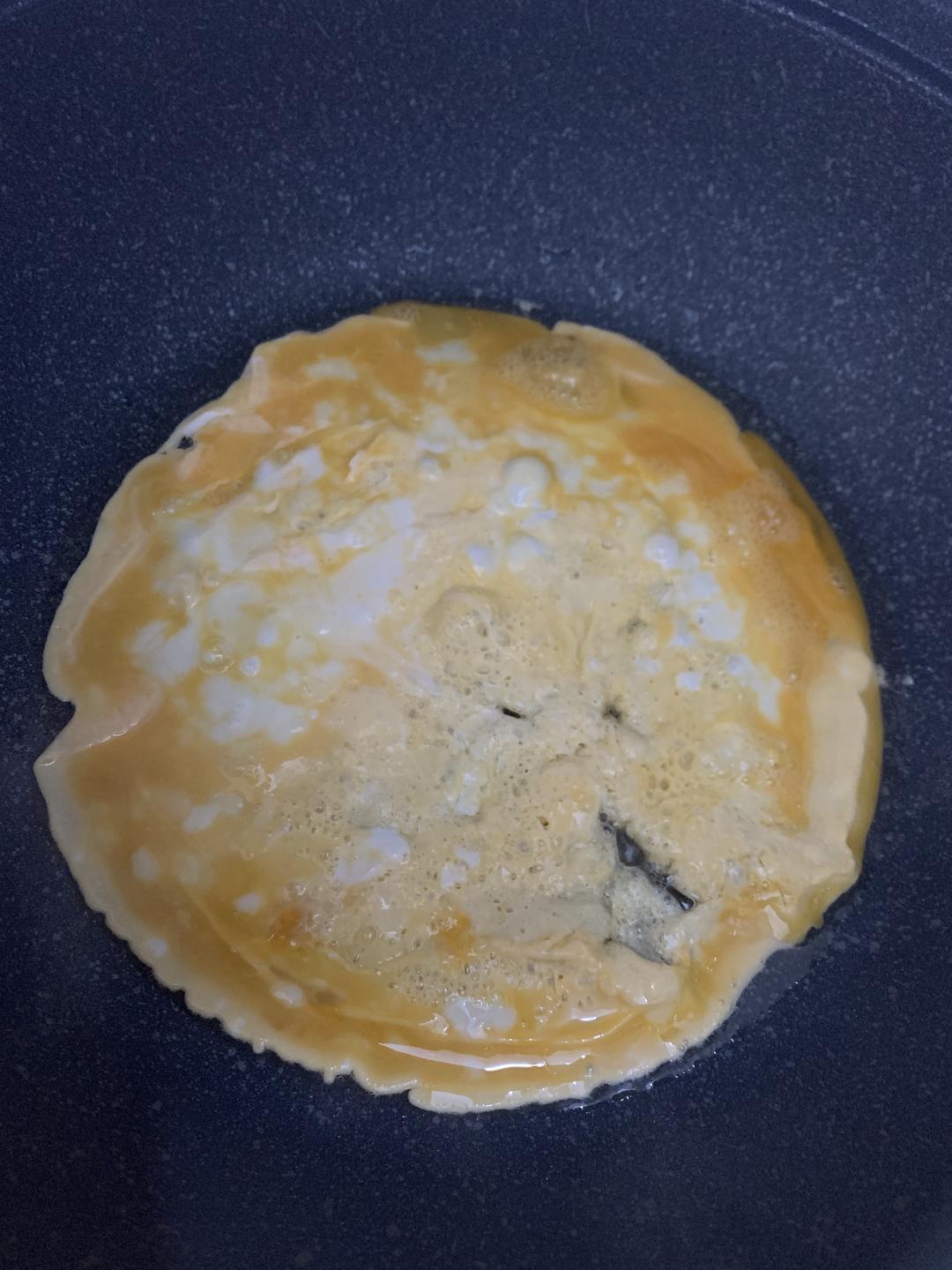
Beat the 2 eggs with a tiny pinch of salt. Heat your wok over medium-high heat (around 375°F / 190°C) with 1 tablespoon of oil. Pour in the eggs. As they set, use your spatula directly in the wok to chop them into rough strips. Remove them to a bowl to save washing an extra cutting board!
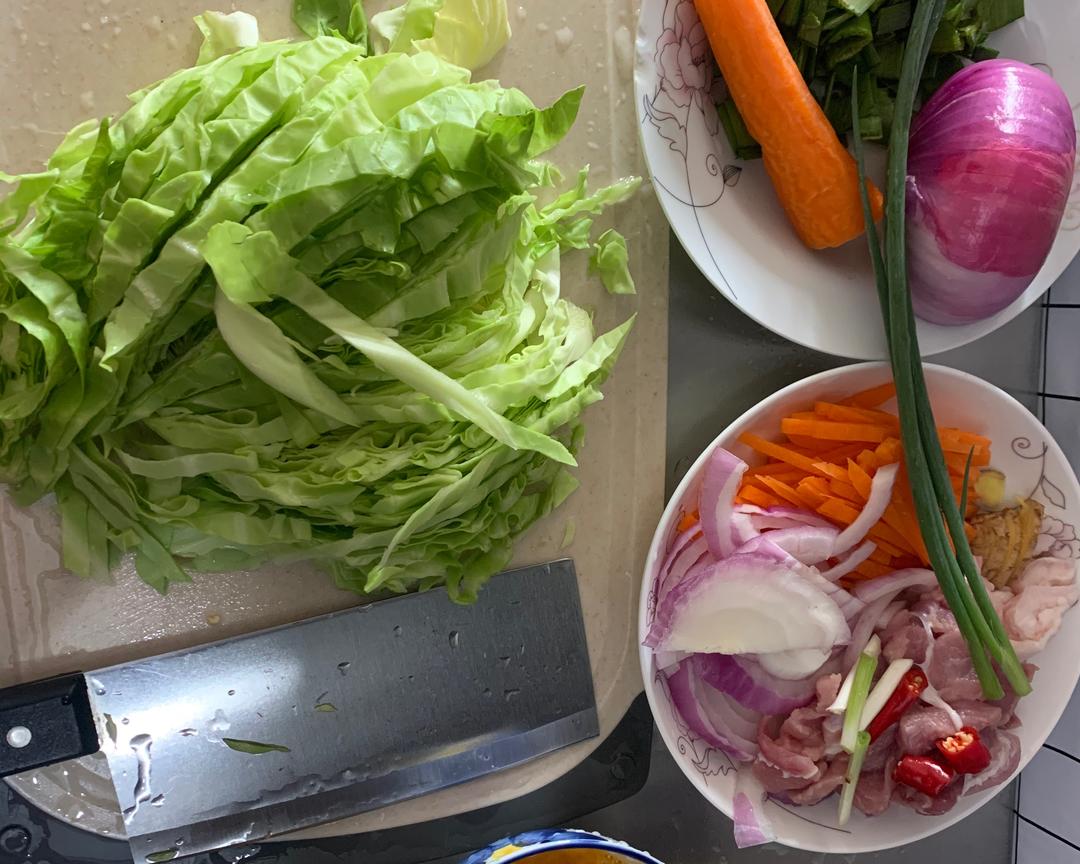
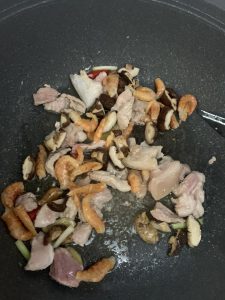
Step 2: Build the Flavor Base (4-5 minutes)
Add another tablespoon of oil to the wok. Toss in the ginger slices to release their aroma. Add the sliced pork and stir-fry until it just changes color (aiming for a safe internal temperature of 145°F / 63°C). Add the drained dried shrimp and sliced shiitake mushrooms. Stir-fry for 1 minute until fragrant, then drizzle the cooking wine around the edges of the hot wok to deglaze.
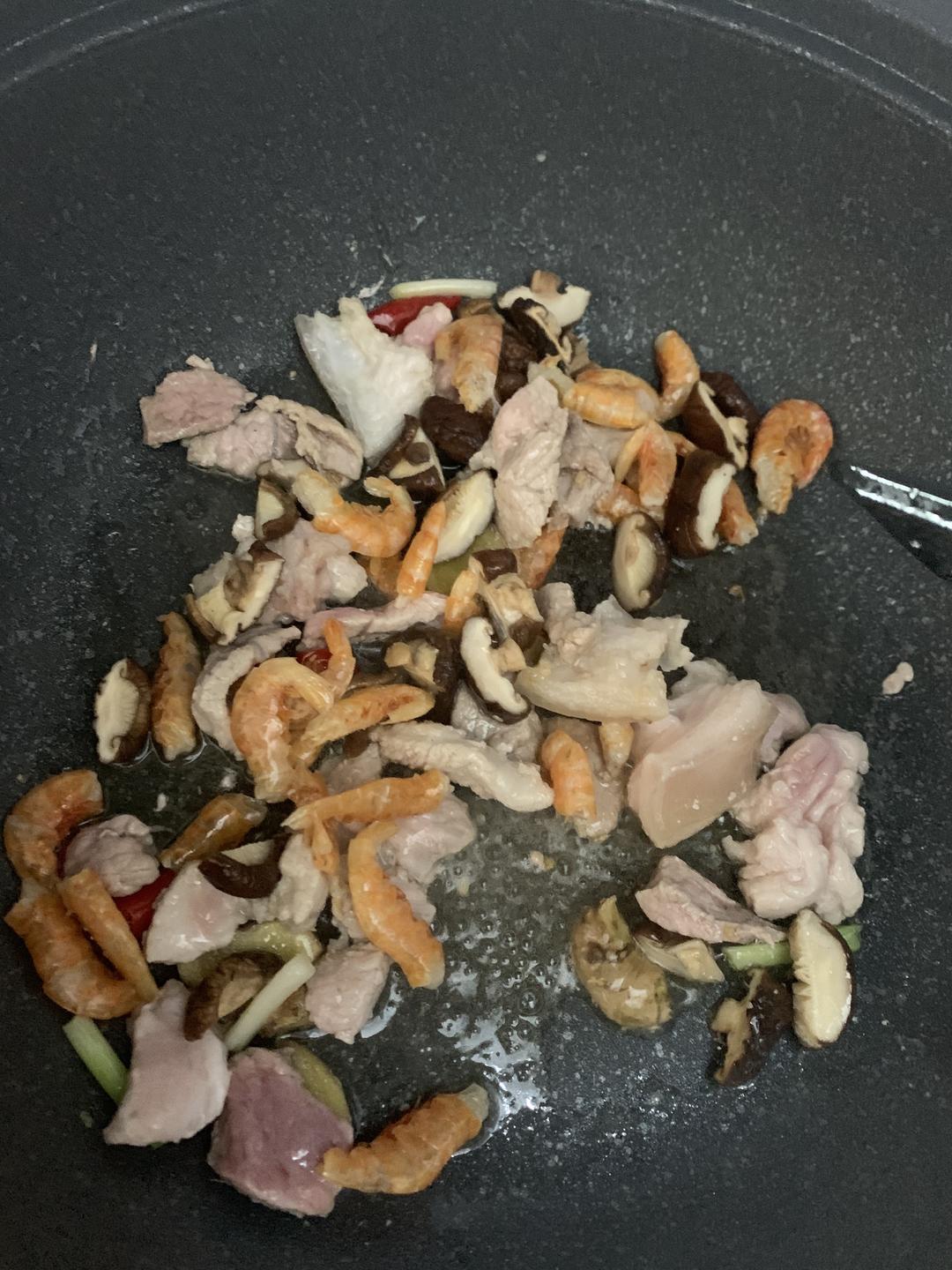
Step 3: Add the Firm Vegetables (2 minutes)
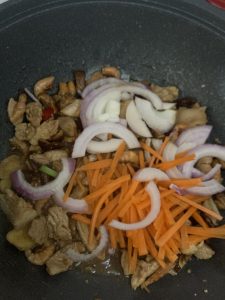
Add the light soy sauce, followed immediately by the sliced onions and carrots. Toss for about 60 seconds until they slightly soften. Understanding the
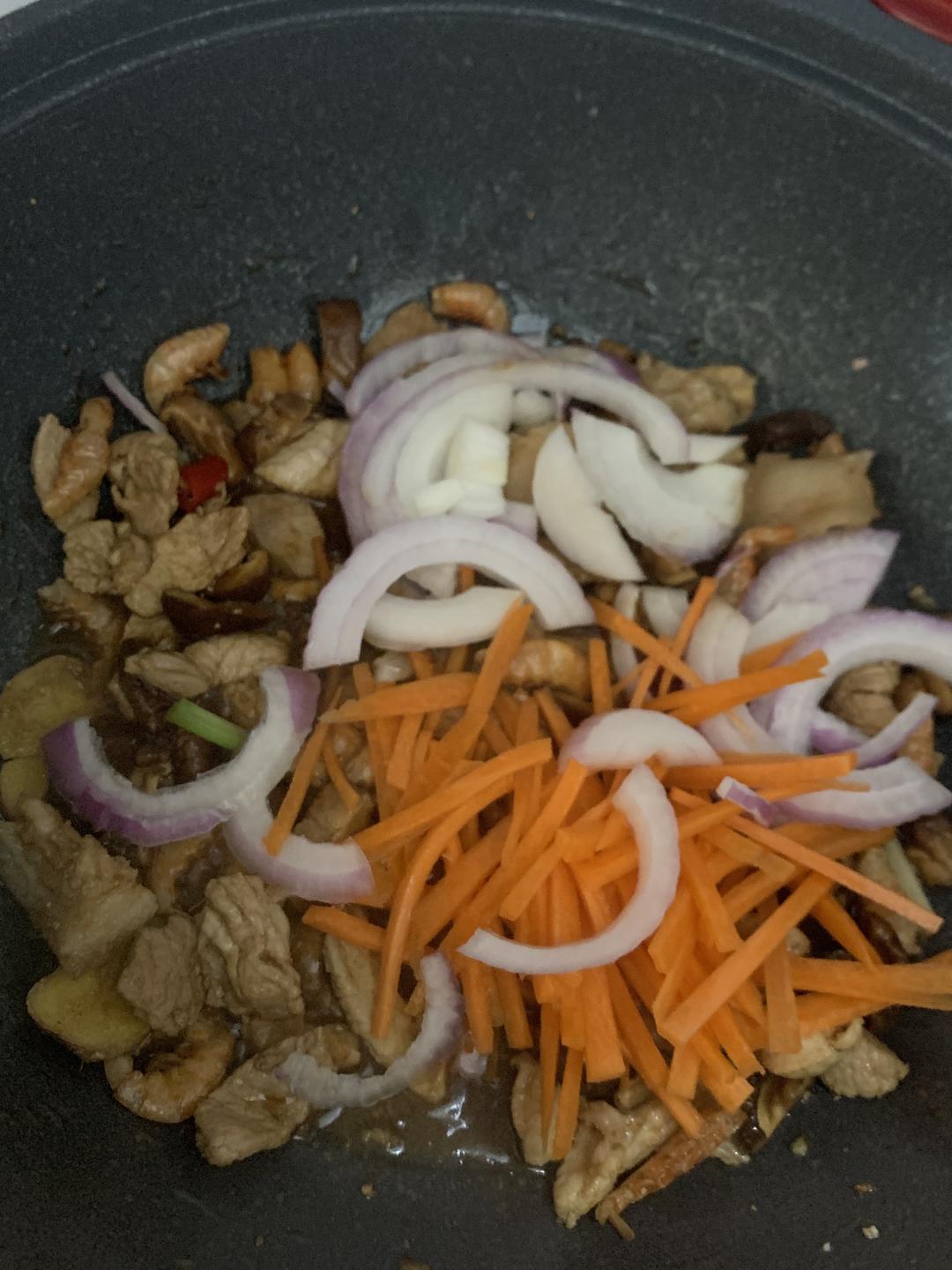
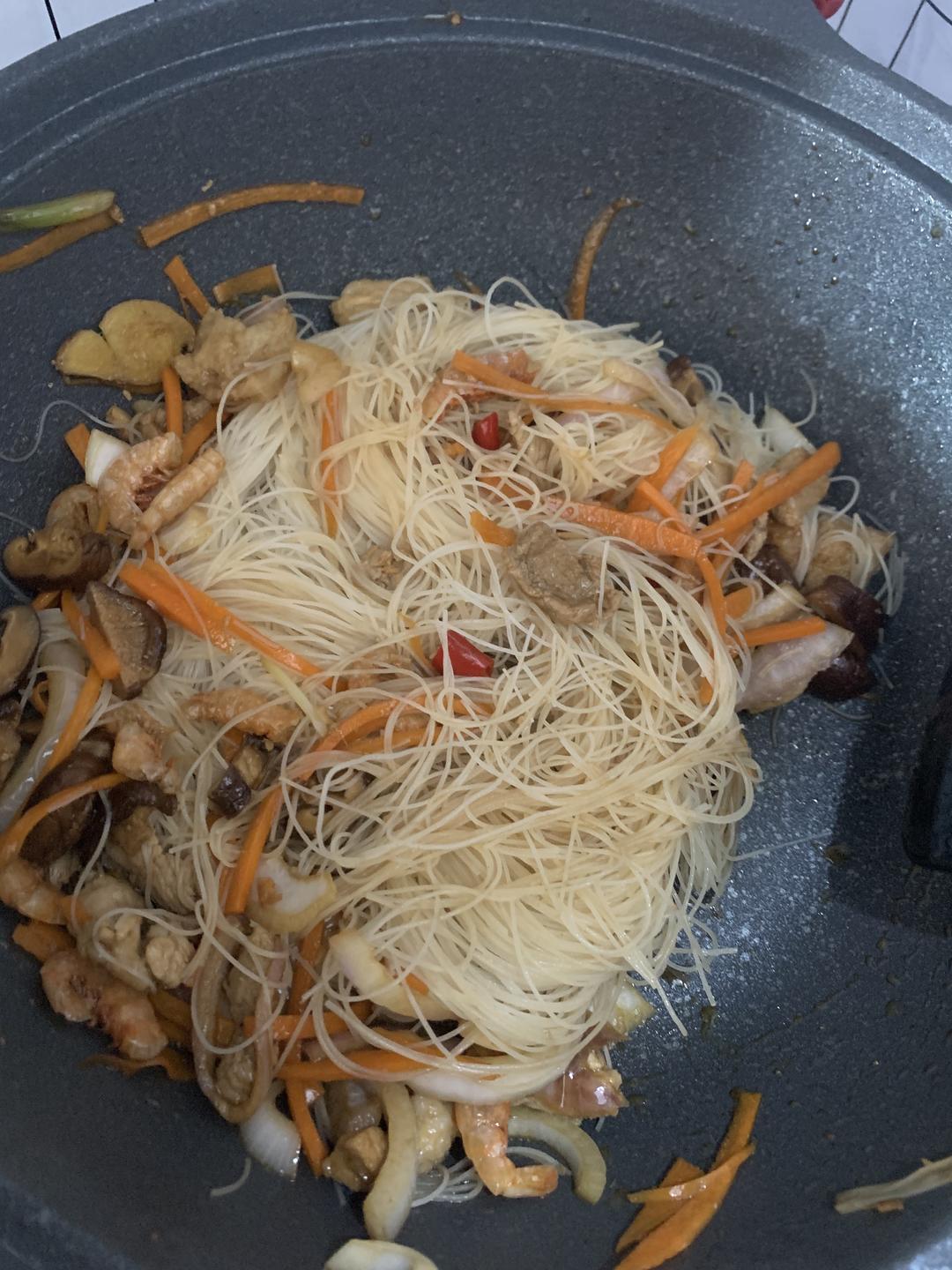
Step 4: The Noodle Toss (4-5 minutes)
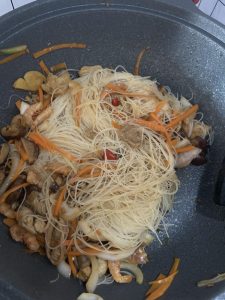
Drain the cold-soaked rice noodles and add them to the wok. Immediately lower the heat to medium.
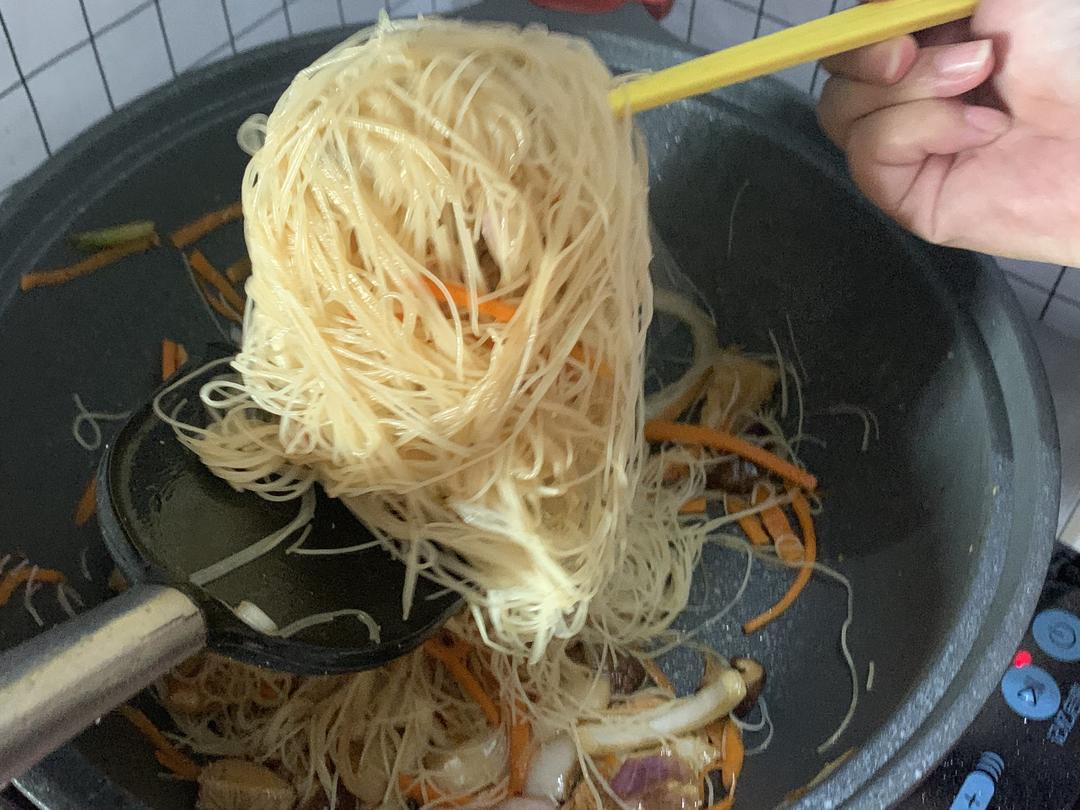
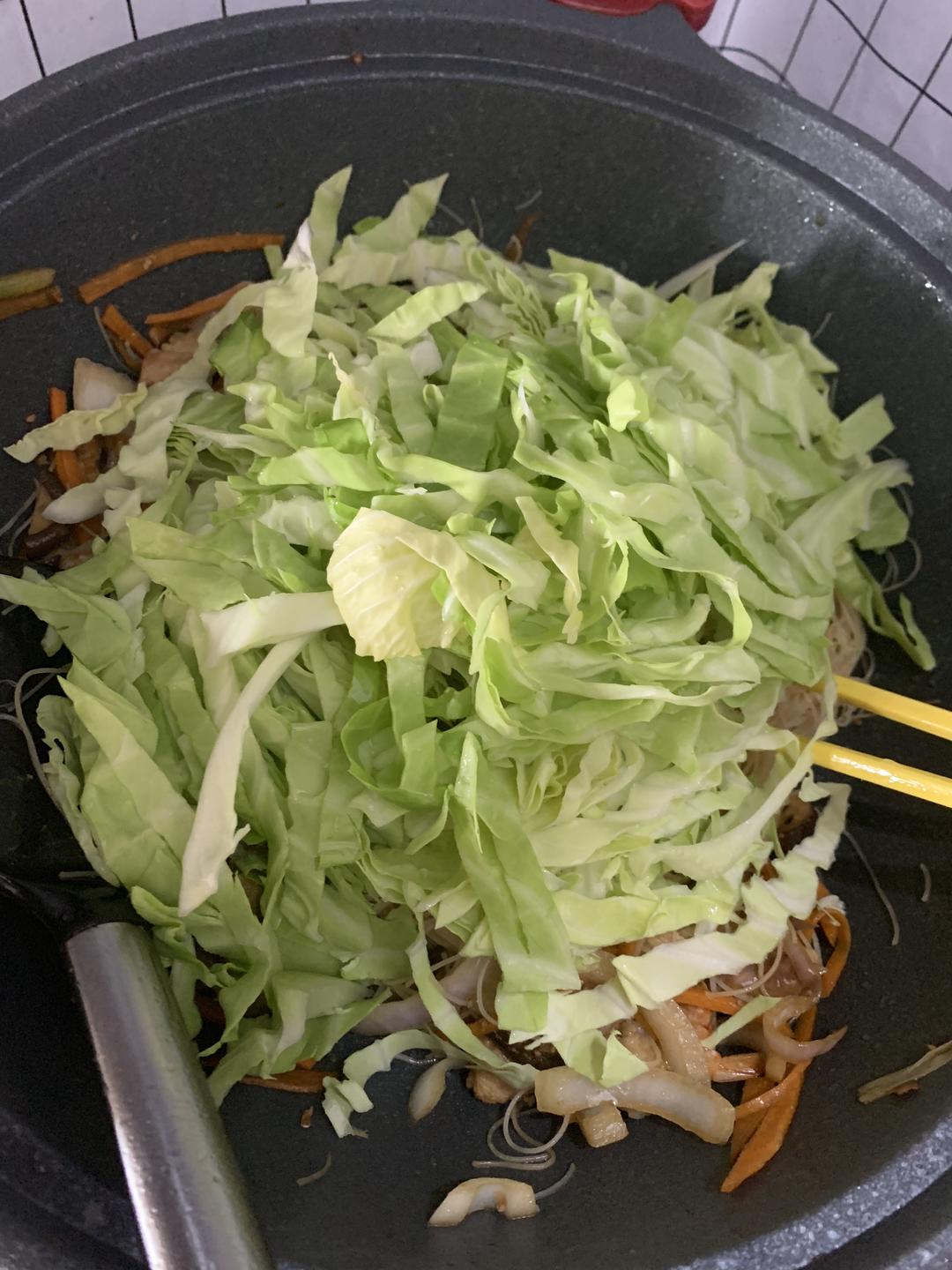
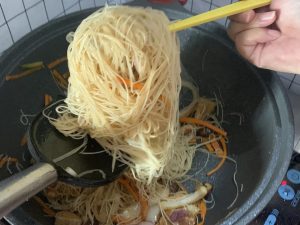
“When rice noodles hit a hot pan, their starches rapidly gelatinize. Using one hand with a spatula to scoop from the bottom, and the other hand with chopsticks to lift and shake the noodles apart, prevents the starches from fusing the noodles into a giant block.”
Step 5: Incorporate the Greens (3 minutes)
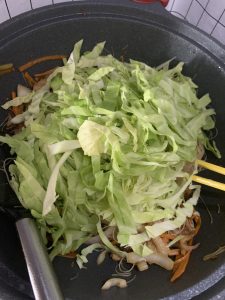
Add the shredded cabbage (and the clams, if using). Keep up the dual-handed lifting and tossing motion. The moisture from the cabbage will help steam the noodles slightly.
Step 6: Final Seasoning (2 minutes)
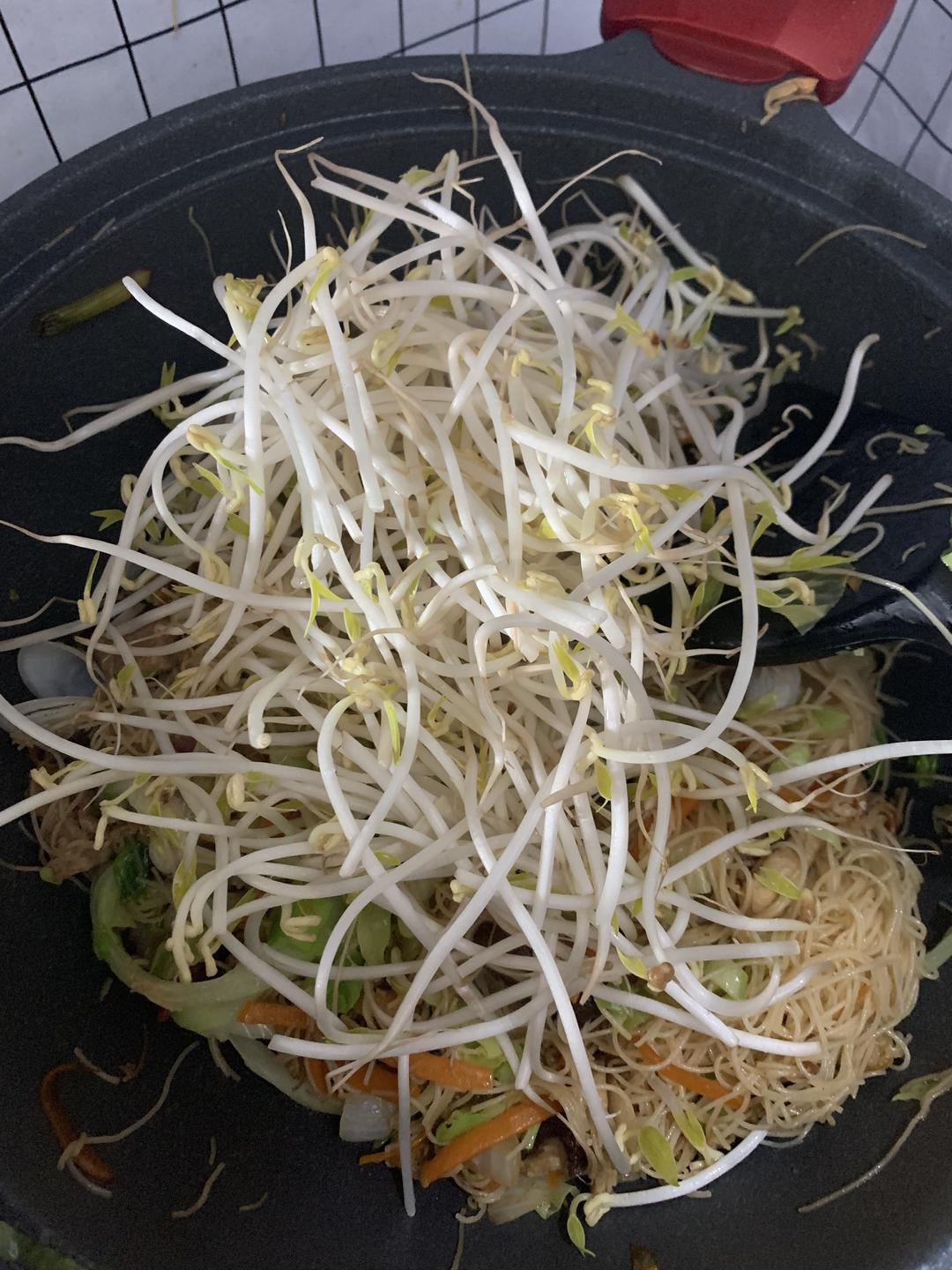
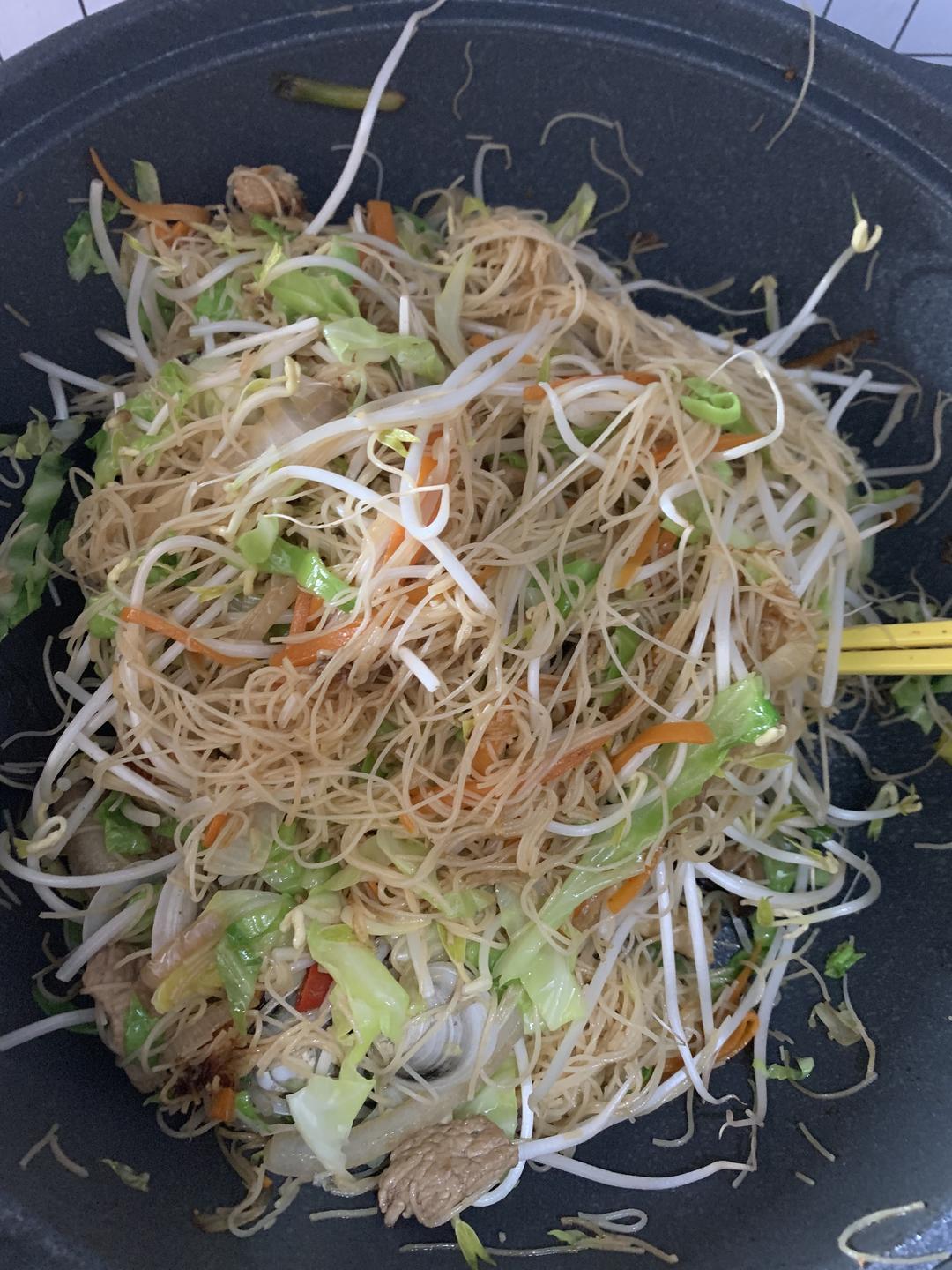
Add the mung bean sprouts—this specific sprout is non-negotiable for the authentic crunch! Sprinkle the salt evenly over the noodles now that they are mostly cooked through (and oyster sauce if using). Keep tossing until the salt melts into the dish.
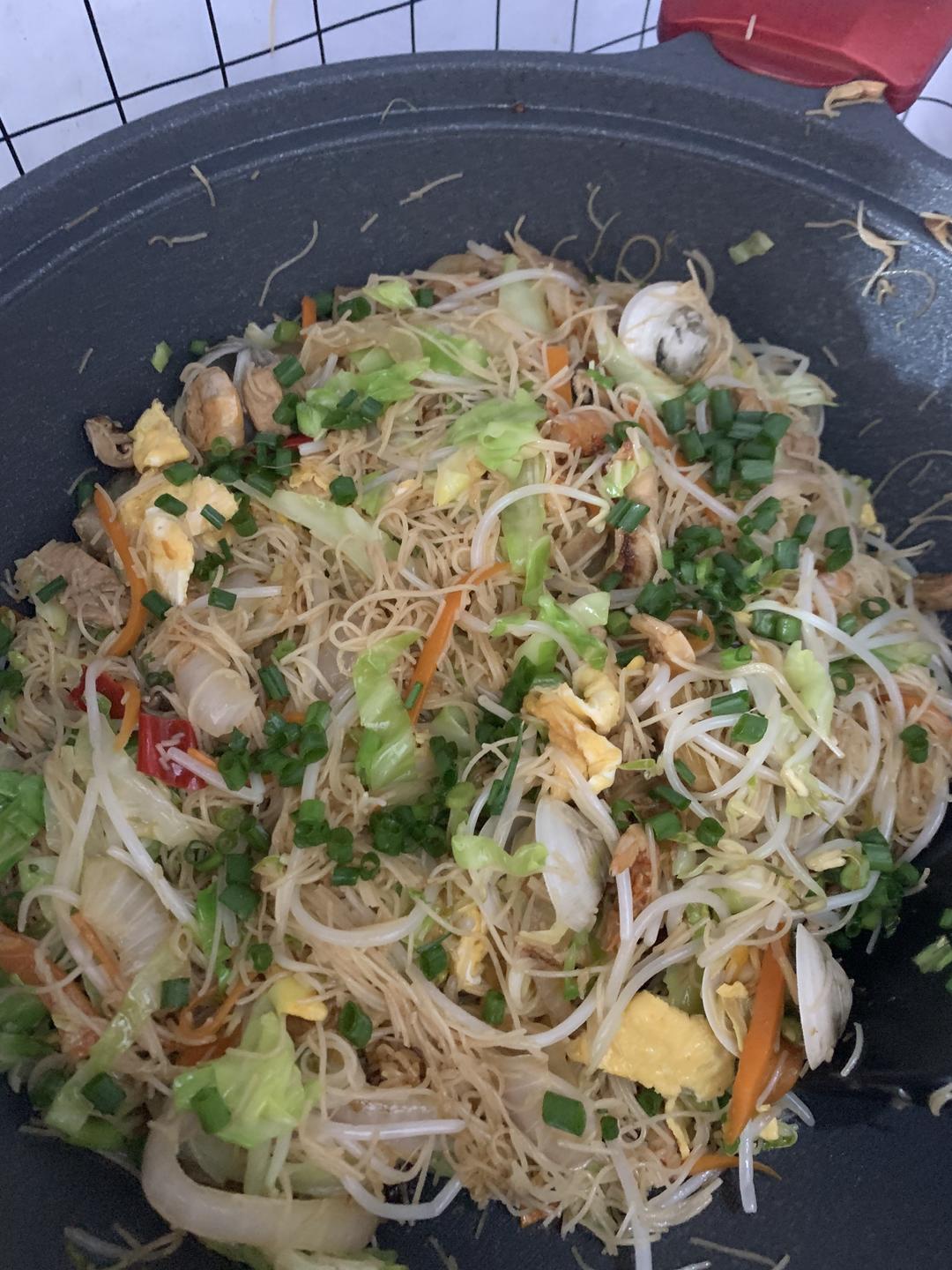
Step 7: Garnish and Serve
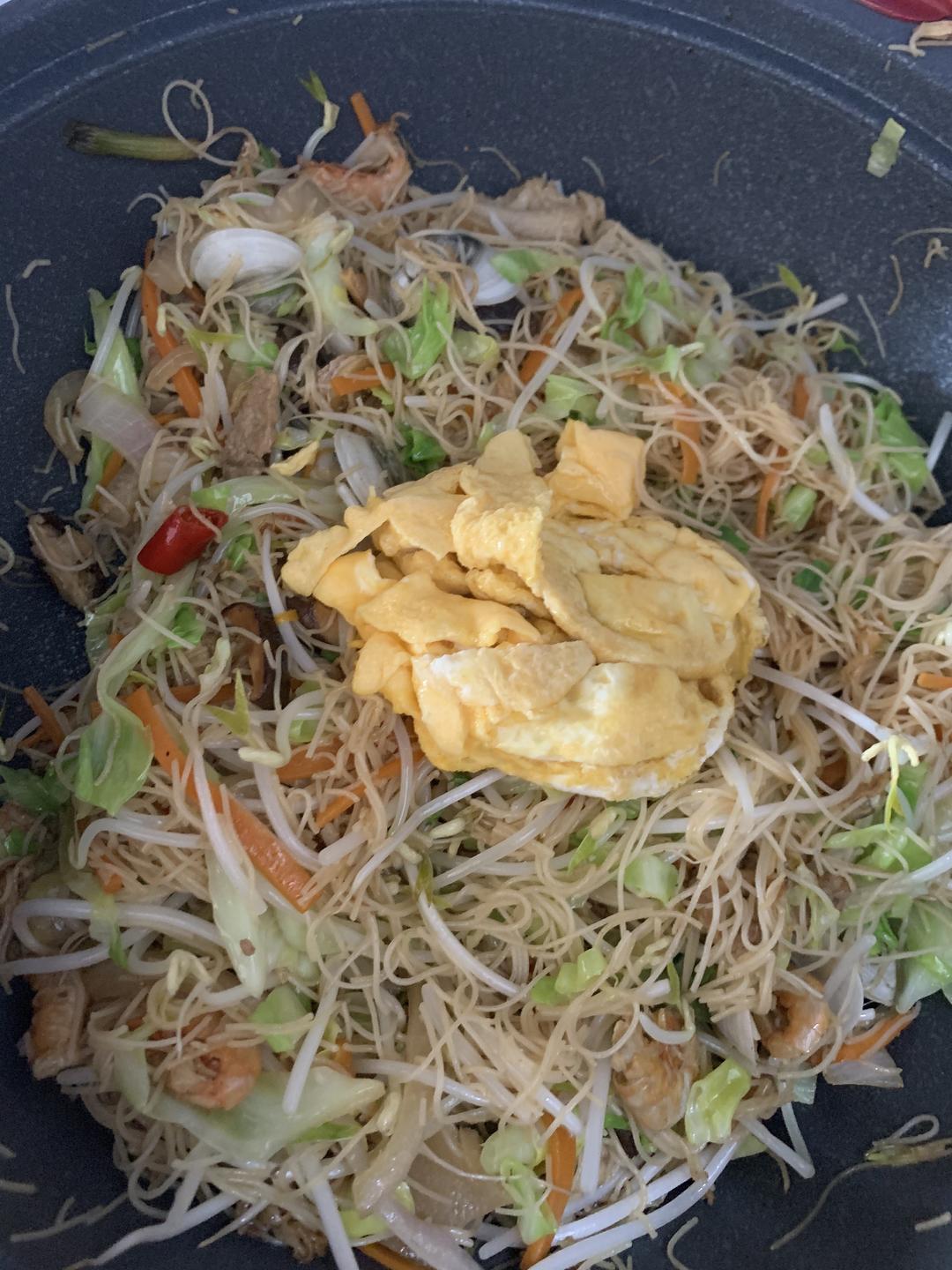
Toss the cooked egg strips back into the wok. Sprinkle generously with chopped scallions, give it one final toss, and plate it up.
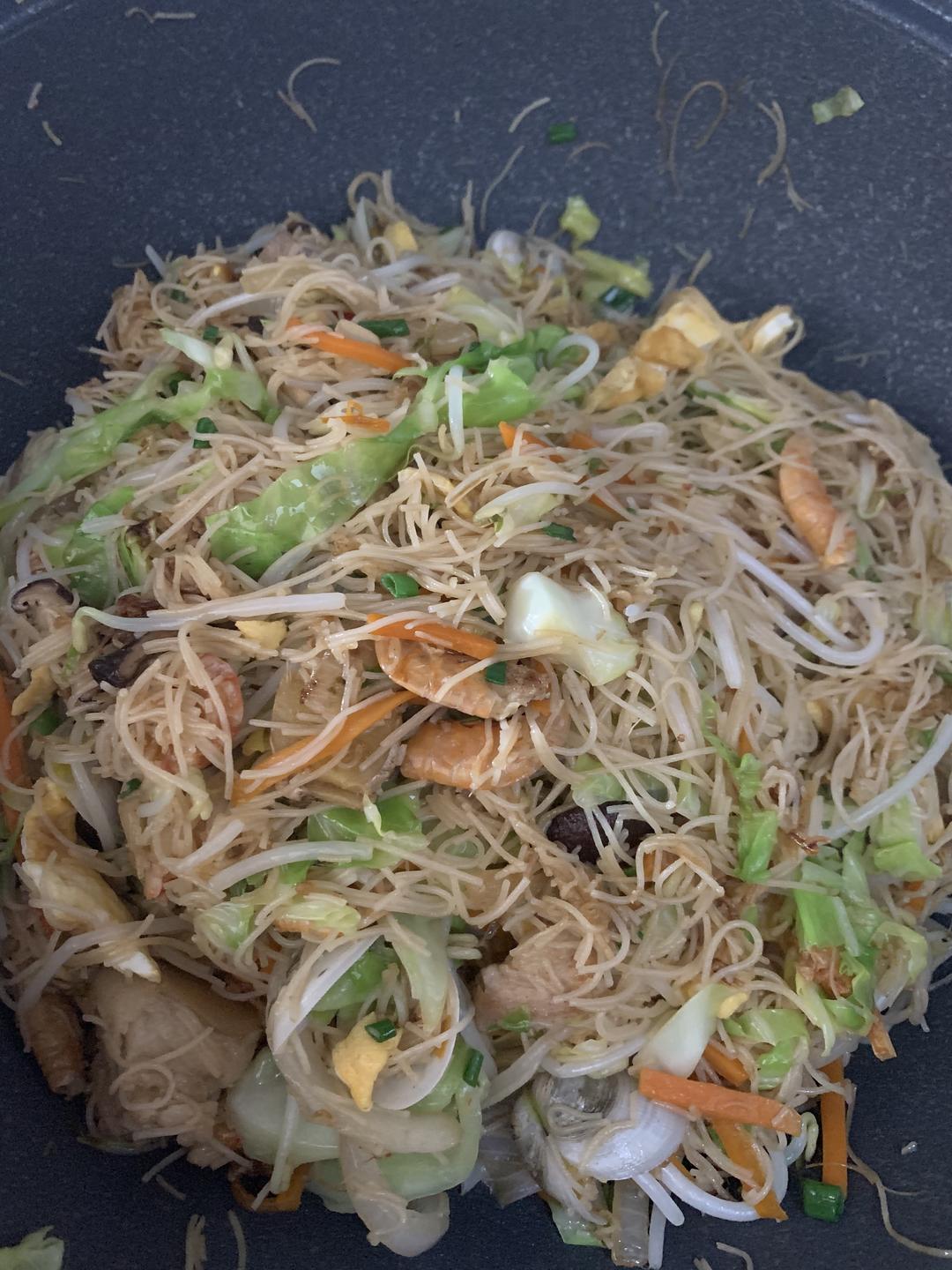
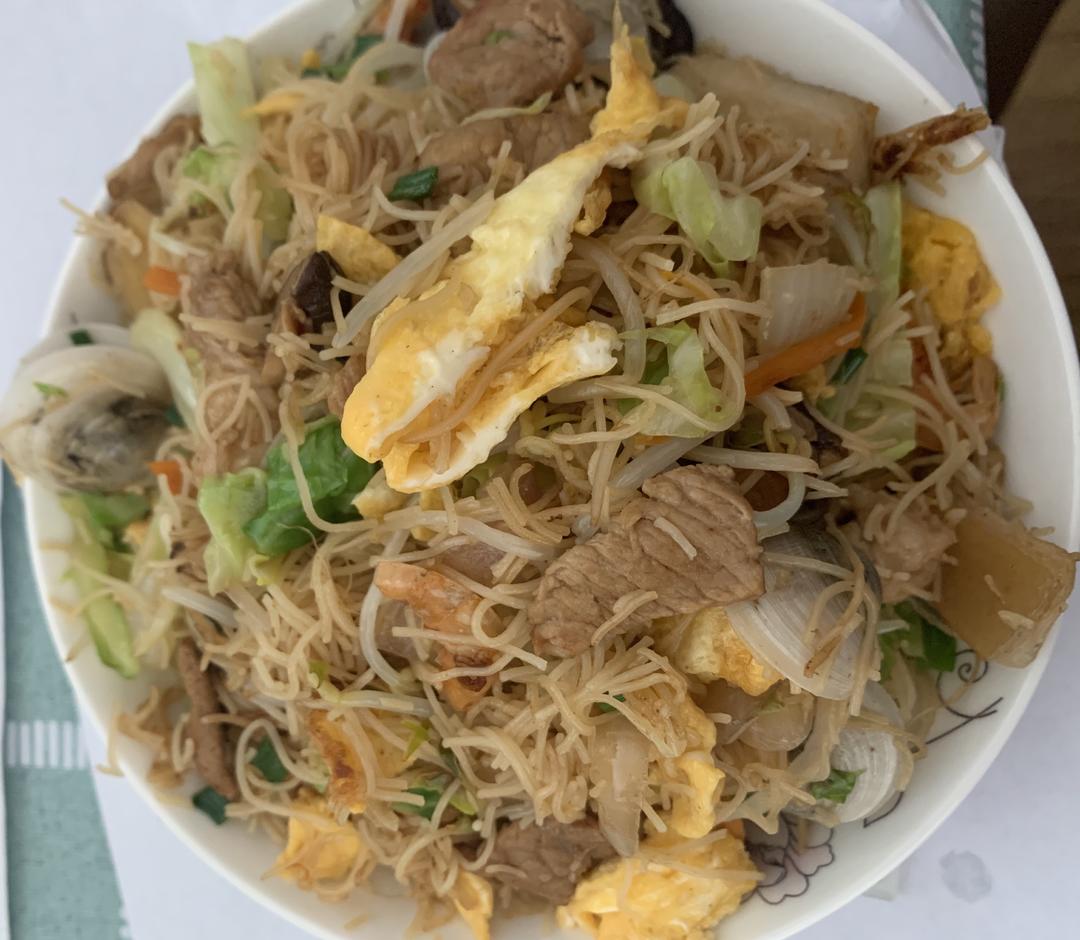
Why This Recipe Works
- Cold Water Hydration: By strictly using cold water to soften the rice noodles, they retain a firm, elastic texture that stands up to aggressive stir-frying.
- Layered Umami: Frying the pork fat with dried shrimp and shiitake mushrooms creates a deeply savory oil that coats every single noodle strand.
- The Chopstick Technique: The physical aeration created by pulling the noodles up with chopsticks allows steam to escape, preventing a soggy texture.
Common Mistakes When Making Wenling Fried Rice Noodles
Mistake: The noodles turn into a sticky, unmanageable clump.
- Cause: You soaked the dry noodles in hot or warm water, which activated the starch too early.
- Solution: Always use cold tap water and only soak for 10-15 minutes until pliable but still opaque.
Mistake: The noodles burn and stick to the bottom of the wok.
- Cause: You kept the heat on high after adding the noodles.
- Solution: Turn the heat down to medium or medium-low the second the noodles go in. Rice noodles absorb liquid fast and will scorch if the heat is too aggressive.
Frequently Asked Questions
Can I skip the dried shrimp?
While you can omit them, dried shrimp provide the signature coastal Zhejiang flavor profile of this dish. If you must skip them, compensate with an extra tablespoon of oyster sauce or a splash of fish sauce.
Why shouldn’t I add salt earlier?
Adding salt at the very end ensures it distributes properly without drawing out too much moisture from the vegetables too early, which would make the noodles soggy.
Can I use a different vegetable?
Cabbage and mung bean sprouts are traditional, but bok choy or julienned bell peppers can work in a pinch.
How to Serve
This dish is incredibly hearty on its own, but in a true Chinese breakfast setting, it is often paired with something light and liquid. Serve it alongside a steaming bowl of
Storage & Reheat
- Fridge: Store leftovers in an airtight container for up to 3 days.
- Freezer: Not recommended, as the rice noodles will become completely mushy upon thawing.
- Reheat: Warm in a non-stick pan over medium heat with a tiny splash of water (about 1 tablespoon) to create steam and re-soften the noodles. Microwaving is possible but may dry the noodles out.
Allergen Notice
Contains: Eggs, Soy, Shellfish (Shrimp, Clams). If you have a shellfish allergy, omit the dried shrimp/clams and ensure your oyster sauce is vegetarian (made from mushrooms).
About the Author & Recipe Development
I am Lin, a recipe developer and the creator of Woks of Love. My culinary journey began by watching family members cook regional specialties in Zhejiang, China. This Wenling Fried Rice Noodle recipe was developed after multiple trials in my Ningbo kitchen to replicate the exact texture of my hometown’s breakfast stalls using a standard home stove.
Authoritative References
- USDA Food Safety and Inspection Service: Guidelines on safe minimum internal temperatures for cooking fresh pork to prevent foodborne illness.
Safe Minimum Internal Temperature Chart - Science of Cooking: Exploring the process of starch gelatinization in rice noodles and why cold soaking prevents premature stickiness.
Starch Gelatinization
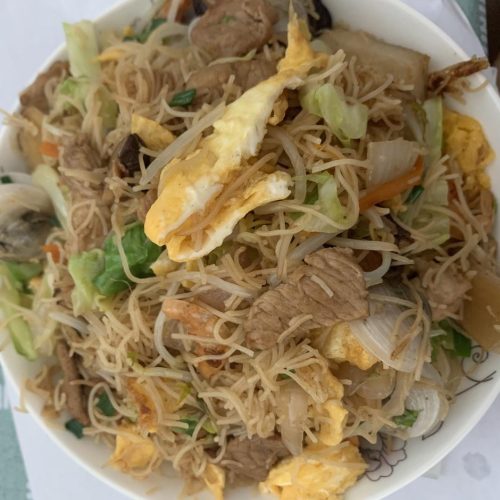
Authentic Wenling Fried Rice Noodles (Chao Mi Mian)

Equipment
- Wok
- Wok spatula
- Cooking Chopsticks
Ingredients
Main Ingredients
- 7 oz dried rice noodles thin vermicelli style
- 3.5 oz pork sliced thin
- 2 eggs beaten
- 7 oz green cabbage shredded
- 1 cup mung bean sprouts
- 0.5 carrot small, julienned
- 7 pieces dried shiitake mushrooms rehydrated
- 1 oz dried shrimp rinsed
Aromatics & Seasonings
- 3 slices ginger
- 0.25 onion sliced
- 2 scallions chopped
- 1 tbsp Shaoxing cooking wine
- 1 tbsp light soy sauce
- 1 tsp salt
Instructions
- Soak the dried shiitake mushrooms in hot water for 15 minutes. Separately, soak the rice noodles in a large bowl of cold water for 10-15 minutes until pliable, then drain.

- Scramble the beaten eggs in an oiled wok over medium-high heat. Chop them into strips with your spatula, then remove from the wok and set aside.

- Add a little more oil to the wok. Fry the ginger slices, then add the sliced pork. Stir-fry until the pork changes color. Toss in the dried shrimp and sliced shiitake mushrooms. Deglaze the wok with the cooking wine.
- Add the light soy sauce, sliced onion, and julienned carrots. Stir-fry for 1 minute to soften the vegetables.
- Lower the heat to medium. Add the drained rice noodles. Immediately begin tossing the noodles using a spatula in one hand and chopsticks in the other, lifting and shaking them to prevent sticking.
- Add the shredded cabbage (and clams, if using) and continue to lift and toss for about 3 minutes until the cabbage wilts.
- Add the mung bean sprouts and the salt. Toss for another 2 minutes until everything is evenly seasoned and the sprouts are tender-crisp.

- Return the cooked egg strips to the wok, sprinkle with chopped scallions, give it a final toss, and serve immediately.


Leave a Reply