Since my doctor recommended I switch to a low-GI (Glycemic Index) diet for better health management, I’ve spent countless hours scrolling through videos and cookbooks, trying to find meals that are healthy but not boring.

Salads are great, but sometimes you just need something warm and comforting. That is when I rediscovered the technique of “Men” (焖) — a Chinese cooking method that translates roughly to “braising” or “smothering,” but with a twist.
Recently, a version of “Men Cai” popularized by Chinese actor Yin Zheng went viral. I tried his version, which involves adding water, but after several tests in my kitchen, I found that not adding water is actually the secret to success. The vegetables release their own juices, creating a concentrated flavor that water simply dilutes.
This recipe is fast, requires minimal oil, and creates a incredible texture—crispy edges from the pan-frying and tender interiors from the steam. It’s perfect for busy weeknights or anyone looking for a “quick hand” (快手) meal.
What is “Men Cai”?
In Chinese cooking, Men (焖) typically refers to simmering ingredients in a sauce or stock with the lid on. However, this specific “Waterless Braised” technique is more of a hybrid between pan-frying and steaming.
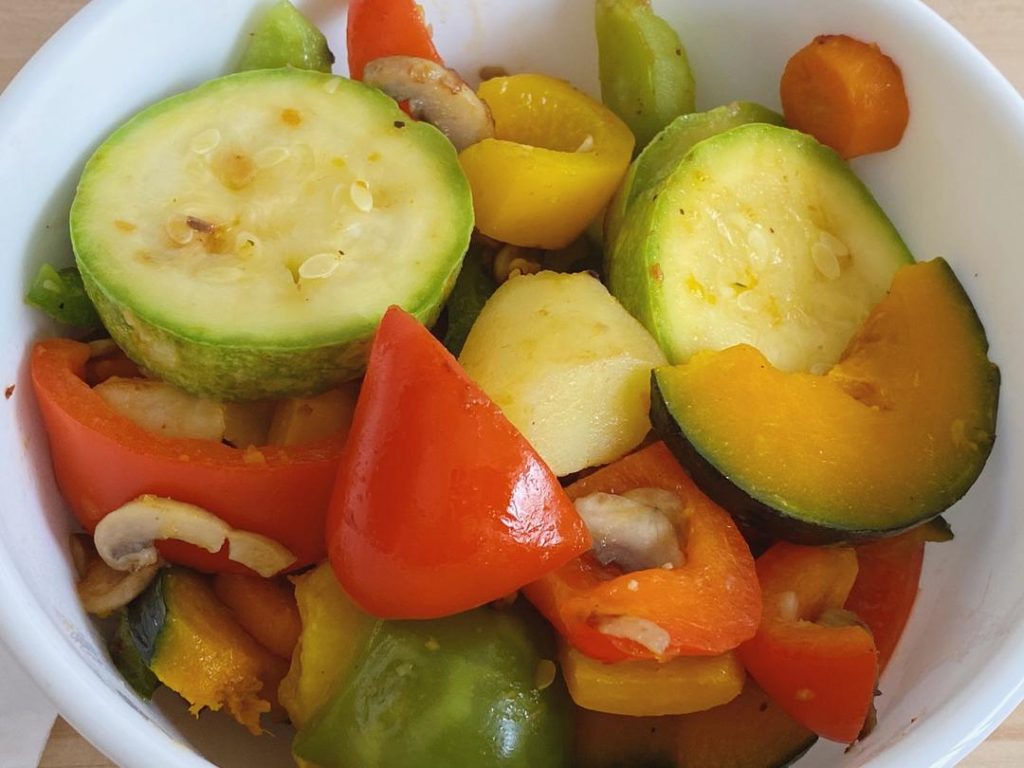
By using a non-stick pan with a tight-fitting lid, you trap the moisture released by the vegetables (especially the zucchini and mushrooms). This steam cooks the denser root vegetables through, while the bottom gets a lovely sear from the small amount of oil. It preserves the nutrients better than boiling and tastes far richer than steaming.
Why This Recipe Works
- Flavor Concentration: By skipping the water, the vegetables cook in their own juices, intensifying their natural sweetness and umami.
- Textural Contrast: Unlike soggy boiled vegetables, these retain a bite. The potatoes and carrots get slightly charred edges, while the squash becomes creamy.
- Low GI & Healthy: We focus on high-fiber root vegetables and fungi. Using minimal oil keeps it light, aligning with dietary guidelines for blood sugar management.
- One-Pan Convenience: Less cleanup and a cooking time of under 15 minutes.
Key Ingredients & Substitutions
The beauty of this dish is its versatility, but selecting the right mix of textures is key.
- Kabocha Squash (Beibei Pumpkin): This is the non-negotiable star of the dish. In the recipe, I mention “Beibei” pumpkin, which is a small, green variety of Kabocha popular in Asia. It has a texture similar to roasted chestnuts—sweet, floury, and dense.
- Substitute: If you can’t find baby Kabocha, regular Kabocha squash works. Avoid American carving pumpkins or butternut squash if you want that specific chestnut texture.
- Potatoes: I use small yellow potatoes or waxy potatoes. They hold their shape better than russets.
- Carrots: Adds sweetness and color.
- Mushrooms: I used button mushrooms (cremini or white). They provide the moisture needed to create steam.
- Substitute: Shiitake mushrooms or King Oyster mushrooms work well too.
- Peppers: A mix of red, yellow, and green bell peppers adds vibrancy and Vitamin C.
- Zucchini: This is your “water source.” Zucchini releases moisture quickly, preventing the other vegetables from burning.
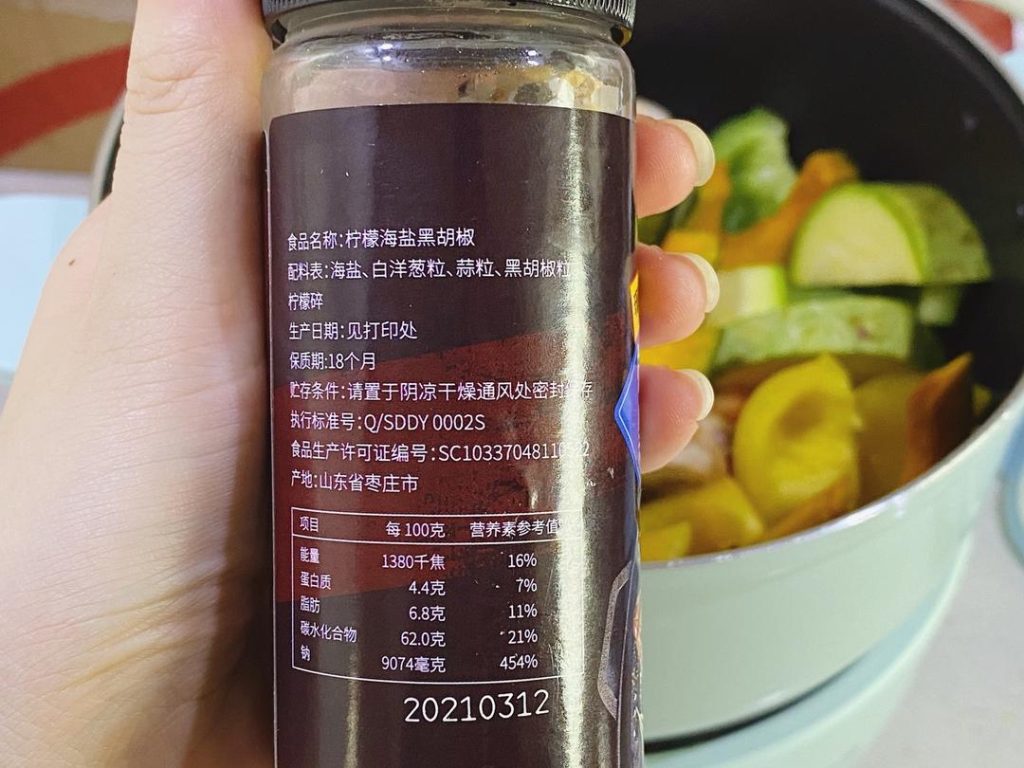
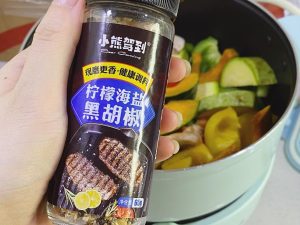
- Seasoning: The original recipe calls for a “Lemon Sea Salt Black Pepper” composite spice.
- DIY Mix: If you can’t find a pre-mixed bottle, simply combine Sea Salt, Coarsely Ground Black Pepper, and a squeeze of Fresh Lemon Juice or Lemon Zest.
Recipe Notes Before You Start
- Knife Skills Matter: Because we aren’t adding water, cutting the vegetables to the right thickness is crucial. The potatoes and carrots take the longest to cook, so slice them thinly. The squash should be cut into thin wedges.
- The Pan: You must use a non-stick pan with a lid that seals well. If steam escapes, the vegetables will dry out and burn before they are cooked through.
- Temperature Control: This dish relies on a transition from medium heat (for searing) to low heat (for “Men”/braising).
Food Safety and Preparation
- Wash Vegetables Thoroughly: Since we are eating the skins of the squash and zucchini, scrub them well under running water.
- Check Doneness: Root vegetables like potatoes must be fully cooked to be safe and digestible. Test with a fork before serving.
- Oil Safety: Although we use very little oil, ensure the pan is not overheated to the point of smoking before adding vegetables.
How to Make Waterless Braised Vegetables
Step 1: Mise en Place (Prep Work)
Wash and chop all your ingredients.

- Potatoes & Carrots: Slice into thin rounds or half-moons (about 1/8 inch or 3mm thick).
- Mushrooms: Cut into thick slices (2-3 pieces per mushroom).
- Zucchini: Slice into rounds.
- Kabocha Squash: Remove seeds and slice into thin wedges.
- Bell Peppers: Cut into bite-sized chunks.
Step 2: Sear the Roots
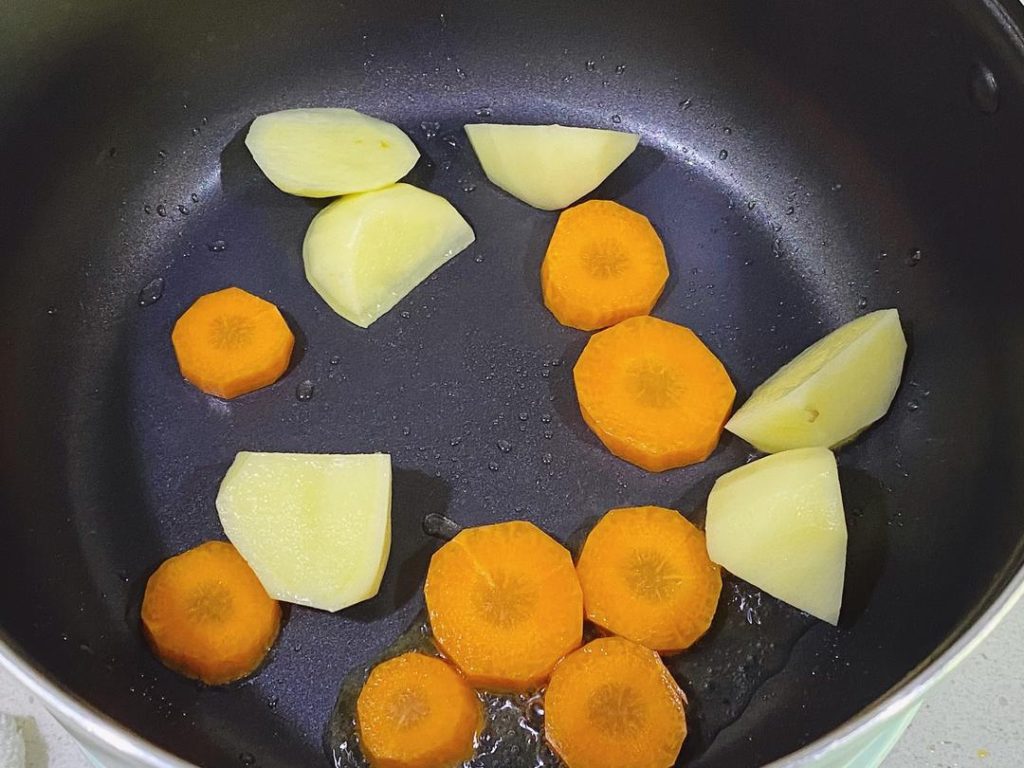
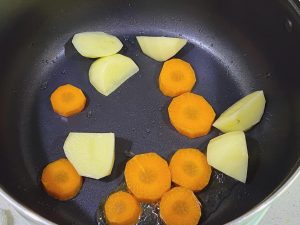
Heat your non-stick pan over medium heat. Add a small amount of vegetable oil (olive oil, corn oil, or avocado oil all work). Add the potatoes and carrots first. Stir-fry them for about 2 minutes.
Why? These are the hardest vegetables. Giving them a head start ensures they cook through at the same time as the softer veggies. It also creates those delicious caramelized edges.
Step 3: Add Remaining Vegetables
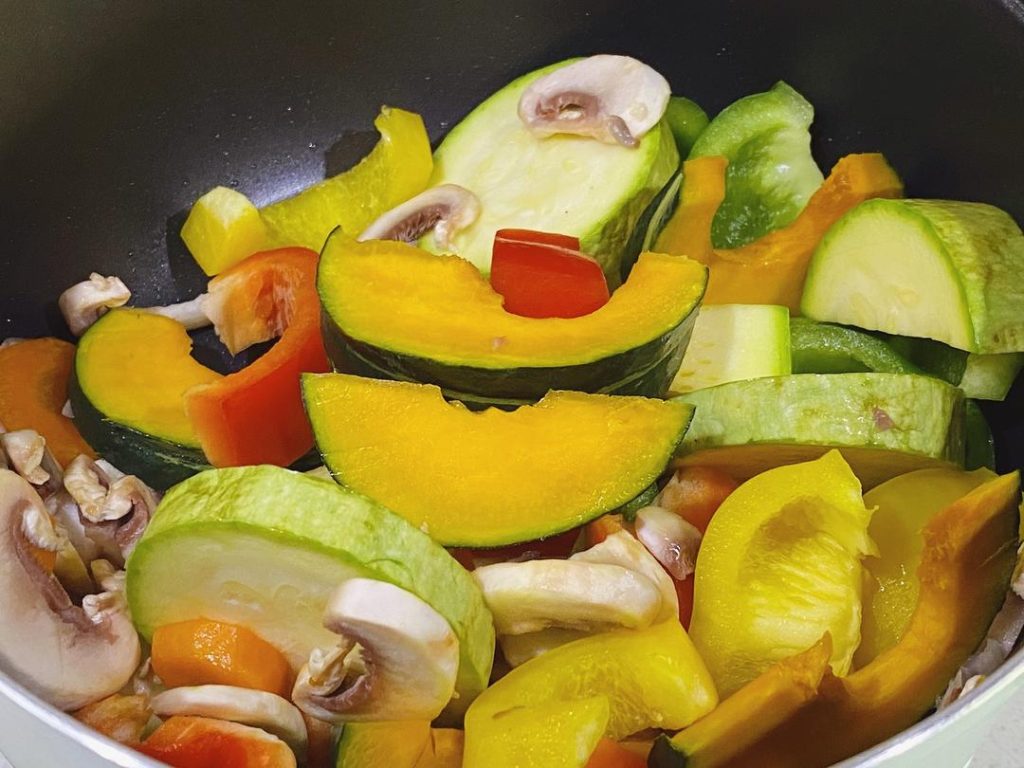
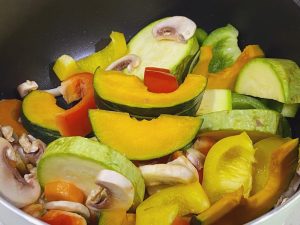
Add the mushrooms, zucchini, squash, and peppers to the pan. Continue to stir-fry for another 1 minute to coat everything in the oil and start the heating process.
Step 4: Season
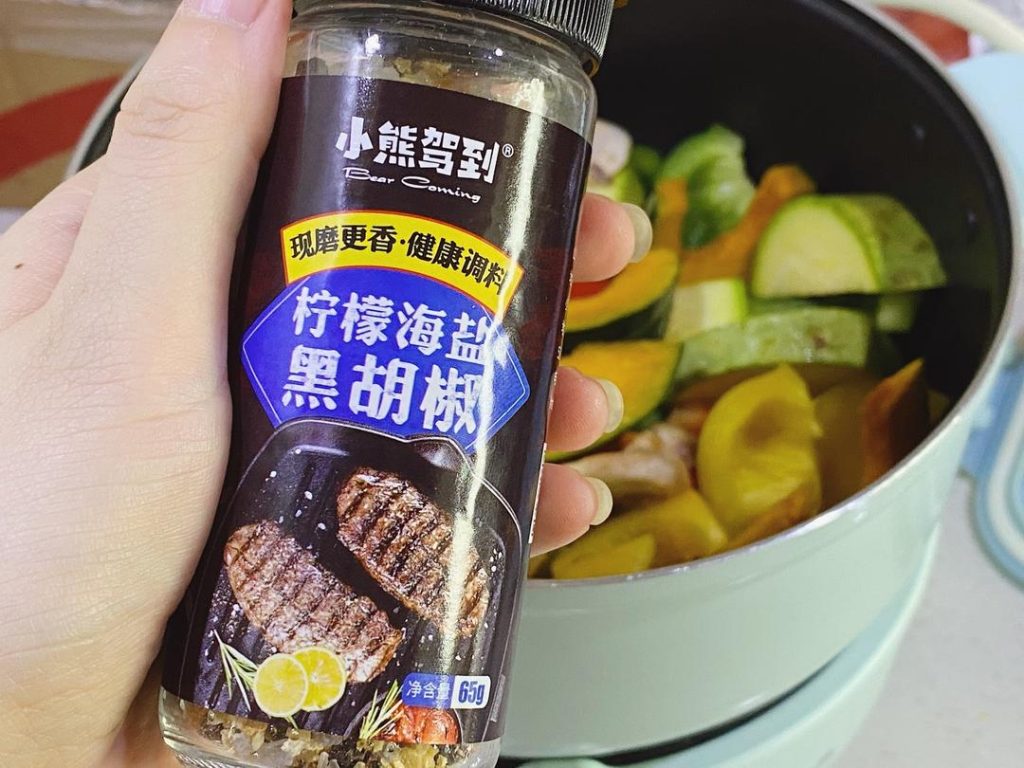
Sprinkle your seasoning mix (Lemon Sea Salt & Black Pepper) over the vegetables. If using separate spices, add your salt and black pepper now.
Tip: Do not be too heavy-handed with salt initially; the vegetables shrink, concentrating the flavor.
Step 5: The “Men” (Braise)
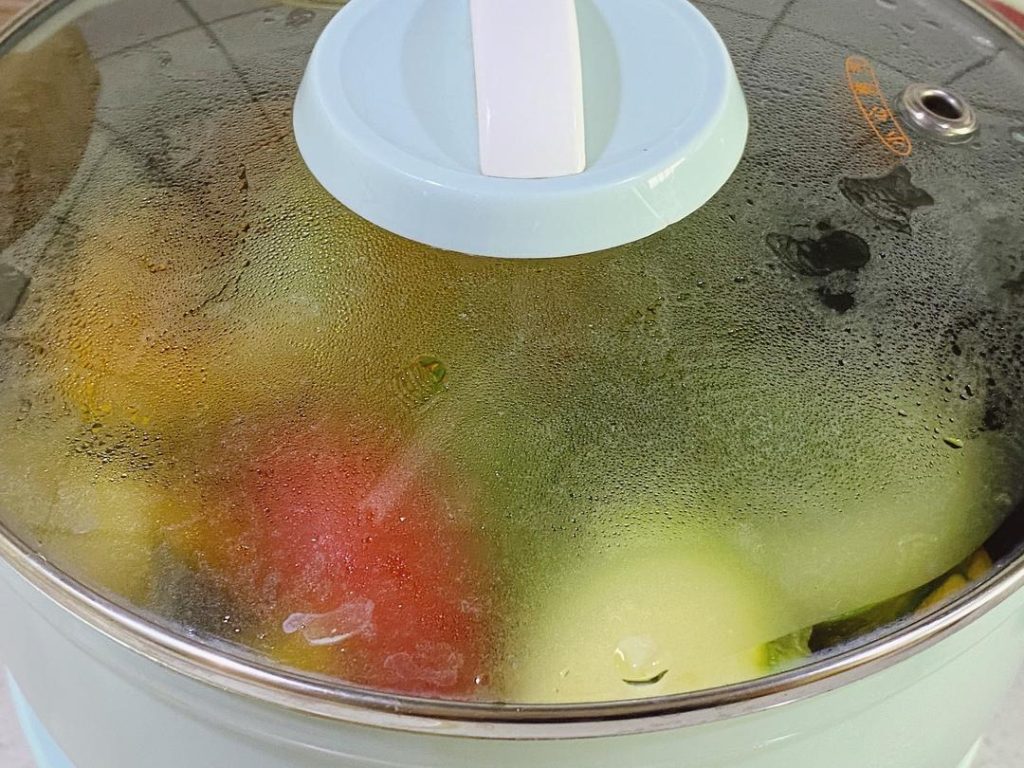
Cover the pan with the lid immediately. Turn the heat down to low. Let it cook for 3 to 5 minutes.
Do not add water. Trust the process. The zucchini and mushrooms will release steam, which circulates in the pan to cook the potatoes and squash.
Step 6: Finish and Serve
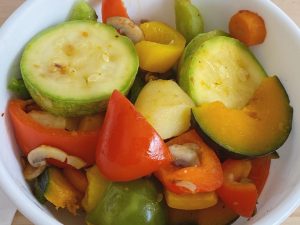
Open the lid. The vegetables should be tender but not mushy. Give it a final toss to distribute the flavors. Serve immediately while hot!
Common Troubleshooting (Test Kitchen Notes)
- Problem: My vegetables burned.
- Cause: The heat was too high during the covered phase, or your lid wasn’t tight enough to trap moisture.
- Fix: Use the lowest flame setting once covered. If your pan lid has a vent, you might cover it with a damp towel (carefully) or add just 1 tablespoon of water next time if you are worried.
- Problem: The squash is hard.
- Cause: The slices were too thick.
- Fix: Slice the Kabocha thinner next time, or add it in Step 2 with the potatoes.
Serving Suggestions
This dish is a fantastic low-carb main, but it also pairs beautifully as a side dish.
- Pair with Rice: Serve alongside a bowl of steamed brown rice or multigrain rice for a complete profile.
- Add Protein: Pair this with our Pan-Fried Pork Belly for a rich treat, or keep it light with Steamed Egg with Minced Pork.
- Soup Pairing: A warm bowl of Miso Soup complements the roasted flavors perfectly.
Authoritative References
For more information on the benefits of a low-GI diet and vegetable consumption, refer to the World Health Organization’s guidelines on healthy diet.
FAQ
Q: Can I use other vegetables? A: Absolutely. Cauliflower, broccoli, and asparagus work well. Just be mindful of cooking times. If using leafy greens, add them in the last minute.
Q: Is this recipe gluten-free? A: Yes, as long as your seasoning mix does not contain anti-caking agents with gluten. If using simple salt and pepper, it is naturally gluten-free.
Q: Do I really not need water? A: Really! As long as you include high-moisture vegetables like zucchini, onions, or mushrooms, and keep the lid tight, physics will do the work.
Nutrition Information (Estimate)
- Calories: 145 kcal
- Carbohydrates: 22g
- Protein: 4g
- Fat: 5g
- Fiber: 6g
- Sugar: 5g
(Disclaimer: Nutrition information is calculated using an ingredient database and should be considered an estimate. Garnishes and optional ingredients are not included. Actual values vary based on produce size and oil used.)
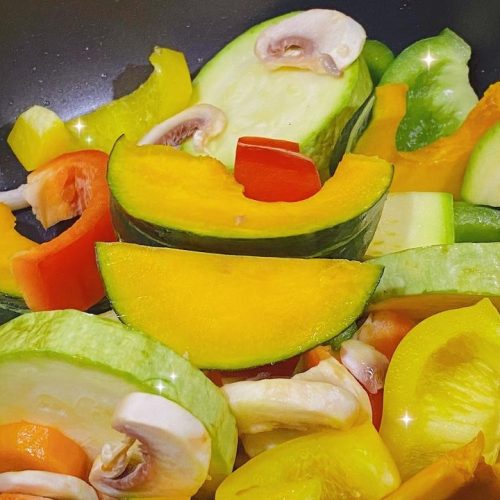
Waterless Braised Vegetables (Men Cai)

Equipment
- Non-stick pan with lid
- Knife
- Cutting Board
Ingredients
Vegetables
- 1/3 each Bell Peppers (Red, Yellow, Green) cut into chunks
- 1 small Potato (Yellow or Waxy) sliced thinly (approx 1/8 inch)
- 1/2 medium Carrot sliced thinly
- 1/4 small Kabocha Squash (Beibei Pumpkin) seeded and sliced into thin wedges
- 1/2 medium Zucchini sliced into rounds
- 6 Button Mushrooms (or Cremini) thickly sliced
Seasoning & Cooking
- 1 tbsp Vegetable Oil Corn, Canola, or Olive Oil
- 1 tsp Sea Salt & Black Pepper Mix or Lemon Sea Salt
Instructions
- Prep Veggies: Wash and cut all vegetables. Ensure potatoes, carrots, and squash are sliced thinly (approx 1/8 inch or 3mm) to ensure even cooking alongside softer vegetables.
- Sear Hard Veggies: Heat a non-stick pan over medium heat with 1 tablespoon of oil. Add the sliced potatoes and carrots. Stir-fry for 2 minutes until edges begin to brown and caramelize.

- Add Soft Veggies: Add the mushrooms, zucchini, kabocha squash, and bell peppers to the pan. Stir-fry for another 1 minute to coat everything evenly in the oil.
- Season and Braise: Sprinkle the sea salt and black pepper mix evenly over the vegetables. Cover the pan immediately with a tight-fitting lid. Reduce heat to low and cook for 3-5 minutes. Do not add water; the zucchini and mushrooms will release steam to cook the harder vegetables.
- Finish: Remove lid, give the vegetables a final toss to distribute flavors, and serve hot immediately.





Leave a Reply