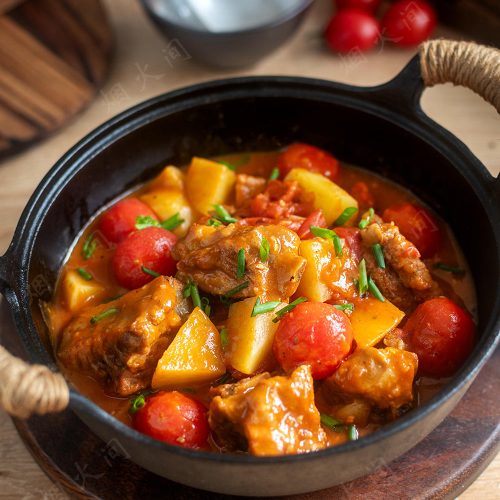
The one-pot braise is where Chinese home cooking earns its reputation, and tomato potato ribs is the version I make when I want the whole house to smell like dinner. The original cook calls it “simple one-pot, appetizing and rice-killing,” and she is not exaggerating. The ribs come out so tender they release from the bone, the potatoes soak up a broth that is sour, sweet, and savory all at once, and the whole thing takes about 45 minutes with almost no hands-on time.
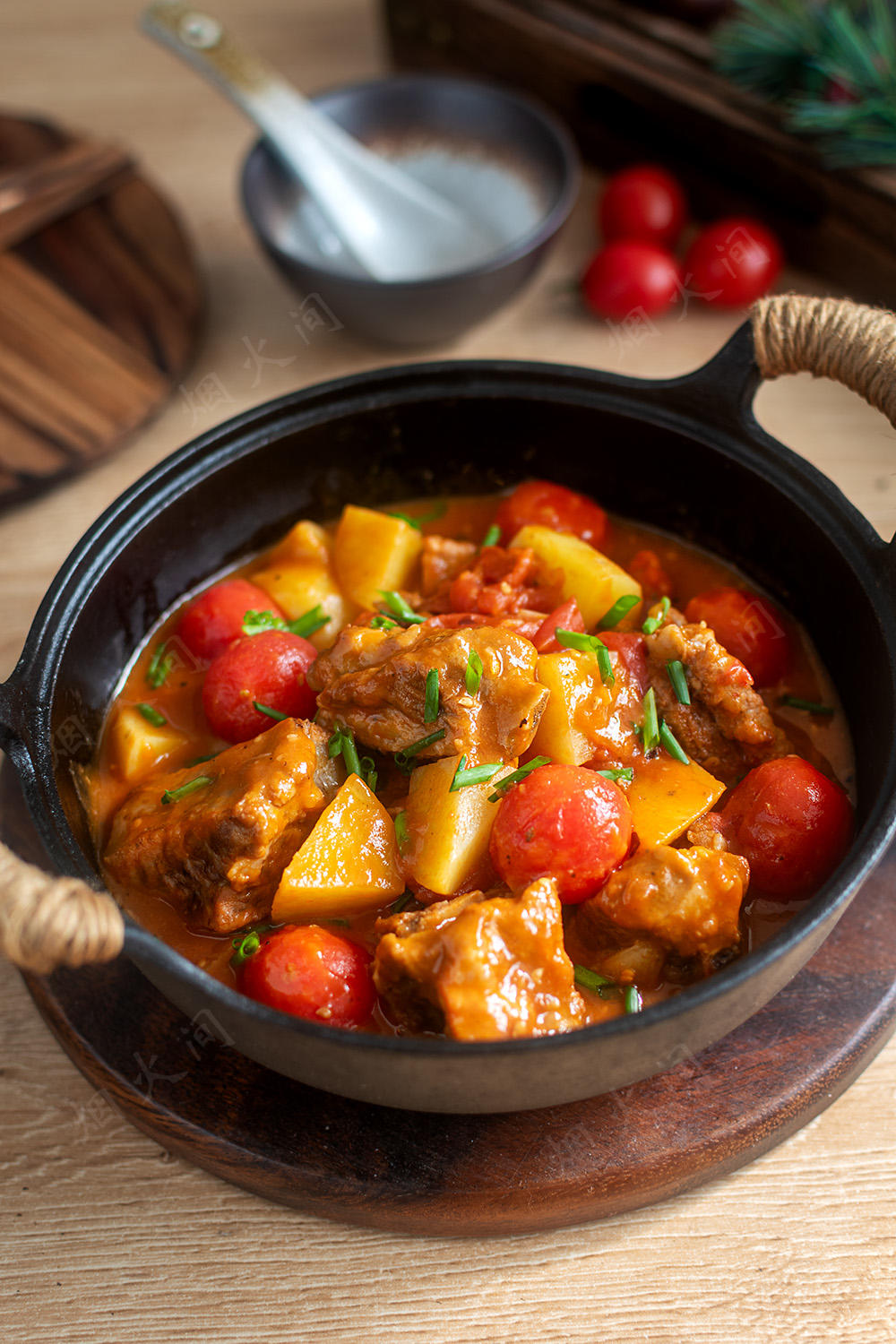
Fan qie tu dou dun pai gu (番茄土豆炖排骨) is tomato potato braised pork ribs – a homestyle one-pot dish where blanched ribs are seared with whole spices, simmered in a tomato broth with potatoes, and finished with fresh tomato pieces for color. The measured ingredients are the recipe’s strength: 500 g ribs, 400 g tomato, 250 g potato, and a sauce built on yellow wine, light soy, ketchup, salt, and pepper. Nothing fancy, everything balanced.
What Is Tomato Potato Braised Ribs (Fan Qie Tu Dou Dun Pai Gu)?
Fan qie tu dou dun pai gu (番茄土豆炖排骨) is a northern-China home-cooking favorite: pork ribs braised with tomatoes, potatoes, and whole spices in a broth that reduces into a sour-sweet, glossy sauce. It belongs to the dun (炖) family – long, covered simmering that turns tough cuts tender and blends flavors into one pot.
The dish is built in stages like most great braises: the ribs are blanched to clean them, seared with onion, garlic, ginger, star anise, cassia, and bay leaves for aroma, then simmered with tomato and ketchup until the broth turns a deep red. The potatoes go in partway so they soak up the sauce without dissolving, and a few fresh tomato pieces are added at the very end – the original’s clever trick, since the early tomatoes cook into nothing while the last ones keep their shape and color. It is comfort food with real structure underneath.
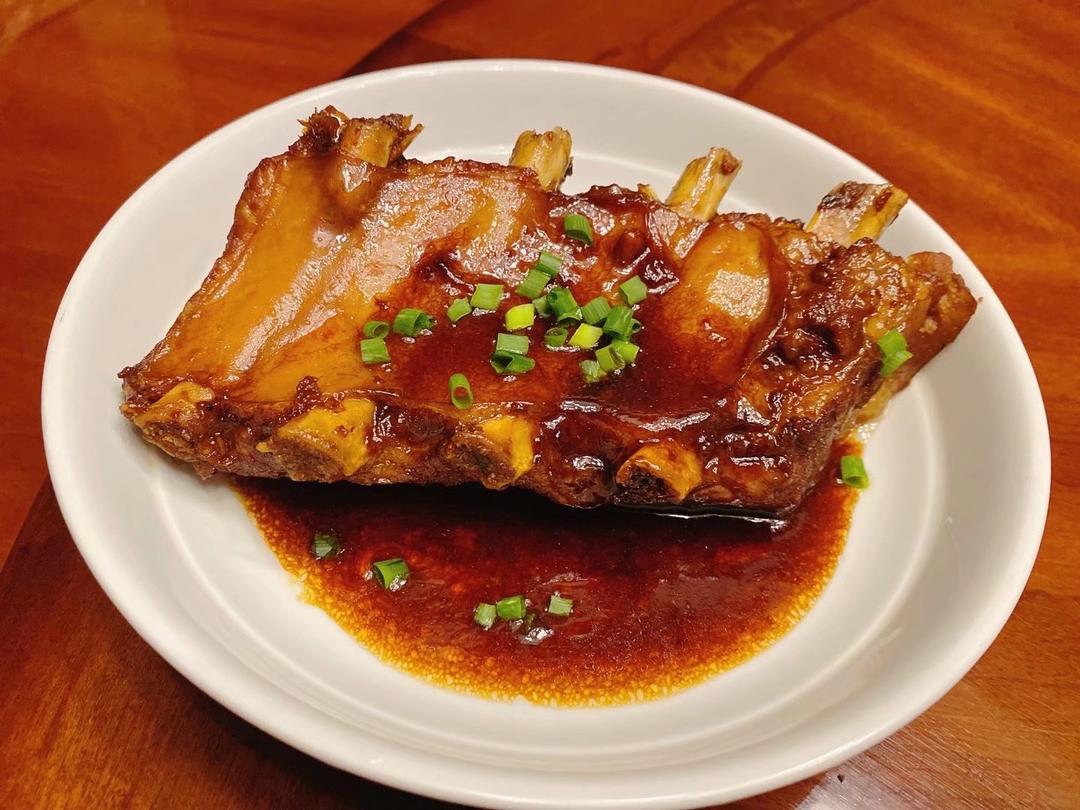
If you love braised ribs, my authentic braised pork ribs (hong shao pai gu) is the deep-soy sibling of this tomato version.
1Authentic Braised Pork Ribs (Hong Shao Pai Gu): Fall-Off-The-BoneA rustic, Zhuji-style approach to Chinese Red Braised Pork Ribs. Cooked in large, intact slabs over a bed of scallions, these ribs simmer low and slow until you can pull the rich, savory-sweet meat apart with chopsticks.Check out this recipe
Why This Version Works
- Cold-water blanch first. The ribs go into cold water, come to a boil, and are drained – the gentle start releases scum and tightens the meat without toughening it.
- Whole spices bloomed in the oil. Onion, garlic, ginger, star anise, cassia, and bay leaves are fried before the ribs – the aromatics season the fat that coats everything.
- Ketchup plus tomato is the flavor bridge. Two spoons of ketchup deepen the tomato’s sour-sweet character; the original adds it with the tomato and it makes the broth unmistakably rich.
- Potatoes added at the right moment. Ten minutes of rib simmering first, then the potatoes – they absorb the broth and stay intact instead of dissolving.
- Fresh tomato at the end, for looks and life. The early tomatoes cook to nothing; the reserved pieces add color and a bright, fresh note in the last minutes.
Equipment Needed
- A heavy pot or Dutch oven with a lid
- A slotted spoon for the blanched ribs
- A wooden spoon for the sear and stirs
- A knife for the prep
Ingredients
- 500 g (1.1 lb) pork ribs, cut into pieces
- 400 g (14 oz) tomatoes (small or large), some diced and some reserved whole
- 250 g (8.8 oz) potatoes, peeled and cut into chunks
- 1/4 onion, sliced
- 4 cloves garlic
- 2 slices fresh ginger
- 1 star anise
- 1 piece cassia bark (about 4 cm / 1.5 in)
- 2 bay leaves
- 1 tbsp (15 ml) yellow wine (huangjiu) or Shaoxing
- 2 tbsp (30 ml) light soy sauce
- 2 tbsp (30 ml) ketchup
- 1 tsp (5 g) salt
- 1/2 tsp (2 g) black pepper
- Hot water, for the braise
Ingredient Notes
Ribs: Pork ribs cut into single pieces, about 500 g (1.1 lb) – the recipe’s exact weight. The cold-water blanch is important; it is what keeps the broth clean.
Tomatoes: The original uses small tomatoes, peeled and diced, with a few reserved whole for the finish. Large tomatoes work too – the note says either is fine. The two-stage tomato is the recipe’s quiet genius.
Ketchup: Two spoons, added with the tomatoes. It is the difference between a good tomato broth and a great one – the concentrated sweetness and acidity that fresh tomatoes alone cannot provide.
Yellow wine: The original calls for huangjiu (yellow wine) – Shaoxing is the same family and the standard substitute. My braised pork with potatoes uses the same wine-and-soy logic.
Prep & Mise en Place
Prep everything before the pot heats: cut the ribs, peel and chunk the potatoes (keep them in cold water so they stay pale), peel and dice most of the tomatoes while reserving a few whole, and slice the onion. Have the garlic, ginger, and whole spices in one bowl – they go into the oil together.
Measure the wine, light soy, ketchup, salt, and pepper into small dishes. The braise then runs on its own: sear, deglaze, simmer 30-40 minutes, add the potatoes, finish with the reserved tomatoes. The hands-on time is about 15 minutes; the rest is patience.
Cooking Process
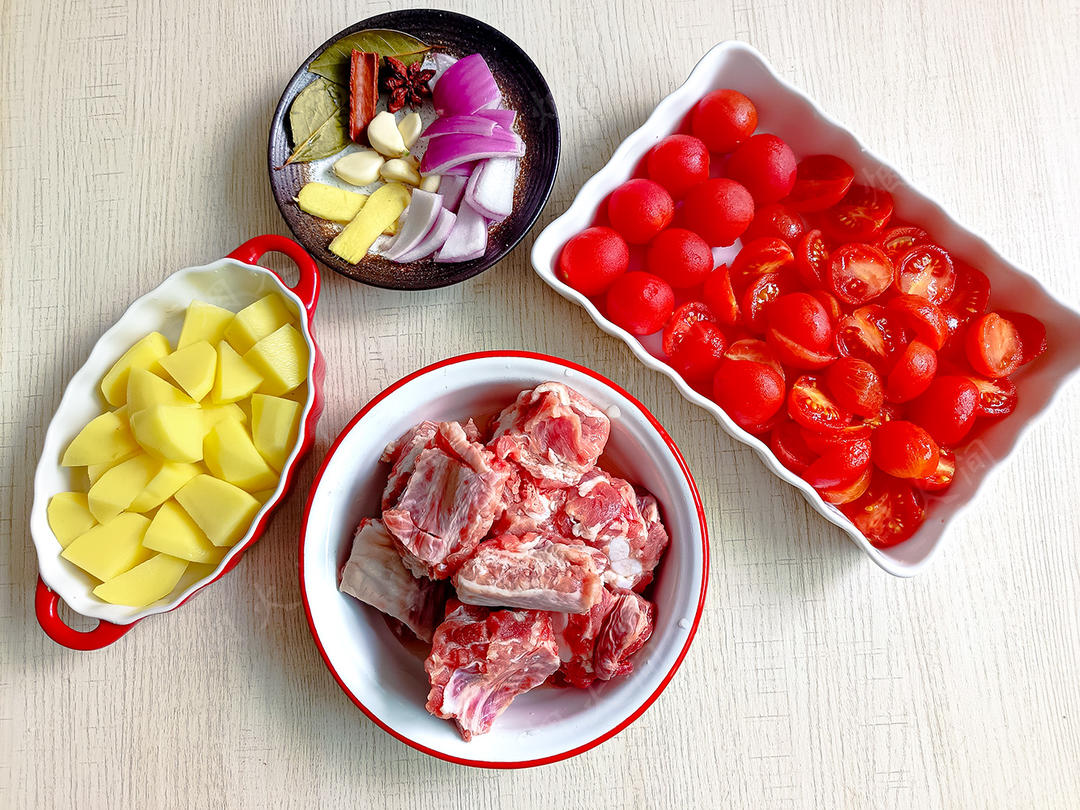
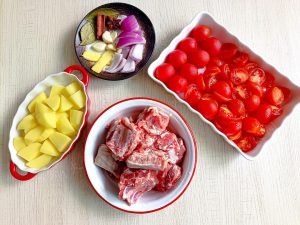
Step 1 – Prep the Ingredients
Cut the ribs into pieces; peel and chunk the potatoes; peel and dice most of the tomatoes, reserving a few whole for the finish. Slice the onion and have the garlic, ginger, and whole spices ready.
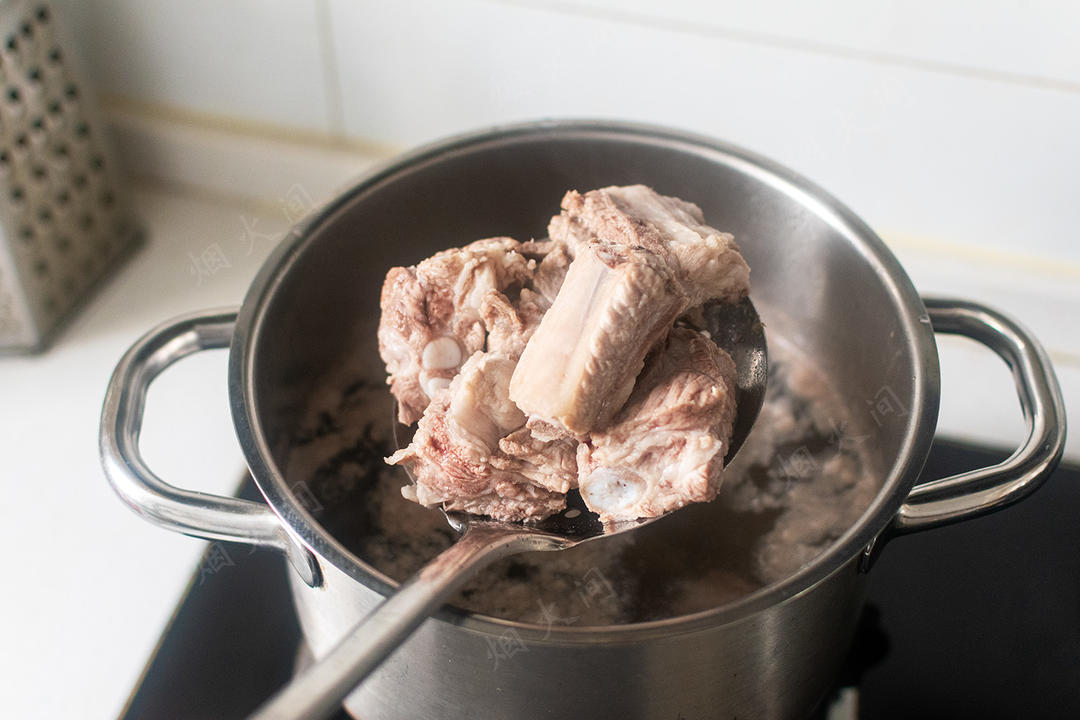
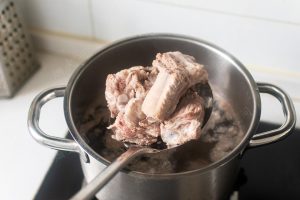
Step 2 – Blanch the Ribs in Cold Water
Put the ribs in a pot of cold water and bring to a boil – the cold start releases the scum gently. Skim it, drain the ribs, and set them aside.
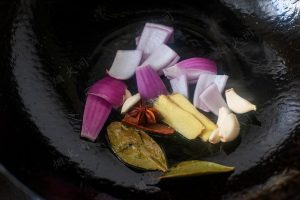
Step 3 – Bloom the Aromatics in Hot Oil
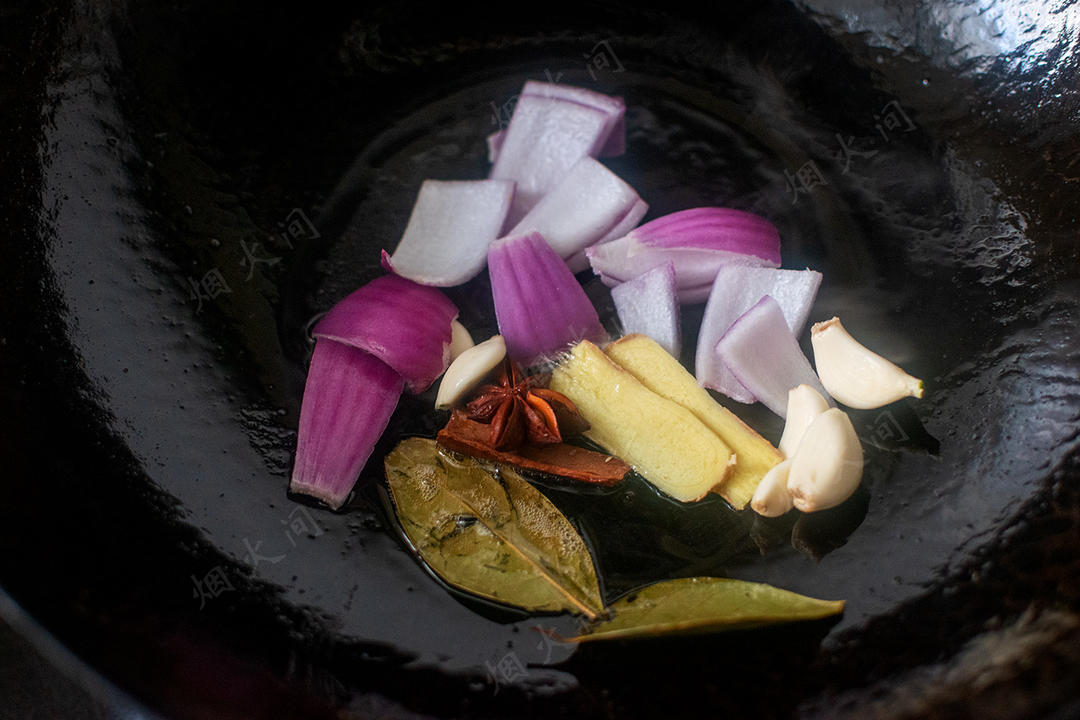
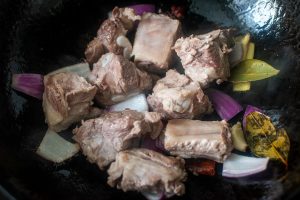
Heat oil in a heavy pot over medium heat. Add the onion, garlic, ginger, star anise, cassia bark, and bay leaves, and stir-fry until fragrant – the classic hot-pan, cold-oil start that seasons the whole pot.
Step 4 – Sear the Ribs Until Lightly Golden
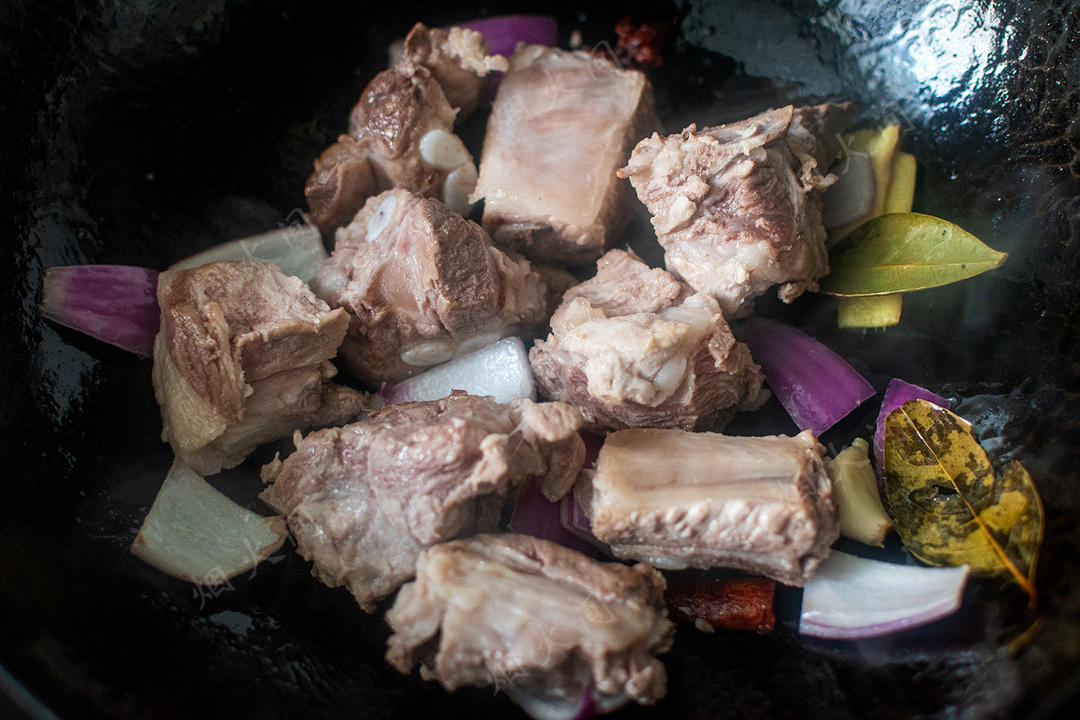
Add the blanched ribs and stir-fry until the surfaces turn lightly golden, about 3-4 minutes. The sear builds the browned flavor that the broth will absorb.
Step 5 – Add the Wine and Light Soy
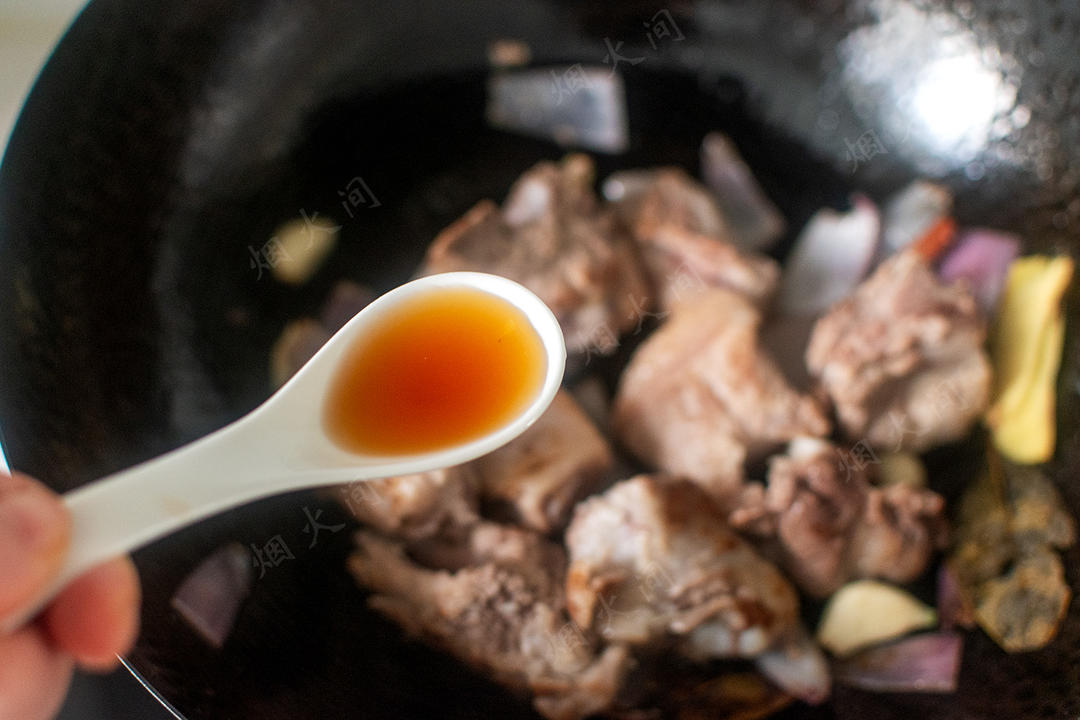
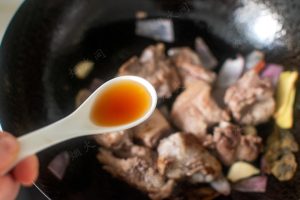
Splash in the yellow wine and light soy, and stir-fry for about 30 seconds – the wine deglazes the browned bits off the bottom of the pot into the sauce.
Step 6 – Add the Diced Tomatoes
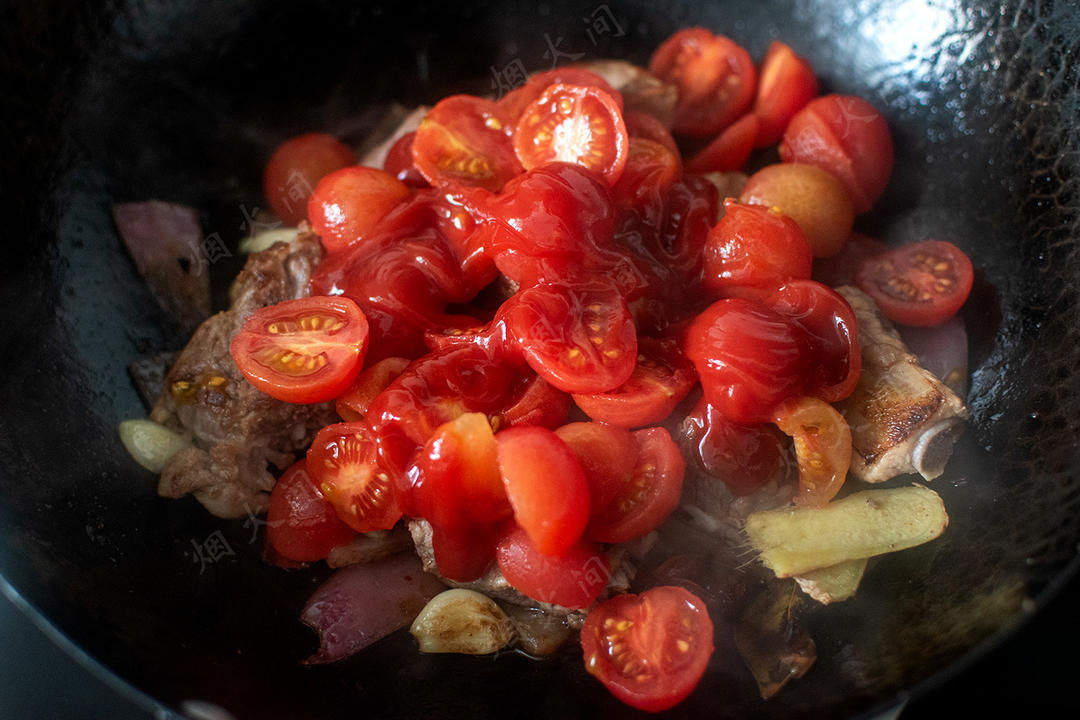
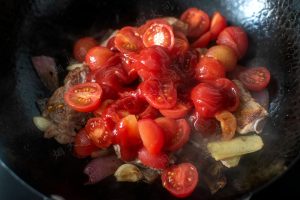
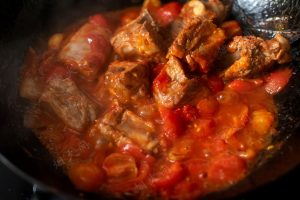
Add the diced tomatoes and stir-fry until they begin to soften and release their juice. The tomatoes are the broth’s base – they will cook down into the sauce.
Step 7 – Add the Ketchup
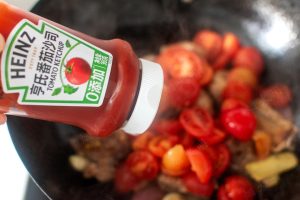
Add the two spoons of ketchup – the original’s addition “for a rich, sour-sweet flavor.” It deepens the tomato character in a way fresh fruit alone cannot.
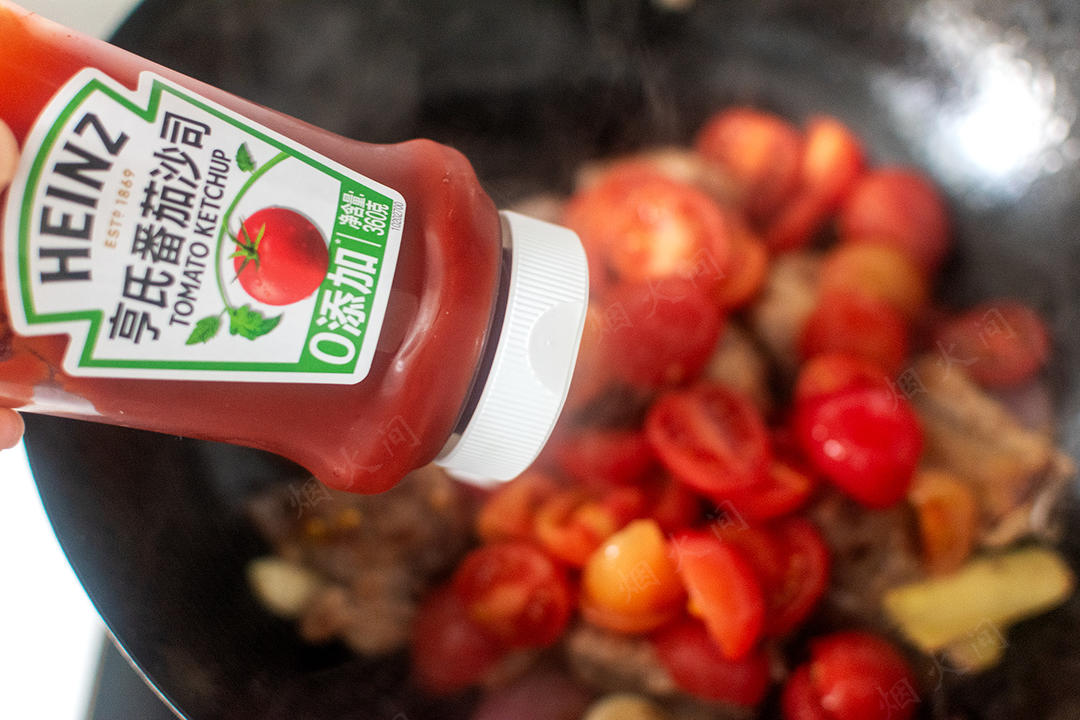
Step 8 – Cook Until the Red Oil Releases
Stir-fry until the tomato mixture cooks down and the oil takes on a red tint – the “red oil” stage where the sauce has properly developed. This is the visual cue that the flavor base is ready.
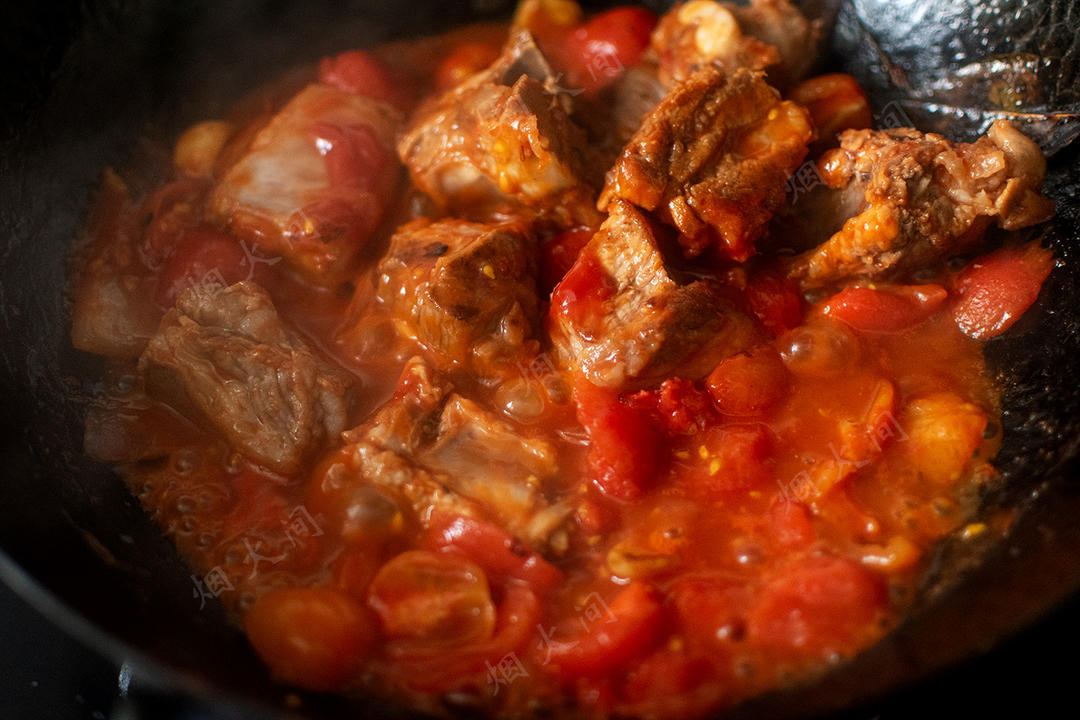
Step 9 – Add Hot Water and Simmer 30-40 Minutes
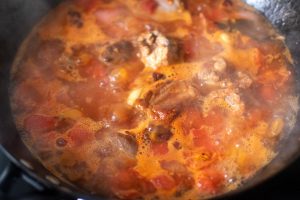
Pour in hot water to cover the ribs, bring to a boil over high heat, then lower to a simmer. Cover and cook for 30-40 minutes, until the ribs are tender enough to release from the bone.
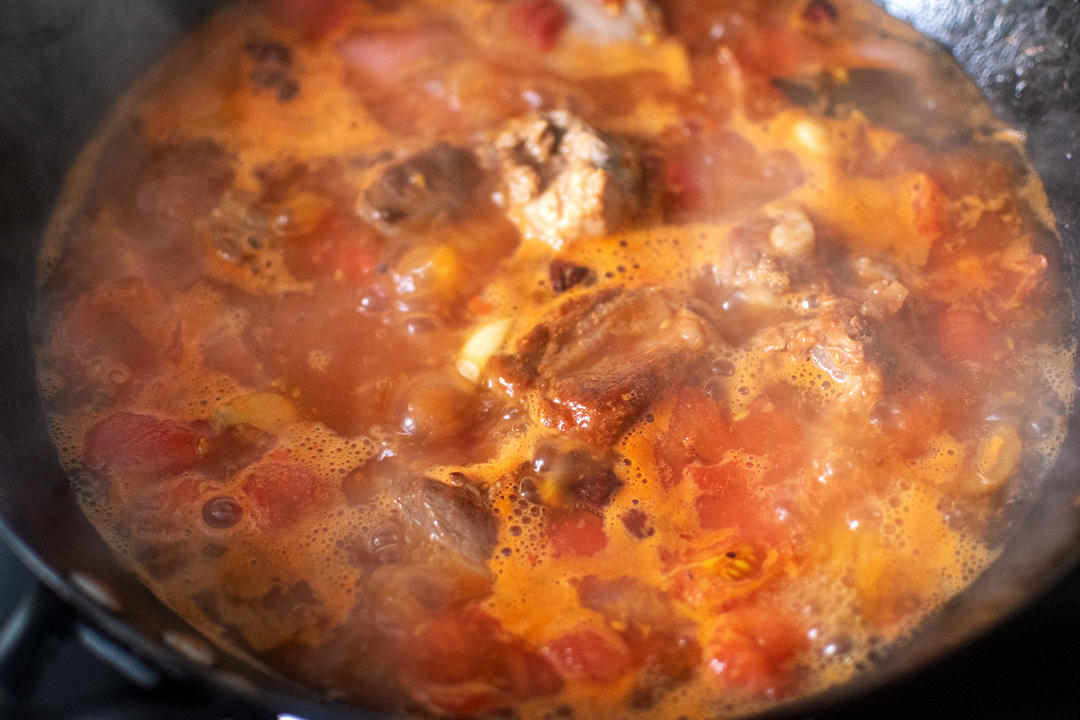
Step 10 – Add the Potatoes
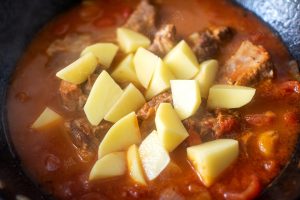
Add the potato chunks and push them into the broth. They will absorb the tomato liquid as they cook – the reason they go in now rather than at the start.
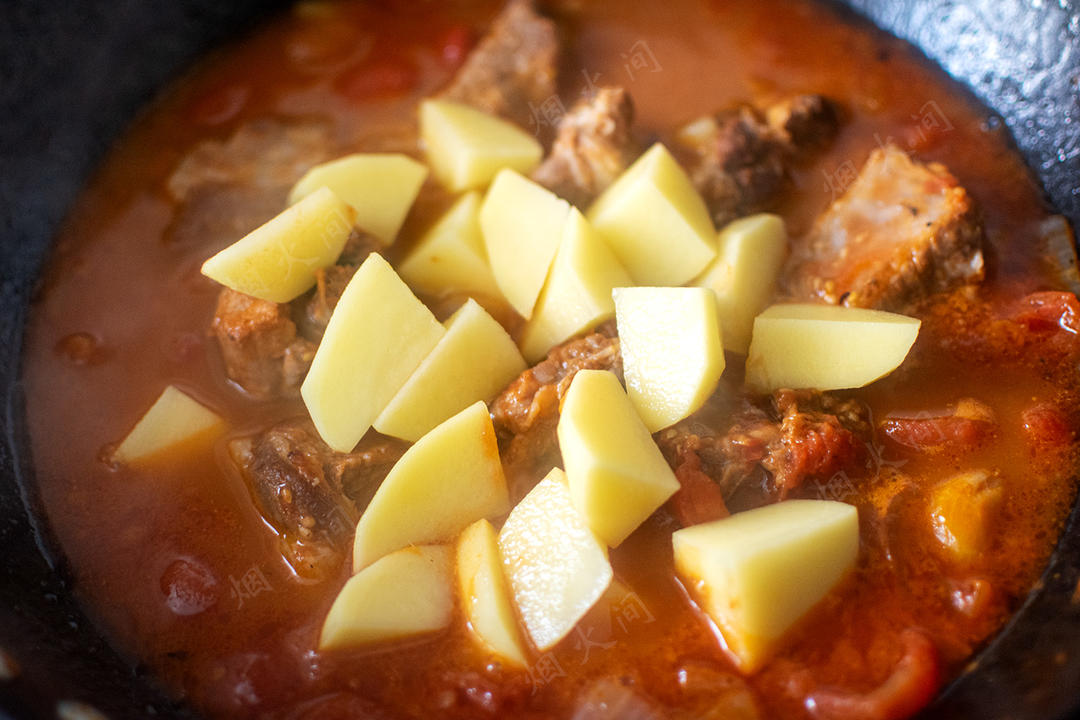
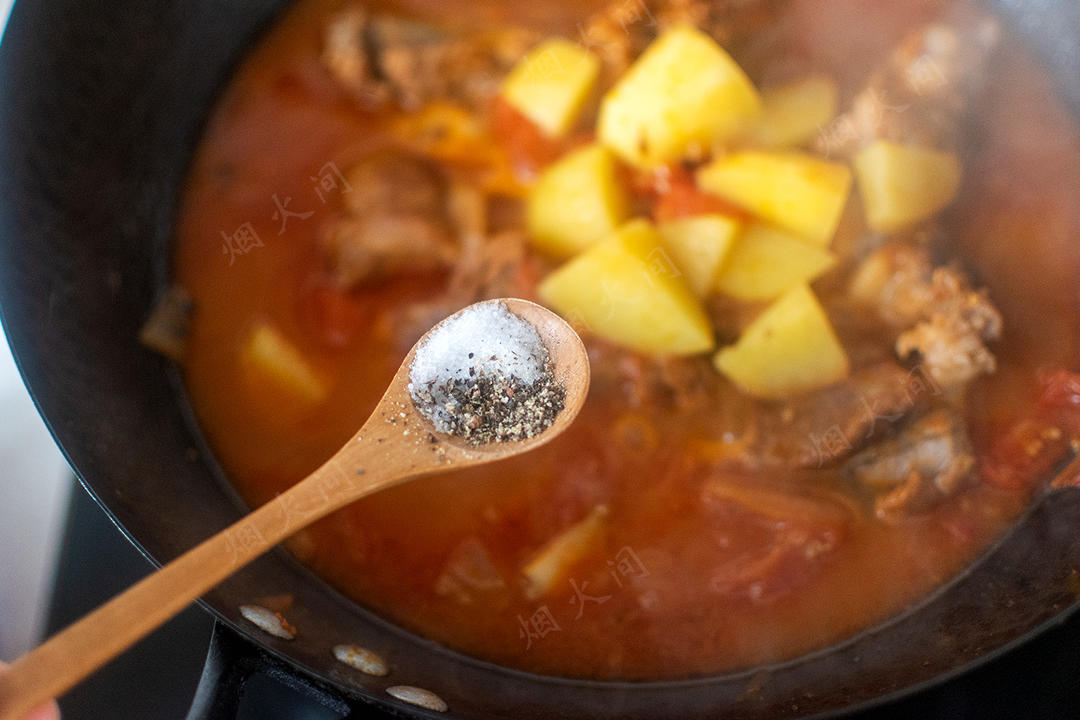
Step 11 – Season and Simmer Until the Potatoes Are Tender
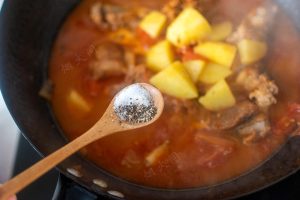
Add the salt and black pepper, then continue simmering for 10-15 minutes, until the potatoes are cooked through and the broth has reduced around them.
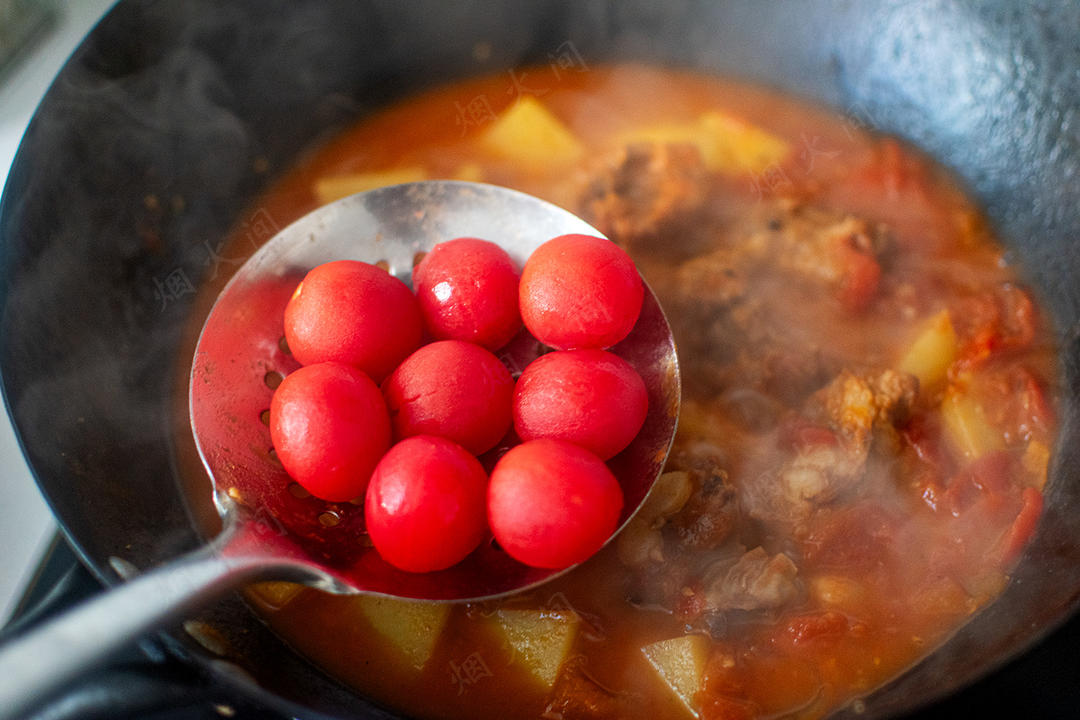
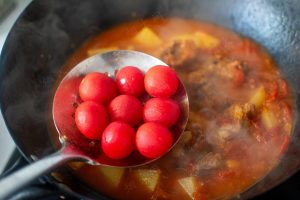
Step 12 – Add the Reserved Tomatoes for the Final 3-5 Minutes
Add the reserved whole tomatoes and cook for 3-5 minutes – just long enough to warm them through. The original’s note: the earlier tomatoes have cooked into nothing, so these last pieces provide the color and fresh acidity.
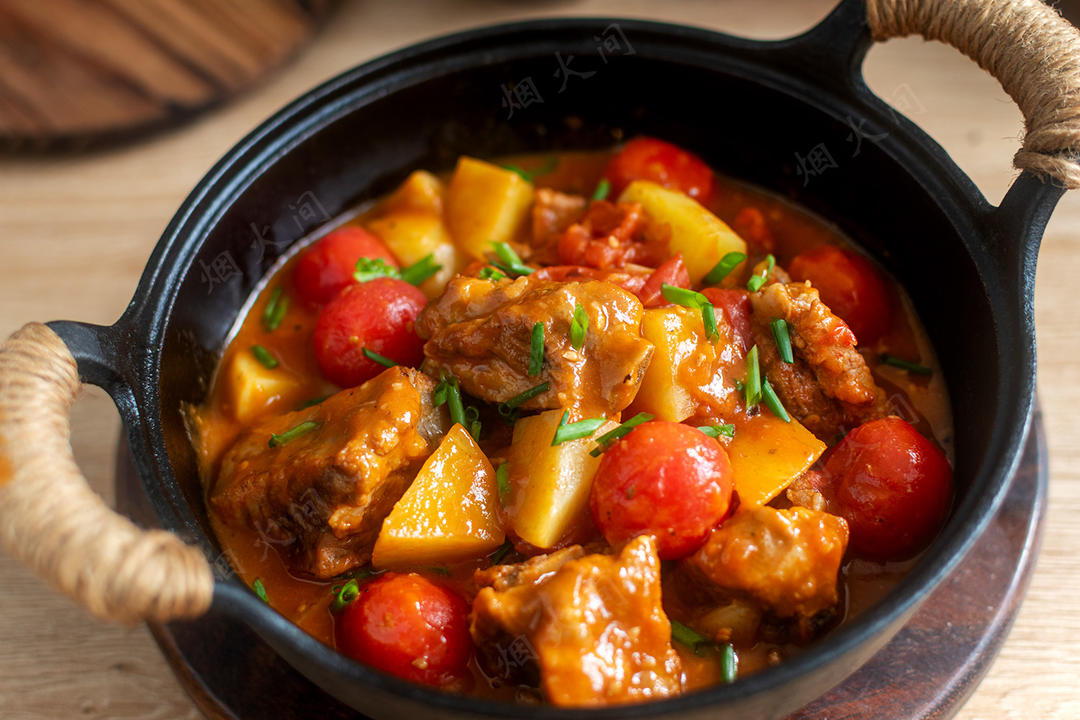
Step 13 – Transfer and Garnish
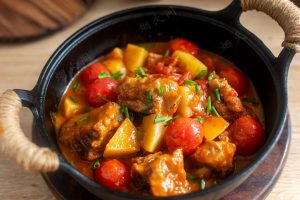
Transfer the finished braise to a heat-retaining pot (or serve straight from the braiser), and sprinkle with chopped scallion. The broth should be a deep, glossy red.
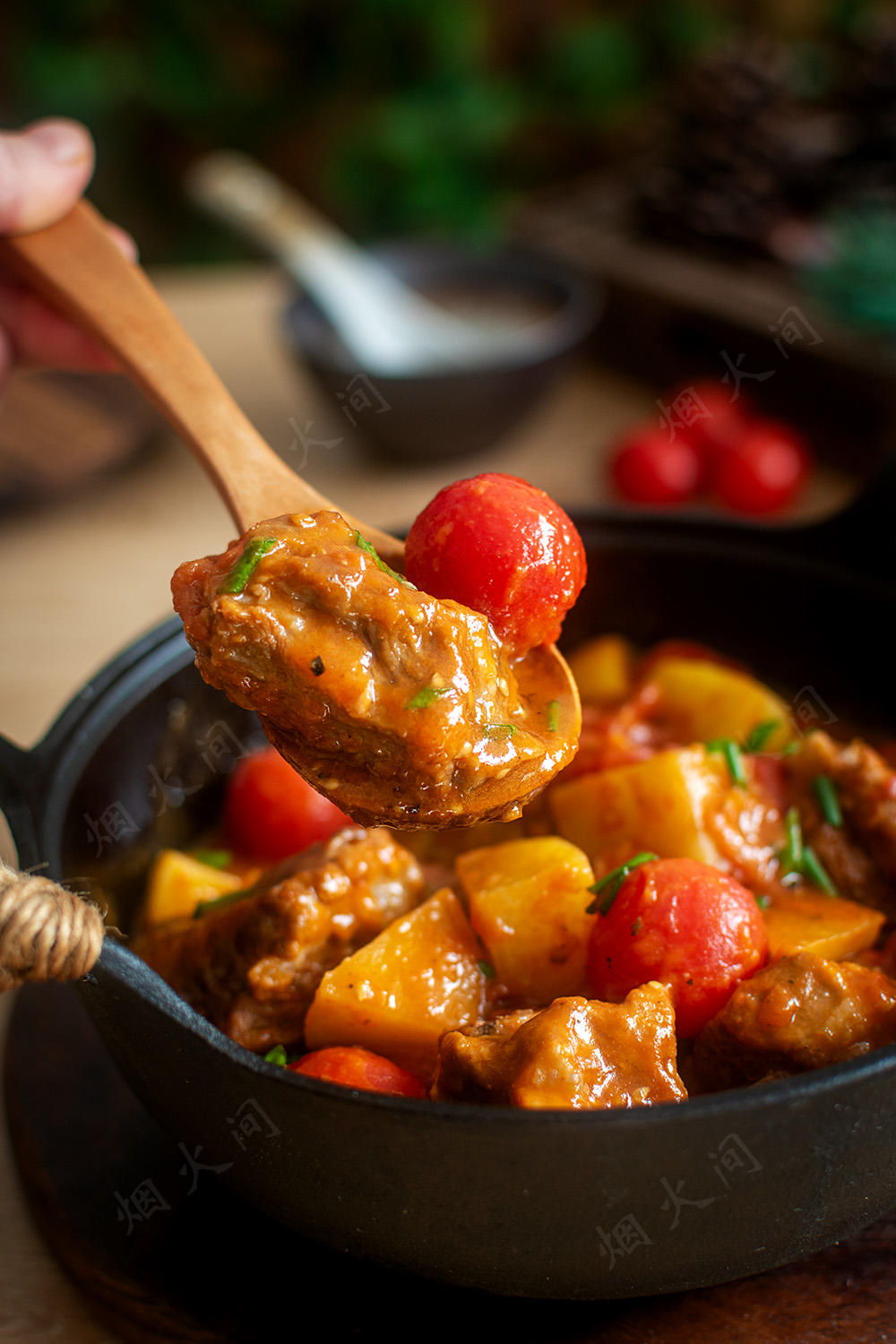
Step 14 – The Payoff
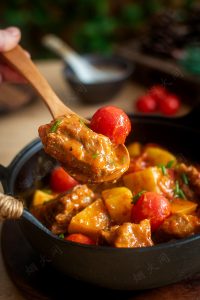
The original’s final note is the recipe’s whole pitch: the tomatoes have cooked into a sour, bright red broth; the ribs are so tender they fall apart; the potatoes have soaked up the sauce until they are dense and delicious. Every mouthful is the point.
Common Mistakes When Making Tomato Potato Braised Ribs
1. A murky, scummy broth. Cause: skipping the cold-water blanch. Fix: blanch the ribs from cold water and skim – the clean broth is the dish’s foundation.
2. Ribs that stay tough. Cause: not enough simmer time. Fix: a full 30-40 minutes at a gentle simmer; the meat should release from the bone.
3. Mushy, dissolved potatoes. Cause: adding them at the start. Fix: potatoes go in after the ribs have simmered, for 10-15 minutes only.
4. A flat, thin tomato flavor. Cause: skipping the ketchup. Fix: the two spoons of ketchup are what make the broth rich – the original calls it out explicitly.
5. No fresh tomato left in the bowl. Cause: adding all the tomatoes at once. Fix: reserve a few whole pieces for the final 3-5 minutes – they are the color and the bright note.
6. A watery sauce. Cause: too much water or not enough reduction. Fix: hot water only to cover, and let the final 15 minutes reduce the broth around the potatoes.
Variations
No ketchup: Add a spoon of sugar and a splash more tomato paste – not identical, but close. I have tested the sugar swap and it holds.
Spicy: A couple of dried chilies with the whole spices give the broth a gentle warmth that plays well with the tomato.
Beef version: The same method with beef short ribs – my Provence-style tomato-braised short ribs is the French cousin of this exact idea.
Rice-killer bowls: Serve over steamed rice with the broth spooned on – the way the original intends it. My braised pork rice is the same bowl philosophy.
Frequently Asked Questions
Can I use a pressure cooker? Yes – sear in the pot, then pressure-cook 15 minutes with the tomatoes, add the potatoes and cook 5 more, then reduce. I have tested this and it works, though the stovetop version develops slightly more flavor.
Can I make this ahead? Yes – the braise improves overnight as the flavors meld. Reheat gently and add a splash of water to loosen the broth.
Why do my potatoes not soak up the sauce? They need to be in the broth, not floating on top – push them down, and give them the full 10-15 minutes.
Is this dish spicy? Not as written – it is sour-sweet and savory. Add chilies for heat.
Can I freeze it? Yes, up to 2 months – the potatoes soften on thawing but the ribs and broth hold well.
How to Serve
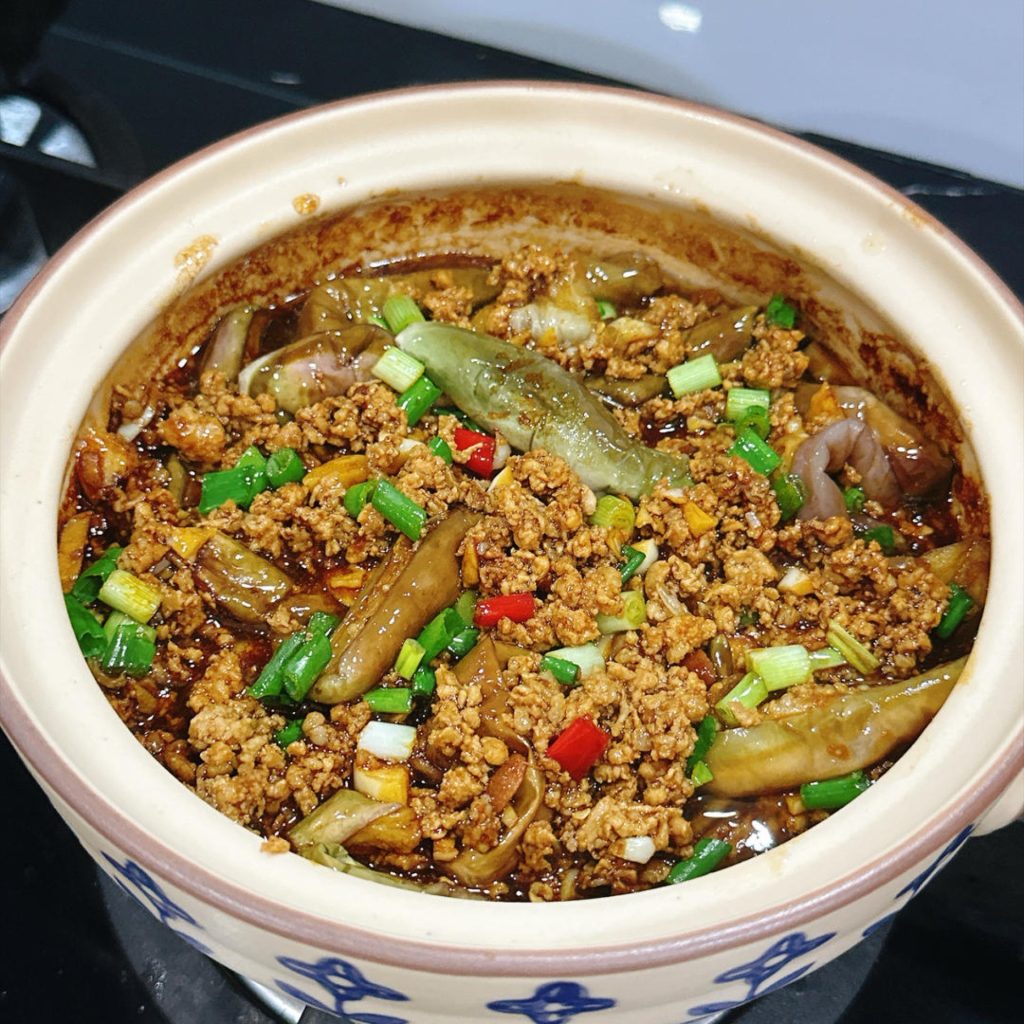
Serve the braise over steamed rice with the red broth spooned generously – this is a sauce-forward dish and the rice is its sponge. It is a one-pot dinner that pairs with a simple green, or with braised eggplant with tomato for a tomato-themed table. For a ribs night, add braised pork ribs and rice cooker braised ribs with tofu – three takes on the same beloved ingredient.
Storage & Reheat
Refrigerate in a sealed container for up to 3 days – the braise genuinely tastes better the next day. Reheat gently over medium-low with a splash of water, until the ribs reach at least 74°C (165°F). Freeze for up to 2 months; thaw in the fridge before reheating. Never leave the pot out for more than 2 hours.
Allergen Notice
This recipe contains soy (light soy sauce, and ketchup may contain soy) and may contain gluten – check labels. It is free of nuts, eggs, dairy, and shellfish.
Nutrition Disclaimer
Nutrition information is calculated using an ingredient database and should be considered an estimate. In cases where multiple ingredient alternatives are given, the first listed is calculated for nutrition. Garnishes and optional ingredients are not included.
About the Author & Recipe Development
I am Lin, a professional Chinese chef and food writer with a decade in restaurant kitchens before turning to recipes. This xiachufang recipe won me over with one detail: the reserved whole tomatoes added for the final minutes, because the early ones cook into nothing. It is the kind of observation that comes from cooking a dish for years, and I tested the braise twice as written to confirm it. I have not tested every tomato variety’s cooking time, so the 3-5 minute finish is a starting point, not a law – and the pressure-cooker version is my experiment, not the original’s method.
Authoritative References
USDA Food Safety and Inspection Service – Safe Temperature Chart for pork handling and storage guidance.
Tomato Potato Braised Ribs (Fan Qie Tu Dou Dun Pai Gu)

Equipment
- Heavy pot or Dutch oven
- Slotted Spoon
- Wooden Spoon
Ingredients
For the Braise
- 500 g pork ribs, cut into pieces 1.1 lb
- 400 g tomatoes, some diced, some reserved whole 14 oz
- 250 g potatoes, peeled and chunked 8.8 oz
- 1/4 onion, sliced
- 4 cloves garlic
- 2 slices fresh ginger
- 1 star anise
- 1 piece cassia bark about 4 cm / 1.5 in
- 2 bay leaves
- 1 tbsp yellow wine (huangjiu) or Shaoxing 15 ml
- 2 tbsp light soy sauce 30 ml
- 2 tbsp ketchup 30 ml
- 1 tsp salt 5 g
- 1/2 tsp black pepper 2 g
- hot water, for the braise
Instructions
- Cut the ribs; peel and chunk the potatoes; dice most of the tomatoes, reserving a few whole; slice the onion.

- Blanch the ribs in cold water, bring to a boil, skim, and drain.

- Bloom the onion, garlic, ginger, star anise, cassia, and bay leaves in hot oil until fragrant.
- Sear the ribs until lightly golden, about 3-4 minutes.
- Add the wine and light soy and stir-fry 30 seconds to deglaze.
- Add the diced tomatoes and cook until they soften and release their juice.
- Add the ketchup and stir to combine.
- Cook until the mixture releases its red oil – the flavor base is ready.
- Add hot water to cover, boil, then simmer covered 30-40 minutes until the ribs are tender.
- Add the potatoes and push them into the broth.
- Season with salt and pepper; simmer 10-15 minutes until the potatoes are tender.
- Add the reserved whole tomatoes and cook 3-5 minutes for color and fresh acidity.
- Transfer to a serving pot and garnish with scallion.
- Serve over rice with the red broth spooned over.




Leave a Reply