If there is one vegetable that divides the dinner table, it is the eggplant. When cooked poorly, it can be a spongy, oil-soaked mess. However, when cooked correctly, it transforms into a creamy, melt-in-your-mouth delicacy that absorbs flavor like no other ingredient.

Growing up in my family’s kitchen, making Sweet and Sour Eggplant (Tang Cu Qie Zi) usually meant deep-frying the eggplant first to set the color and texture. It was delicious, but heavy. Over my years of testing recipes for home cooks in the US and Europe, I realized that hauling out a wok full of hot oil isn’t always practical for a Tuesday night dinner.
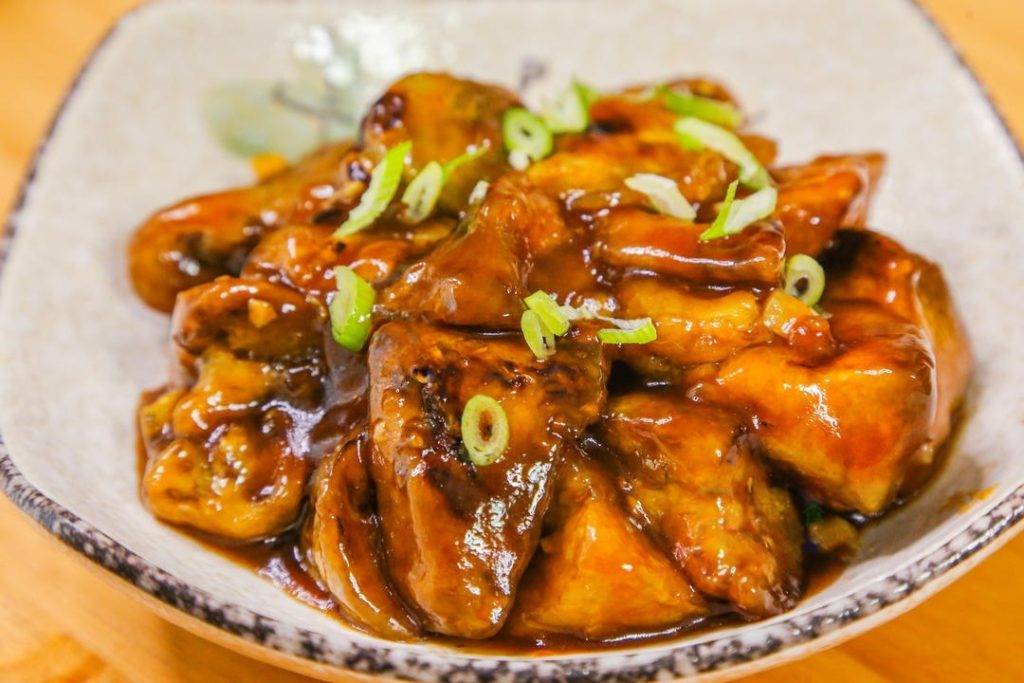
That is why I am sharing my “magic” method today. By using a microwave to prep the eggplant, we collapse the sponge-like structure before it hits the pan. The result? Eggplant that is tender inside, has a crispy crust outside, and uses a fraction of the oil. It is coated in a “universal” sweet and sour sauce (Tang Cu) that hits every taste bud: tangy, sweet, savory, and rich.
It reminds me of the flavors in my Sweet and Sour Pork with Pineapple, but in a lighter, vegetarian-friendly form. Let’s get cooking!
Why This Recipe Works
- The Microwave “Steam-Hack”: Microwaving the eggplant first cooks the water out of the cells, collapsing the sponge structure. This prevents the eggplant from absorbing oil like a sponge during pan-frying.
- Cornstarch Coating: Dusting the pre-cooked eggplant with cornstarch creates a barrier. When it hits the hot pan, it crisps up immediately, mimicking the texture of deep-fried eggplant without the mess.
- The “Golden Ratio” Sauce: This recipe uses a classic “Bowl Sauce” technique (Wan Qian), where we mix soy sauce, vinegar, sugar, and ketchup. The ketchup (a modern Chinese pantry staple) adds a glossy sheen and distinct tang that you might recognize from dishes like Crispy Sweet and Sour Pork.
What is Tang Cu Qie Zi?
Tang Cu (糖醋) literally translates to “Sugar Vinegar.” It is one of the primary flavor profiles in Chinese cuisine, famous for its appetizing balance of sweet and sour. Qie Zi simply means eggplant. Unlike the spicy Fish-Fragrant Pork (Yu Xiang) flavor profile which uses pickled chilies, Tang Cu is generally mild and kid-friendly.
This dish is a staple in home kitchens because it turns a humble vegetable into a main course that pairs perfectly with a bowl of steamed rice.
Key Ingredients & Substitutions
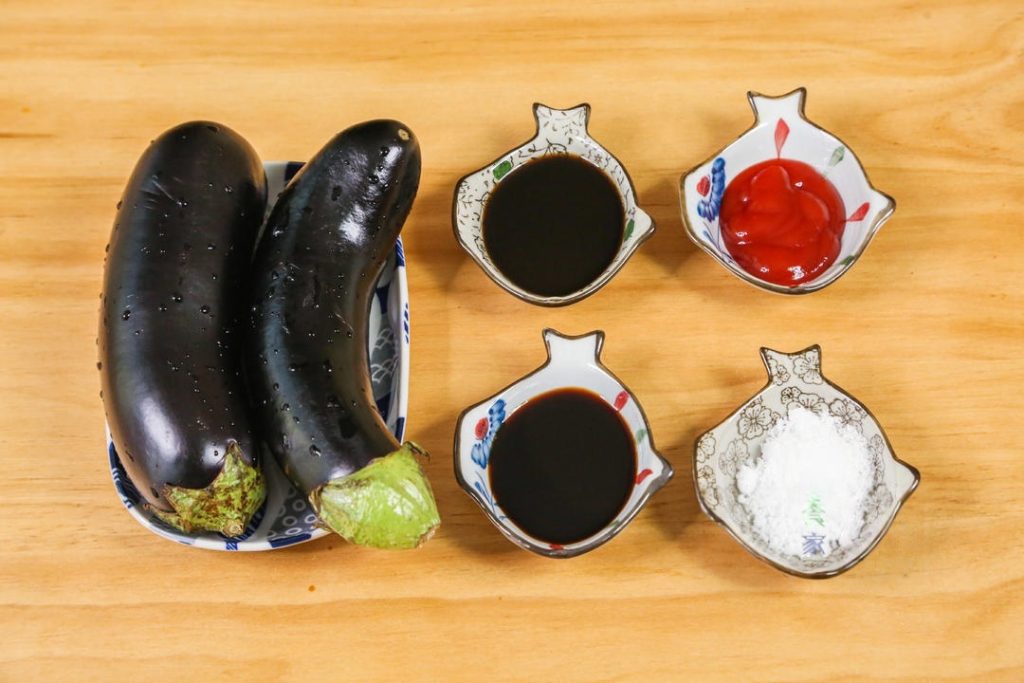
- Eggplant: I highly recommend using Chinese or Japanese Eggplant. They are long, slender, and have thin skins that do not require peeling. If you can only find the large American globe eggplants, you must peel them, as the skin is thick and bitter, and cut them into smaller chunks.
- Garlic: You need about 5 cloves. Chinese vegetable dishes rely heavily on aromatics. If you love garlic, feel free to add more!
- Cornstarch: This is essential for two things: coating the eggplant to create a crust, and thickening the sauce.
- Light Soy Sauce: Provides the salty, savory base (Umami).
- Dark Soy Sauce: Used primarily for color. A few drops give the sauce that rich, amber hue.
- Vinegar: The recipe calls for vinegar. Chinkiang Vinegar (Black Vinegar) is authentic and adds a malty depth. However, you can substitute with Rice Vinegar for a lighter taste, or even Apple Cider Vinegar in a pinch.
- Ketchup (Tomato Sauce): In modern Chinese cooking, we often use ketchup in sweet and sour sauces. It adds body, color, and a fruity acidity that pure vinegar lacks.
- Sugar: White granulated sugar works best to balance the vinegar.
Recipe Notes Before You Start
1. The “Rolling Cut” (Gun Dao Kuai)
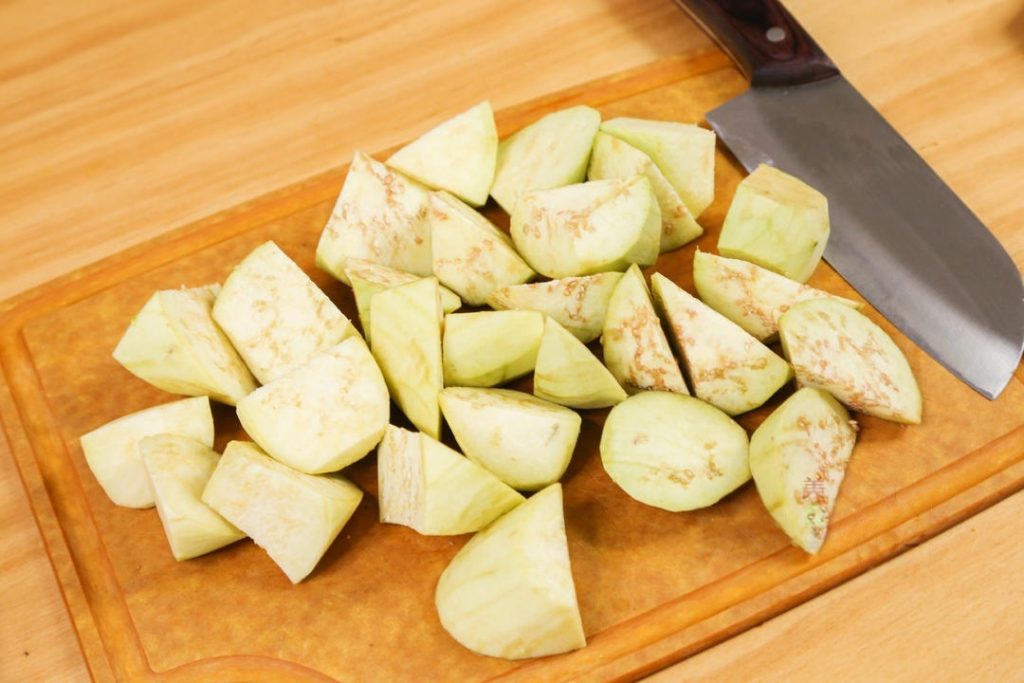
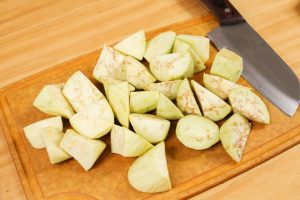
For the best texture, we use a knife technique called the “rolling cut.” Hold the knife at a 45-degree angle, make a cut, roll the eggplant 90 degrees, and cut again. This creates irregular chunks with more surface area to absorb that delicious sauce.
2. The Microwave Timing
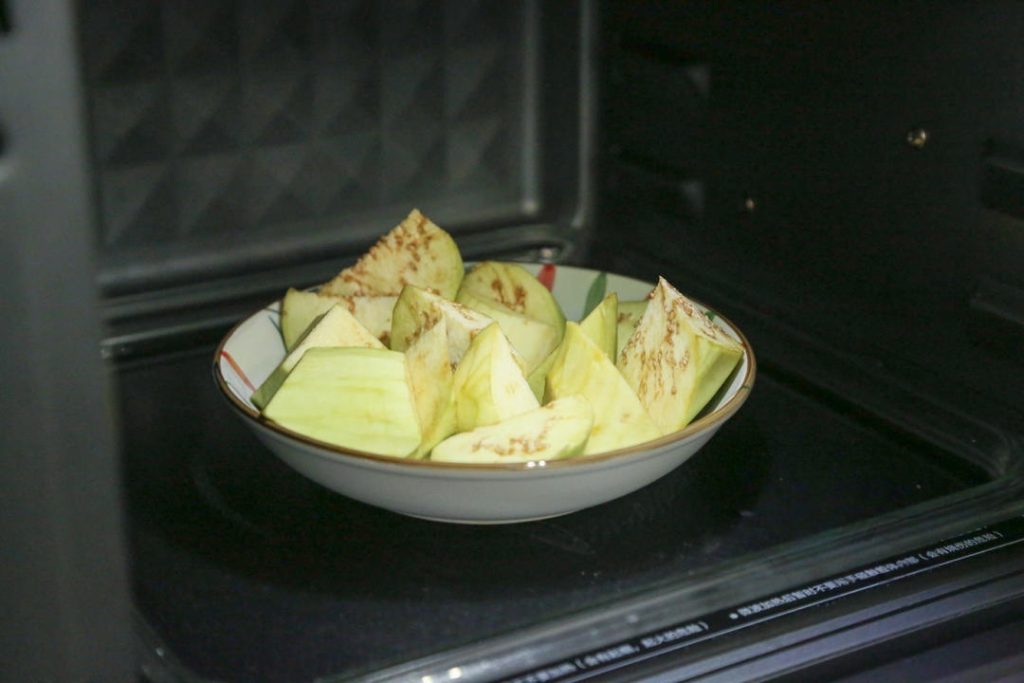
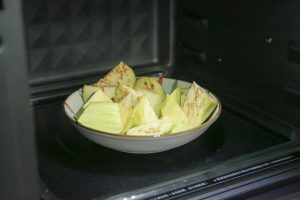
Every microwave is different. We suggest 3 minutes for 2 eggplants, but if your microwave is very powerful, check it at 2 minutes. The eggplant should look slightly shriveled and soft, but not mushy.
3. Safety Tip
Even though we aren’t deep frying, we are pan-frying eggplant that might have residual moisture. When you add the eggplant to the hot oil, be careful of splatters. Always lower the eggplant gently away from you.
Mise en Place (Prep Work)
Chinese cooking moves fast. Before you turn on the stove, ensure you have your mise en place ready.
- Prep the Veggies: Wash the eggplants and cut them into rolling chunks. Mince the garlic.
- Microwave: Place the eggplant chunks in a microwave-safe bowl. Microwave on high for 3 minutes.
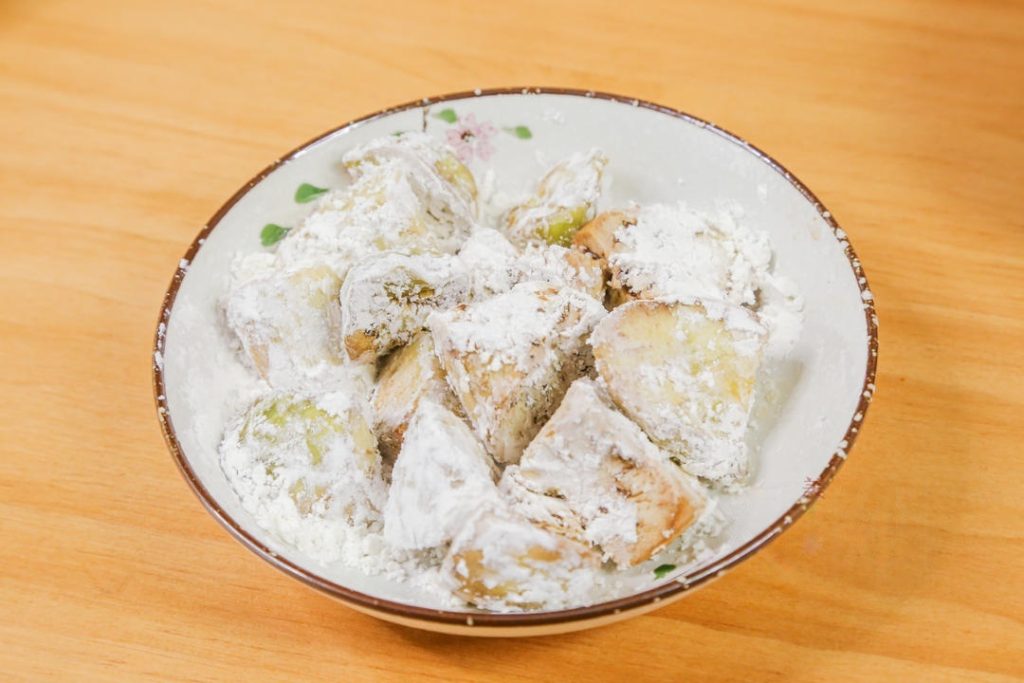
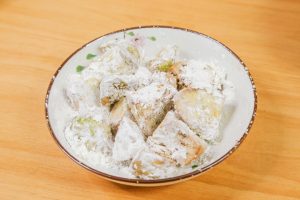
- Coat: Carefully remove the bowl (it will be hot!). Sprinkle dry cornstarch over the eggplant and toss to coat evenly. This absorbs surface moisture and creates the crust.
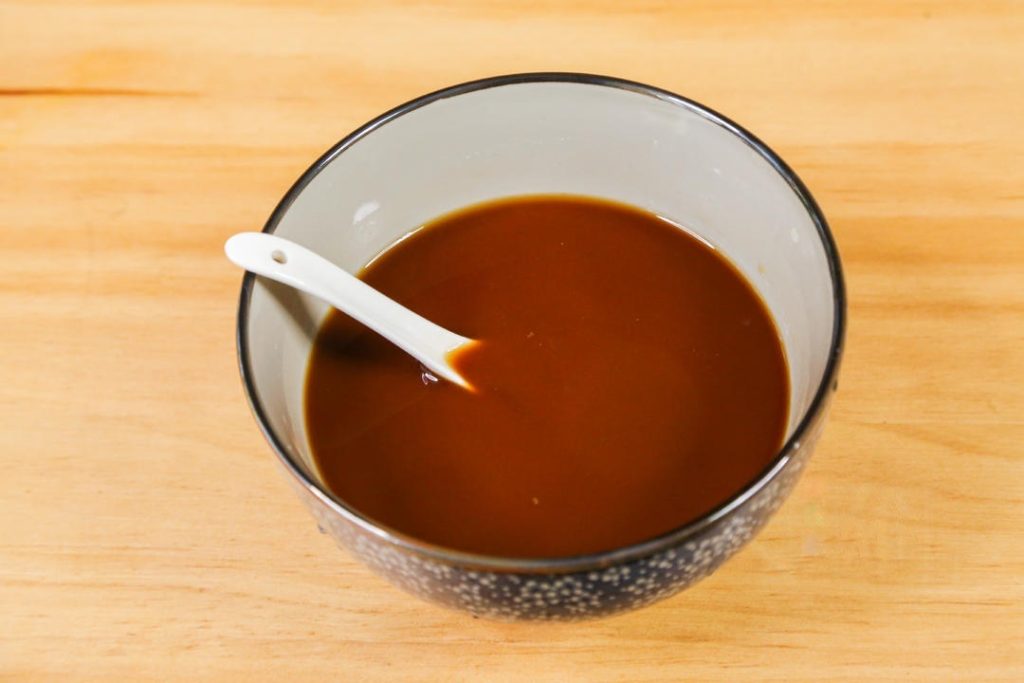
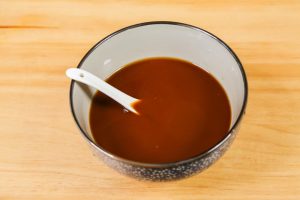
- Make the Sauce: In a small bowl, combine the water, cornstarch, Light Soy Sauce, ketchup, sugar, vinegar, and Dark Soy Sauce. Stir until the cornstarch is dissolved. This is your “master sauce.”
How to Make Sweet and Sour Eggplant
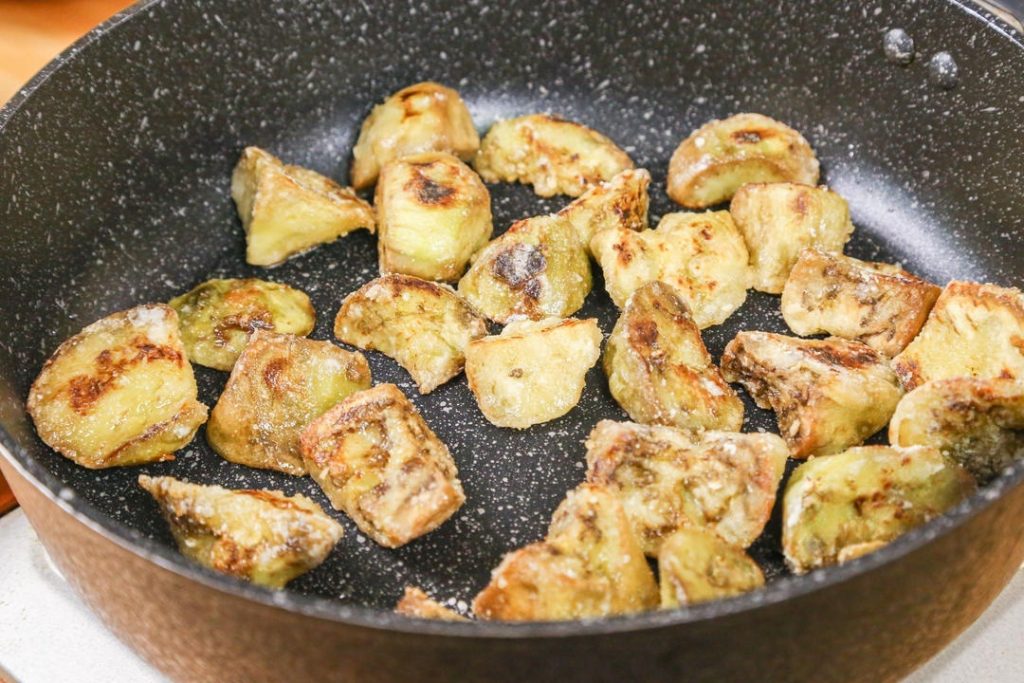
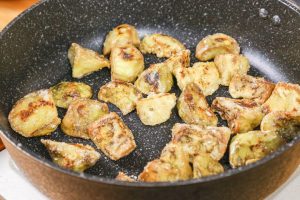
Step 1: Pan-Fry the Eggplant Heat about 3 tablespoons of neutral cooking oil in a large non-stick skillet or wok over medium-high heat. Add the cornstarch-coated eggplant in a single layer. Fry until the surface forms a golden, slightly charred “crispy shell.” This takes about 3-4 minutes. Remove the eggplant and set aside on a plate.
Note: The eggplant is already cooked from the microwave; we are just searing the skin here for texture.
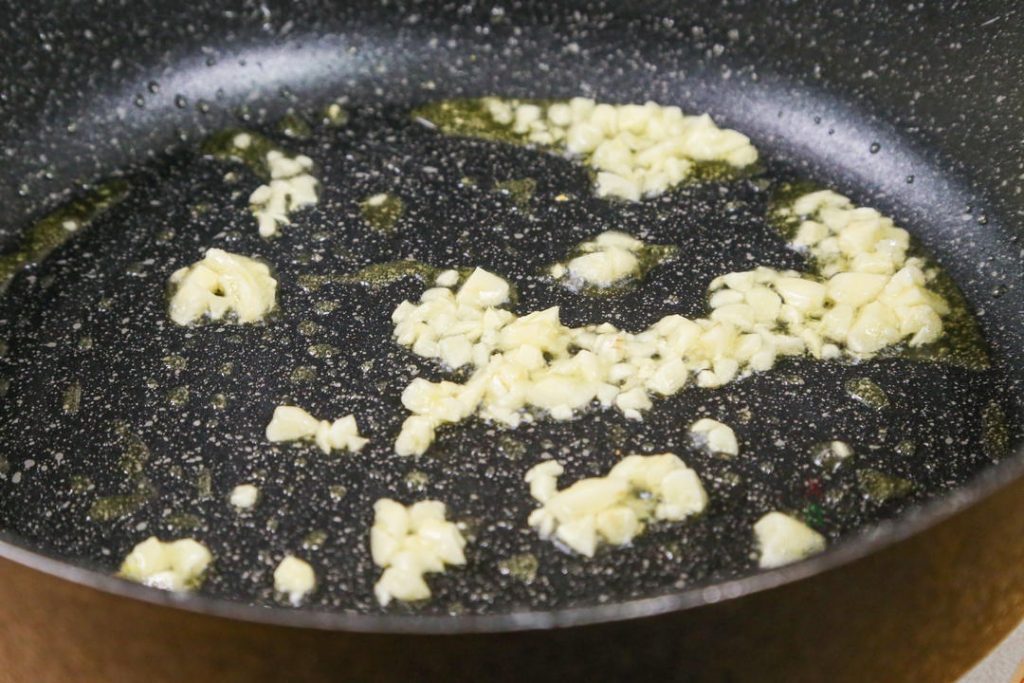
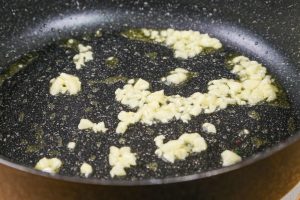
Step 2: Bloom the Aromatics In the same pan, add another 2 tablespoons of oil. Add the minced garlic and stir-fry gently until fragrant (about 30 seconds). Do not burn the garlic!
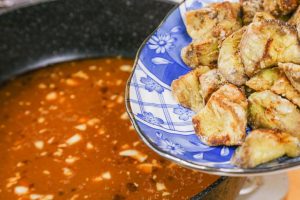
Step 3: Simmer and Thicken Give your sauce bowl a quick stir (cornstarch settles at the bottom) and pour it into the pan with the garlic. It will bubble and thicken almost immediately.
Step 4: Combine Add the fried eggplant back into the pan. Toss quickly to coat every piece in the thick, glossy sauce. Let it cook for another 30 seconds to allow the flavors to meld.
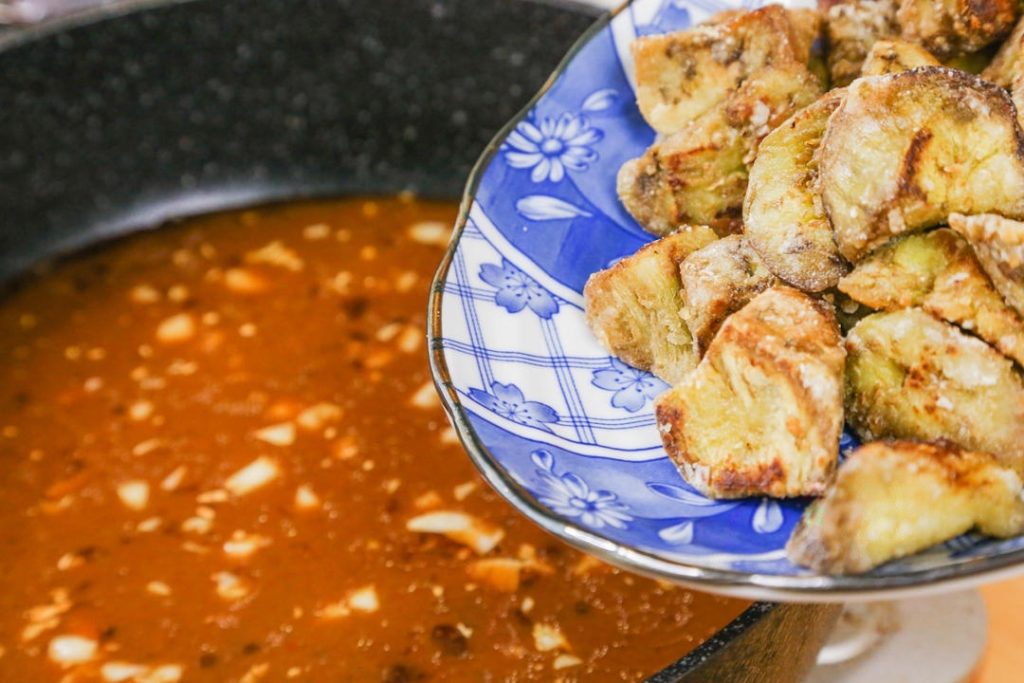
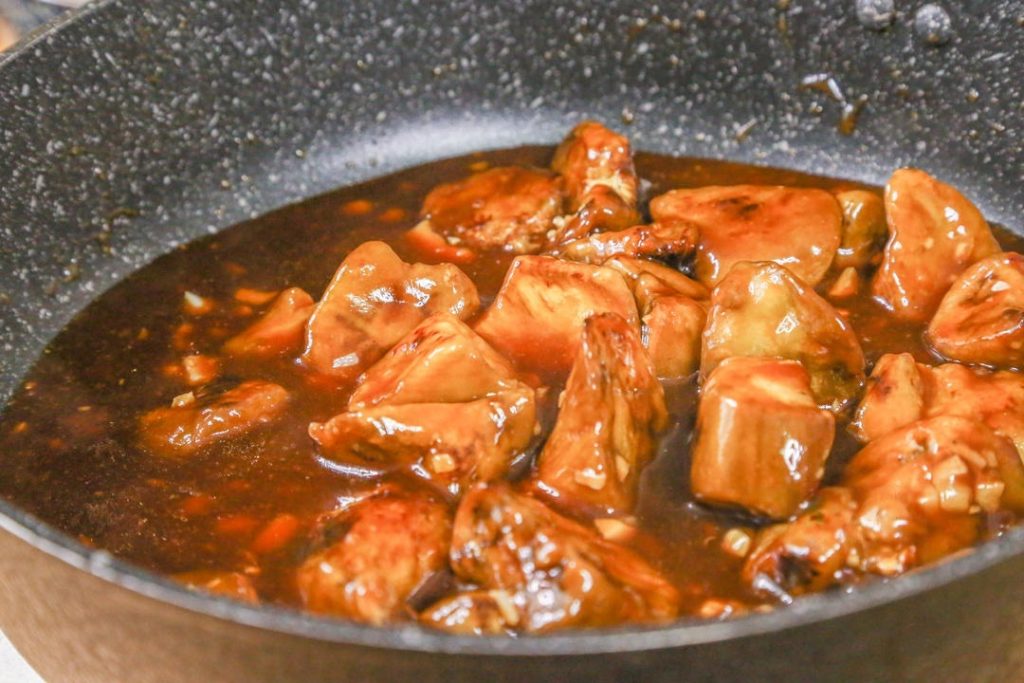
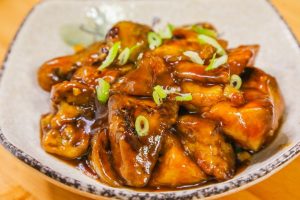
Step 5: Serve Transfer to a serving plate. The sauce should be clinging to the eggplant, not runny. Serve immediately with hot steamed rice.
Serving Suggestions
This dish is rich and flavorful, so it pairs best with simple sides.
- Rice: It is a rice killer! Serve with plenty of jasmine rice.
- Soup: A light soup helps balance the sweet and sour intensity. Try our Tomato Egg Drop Soup or Simple Clear Beef Noodle Soup.
- Cold Dish: A refreshing Smashed Cucumber Salad adds a nice cool crunch and contrast.
- Protein: If you want a meat dish to go with this, Twice-Cooked Pork or a simple Steamed Egg with Minced Pork works beautifully.
Troubleshooting & FAQ
Q: My eggplant turned out mushy. What happened? A: You may have microwaved it too long, or overcrowded the pan when frying. Make sure to fry in a single layer so the edges get crispy rather than steaming.
Q: Can I make this gluten-free? A: Yes! Use Tamari instead of soy sauce, and ensure your vinegar and ketchup are certified gluten-free.
Q: The sauce is too thick/too thin. A: Because cornstarch thickening power varies, if it’s too thick, add a splash of water. If it’s too thin, let it bubble for another minute on high heat—it will reduce quickly.
Food Safety & Storage
- Cooking Eggplant: Raw eggplant contains solanine, which can be bitter and cause digestive issues. Ensure the eggplant is fully cooked through (soft to the center) before serving.
- Storage: This dish is best eaten fresh while the crust is crispy. However, leftovers can be stored in an airtight container in the fridge for up to 3 days.
- Reheating: Reheat in a pan or air fryer to revive some texture. Microwaving leftovers will make them soft (but still tasty).
About the Author & Recipe Development I’m Lin, born in Sichuan and raised in a family of restaurateurs. This recipe was developed to bridge the gap between authentic Chinese flavors and the realities of a modern Western kitchen. While traditional Tang Cu eggplant requires deep frying to keep the purple color and texture, I tested this microwave method extensively to ensure you get that restaurant-quality mouthfeel without the heavy oil consumption. This method is scientifically sound: microwaving ruptures the porous cells of the eggplant, preventing them from sucking up oil during the pan-fry stage. It is a technique I use in my own home for my family.
Authoritative References For more information on the nutritional benefits of eggplant, you can visit the USDA FoodData Central. For guidelines on safe food handling and vegetable preparation, refer to the FDA Food Safety Guidelines.
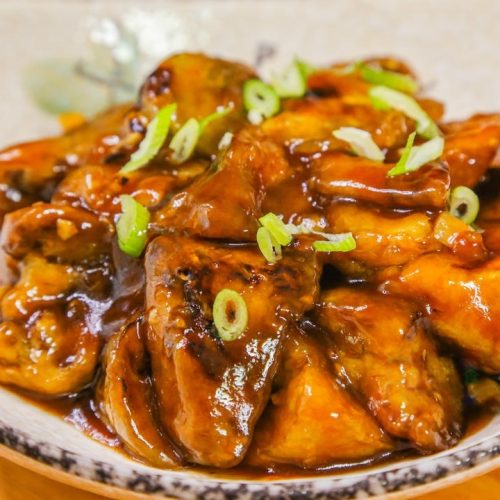
Sweet and Sour Eggplant (Tang Cu Qie Zi) – No Deep Fry

Equipment
- Microwave
- Non-stick skillet or Wok
Ingredients
Main Ingredients
- 2 whole Chinese Eggplants rolled cut (about 10-12 oz)
- 5 cloves Garlic minced
- 2 tbsp Cornstarch for coating
- 3 tbsp Vegetable Oil for frying eggplant
- 2 tbsp Vegetable Oil for stir-frying garlic
The Sauce (Tang Cu Sauce)
- 10 tbsp Water approx 2/3 cup
- 2 tbsp Cornstarch for sauce thickening
- 2 tbsp Light Soy Sauce
- 2 tbsp Ketchup tomato sauce
- 5 tbsp Sugar adjust to taste
- 3 tbsp Vinegar Chinkiang or Rice Vinegar
- 2 drops Dark Soy Sauce optional, for color
Instructions
- Prep the Eggplant: Wash the eggplants. Cut them into irregular bite-sized chunks using the rolling cut method (cut, roll 90 degrees, cut again). Mince the garlic.

- Microwave: Place the eggplant chunks in a microwave-safe bowl. Microwave on high power for 3 minutes. The eggplant should look slightly shriveled and feel soft.
- Coat: Carefully remove the hot bowl. Sprinkle 2 tablespoons of dry cornstarch over the eggplant and toss well until pieces are evenly coated with a thin white layer.
- Make the Sauce: In a small bowl, whisk together 10 tbsp water, 2 tbsp cornstarch, light soy sauce, ketchup, sugar, vinegar, and dark soy sauce. Stir until sugar and starch dissolve.
- Pan-Fry Eggplant: Heat 3 tbsp oil in a skillet over medium-high heat. Add the eggplant in a single layer. Fry for 3-4 minutes, turning occasionally, until the cornstarch coating turns golden and forms a light crust. Remove eggplant and set aside.
- Sauté Aromatics: In the same pan, add the remaining 2 tbsp oil. Add the minced garlic and stir-fry for 20-30 seconds until fragrant (do not burn).
- Simmer Sauce: Give the sauce mixture a stir and pour it into the pan. It will bubble and thicken rapidly.
- Combine: Immediately add the fried eggplant back into the pan. Toss quickly to coat every piece in the glossy sauce.
- Serve: Once the sauce clings to the eggplant (about 30 seconds), turn off the heat. Serve hot with steamed rice.
Notes
Calories: 245kcal | Carbohydrates: 38g | Protein: 3g | Fat: 10g | Saturated Fat: 1g | Sodium: 720mg | Potassium: 480mg | Fiber: 4g | Sugar: 22g | Vitamin A: 120IU | Vitamin C: 8mg | Calcium: 40mg | Iron: 1mg






Leave a Reply