The Ultimate Stir Fry Sauce Thickening Guide: Mastering Cornstarch Science
Achieving the correct sauce consistency is the final hurdle in mastering Chinese cookery. A successful stir-fry sauce should serve as a glossy glaze that clings to ingredients without pooling or turning into a heavy, gelatinous mass. This process relies on a specific chemical reaction known as starch gelatinization. To execute this reliably, you must move beyond guesswork and understand the temperature boundaries and ratios that govern sauce structure.
For those just starting their culinary journey, understanding these fundamentals is as essential as learning how to stir fry properly to ensure every component of the dish is cooked with precision.

Why It Works: The Science of Gelatinization
Thickening occurs when starch granules are heated in the presence of liquid. In the context of a wok, this happens in three distinct phases:
- Suspension: Cornstarch is insoluble in cold water. When mixed into a slurry, the granules remain suspended but do not yet bond with the liquid.
- Swelling (144°F – 162°F): As the sauce temperature rises between 144°F and 162°F (62°C – 72°C), the starch granules begin to absorb liquid and swell to several times their original size.
- The Burst Point (203°F): Once the liquid reaches approximately 203°F (95°C), the granules burst, releasing starch chains that create a dense, translucent network, effectively trapping the liquid and creating a “sauce”.
Understanding these temperature thresholds prevents the common mistake of adding a slurry to a cold wok, which results in a floury, raw taste.
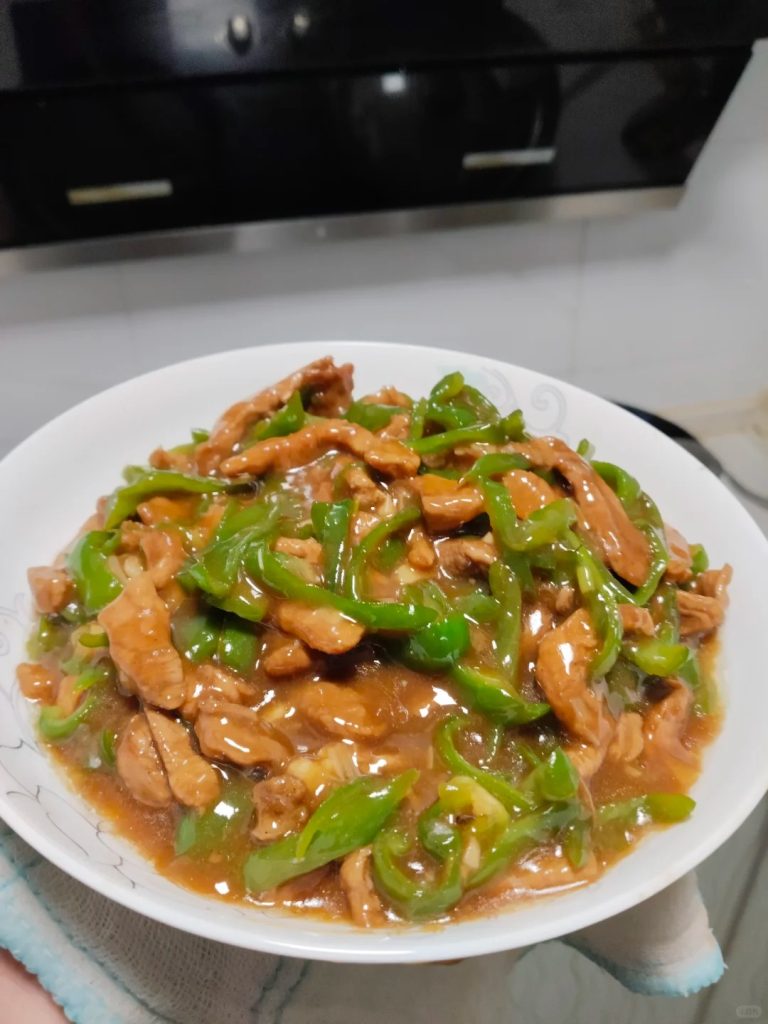
The Master Ratio: The 1:1 Slurry
The most effective tool for thickening is the cornstarch slurry. Because dry starch clumps instantly when it hits hot liquid, it must first be hydrated in a cold medium.
- Standard Formula: Use a 1:1 ratio by volume (e.g., 1 tablespoon cornstarch to 1 tablespoon cold liquid).
- The Liquid Base: While water is standard, using Shaoxing wine adds an extra layer of depth to the aromatic profile of the sauce.
- Application: For every 1 cup (240ml) of thin liquid in the wok, you generally need 1 to 1.5 tablespoons of the 1:1 slurry to reach a medium glaze consistency.
In delicate dishes such as stir-fried shrimp and eggs with lily bulb, the ratio may be slightly adjusted to a thinner suspension to maintain the soft texture of the eggs.
Starch Comparison: Choosing Your Thickener
While cornstarch is the most common thickener in Western kitchens, various starches offer different functional outcomes in Chinese cuisine.
| Starch Type | Clarity | Texture | Heat Stability |
| Cornstarch | Translucent | Smooth / Matte | High |
| Potato Starch | Very Clear | Silky / Glossy | Medium |
| Wheat Flour | Opaque | Heavy / Grainy | High |
| Arrowroot | Crystal Clear | Thin / Slippery | Low (Breaks down quickly) |
Step-by-Step: The “Clear Path” Technique
To ensure even thickening without lumping, follow this professional sequence:
- Create Space: Once your protein and vegetables are cooked, push them to the sides of the wok to create a clear “well” in the center.
- Whisk the Slurry: Starch settles quickly. Whisk your 1:1 slurry immediately before pouring it into the wok.
- Pour and Stir: Pour the slurry into the bubbling liquid in the center of the wok while stirring constantly with your spatula.
- Wait for the Transformation: Allow the liquid to bubble for 10 to 15 seconds. You will see the sauce transition from a milky, opaque state to a clear, glossy glaze.
- Toss and Finish: Once the “burst point” is reached, toss the ingredients back into the center to coat them and immediately remove from heat to avoid overcooking the starch.
Scenario: Restaurant vs. Home Kitchen
In a professional restaurant kitchen, the high-powered “jet burners” allow for near-instantaneous thickening. Chefs often pour the slurry directly over the ingredients while tossing vigorously, relying on the extreme heat to burst the starch granules in seconds.
In a home kitchen, the lower BTU output of standard stoves means you must rely on residual heat and concentration. If you add too much liquid or the heat is too low, the sauce will simmer rather than sear, often leading to overcooked vegetables. This is why using the best oil for stir frying with a high smoke point is vital to maintain the necessary temperature during the final thickening stage.
When This Method Does NOT Work
There are two primary scenarios where a standard slurry will fail to thicken effectively:
- High Acidity: If your sauce contains a high volume of vinegar (like some sweet and sour bases), the acid breaks down the starch chains, preventing the sauce from ever reaching full thickness. In these cases, you may need to increase the starch volume by 20% or use a more acid-stable starch like arrowroot.
- Excessive Sugar: Large amounts of sugar compete with the starch granules for water absorption. If the sugar content is too high, the granules cannot swell properly, resulting in a thin, syrupy sauce rather than a structured glaze.
Troubleshooting Common Mistakes
Why Your Sauce Turns Watery
If your sauce thickens initially but then turns back into a thin liquid, it is likely due to “starch thinning”. This occurs if the sauce is boiled for too long after the slurry is added, which shears the starch molecules. Additionally, vegetables like bok choy or mushrooms release significant water when salted; if your wok is overcrowded, this excess moisture will overwhelm your thickener. See our comprehensive guide on why your stir-fry turns watery for specific ingredient fixes.
Gloopish or Rubbery Texture
This is caused by using too much starch or a “cold start” where the starch wasn’t properly diluted in liquid first. If your sauce becomes a solid mass, immediately add a tablespoon of water or broth to loosen the network of starch chains.
Related Recipes and Applications
Practice these thickening techniques with recipes that require different sauce profiles:
- Bold and Thick: For a classic heavy glaze, try our homestyle General Tso’s Chicken.
- Light and Translucent: Practice delicate thickening with vegetable-forward dishes.
- The Blueprint: If you are unsure of how much thickener to add to your liquid components, refer to our stir-fry sauce ratio formula to build a balanced base every time.
FAQ
Can I fix a sauce that is already too thick? Yes. Add a splash of water, broth, or light soy sauce and stir over low heat until the desired consistency is reached.
Does cornstarch expire? While cornstarch has an indefinite shelf life if kept dry, it can absorb odors and moisture over time, which may affect its thickening power.
Why isn’t my sauce glossy? A professional “sheen” often requires a final touch of fat. Drizzle a half-teaspoon of homemade Chinese chili oil at the very end to catch the light and add a spicy finish.



Leave a Reply