Stir Fry Order of Ingredients: The Ultimate Timing Guide for Perfect Results
Mastering the stir-fry is less about the heat of your flame and more about the sequence of your actions. The most common reason home stir-fries fail—resulting in soggy vegetables and tough meat—is a misunderstanding of the stir fry order of ingredients.
To achieve restaurant-quality results, you must treat a stir-fry as a staged process rather than a “dump-and-stir” method. This guide breaks down the precise timing, temperature boundaries, and ingredient logic required to master the wok.

Why the Order of Ingredients Matters
Stir-frying is a high-heat, high-speed cooking technique designed to sear proteins and crisp vegetables simultaneously. However, different ingredients have vastly different structural densities and water contents.
- Proteins need high heat to initiate the Maillard reaction but become rubbery if overcooked.
- Aromatics (garlic, ginger) burn at temperatures above 175°C (350°F) within seconds.
- Hard Vegetables (carrots, broccoli) require cellular breakdown that takes 2–4 minutes.
- Leafy Greens collapse in under 30 seconds.
If you add everything at once, the water released by the vegetables will drop the wok’s temperature, steaming your meat instead of searing it. Understanding how to stir fry properly means managing these thermal windows through a disciplined sequence.
The Master Stir-Fry Sequence: Step-by-Step
Phase 1: The Protein Sear (Separation Method)
Never cook meat and vegetables together from start to finish. In a home kitchen, the BTU output is usually insufficient to maintain heat with a full wok.
- Heat the Wok: Heat until a bead of water evaporates instantly upon contact.
- Add Oil: Use a high smoke point oil like peanut or grapeseed oil.
- Sear Protein: Add your sliced pork loin or beef. Spread it into a single layer. Let it sit undisturbed for 45–60 seconds to develop a crust before tossing.
- Remove: Once the meat is 80% cooked, remove it from the wok and set it aside. This prevents the carry-over heat from making it tough.
Phase 2: Aromatics and Hard Vegetables
- Aromatics: Wipe the wok if necessary, add fresh oil, and toss in garlic, ginger, or dried chili peppers. Sauté for only 10–15 seconds until fragrant.
- Hard Vegetables: Add “long-cook” vegetables like carrots, broccoli, or bell peppers.
- Pro Tip: If using thick vegetables like broccoli florets, add 1–2 tablespoons of water or broth and cover with a lid for 30 seconds to “steam-fry” them before continuing.
Phase 3: Medium and Soft Vegetables
- Medium Density: Add snap peas, mushrooms, or bok choy stems.
- Soft Density: Add leafy greens (spinach, bok choy leaves) or bean sprouts last. These require less than 60 seconds of heat.
Phase 4: Re-incorporation and Saucery
- Return Protein: Add the par-cooked meat back into the wok.
- Add Sauce: Pour your stir-fry sauce around the perimeter of the wok, not directly onto the food. This allows the sauce to heat up and thicken instantly as it slides down to the center.
- The Finish: Toss for 30 seconds until the sauce glazes the ingredients. Remove from heat and finish with a drizzle of sesame oil.
Stir-Fry Timing & Order Chart
| Ingredient Category | Examples | Cooking Time | Sequence |
| Proteins | Beef, Chicken, Pork, Shrimp | 2–3 mins (then remove) | Step 1 |
| Aromatics | Garlic, Ginger, Scallions, Chilies | 10–15 seconds | Step 2 |
| Hard Vegetables | Carrots, Broccoli, Cauliflower | 3–5 mins | Step 3 |
| Medium Vegetables | Bell Peppers, Snap Peas, Celery | 2 mins | Step 4 |
| Soft Vegetables | Spinach, Sprouts, Cabbage | 30–60 seconds | Step 5 |
| Sauces & Glazes | Soy Sauce, Starch Slurry | 30–45 seconds | Step 6 |
Professional Tips for Success
1. The “Across the Grain” Rule
For proteins, the order of operations starts before the heat. You must slice meat across the grain to ensure the fibers are short and tender. Even if you follow the correct cooking order, meat cut with the grain will remain chewy.
2. Moisture Control
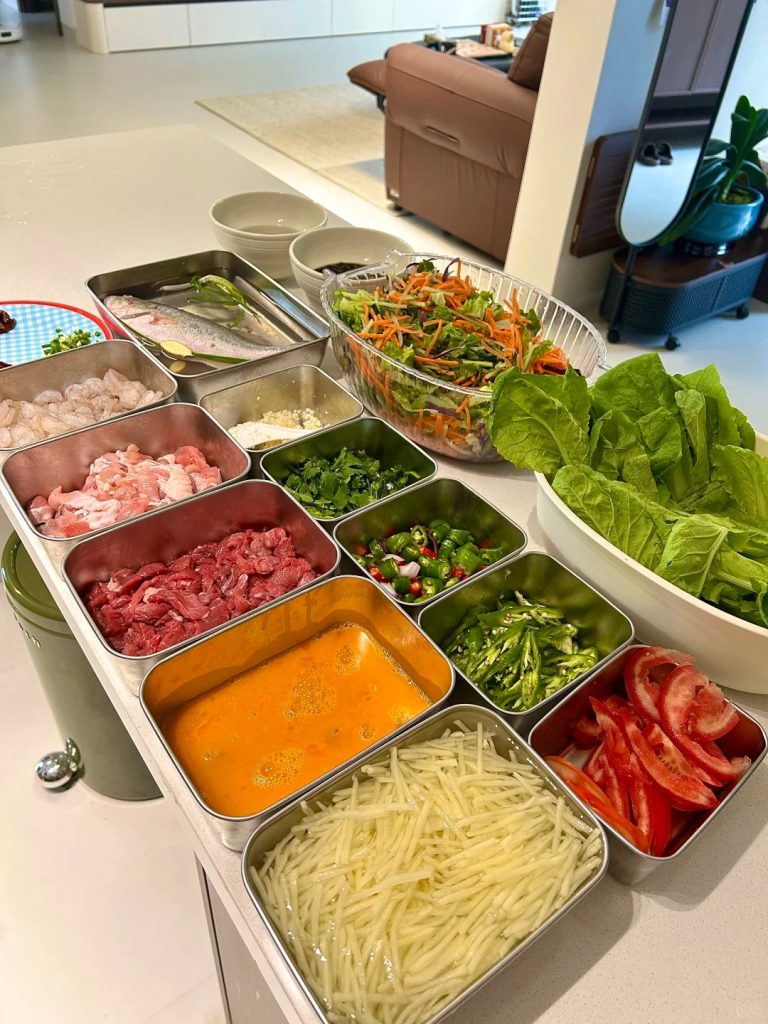
The biggest enemy of the stir-fry sequence is surface moisture. If your vegetables are wet from washing, they will steam.
- Boundary: Ensure all vegetables are spun dry or patted with a towel.
- Boundary: Do not exceed 300g (approx. 0.6 lbs) of ingredients per batch in a standard home wok to maintain wok hei.
3. Scenario Difference: Restaurant vs. Home
In a restaurant, a high-pressure burner produces 100,000+ BTUs, allowing chefs to cook meat and vegetables in rapid succession without removing the meat. At home, where BTUs usually range from 7,000 to 15,000, the “separation method” (removing meat and then returning it) is mandatory to prevent the temperature from plummeting.
Common Mistakes to Avoid
- Crowding the Wok: If the bottom of the wok is not visible through the ingredients, you have too much in there. The temperature will drop below 100°C (212°F), causing juices to leak and your stir-fry to turn watery.
- Cold Meat: Adding meat directly from the fridge. Let protein sit at room temperature for 15–20 minutes so it doesn’t shock the pan.
- Burning the Garlic: Many beginners add garlic first. If the wok is properly hot, garlic will burn before the vegetables even hit the pan. Always add aromatics just before the vegetables.
When This Order Does NOT Work
While this is the “Master Sequence,” there are two notable exceptions:
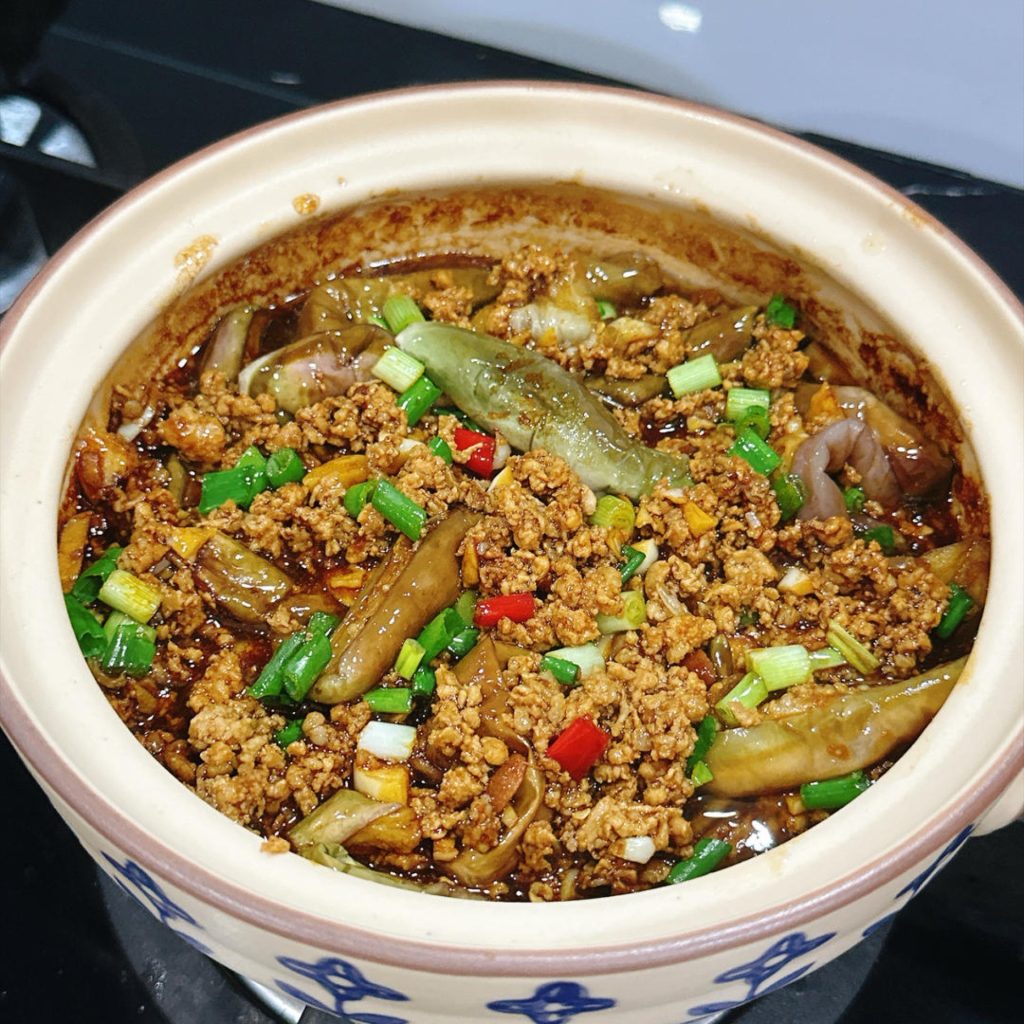
- Minced Meat Dishes: In dishes like stir-fried green beans with minced pork, the meat is cooked until crispy and remains in the pan while vegetables are added. This is because minced meat is meant to be a seasoning component rather than a tender protein slice.
- Egg-Based Stir-Fries: For dishes like tomato and egg stir-fry, the eggs must be scrambled and removed first, then the tomatoes are cooked into a sauce before the eggs are returned at the very end.

FAQ
Q: Can I use frozen vegetables?
A: It is not recommended for traditional stir-frying. Frozen vegetables release too much water, breaking the thermal boundary needed for a sear. If you must use them, thaw and pat them bone-dry first.
Q: What if I have ten different vegetables?
A: Group them by density. Carrots and onions go in together; bok choy and sprouts go in at the very end.
Q: When do I add noodles? A: If making a dish like beef chow fun, noodles are usually added after the vegetables are cooked but before the final sauce application.



Leave a Reply