My first attempt at stir-fried ho fun produced a sticky, broken mess that looked more like scrambled noodles than a plate of silky wide ribbons. The problem, I learned, is that fresh rice noodles need a gentle hand: a quick pass through hot water to separate them, a well-oiled wok, and very little fussing once they go in. This xiachufang recipe was written for beginners and it patiently explains every one of those small rules.
The dish is the everyday Chinese favorite, chow fun: wide rice noodles tossed with egg, bean sprouts, greens, and a garlic-chili base, glazed with soy and oyster sauce. The recipe’s sequence matters, egg first, then aromatics, then the noodles and vegetables in order, so each ingredient finishes at the same moment. It is faster than takeout and twice as satisfying, and it genuinely is simple once you follow the order.
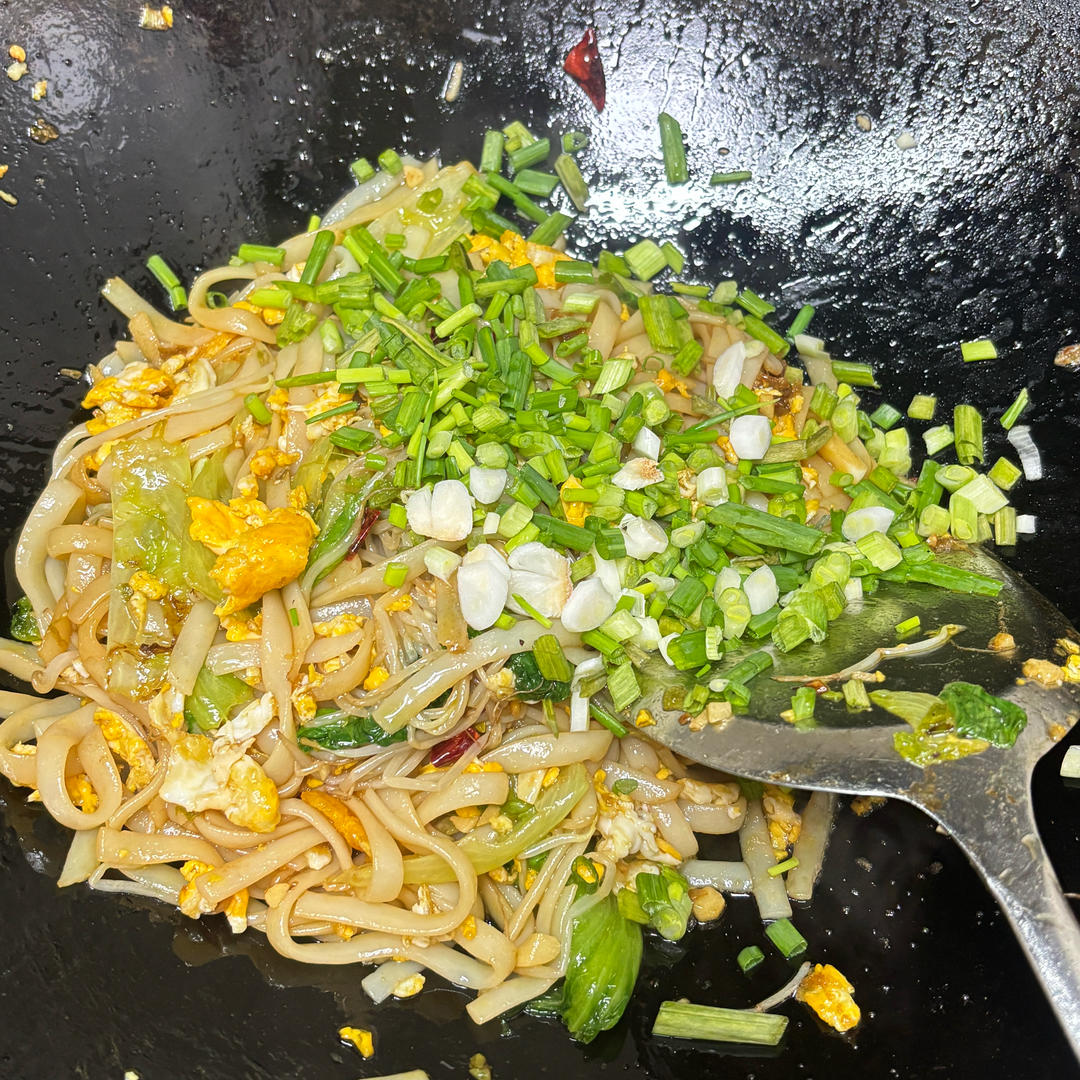
What Is Stir-Fried Ho Fun (炒河粉)?
Ho fun (河粉) are wide, silky noodles made from rice flour, popular across southern China and Southeast Asia. Stir-fried ho fun, chow fun, tosses the fresh noodles with egg, bean sprouts, and greens over high heat, glazed with soy and oyster sauce, until each ribbon is glossy and separated. Beef and shrimp versions are classics, but the egg-and-vegetable version is the everyday home style, cheap, fast, and endlessly comforting.
This beginner-friendly version from a xiachufang home cook uses packaged fresh ho fun and keeps the add-ins simple: egg, bean sprouts, lettuce, garlic, and dried chilies. The two ideas to take away are the hot-water rinse, which separates the noodles without making them mushy, and the order of cooking, which lets each ingredient shine.
If you love saucy Chinese noodle dishes, my Old Beijing fried sauce noodles are another satisfying bowl worth learning.
1Old Beijing Fried Sauce Noodles (Zha Jiang Mian)An authentic recipe for Old Beijing Zha Jiang Mian, featuring hand-diced pork belly rendered in its own fat and simmered with a blend of soybean pastes. A savory, rich classic.Check out this recipe
Why This Recipe Works
- A quick hot-water pass separates the noodles. Rinsing the ho fun in hot water releases the starch that makes them clump, without cooking them soft.
- Egg first, set aside. Cooking the egg first and removing it keeps it fluffy instead of lost in the noodles.
- Aromatics perfume the oil. Garlic and dried chilies fry before anything else, flavoring the whole wok.
- Liquids come early, greens last. Soy and oyster sauce glaze the noodles, while bean sprouts and lettuce stay crisp.
- Salt only if needed. The recipe says to taste before salting, since the soy and oyster sauces carry the seasoning.
Equipment Needed
- Wok or large skillet
- Colander
- Wok spatula
Ingredients
- 1 pack fresh ho fun (wide rice noodles, about 12 oz / 350 g)
- 1 large egg
- 3 to 4 cloves garlic, sliced
- 1 small handful dried chilies (mild), cut into pieces
- 1 handful bean sprouts
- 2 leaves lettuce or yu mai cai, torn or cut
- 2 tbsp light soy sauce (or to taste)
- 1 tbsp oyster sauce
- 1/4 tsp chicken bouillon powder (鸡精), optional
- 1 scallion, chopped, for finishing
- 3 tbsp neutral oil
Ingredient Notes
Ho fun. Fresh wide rice noodles come refrigerated or vacuum-packed at Asian grocers. If you use dried rice noodles, cook them according to the package, drain, and toss with a little oil before stir-frying.
Greens. The recipe uses yu mai cai or lettuce; any quick-cooking green works, added at the end so it stays bright.
Sauces. Light soy for salt and oyster sauce for gloss are the whole seasoning; the recipe adds salt only if the noodles taste flat.
Prep & Mise en Place
Separate the ho fun gently and set up a pot of hot (not boiling) water for the quick rinse. Slice the garlic, cut the chilies, wash the bean sprouts and greens, and measure the sauces beside the stove. Have a plate ready for the cooked egg, because the dish builds in stages.
Cooking Process
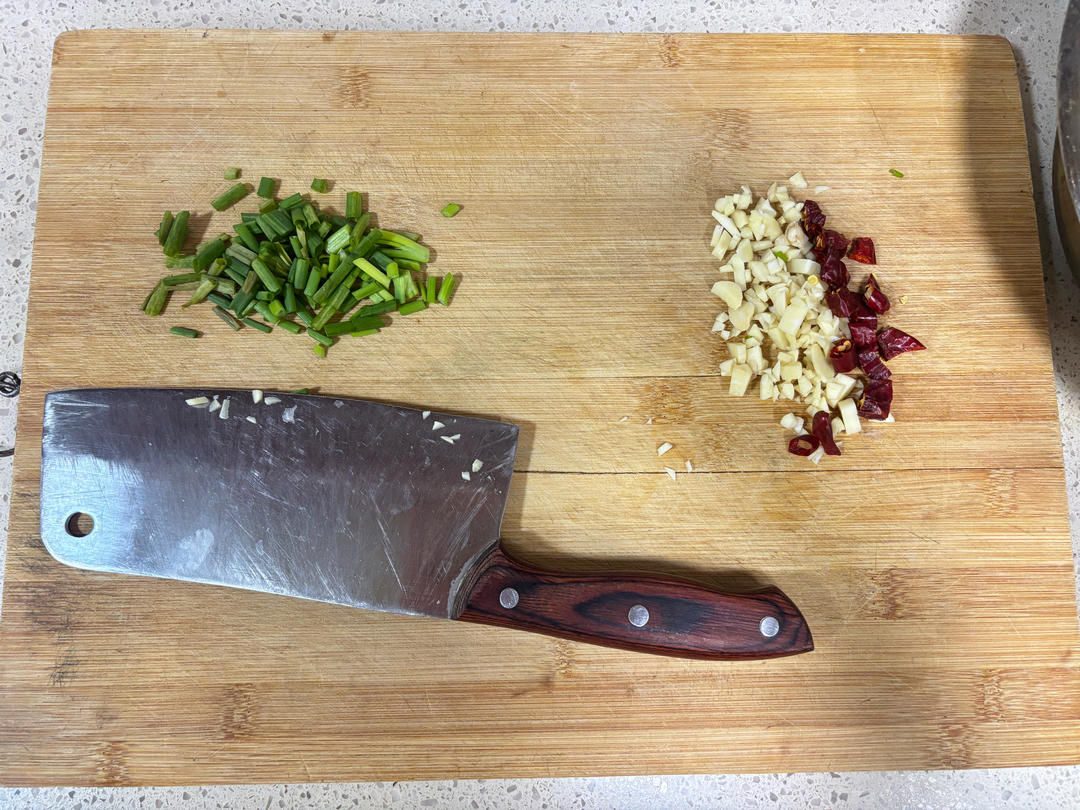
Step 1 — Prep the Aromatics
Slice the garlic, cut the dried chilies into pieces, and chop the scallion. Keep everything ready, since the cooking goes quickly.
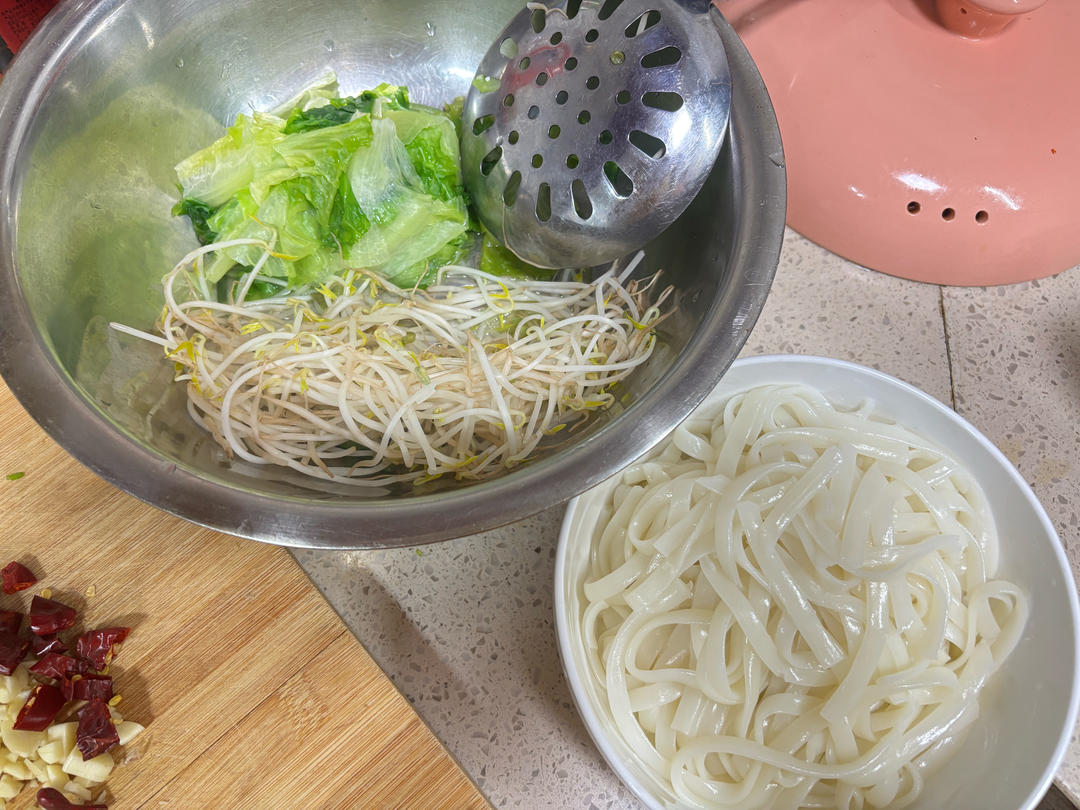
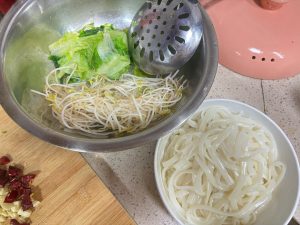
Step 2 — Rinse the Ho Fun in Hot Water
Dip the bean sprouts, greens, and ho fun briefly in hot water and lift them out; this separates the noodles and warms the vegetables without cooking them through.
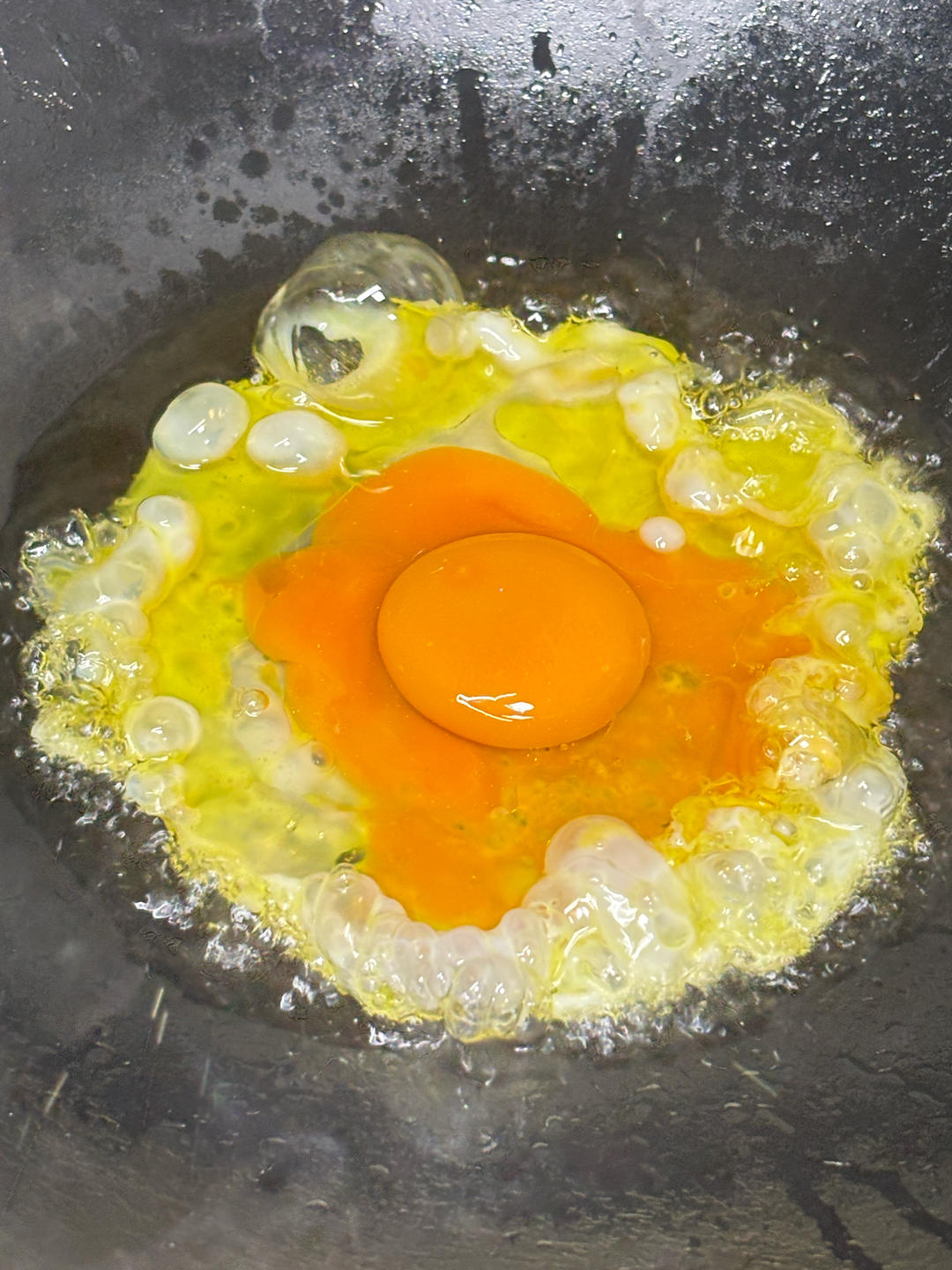
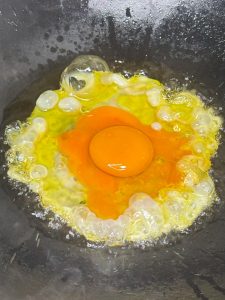
Step 3 — Fry the Egg
Heat the oil in the wok and crack in the egg, seasoning with just a pinch of salt, since the noodles will already be seasoned later.
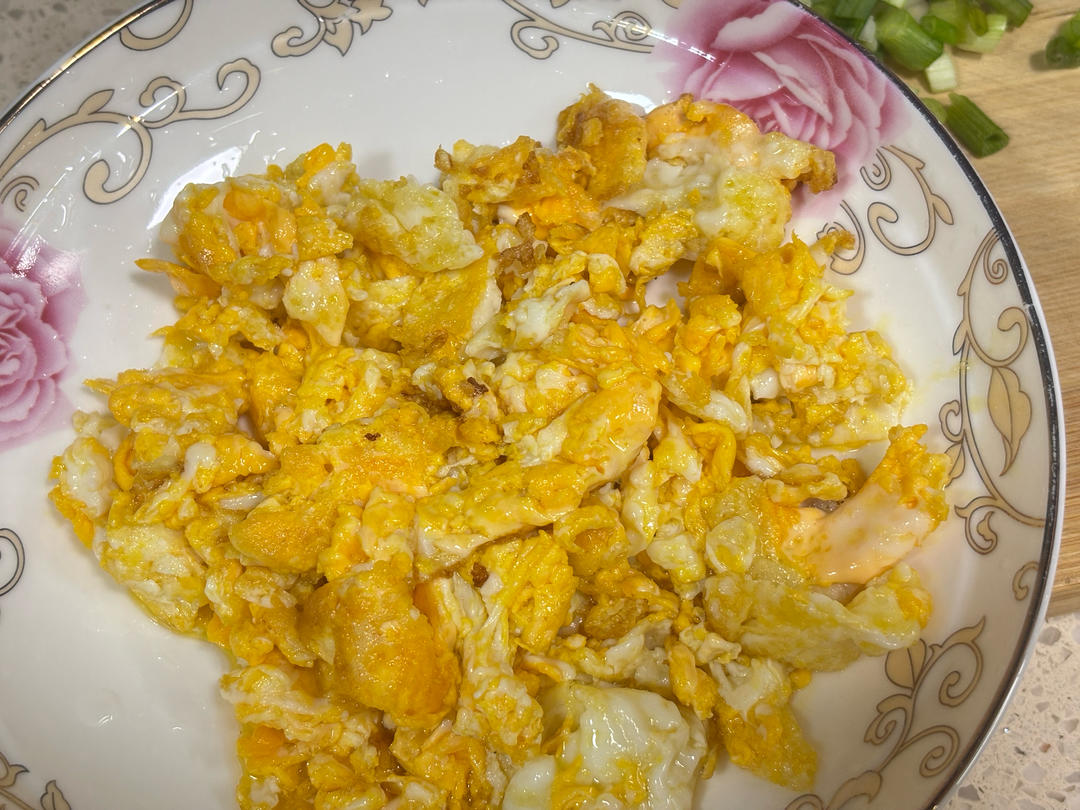
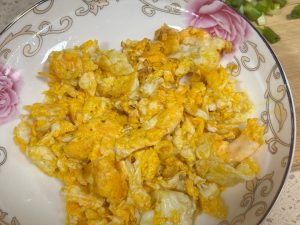
Step 4 — Set the Egg Aside
Lift the cooked egg onto a plate and set it aside; it will rejoin the noodles at the end.
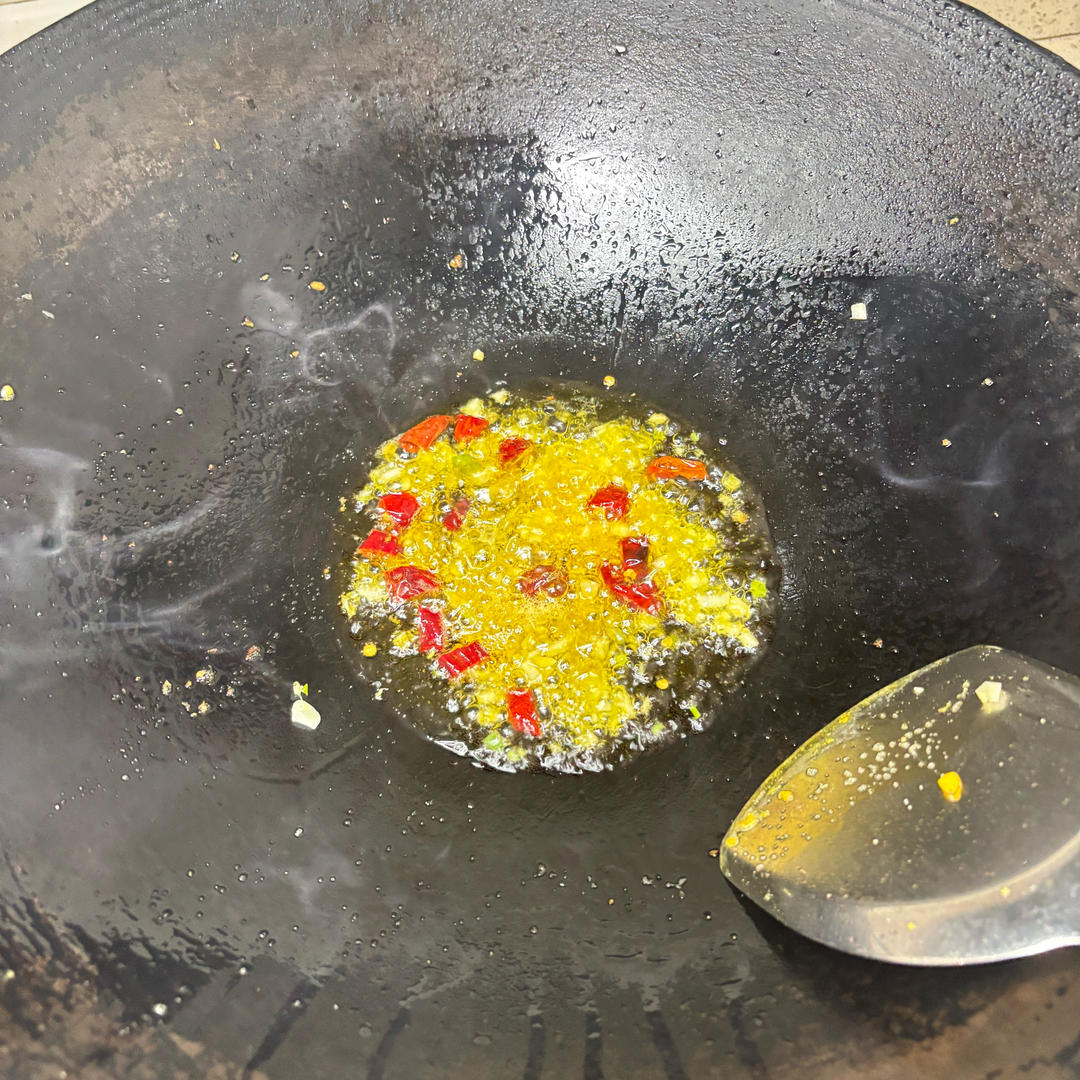
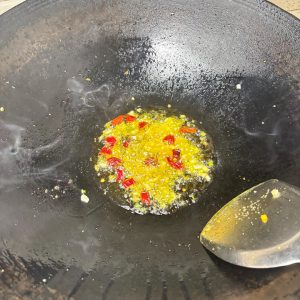
Step 5 — Fry the Garlic and Chilies
Add a little more oil, then the garlic and dried chilies, and stir-fry until fragrant.
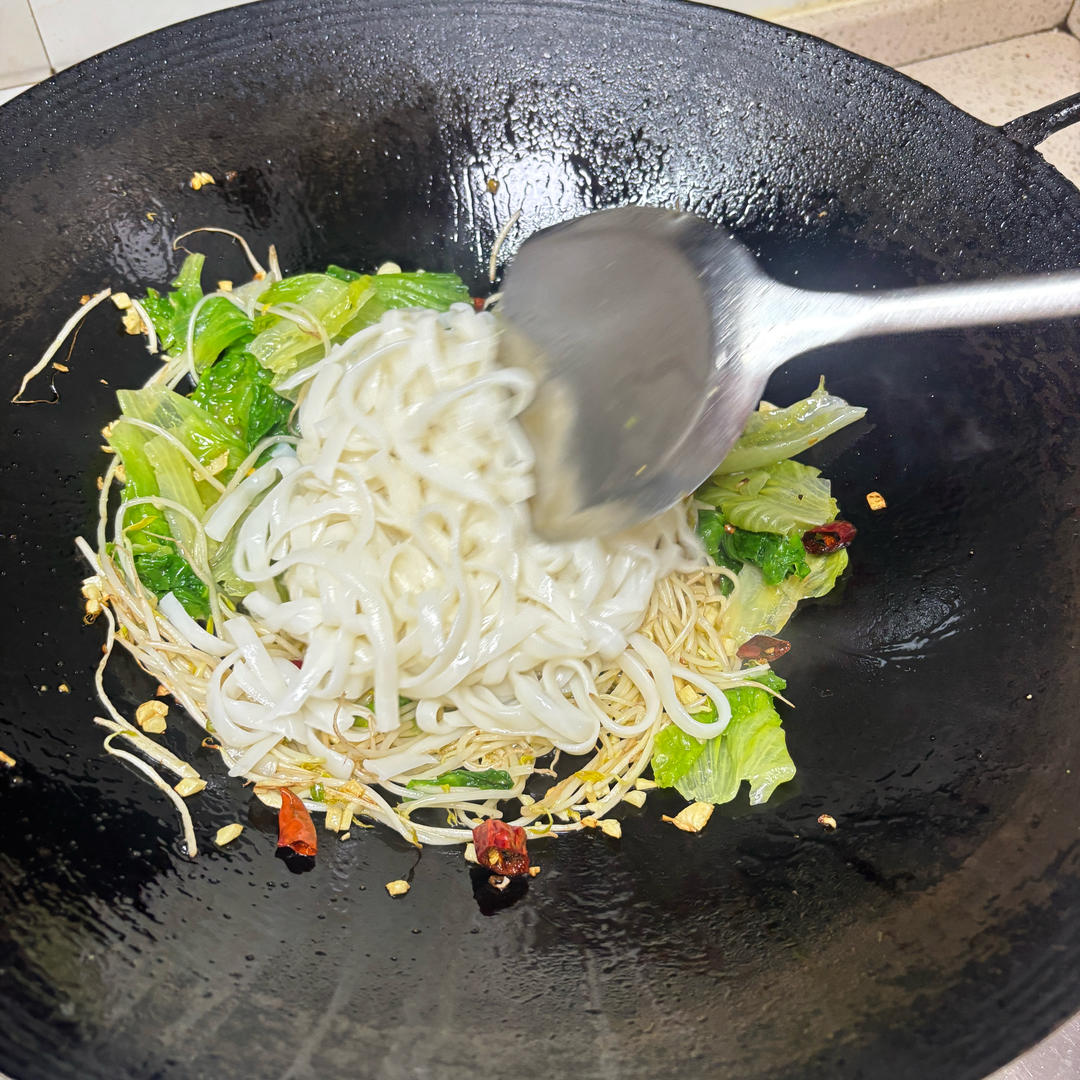
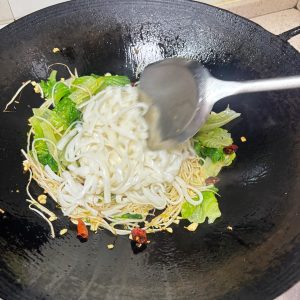
Step 6 — Add the Vegetables and Noodles in Order
Add the bean sprouts, then the greens, then the ho fun, tossing after each addition so the heat reaches everything evenly.
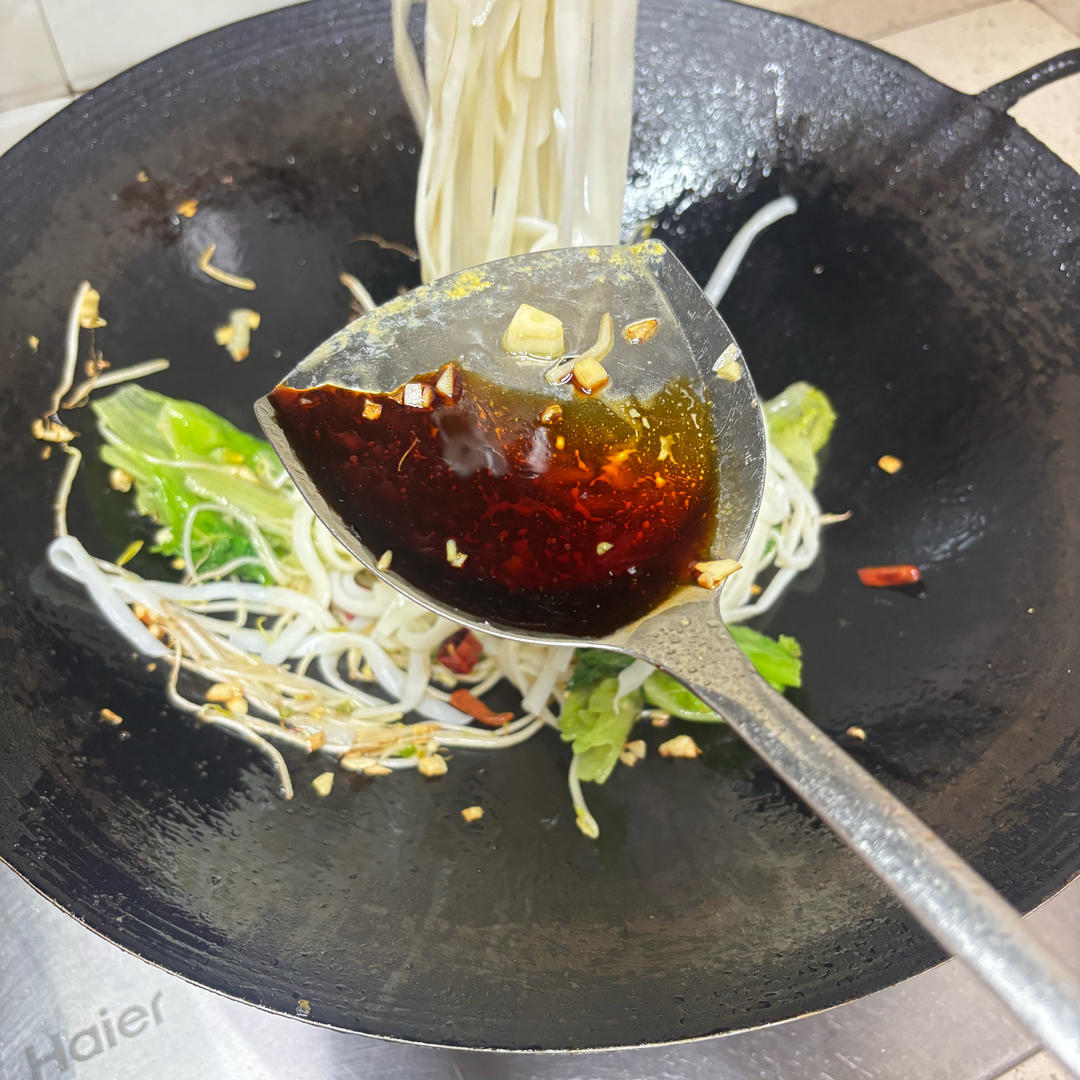
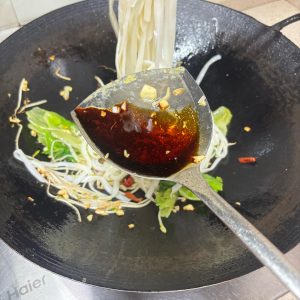
Step 7 — Add the Light Soy
Add the light soy sauce, about two spatula-turns of the amount shown in the original photos, and toss so the noodles color evenly.
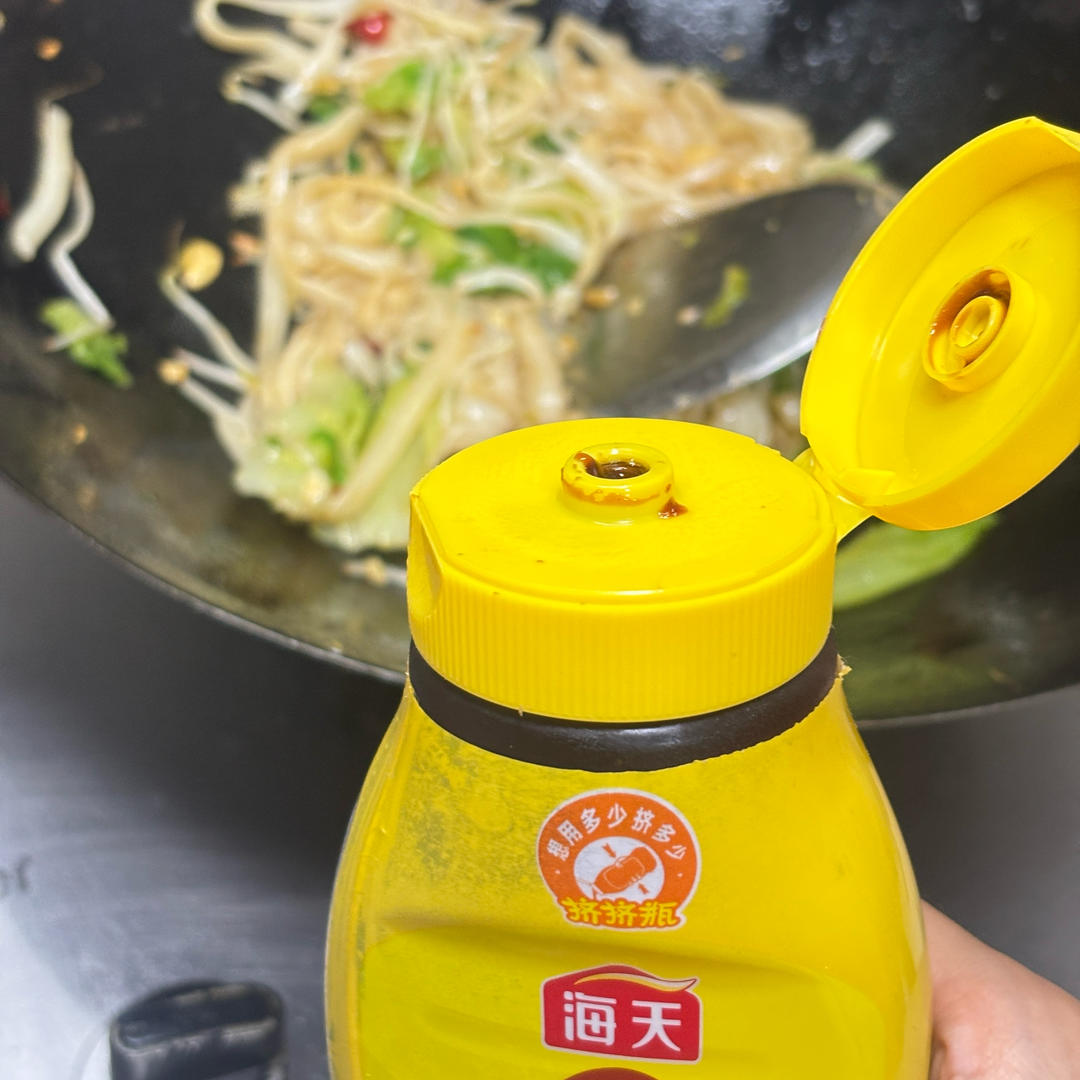
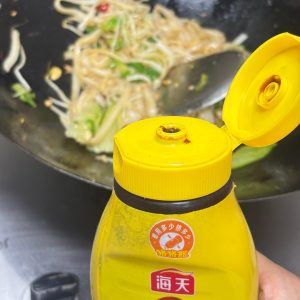
Step 8 — Add the Oyster Sauce
Add the oyster sauce and toss, glazing the noodles until they shine.
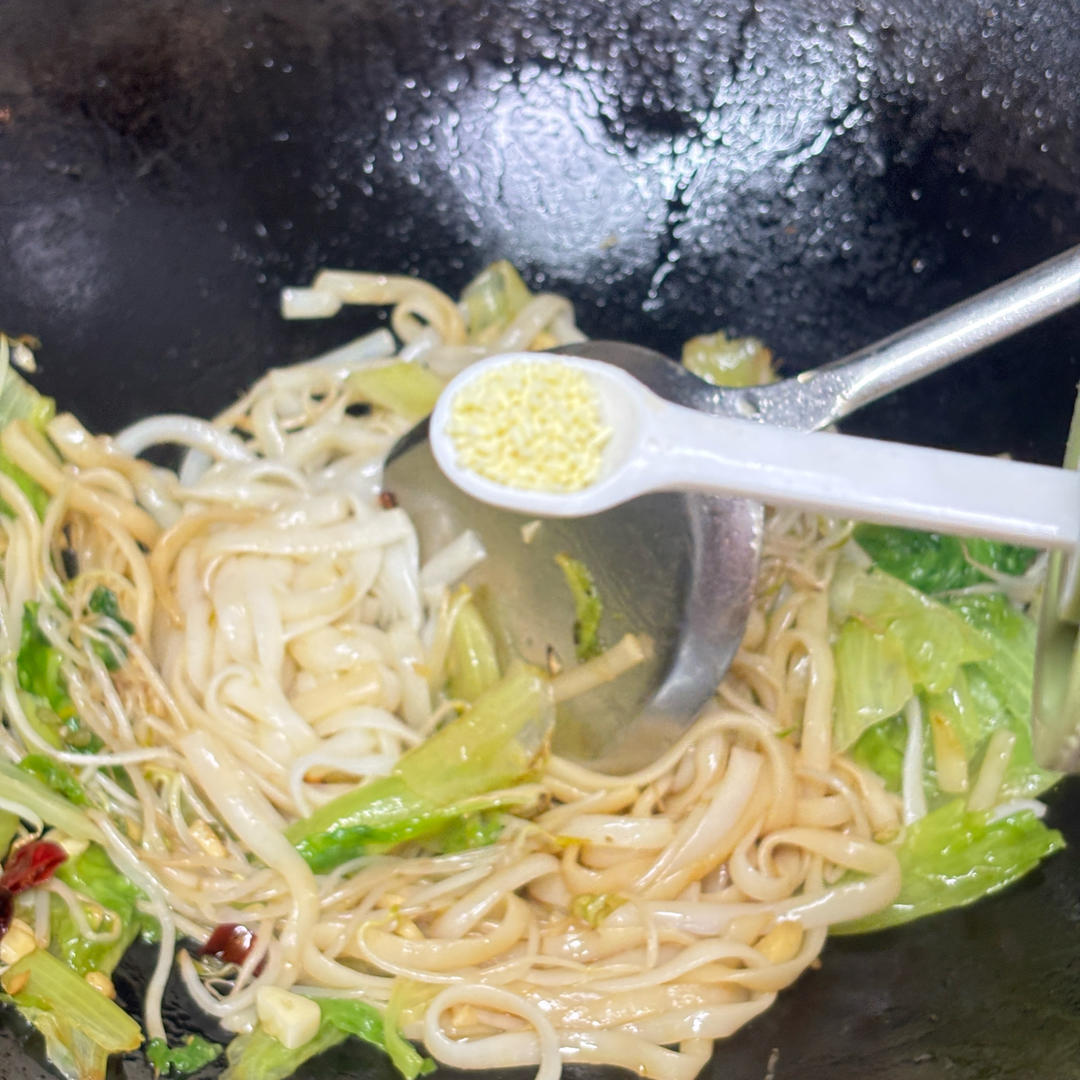
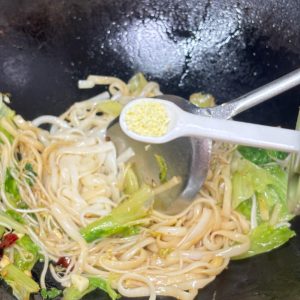
Step 9 — Season With Bouillon
Add the optional chicken bouillon powder and toss through.
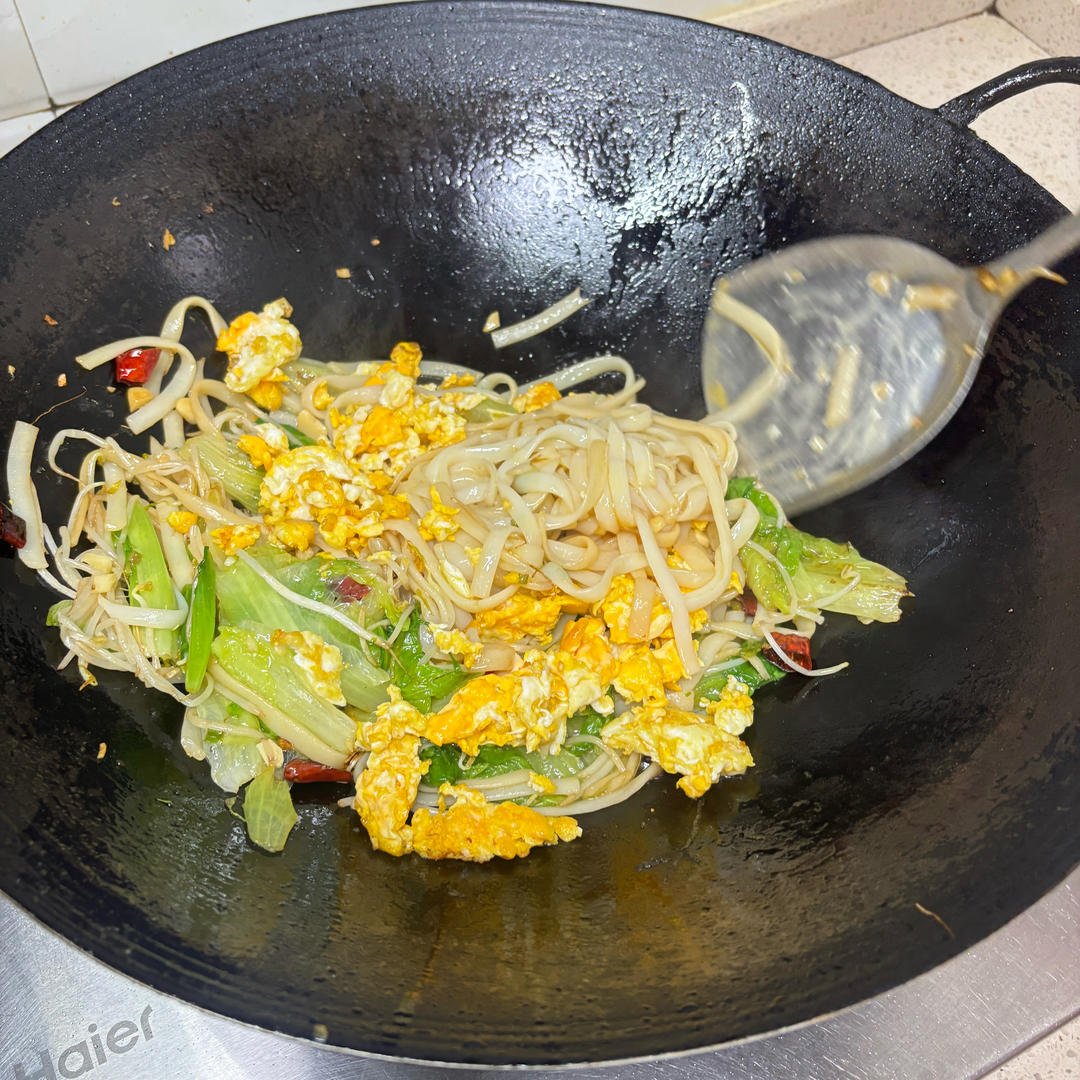
Step 10 — Return the Egg
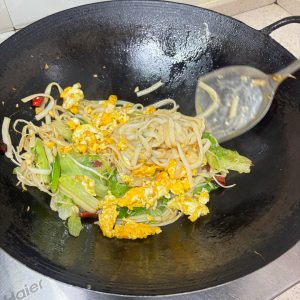
Add the cooked egg back to the wok and toss gently so it breaks into pieces through the noodles.
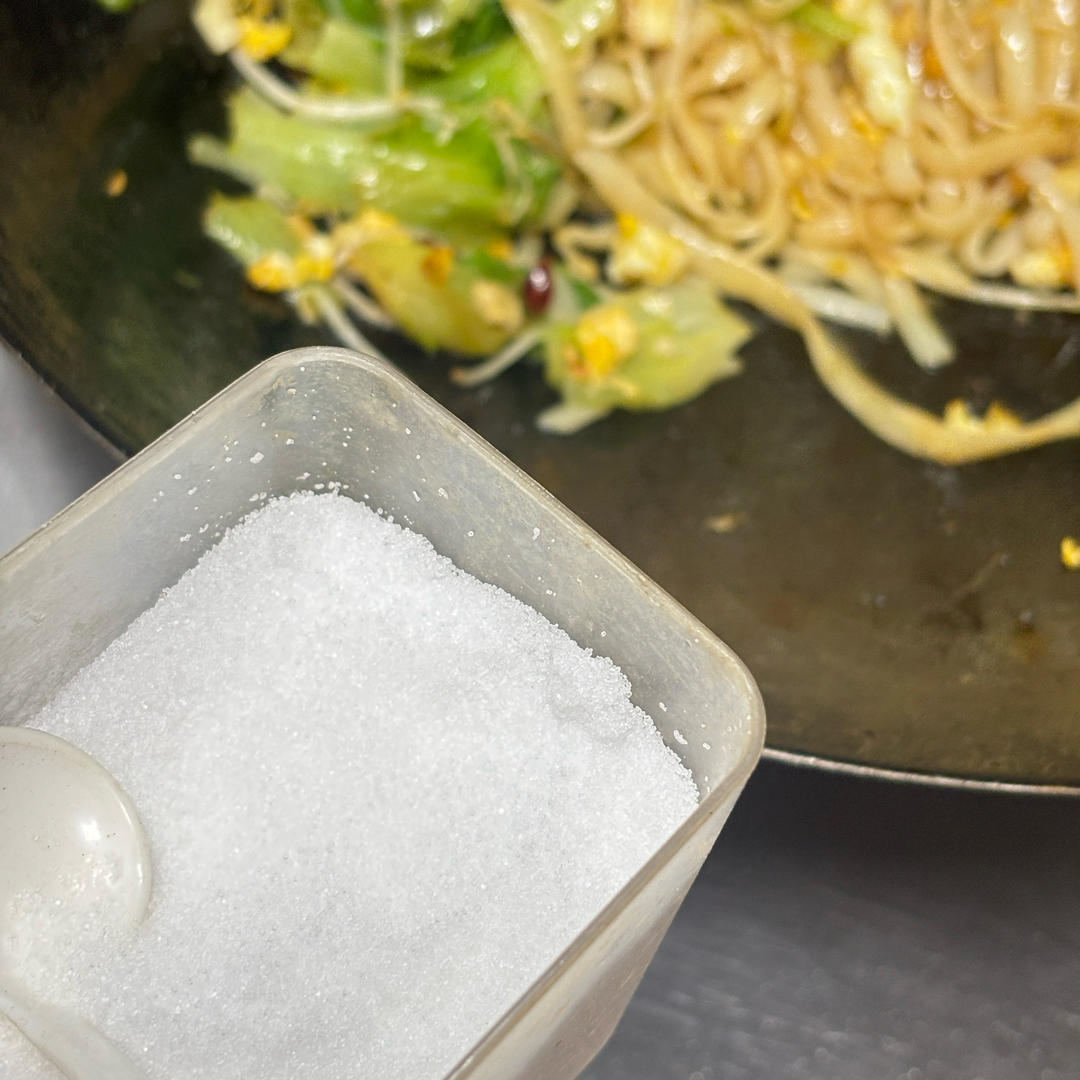
Step 11 — Taste and Adjust Salt
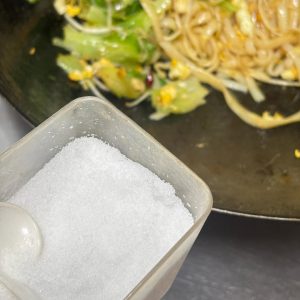
Taste the noodles. If they are already seasoned by the soy and oyster sauce, add no salt; if they taste flat, add a little and toss again.
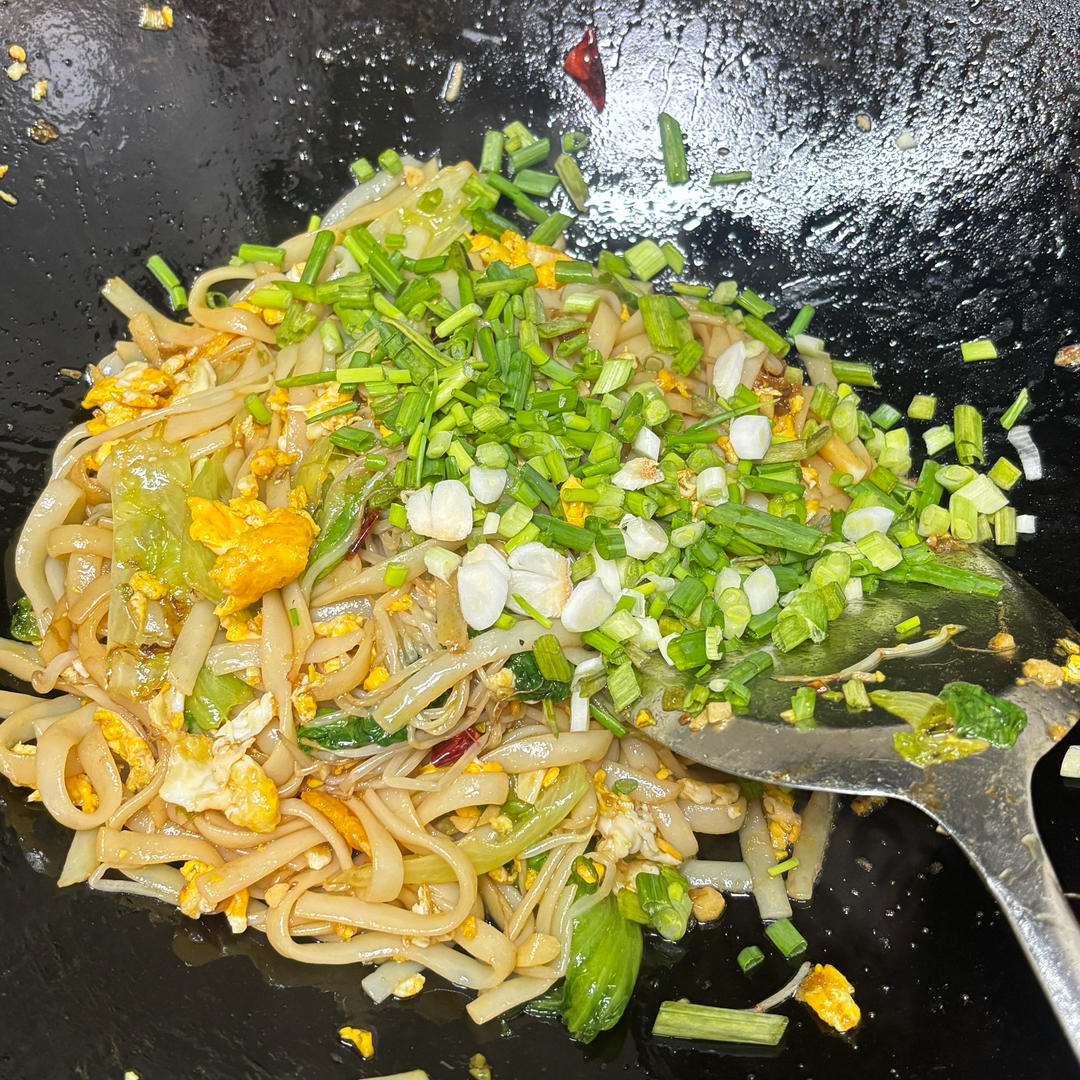
Step 12 — Finish With Scallion and Serve
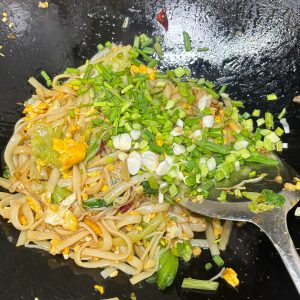
Toss in the chopped scallion, slide the noodles onto a plate, and serve immediately while the ribbons are silky and hot.
Common Mistakes When Making Stir-Fried Ho Fun
1. Sticky, clumped noodles. Cause: skipping the hot-water rinse. Fix: dip the ho fun briefly in hot water and shake off the excess before frying.
2. Broken, mushy noodles. Cause: over-stirring or too much water. Fix: toss gently and add the sauces early so the noodles do not sit in liquid.
3. A bland, pale plate. Cause: not enough sauce. Fix: use the full soy and oyster amounts and taste before adding any salt.
4. Burnt garlic. Cause: garlic added to smoking oil. Fix: heat the oil until shimmering, then add the garlic and move fast.
5. Soggy greens. Cause: adding them too early. Fix: add bean sprouts and greens just before the noodles so they stay crisp.
Variations
Beef chow fun. Slice beef thin, velvet it with a pinch of baking soda and soy, sear it first, and add it back at the end. For more noodle ideas, see Xinjiang fried rice noodles and Wenling fried rice noodles.
Saicier bowls. If you prefer saucy noodles, my tomato egg noodles, minced pork noodles, and scallion oil noodles are easy neighbors in the noodle rotation.
Soup version. Skip the stir-fry and serve the ho fun in broth, like the scallion pork chop noodle soup.
Frequently Asked Questions
Can I use dried rice noodles? Yes; cook them per the package, drain well, and toss with a little oil before frying.
Why do my fresh noodles always clump? Fresh rice noodles are coated in starch; the brief hot-water rinse washes it away so the noodles separate in the wok.
Can I make it ahead? It is best fresh. Leftovers keep a day and reheat in a hot wok with a splash of water, though the noodles soften.
What goes with it? It is a complete meal; pair it with a light tomato egg drop soup if you want a soup on the side.
How to Serve
Serve the ho fun hot, straight from the wok, with chopsticks and a spoon for the glaze. It is a meal on its own, wonderful for lunch boxes, and always better than takeout.
Storage & Reheat
Refrigerate leftovers for up to a day and reheat in a hot wok with a splash of water until steaming. Do not leave cooked noodles with egg at room temperature longer than 2 hours.
Allergen Notice
Contains egg, soy (light soy), and shellfish (oyster sauce); use tamari and a mushroom-based sauce for a soy-free or shellfish-free version. Rice noodles are gluten-free, but check packaged labels for cross-contact.
Nutrition Disclaimer
Nutrition information is calculated using an ingredient database and should be considered an estimate. In cases where multiple ingredient alternatives are given, the first listed is calculated for nutrition. Garnishes and optional ingredients are not included.
About the Author & Recipe Development
I am Lin, and chow fun was one of the first dishes I cooked on a real wok station, where the senior cooks yelled about sticking before the oil was hot enough. This beginner recipe from xiachufang reminded me of every lesson I learned the hard way, softened into patient notes, and testing it at home confirmed that the hot-water rinse and the order of additions are what keep the noodles silky. It is now my go-to answer when someone asks how to start cooking with a wok.
Authoritative References
USDA Safe Temperature Chart for egg handling, and USDA Leftovers and Food Safety for storage guidance.
Stir-Fried Ho Fun (炒河粉): Easy Wide-Noodle Wok

Equipment
- Wok or large skillet
- Colander
- Wok spatula
Ingredients
For the Noodles
- 1 pack fresh ho fun (wide rice noodles) about 12 oz / 350 g
- 1 large egg
- 3 to 4 cloves garlic, sliced
- 1 handful dried chilies (mild), cut into pieces
- 1 handful bean sprouts
- 2 leaves lettuce or yu mai cai, torn
- 2 tbsp light soy sauce
- 1 tbsp oyster sauce
- 0.25 tsp chicken bouillon powder (鸡精), optional
- 1 scallion, chopped
- 3 tbsp neutral oil
Instructions
- Slice the garlic, cut the chilies, and chop the scallion.

- Dip the sprouts, greens, and ho fun briefly in hot water, then lift out.
- Heat the oil, add the egg with a pinch of salt, and fry.

- Set the cooked egg aside.
- Fry the garlic and dried chilies in the oil until fragrant.

- Add sprouts, greens, and ho fun in order, tossing after each.
- Add the light soy and toss to color the noodles.
- Add the oyster sauce and toss until glossy.
- Add the chicken bouillon powder, if using.
- Return the egg and toss gently.
- Taste and add salt only if the noodles taste flat.
- Toss in the scallion, plate, and serve immediately.





Leave a Reply