There is a moment every autumn when the crab pots come up heavy and orange, and the only thing anyone in my family wants to do is steam them. No frying, no sauce-heavy braising — just ginger, scallion, and a lid. That is what steamed hairy crab is: the shortest possible path from live crab to a plate of sweet roe and firm, delicate meat.
I grew up watching my parents sell 大闸蟹 by the crate in Chengdu, and the rule in our kitchen was always the same — if the crab is good, do less. This recipe is that rule in five steps and fifteen minutes. 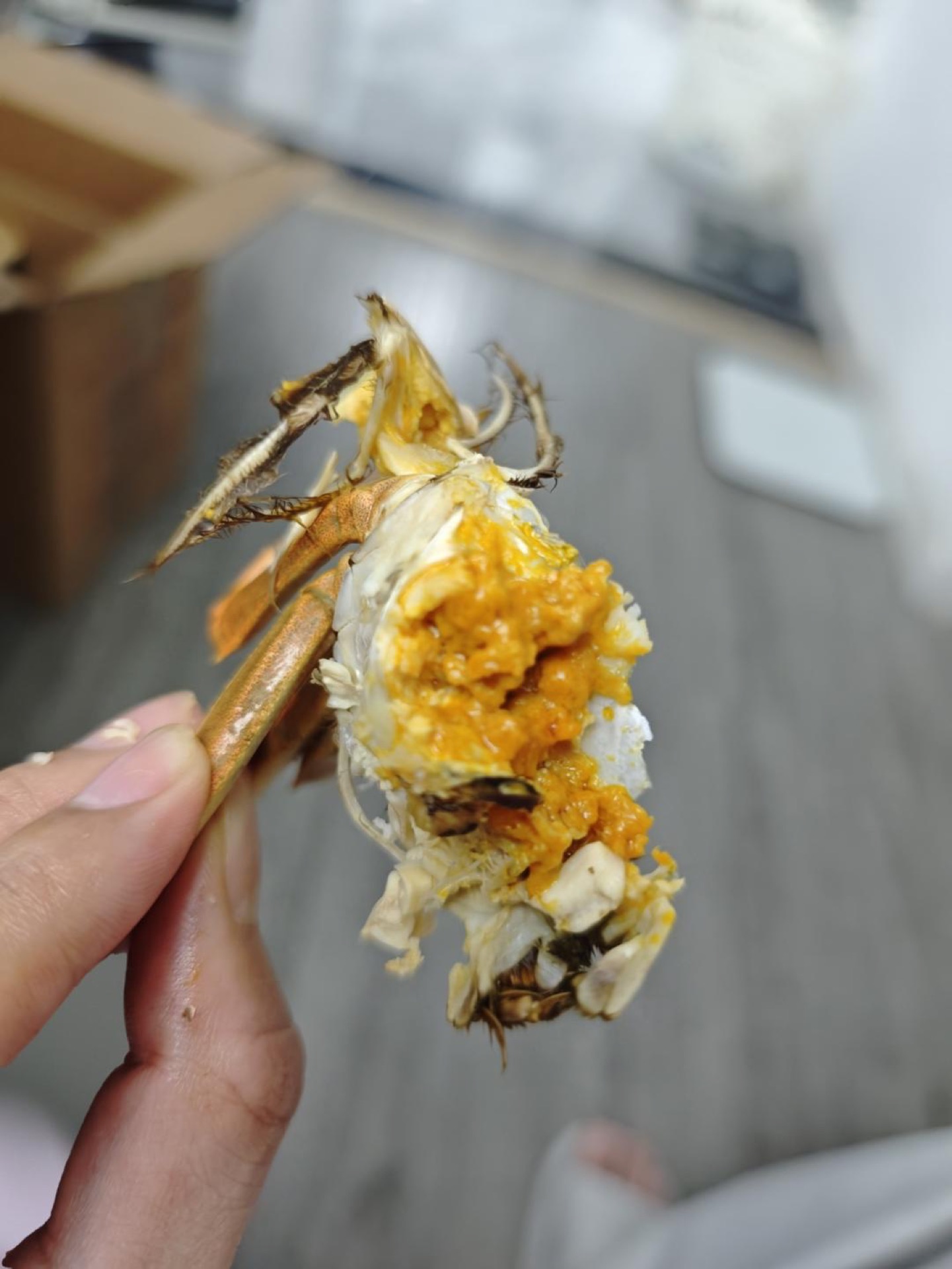
If you have ever wondered whether steaming is worth the trouble versus a quick stir-fry, the answer is yes — and you can read more on the technique in how to learn Chinese cooking fast.
What Is Steamed Hairy Crab?
Steamed hairy crab (清蒸大闸蟹, qīng zhēng dà zhà xiè) is a Jiangnan classic where live hairy crabs are laid on a bed of ginger and scallion, then steamed over high heat until the shells turn a deep persimmon orange. The ginger and scallion do double duty — they perfume the steam and mellow the crab’s natural brininess. No oil, no batter, no wok. Just steam, and a dipping sauce of black vinegar and ginger on the side.
“The crab tells you when it is done — the shell goes from slate to orange, the legs stop twitching, and the roe sets firm. Trust the color, not the clock.”
Timing is the one thing that separates a great steamed crab from a sad one. Under-steam and the roe runs; over-steam and the meat turns to sawdust. I have done both. The rule I follow now is 12 minutes for crabs around 80 grams, and one extra minute for every 20 grams above that.
If you only remember one thing from this page: start counting when the steam is already rolling, not when you put the pot on the stove.
Why This Recipe Works
- A ginger-scallion bed, not a marinade. The aromatics sit under the crab so the steam carries their fragrance up through the shells.
- Steam goes in hot. Adding the crab to already-boiling, already-steaming water means the cooking starts the second the lid closes.
- Spacing matters. Crabs laid shoulder to shoulder steam unevenly — leave a finger-width between each one.
- No salt in the pot. Hairy crab is already sweet and saline; salt just muddies it.
- Fast out of the pot. Once the timer goes, they come out. Every extra minute in the residual heat is a minute of lost texture.
Equipment Needed
- A steamer pot with a rack, or a wok with a bamboo steamer insert
- A tight-fitting lid (this is non-negotiable — steam that escapes is cooking time you lose)
- A stiff-bristled brush, like a clean vegetable scrubber, for the crabs
- Kitchen tongs
- A small bowl for the dipping sauce
- A plate that fits inside the steamer
Ingredients
- 4 live hairy crabs (大闸蟹), about 80 g each, or 2 larger ones around 150–180 g
- 1 large bunch scallions (about 6 stalks), cut into 3-inch lengths
- 1 large knob ginger (about 40 g), half sliced into coins, half julienned for the sauce
- For the dipping sauce: 3 tbsp Zhenjiang black vinegar, 1 tbsp light soy sauce, 1 tsp sugar, the julienned ginger
Ingredient Notes
Hairy crab: Look for live, heavy crabs with intact legs. A crab that feels light for its size has already given up its meat. If you can only find 梭子蟹 (swimming crab), this method works exactly the same — just subtract a minute or two, since they are thinner-shelled.
Ginger: Older ginger is spicier and better for the steaming bed. Young ginger is milder and better for the dipping sauce. If you only have one, use it for both — the difference is small.
Vinegar: Zhenjiang (Chinkiang) black vinegar is the traditional choice. Balsamic is not a substitute here, but rice vinegar with a pinch of sugar is a decent fallback. For a different vinegar-forward dish, see authentic sweet and sour pork ribs.
Scallion: Use the whole stalk, whites and greens. The whites go on the bottom for their sharper aroma; the greens can go on top if you have extra.
Prep & Mise en Place
Before anything else, scrub the crabs. Hairy crabs come from mud, and the hair around the legs and belly holds grit. Use a stiff brush under cold running water, working around the shell, the belly flap, and the joints. Do this quickly — you do not want them sitting in tap water.
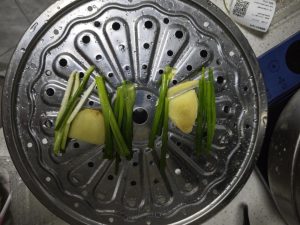
Then set up your steamer with water in the bottom, and lay a full layer of scallion lengths and ginger coins on the rack. Have your plate, your tongs, and your timer within arm’s reach. Once the crab goes in, you will not have time to dig around for anything.
Cooking Process
Step 1: Build the ginger-scallion bed
Lay the scallion lengths in a single layer across the steamer rack, then scatter the ginger coins over them. This is not a garnish — it is a rack, an aromatic cushion, and a barrier so the crabs do not scorch on the metal. 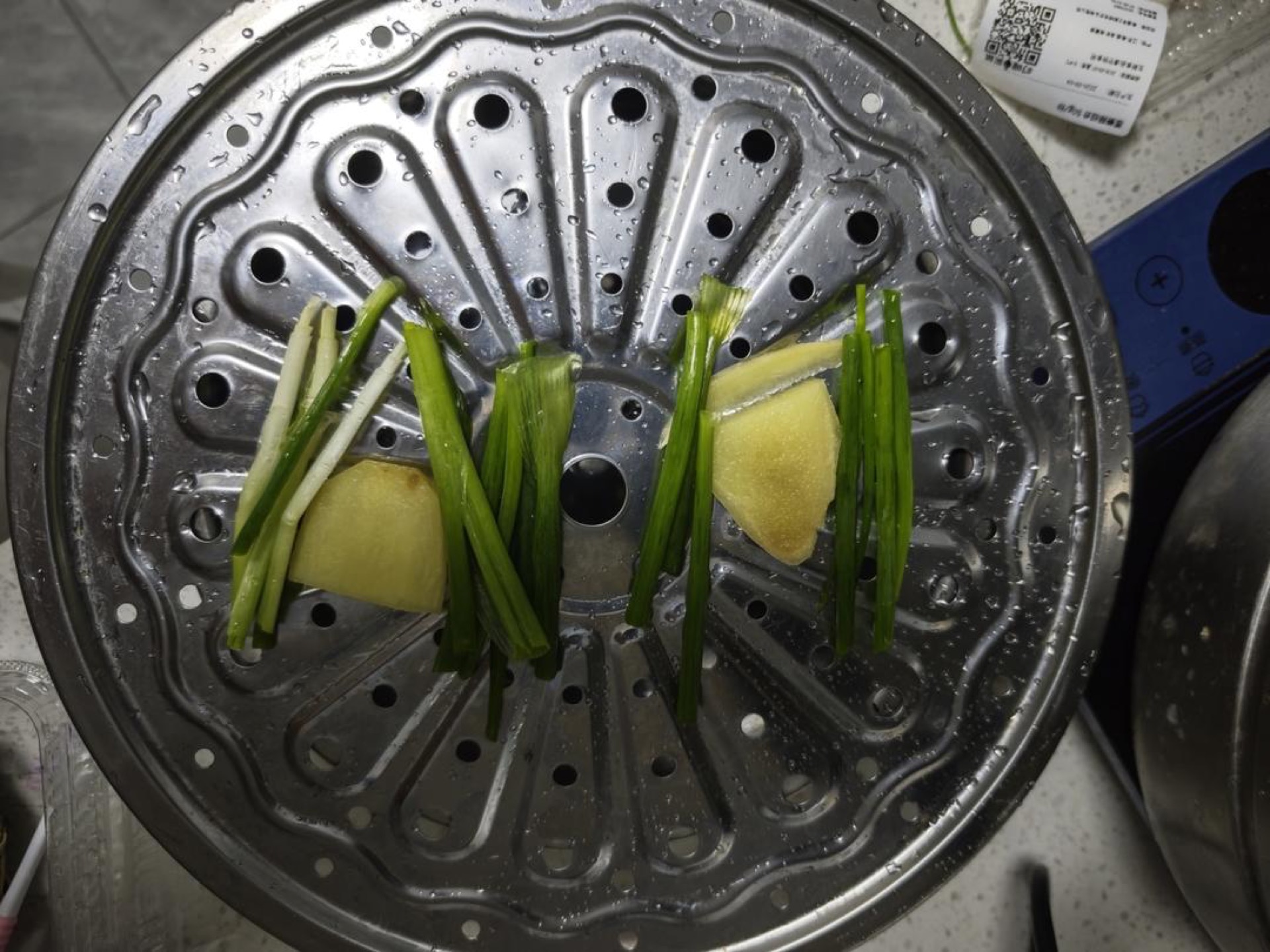
Step 2: Scrub and arrange the crabs
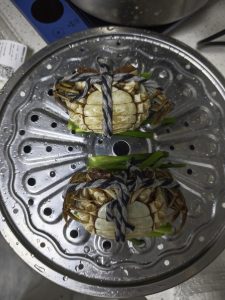
Scrub each crab clean, then set them belly-up on top of the aromatics, leaving a small gap between each one. Belly-up keeps the roe from leaking out as it sets. Do not stack them — even a slight overlap means the crabs in the middle steam slower than the ones on the edge. 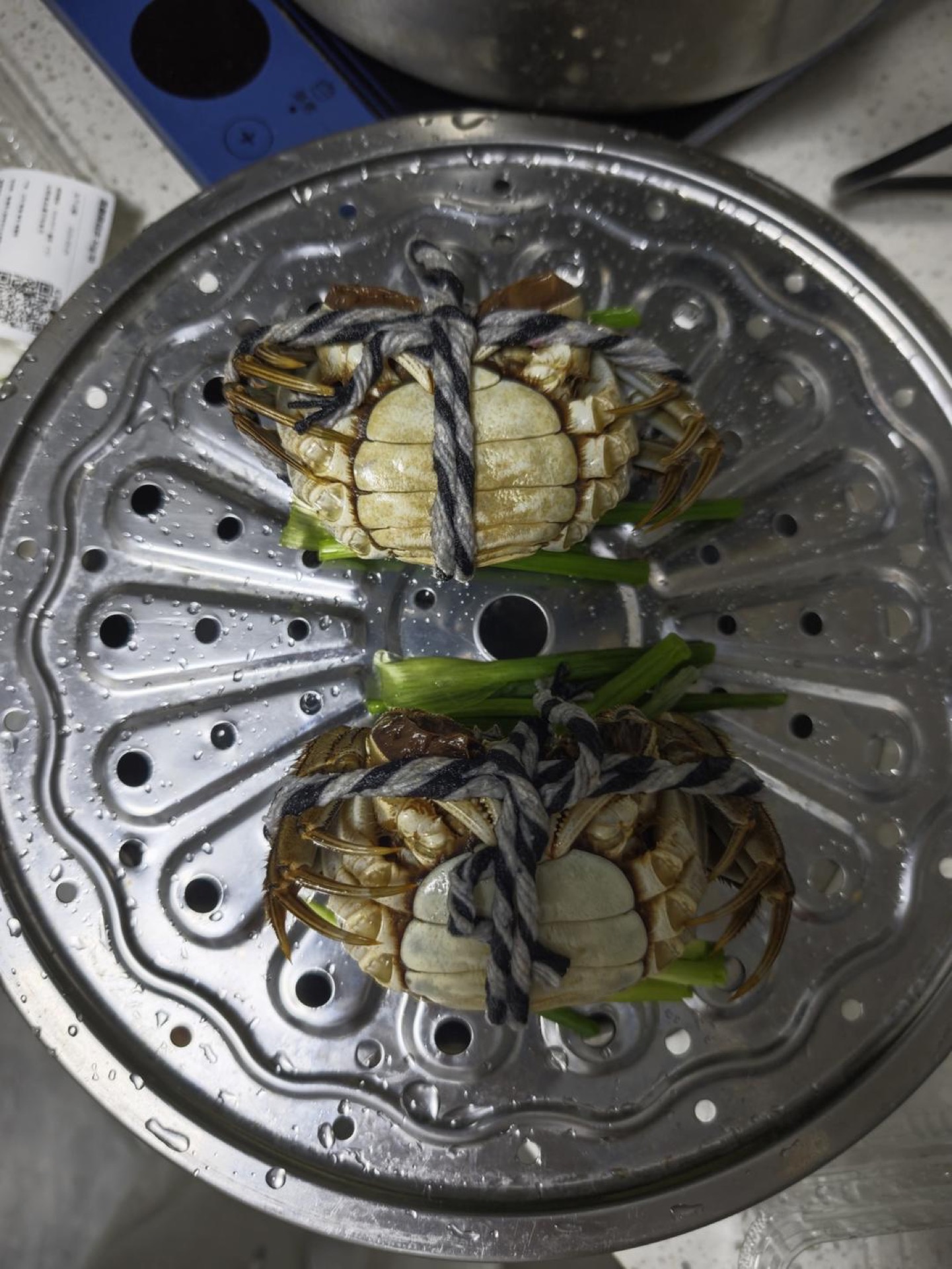
Step 3: Steam over high heat
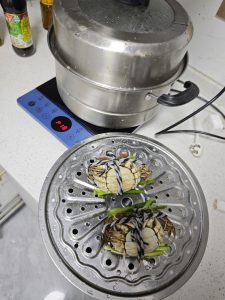
Wait until the water is at a full rolling boil and steam is pouring out, then set the rack in and clamp the lid on. Steam over high heat for 12 minutes for crabs around 80 g each. For larger crabs, add roughly one minute per extra 20 g — a 150 g crab wants about 15 minutes. 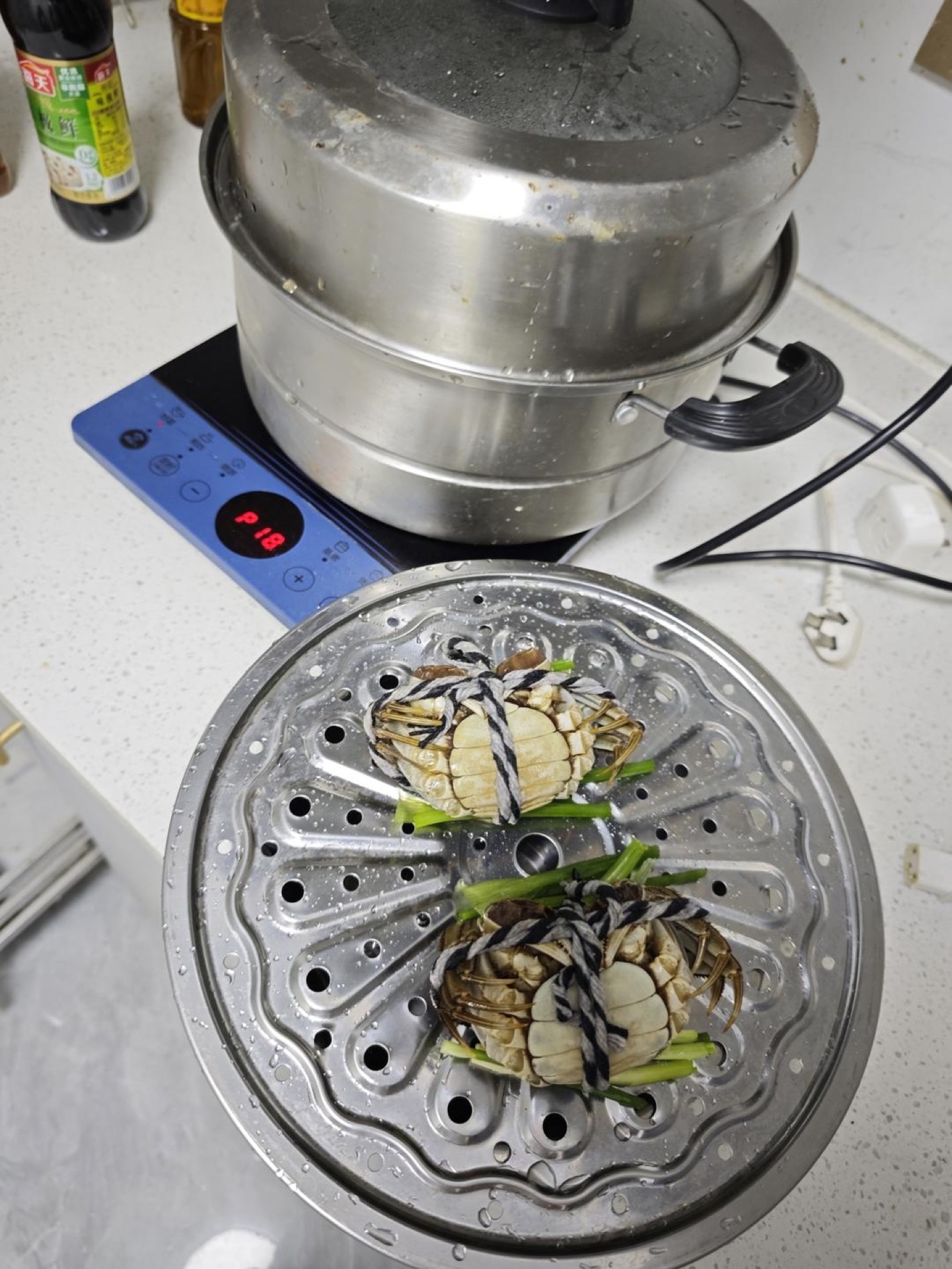
Step 4: Pull them immediately
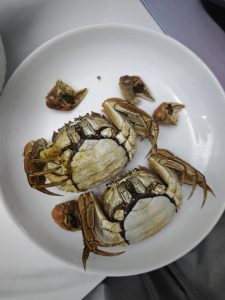
When the timer goes, lift the lid and transfer the crabs straight to a serving plate with tongs. Do not let them sit in the steamer to “rest.” The residual heat will keep cooking the roe, and the roe is the whole point. 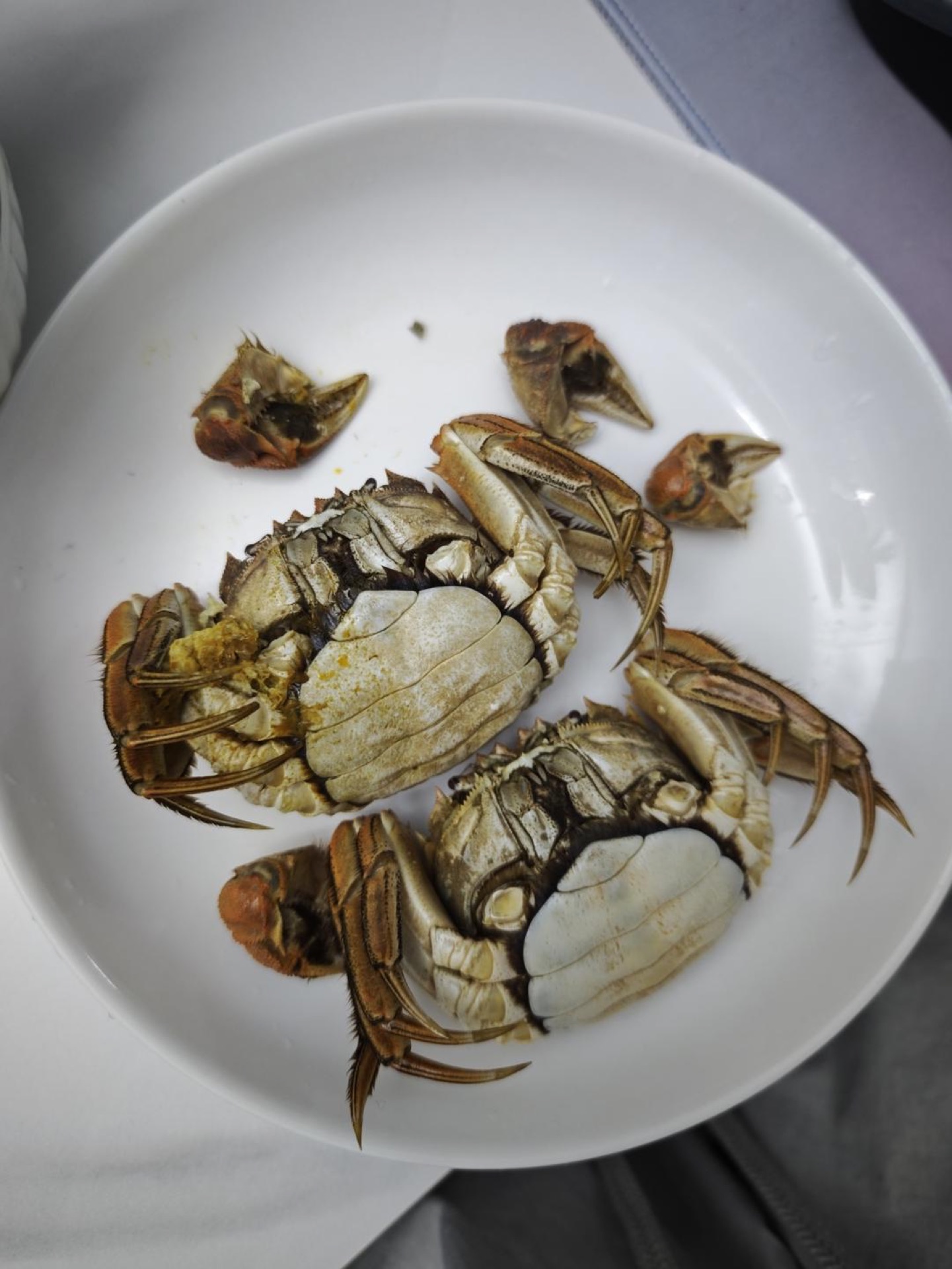
Step 5: Serve with dipping sauce
Stir together the black vinegar, soy sauce, sugar, and julienned ginger in a small bowl. Serve the crabs hot with the sauce on the side — dip the meat, spoon a little over the roe, and eat with your hands. 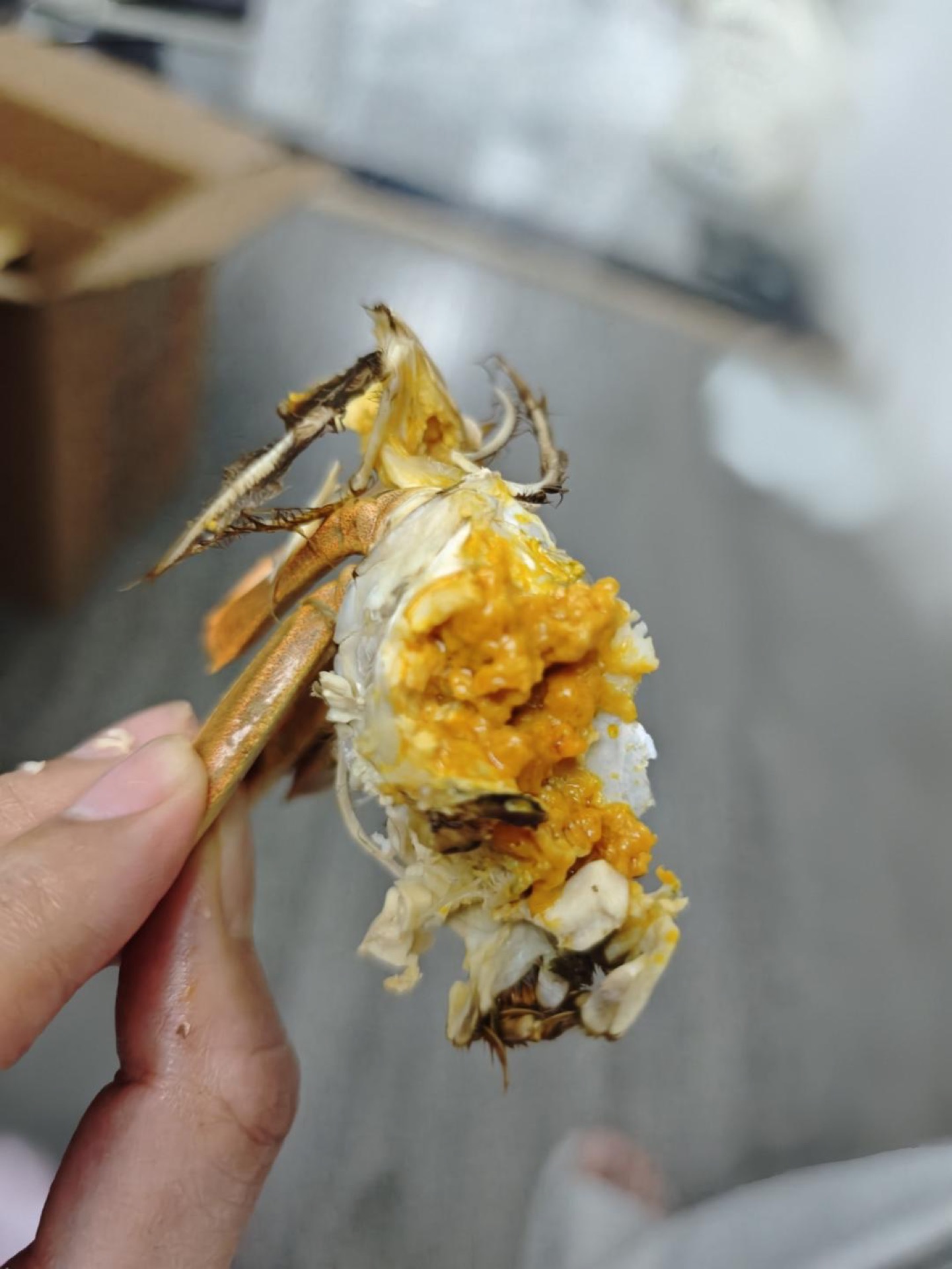
Common Mistakes When Making Steamed Hairy Crab
1. Starting the crab in cold water. If the crab goes in before the steam is rolling, it cooks unevenly and the roe sets at the wrong moment. Wait for the full boil and visible steam.
2. Crowding the steamer. Crabs touching each other steam at different rates. Two batches in one layer beats one batch stacked in two layers, every time.
3. Over-steaming by “just a minute more.” This is the single most common way to ruin a good crab. One extra minute at 12 minutes is fine; three extra minutes turns the leg meat stringy and dry.
4. Skipping the scrub. The hair on the legs and the crevices around the belly hold grit that ends up in the dipping sauce. A 30-second scrub under cold water fixes it.
5. Discarding the “mustard” and the roe. The orange roe is the prize. The pale, creamy paste inside the shell (the hepatopancreas) is also edible and prized in Jiangnan cooking — taste it before you decide. If you are not used to it, that is fine too; scrape it aside but do not scrape the roe.
Variations
Swimming crab (梭子蟹) version: Same method, same aromatics, but shave 1–2 minutes off the time. Swimming crabs have thinner shells and less roe, so they cook faster and eat lighter.
Shaoxing wine splash: Add 2 tbsp Shaoxing wine to the steaming water before it boils. The alcohol carries the aroma up through the steam and gives the crab a subtle warmth.
Cold-tossed crab meat: Steam the crabs, pick the meat and roe while warm, then toss with a ginger-vinegar dressing and chill. This is a great way to use up leftover crab, and it is close in spirit to shepherd’s purse shrimp scrambled eggs in its “let the ingredient lead” logic.
With a garlic-chili dip: If you want heat, add a spoonful of chili oil and a clove of minced garlic to the dipping sauce. It is not traditional, but it works. See twin pepper chicken stir-fry for a sense of how I like to layer heat in Chinese cooking.
Frequently Asked Questions
Can I use frozen hairy crab instead of live? You can, but the roe will not be as firm and the meat will be noticeably softer. If you must, thaw overnight in the fridge and steam for the same time — do not add extra minutes to “compensate.”
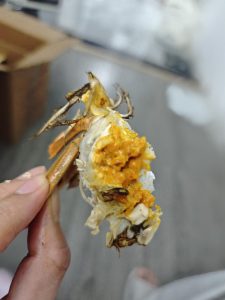
How do I know the crab is fully cooked? The shell turns a deep orange-red all over, the legs are stiff and no longer move, and the roe is opaque and firm. If the shell is still slate-colored anywhere, give it two more minutes.
Is the yellow-green stuff inside the shell safe to eat? Yes — that is the hepatopancreas, and it is considered a delicacy in Jiangnan. It is rich and slightly bitter. The orange roe is separate and is the sweeter, more prized part.
Do I need to tie the crabs? Not for steaming. Tying is for transport and for boiling, where the crabs can thrash and lose legs. In a steamer, they settle quickly and the legs stay on.
Can I steam larger crabs for longer and get the same result? Roughly, yes — one minute per extra 20 g works up to about 200 g. Beyond that, the shell gets thick enough that the outer meat overcooks before the center is done. For very large crabs, I would rather steam two smaller ones than one giant one.
How to Serve
Serve steamed hairy crab immediately, on a warm plate, with the dipping sauce in a small bowl per person. Have a bowl for shells and a stack of napkins — this is a hands-on dish. A plain bowl of rice and a simple green vegetable on the side is all you need. If you want a heartier table, a herbal pork rib soup or a tomato potato braised ribs rounds things out without competing with the crab.
For a lighter meal, pair with a cold vegetable dish and a bowl of Wenling fried rice noodles.
Storage & Reheat
Steamed crab is best eaten within an hour of coming out of the pot. If you have leftovers, pick the meat and roe while warm, refrigerate in a sealed container for up to 24 hours, and reheat gently by steaming for 3–4 minutes. Do not microwave crab — it turns the meat rubbery. Cooked whole crabs do not reheat well; the shells dry out and the roe loses its texture.
Allergen Notice
This recipe contains shellfish (crab) and soy (soy sauce). It is naturally gluten-free if you use a gluten-free soy sauce or tamari. Check your black vinegar label if you are avoiding gluten — most Zhenjiang vinegar is made with wheat.
Nutrition Disclaimer
Nutrition information is an estimate and will vary with crab size, the amount of dipping sauce used, and whether you eat the hepatopancreas. This is not medical or dietary advice.
About the Author & Recipe Development
I am Lin, and I grew up in my parents’ restaurant kitchen in Chengdu, where every dish on the menu had to earn its place. Steamed hairy crab earned its place the hard way — it was one of the few dishes my father would not let anyone else cook, because the timing is unforgiving and the ingredient is expensive. This version is the one I make at home now, scaled down to a home steamer and timed by the clock on my phone. If you want more of the technique behind it, start with how to use high heat without burning food.
Authoritative References
- Chinese cooking technique references on steaming seafood, including temperature and timing guidance from regional Jiangnan cooking traditions.
- Food safety guidance on cooking shellfish to firm, opaque texture and safe internal temperatures.
- Regional notes on 大闸蟹 seasonality and the ginger-vinegar dipping tradition from Jiangsu and Zhejiang kitchens.
Steamed Hairy Crab (葱姜大闸蟹): 15-Minute Easy Recipe

Equipment
- Steamer pot with rack or wok with bamboo steamer insert
- Tight-fitting lid
- Stiff-bristled brush
- Kitchen Tongs
- Small bowl for dipping sauce
Ingredients
Main
- 4 live hairy crabs about 80 g each; or 2 larger crabs around 150-180 g
- 6 stalks scallions cut into 3-inch lengths
- 40 g ginger half sliced into coins, half julienned for the sauce
Dipping Sauce
- 3 tbsp Zhenjiang black vinegar or rice vinegar with a pinch of sugar
- 1 tbsp light soy sauce use tamari for gluten-free
- 1 tsp sugar
- julienned ginger from the ginger above
Instructions
- Lay the scallion lengths in a single layer across the steamer rack, then scatter the ginger coins over them. This forms an aromatic bed that keeps the crabs off the metal and perfumes the steam.

- Scrub each crab clean under cold running water, then set them belly-up on top of the aromatics with a small gap between each one. Do not stack them.

- Wait for the water to reach a full rolling boil with visible steam, then set the rack in and clamp the lid on. Steam over high heat for 12 minutes for crabs around 80 g each, adding roughly 1 minute per extra 20 g for larger crabs.
- When the timer goes, lift the lid and transfer the crabs straight to a serving plate with tongs. Do not let them sit in the steamer to rest.
- Stir together the black vinegar, soy sauce, sugar, and julienned ginger. Serve the crabs hot with the dipping sauce on the side.








Leave a Reply