The souffle that taught me the trick is this one – a small, individual baked souffle, and this home cook’s version is the one that finally puffs. A home cook wrote it in five steps with the buttered-cup technique in the title: sugar the buttered walls and bake hot. I made it as written, and it is the tall, tender little souffle that must be eaten in the first minutes.
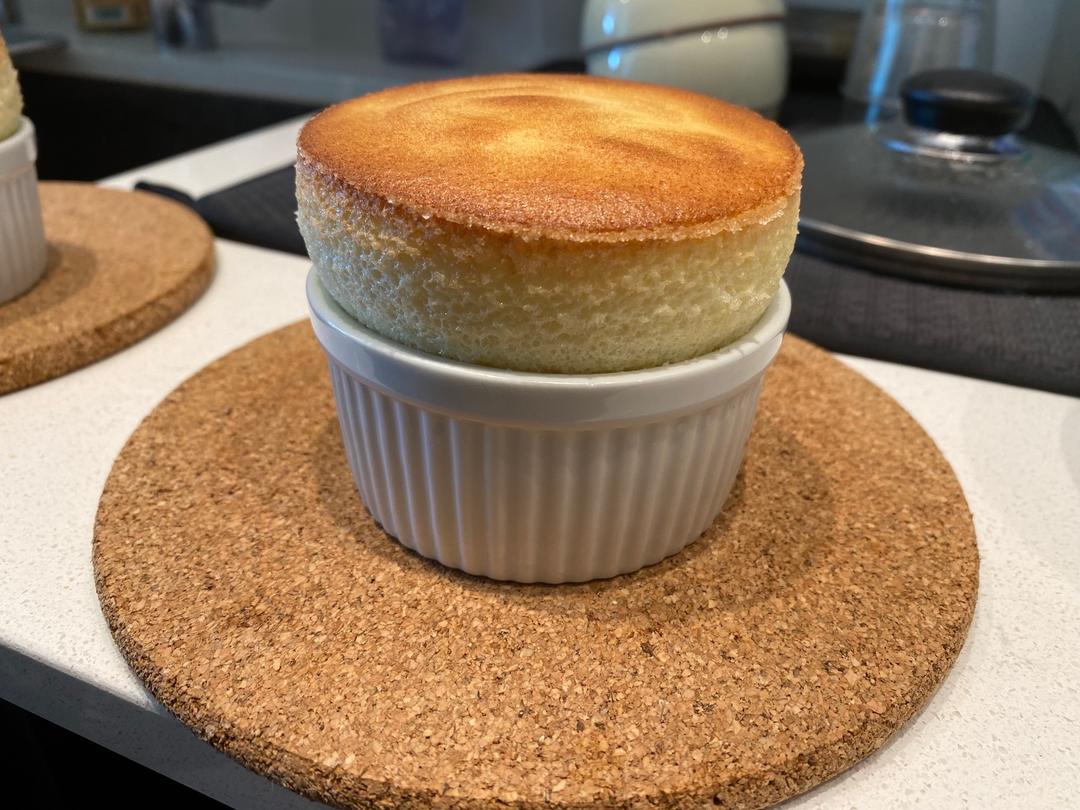
Shu fu lei (舒芙蕾) is the souffle – a buttered, sugar-dusted cup filled with a roux-thickened egg batter and baked hot until it puffs above the rim. The original is a 5-step recipe with the buttered-cup and the hot oven as its craft.
What Is This Souffle?
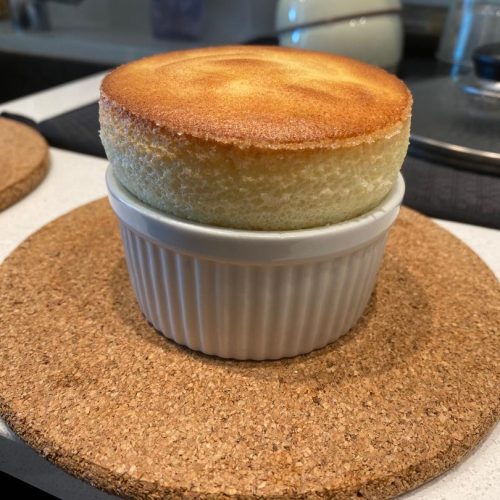
This is the classic individual souffle made in cups: the inside of each cup is brushed with butter and dusted with sugar – the sugar gives the rise its grip – then filled with a batter of roux-thickened yolks folded with soft-peak whites, and baked at high heat until it rises tall. It is the little puff that falls within minutes, which is exactly why you eat it right away.
The method is the cup and the oven. The butter-sugar coating is the souffle’s climbing wall; the soft-peak whites keep the batter light; the hot oven does the lift. The recipe’s timing note is the honest one: 12 minutes for a big bowl, 9 for small cups – watch the color, not the clock.
For the steamed-sweet sibling of the same egg batter, my steam-baked milk chiffon cake trades the oven puff for a gentle steam.
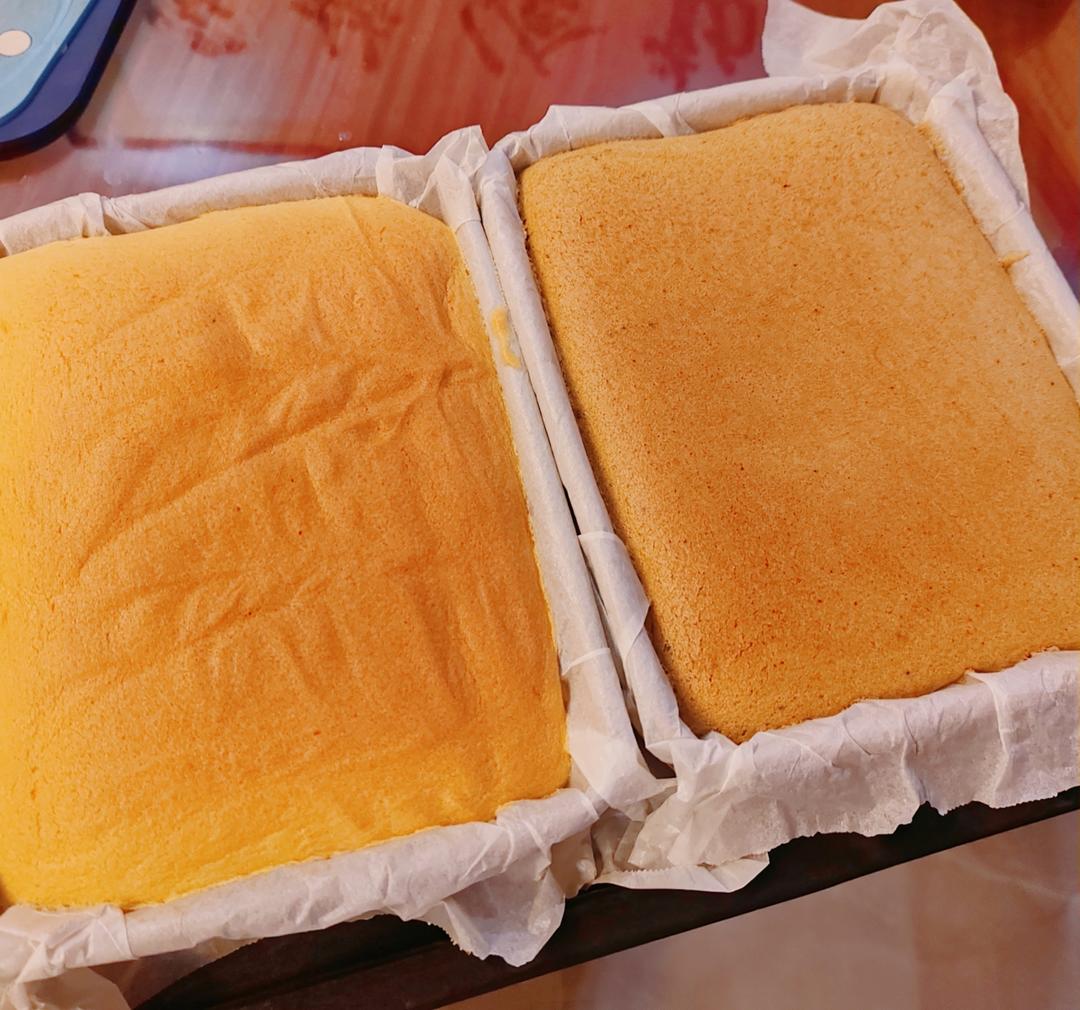
1Steam-Baked Milk Chiffon Cake (Zheng Kao Niu Nai Dan Gao)A custard-soft chiffon cake made with water buffalo milk, baked low and slow in a water bath so the top never cracks and the crumb stays silky. A gentle, foolproof Chinese home-baking classic.Check out this recipe
Why This Version Works
- The butter-sugar cup. The souffle’s climbing wall – the rise grips the sugar.
- Soft peaks, not stiff. The batter stays light and airy.
- The roux-thickened yolks. The stable base for the fold.
- The hot oven. The fast heat that makes it puff.
- Eat it now. The tall, tender moment is the whole point.
Equipment Needed
- Ramekins or oven-safe cups
- A small pot
- A whisk or hand mixer
- A microwave (for melting the brush butter)
Ingredients
- 10 g (2 tsp) butter, for brushing the cups
- Sugar, to coat the buttered cups
- 4 eggs, separated
- 45 g (3 tbsp) butter, for the roux
- Flour, for the roux
- Milk, for the batter
- Sugar, to taste, for the egg whites
Ingredient Notes
The butter-sugar cup: The coating that lets the souffle climb. My steam-baked milk chiffon cake uses the same egg logic.
The eggs: Separated and folded – the rise is all in the whites. My steamed egg with shrimp and broccoli is the savory egg sibling.
The roux: Butter and flour cooked with milk – the stable batter base.
Prep & Mise en Place
Brush and sugar the cups; separate the eggs; melt the roux butter.
The sequence: build the roux-thickened yolk batter, whip the whites to soft peaks, fold the two, fill the cups, and bake hot.
Cooking Process
Step 1 – Melt 10 g of butter for brushing in the microwave and coat e
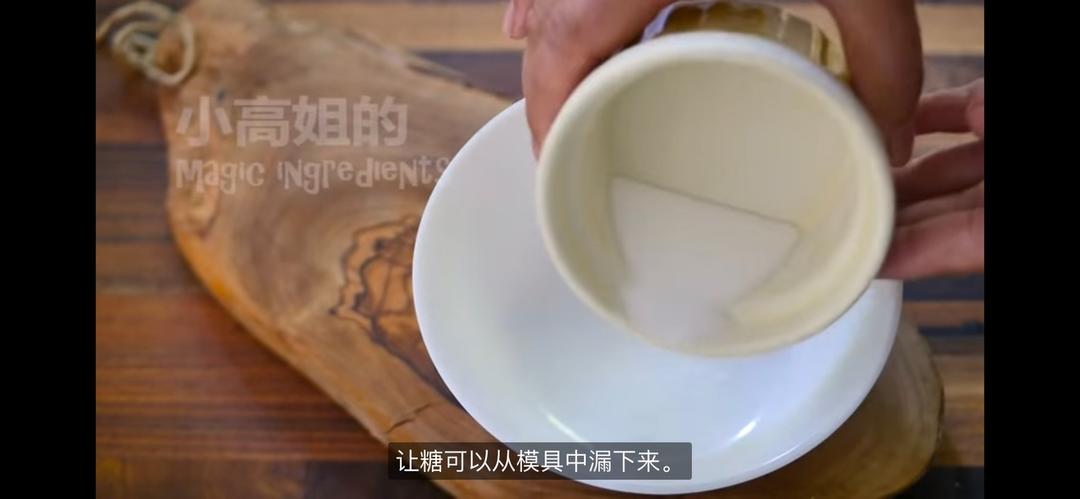
Melt 10 g of butter for brushing in the microwave and coat every corner of the container’s inside. Dust the buttered areas with sugar (as shown).
Step 2 – Four eggs, separated
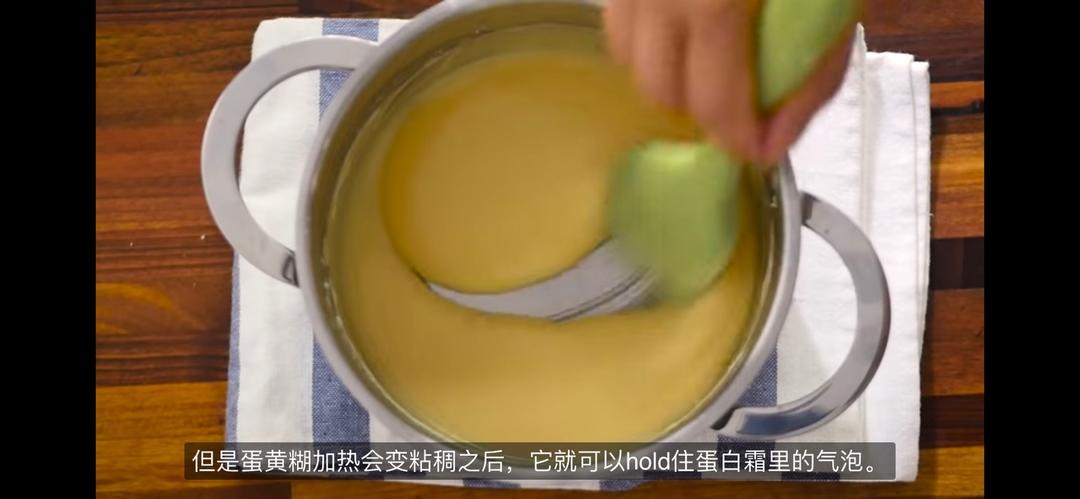
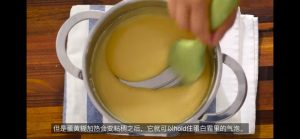
Four eggs, separated. First, in a small pot add 45 g of butter, melt over low heat, and evaporate some of the water. Add the flour and stir until smooth, then add the milk and mix well.
Step 3 – Whip the egg whites with sugar to soft peaks
Whip the egg whites with sugar to soft peaks. Fold a portion of the whites into the yolk batter and mix evenly, then pour the yolk batter back into the whites and fold gently to combine.
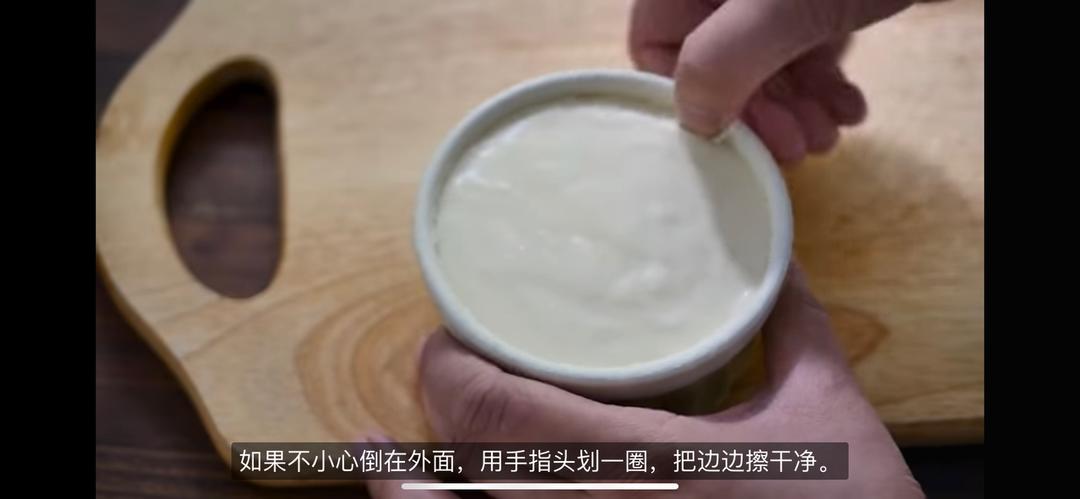
Step 4 – Pour the batter into the container; if any clings to the rim
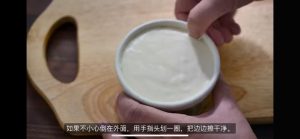
Pour the batter into the container; if any clings to the rim, scrape it down by hand as shown.
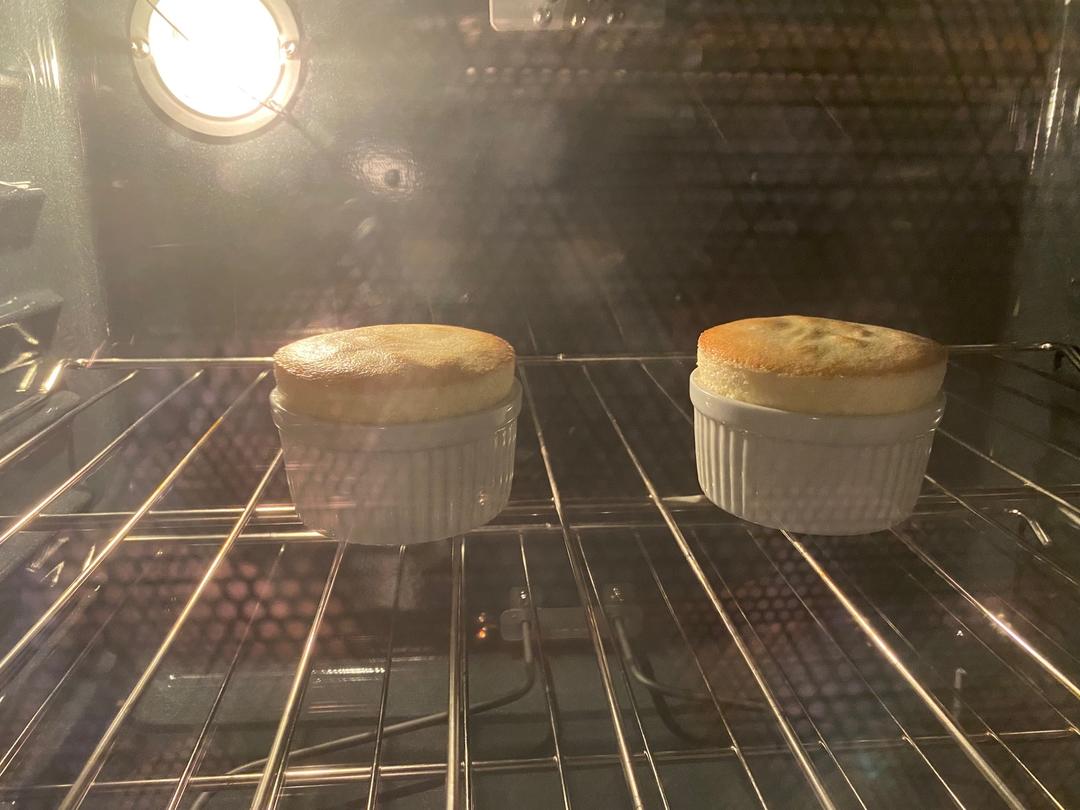
Step 5 – Bake at 400°F (205°C): 12 minutes for a large bowl, 9 minute
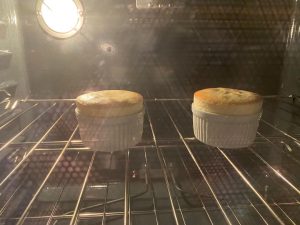
Bake at 400°F (205°C): 12 minutes for a large bowl, 9 minutes for small cups (this container took 9-10 minutes either way).
Common Mistakes When Making This Souffle
1. A flat, dense souffle. Cause: over-whipped whites. Fix: soft peaks – the batter stays light.
2. A stuck, broken souffle. Cause: an uncoated cup. Fix: butter and sugar every corner.
3. A deflated dome. Cause: opening the oven early. Fix: the full bake before peeking.
4. A raw center. Cause: too cool an oven. Fix: the recipe’s 400°F (205°C).
5. A fallen puff. Cause: waiting to serve. Fix: the souffle is a now-food.
6. A lumpy batter. Cause: the roux not smooth. Fix: stir the flour into the butter fully.
Variations
Chocolate: A spoon of cocoa in the roux. My steam-baked milk chiffon cake is the flavored sibling.
Savoury: Cheese in the batter for a dinner souffle.
The egg shelf: With steamed egg with shrimp and broccoli and 10-minute chives and eggs, the egg drawer is complete.
Frequently Asked Questions
Why butter and sugar the cups? The sugar is the souffle’s grip – it climbs the coated walls.
Soft or stiff peaks? Soft – stiff peaks make the batter heavy.
Why does it fall? All souffles fall; the recipe is about eating the tall moment.
Can I make it ahead? No – assemble and bake at the table.
How long does it take? About 30 minutes.
How to Serve
Serve straight from the oven, spoon in hand – with steam-baked milk chiffon cake and soft pumpkin steamed cake for a puff table, or with sweet red bean soup for a cozy pairing. Or pair it with poached pork belly fish-fragrant pork tomato egg noodles chicken and vegetable stir-fry for more ideas.
Storage & Reheat
Best eaten immediately; refrigerate any leftovers 1 day and reheat gently. Never leave eggs out more than 2 hours.
Allergen Notice
This recipe contains egg, dairy (butter), and gluten (flour). It is free of soy, nuts, fish, and shellfish.
Nutrition Disclaimer
Nutrition information is calculated using an ingredient database and should be considered an estimate. In cases where multiple ingredient alternatives are given, the first listed is calculated for nutrition. Garnishes and optional ingredients are not included.
About the Author & Recipe Development
I am Lin, a professional Chinese chef and food writer with a decade in restaurant kitchens before turning to recipes. This xiachufang cook’s souffle is the little puff that finally worked for me, and the recipe’s butter-sugar-cup logic is exactly why it climbs. I tested it as written. I have not tested the cheese variation, so that is your experiment, not my claim.
Authoritative References
USDA Food Safety and Inspection Service – Safe Temperature Chart for egg handling and storage guidance.
Souffle (Shu Fu Lei): The Puff-Pastry-Cup Breakfast

Equipment
- Ramekins or cups
- Small Pot
- Whisk or hand mixer
- Microwave (for butter)
Ingredients
For the Dish
- 10 g butter, for brushing
- to coat sugar, for the cups
- 4 eggs, separated
- 45 g butter 3 tbsp
- flour, for the roux
- milk, for the batter
- to taste sugar, for the egg whites
Instructions
- Melt 10 g of butter for brushing in the microwave and coat every corner of the container’s inside. Dust the buttered areas with sugar (as shown).

- Four eggs, separated. First, in a small pot add 45 g of butter, melt over low heat, and evaporate some of the water. Add the flour and stir until smooth, then add the milk and mix well.
- Whip the egg whites with sugar to soft peaks. Fold a portion of the whites into the yolk batter and mix evenly, then pour the yolk batter back into the whites and fold gently to combine.
- Pour the batter into the container; if any clings to the rim, scrape it down by hand as shown.
- Bake at 400°F (205°C): 12 minutes for a large bowl, 9 minutes for small cups (this container took 9-10 minutes either way).













Leave a Reply