As a professional chef born in Sichuan, my kitchen usually roars with the intense heat of high-BTU wok burners. However, sometimes the most profound flavors come from gentle patience. Recently, my artist son shared a brilliant low-temperature baking method with me.
This Slow-Baked Nori Salmon (低温烤三文鱼) completely transformed how I treat delicate seafood. Instead of pan-frying, which can dry out the flesh, this method yields a wildly juicy texture. Therefore, I knew I had to share it here on Woks of Love.

About the Author & Recipe Development
Growing up in my family’s restaurant kitchen, I learned that heat control is everything. My culinary training emphasized aggressive techniques like flash-frying. But as I traveled and cooked professionally for over 10 years, I realized the value of slow, controlled cooking.
For this recipe, my son brought out his artistic side to create a dish that looks as beautiful as it tastes. We tested this in standard home ovens more than three times. Consequently, we found that exactly 170°F (75°C) is the absolute sweet spot for locking in moisture and nutrients without overcooking.
Why This Recipe
If you are intimidated by cooking fish, this recipe is your savior. High heat can easily overcook salmon, making it tough and dry. Because we use a very low oven temperature, the window for error is incredibly wide.
Moreover, this technique requires minimal effort. You just season the fish, wrap it in seaweed, and let the oven do the work. As a result, you get a luxurious, five-star restaurant texture right in your own kitchen. It is naturally healthy and foolproof.
What Is Slow-Baked Nori Salmon?
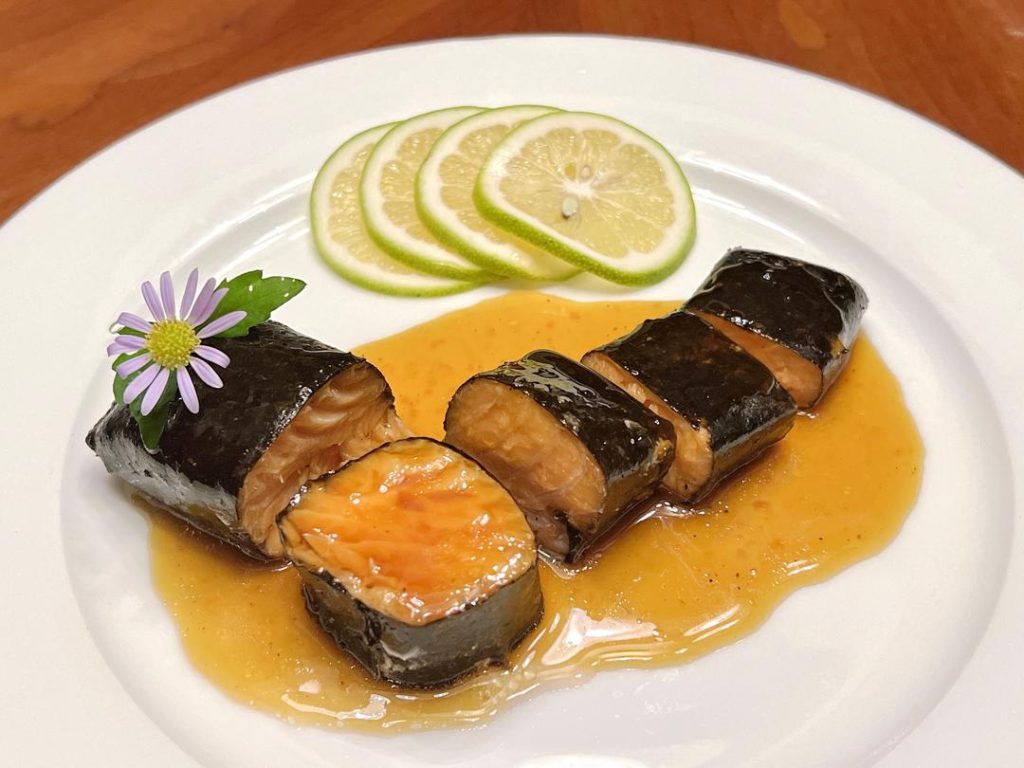
This dish is a modern fusion approach to preparing seafood. It takes fresh salmon fillets, marinates them briefly with citrus and spices, and wraps them in sushi nori. The wrapped fish is then roasted at a very low temperature for an hour.
While traditional Chinese cooking often utilizes steaming for delicate fish, this dry-heat method mimics the gentle nature of a steamer. The nori acts as a protective shield. It traps the natural oils and infuses the fish with a subtle, oceanic umami flavor.
Similar Recipes to Explore
If you love this preparation but occasionally crave a crunchy texture, you might also enjoy our Crispy Baked Salmon. It uses a higher heat method to achieve a crackly skin, offering a wonderful textural contrast to today’s slow-cooked version.
Why This Recipe Works
- Low Temperature: Baking at 170°F (75°C) prevents the muscle fibers from contracting rapidly. This stops moisture from being squeezed out.
- Nori Shield: The sushi seaweed creates a natural steam packet. It gently flavors the fish while keeping the surface from drying out.
- Acidic Marinade: A touch of lemon juice briefly tenderizes the exterior and neutralizes any overly fishy aromas before baking.
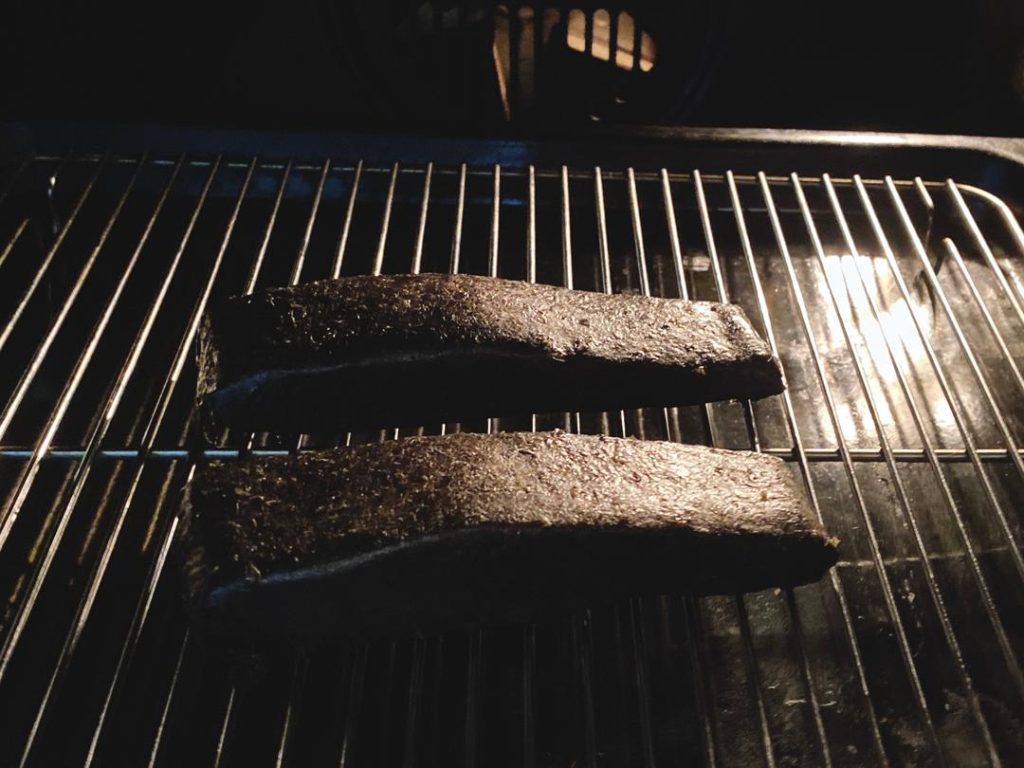
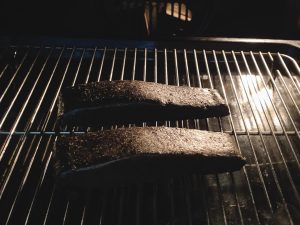
- Wire Rack: Elevating the fish on a wire rack allows the warm air to circulate evenly. This ensures consistent edge-to-edge cooking.
Key Ingredients & Substitutions
You only need a handful of high-quality ingredients to make this dish shine.
- Fresh Salmon: You will need about 1/2 lb (250g) of salmon. Please use the freshest, highest-quality fillet you can find, preferably sashimi-grade, since we are cooking it gently.
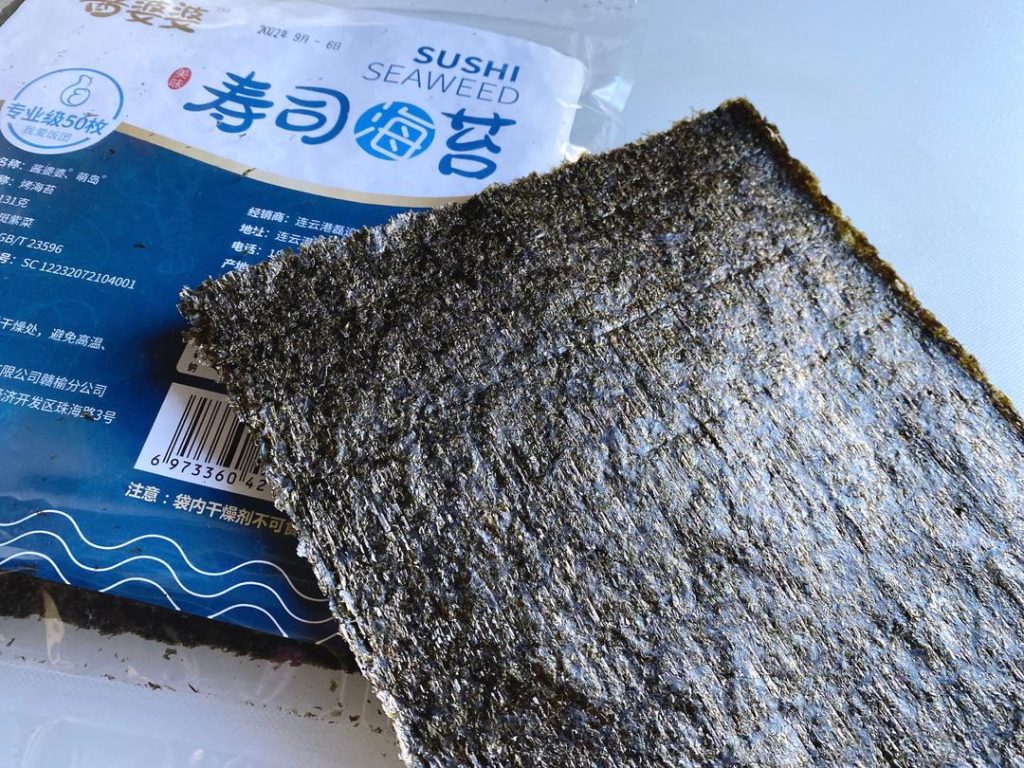
- Sushi Nori: Standard roasted seaweed sheets used for rolling sushi. They are available in the Asian aisle of most supermarkets.
- Seasonings: A simple pinch of sea Salt and freshly ground black pepper. You can substitute with White Pepper if you prefer a milder, earthier heat.
- Lemon: Fresh lemon juice provides the necessary acidity to balance the rich, fatty oils of the salmon.
Deeper Dive: Why Use a Wire Rack vs. a Baking Pan?
Placing the wrapped salmon directly on a baking sheet can cause the bottom to sit in its own juices, making the nori soggy. Using a wire rack ensures 360-degree air circulation. Therefore, the heat penetrates evenly, mimicking a convection environment.
Ingredients
- 1/2 lb (250g) Fresh Salmon (skinned, sashimi-grade preferred)
- 2 sheets Sushi Nori (roasted seaweed)
- 1 pinch Sea Salt (to taste)
- 1 pinch Black Pepper (freshly ground)
- 1 whole Lemon (juiced)
Recipe Notes Before You Start
Before you start, make sure your oven can maintain a low temperature. Some American ovens only go down to 170°F, which is perfectly fine for this 75°C target.
💡 Chef’s Tip: Use an oven thermometer to verify your appliance’s actual temperature. Ovens can fluctuate wildly, and precision is key when slow-baking delicate proteins.
Mise en Place / Prep
Organization makes this quick recipe even smoother. First, ensure your salmon is fully thawed if previously frozen. Pat it completely dry with paper towels. Excess surface moisture will dilute the seasonings.
Next, have a small bowl of water ready at your workstation. You will need this to seal the edges of the nori sheets. Finally, line a baking sheet with foil and place your wire rack on top to catch any drips.
How to Make Slow-Baked Nori Salmon
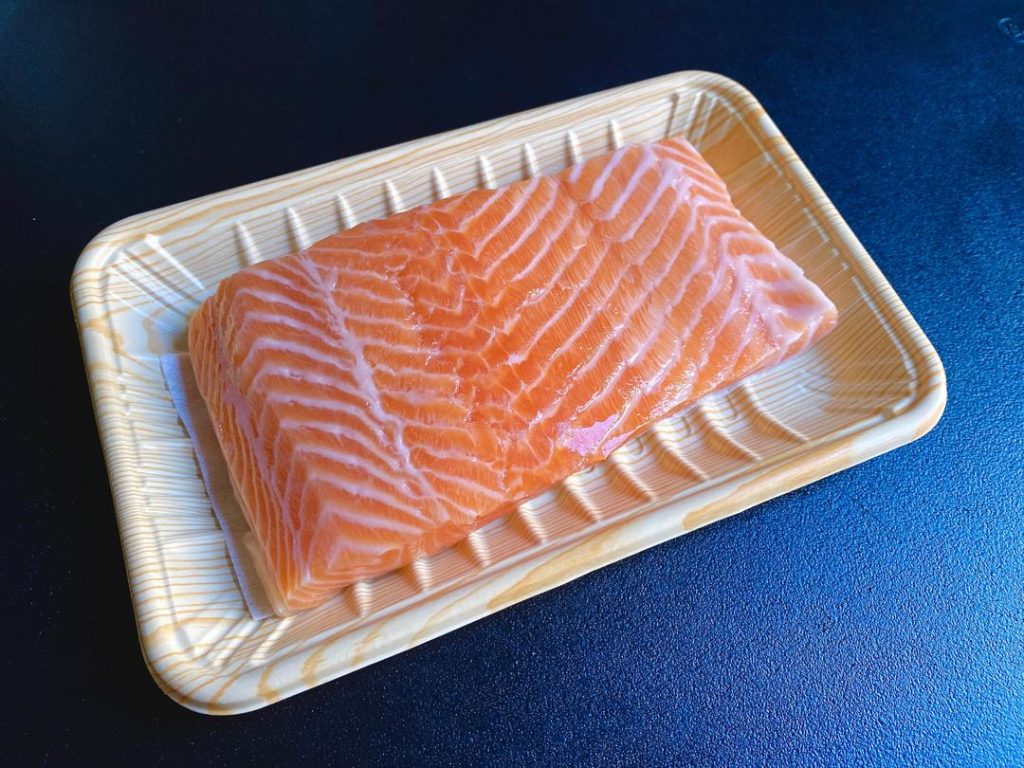
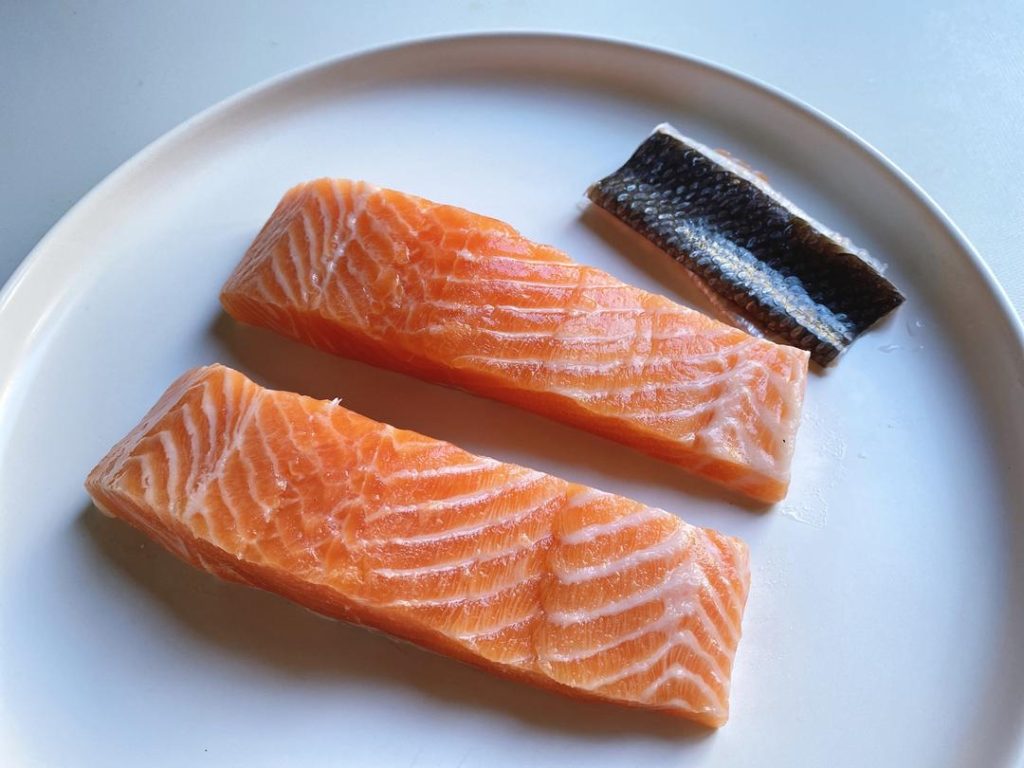
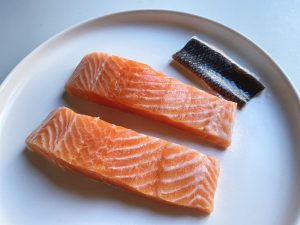
- Prepare the Salmon (5 mins): Remove the skin from your salmon fillet. Cut the fish into thick, even strips, about 1-inch wide. Uniform slices ensure everything cooks at the exact same rate.
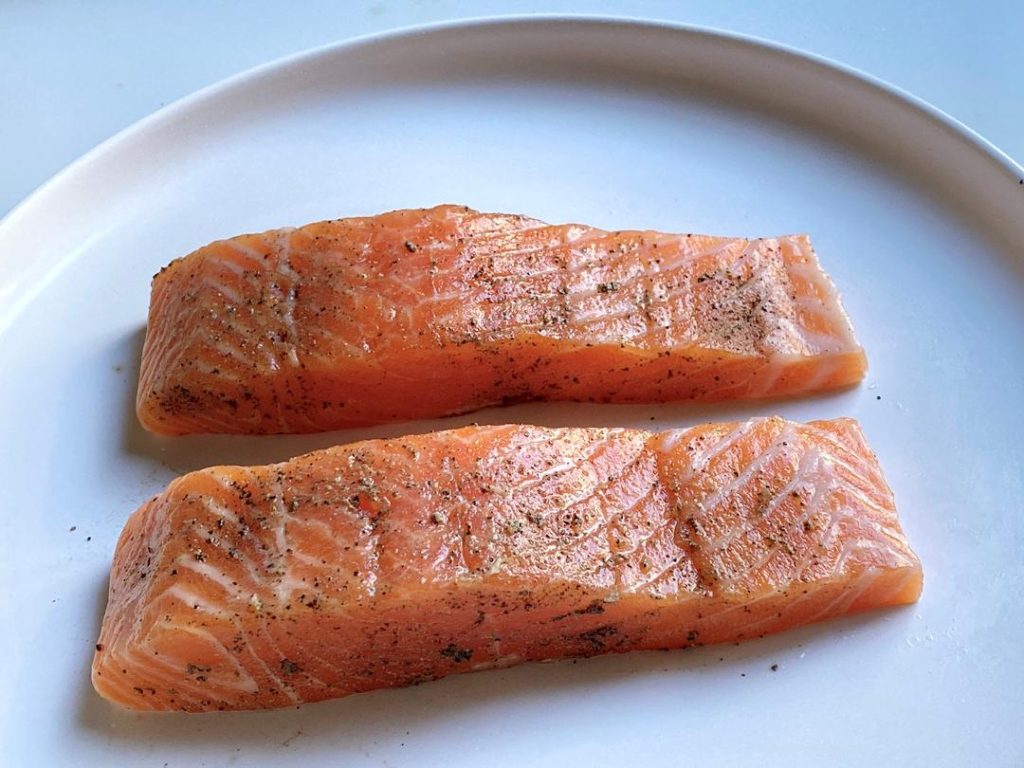
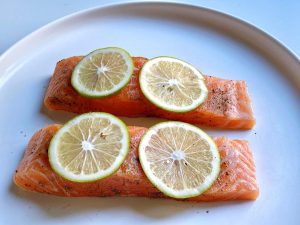
- Season and Marinate (15 mins): Place the salmon strips on a plate. Sprinkle evenly with sea salt and black pepper. Squeeze fresh lemon juice over the top. Let it sit at room temperature for exactly 15 minutes.
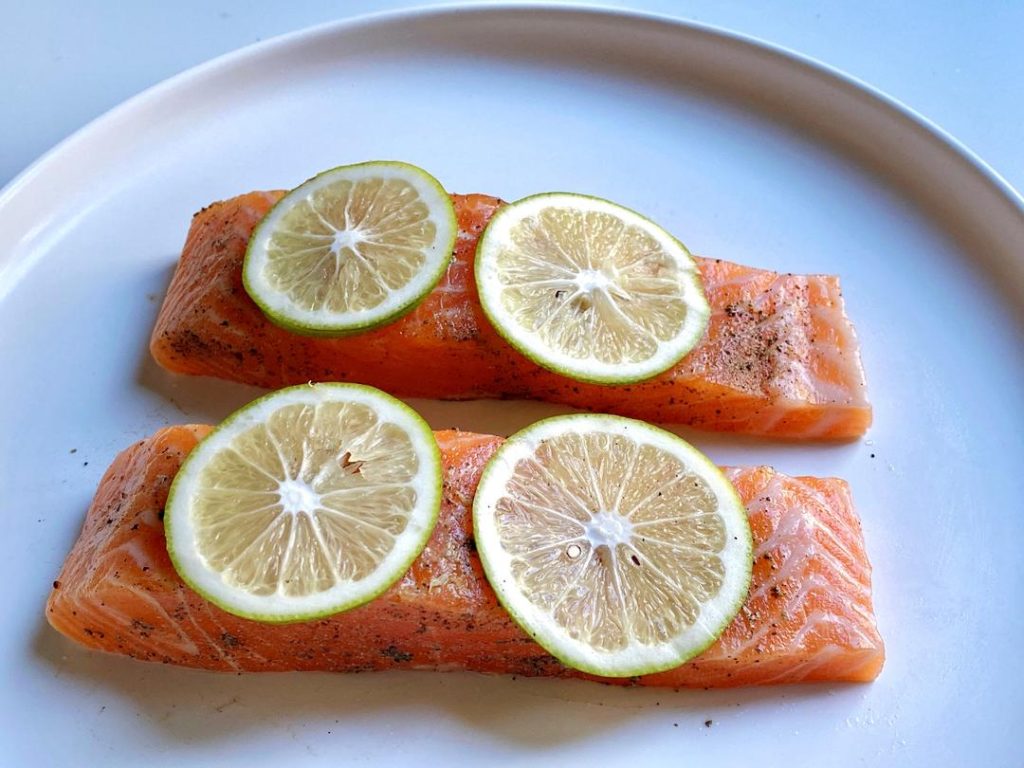
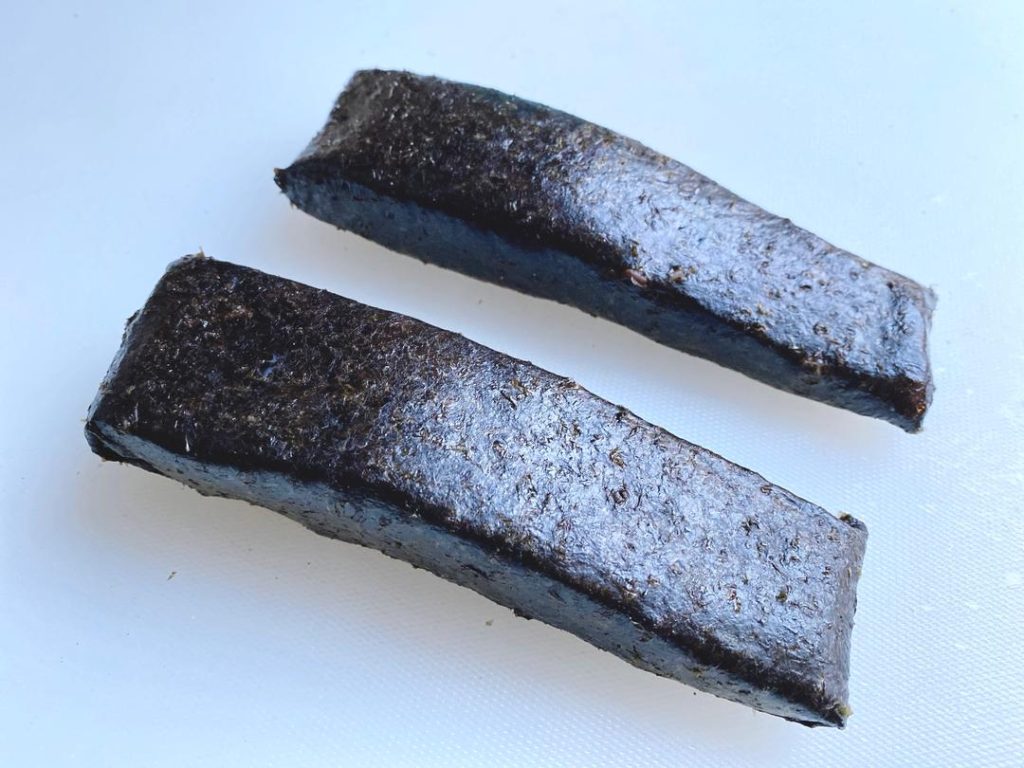
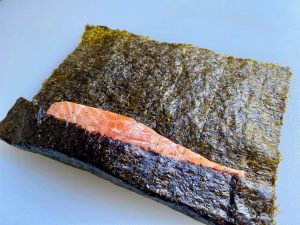
- Wrap the Fish (5 mins): Lay out a sheet of sushi nori. Place a salmon strip at one edge. Roll the nori around the fish to create a single overlapping layer.
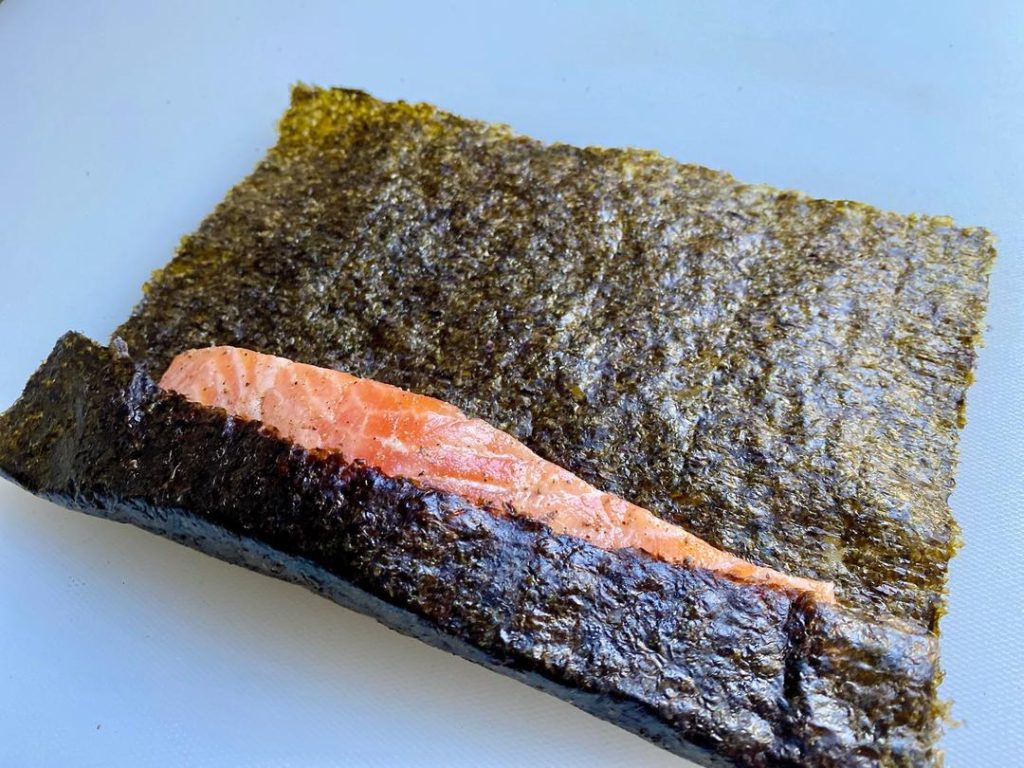
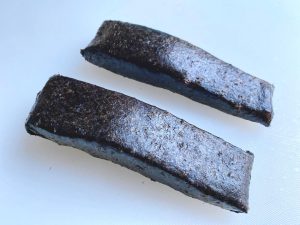
- Seal the Nori (2 mins): Trim off any excess seaweed with kitchen shears. Dip your finger in water and lightly run it along the edge of the nori to glue it shut. Pinch the ends slightly to seal the packet.
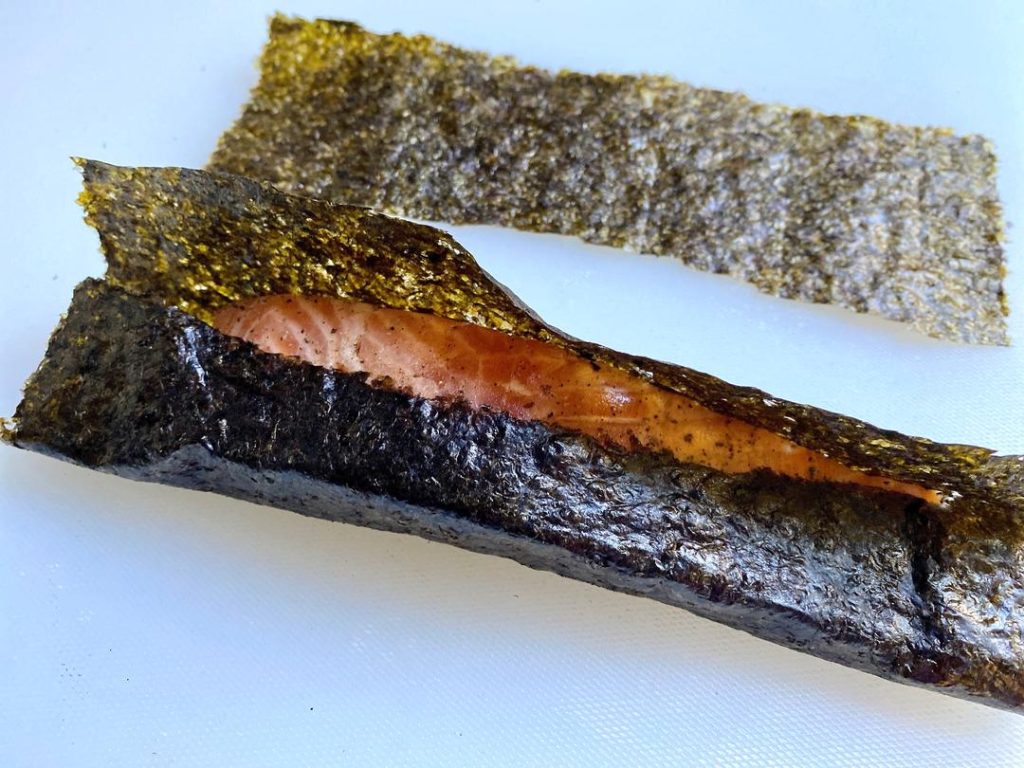
- Bake (60 mins): Place the wrapped salmon strips on your prepared wire rack. Bake in the preheated 170°F (75°C) oven for exactly 1 hour.
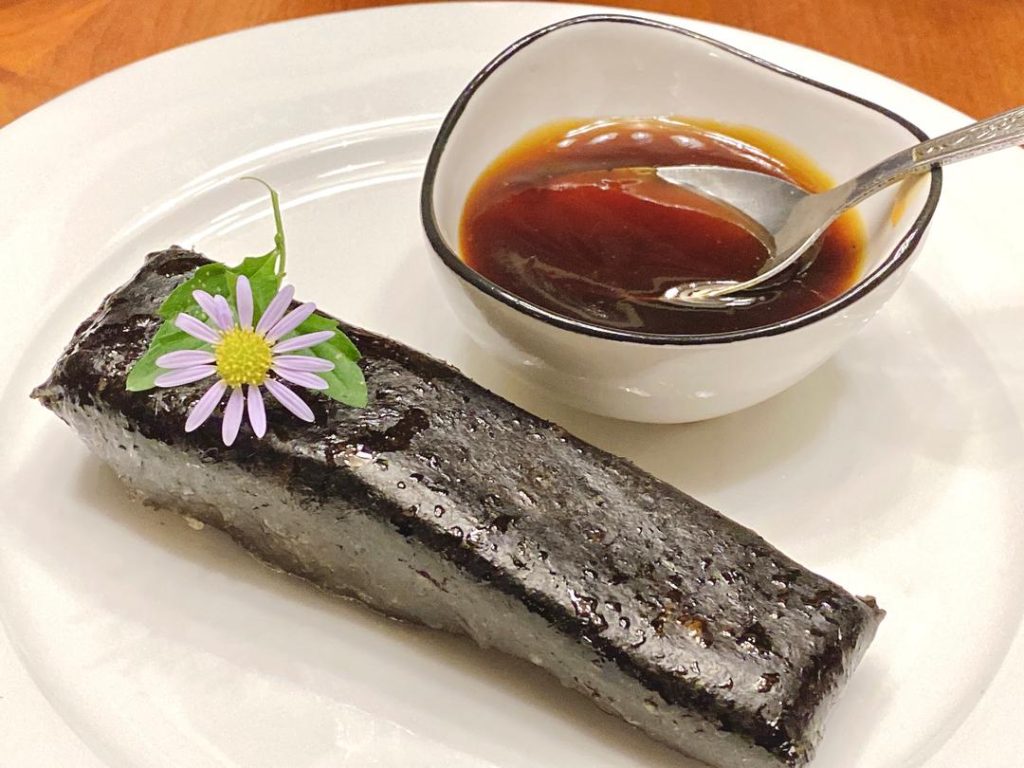
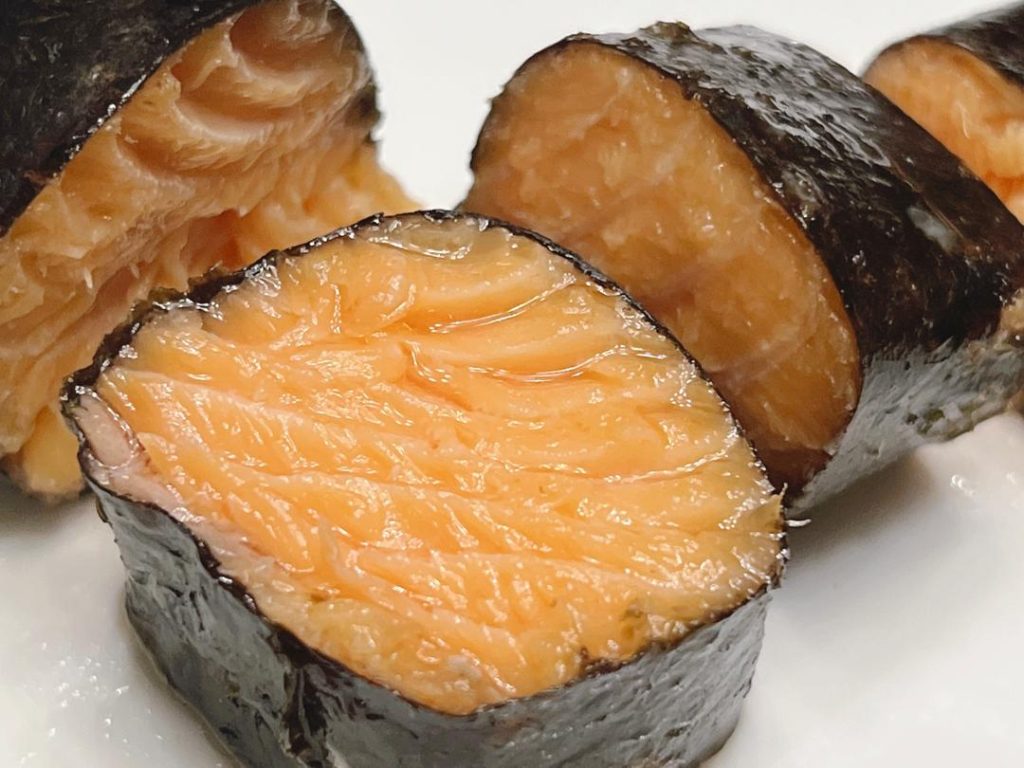
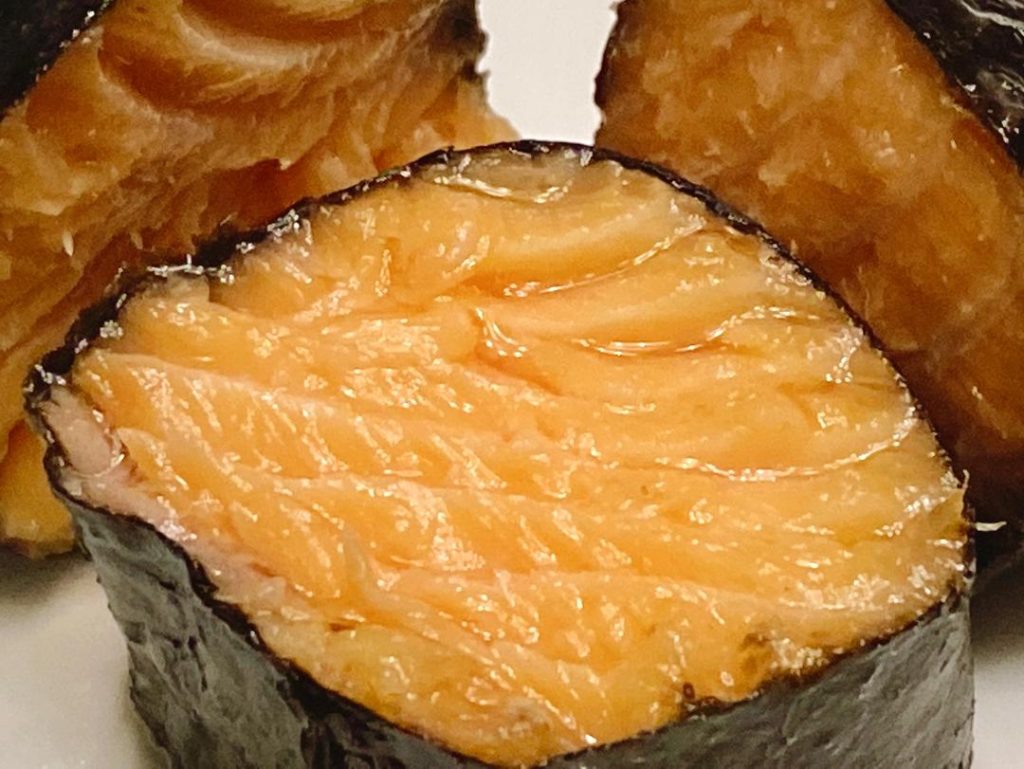
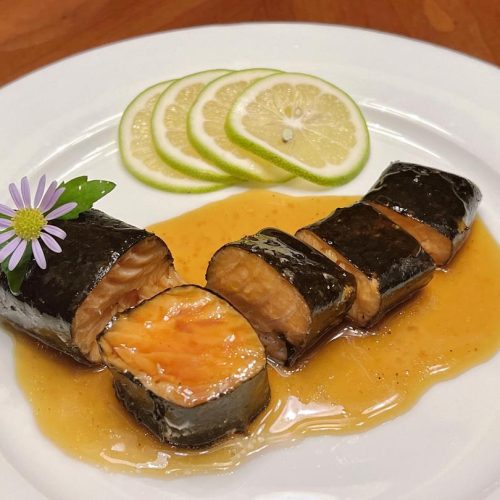
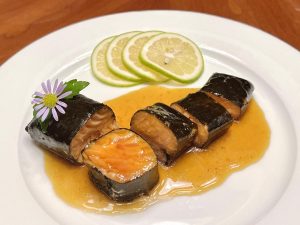
- Slice and Serve: Remove from the oven. Carefully slice the strips into bite-sized pieces to reveal the incredibly moist, vibrant interior. Serve immediately.
Food Safety and Preparation
Because this is a low-temperature cooking method, the internal temperature of the salmon will be lower than standard baked fish. The FDA recommends cooking seafood to an internal temperature of 145°F (63°C).
However, many chefs prefer salmon cooked to medium (120°F-125°F). If you are pregnant, immunocompromised, or serving children, please ensure you use high-quality, parasite-destructed (sashimi-grade) fish, or bake it slightly longer until it reaches 145°F.
Common Mistakes When Making Slow-Baked Nori Salmon
Wrapping the nori too thickly: Only use a single layer of seaweed. If you wrap it multiple times, the nori becomes overly chewy and difficult to cut, ruining the delicate texture.
Skipping the resting period: Allowing the fish to marinate for 15 minutes lets the salt penetrate the flesh. If you rush this step, the interior of the thick salmon strips will taste completely bland.
FAQ / Troubleshooting
Why is there white stuff oozing out of my salmon? That white substance is albumin, a liquid protein. It usually squeezes out when fish is cooked too hot or too fast. Our 170°F method specifically prevents this. If you see it, your oven might be running too hot!
Can I use frozen salmon? Yes, but you must thaw it completely in the refrigerator overnight. Pat it very dry before seasoning. Do not microwave it to thaw, as that will pre-cook the edges.
My nori keeps unrolling in the oven. What went wrong? You likely didn’t use enough water to seal the edge, or you placed the seam facing upwards. Always place the wrapped salmon seam-side down on the wire rack so gravity holds it shut.
Tips for Success
💡 Creating Flavor & Reducing Waste: Do not discard the salmon skin or trimmings! You can toss them in the air fryer to make crispy Air Fryer Salmon Bones. Alternatively, save larger scraps to create a rich Braised Salmon Head Casserolelater in the week.
Serving Suggestions
This elegant dish pairs beautifully with light, refreshing sides that don’t overpower the delicate fish. Arrange the sliced salmon on a beautiful platter to showcase the vibrant pink interior against the dark nori.
What to Serve With It
- For a crisp textural contrast, serve alongside a tangy Smashed Cucumber Salad.
- To double down on the oceanic flavors, pair it with a warm bowl of Seaweed Egg Drop Soup.
- To keep the meal extremely delicate, pair it with a Silky Steamed Egg with Shrimp.
- For a hearty, satisfying base, serve the delicate fish over a steaming bowl of Yangzhou Fried Rice.
How to Store & Reheat
Store any leftover salmon in an airtight container in the refrigerator for up to 2 days. Because of the delicate cooking method, I do not recommend freezing the cooked leftovers. The texture will become mushy upon thawing.
To reheat, avoid the microwave, which will rubberize the fish. Instead, place it in a 250°F (120°C) oven for about 10 minutes until just warmed through. Be aware that the nori will lose its crispness once refrigerated.
Authoritative References
To ensure the highest standards of culinary safety and science in our kitchen, we rely on established guidelines. For more detailed information regarding safe minimum internal temperatures for seafood, you can reference the FDA’s Safe Minimum Cooking Temperatures Chart.
Nutrition Information (Estimate)
- Calories: 280 kcal
- Protein: 25g
- Fat: 18g
- Carbohydrates: 2g
- Sodium: 450mg
- Fiber: 1g
- Allergens: Fish (Salmon)
Disclaimer: Nutrition information is calculated using an ingredient database and should be considered an estimate. Garnishes and optional items are not included. Actual values vary based on the specific brands and sizes of ingredients used.
Slow-Baked Nori Salmon (低温烤三文鱼)

Equipment
- 1 Wire Rack Essential for 360-degree air circulation.
- 1 Baking Sheet To catch any drips below the rack.
- 1 Oven Thermometer To ensure your oven is exactly 170°F (75°C).
Ingredients
Main Ingredients
- 1/2 lb Fresh Salmon skinned, preferably sashimi grade
- 2 sheets Sushi Nori roasted seaweed
Seasonings
- 1 pinch Sea Salt to taste
- 1 pinch Black Pepper freshly ground
- 1 whole Lemon juiced
Instructions
- Remove the skin from the salmon and cut the flesh into even, 1-inch thick strips.

- Sprinkle the salmon strips with sea salt, black pepper, and fresh lemon juice. Let marinate at room temperature for 15 minutes.
- Lay out the nori sheets. Roll each salmon strip in the nori, using only a single overlapping layer. Cut off excess nori.
- Dip your finger in water and run it along the edge of the nori to seal the roll tightly.
- Preheat oven to 170°F (75°C). Place the wrapped salmon seam-side down on a wire rack set over a baking sheet. Bake for exactly 60 minutes.
- Remove from the oven, slice into bite-sized rounds, and serve immediately.









Leave a Reply