Whenever I find myself eating too much Spicy Stir-Fried Clams, the heavy seasonings can sometimes become a bit overwhelming. That is exactly when I turn to a much more delicate, comforting preparation: Steamed Egg with Clams. This dish completely shifts the culinary focus from bold spices to pure, unadulterated textures. The natural, briny essence of the clams seamlessly infuses into the egg, creating an ultra-smooth, melt-in-your-mouth custard.
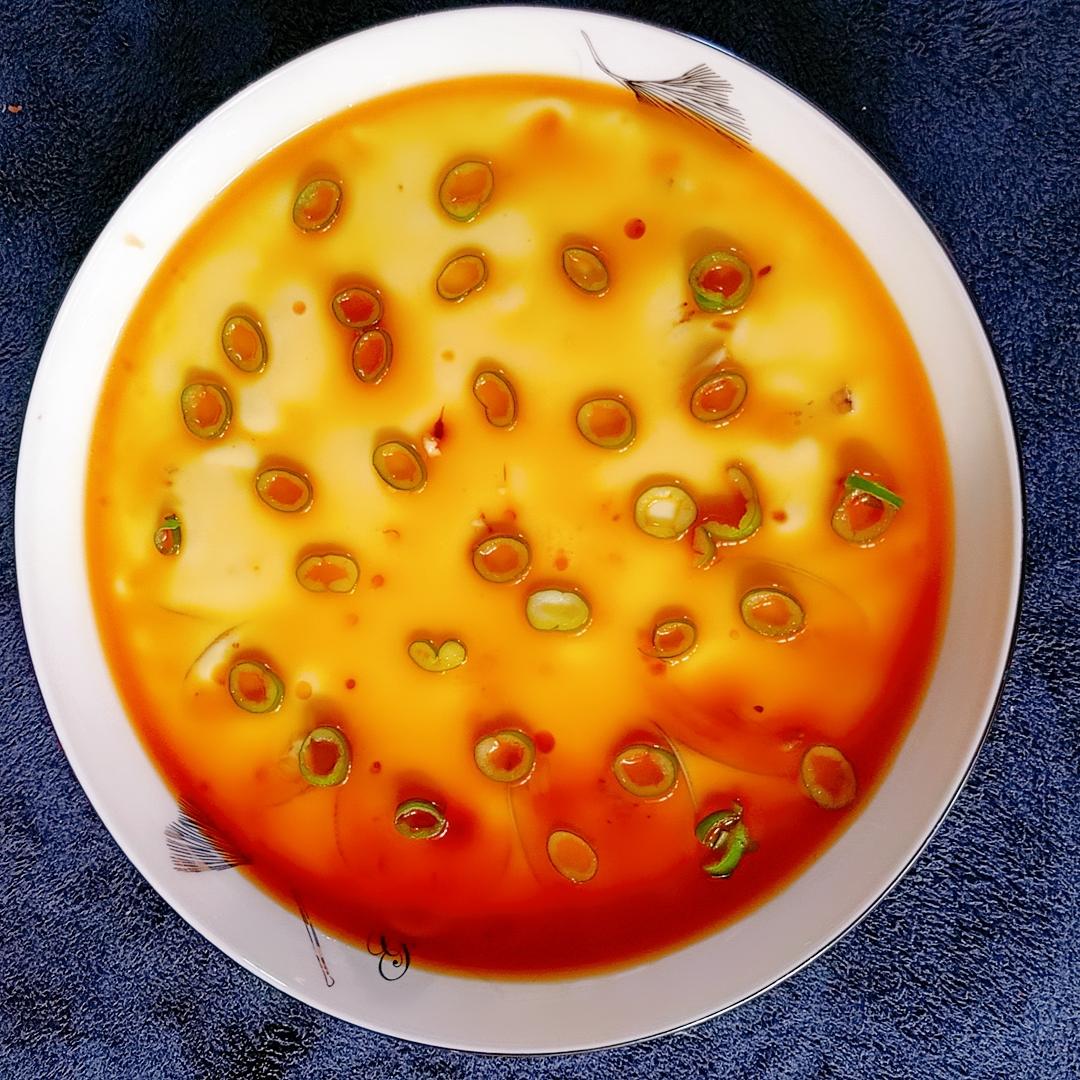
For a fast weeknight dinner or a nourishing breakfast, this method is incredibly reliable. By utilizing the liquid released from the clams to mix with the eggs, you capture every drop of flavor. It transforms a handful of simple ingredients into a dish that feels elegant enough for a banquet, yet simple enough for a Tuesday evening.
What Is Hua Ge Zheng Dan?
Hua Ge Zheng Dan (花蛤蒸蛋) is a classic Chinese savory egg custard studded with fresh clams. Traditional Chinese steamed eggs are prized for their perfectly smooth, mirror-like surface and wobbly, delicate texture. Unlike Western scrambled or baked eggs, this dish relies on a gentle steaming process to slowly coagulate the proteins, yielding a consistency similar to silken tofu. The addition of clams elevates the basic egg custard into a sweet, umami-rich seafood delicacy.
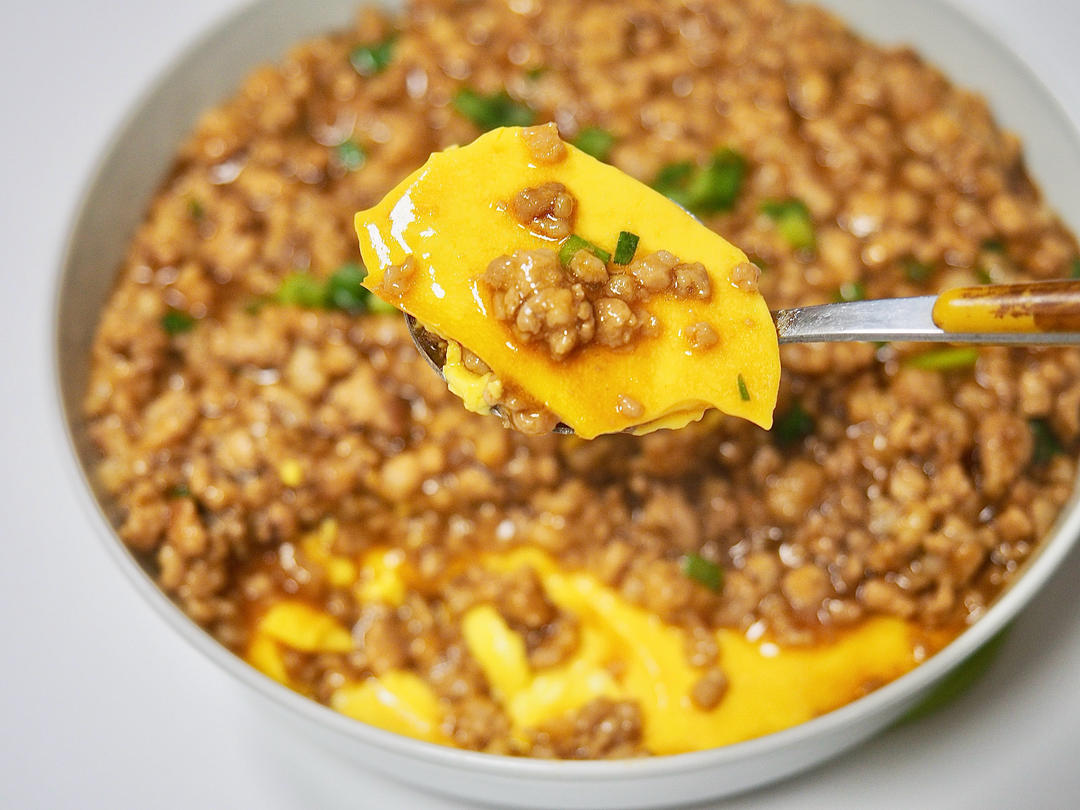
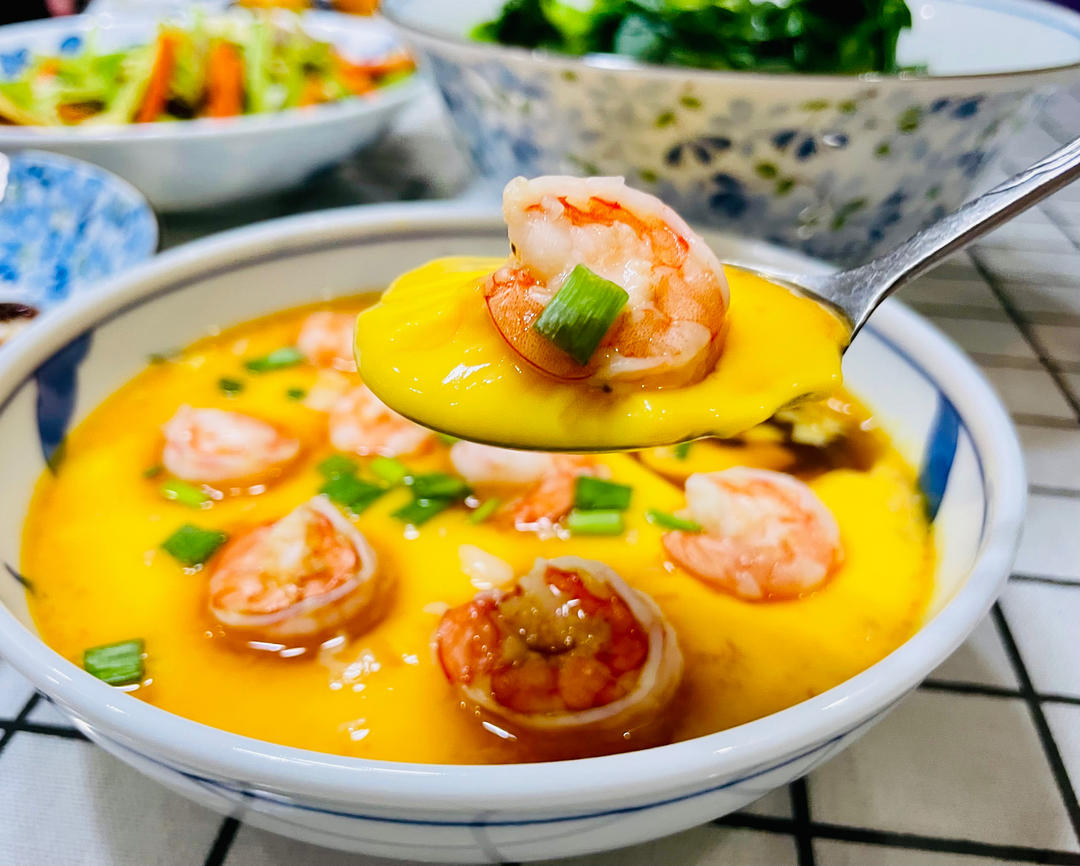
If you enjoy the comforting texture of savory egg custards, you should definitely explore some of our other variations. Our Silky Steamed Egg with Minced Pork offers a heartier, meat-based profile, while the Silky Steamed Egg with Shrimp is another phenomenal seafood alternative that utilizes a very similar steaming technique.
1Silky Steamed Egg with Minced Pork (肉末蒸蛋)Learn to make the ultimate Chinese comfort food: Silky Steamed Egg with Minced Pork (肉末蒸蛋). This easy, homestyle recipe creates a melt-in-your-mouth custard topped with a savory pork sauce. Perfect for all ages!Check out this recipe2Easy Silky Steamed Egg with Shrimp (虾仁蒸蛋)Master the art of Silky Steamed Egg with Shrimp (Xia Ren Zheng Dan). A 20-minute, comforting Chinese homestyle classic featuring a pudding-like texture and juicy shrimp. Perfect for a nutritious weeknight dinner.Check out this recipe
Ingredients
- Eggs: 3 large eggs. Using fresh eggs at room temperature helps them blend more smoothly with the water.
- Clams: 1/2 lb (about 250g) of fresh littleneck clams or Manila clams (Hua Ge). Ensure they are properly purged of sand before cooking.
- Water or Clam Broth: Approximately 3/4 cup (180ml) of warm liquid. The golden ratio for this recipe is 3 parts egg to 4 parts liquid. We will use the residual broth from boiling the clams!
- Salt: A small pinch of fine sea Salt.
- Soy Sauce: 1 tablespoon of Light Soy Sauce for serving.
- Scallions: 1 tablespoon of finely chopped scallions for garnish.
Equipment Needed
- A wok with a steaming rack, or a dedicated steamer.
- A shallow, wide heat-proof steaming dish (ceramic or glass works best).
- A fine-mesh strainer.
- Food-safe plastic wrap.
Prep & Mise en Place
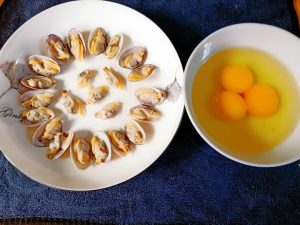
Wash the clams thoroughly under cold running water, scrubbing the shells to remove any grit. Crack the three eggs into a mixing bowl and beat them vigorously until the yolks and whites are completely homogenous. Prepare your heat-proof dish, ensuring it fits easily inside your steamer setup with enough clearance for the lid to close tightly.
Cooking Process
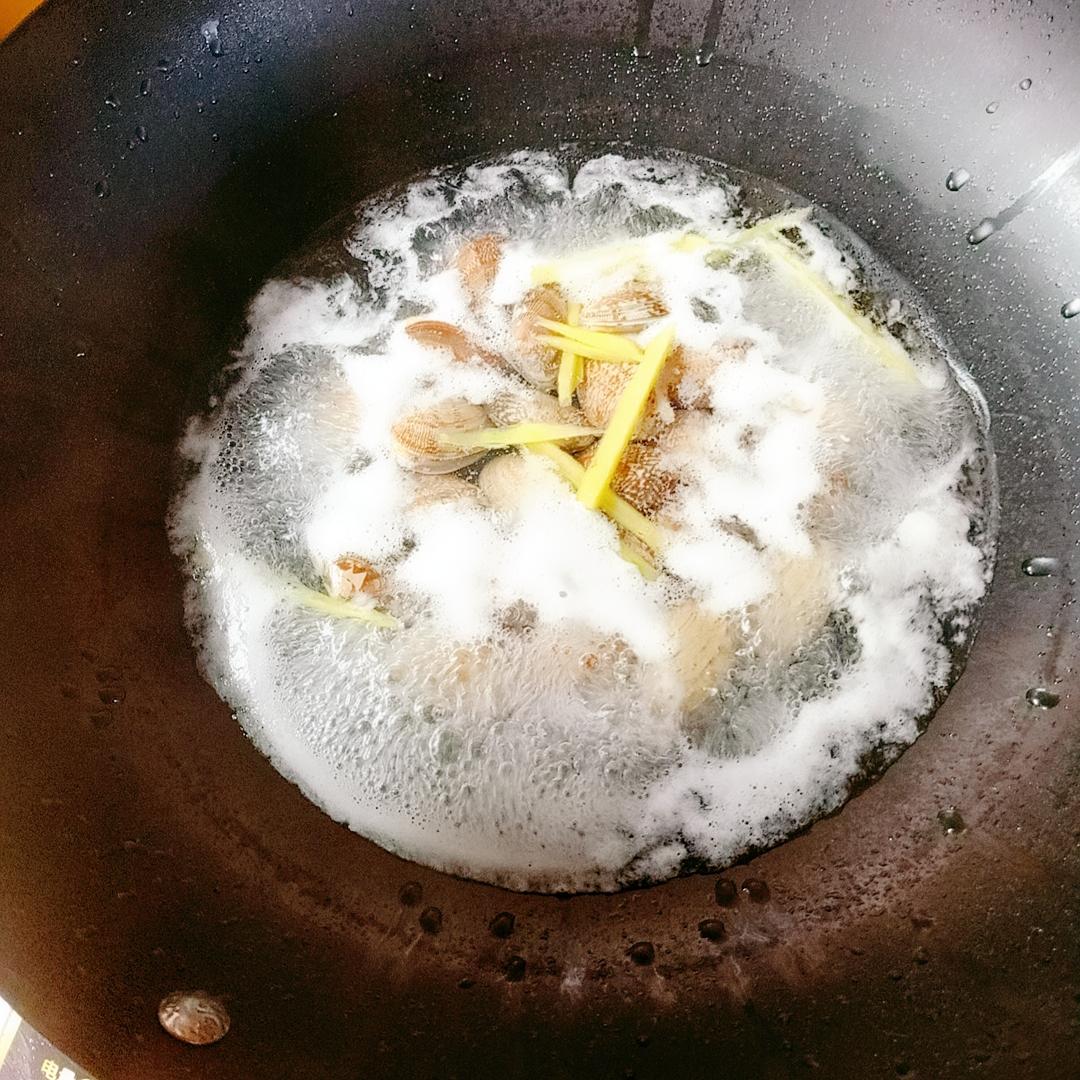
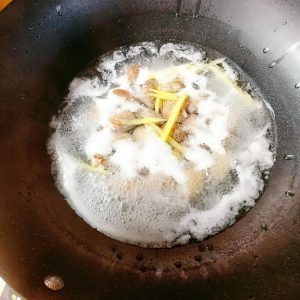
- First, bring a small pot of water to a rolling boil. Drop the cleaned clams into the boiling water and cook just until their shells pop open. This is a crucial step—do not overcook them here, or the clam meat will become tough and rubbery. As soon as they open, immediately remove them from the water using a slotted spoon and arrange them beautifully on your heat-proof steaming dish. Save the cooking liquid!

- Next, skim any foam or impurities off the surface of the reserved clam cooking liquid. Measure out the required amount of this warm broth (remembering the 3 parts egg to 4 parts liquid ratio; for 3 large eggs, this is usually around 180ml or 3/4 cup). If you prefer not to use the clam broth, you can simply use warm water. Add a small pinch of salt to the beaten eggs, mix well, and then gradually pour in the warm broth while whisking continuously.

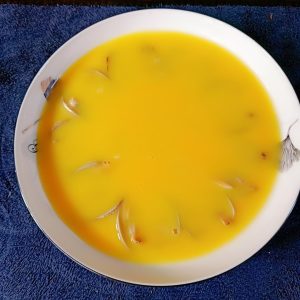
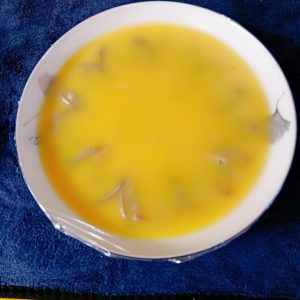
- To achieve that signature flawless, smooth surface, pour the diluted egg mixture through a fine-mesh strainer directly into the dish over the arranged clams. This removes any unblended egg white strands and air bubbles.
- Cover the dish tightly with food-safe plastic wrap. Bring the water in your steamer to a boil. Carefully place the dish into the steamer, cover with the lid, and steam over medium-high heat. For a shallow dish, it will take exactly 10 minutes for the eggs to set perfectly. Refer to our guide on Chinese Cooking Basics You Must Know for more tips on heat control during steaming.
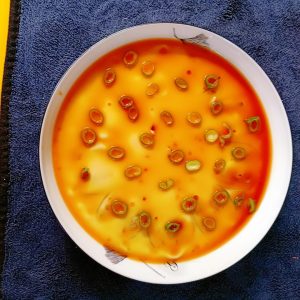
- Once the 10 minutes are up, carefully remove the dish from the steamer and peel off the plastic wrap. Garnish with the freshly chopped scallions and drizzle the light soy sauce evenly over the top. Serve immediately while piping hot.
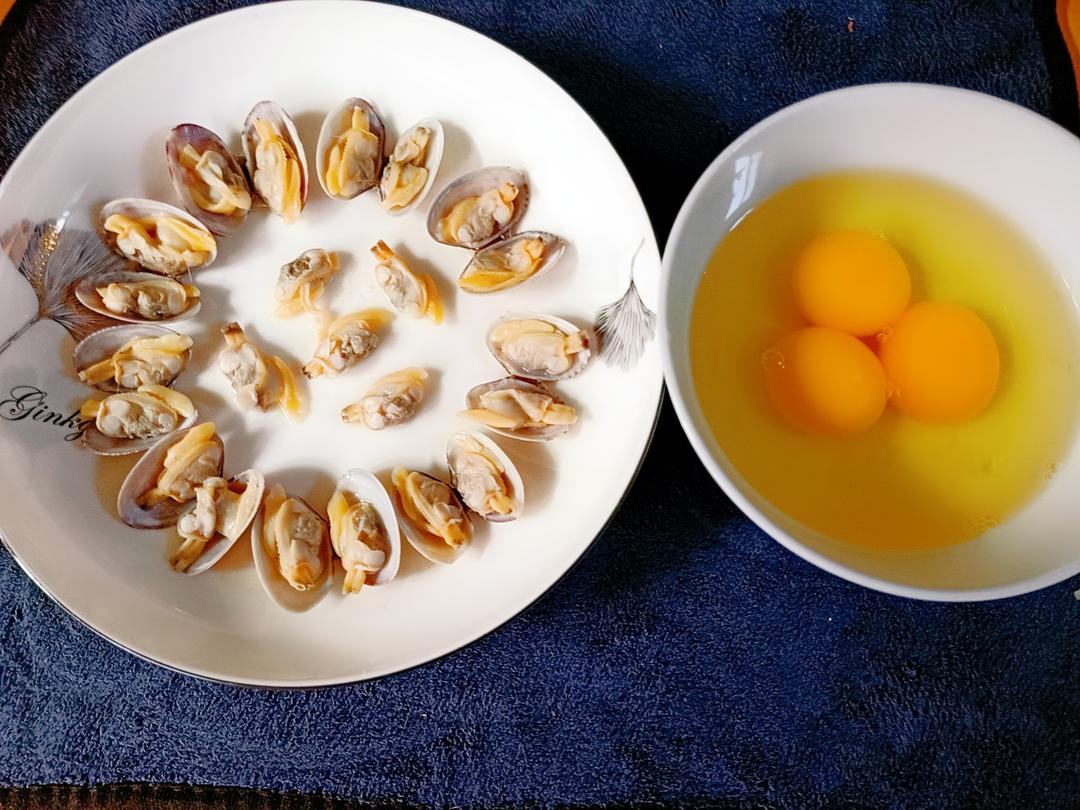
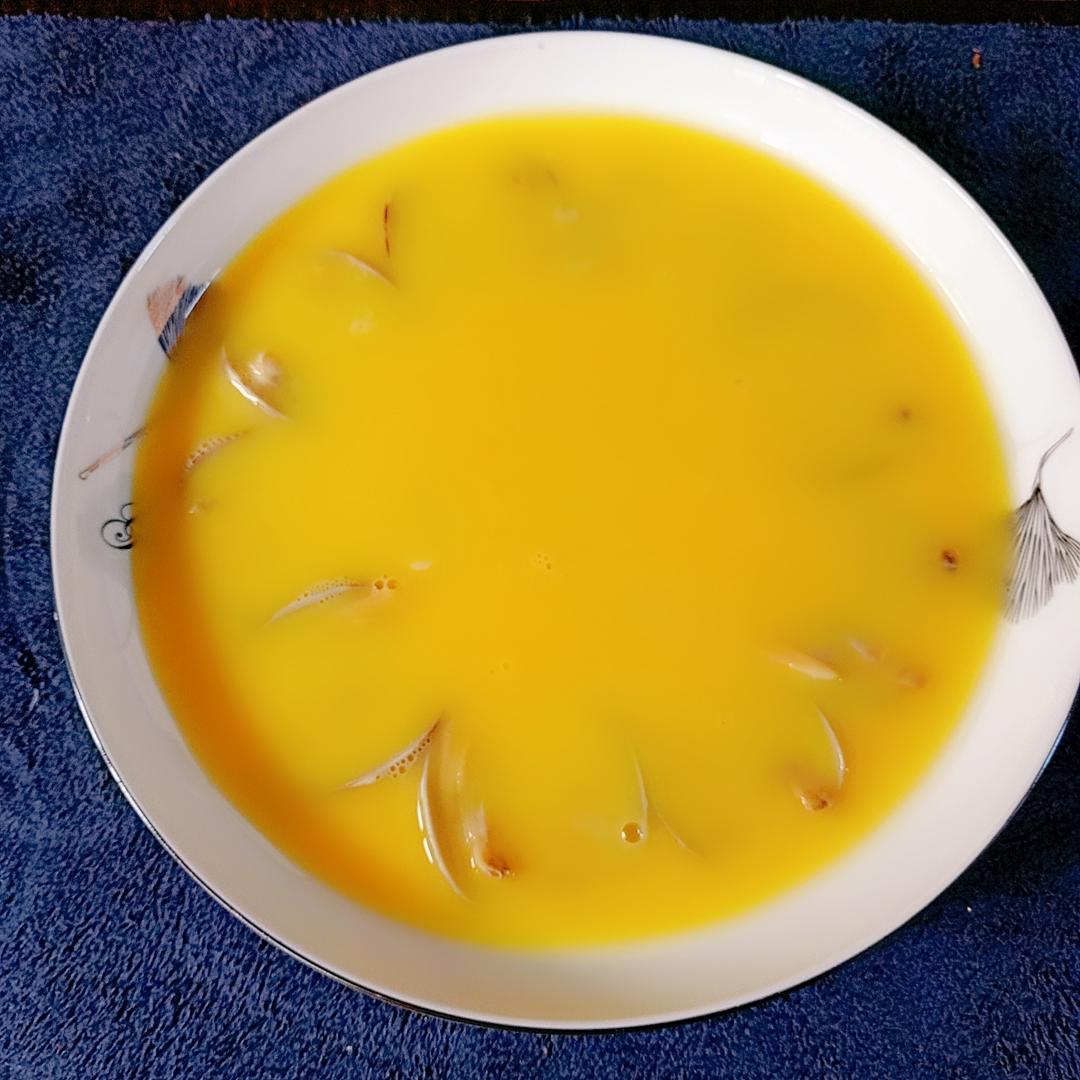
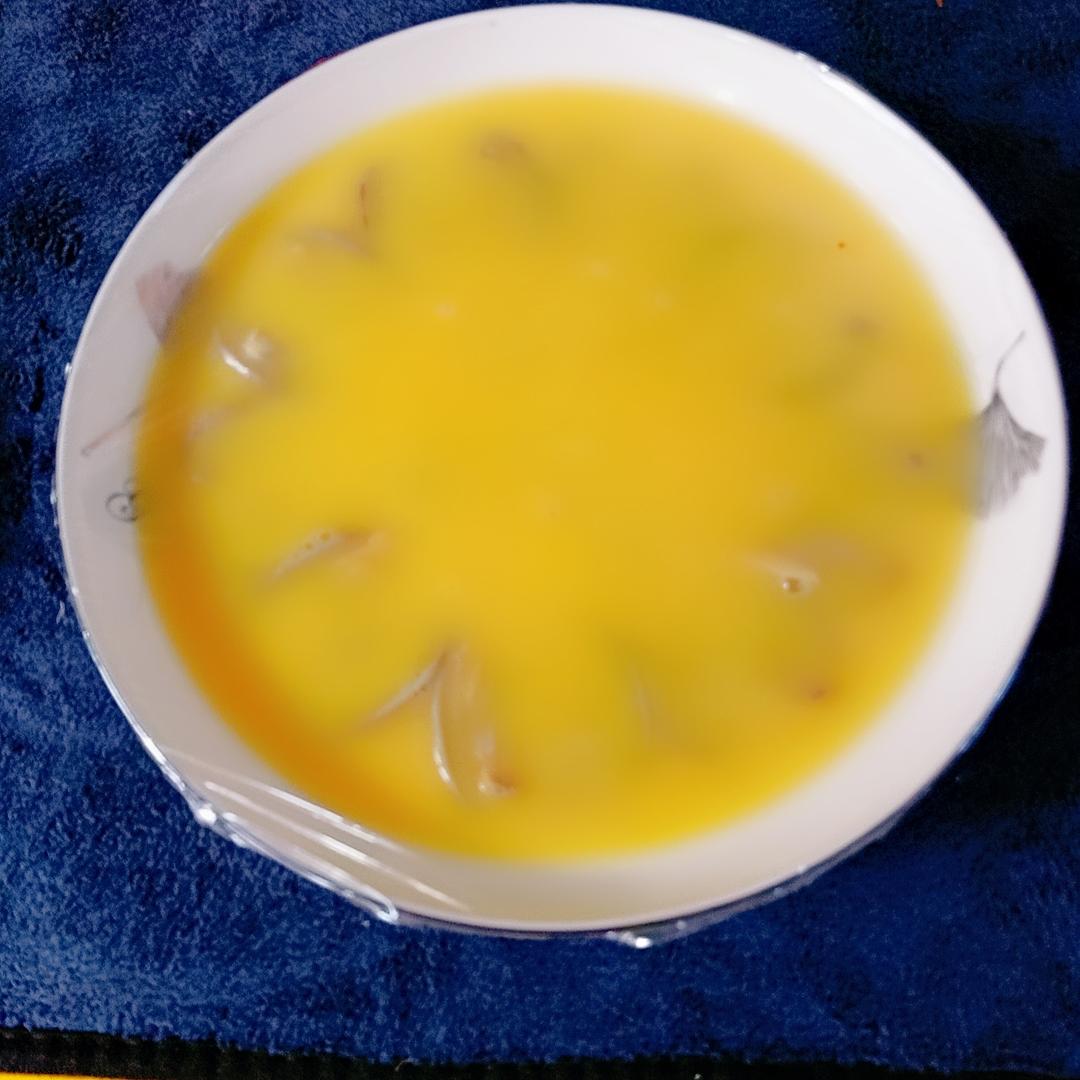
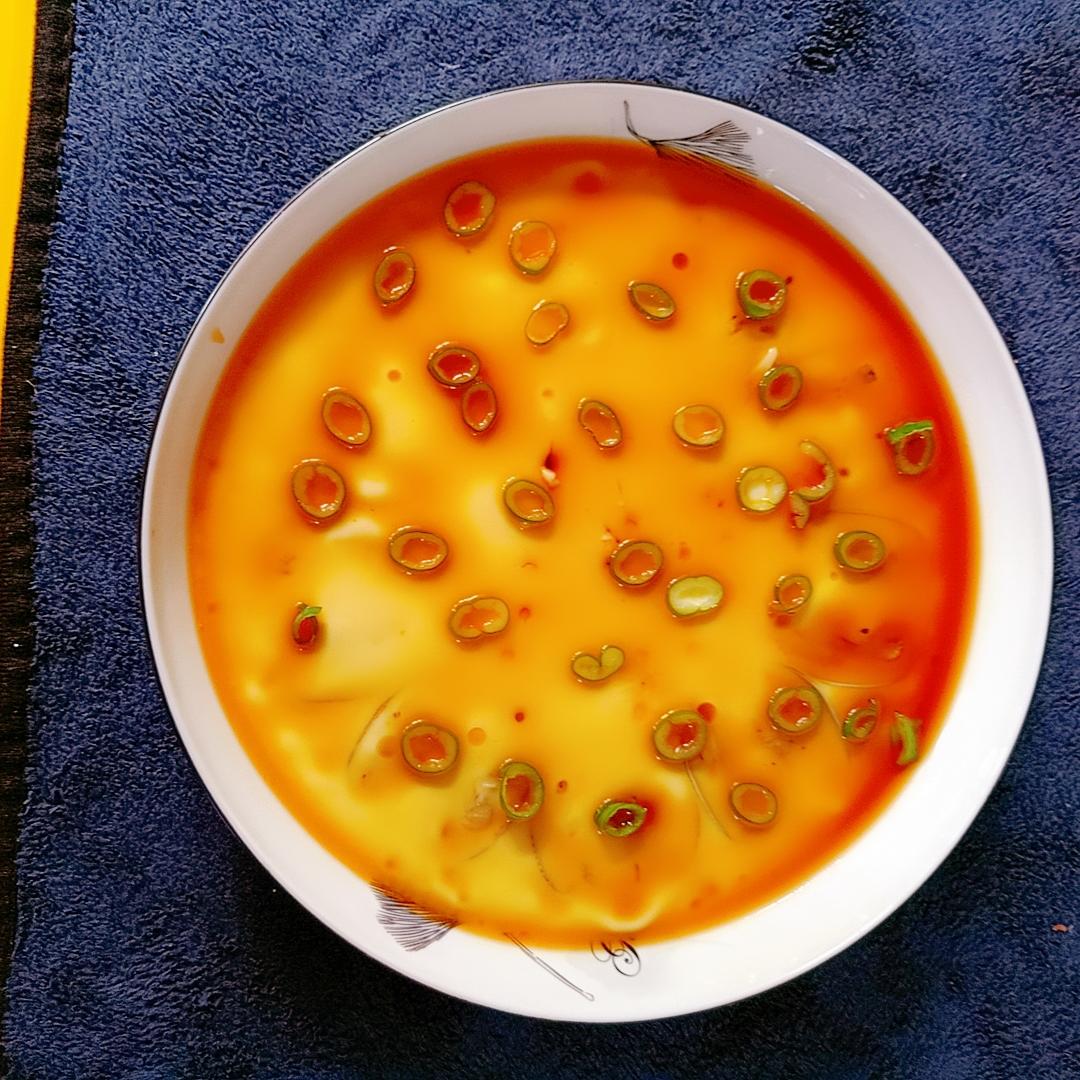
Adding warm liquid to the beaten eggs dilutes the egg proteins. As heat is applied during steaming, this extra moisture physically separates the protein molecules, preventing them from bonding too tightly. This is the scientific secret behind a custard that sets into a fragile, trembling gel rather than a dense, rubbery block.
Why This Recipe Works
- The 3:4 Ratio: This precise proportion of egg to liquid guarantees a texture that is firm enough to hold its shape on a spoon, yet delicate enough to melt instantly in your mouth.
- Clam Broth Integration: Instead of discarding the boiling liquid, repurposing the clam broth directly into the egg mixture maximizes the natural seafood umami, requiring very little additional seasoning.
- Dual Protection: Filtering the egg mixture removes bubbles, while the plastic wrap prevents condensation from the steamer lid from dripping down and pitting the surface of the custard.
Common Mistakes & Troubleshooting
- Mistake: The egg surface is pitted and looks like a honeycomb.
- Cause: Water condensation dripped onto the egg, or the heat was too high, causing the liquid inside the egg to boil.
- Solution: Always cover the dish tightly with plastic wrap (or a secondary plate) and maintain a medium-high, steady steam rather than a violent, rolling boil.
- Mistake: The clams are rubbery and chewy.
- Cause: Overcooking during the initial boiling phase.
- Solution: Remove the clams the exact second their shells pop open. They will continue to cook gently during the 10-minute steaming process.
- Mistake: The egg didn’t set and is still watery.
- Cause: Too much liquid was added, or the steaming dish is too deep.
- Solution: Stick strictly to the 3:4 volume ratio. If your dish is very deep, you may need to increase the steaming time by 3 to 5 minutes.
Frequently Asked Questions
- Can I use chicken broth instead of clam broth? Absolutely. If you prefer a richer flavor, warm chicken broth is a fantastic substitute for the clam liquid or warm water.
- Why must the water be warm, not hot or cold? Hot water will scramble the eggs prematurely. Cold water extends the steaming time and can lead to uneven setting. Warm water ensures a smooth, even cook.
- Can I eat this cold? Traditional steamed egg is best enjoyed fresh and hot. As it cools, the texture can become slightly dense and it loses its delicate aroma.
- Do I have to use plastic wrap? If you are concerned about heating plastic, you can cover the steaming dish with a flat ceramic plate or aluminum foil. The goal is simply to block condensation.
How to Serve
This delicate dish is a fantastic accompaniment to a balanced meal. I highly recommend serving it alongside a bowl of perfectly cooked short-grain rice. If you want to elevate your rice game, check out our guide on How to Cook Perfect Rice in a Cast Iron Pot. The savory soy sauce and clam juices mixed into hot rice is absolute perfection.
Storage & Reheat
- Storage: Steamed eggs are highly perishable and their texture degrades quickly. It is best to consume the dish immediately. If you have leftovers, store them in an airtight container in the fridge for no more than 1 day.
- Reheat: Reheating is tricky as it easily overcooks the egg. The best method is to steam it again gently for 3-5 minutes, or microwave on medium-low power for 1-2 minutes.
- Food Safety: Discard any clams that did not open during the initial boiling process, as they were likely dead before cooking and are unsafe to eat.
Allergen Notice
This recipe contains:
- Shellfish: Clams.
- Eggs: Main ingredient.
- Soy & Gluten: Present in the light soy sauce used for garnish (substitute with tamari for a gluten-free option).
Nutrition & Food Safety Disclaimer
Nutrition information is an estimate and provided for informational purposes only.
Food Safety: The FDA recommends cooking all seafood, including clams, to an internal temperature of 145°F (63°C). Ensure the egg custard is fully set and opaque before consuming.
About the Author & Recipe Development
I’m Lin, the recipe developer at Woks of Love. Bringing authentic, restaurant-quality textures into the home kitchen is my primary passion. Testing this recipe required finding the exact balance between the clam cooking time and the egg steaming time. In my home kitchen, I discovered that pre-boiling the clams just until they pop open, rather than steaming them from raw inside the egg, prevents the custard from becoming waterlogged by the juices the clams release as they cook. It’s a tiny adjustment that guarantees a flawless, silky result every single time.
Authoritative References
- For guidelines on safely purchasing, storing, and cooking shellfish, refer to the FDA Seafood Safety Guidelines.
- To learn more about the science of egg coagulation and custards, visit the Exploratorium’s Science of Cooking: Eggs.
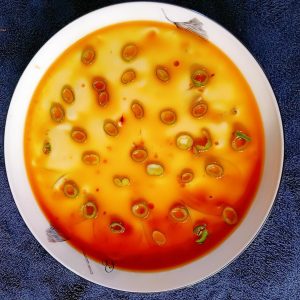
Silky Steamed Egg with Clams (Hua Ge Zheng Dan)
Equipment
- Steamer or Wok with Rack
- Shallow Heat-Proof Dish
- Fine-mesh strainer
Ingredients
Main Ingredients
- 3 large eggs room temperature
- 1/2 lb fresh clams (Hua Ge) purged and cleaned
- 3/4 cup warm water or reserved clam broth adjust to maintain 3:4 egg to liquid ratio
- 1 pinch fine sea salt
Garnish
- 1 tbsp light soy sauce to taste
- 1 tbsp scallions finely chopped
Instructions
- Bring a pot of water to a boil. Add the cleaned clams and cook just until their shells pop open. Immediately remove them with a slotted spoon and arrange them on a shallow heat-proof dish. Reserve the cooking broth.

- Skim the foam off the reserved clam broth and measure out 3/4 cup (180ml). Let it cool slightly until it is warm, not hot.

- In a bowl, beat the 3 eggs thoroughly with a small pinch of salt. Gradually pour in the warm clam broth while continuously whisking.
- Pour the egg mixture through a fine-mesh strainer directly into the heat-proof dish, covering the arranged clams. This removes bubbles and ensures a smooth texture.
- Cover the dish tightly with food-safe plastic wrap. Place the dish into a steamer over boiling water. Steam on medium-high heat for 10 minutes until the egg is just set.
- Carefully remove the dish from the steamer and discard the plastic wrap. Garnish with chopped scallions and a drizzle of light soy sauce. Serve immediately.
Notes
Food Safety Warning: Discard any clams that do not open during the initial boiling step.












Leave a Reply