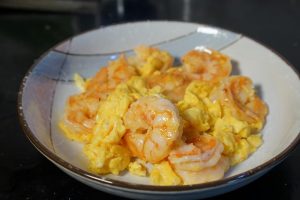
There is a quiet milestone in every Chinese cook’s journey. It isn’t cooking a whole banquet or butchering a duck; it is the humble plate of scrambled eggs. Specifically, Silky Scrambled Eggs with Shrimp, or Huadan Xiaren (滑蛋虾仁).

I remember watching the chefs in my family’s restaurant work the wok station. When an order for this dish came in, the rhythm changed. The roaring fire was cut at the precise moment, relying on the residual heat of the oil to coax the eggs into glossy, tender folds rather than dry, rubbery lumps.
When you bring this dish to the table, glowing with a vibrant golden hue (thanks to a special yolk-to-white ratio I’ll share below), it commands respect. It looks deceptively simple, but the texture—unbelievably tender, moist, and savory—is a revelation. It transforms a simple Tuesday night dinner into a restaurant-quality experience. If you are a fan of our classic Tomato and Egg Stir-fry, you will find this protein-packed version just as comforting but with a touch more elegance.
About the Author & Recipe Development
I’m Lin, and I’ve spent decades bridging the gap between professional Chinese kitchens and American home cooking. For this recipe, I conducted several tests to replicate the intense heat of a commercial wok burner using a standard home stove.
The biggest challenge for home cooks is achieving that “silky” texture without undercooking the eggs. My testing confirmed that the “Hot Pan, Off Heat” method is the most consistent way to prevent overcooking on electric and gas ranges alike. I also adjusted the egg ratio—using more yolks—to mimic the rich mouthfeel and color usually achieved with high-heat oil blanching in restaurants.
What is “Silky Egg” (Huadan)?
In the West, scrambled eggs are often cooked low and slow (like the French style) or hard-scrambled for breakfast. In Cantonese cuisine, Huadan (slippery/silky egg) is a technique where eggs are cooked quickly in a generous amount of hot oil but pulled from the heat before they fully set.
The result is layers of cooked egg encasing slightly runny, custard-like curds. It pairs perfectly with the snap of fresh shrimp. If you prefer a steamed texture over fried, you might also enjoy my Steamed Egg with Shrimp and Broccoli, which uses a different technique to achieve a pudding-like consistency.
Why This Recipe Works
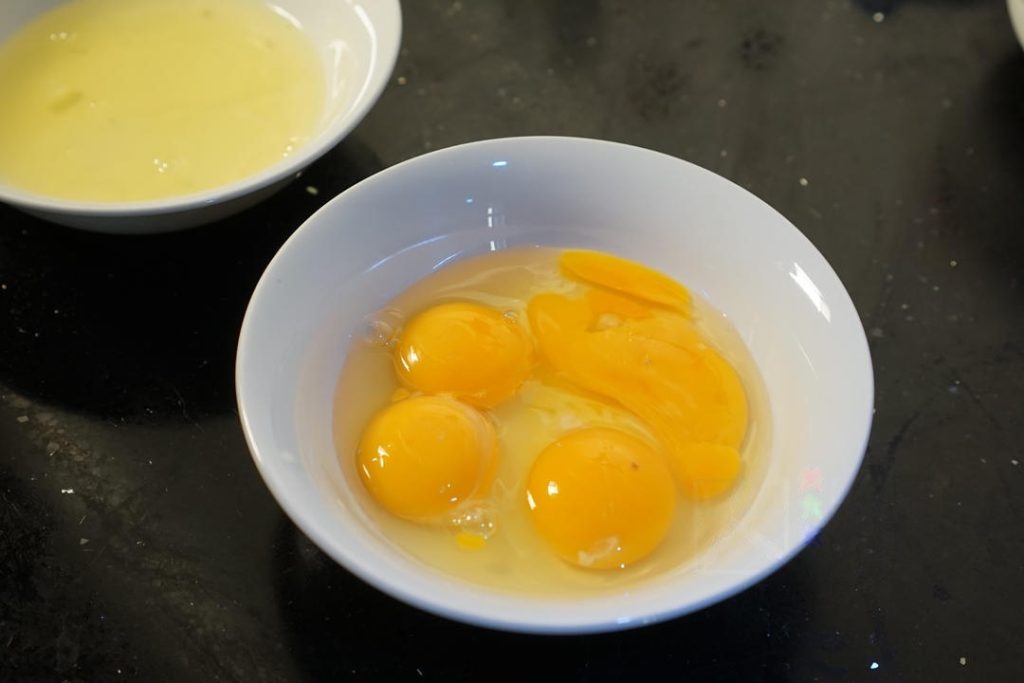
- The Golden Ratio: We use 4 eggs, but we separate two of them, utilizing 2 whole eggs and 2 egg yolks. This reduces the water content from the whites and increases the fat content, resulting in a significantly creamier texture and a brilliant, deep yellow color without needing food coloring.
- Residual Heat Cooking: By heating the oil until smoking and then turning off the heat (or lowering it drastically) right as the eggs hit the pan, we gently fold the eggs into layers without shocking them into rubbery toughness.
- Crisp Shrimp: We pre-sear the shrimp to ensure they are fully cooked and have a snappy texture before reintroducing them to the delicate eggs.
Key Ingredients & Substitutions
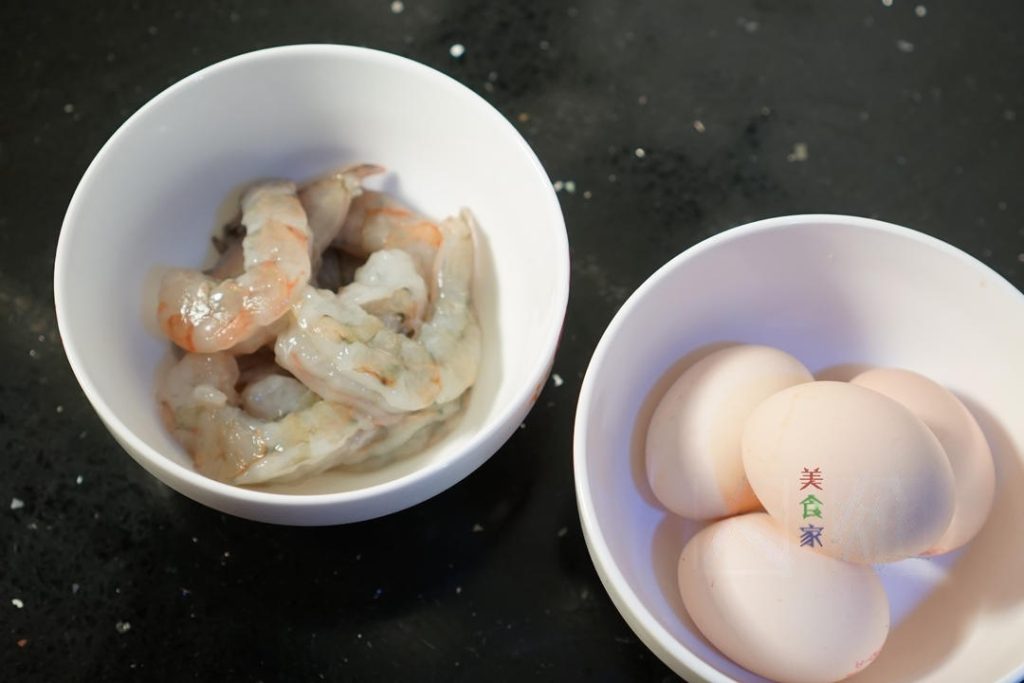
- Shrimp: Use medium-sized shrimp (31/40 count). Fresh is best, but frozen works well if thawed properly.
- Note: If you buy a large bag of frozen shrimp and have extras, they are perfect for making Salt and Black Pepper Shrimp or a quick Shrimp, Cucumber, and Egg Stir-fry later in the week.
- Eggs: Large AA grade eggs. You will need 4 total, but remember the ratio: 2 whole, 2 yolks.
- Zero Waste Tip: Don’t throw away the extra egg whites! They are the main ingredient for a light and healthy Seaweed Egg Drop Soup.
- Neutral Oil: This is critical. Do not use olive oil, rapeseed oil, or butter. You need an oil with a high smoke point and neutral flavor, like Corn, Canola, Grapeseed, or Avocado oil.
- Salt: Essential for flavor and for modifying the protein structure of the shrimp to make them crisp.
- Optional Aromatics: While the traditional version focuses purely on egg and shrimp, a pinch of white pepper or finely chopped scallions (green parts) can be added for garnish.
Recipe Notes Before You Start
- Dry the Shrimp: Moisture is the enemy of a good sear. Use paper towels to pat the shrimp bone-dry before marinating.
- The “Heat Wave” Test: When heating the oil for the eggs, you must feel a “rolling heat wave” when you hold your palm (carefully!) above the pan. If the oil isn’t hot enough, the eggs won’t fluff up; they’ll just act greasy.
- Serving: This dish must be served immediately. The eggs continue to cook on the plate.
Common Mistakes When Making Silky Eggs
- Overbeating the Eggs: Unlike baking, you don’t want to whisk too much air into the eggs. Just beat until the yolks and whites are combined.
- Pan Not Hot Enough: If the oil isn’t smoking hot when the eggs enter, they won’t puff up (soufflé effect). They will sit flat and absorb the oil.
- Using Olive Oil: Olive oil has a low smoke point and a strong flavor that clashes with the delicate sweetness of the shrimp.
- Overcrowding: If you double the recipe, cook in two batches. Too much liquid egg will cool the pan down too fast, resulting in a soggy mash.
How to Make Silky Scrambled Eggs with Shrimp
Step 1: Prepare the Shrimp
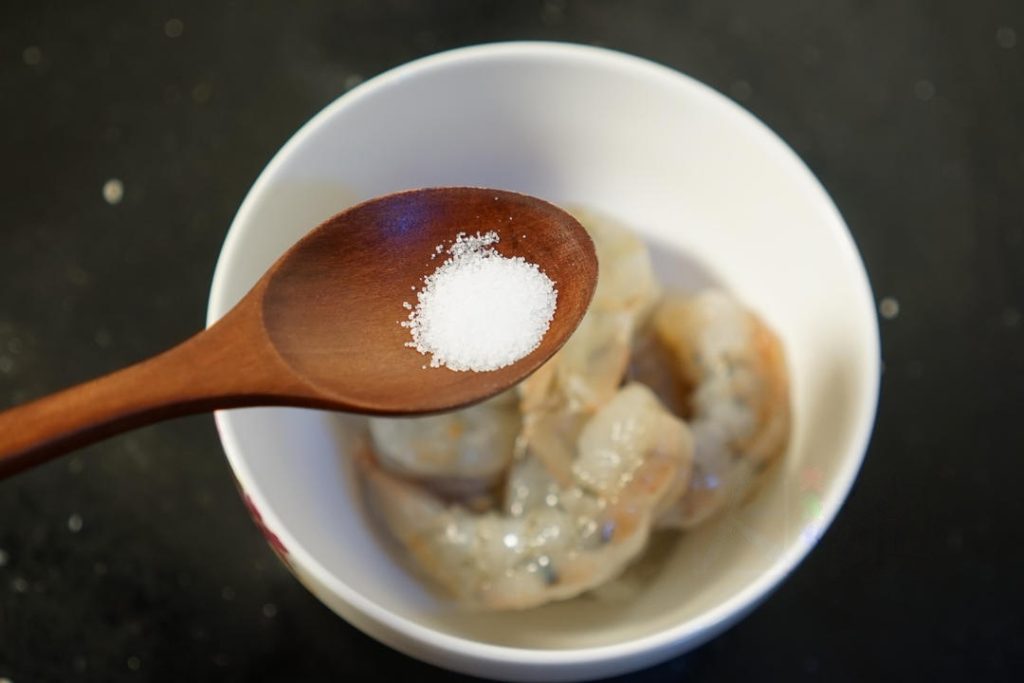
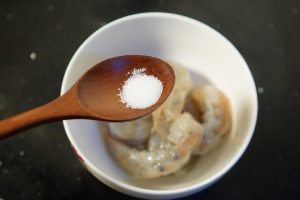
Peel and devein 8 large shrimp. Wash them thoroughly and pat them completely dry with paper towels. In a small bowl, mix the shrimp with a small pinch of salt (about 1/8 tsp).
Tip: If you have more shrimp, slightly increase the salt. The salt helps denature the proteins, giving the shrimp that classic “snap” or crunch.
Step 2: The Golden Egg Mixture
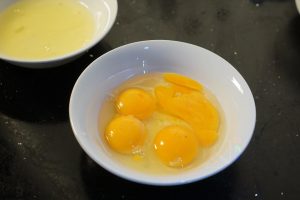
Crack 4 eggs. Place 2 whole eggs into a bowl. Separate the other two, adding only the yolks to the bowl. Whisk the egg mixture until smooth and uniform. Add a pinch of salt to season the eggs.
Step 3: Sear the Shrimp
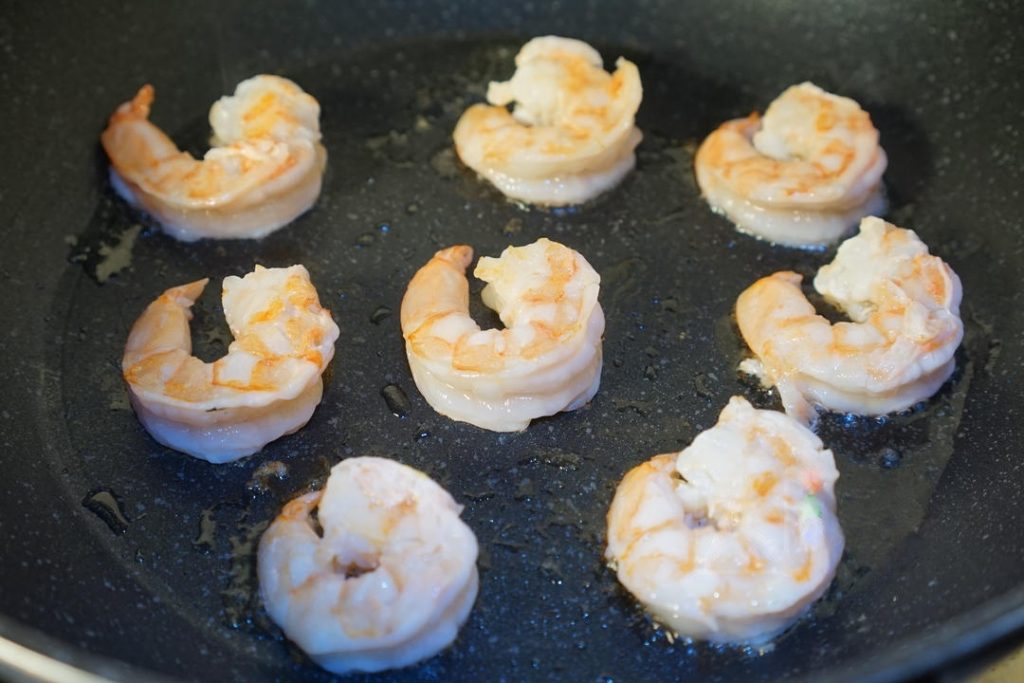
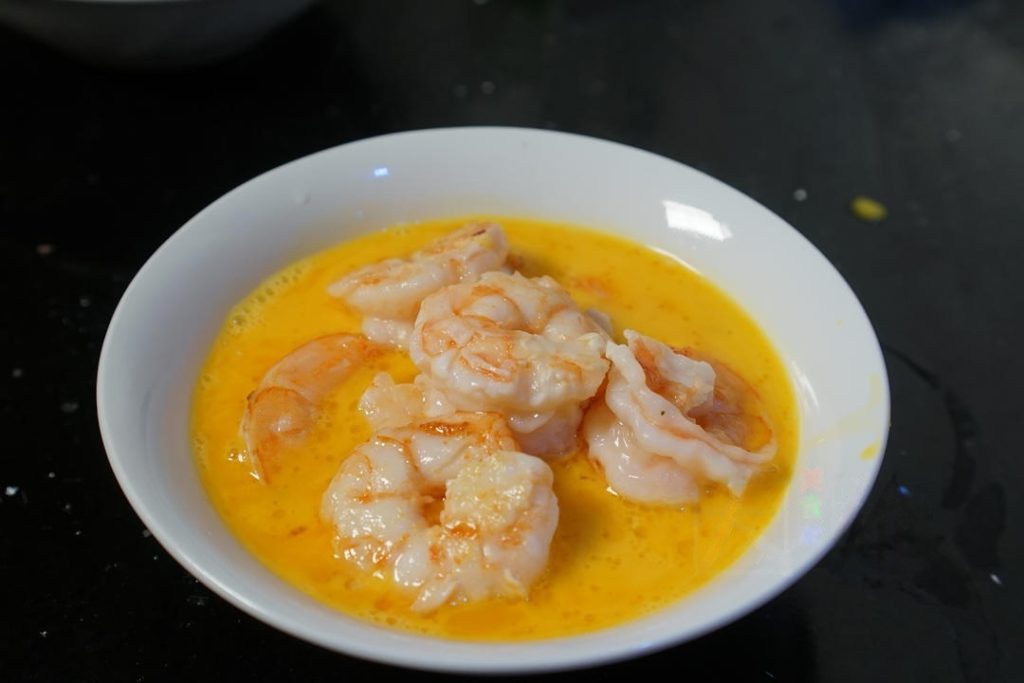
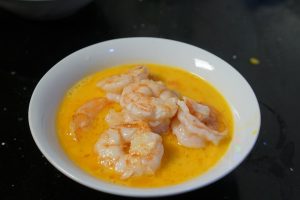
Heat a non-stick pan over medium heat with a teaspoon of oil. Add the shrimp in a single layer. Pan-fry until they turn bright red/orange and are just cooked through (about 1-2 minutes per side). Remove the shrimp from the pan and immediately add them into the bowl with the raw egg liquid. This warms the egg slightly and coats the shrimp.
Step 4: The High-Heat Flash
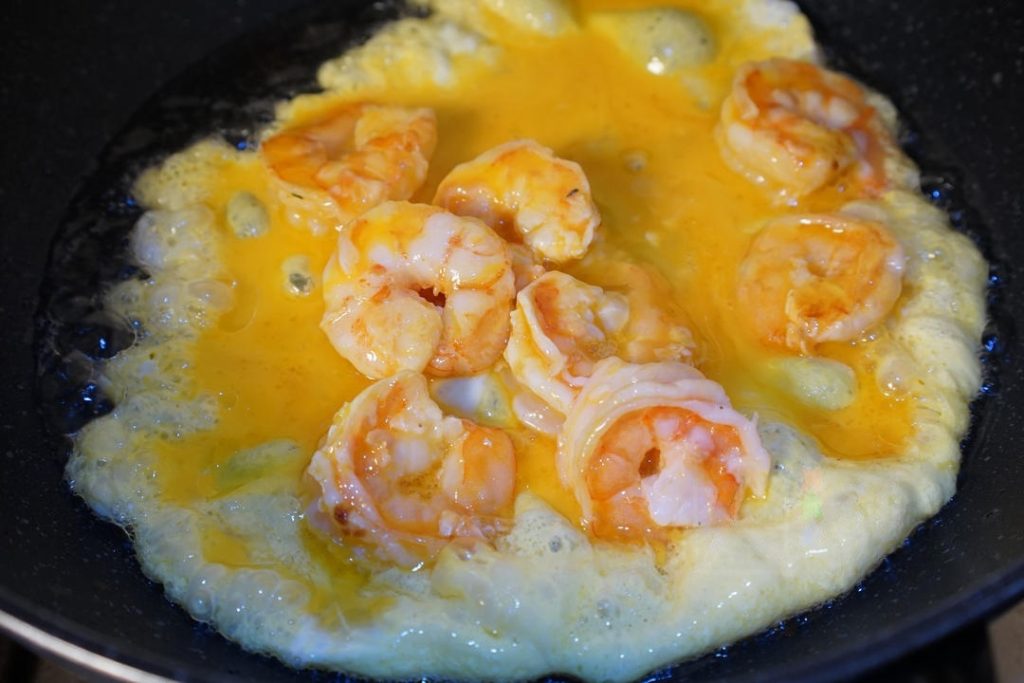
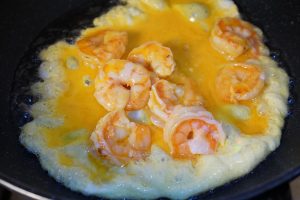
Wipe the pan clean if necessary. Add 1 tablespoon of neutral oil (vegetable or corn oil). Turn the heat to High. Heat until the oil is very hot—you should see slight smoke or feel a strong wave of heat when hovering your hand over the pan. Crucial Step: Turn off the heat (or remove the pan from the burner if using electric). Immediately pour in the egg and shrimp mixture.
Step 5: The Push and Fold
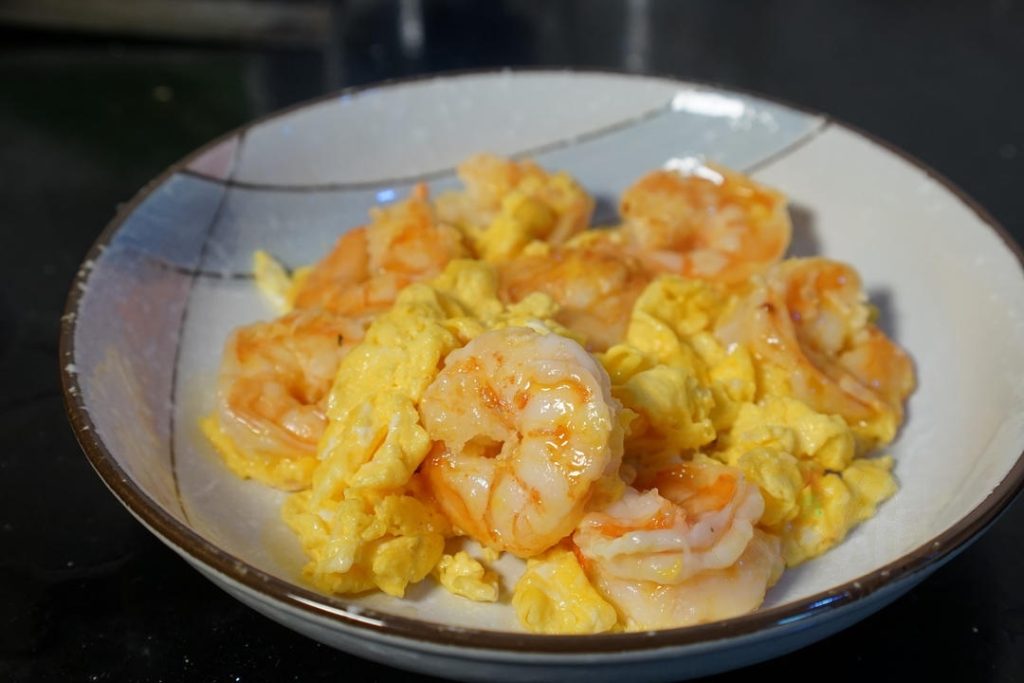
Watch the eggs puff up around the edges. Using a silicone spatula, gently push the eggs from the bottom of the pan upwards. Do not scramble frantically; use long, sweeping folding motions. Let the residual heat cook the eggs. When they are mostly set but still look slightly wet and glossy (about 15-20 seconds), slide them onto a serving plate immediately.
💡 Troubleshooting: If you are cooking a larger portion (more than 4 eggs), the residual heat might not be enough. If the eggs are still liquid after 15 seconds, turn the heat back on to Medium-High for just 5-10 seconds to finish the set, then immediately remove.
Serving Suggestions
This dish is rich and savory, so it pairs best with a clean vegetable side and steamed rice to balance the meal.
- Vegetables: To cut through the richness of the yolks, I recommend a crisp green vegetable side dish, such as Stir-fried Lettuce with Garlic or a refreshing, cold Smashed Cucumber Salad.
- Main Course Pairing: If this is part of a larger family-style meal, it sits beautifully alongside a savory meat dish like Braised Pork Belly.
- Soup: Since this is a dry dish, a small bowl of Tomato Egg Drop Soup rounds out the meal perfectly.
Authoritative References (Food Safety)
When cooking eggs and seafood, temperature control is vital for safety.
- Shrimp Safety: According to the USDA, shrimp should be cooked until the flesh is pearly and opaque. USDA Safe Minimum Internal Temperature Chart
- Egg Safety: The FDA recommends cooking eggs until both the yolk and white are firm, or to 160°F for egg dishes. Note that traditional “silky eggs” are soft-cooked; use pasteurized eggs if serving to immune-compromised individuals. FDA Egg Safety Guidelines
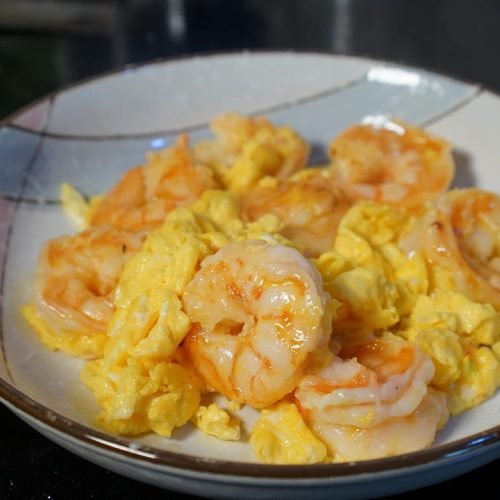
Silky Scrambled Eggs with Shrimp (Huadan Xiaren)

Equipment
- 1 Non-stick Skillet (10-inch) Essential for silky eggs without sticking
- Silicone Spatula
Ingredients
- 8 large shrimp peeled, deveined, and patted very dry
- 4 large eggs use 2 whole eggs and 2 yolks only (discard or save extra whites)
- 1/4 tsp salt divided use
- 1.5 tbsp neutral oil Corn, Canola, or Grapeseed oil (divided)
Instructions
- Pat the shrimp completely dry with paper towels. In a small bowl, toss the shrimp with a pinch of salt.

- Crack the eggs. Place 2 whole eggs and 2 separated egg yolks into a mixing bowl. Whisk until smooth and add a pinch of salt.
- Heat 1 teaspoon of oil in a non-stick skillet over medium heat. Pan-fry the shrimp for 1-2 minutes per side until pink and opaque. Remove shrimp and immediately add them to the bowl of beaten eggs.
- Add the remaining 1 tablespoon of oil to the skillet. Turn heat to High. Heat until the oil is very hot and you can feel a heat wave coming off the pan.
- Turn off the heat (or remove pan from burner). Pour in the egg and shrimp mixture. Using a spatula, gently push and fold the eggs from the bottom up. Let the residual heat cook the eggs until soft curds form but are still glossy (about 15-30 seconds). Transfer to a plate immediately.



Leave a Reply