Growing up in my parents’ restaurant in Sichuan, the lunch rush always smelled like vinegar, garlic, and chilies hitting hot woks. One of the most ordered dishes was always Yu Xiang Rou Si (Fish-Fragrant Pork). It is the ultimate test of a chef’s knife skills and their ability to balance flavors.

Despite the name “Fish-Fragrant,” there is absolutely no fish in this dish. The name refers to the seasoning profile—pickled chilies, ginger, garlic, sugar, and vinegar—traditionally used in Sichuan to cook fish. Over time, people realized this sauce was delicious on everything, especially pork.
This recipe is my practical, home-kitchen version. It stays true to the authentic flavor profile I learned in culinary school but uses ingredients you can find at your local Asian market. It’s sweet, sour, spicy, and savory all at once—a flavor bomb that demands a big bowl of steamed rice.
What is Fish-Fragrant Pork?
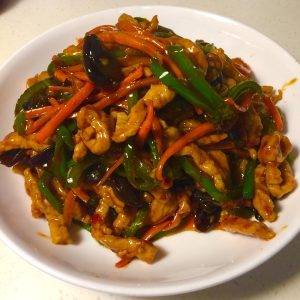
Fish-Fragrant Pork (鱼香肉丝) is a staple of Sichuan cuisine. It consists of lean pork shredded into matchsticks (slivers), stir-fried with wood ear mushrooms, carrots, and peppers.
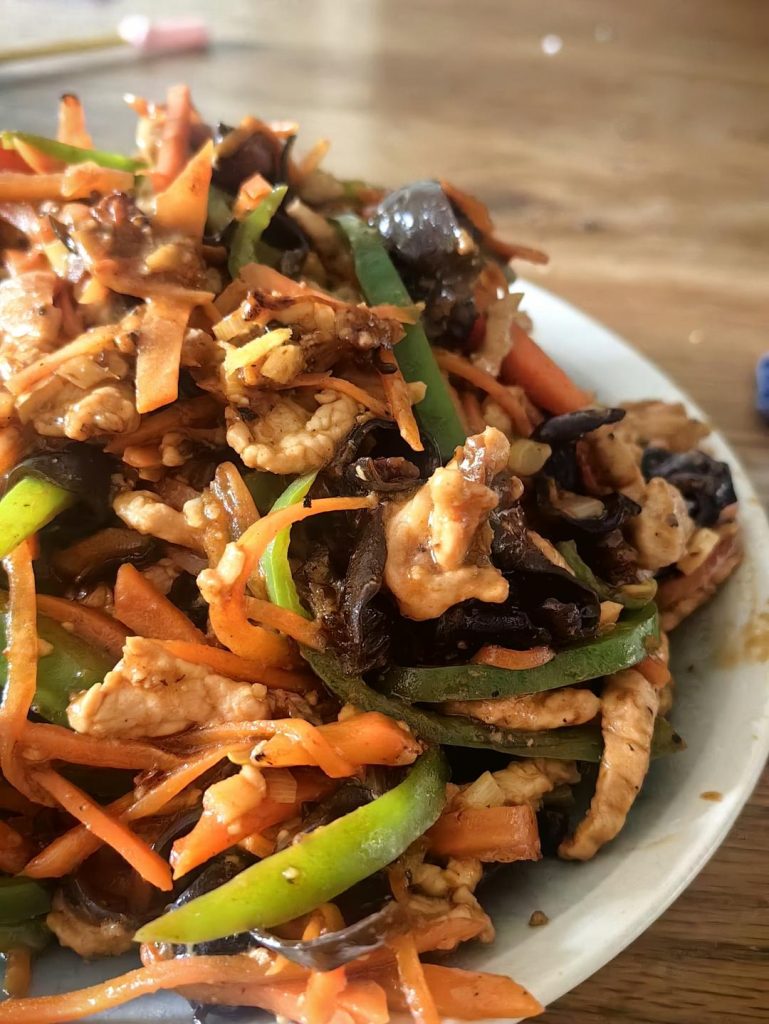
The magic lies in the “Yu Xiang” sauce. In a professional kitchen, we might use pickled red chilies (Pao Jiao), but in this home-style version, we use Doubanjiang (Pixian broad bean paste) to create that signature red oil and rich savory depth. The sauce relies on a specific “Golden Ratio” of sugar to vinegar to soy sauce to create that addictive sweet and sour kick that cuts through the spice.
Compared to the overly sugary, gloopy versions you might find in some Western takeouts, this recipe is sharp, bright, and vibrant. The vegetables provide a satisfying crunch against the tender velveted pork.
Why this Fish-Fragrant Pork recipe works
- The Golden Ratio: I use a 1:1 ratio of sugar to vinegar (20g each in this recipe). This is the secret to that authentic tangy-sweet flavor that defines the dish.
- Velveting the pork: By marinating the pork strips with egg white and cornstarch before cooking, the meat stays incredibly juicy and tender, even over high heat.
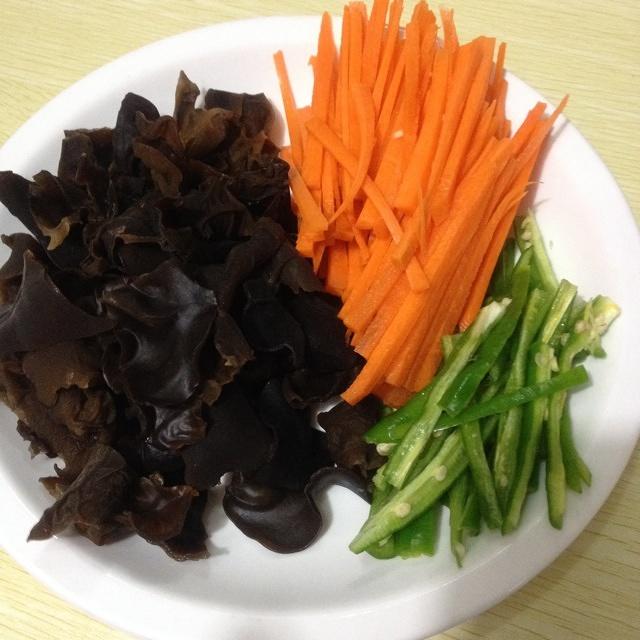
- Texture contrast: The “wood ear” mushrooms and carrots are cut into shreds similar in size to the pork, ensuring every bite has a mix of tender meat and crunchy vegetables.
Key ingredients & substitutions
- Lean Pork: I use pork tenderloin or lean pork loin. It’s easy to slice and cooks very fast.
- Wood Ear Mushrooms (Black Fungus): These are sold dried. You must rehydrate them in warm water for 20-30 minutes before using. They don’t have much flavor but provide a crucial crunchy, snappy texture. If you can’t find them, you can skip them, but the texture won’t be quite the same.
- Doubanjiang (Pixian Broad Bean Paste): This is the soul of Sichuan cooking. It provides the heat and the fermented savory depth. Look for the “Pixian” variety at Asian markets.
- Substitute: If you can’t find it, you can use a mix of chili garlic sauce and crushed fermented black beans, though the flavor will differ.
- Chinkiang Vinegar: This black vinegar provides a malty, smoky acidity.
- Substitute: A mix of half balsamic and half rice vinegar is a decent pinch hitter.
- Bamboo Shoots vs. Carrots: Traditional restaurant versions often use bamboo shoots. In this home-style recipe, we use carrots and green peppers, which adds great color and sweetness and is much easier to source.
Ingredients
For the Pork & Marinade:
- 9 oz (250g) Lean pork (tenderloin or loin)
- Pinch of Salt (approx. 1g)
- Pinch of White pepper
- 1 tbsp (15ml) Cooking wine (Shaoxing wine)
- 1 Egg white
- 1 tsp Cornstarch (approx 5g, for coating)
The Aromatics & Vegetables:
- ¼ cup (50g) Wood ear mushrooms, rehydrated and shredded
- ½ cup (50g) Carrot, shredded
- 1 small (40g) Green bell pepper, shredded
- 1 tbsp (20g) Doubanjiang (Pixian broad bean paste)
- 1 tbsp Green onion, finely chopped
- 1 tsp Ginger, minced
- 1 tsp Garlic, minced
The Fish-Fragrant Sauce:
- 1½ tbsp (20g) Sugar
- 1½ tbsp (20ml) Chinkiang vinegar (Black vinegar)
- 1 tbsp (15ml) Light soy sauce
- 1 tbsp (15ml) Cooking wine (Shaoxing wine)
- ½ tsp Salt (optional, taste first as Doubanjiang is salty)
- 1 tbsp (10g) Cornstarch (mixed with water below)
- 1½ tbsp (20ml) Water
Recipe notes before you start
- Slice evenly: The key to this dish is “Si” (shreds/slivers). Try to cut your pork, carrots, and peppers into strips of similar thickness so they cook evenly.
- Mix the sauce ahead: Stir-frying happens fast. Mix your sauce ingredients in a small bowl before you turn on the heat.
- Rehydrate mushrooms: Don’t forget to soak the dried wood ear mushrooms in warm water for at least 20 minutes until soft, then wash them thoroughly.
How to make Fish-Fragrant Pork
Step 1: Prep the ingredients
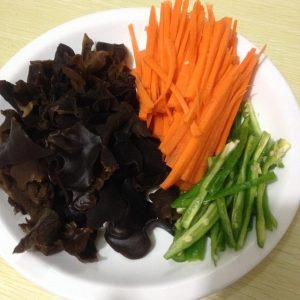
First, rehydrate the wood ear mushrooms. Once soft, tear them into small pieces or slice them into strips. Wash the green pepper and carrot. Slice the carrot, green pepper, and wood ear mushrooms into thin, uniform shreds (matchsticks).
Step 2: Marinate the pork
Slice the lean pork into thin shreds. Chef’s Tip: The original method suggests cutting with the grain to keep the shreds straight and beautiful. However, if you are a beginner, cutting against the grain ensures tenderness.
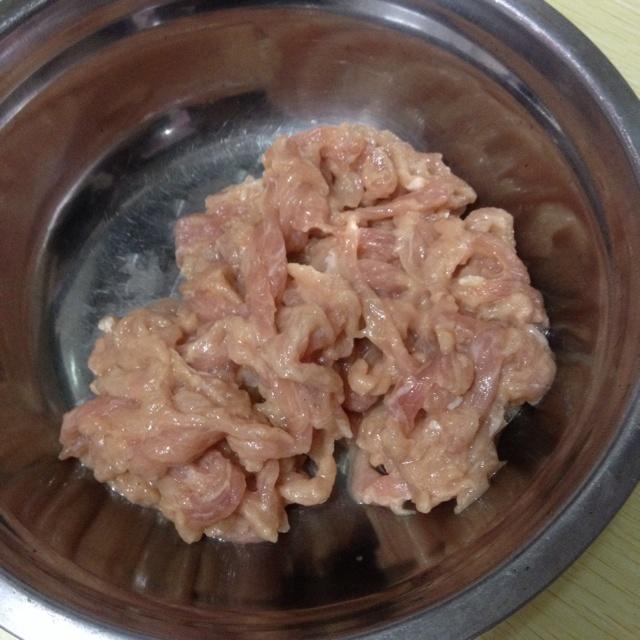
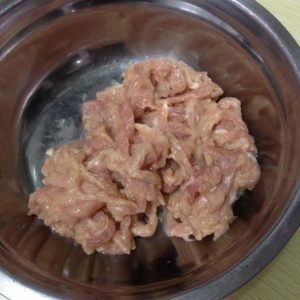
Place the pork in a bowl. Add the salt (1g), white pepper, cooking wine, egg white, and cornstarch. Mix well by hand until the liquid is absorbed and the meat feels sticky. Let it marinate for 10 minutes.
Step 3: Prepare aromatics and sauce
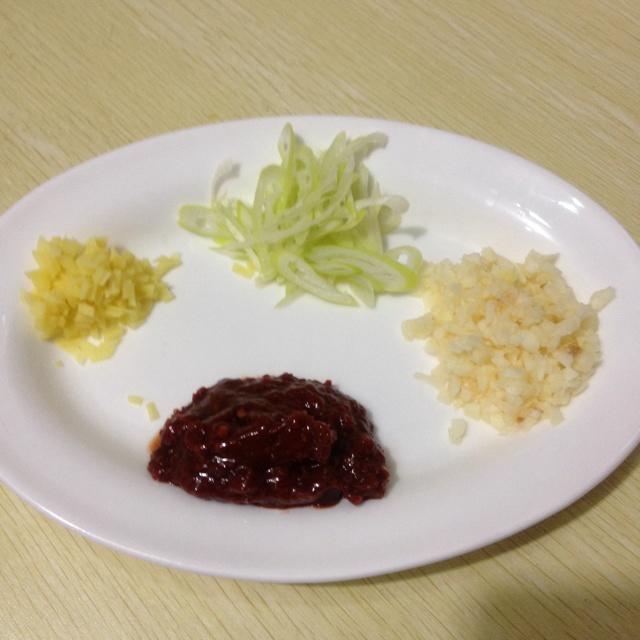
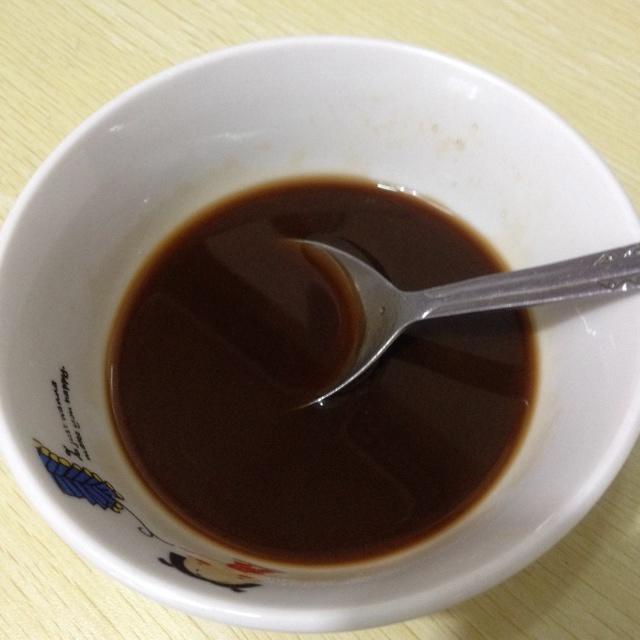
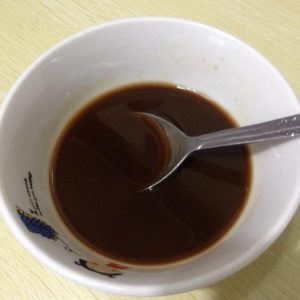
Mince the ginger, garlic, and green onion. In a small bowl, combine the sugar, vinegar, cooking wine, soy sauce, salt (if using), cornstarch, and water. Stir well to dissolve the cornstarch. This is your “bowl sauce” (Wǎn Zhī).
Step 4: Velvet the pork
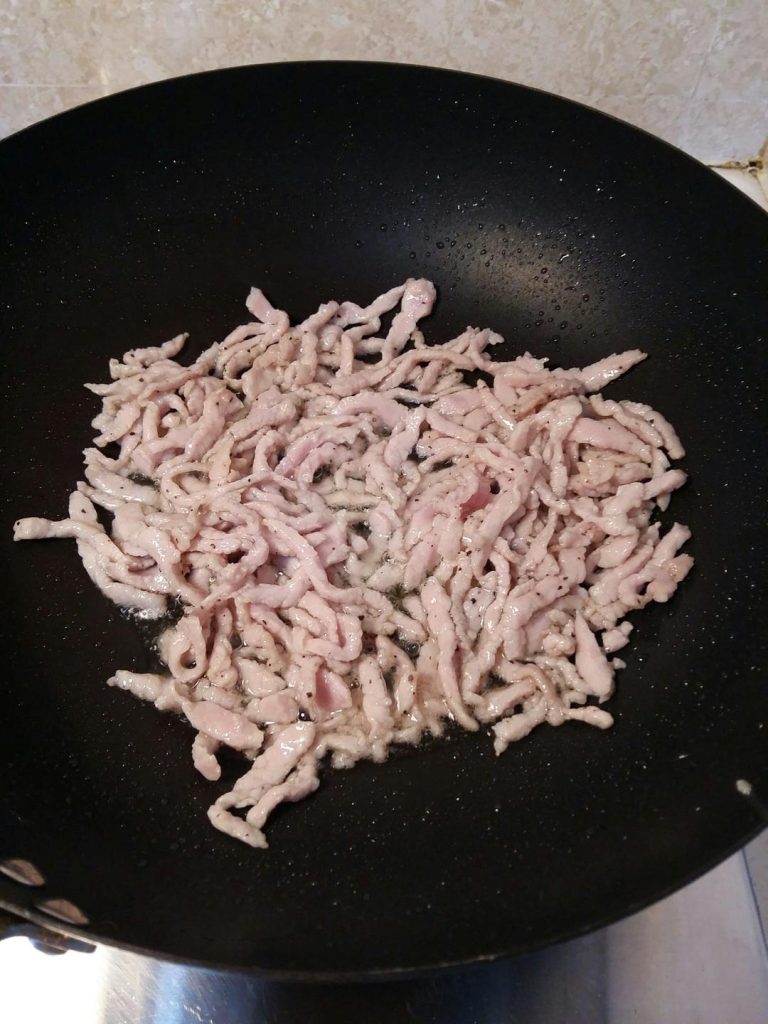
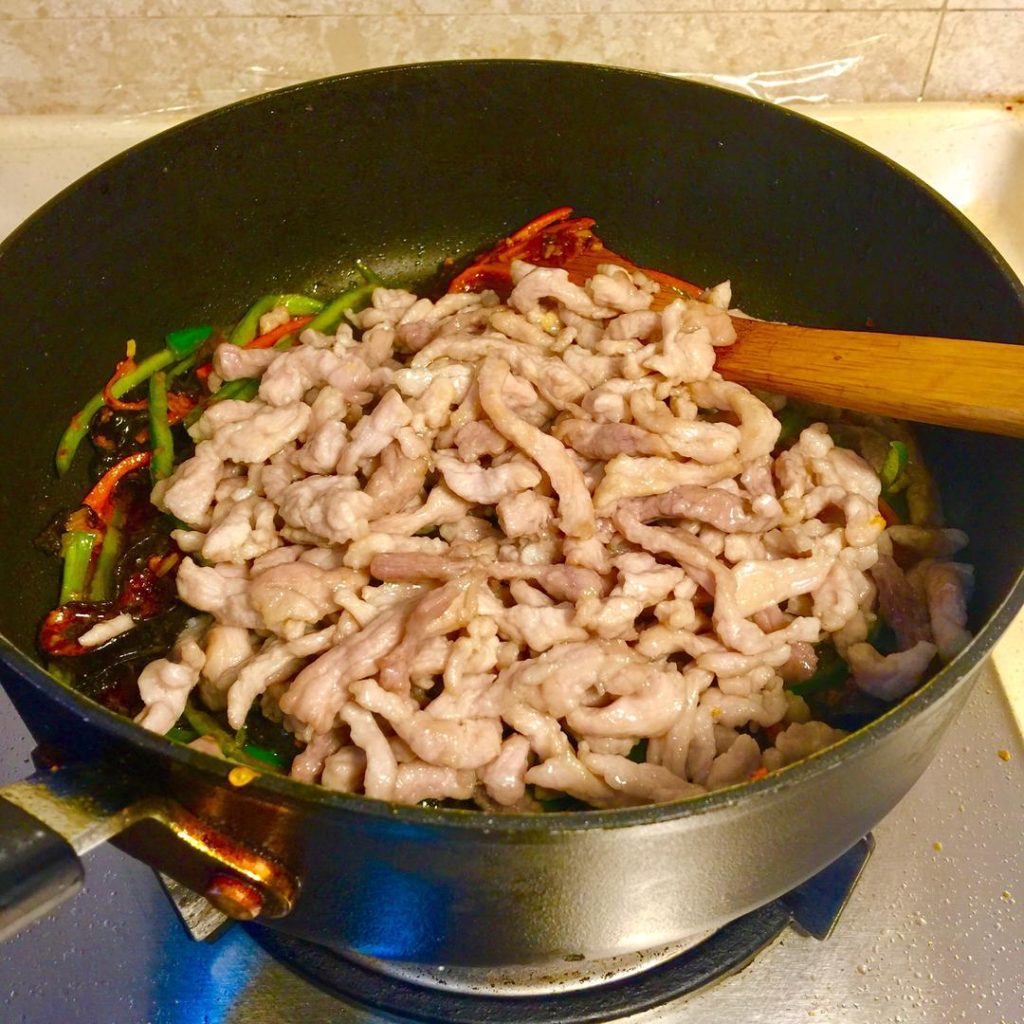
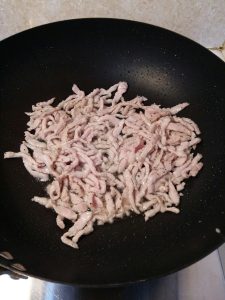
Heat your wok or skillet over medium-high heat with cooking oil. Add the marinated pork shreds. Stir-fry quickly just until the meat turns white and the shreds separate. Remove the pork from the pan and set it aside on a plate.
Step 5: Fry the aromatics
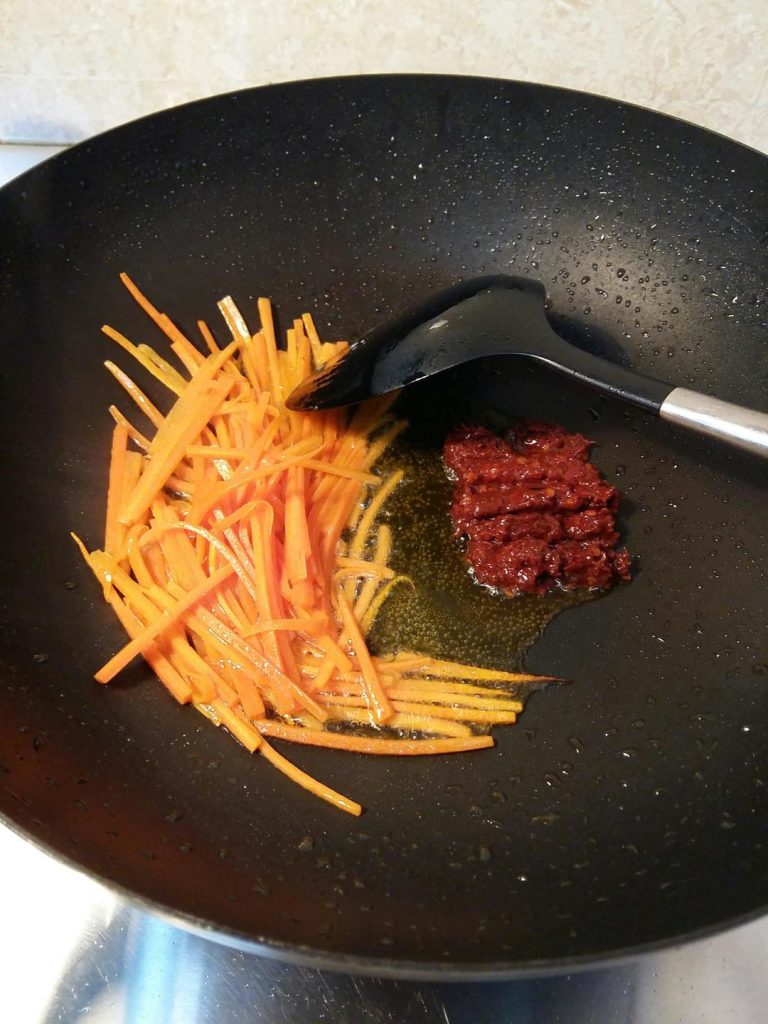
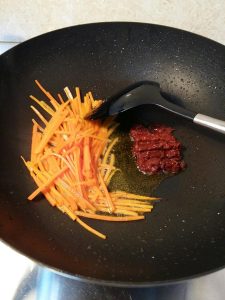
Add a little more oil to the same pan. Add the carrot shreds first (as they take longer to cook) and stir-fry briefly. Push them to the side of the pan.
Add the Doubanjiang (bean paste) to the center of the pan and stir-fry it in the oil until fragrant and the oil turns red. This releases the flavor of the chilies.
Step 6: Stir-fry everything
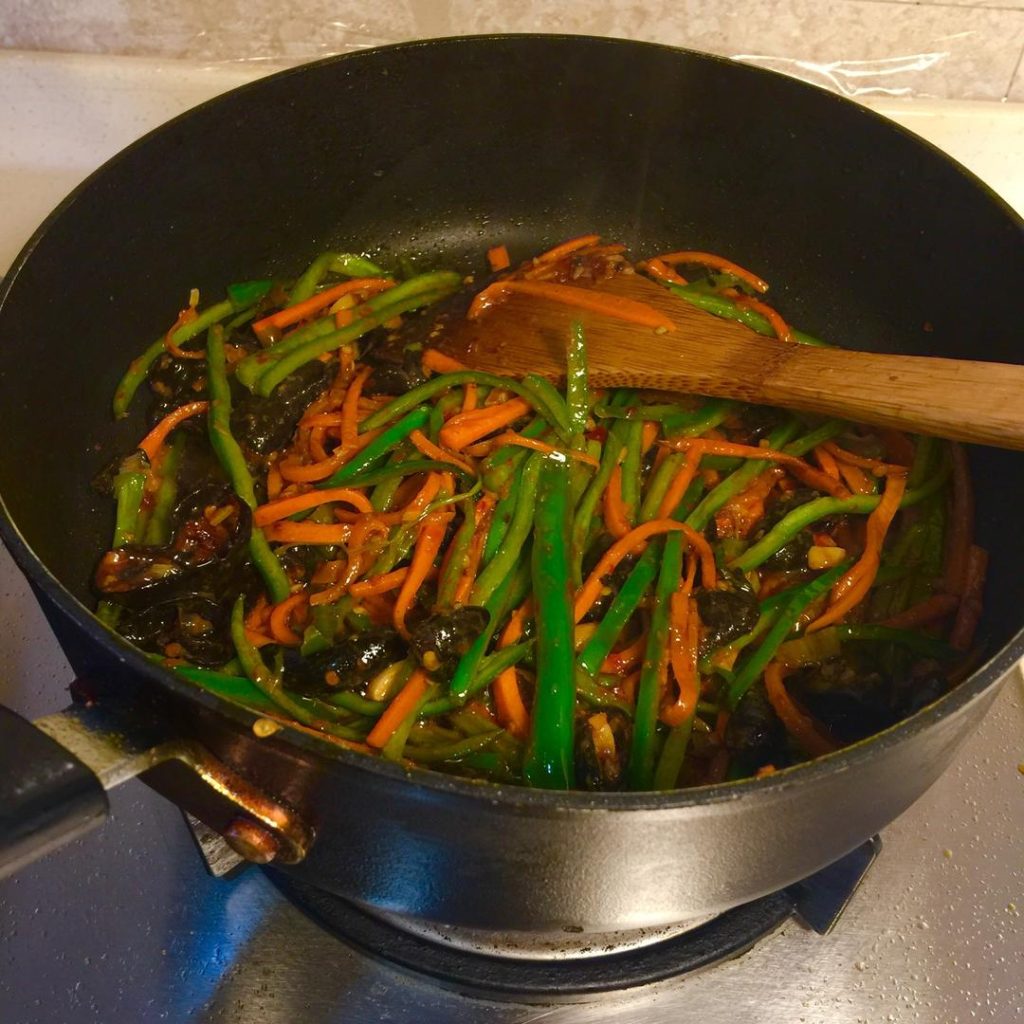
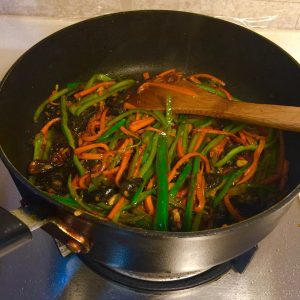
Add the minced ginger, garlic, and green onions. Toss everything together with the wood ear mushrooms and green peppers. Stir-fry until the vegetables are tender-crisp.
Step 7: Combine and thicken
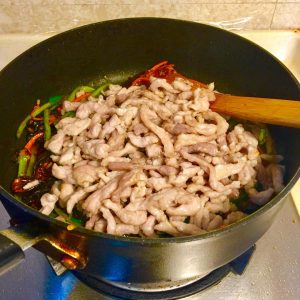
Return the cooked pork shreds to the pan. Toss to mix everything. Give your sauce bowl a quick stir (cornstarch settles!), then pour it into the wok.
Step 8: Finish
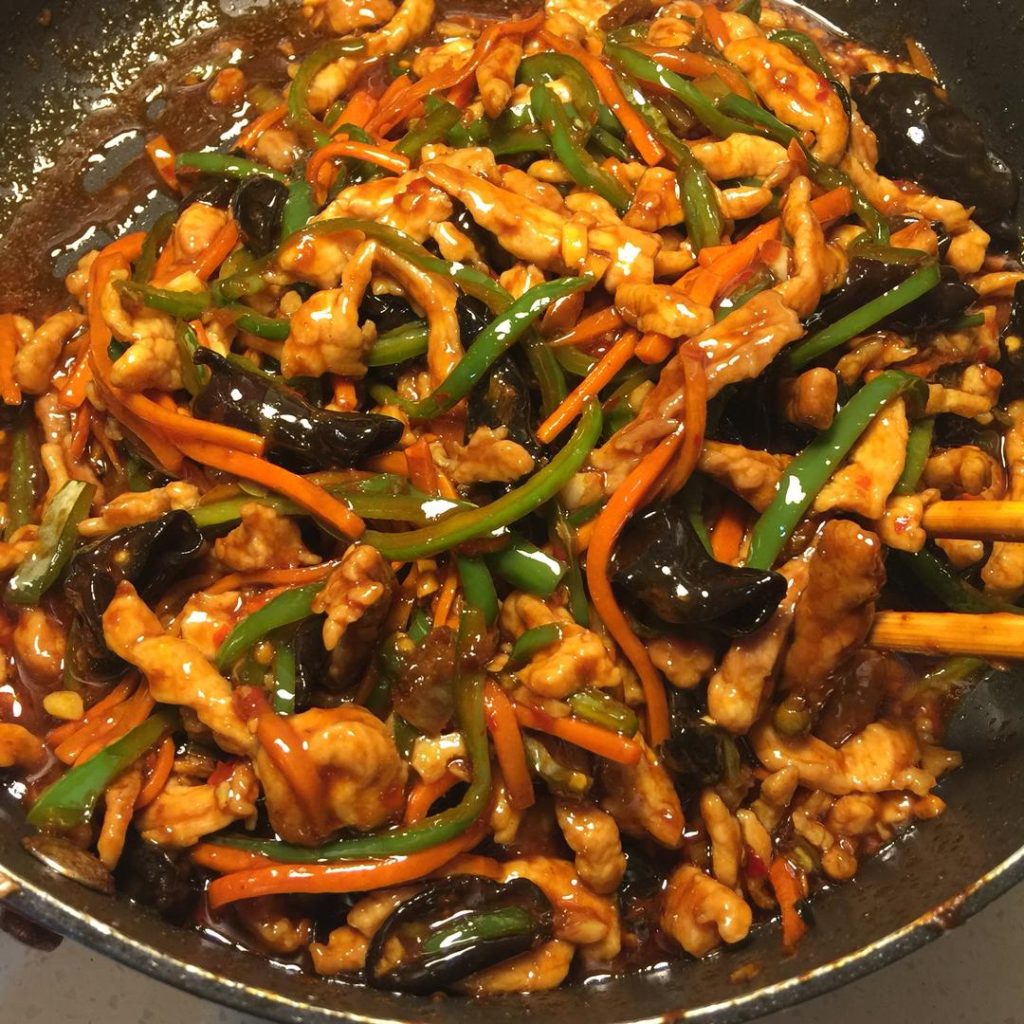
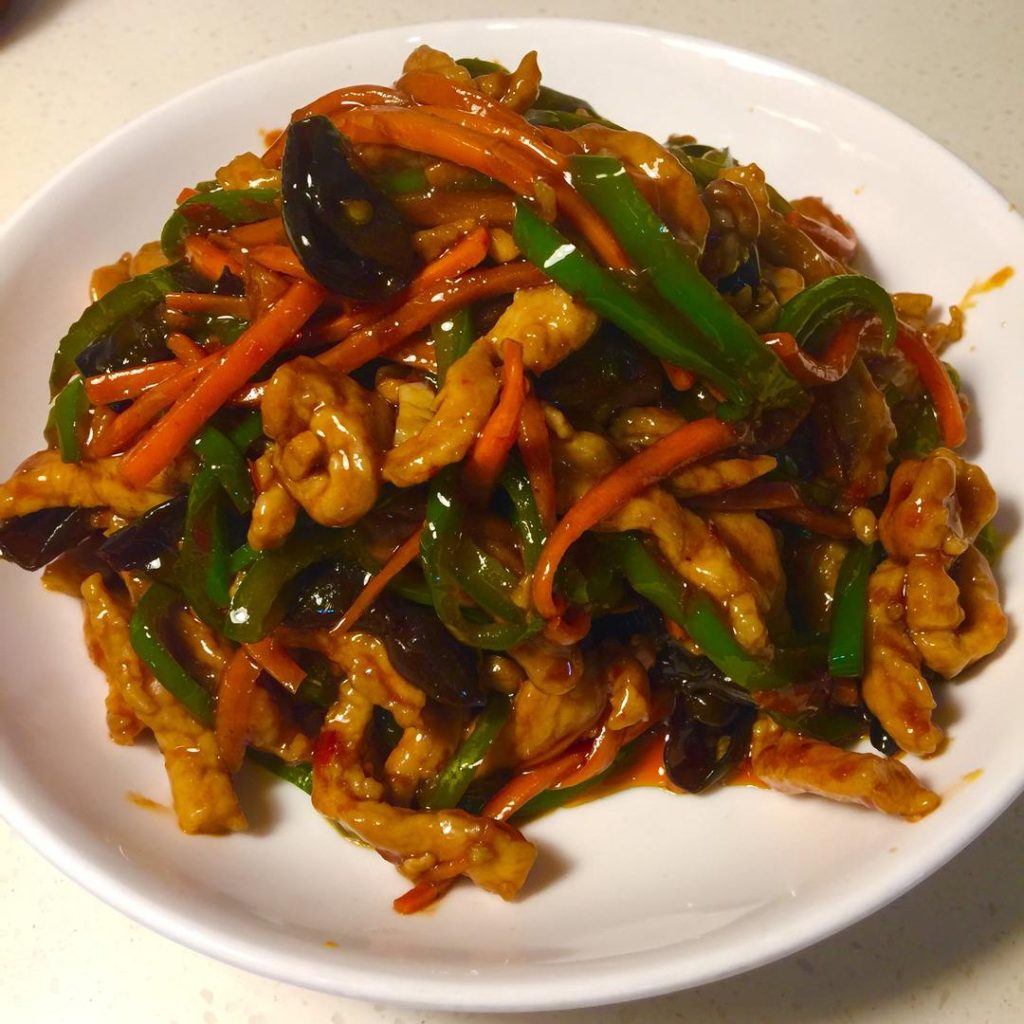
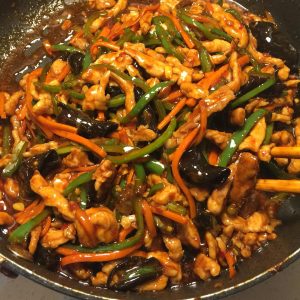
Toss everything rapidly. The sauce will bubble and thicken almost instantly, coating every strip of meat and vegetable in a glossy, fragrant glaze. Turn off the heat and transfer to a serving plate immediately.
Tips for success
- Control the salt: Doubanjiang is quite salty. I often skip the extra salt in the sauce mixture unless I am making a larger batch. Taste the sauce before adding that pinch of salt.
- Don’t overcook the pork: Remove the pork as soon as it turns white. If you cook it too long in the first stage, it will be tough by the end.
- Adjust the balance: My recipe uses the classic ratio, but tastes vary. If you prefer it sweeter, add a pinch more sugar. If you like it sharper, add a dash more vinegar right at the end.
Variations & troubleshooting
- Vegetable swaps: If you don’t have wood ear mushrooms, you can use canned bamboo shoots (sliced into strips) or even celery.
- Sauce is too thick? If the sauce creates a gloopy paste immediately, splash in 1 extra tablespoon of water or stock to loosen it up.
- Sauce is too thin? Keep stir-frying for another 30 seconds; the cornstarch will eventually thicken as the water evaporates.
What to serve with it
This dish has a robust flavor that pairs perfectly with plain steamed white rice.
To make a complete Chinese dinner spread, I recommend serving this alongside a mild vegetable dish to balance the palate, such as Stir-Fried Lettuce with Garlic or a refreshing Smashed Cucumber Salad. If you are feeling ambitious, pair it with Authentic Mapo Tofu for a true Sichuan feast.
How to store & reheat
- Fridge: Leftovers keep well in an airtight container for 3 days.
- Reheat: Reheat in a microwave or a hot skillet. Add a splash of water if the sauce has dried out too much.
- Freeze: I do not recommend freezing this dish, as the cornstarch sauce and peppers will become mushy upon thawing.
Nutrition information (estimate)
- Calories: ~280 kcal per serving
- Protein: 24g
- Carbohydrates: 18g
- Fat: 14g
- Sodium: 950mg (varies by soy sauce/bean paste brand)
- Note: Contains soy, gluten (in sauces), and egg.
Final thoughts
There is a saying: “One dish, one style; a hundred dishes, a hundred flavors.” Everyone’s Fish-Fragrant Pork is slightly different. Some like it sweeter, some heavier on the garlic. This recipe is how I cook it for my family—balanced, vibrant, and incredibly satisfying. I hope it becomes a favorite in your kitchen too!
Sichuan Fish-Fragrant Pork (Yu Xiang Rou Si)

Equipment
- Wok or large skillet
- Sharp Knife
- Cutting Board
Ingredients
For the Pork & Marinade
- 9 oz lean pork (tenderloin or loin), cut into thin shreds approx 250g
- 1 pinch salt approx 1g
- 1 pinch white pepper
- 1 tbsp cooking wine (Shaoxing wine) 15ml
- 1 egg white
- 1 tsp cornstarch for coating
The Aromatics & Vegetables
- 0.25 cup dried wood ear mushrooms, rehydrated and shredded 50g rehydrated weight
- 0.5 cup carrot, shredded approx 50g
- 1 small green bell pepper, shredded approx 40g
- 1 tbsp Doubanjiang (Pixian broad bean paste) 20g
- 1 tbsp green onion, finely chopped
- 1 tsp ginger, minced
- 1 tsp garlic, minced
The Sauce
- 1.5 tbsp sugar 20g
- 1.5 tbsp Chinkiang vinegar (black vinegar) 20ml
- 1 tbsp light soy sauce 15ml
- 1 tbsp cooking wine (Shaoxing wine) 15ml
- 0.5 tsp salt optional, see notes
- 1 tbsp cornstarch 10g
- 1.5 tbsp water 20ml
Instructions
- Wash the green pepper and carrot. Shred the carrot, green pepper, and rehydrated wood ear mushrooms into thin, uniform matchsticks.

- Slice the pork into thin shreds. Place in a bowl and mix with salt, white pepper, cooking wine, egg white, and 1 tsp cornstarch. Mix well and marinate for 10 minutes.
- In a small bowl, mix the sauce ingredients: sugar, vinegar, soy sauce, cooking wine, salt (if using), cornstarch, and water. Stir until dissolved.
- Heat oil in a wok or skillet over medium-high heat. Add the pork shreds and stir-fry quickly until they turn white and separate. Remove pork and set aside.

- Add a little more oil to the pan. Briefly stir-fry the carrots, then push to the side. Add the Doubanjiang (bean paste) and fry until the oil turns red and fragrant.
- Add the minced ginger, garlic, green onion, wood ear mushrooms, and green peppers. Stir-fry until vegetables are tender-crisp.
- Return the pork to the pan and toss to combine.
- Stir the sauce mixture once more (to lift settled cornstarch) and pour it into the wok.
- Toss rapidly until the sauce thickens and coats everything glossy. Serve immediately with steamed rice.
Notes
Cutting the Pork: For the most tender result, cut across the grain. For straighter, prettier shreds (traditional style), you can cut with the grain, but be careful not to overcook.
Substitutions: If you cannot find wood ear mushrooms, bamboo shoots are a classic alternative.
Nutrition: Nutritional values are estimates based on a standard database and may vary based on the specific brands of sauces used.
Nutrition information (estimate)
- Calories: ~280 kcal per serving
- Protein: 24g
- Carbohydrates: 18g
- Fat: 14g
- Sodium: 950mg (varies by soy sauce/bean paste brand)
- Note: Contains soy, gluten (in sauces), and egg.







Leave a Reply