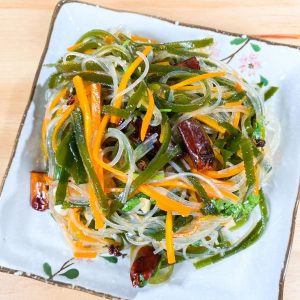
Growing up in a family-run restaurant in the heart of Sichuan, my mother always prepared a large container of Shredded Cold Salad (Liangban Sansi) as soon as the humidity of summer hit. While my father focused on the heavy wok-fired dishes, this was my mother’s specialty—a dish that provided a crisp, cooling contrast to the heat of the kitchen.
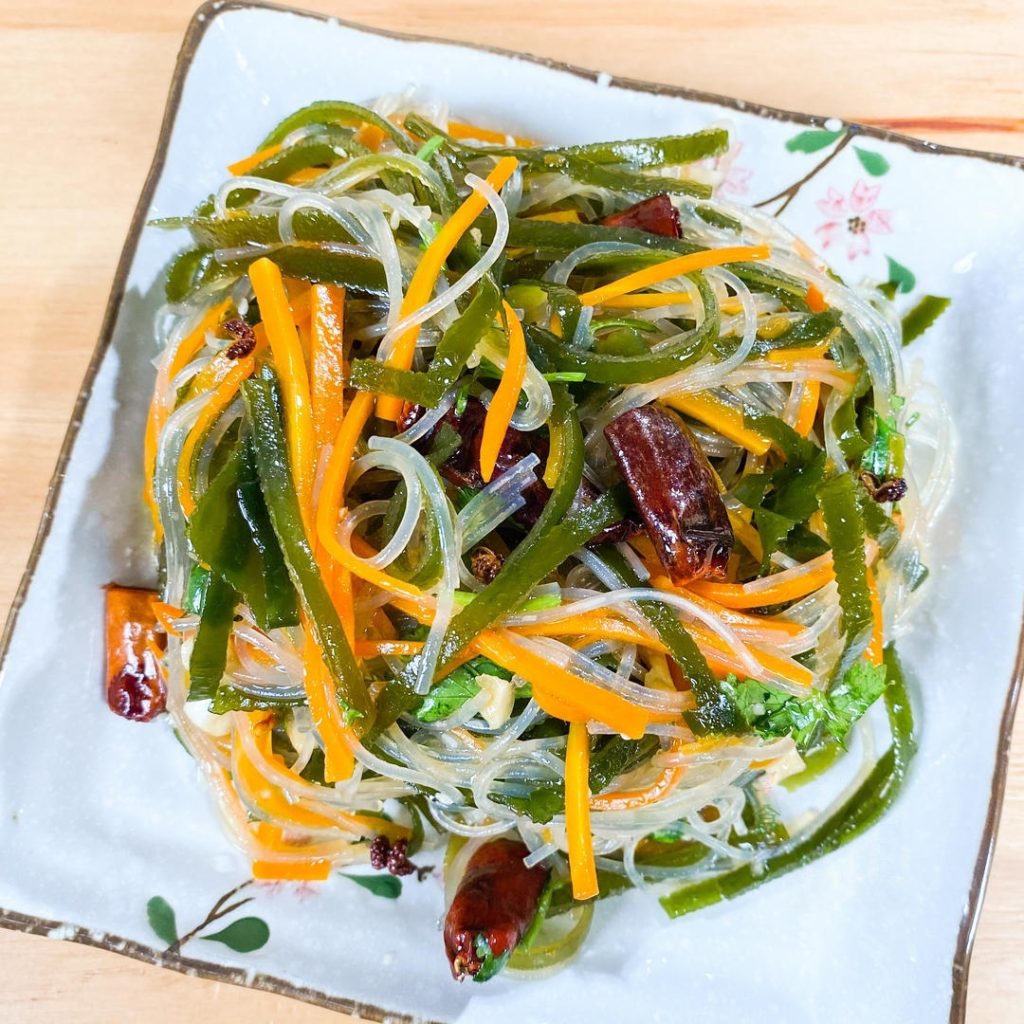
I have tested this recipe over three dozen times in both restaurant settings and my own home kitchen to ensure the ratios are perfect. The “soul” of this dish lies in the triple-oil infusion: chili oil, scallion oil, and Sichuan peppercorn oil. This combination creates a complex, numbing, and aromatic profile that is far superior to standard takeout versions.
This recipe is incredibly healthy, packed with iodine from the kelp and beta-carotene from the carrots. It is also a fantastic way to practice your knife skills. Whether you are serving this alongside a Smashed Cucumber Salad or as a refreshing side to a heavy meal, it never fails to impress.
What Is Liangban Sansi?
Liangban Sansi literally translates to “Cold-Tossed Three Shreds.” In Chinese culinary tradition, the number three often represents a harmonious balance. While the “three shreds” can vary by region, the classic Sichuan version almost always includes glass noodles (fensi) for chewiness, carrots for sweetness and crunch, and kelp (seaweed) for umami.
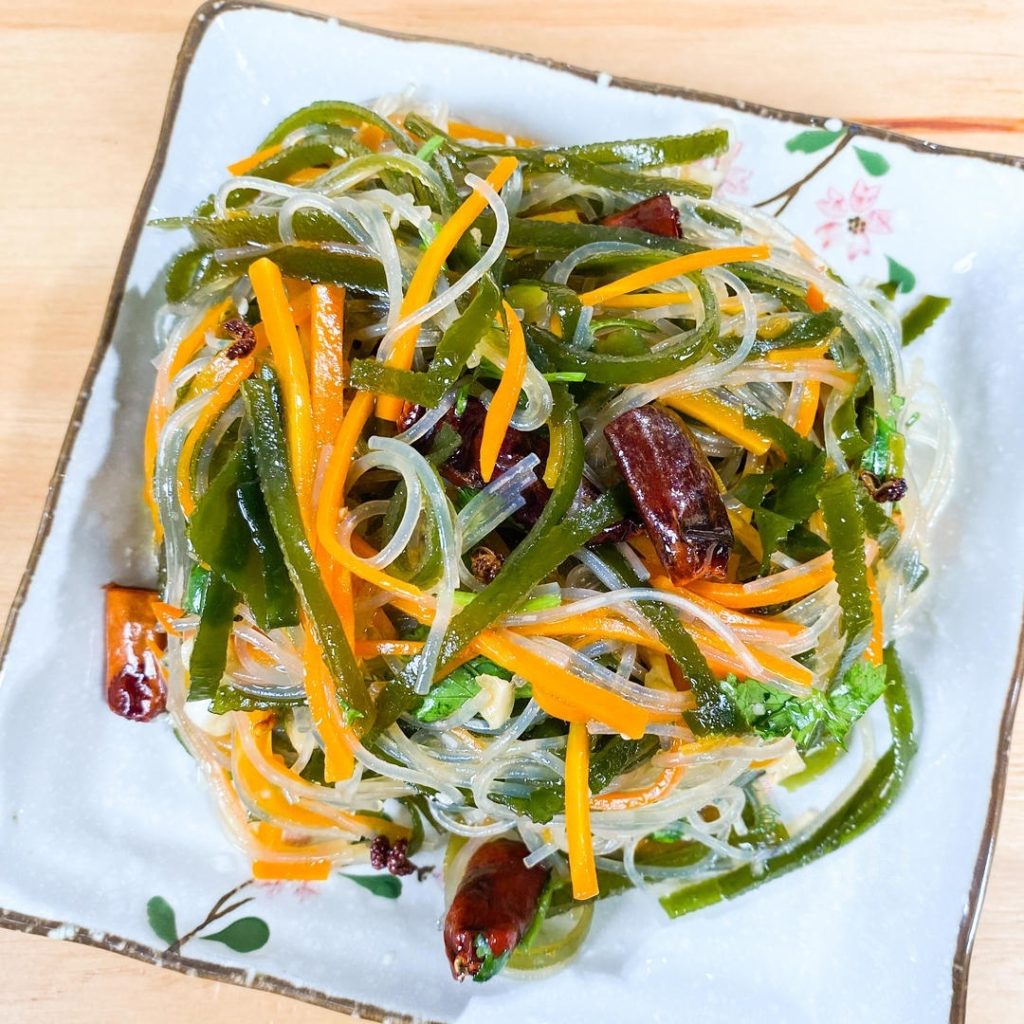
Unlike Western salads that rely on creamy dressings, this dish is defined by its “Liangban” technique—tossing raw or lightly blanched ingredients in a pungent, oil-based dressing. It represents the “clear and refreshing” (qing-shuang) texture profile that we Sichuanese chefs value as a palate cleanser between spicy courses.
Why This Recipe Works
- Triple-Oil Infusion: Using a blend of chili, scallion, and peppercorn oils provides a layered aroma that a single oil cannot achieve.
- Scientific Blanching: We use a precise two-minute blanching time for the kelp and carrots to ensure they lose their raw “grassy” smell while retaining a structural snap.
- Dehydration Step: Squeezing the water out of the ingredients before tossing ensures the sauce clings to the shreds rather than pooling at the bottom.
Key Ingredients & Substitutions
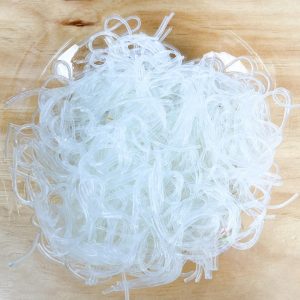
- Glass Noodles (Mung Bean Vermicelli): These must be made from mung bean starch to stay “al dente.” If you cannot find them, high-quality Rice Noodles can work, but the texture will be softer.
- Shredded Kelp (Seaweed): Look for salt-preserved kelp shreds in Asian markets. If unavailable, you can substitute with rehydrated wood ear mushrooms.
- Mature Vinegar (Chinkiang Vinegar): This adds a deep, malty acidity. You can find Chinkiang Vinegar at most specialized grocers; otherwise, balsamic vinegar is a distant but acceptable substitute.
Ingredients
The Three Shreds
- 1 small bunch (50g) Glass Noodles (Mung Bean Vermicelli)
- 1 medium (150g) Carrot, julienned
- 1 cup (100g) Shredded Kelp, salt-preserved or rehydrated
- 1 sprig Cilantro, cut into 1-inch (2.5 cm) segments
- 3 cloves Garlic, finely minced
The Dressing (The Soul)
- 2 tbsp Chili Oil (homemade is best!)
- 1 tbsp Scallion Oil (can substitute with toasted onion oil)
- 1/2 tbsp Sichuan Peppercorn Oil
- 1/2 tbsp Light Soy Sauce (I prefer Weijixian brand for extra umami)
- 2 tbsp Chinkiang Mature Vinegar
- 1/2 tsp Salt (adjust to taste)
- 1/4 tsp Sugar (to balance the acidity)
- 1/8 tsp MSG (optional, for that authentic restaurant finish)
Recipe Notes Before You Start
💡 Chef’s Tip: Use a mandoline or a very sharp cleaver for the carrots. The thinner the shreds, the better they will absorb the dressing.
💡 Prep Ahead: You can blanch the vegetables up to 4 hours in advance and keep them chilled. Do not add the dressing until 10 minutes before serving to prevent the noodles from becoming soggy.
Mise en Place / Prep
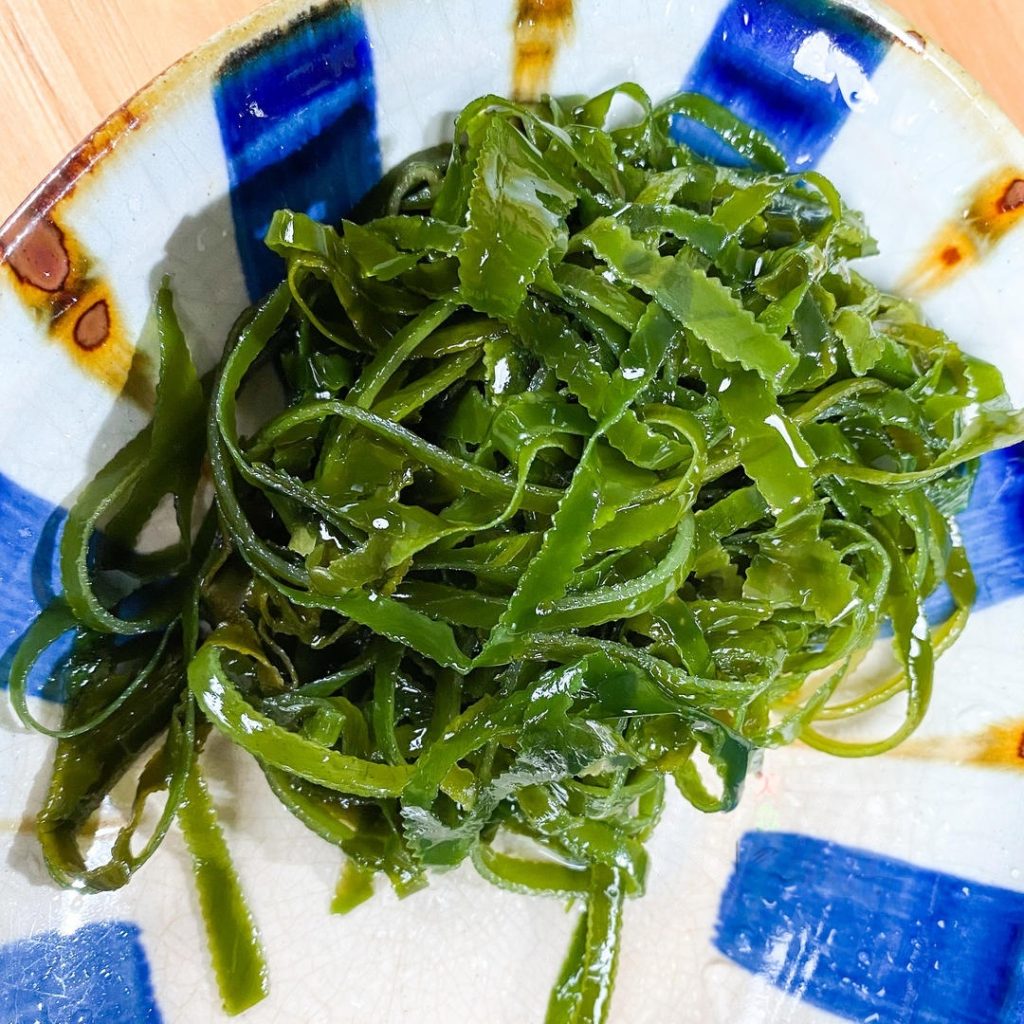
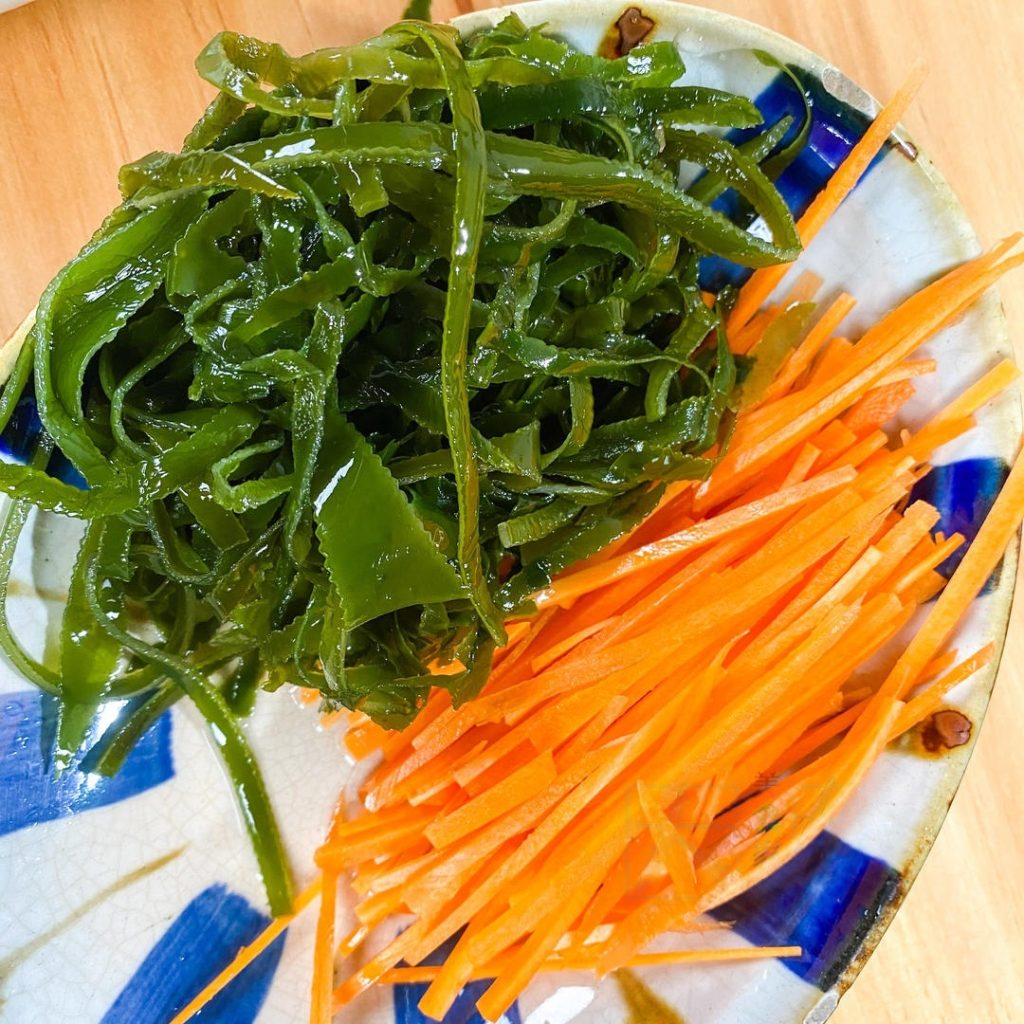
- Prepare the Kelp: If using salt-preserved kelp, rinse it under cold running water 3-4 times to remove all visible salt. Soak in fresh water for 15 minutes, then drain and cut into 4-inch (10 cm) lengths.
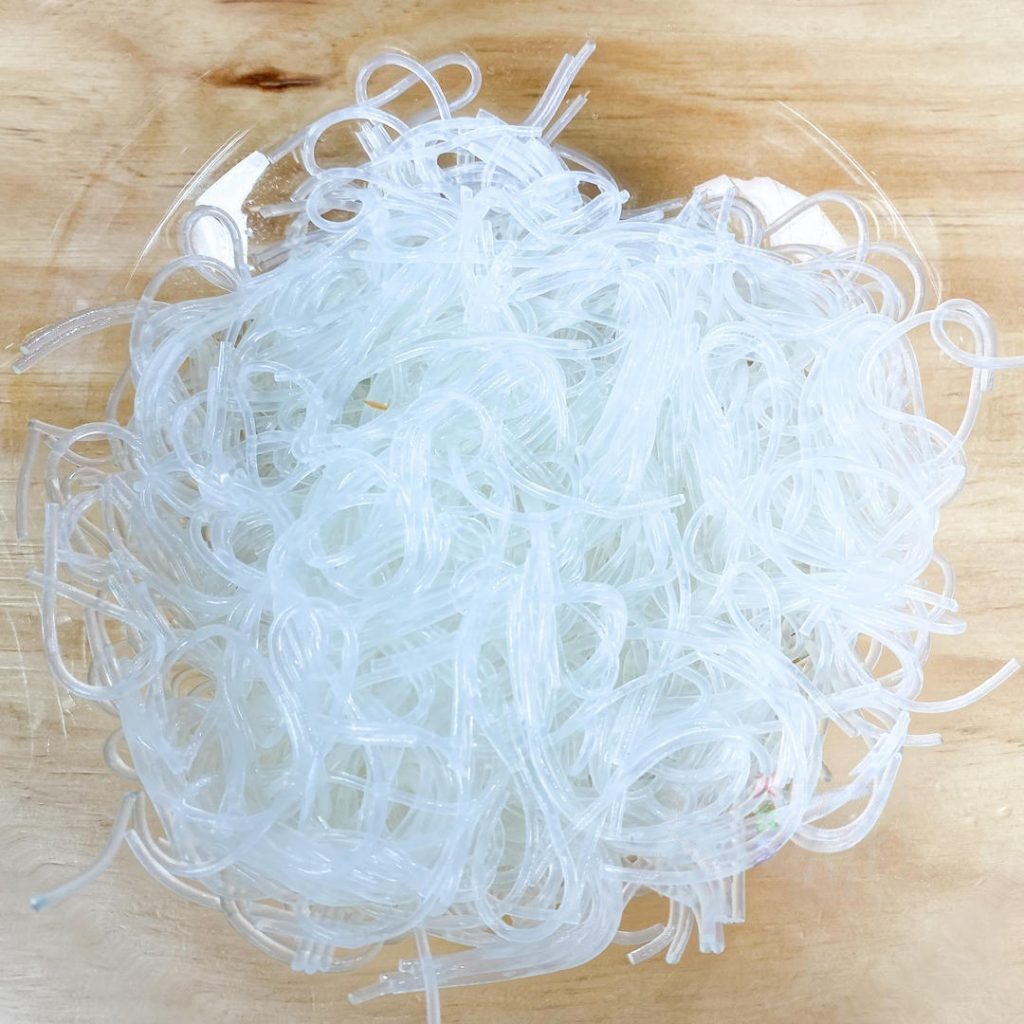
- Soak the Noodles: Place glass noodles in a heat-proof bowl and cover with warm water for 5-10 minutes until pliable.
- Julienne the Carrots: Slice the carrot into thin planks, then stack and slice into matchsticks roughly 1/16 inch thick.
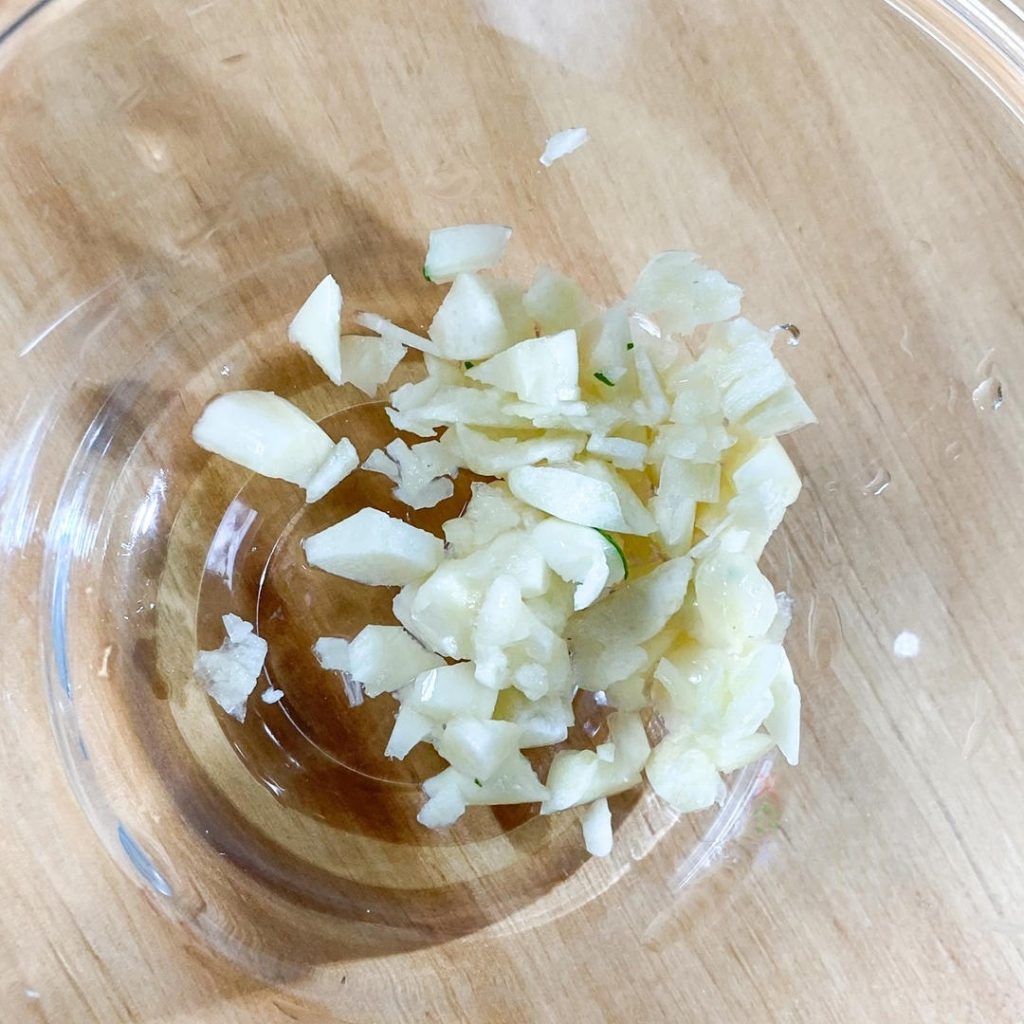
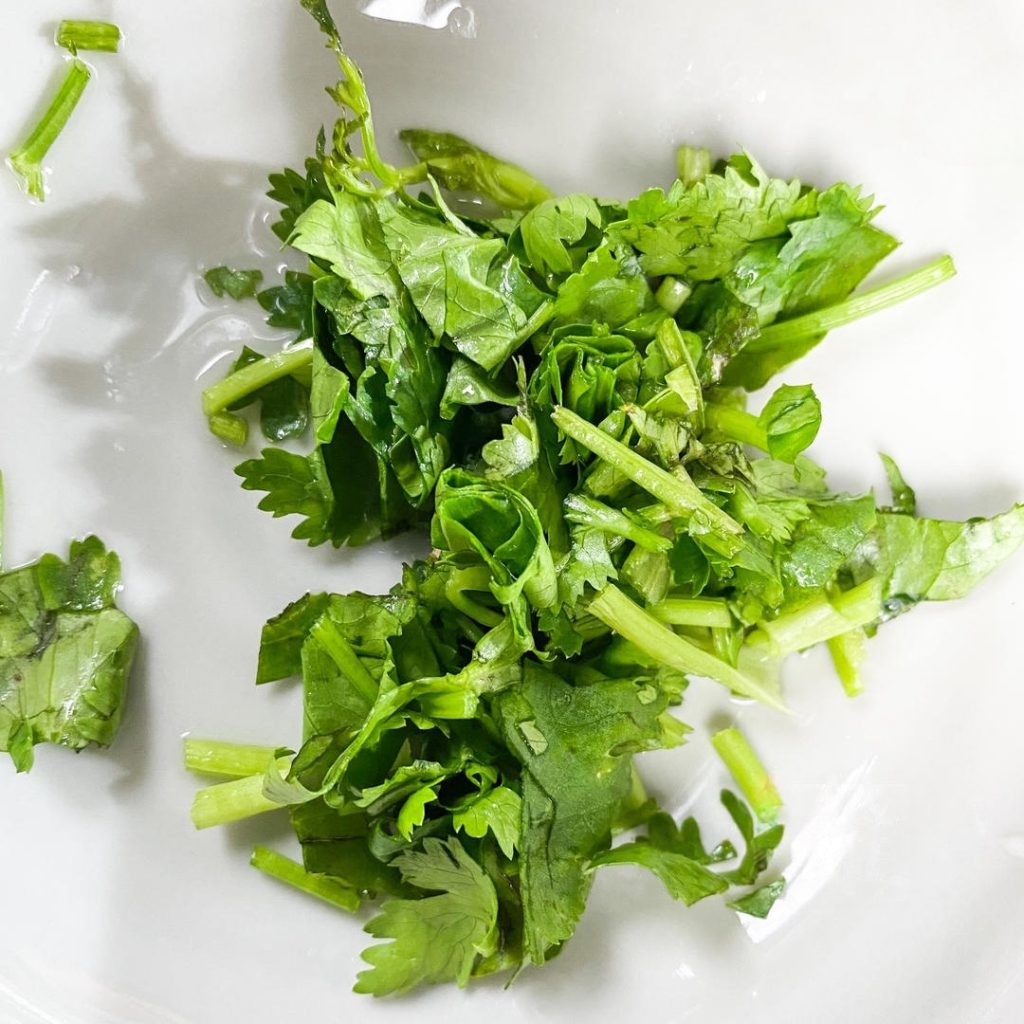
- Mince and Chop: Finely mince the garlic and cut the cilantro into segments.
How to Make Shredded Cold Salad
- Cook the Noodles: Pour boiling water (212°F / 100°C) over the soaked glass noodles. Let them sit for 1 minute or until transparent and soft. Drain immediately and cut with kitchen shears into manageable 5-inch segments.
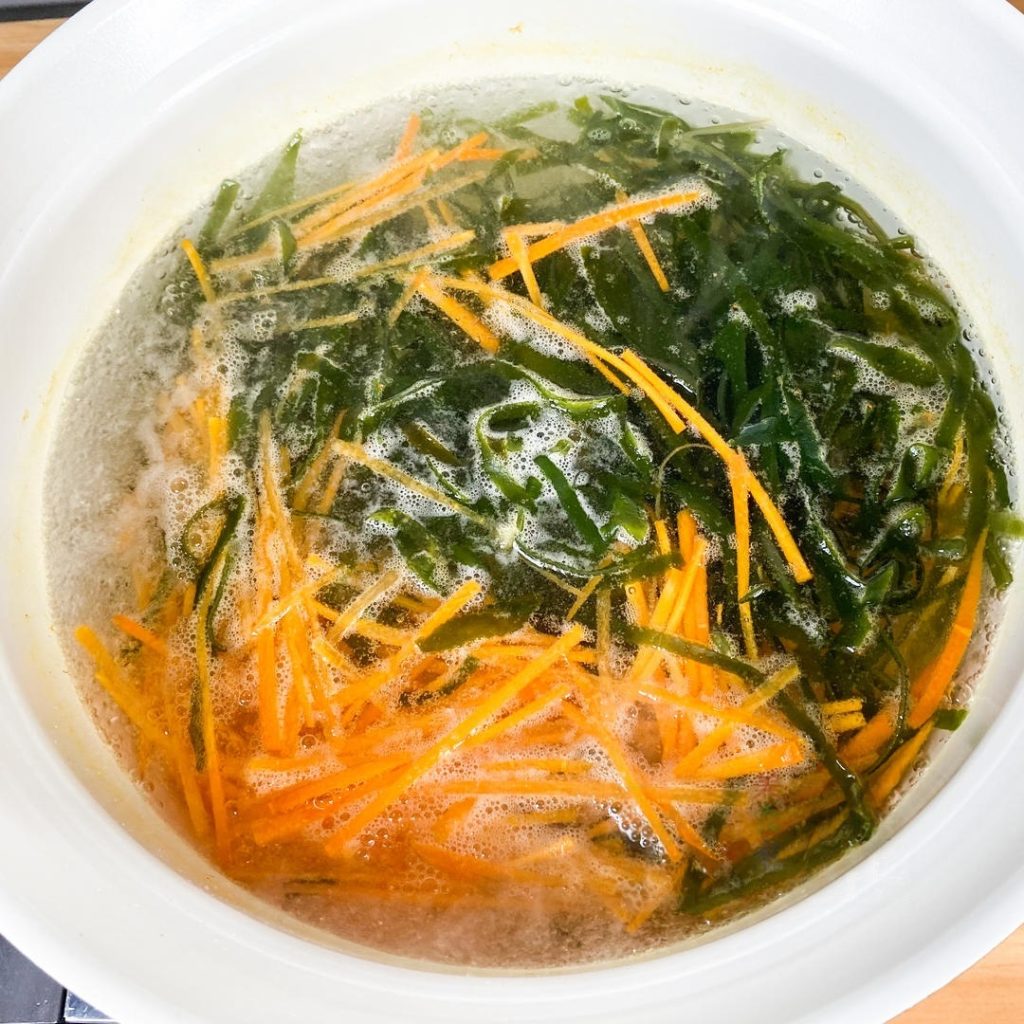
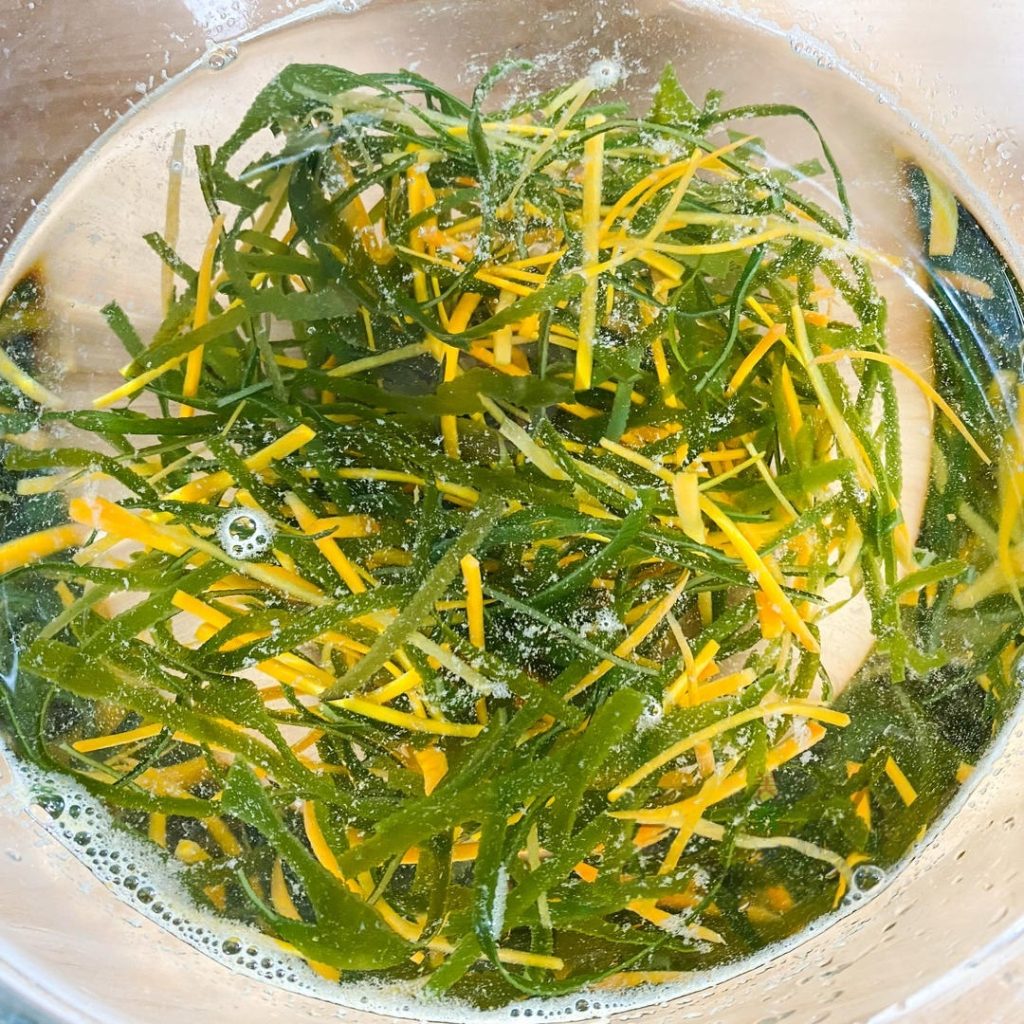
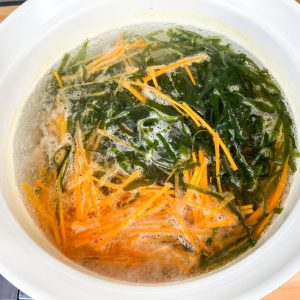
- Blanch the Veggies: Bring a pot of water to a rolling boil over high heat. Add the kelp and carrot shreds. Blanch for exactly 2 minutes. This duration is critical; it’s long enough to soften the carrot’s fiber but short enough to keep the kelp from becoming slimy.
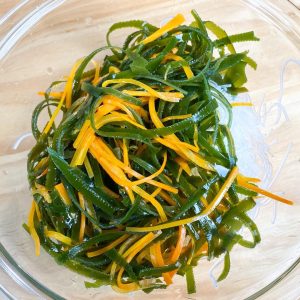
- The Shock Treatment: Immediately transfer the drained kelp and carrots into a bowl of ice water or rinse under very cold tap water. This stops the cooking process and “shocks” the colors to keep them vibrant.
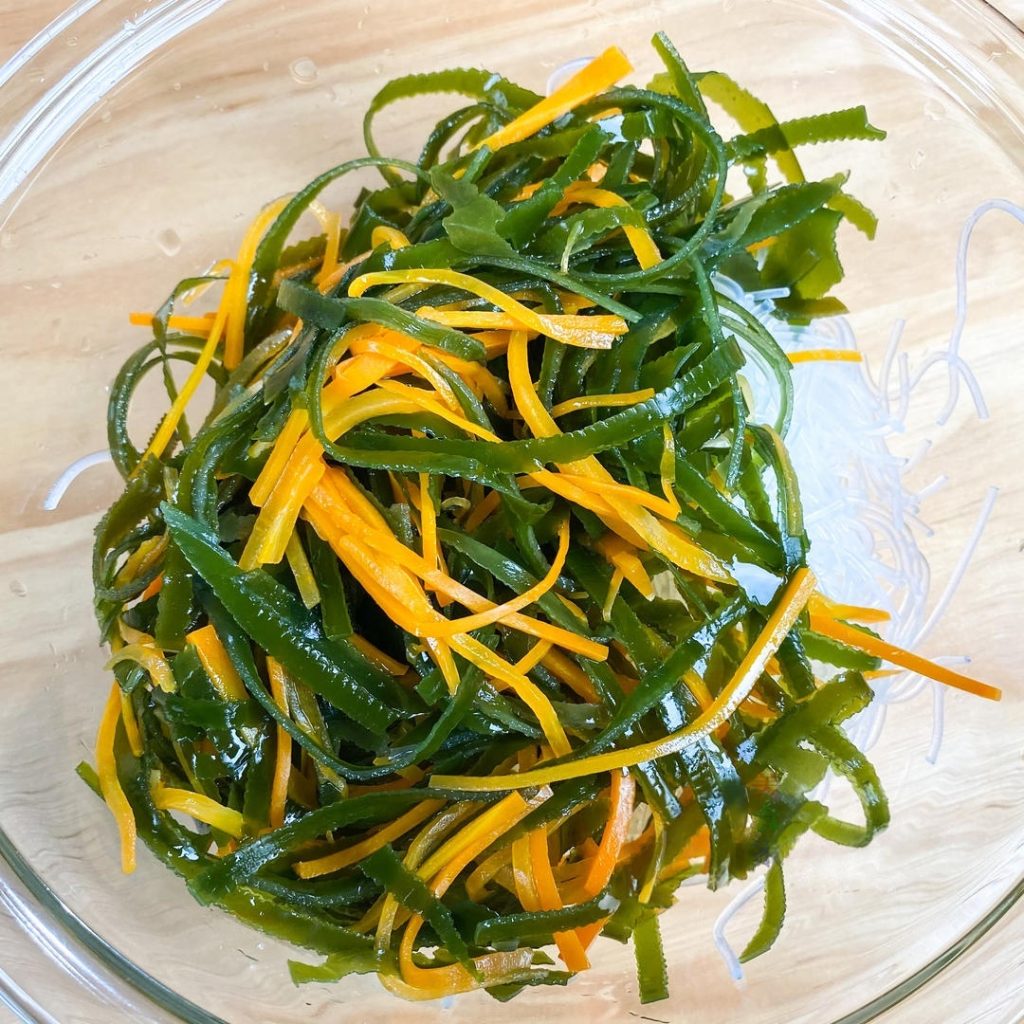
- Drying: This is the most overlooked step. Use your hands to firmly squeeze the excess water out of the kelp, carrots, and noodles. If the ingredients are wet, the dressing will slide right off.
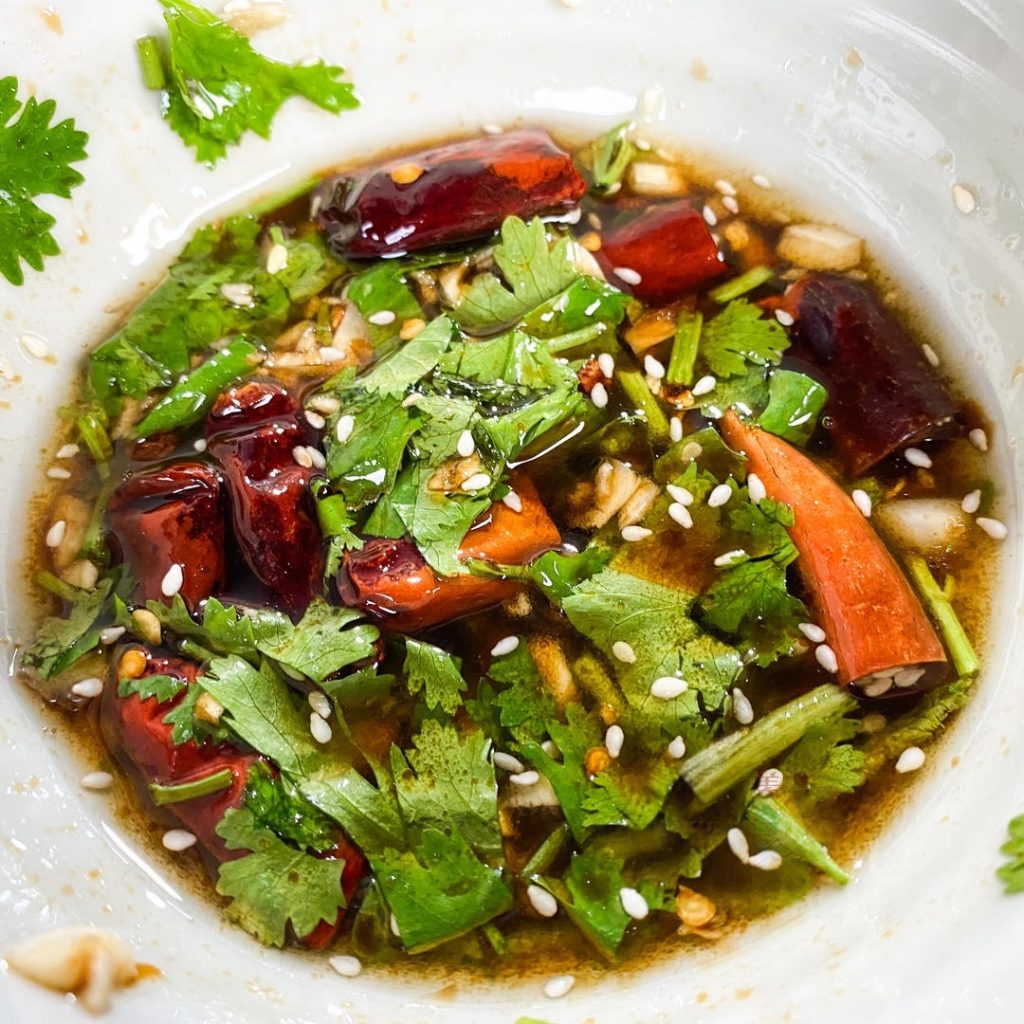
- Toss and Season: In a large mixing bowl, combine the three shreds, garlic, and cilantro. Add the chili oil, scallion oil, peppercorn oil, soy sauce, vinegar, salt, sugar, and optional MSG.
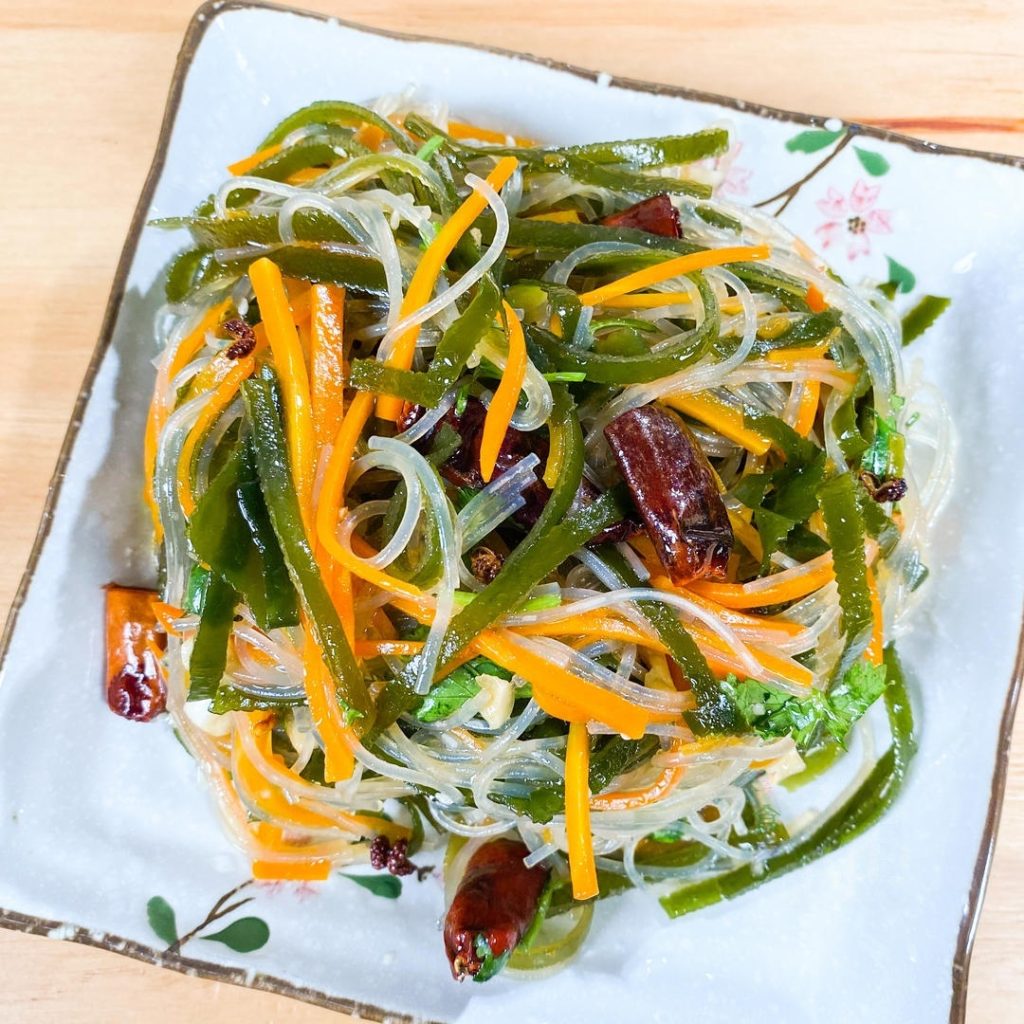
- Emulsify: Use chopsticks or tongs to toss vigorously for 30 seconds. The sugar and salt should be fully dissolved in the vinegar and oils.
Our Systematic Test Kitchen Notes
- Vinegar Ratios: During testing at the Sichuan Higher Institute of Cuisine, we found that because glass noodles are highly absorbent, you need roughly 20% more vinegar than a standard vegetable-only salad to maintain a bright “zing.”
- Oil Sequence: Always add the oils last if you want a glossy appearance, or first if you want to “seal” the vegetables from releasing too much water. We recommend mixing them into the dressing for the best flavor distribution.
FAQ / Troubleshooting
- Why is my salad watery? You likely skipped the “squeezing” step. Ensure you wring the vegetables out like a damp towel before dressing.
- My noodles are sticking together! This happens if you leave the glass noodles to sit after blanching without rinsing them. The starch on the surface acts like glue. A cold rinse is essential.
- Can I use regular white vinegar? No. White vinegar is too harsh. If you can’t find Chinkiang, use a mix of 1 part rice vinegar and 1 part balsamic.
Tips for Success
- Garlic Mashing: Instead of just chopping garlic, mash it with a pinch of salt using the side of your knife. This releases the oils and creates a more pungent flavor that stands up to the chili oil.
- The “Numbing” Control: If you are new to Sichuan food, start with 1/4 tbsp of peppercorn oil. It provides a unique tingling sensation (Ma) that can be surprising to the uninitiated.
Serving Suggestions
This dish is traditionally served as one of the first courses in a multi-dish meal. It pairs beautifully with Sesame Noodles or as a refreshing side to Kung Pao Chicken.
How to Store
Store in an airtight container in the refrigerator for up to 2 days.
⚠️ Food Safety Note: Glass noodles contain starch that can attract bacteria if left at room temperature for more than 2 hours. Always keep this dish chilled. Do not freeze, as the texture of the noodles will disintegrate upon thawing.
About the Author & Recipe Development
I am a professional chef born and raised in Sichuan, where I trained at the Sichuan Higher Institute of Cuisine. After spending a decade in high-pressure restaurant kitchens across Chengdu and later traveling through Europe to understand international palates, I specialized in translating authentic Sichuan techniques for the home cook. This specific recipe was refined through three generations of my family—starting with my chef father’s oil ratios and finishing with my mother’s practical “squeeze-dry” technique.
Food Safety and Preparation
- Kelp Cleaning: Ensure kelp is thoroughly washed to remove excess salt, which can lead to over-seasoning.
- Cross-Contamination: Use a separate cutting board for your vegetables if you are preparing raw meat for other dishes simultaneously.
- Allergen Warning: This recipe contains Soy (Soy Sauce). It is naturally Gluten-Free if using a certified gluten-free soy sauce (Tamari) and mung bean starch noodles.
Nutrition Information (Estimate)
Serves: 4 | Prep: 10m | Cook: 5m | Total: 15m
- Calories: 145 kcal
- Total Fat: 11g
- Saturated Fat: 1.5g
- Sodium: 480mg
- Total Carbohydrates: 12g
- Fiber: 3g
- Sugar: 2g
- Protein: 1.5g
Disclaimer: Nutrition information is calculated using an ingredient database and should be considered an estimate. In cases where multiple ingredient alternatives are given, the first listed is calculated for nutrition. Garnishes and optional ingredients are not included.
Authoritative References
- WHO Healthy Diet Guidelines
- Sichuan Culinary Standards – Cold Dish Preparation (Note: Chinese Government Standard for regional cuisine)
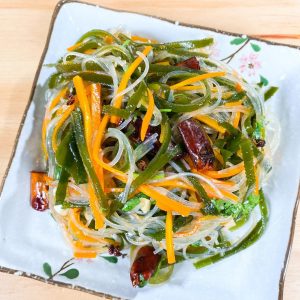
Shredded Cold Salad (Liangban Sansi)

Equipment
- Kitchen Shears For shortening the glass noodles
- Large Mixing Bowl For tossing the salad
Ingredients
- 50 g Glass Noodles Mung bean vermicelli
- 1 medium Carrot Julienned
- 100 g Shredded Kelp Rinsed thoroughly
- 2 tbsp Chili Oil
- 1 tbsp Scallion Oil
- 0.5 tbsp Sichuan Peppercorn Oil
Instructions
- Soak glass noodles in warm water, then scald with boiling water for 1 minute until transparent. Drain and rinse in cold water.

- Blanch the kelp shreds and julienned carrots in boiling water for 2 minutes to remove raw odors.
- Shock the vegetables in ice water and squeeze them dry with your hands to ensure the dressing sticks.
- Combine the three shreds with minced garlic, cilantro, and the dressing ingredients in a large bowl. Toss well and serve.




Leave a Reply