If you have ever ordered sea worm rice bowl in a northern Chinese seafood restaurant, you know the magic: briny, snappy sea worms spooned over golden egg fried rice, with just enough sauce to soak into the grains. It is a bowl that tastes expensive and complicated, but at home it comes together in about 30 minutes once the prep is done.
I grew up watching my parents run a busy restaurant kitchen in Chengdu, and the rule there was simple: every dish on the menu had to earn its place. This version of 海肠捞饭 earns its place by being lighter than the restaurant original (less oil, less salt) while still tasting rich, thanks to sweet shrimp, savory pork, and a glossy starch-thickened sauce. It is also genuinely kid-friendly, because the sea worms are diced small and the sauce is mild.
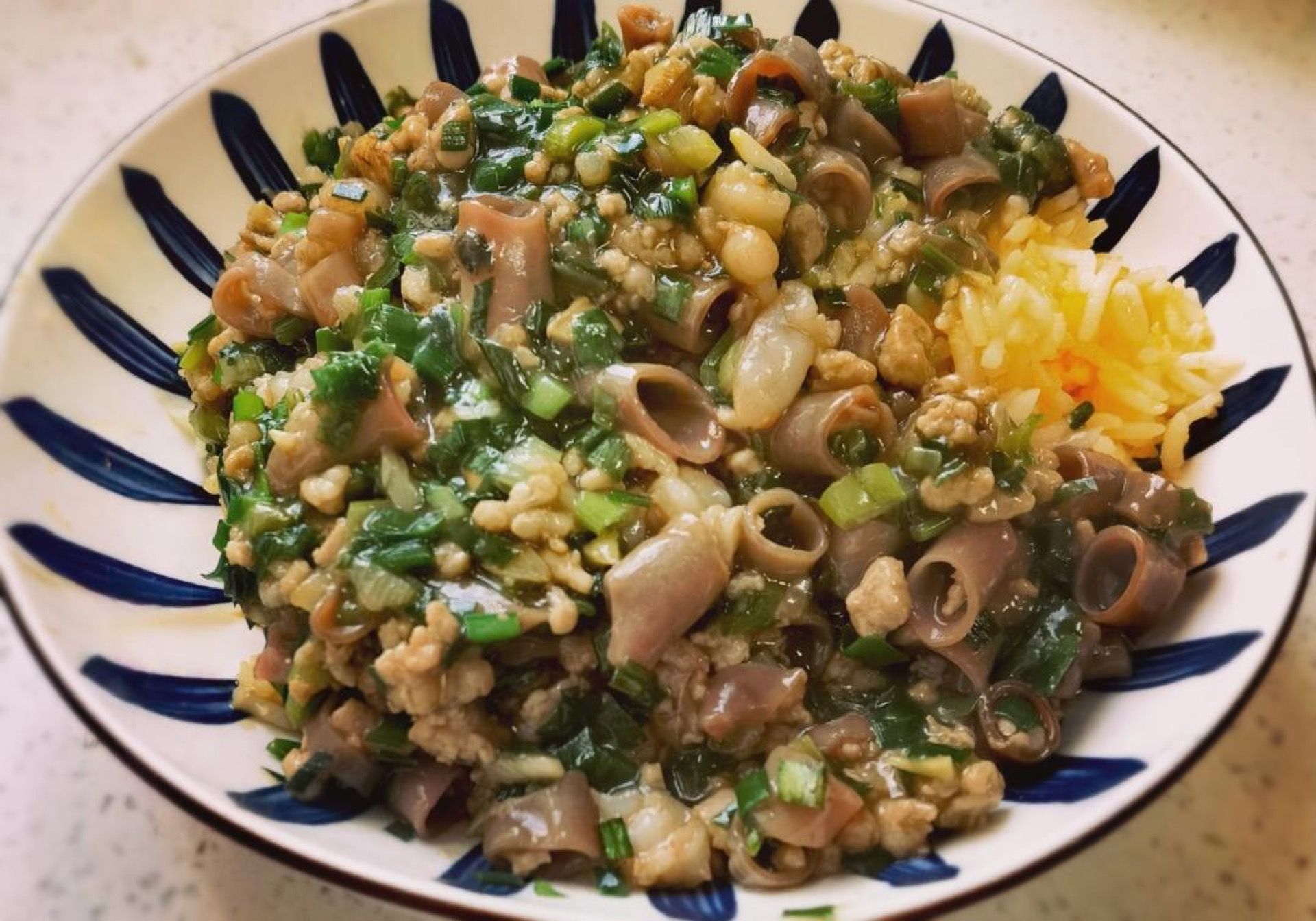
One honest caveat before we start: sea worms (海肠) are extremely perishable and turn rubbery fast. If you cannot source them fresh or frozen within a day or two of buying, this dish will not taste the way it should. The good news is that frozen, pre-cleaned sea worm packs from a Korean or Chinese market work perfectly here.
What Is Sea Worm Rice Bowl?
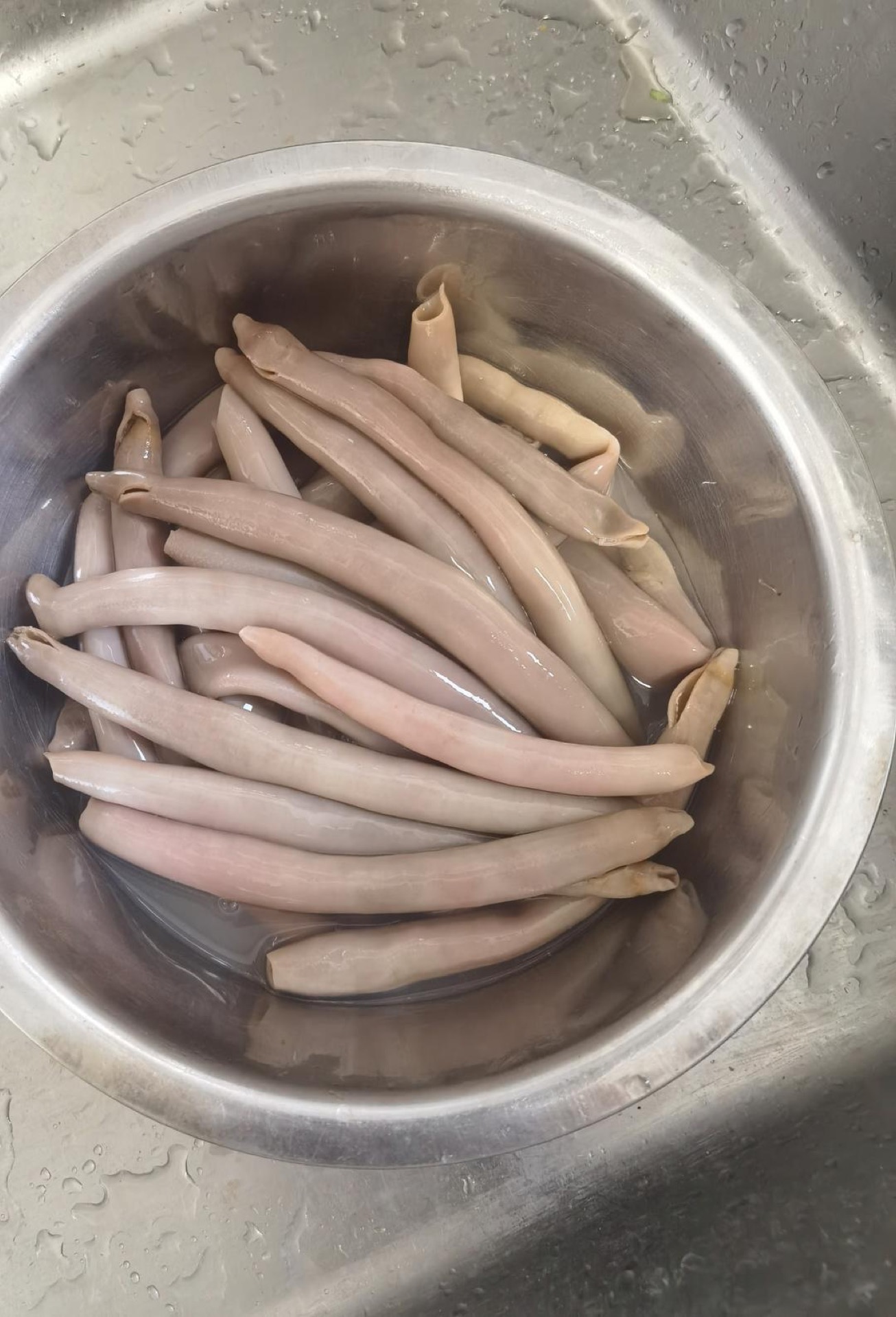
海肠捞饭, literally “sea intestine scooped over rice,” is a coastal northern Chinese dish from the Shandong and Liaoning area. Despite the name, sea worms are not worms in the earthworm sense. They are a type of spoon worm (Urechis unicinctus) that lives in sandy tidal flats, and they have a firm, snappy texture closer to a clam foot or a very tender squid than anything else.
The classic preparation is a quick blanch, then a fast toss in a savory sauce, then a generous ladle over rice. The whole point is speed: sea worms go from tender to tough in under a minute.
In restaurants the dish is usually quite oily and quite salty, because the sauce is meant to season a big pile of rice. My version cuts both back, relying on fresh aromatics and a light starch slurry instead of a heavy pour of oil. If you want a deeper dive into building balanced Chinese flavors at home, start with my guide on how to start cooking Chinese food at home.
Why This Recipe Works
- Egg-coated rice: Mixing raw egg into cooked rice before frying gives every grain a golden coating, so the rice stays separate and never greasy.
- Staggered cooking order: Pork first, then shrimp, then sea worms. Each ingredient gets exactly the time it needs, which is why the shrimp stays plump and the sea worms stay snappy.
- A light starch slurry: A small amount of cornstarch water thickens the sauce so it clings to the rice without needing extra oil.
- Lower sodium sauce: Oyster sauce and soy sauce do the heavy lifting, so you do not need added salt.
- Diced small for kids: Cutting everything into small, even dice means little mouths can handle it without a fight.
Equipment Needed
- A wok or a large, heavy skillet. If you do not own a wok, see my notes on the best pan for stir fry without a wok.
- A small pot for blanching the sea worms.
- A fine-mesh strainer or spider.
- A sharp chef’s knife and a cutting board.
- A small bowl for the sauce and a small bowl for the starch slurry.
- Rice cooker or pot for the rice (cook it ahead and let it cool).
Ingredients
- 400 g sea worms (海肠), fresh or frozen and thawed
- 150 g Chinese chives (韭菜), finely chopped
- 150 g shrimp, peeled, deveined, diced
- 200 g ground pork
- 4 eggs
- 2 bowls cooked white rice (about 500 g cooked, cooled)
- Half a large scallion, plus extra scallion greens for garnish
- Fresh ginger, about a thumb-sized piece
- 2 garlic cloves
- 2 tbsp soy sauce
- 2 tbsp oyster sauce
- 1 tbsp Shaoxing cooking wine (or see my guide to a substitute for Chinese cooking wine)
- Cornstarch, about 1 tbsp, mixed with 2 tbsp cold water
- Neutral oil, about 2 tbsp total
Ingredient Notes
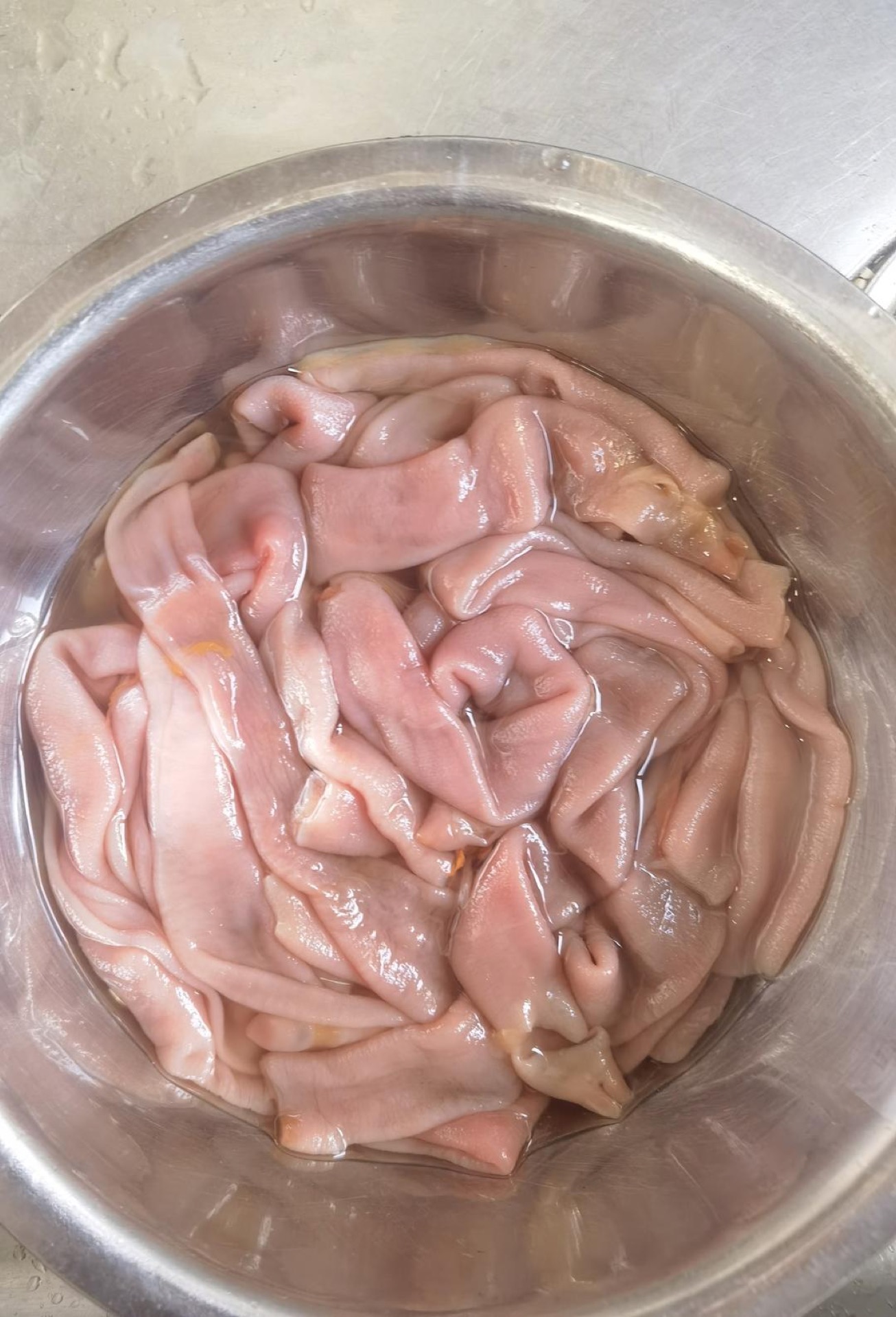
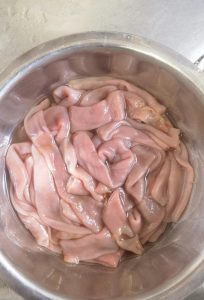
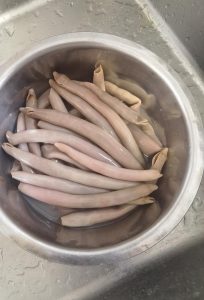
Sea worms. Frozen pre-cleaned packs are the most practical option outside of coastal China. Thaw overnight in the fridge, never on the counter. If yours arrive whole and un-cleaned, rinse them in cold salted water and squeeze gently to push out any sand.
Chinese chives. These are flat, wide-bladed chives with a distinct garlicky bite, not the thin hollow chives sold for garnish. In summer they are tougher and need a longer cook; in spring they are tender and need only a quick toss.
Shrimp. Smaller shrimp (around 40/50 count) work better here than jumbo ones, because they cook fast and stay tender alongside the sea worms.
Rice. Day-old cold rice is ideal. Freshly cooked hot rice will steam and clump when it hits the wok.
Prep & Mise en Place
Get everything cut and arranged before you turn on the heat. This dish moves fast, and once the sea worms go in you have about five seconds to decide your next move.
- Rinse sea worms under cold water and pat dry.
- Dice shrimp, chop chives, mince scallion, ginger, and garlic.
- Stir soy sauce, oyster sauce, and cooking wine together in a small bowl. If you want a touch more sweetness, add a pinch of sugar.
- Mix cornstarch with cold water for the slurry.
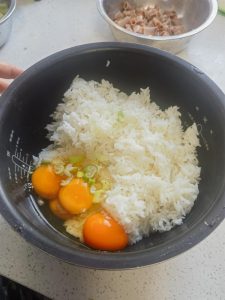
- Beat the eggs and toss with the cooled rice and a handful of chopped scallion greens until every grain is coated.
Cooking Process
Step 1: Clean and Prep the Sea Worms
Rinse the sea worms well and set them aside. If you bought a pre-cleaned frozen pack, thaw it fully, then rinse and drain. Pat them dry so they do not spit in the hot water.
Step 2: Blanch Briefly
Bring a pot of water to a rolling boil. Drop the sea worms in for 3 to 5 seconds. The moment they puff up and firm, scoop them out with a spider. Any longer and they turn rubbery, so set a timer if you are unsure.
Step 3: Cool, Dice, and Set Up the Station
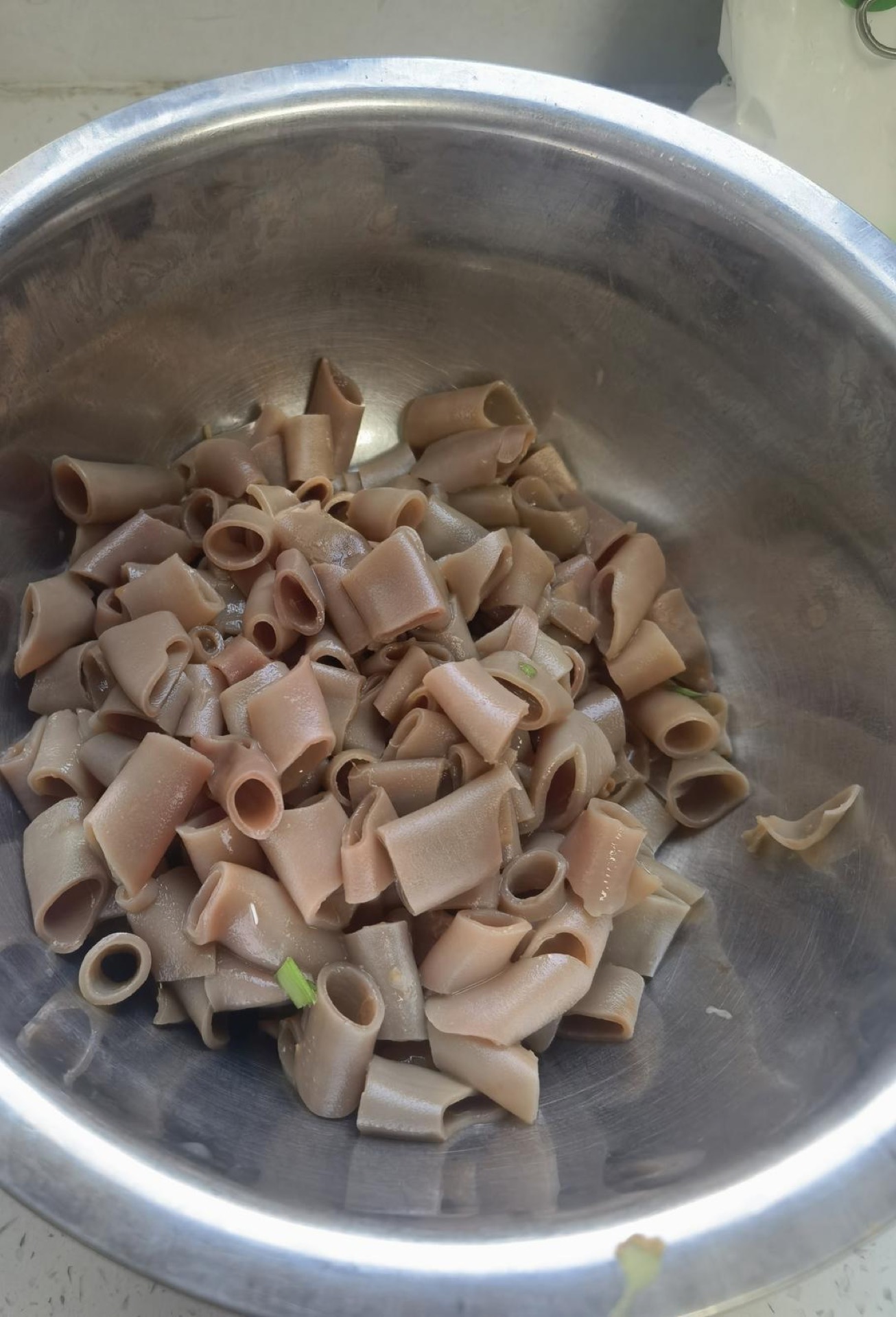
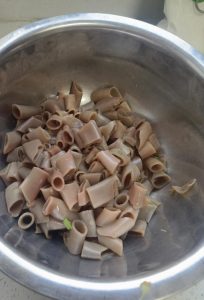
Let the blanched sea worms cool, then dice them into small pieces. Dice the shrimp, finely chop the chives, and mince the scallion, ginger, and garlic. Have the ground pork ready. Stir the sauce mixture and the starch slurry one more time before you start cooking.
Step 4: Coat the Rice with Egg
Combine the cooled rice with the beaten eggs and a handful of chopped scallion greens. Stir until the grains are evenly coated and no dry patches remain.
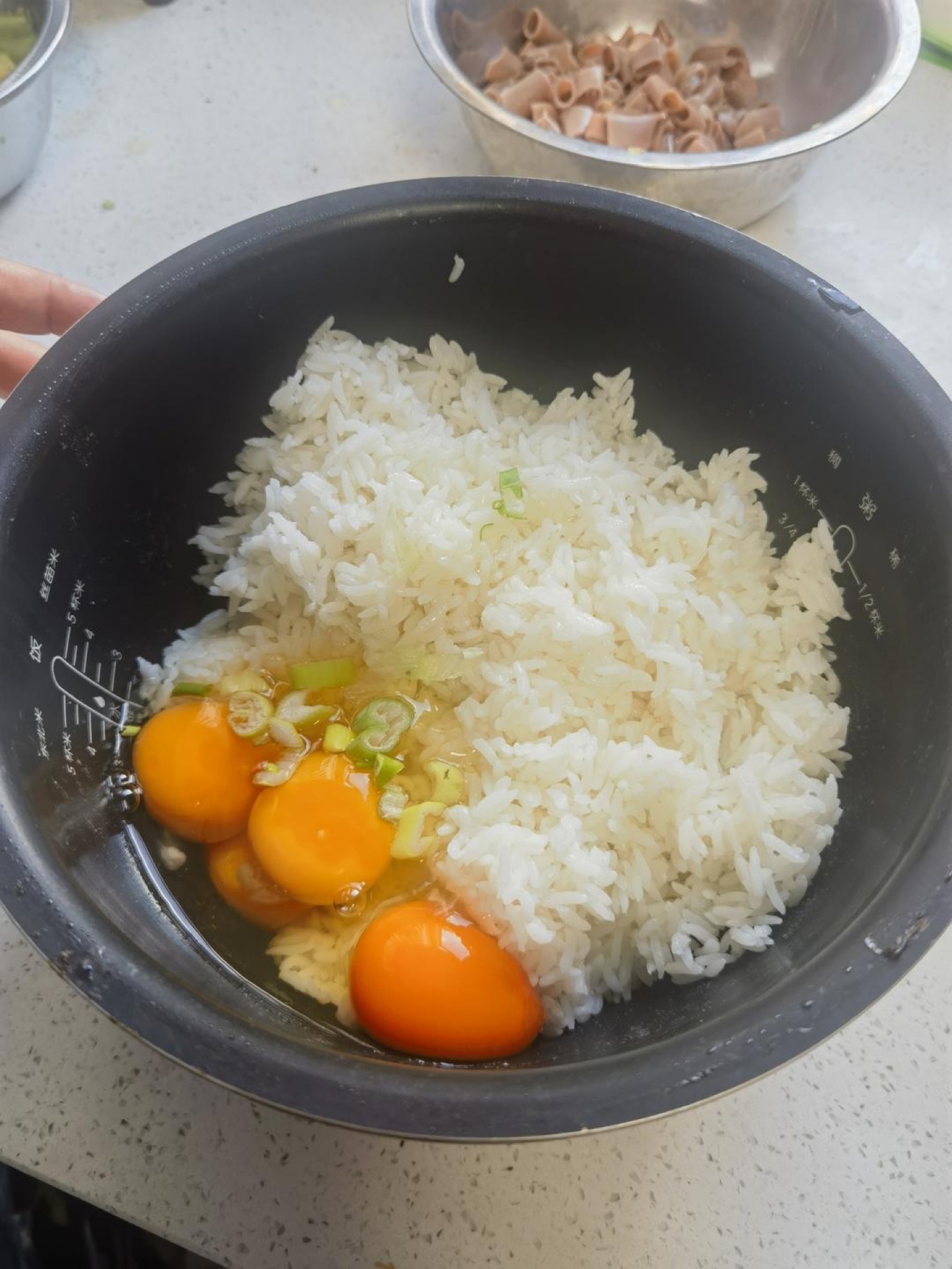
Step 5: Fry the Golden Egg Rice
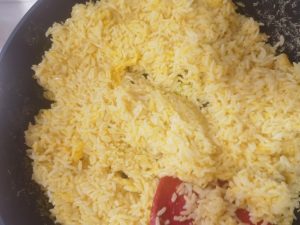
Heat a thin film of oil in the wok over medium-high until it shimmers. Add the egg-coated rice and press it into an even layer. Let it sit for 20 seconds, then stir-fry, breaking up clumps, until every grain is dry, separate, and golden. This takes about 3 to 4 minutes. Scoop the rice out into a serving bowl and set aside.
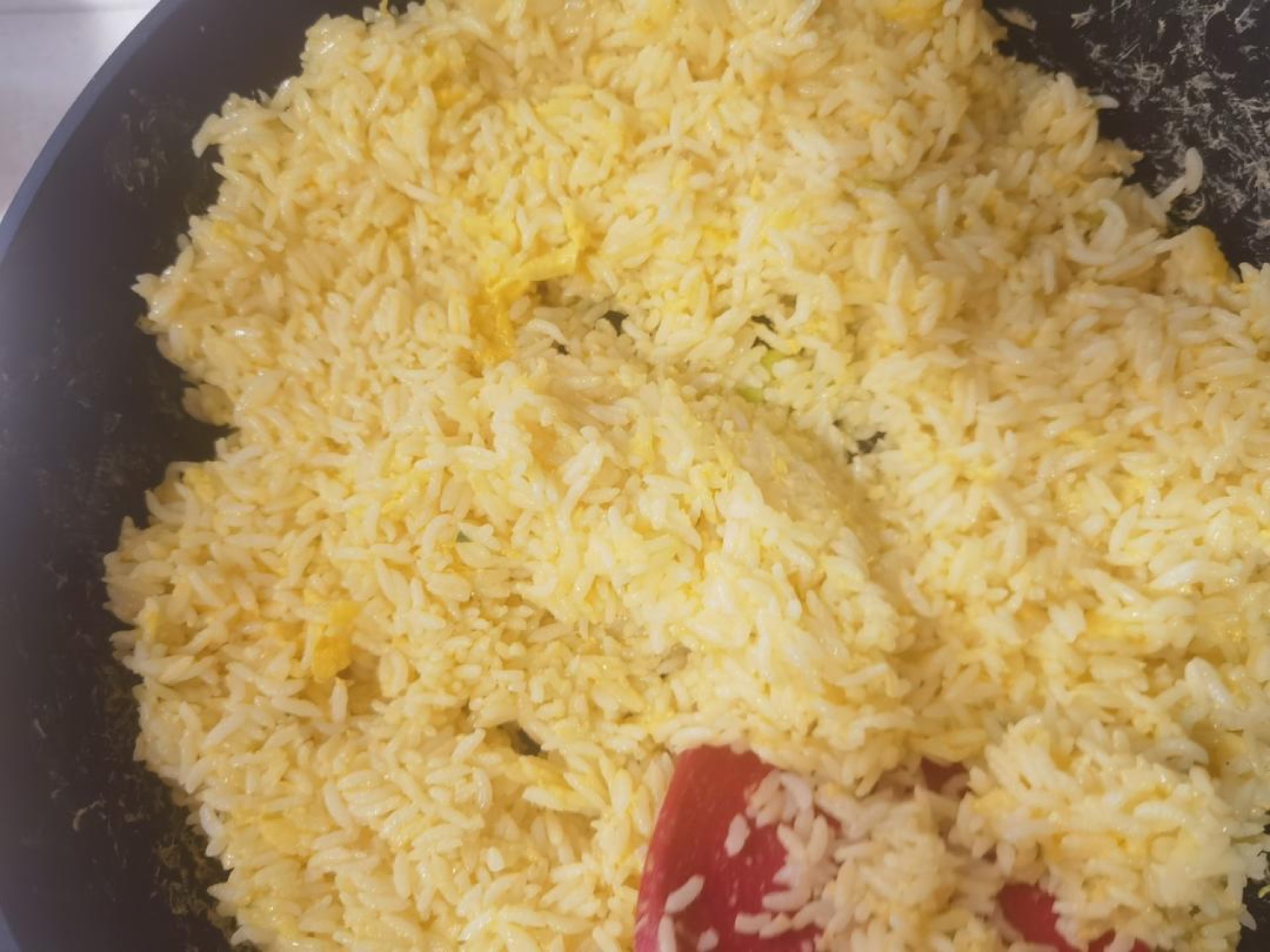
Step 6: Bloom the Aromatics
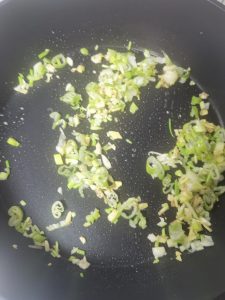
Wipe the wok, add a little more oil, and heat over medium until it shimmers. Add the minced scallion, ginger, and garlic. Stir constantly for about 30 seconds, until fragrant. Do not let them brown, or the sauce will taste bitter. If your garlic tends to scorch, see my notes on why garlic burns so fast in stir fry.
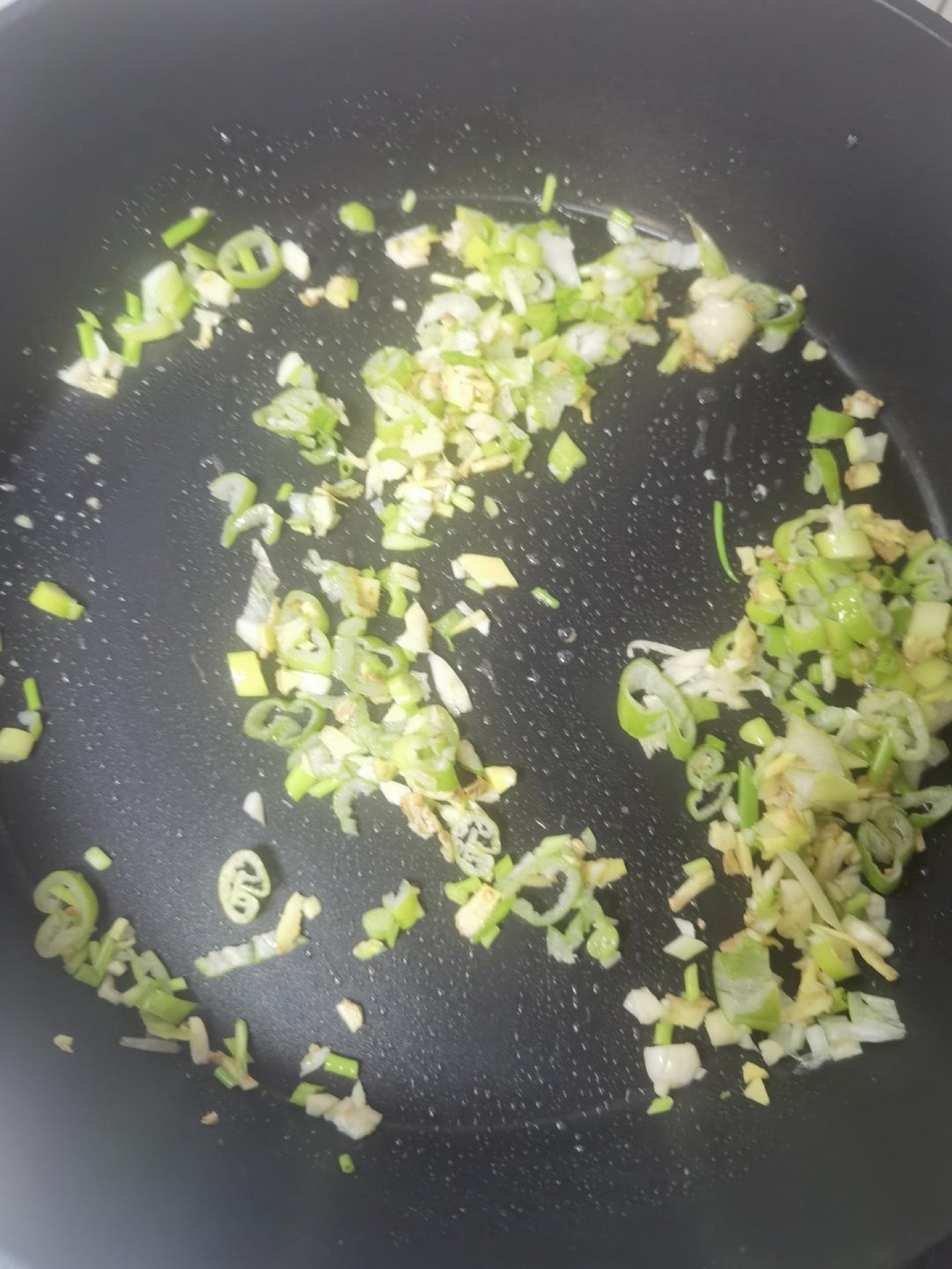
Step 7: Brown the Pork, Then Add the Shrimp
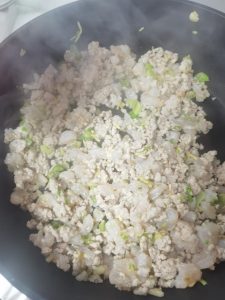
Add the ground pork and stir-fry until it is about half cooked and no longer pink, roughly 1 minute. Then add the diced shrimp. Shrimp cook faster than pork, so adding them later keeps them plump instead of rubbery. Stir-fry for another 30 to 45 seconds, until the shrimp just turn opaque.
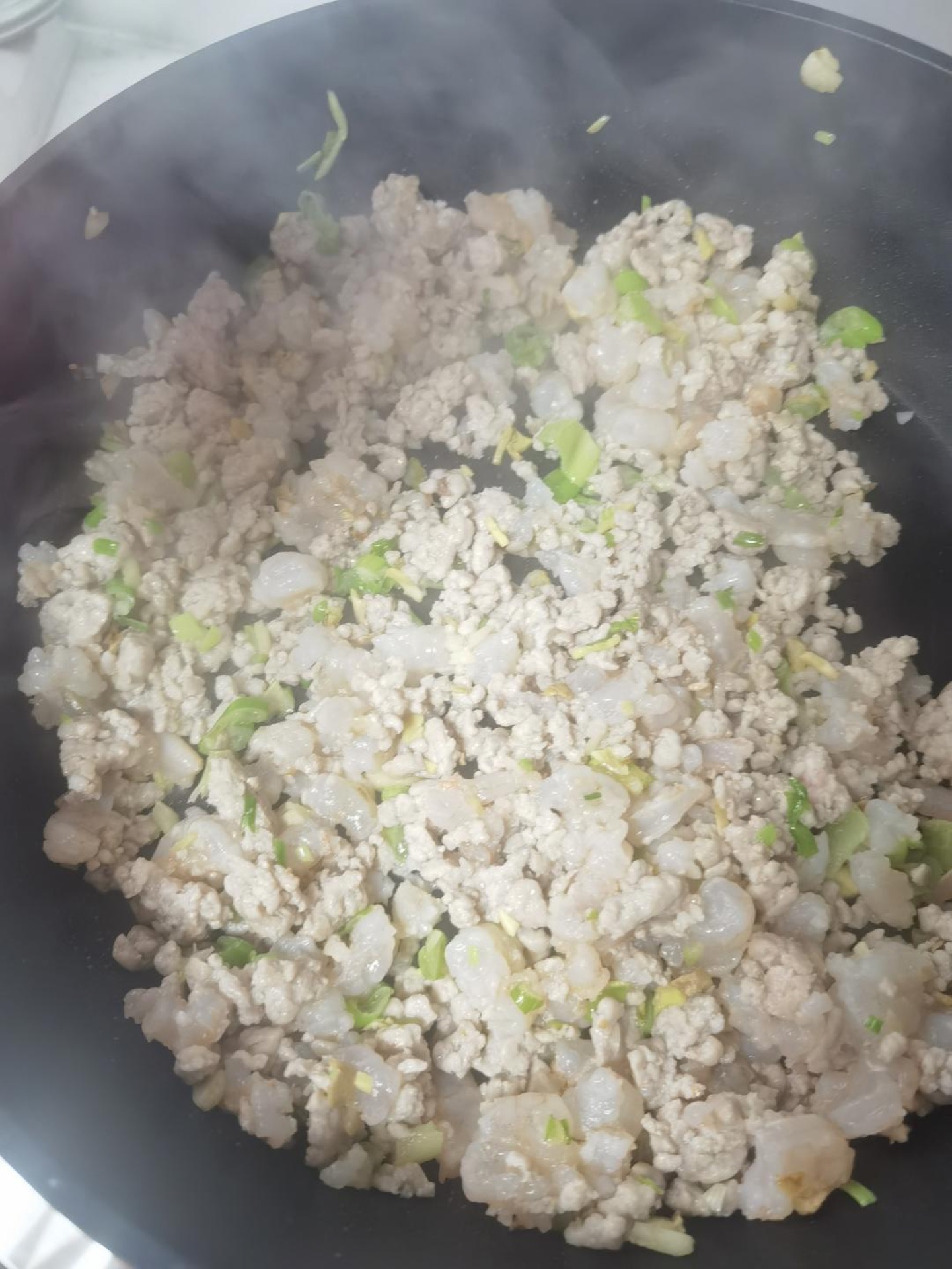
Step 8: Add Chives, Sauce, Slurry, Then Sea Worms
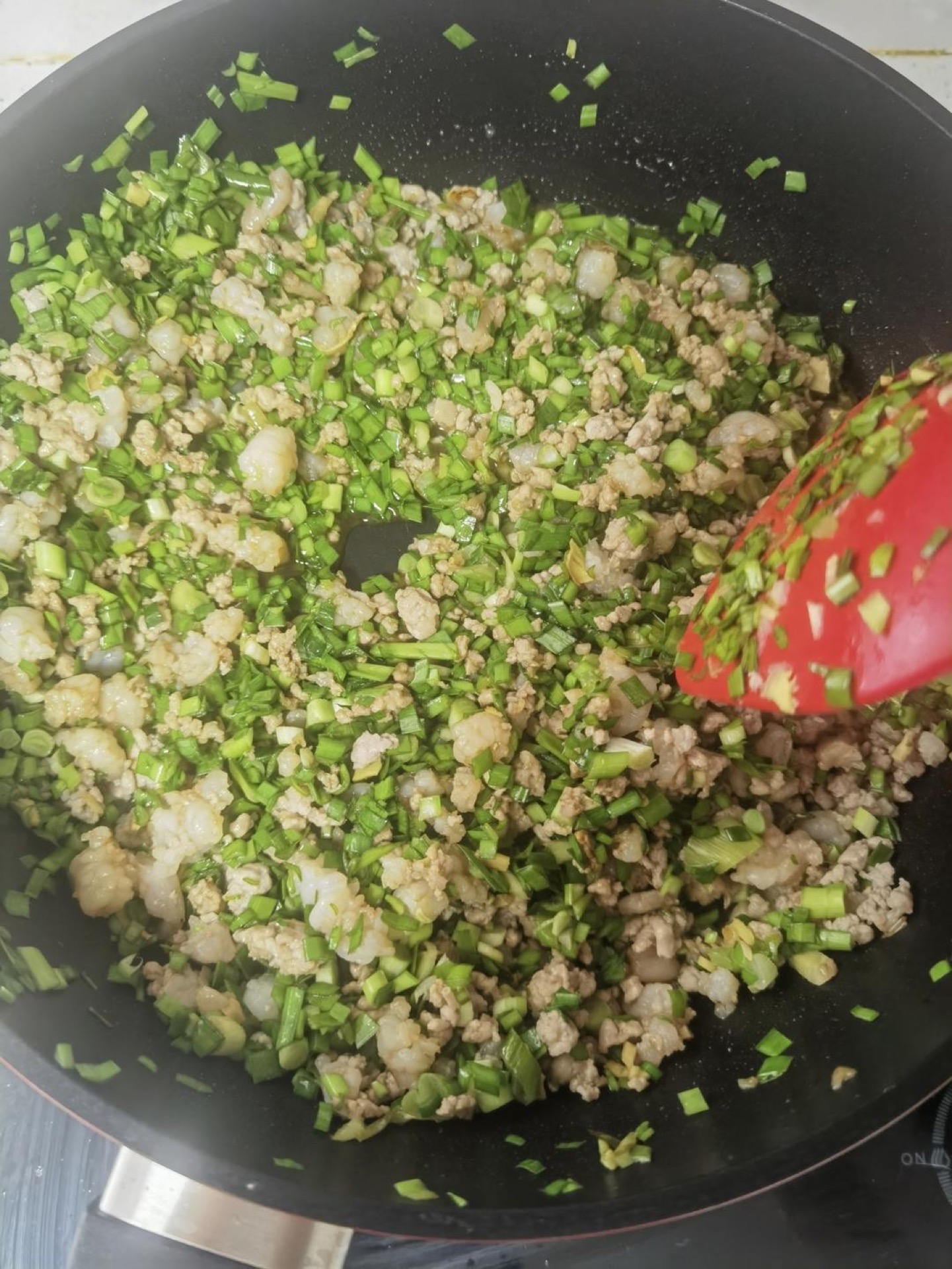
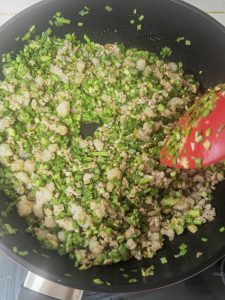
Add the chives and stir-fry. In summer, when chives are tougher, give them a full 60 to 90 seconds. In spring, when they are tender, 20 to 30 seconds is enough. Pour in the sauce mixture and the starch slurry, stirring to coat. Finally, add the diced sea worms and toss for 3 to 5 seconds. Turn off the heat and slide the wok off the burner.
Step 9: Assemble the Bowl
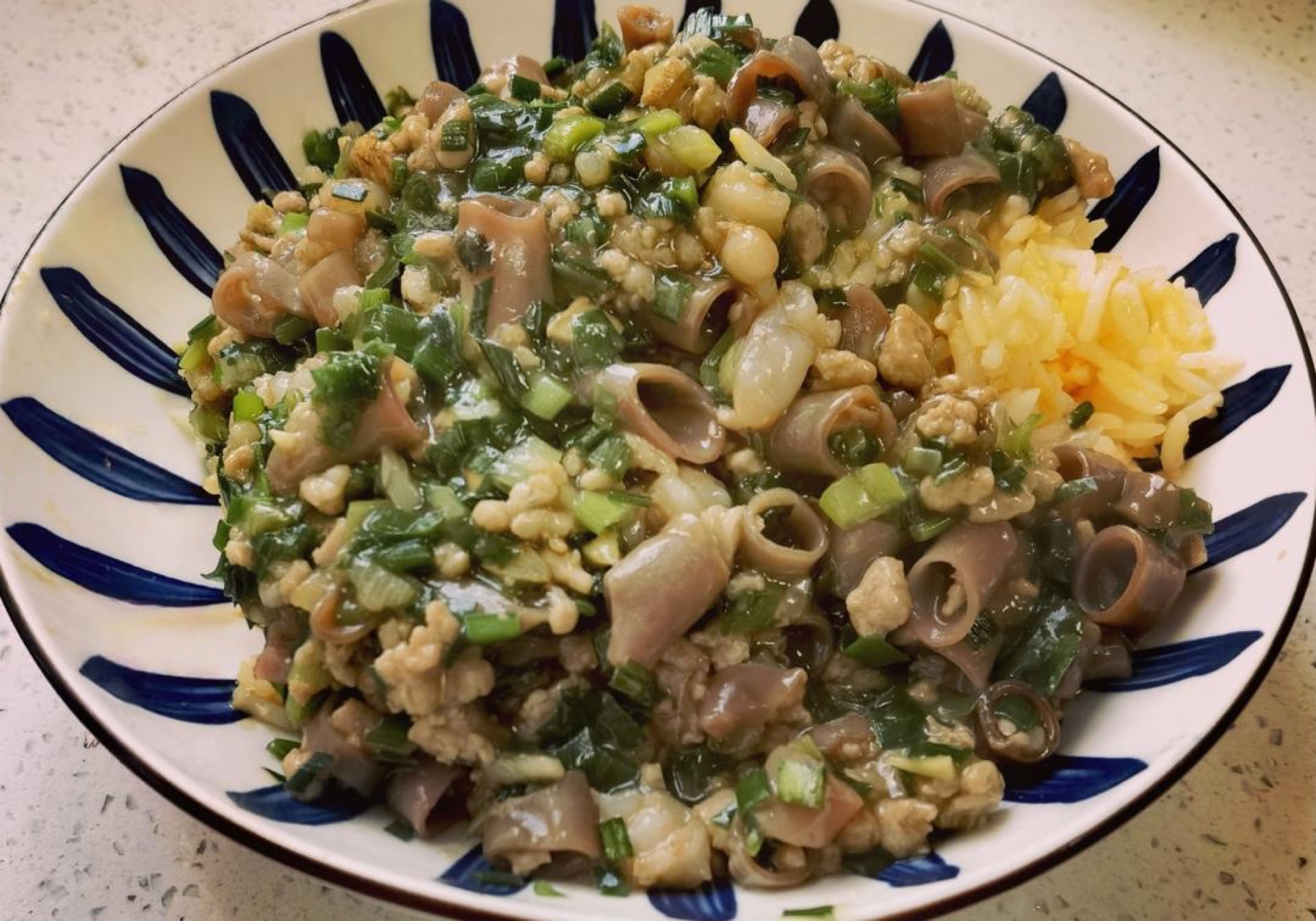
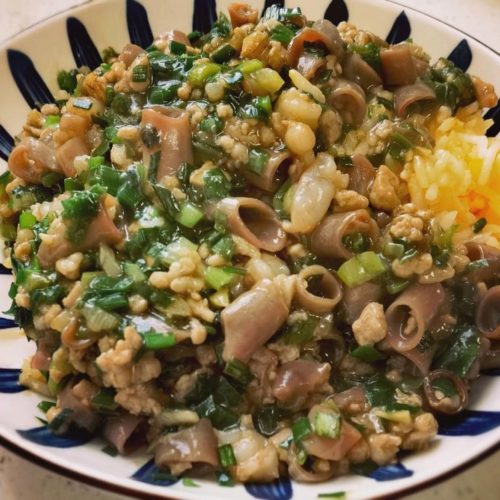
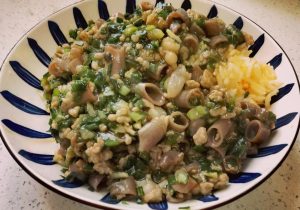
Spoon the chive, shrimp, pork, and sea worm mixture generously over the golden egg fried rice. Serve immediately, while the sea worms are still snappy and the rice is hot.
Common Mistakes When Making Sea Worm Rice Bowl
1. Over-blanching the sea worms. Anything past 5 seconds in boiling water starts the toughening process. If you walk away, you will end up with rubber bands.
2. Using hot, freshly cooked rice. It steams and clumps when it hits the wok, and the egg coating never sets properly. Cool it completely first.
3. Crowding the wok. If your wok is small, fry the rice in two batches. A crowded wok drops in temperature and the rice ends up soggy instead of toasted.
4. Adding too much sauce. The sauce is meant to glaze, not drown. If yours tastes too salty, see my troubleshooting notes on why sauce tastes too salty.
5. Cooking the sea worms a second time. Once they go into the wok, they need only 3 to 5 seconds of tossing. Any longer and the heat keeps working on them.
Variations
Extra-lean version. Swap the ground pork for ground chicken thigh or even crumbled firm tofu. The dish loses a little richness but stays satisfying.
Extra-veg version. Add a handful of blanched peas or finely diced carrots to the sauce stage. Kids usually like the sweetness.
Spicier adult version. Finish with a drizzle of chili oil or a spoonful of doubanjiang at the aroma stage. If you like that flavor profile, my yuxiang rousi uses the same technique.
Rice swap. Short-grain Japanese rice or even a mix of white and brown rice works fine. Just make sure it is cooled before frying.
Frequently Asked Questions
Can I make this without sea worms? You can, but it will be a different dish. The closest substitute is small squid tentacles or clam meat, both of which need a similar quick blanch.
How do I know the sea worms are fresh? They should smell of clean seawater, not ammonia. They should feel firm and slightly springy, not slimy or mushy.
Can I prep this ahead? You can blanch and dice the sea worms up to 4 hours ahead and refrigerate them. Do not blanch them a day in advance, as the texture degrades.
Is this dish spicy? No, not as written. It is savory and lightly sweet, which is exactly why kids tend to like it.
What if my stir-fry tastes bland? Usually it means the aromatics did not bloom properly or the sauce was not reduced enough. See my notes on why stir fry tastes bland.
How to Serve
Serve immediately in warmed bowls. A small dish of pickled cucumber or a light soup on the side rounds it out nicely. If you want a similar one-bowl comfort meal for another night, my Taiwanese braised pork rice is a great next project.
A note for parents: the sea worms themselves have a mild, briny flavor and a snappy chew, so for very young children, dice them finer than you think you need to.
Round out the table with the spinach and pork liver soup if you want a full homestyle spread.

Storage & Reheat
This dish is at its best within 20 minutes of cooking. Leftovers will keep in an airtight container in the fridge for up to 24 hours, but the sea worms will lose their snap and the rice will soften.
To reheat, use a hot skillet or wok with a teaspoon of oil, not the microwave. A microwave turns the sea worms rubbery and the rice gluey. Reheat for 2 to 3 minutes over medium-high, stirring once, until steaming.
Do not freeze leftovers. The texture of the sea worms does not survive it.
Allergen Notice
This recipe contains shellfish (shrimp), eggs, soy, and wheat (from the soy sauce and oyster sauce). Oyster sauce often contains trace shellfish, so anyone with a severe shellfish allergy should skip it or use a mushroom-based stir-fry sauce instead. Check your cooking wine label, as some brands contain wheat.
Nutrition Disclaimer
Nutrition information is estimated using standard ingredient databases and is provided for general guidance only. Actual values vary depending on brand, portion size, and preparation. This is not medical or dietary advice. If you are managing a health condition, consult a qualified professional.
About the Author & Recipe Development
I am Lin, and I grew up in my parents’ restaurant kitchen in Chengdu, where every dish on the menu had to earn its place. That standard still shapes how I cook at home: nothing goes on the table unless it is worth the effort and worth eating twice. This sea worm rice bowl started as a restaurant memory from a trip north and turned into a weeknight dinner my own kids ask for. If you want more one-bowl Chinese comfort food, try my simmered Japanese-style beef rice bowl or these bacon and pork floss bento toasts for a fun lunchbox twist.
Authoritative References
- Harold McGee, On Food and Cooking, for notes on shellfish proteins and heat-induced toughening.
- Fuchsia Dunlop, The Food of Sichuan, for technique on blooming aromatics and sauce-building in a wok.
- Grace Young, The Breath of a Wok, for guidance on wok heat management and preventing scorched garlic.
- USDA FoodData Central, for nutrition data on shrimp, pork, and eggs.
Sea Worm Rice Bowl (海肠捞饭): Kid-Friendly Low-Oil Delight

Equipment
- Wok or Large Heavy Skillet
- Small pot (for blanching)
- Fine-mesh strainer or spider
- Chef’s knife and cutting board
- Small mixing bowls
- Rice cooker or pot
Ingredients
Main Ingredients
- 400 g sea worms (海肠) fresh or frozen and thawed, pre-cleaned if possible
- 150 g Chinese chives (韭菜) finely chopped
- 150 g shrimp peeled, deveined, diced
- 200 g ground pork
- 4 eggs beaten
- 2 bowls cooked white rice about 500 g cooked, cooled
Aromatics & Sauce
- 0.5 large scallion plus extra scallion greens for garnish
- 1 thumb fresh ginger minced
- 2 cloves garlic minced
- 2 tbsp soy sauce
- 2 tbsp oyster sauce
- 1 tbsp Shaoxing cooking wine or dry sherry
- 1 tbsp cornstarch mixed with 2 tbsp cold water for slurry
- 2 tbsp neutral oil divided
Instructions
- Rinse the sea worms well and set them aside. If you bought a pre-cleaned frozen pack, thaw it fully, then rinse and drain. Pat them dry so they do not spit in the hot water.

- Bring a pot of water to a rolling boil. Drop the sea worms in for 3 to 5 seconds. The moment they puff up and firm, scoop them out with a spider. Any longer and they turn rubbery, so set a timer if you are unsure.
- Let the blanched sea worms cool, then dice them into small pieces. Dice the shrimp, finely chop the chives, and mince the scallion, ginger, and garlic. Have the ground pork ready. Stir the sauce mixture and the starch slurry one more time before you start cooking.
- Combine the cooled rice with the beaten eggs and a handful of chopped scallion greens. Stir until the grains are evenly coated and no dry patches remain.

- Heat a thin film of oil in the wok over medium-high until it shimmers. Add the egg-coated rice and press it into an even layer. Let it sit for 20 seconds, then stir-fry, breaking up clumps, until every grain is dry, separate, and golden. This takes about 3 to 4 minutes. Scoop the rice out into a serving bowl and set aside.

- Wipe the wok, add a little more oil, and heat over medium until it shimmers. Add the minced scallion, ginger, and garlic. Stir constantly for about 30 seconds, until fragrant. Do not let them brown, or the sauce will taste bitter.
- Add the ground pork and stir-fry until it is about half cooked and no longer pink, roughly 1 minute. Then add the diced shrimp. Shrimp cook faster than pork, so adding them later keeps them plump instead of rubbery. Stir-fry for another 30 to 45 seconds, until the shrimp just turn opaque.
- Add the chives and stir-fry. In summer, when chives are tougher, give them a full 60 to 90 seconds. In spring, when they are tender, 20 to 30 seconds is enough. Pour in the sauce mixture and the starch slurry, stirring to coat. Finally, add the diced sea worms and toss for 3 to 5 seconds. Turn off the heat and slide the wok off the burner.
- Spoon the chive, shrimp, pork, and sea worm mixture generously over the golden egg fried rice. Serve immediately, while the sea worms are still snappy and the rice is hot.








Leave a Reply