Growing up in my family’s kitchen, the sound of a hot wok sizzling was my dinner bell. “Cong Bao” (葱爆), or “Scallion Flash-Fry,” is a technique my father, a professional chef, swore by for quick weeknight meals. It relies on high heat and the potent aroma of scallions to transform simple ingredients into something spectacular.

This dish is the ultimate comfort food for meat lovers. Unlike slow-braised pork dishes like Braised Pork Belly (Hong Shao Rou), this recipe is fast. By rendering the fat from the pork belly first, we create meat that is crispy on the edges and chewy in the center, not greasy. It pairs perfectly with the sweetness of the scallions.
What Is Scallion Pork Belly (Cong Bao Rou)?
Scallion Pork Belly Stir-Fry (葱爆五花肉) is a classic Chinese home-style dish. “Cong” means scallion, and “Bao” refers to a cooking method involving high heat and quick stir-frying (often called “exploding” into the wok).
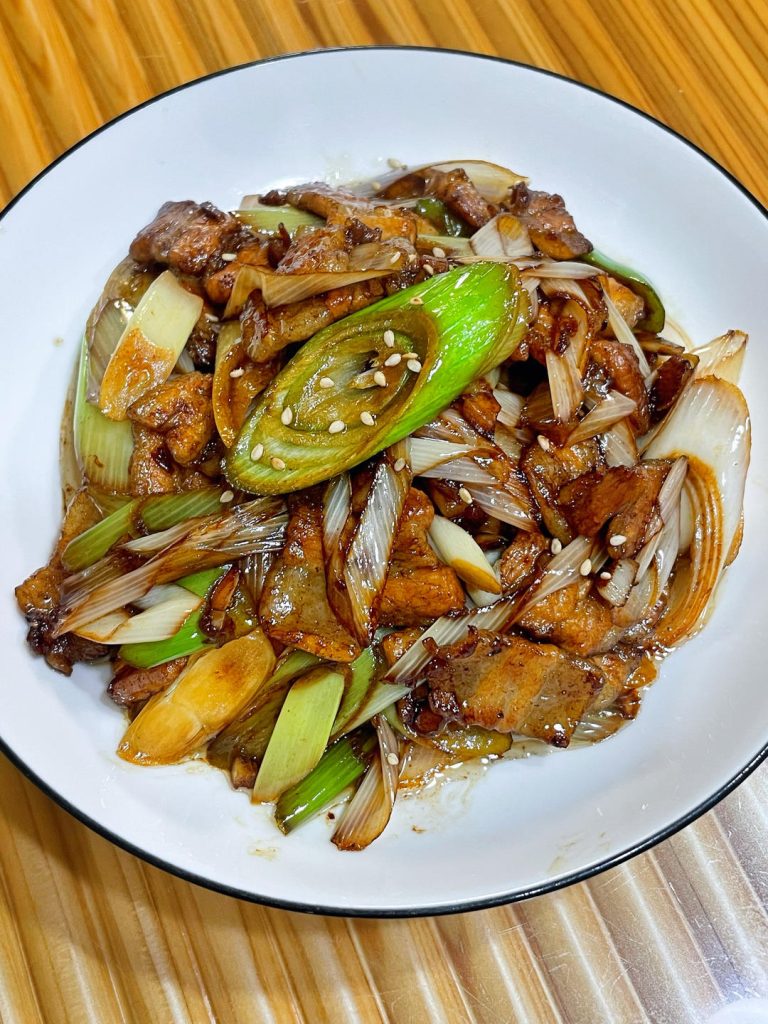
The star of this dish is the interplay between the savory pork fat and the sharp, fresh bite of the scallions (or Chinese leeks). In this recipe, we use a specific technique of adding the scallions in two batches—one to infuse the oil, and one to provide fresh texture—to ensure every bite is balanced.
Why This Recipe Works
- Fat Rendering: We take the time to slowly fry the pork belly slices first. This releases the excess lard (which we pour off), ensuring the dish isn’t oily but remains flavorful.
- Two-Stage Scallions: Adding half the scallions early infuses the dish with aroma, while adding the rest at the end keeps them crisp and vibrant.
- Savory-Sweet Balance: A touch of sugar balances the saltiness of the soy sauce, creating a glossy, savory glaze that coats the meat.
Key Ingredients & Substitutions
- Pork Belly: You need about 9 oz (250g). Remove the skin for this stir-fry to prevent it from becoming tough and chewy during the quick cooking process.
- Large Scallions (Da Cong): The recipe calls for “Da Cong,” which are large Chinese scallions (similar to Welsh onions or leeks). If you cannot find them, use the thick white and light green parts of regular scallions or thin leeks.
- Garlic: Freshly minced for that essential aromatic base.
- Soy Sauce: We use Light Soy Sauce for savory flavor (umami) and a smaller amount of Dark Soy Sauce for that rich, appetizing amber color.
- Cooking Wine: Shaoxing wine is standard. It deglazes the pan and removes any gamey flavor from the pork. Dry sherry is a safe substitute.
Ingredient Deep Dive: Pork Belly vs. Pork Shoulder
While this recipe calls for pork belly (the same cut used for bacon), many home cooks ask if they can substitute it.
- Pork Belly: This is the authentic choice. It has layers of fat that render out, basting the lean meat and scallions. It results in a decadent, melt-in-your-mouth texture.
- Pork Shoulder (Butt): If you prefer a leaner dish, you can use pork shoulder. However, because it lacks the high fat content, you must be careful not to overcook it, or it will become dry. If using shoulder, I recommend marinating it with a little cornstarch and oil first (velveting) to keep it tender.
Recipe Notes Before You Start
- Freezer Tip: Slicing raw pork belly thinly can be slippery and difficult. I recommend placing the pork in the freezer for 20-30 minutes before slicing. When it is semi-frozen and firm, you can easily slice it into uniform thin pieces.
- Wok Temperature: This is a “Bao” (quick fry) dish. Ensure your wok or skillet is hot before you start.
- Safety: Since we are rendering fat, there may be some popping oil. Ensure your pork is dry before adding it to the pan to minimize splatter.
How to Make Scallion Pork Belly Stir-Fry
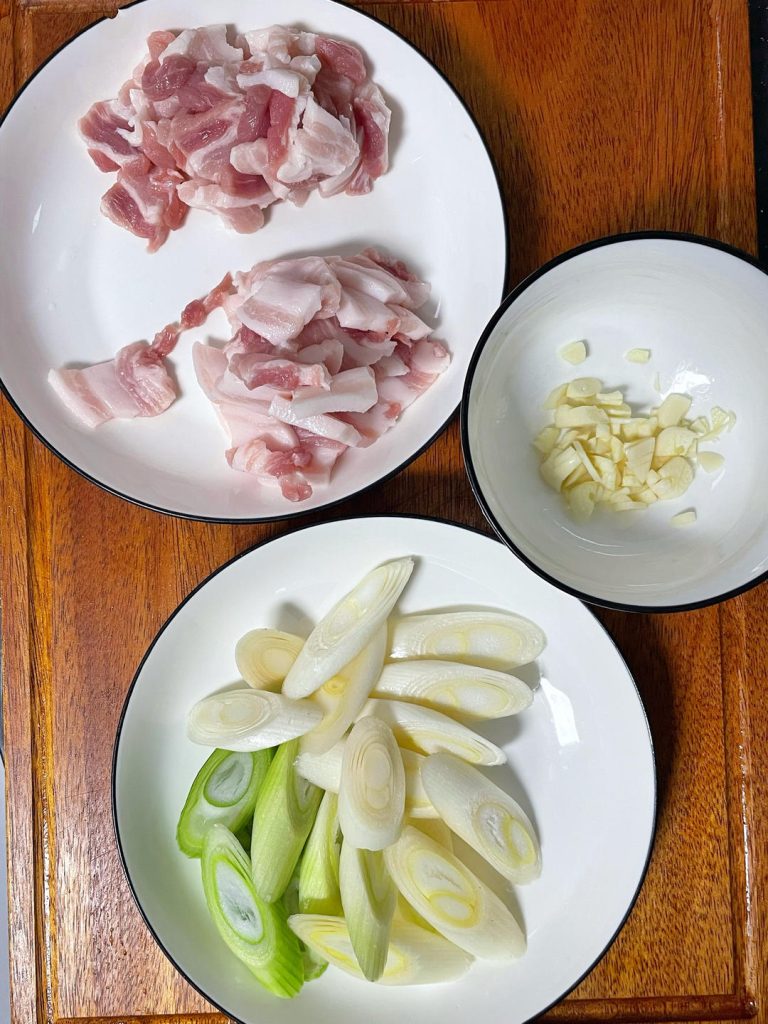
Step 1: Mise en Place (Prep)
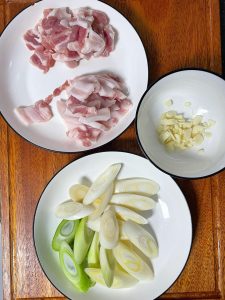
Slice the skinless pork belly into thin pieces (about 1/8 inch thick). Slice the large scallion (or leeks) diagonally into thick sections. Mince the garlic cloves. Have your sauces ready near the stove.
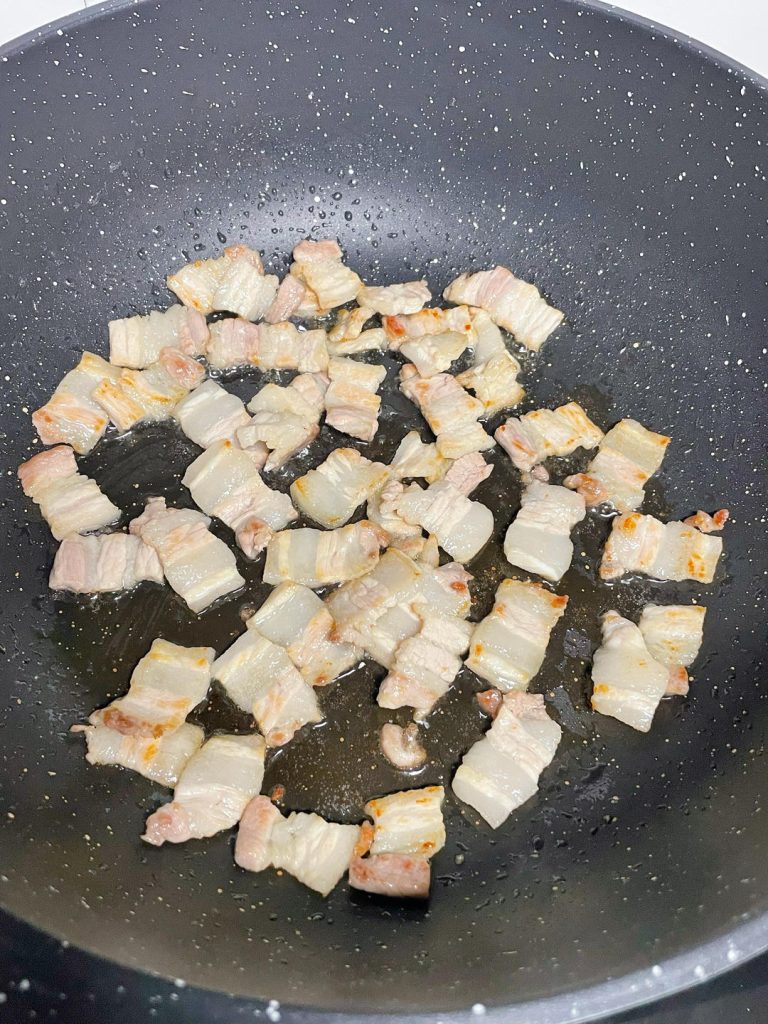
Step 2: Render the Pork
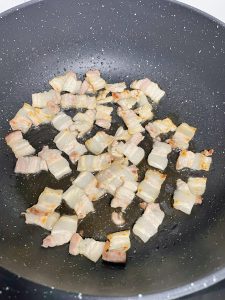
Place the pork belly slices into a cool wok or pan (no extra oil is usually needed as the belly is fatty). Turn the heat to medium-high. Stir-fry patiently until the fat renders out and the meat turns slightly golden brown and curled.
- Why: This step is crucial. If you don’t render the fat, the dish will feel heavy and greasy.
- Tip: If the pork releases too much oil, carefully pour out the excess, leaving about 1 tablespoon in the wok for cooking.
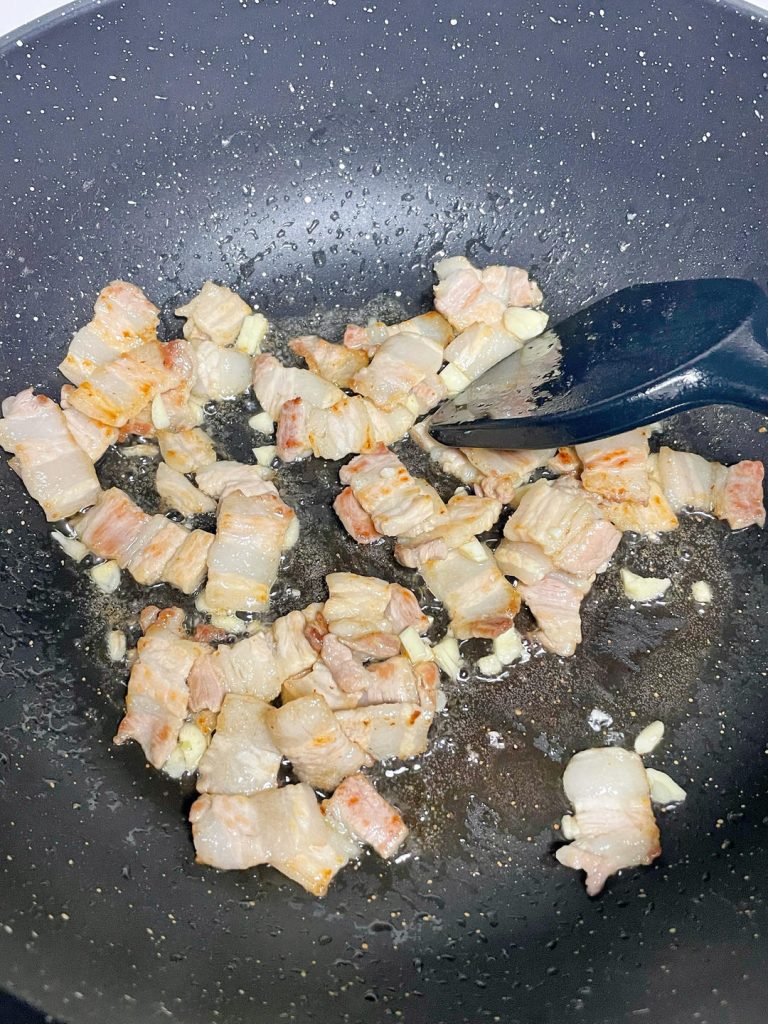
Step 3: Aromatics
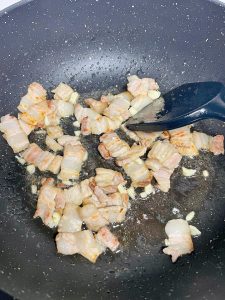
Pour the cooking wine (Shaoxing wine) around the perimeter of the hot wok—this creates a sizzle that enhances the aroma. Add the minced garlic and stir-fry until fragrant, about 30 seconds.
Step 4: First Batch of Scallions
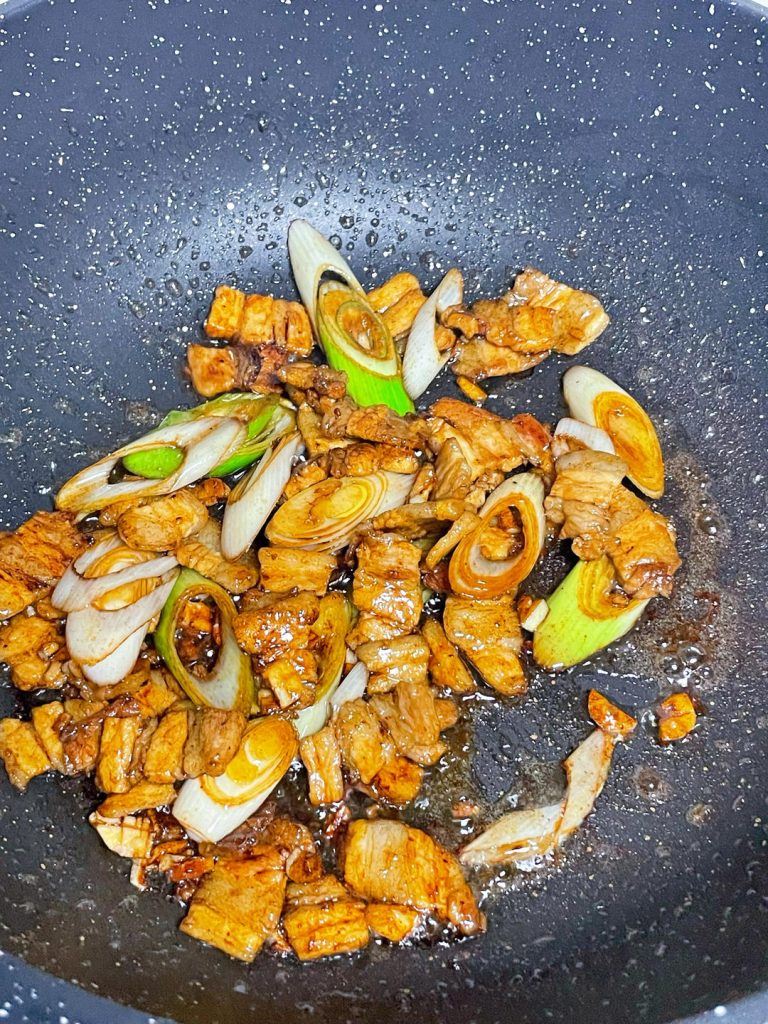
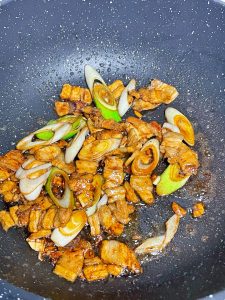
Add half of the sliced scallions to the wok. Stir-fry until they soften slightly and release their aroma.
- Seasoning: Add 2 tablespoons of light soy sauce, 1/2 tablespoon of dark soy sauce, a pinch of sugar, and a pinch of chicken essence (optional). Toss rapidly to coat the pork evenly.
Step 5: Finish with Second Batch
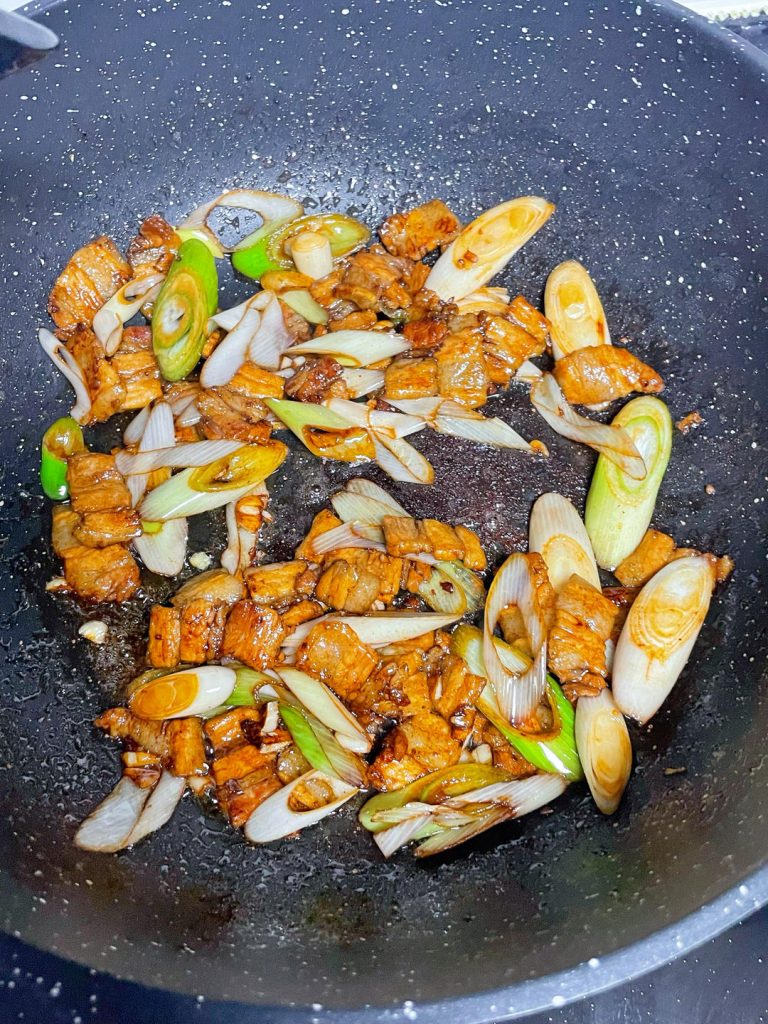
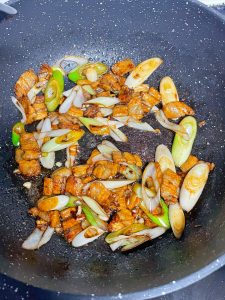
Add the remaining half of the scallions. Stir-fry briefly, just until they are coated in sauce but still retain a bit of crunch. This layering of textures is what makes the dish restaurant-quality.
Step 6: Serve
Transfer to a plate immediately. This dish pairs beautifully with steamed white rice or Simple Clear Beef Noodle Soup for a balanced meal.
Troubleshooting & FAQ
Q: Why is my pork belly chewy and rubbery?
A: This usually happens if the pork was sliced too thick or wasn’t rendered long enough. Ensure slices are thin and cook them until they are golden and slightly crisp on the edges before adding sauces.
Q: Can I use bacon instead of fresh pork belly?
A: American bacon is smoked and salted, which changes the flavor profile significantly. However, you can use unsmoked, uncured pork belly slices found in Asian markets. If you must use bacon, blanch it in water first to remove excess salt and smoke flavor.
Q: Is this dish gluten-free?
A: Traditional soy sauce contains wheat. To make this gluten-free, substitute the soy sauce with Tamari or coconut aminos, and ensure your cooking wine is gluten-free (or use dry sherry).
Nutrition Information
Serving Size: 1 serving (half of the recipe) Calories: 480 kcal Carbohydrates: 6g Protein: 15g Fat: 45g Saturated Fat: 16g Cholesterol: 60mg Sodium: 850mg Potassium: 200mg Fiber: 1g Sugar: 3g Vitamin A: 150IU Vitamin C: 4mg Calcium: 40mg Iron: 1.5mg
Disclaimer: Nutrition information is calculated using an ingredient database and should be considered an estimate. Garnishes and optional ingredients are not included. Actual values may vary depending on the specific brand of ingredients used and the amount of fat rendered and discarded.
Food Safety & Preparation
- Internal Temperature: According to USDA guidelines, fresh pork should be cooked to a minimum internal temperature of 145°F (63°C) followed by a 3-minute rest time. In this stir-fry, the thin slices will reach this temperature quickly during the rendering phase.
- Prevent Cross-Contamination: Always wash your hands, cutting boards, and knives thoroughly with hot soapy water after handling raw pork belly to prevent the spread of bacteria to ready-to-eat foods like the scallions.
- Oil Splatter Warning: When rendering the fat from the pork belly, water pockets in the meat may cause the hot oil to pop or splatter. Use a splatter screen if available, or stand back and lower the heat slightly if it becomes aggressive.
- Allergen Alert: This recipe contains Soy and Wheat (Gluten) found in traditional soy sauce. If you are cooking for someone with Celiac disease, ensure you use a certified Gluten-Free Tamari and gluten-free cooking wine.
Recipe Notes
Freezing for the Perfect Slice: The secret to getting those uniform, restaurant-quality slices of pork belly is temperature control. Raw pork belly is slippery and difficult to cut thinly. I highly recommend placing the block of pork in the freezer for about 20 to 30 minutes before you start prepping. You want it to be firm to the touch but not rock hard. This allows your knife to glide through easily, ensuring every piece is the same thickness (about 1/8 inch), which guarantees they will all render and crisp up at the same speed.
The “Two-Stage” Scallion Technique: You might be tempted to throw all the scallions in at once, but don’t! We add them in two stages for a reason. The first batch, added with the garlic, softens significantly and infuses its sweet onion flavor directly into the rendered pork fat. The second batch, added right at the end, stays crisp and provides a fresh, sharp bite that cuts through the richness of the meat. This contrast in texture is the hallmark of a skilled chef.
Rendering is Key: Do not rush the first step of frying the pork. You aren’t just cooking the meat; you are rendering out the liquid fat (lard). If you rush this, the fat will remain gummy and the dish will taste greasy. Take your time over medium heat until the meat looks slightly shrunken, golden, and the edges are curling up. This creates that desirable “chewy-crisp” texture.
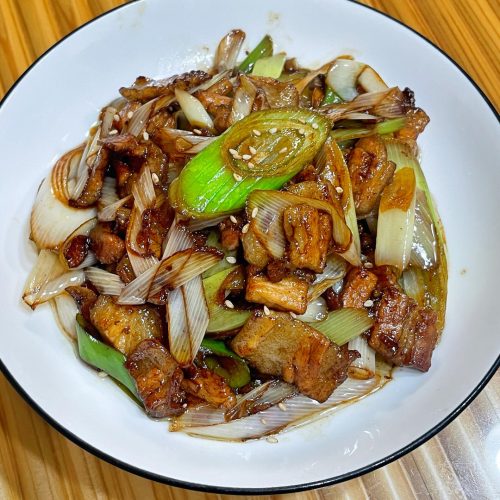
Scallion Stir-Fried Pork Belly (Cong Bao Rou)

Equipment
- Wok or large skillet
- Chef’s knife
Ingredients
- 9 oz pork belly approx. 250g, skin removed and thinly sliced
- 1 stalk large scallion (or leek) sliced diagonally
- 3 cloves garlic minced
- 2 tbsp light soy sauce
- 1/2 tbsp dark soy sauce for color
- 1 tsp Shaoxing cooking wine or dry sherry
- 1/2 tsp sugar
- 1/4 tsp chicken essence optional
Instructions
- Prep the ingredients: Remove the skin from the pork belly and slice it into thin pieces (about 1/8 inch thick). Slice the large scallion diagonally into sections. Mince the garlic.

- Place the pork belly slices into a cold wok or skillet. Turn heat to medium-high. Stir-fry until the fat renders out and the edges of the meat turn golden brown. If there is excessive oil, carefully pour some out, leaving about 1 tablespoon in the pan.
- Pour the cooking wine around the edge of the wok to deglaze. Add the minced garlic and stir-fry for 30 seconds until fragrant.
- Add HALF of the sliced scallions. Stir-fry briefly to release aroma. Add the light soy sauce, dark soy sauce, sugar, and chicken essence. Toss well to coat the pork.
- Add the remaining half of the scallions. Stir-fry for another 20-30 seconds. You want these scallions to remain slightly crisp. Remove from heat and serve immediately.




Leave a Reply