In the scorching heat of summer, when appetites fade and the idea of standing over a high-heat wok seems impossible, I always turn to Scallion Oil Noodles (Cong You Ban Mian). While I grew up in Sichuan where spice is king, my culinary travels took me to Shanghai, where I fell in love with the elegance of Benbang cuisine. This dish is the epitome of Shanghai comfort food: simple ingredients, minimal fuss, but a depth of flavor that is truly “Nong You Chi Jiang” (heavy oil and red sauce).

Why This Recipe
As a professional chef, I appreciate recipes that yield high returns for low effort. This recipe is all about the Scallion Oil (Cong You). By slowly rendering fresh scallions in oil, we extract a caramelized, savory sweetness that transforms plain noodles into a luxurious meal. I have tested this specific ratio of soy sauce to sugar in my home kitchen dozens of times to ensure it replicates that authentic Shanghai street-food taste—savory, glossy, and incredibly aromatic.
What Is Cong You Ban Mian?
Scallion Oil Noodles (葱油拌面) is a traditional Shanghai breakfast or snack, though it makes for a fantastic quick lunch or dinner. It consists of boiled thin wheat noodles tossed in a dark, rich sauce made from scallion-infused oil, soy sauce, and sugar. Topped with the crispy, fried scallions, it is a study in texture and aroma. Unlike the complex spices of a Dan Dan Noodles or the broth of a Wonton Noodle Soup, this dish relies purely on the alchemy of scallions and soy sauce.
About the Author & Recipe Development
I’m Lin, a Sichuan-born chef with over a decade of professional kitchen experience. I started peeling garlic in my family’s restaurant as a child and later graduated from the Sichuan Culinary Institute. While my roots are in spicy cuisine, my professional training required me to master the classics across China. I developed this recipe to bridge the gap between the restaurant version—which uses massive woks and high BTUs—and your home stove. I’ve adjusted the batch size so you can make a jar of sauce to keep in your fridge for up to a week, making your weeknight meals effortless.
Why This Recipe Works
- Low and Slow Infusion: We don’t just fry the scallions; we dehydrate them slowly in the oil. This prevents bitterness and ensures the oil is deeply perfumed.
- The Golden Ratio: The balance of 14 parts oil to 10 parts total soy sauce (light + dark) creates the perfect emulsion that coats the noodles without making them greasy.
- Texture Contrast: We preserve the fried scallions to add a crispy element to the soft, chewy noodles.
Key Ingredients & Substitutions

- Noodles: Fresh, thin wheat noodles are traditional. If you can’t find them, dried “Shanghai-style” noodles or even angel hair pasta (in a pinch) will work.
- Scallions (Green Onions): You need a lot—about 100g. We will use mostly the green parts for the best flavor and color.
- Cooking Oil: Use a neutral oil like vegetable, canola, or grapeseed oil. Do not use olive oil, as its flavor is too strong.
- Soy Sauce: You need two types.
- Light Soy Sauce: For saltiness and umami (I recommend Pearl River Bridge or Kikkoman).
- Dark Soy Sauce: Crucial for that rich, dark amber color and a hint of sweetness.
- Sugar: Regular white granulated sugar is standard. It balances the saltiness of the soy sauce.
Common Mistakes When Making Scallion Oil Noodles
- Burning the Scallions: If the heat is too high, the scallions will turn black and taste bitter. They should be dark brown and crispy, not burnt.
- Adding Sauce to Super Hot Oil: Pouring the liquid soy sauce mixture into boiling oil causes dangerous splattering. Always let the oil cool slightly or pour very, very slowly.
- Wet Scallions: If your scallions aren’t thoroughly dried after washing, the water will cause the hot oil to explode violently.
Ingredients
For the Scallion Oil Sauce (Makes enough for 4-5 bowls):
- 14 tbsp (approx. 200ml) Neutral Cooking Oil (vegetable or canola)
- 3.5 oz (100g) Small Scallions (Green Onions)
- 6 tbsp Light Soy Sauce
- 4 tbsp Dark Soy Sauce
- 2 tbsp White Sugar
For Serving (Per Bowl):
- 4 oz (115g) Fresh thin wheat noodles (or dried equivalent)
- Water for boiling
Recipe Notes Before You Start
- Safety First: Ensure your wok or pan is stable. Hot oil burns are serious. Keep a lid nearby in case of splatter.
- Prep Ahead: Have your sauce ingredients mixed in a bowl before you start frying. The process moves fast once the scallions are done.
- Measurements: The original recipe uses a “white porcelain spoon” as a unit. I have converted this to tablespoons for accuracy, maintaining the original ratio which is the secret to success.
How to Make Scallion Oil Noodles
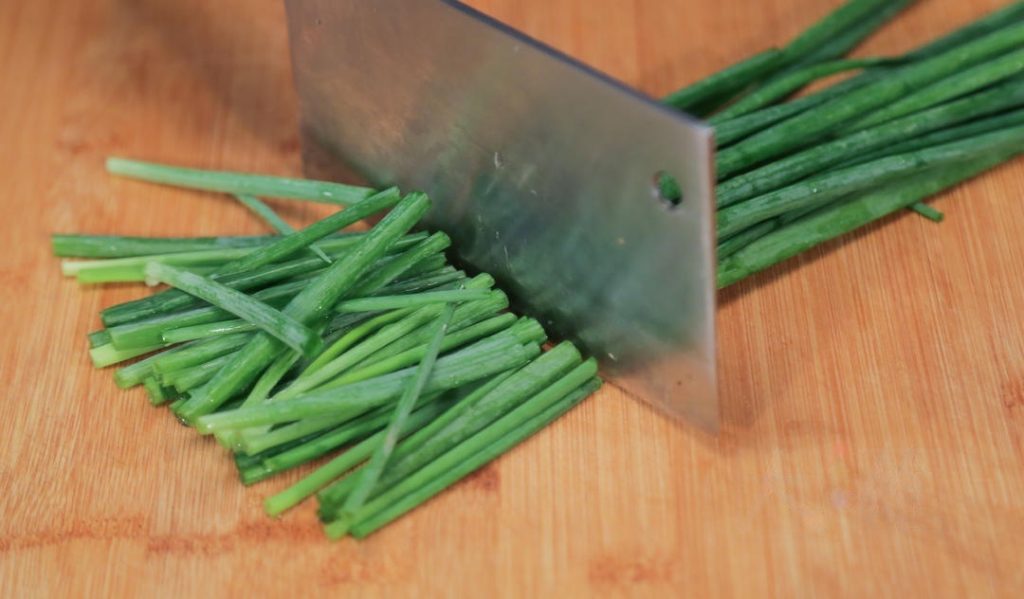
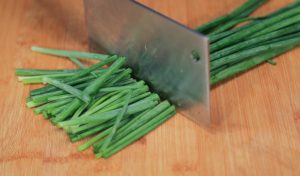
Step 1: Prepare the Scallions Wash the scallions thoroughly. Crucial: Dry them completely with paper towels or a salad spinner. Any water left on them will cause dangerous oil splatter. Cut off the root ends and the white parts (save the whites for stir-fries or stock). Cut the green parts into segments about the length of your index finger (2-3 inches).
Step 2: Infuse the Oil Pour the oil into a wok or deep skillet. Turn the heat to high just until the oil is warm (about 30% hot—you can feel the heat with your hand above the oil, but it shouldn’t be smoking). Turn the heat down to low. Add the green scallion segments.
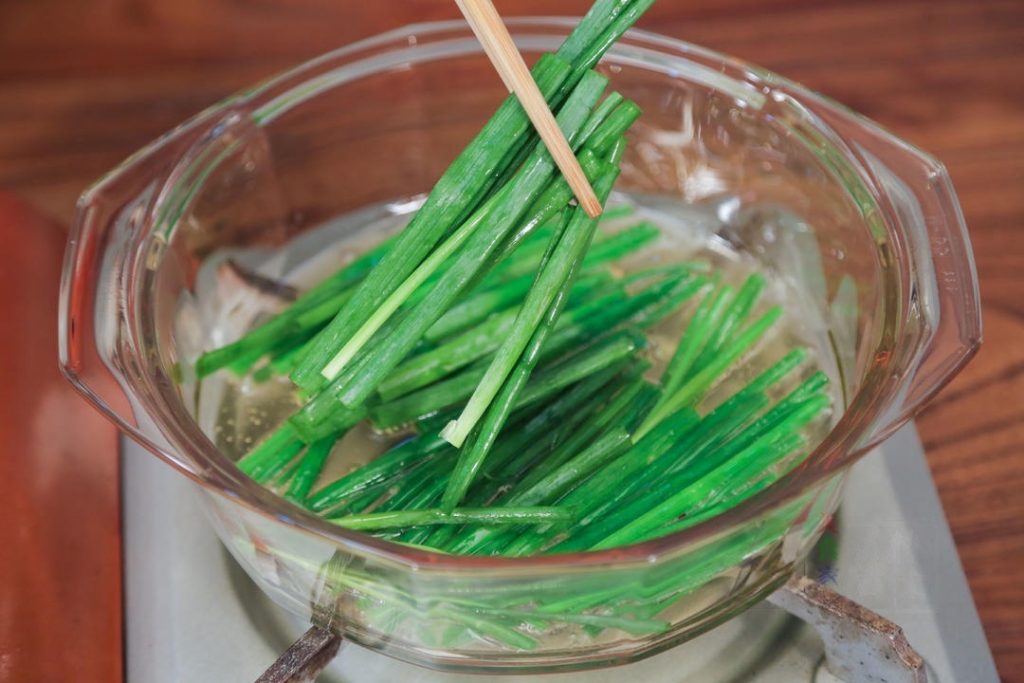
Step 3: Slow Fry Fry the scallions gently over low heat. We are dehydrating them. This takes patience. Fry until the scallions turn a dark golden brown and become crispy/dry.
Chef’s Tip: If they are turning black instantly, your oil is too hot. Remove the pan from heat immediately.
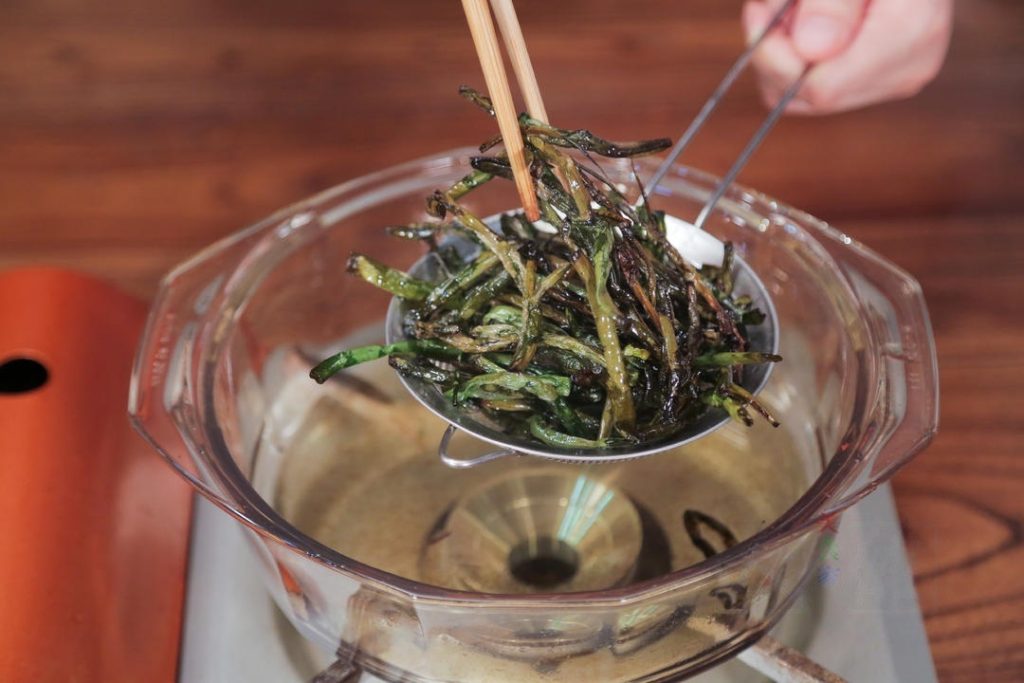
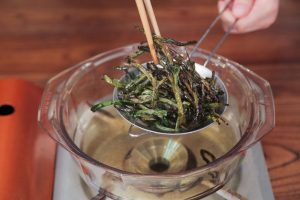
Step 4: Remove Scallions Once the scallions are crispy and golden, use chopsticks or a spider strainer to remove them from the oil. Set them aside on a paper towel—do not discard them! We will use them as a topping.
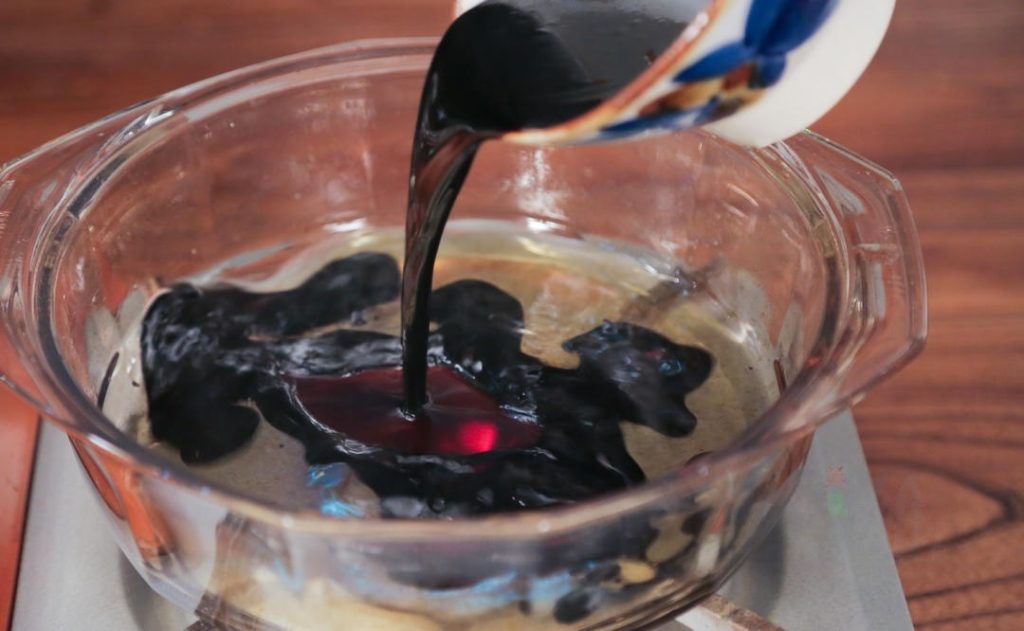
Step 5: Make the Sauce In a small bowl, mix the light soy sauce, dark soy sauce, and sugar. Stir until the sugar is mostly dissolved.
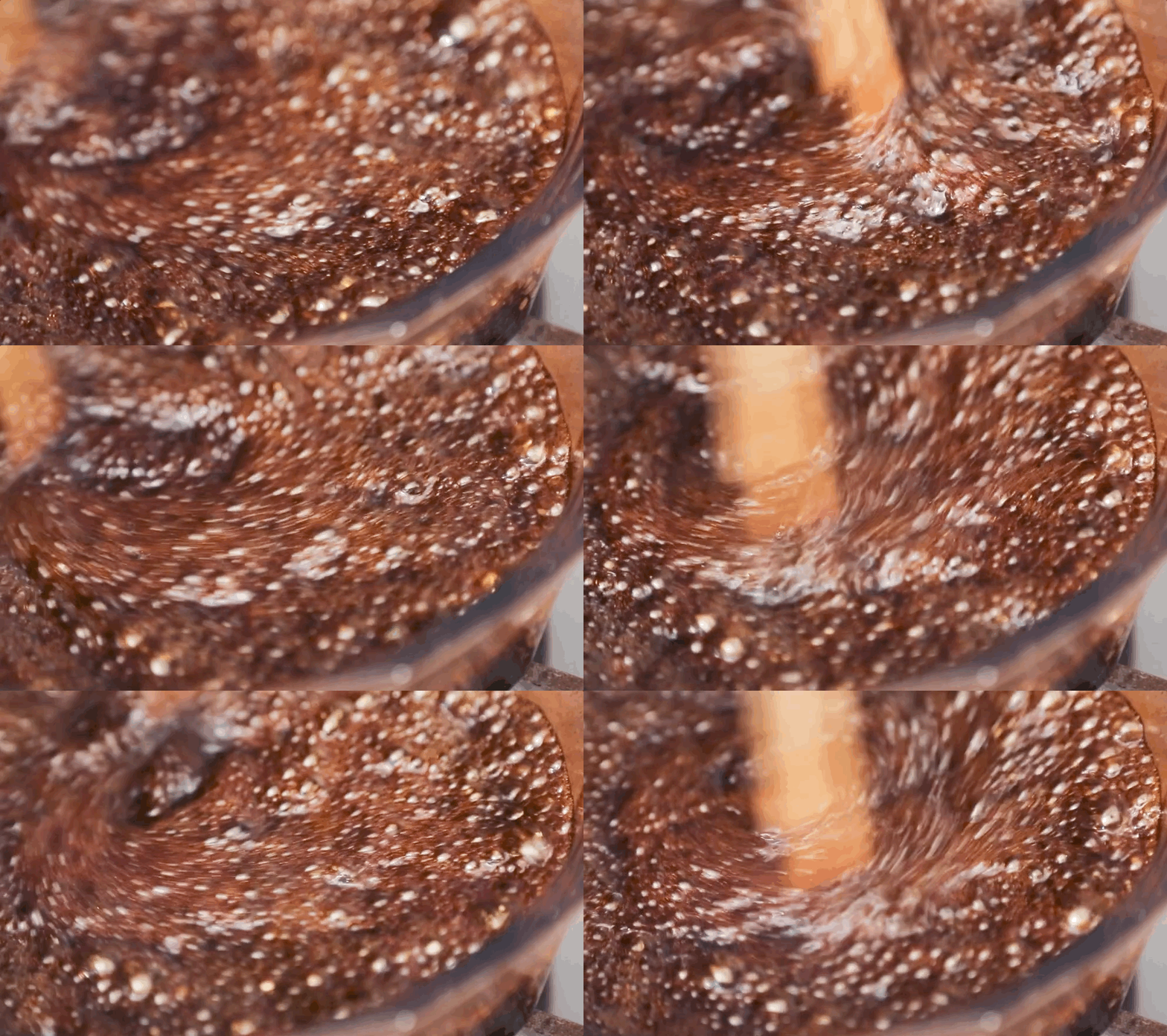
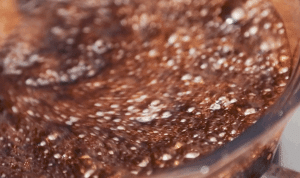
Safety Note: The oil is hot. Turn the heat to the lowest setting or turn it off briefly. Carefully pour the soy sauce mixture into the oil. It will bubble vigorously. Stir constantly with chopsticks or a whisk. Turn the heat back to low-medium and cook until the mixture bubbles and the sugar is fully dissolved (about 1-2 minutes). Turn off the heat and let it cool.
Step 6: Cook the Noodles Bring a large pot of water to a boil. Add the noodles. When the water boils again, add a cup of cold water (this is a traditional Chinese technique called “dian shui” to improve noodle texture). When it boils a second time and the noodles are cooked through but still chewy (al dente), drain them.
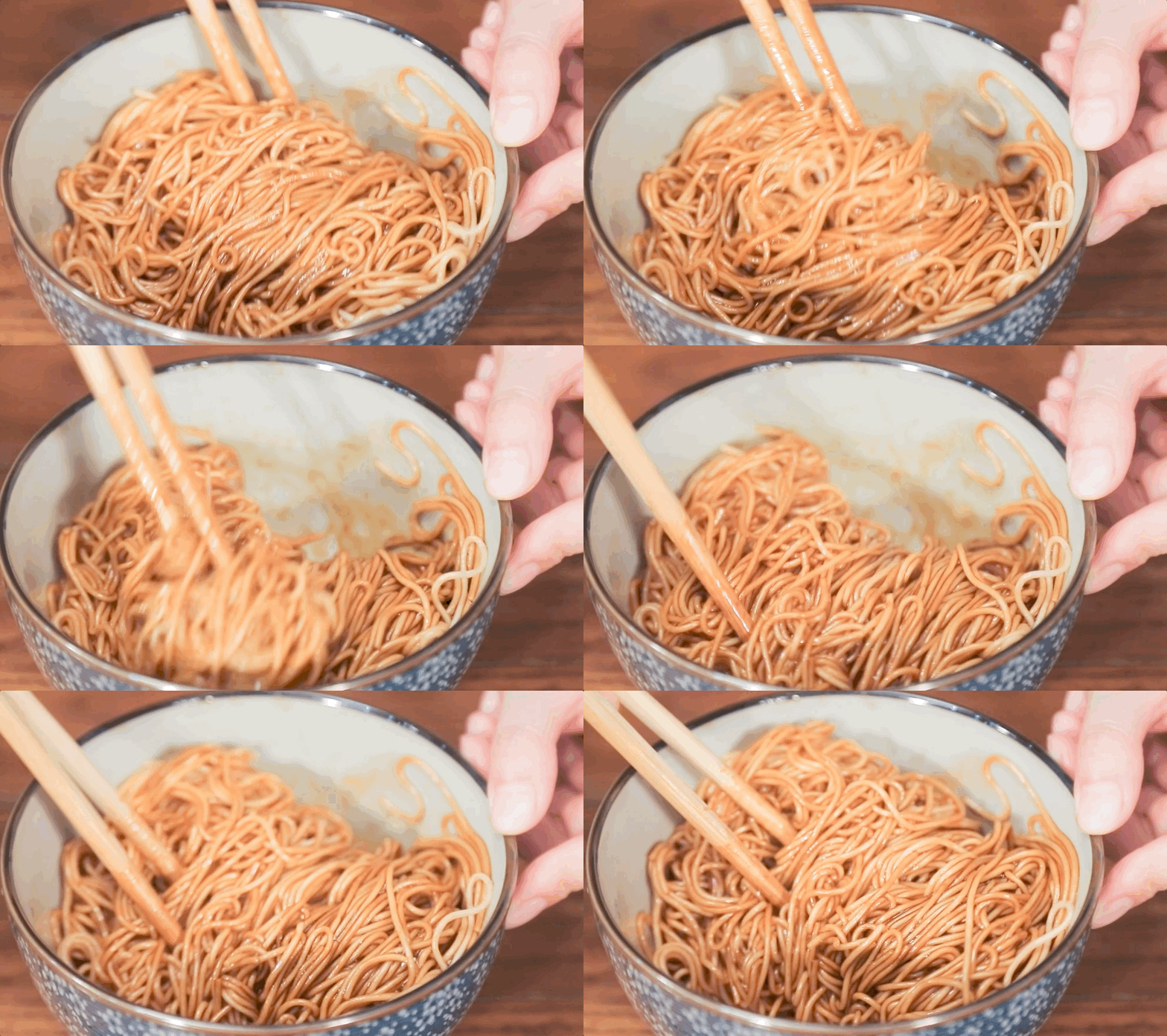
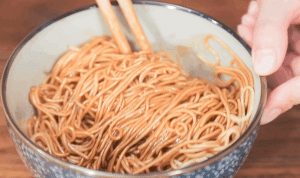
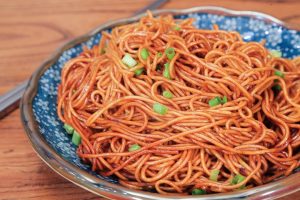
Step 7: Assemble Place the hot noodles in a serving bowl. Scoop 2-3 tablespoons of the prepared Scallion Oil Sauce over the noodles. Top with a pinch of the crispy fried scallions you set aside. Mix thoroughly until every strand is coated in that glossy, dark sauce. Enjoy immediately!
Serving Suggestions
This dish is rich, so I recommend pairing it with a refreshing side dish to cut the grease. A cold appetizer like Smashed Cucumber Salad is the perfect companion. If you want more protein, serve it alongside Soy Sauce Chicken or perhaps some Braised Pork Belly.
For a comforting meal, a simple soup like Easy Seaweed Egg Drop Soup or a bowl of Wonton Soup Broth works wonders. If you crave heat, a spoonful of Homemade Chili Oil adds a kick that complements the sweet soy flavor beautifully.
How to Store & Reheat
- The Sauce: The leftover scallion oil sauce can be stored in an airtight glass jar in the refrigerator for up to one week. Use a clean spoon every time you scoop it out.
- The Noodles: Noodles are best eaten fresh. If you must store cooked noodles, toss them with a little oil to prevent sticking. Reheat by blanching them in boiling water for 30 seconds.
- Reheating Sauce: You can spoon the cold sauce directly onto hot noodles; the heat of the noodles will warm the sauce.
Authoritative References
For more information on the fermentation process of soy sauce and its sodium content, you can refer to the USDA FoodData Central for standard nutritional breakdowns. Additionally, understanding the history of Chinese noodles can provide deeper cultural context to this staple dish.
Nutrition Information (Estimate)
- Calories: ~450 kcal per serving
- Carbohydrates: 55g
- Protein: 8g
- Fat: 22g
- Saturated Fat: 3g
- Sodium: 980mg
- Sugar: 6g
- Fiber: 2g
(Disclaimer: Nutrition information is calculated using an ingredient database and should be considered an estimate. In cases where multiple ingredient alternatives are given, the first listed is calculated for nutrition. Garnishes and optional ingredients are not included.)
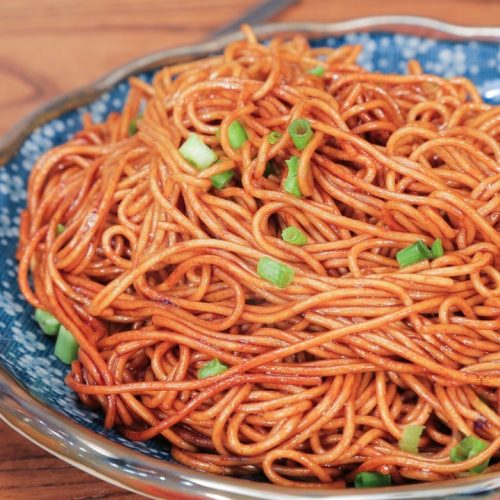
Scallion Oil Noodles (Cong You Ban Mian)

Equipment
- Wok or Frying Pan
- Pot for boiling noodles
Ingredients
Scallion Oil Sauce (Batch)
- 14 tbsp Neutral Cooking Oil Vegetable or Canola
- 3.5 oz Small Scallions (Green Onions) Green parts only, thoroughly dried
- 6 tbsp Light Soy Sauce
- 4 tbsp Dark Soy Sauce
- 2 tbsp White Sugar
For Serving
- 1 lb Fresh Thin Wheat Noodles Or dried noodles
Instructions
- Wash the scallions and dry them completely with paper towels. Cut the green parts into 2-3 inch segments.

- Pour the oil into a wok or pan. Turn heat to low. Add the scallion segments.
- Fry the scallions slowly over low heat until they turn dark golden brown and become crispy (dried out). Do not burn them.

- Remove the fried scallions from the oil and set aside for garnish.
- In a small bowl, mix the light soy sauce, dark soy sauce, and sugar.

- Carefully pour the soy mixture into the hot oil (be careful of splattering). Stir constantly over low heat until it bubbles and the sugar is fully dissolved. Remove from heat and let cool.

- Boil the noodles in a large pot of water until al dente. Drain.
- Place noodles in bowls. Spoon 2-3 tablespoons of the scallion oil sauce over the noodles and mix well. Top with the crispy fried scallions.








Leave a Reply