The first time I cooked pumpkin into rice, I did it the lazy way — chunks of squash tossed in with the rice and water, hoping for the best. It was fine, the way boiled squash and plain rice are fine: serviceable, separate, forgettable. Then a xiachufang cook posted a version called 南瓜饭 that does it properly, and the difference is night and day. The pumpkin is fried first, in the fat rendered from a little pork belly, with garlic and peanuts, so it caramelizes before it ever meets the rice.
This is the kind of recipe that turns a side dish into the whole meal. A little fatty pork is rendered until crisp in a dry pan, then garlic, peanuts, and kabocha join it, seasoned with salt, soy, and oyster sauce. You wash the rice, mix everything together, and cook it — the cook’s version finishes in a rice cooker, and at the end you mash some of the softened pumpkin into the rice so every grain turns golden and fragrant.
What Is Savory Pumpkin Rice (南瓜饭)?
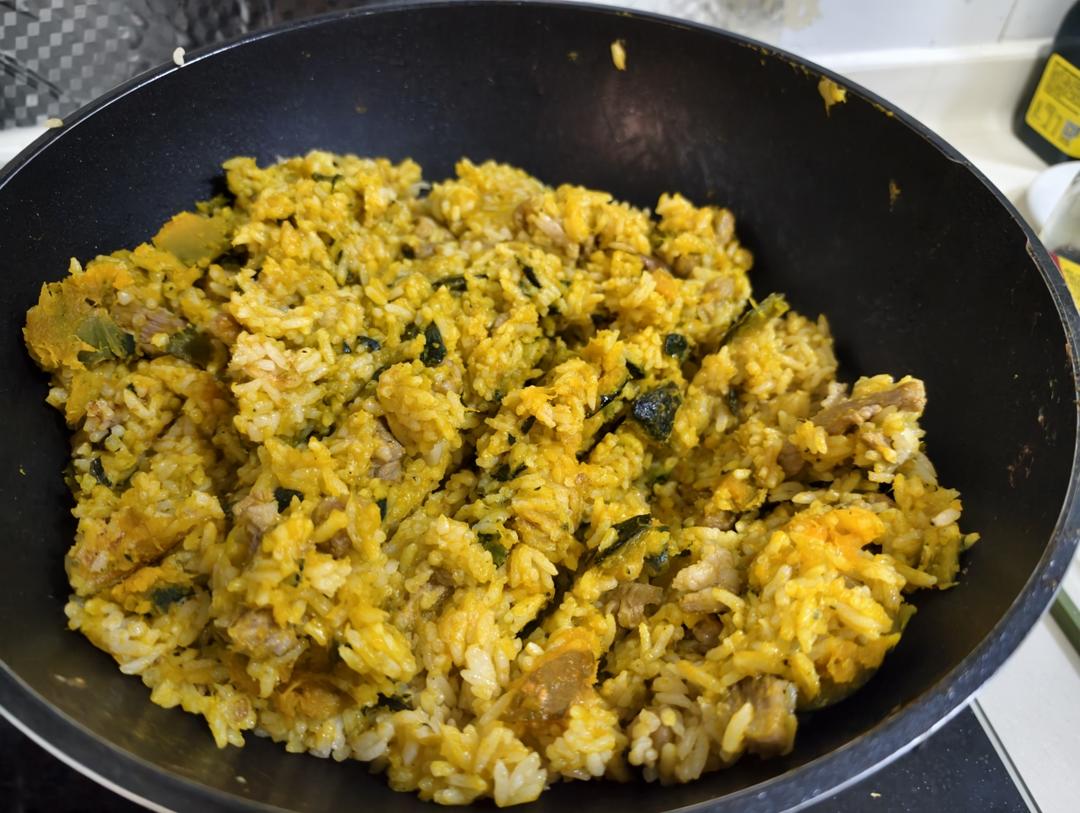
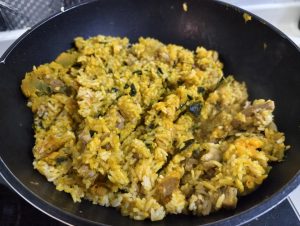
Savory pumpkin rice is a one-pot dish of rice cooked with fried kabocha pumpkin, pork, garlic, and peanuts. Unlike sweet pumpkin porridge or pumpkin buns, this is a savory meal: the squash is caramelized in pork fat with seasonings before being mixed with raw rice and cooked until every grain picks up a golden, subtly sweet flavor.
The technique that makes it special is frying the pumpkin first. Cooking the kabocha in rendered pork fat with garlic, salt, soy, and oyster sauce deepens its sweetness and coats it in flavor, so when the rice cooks alongside it, the whole pot turns savory and aromatic. The cook suggests finishing by mashing some of the softened pumpkin into the rice — that final step is what makes the dish taste like it was simmered together, not just assembled.
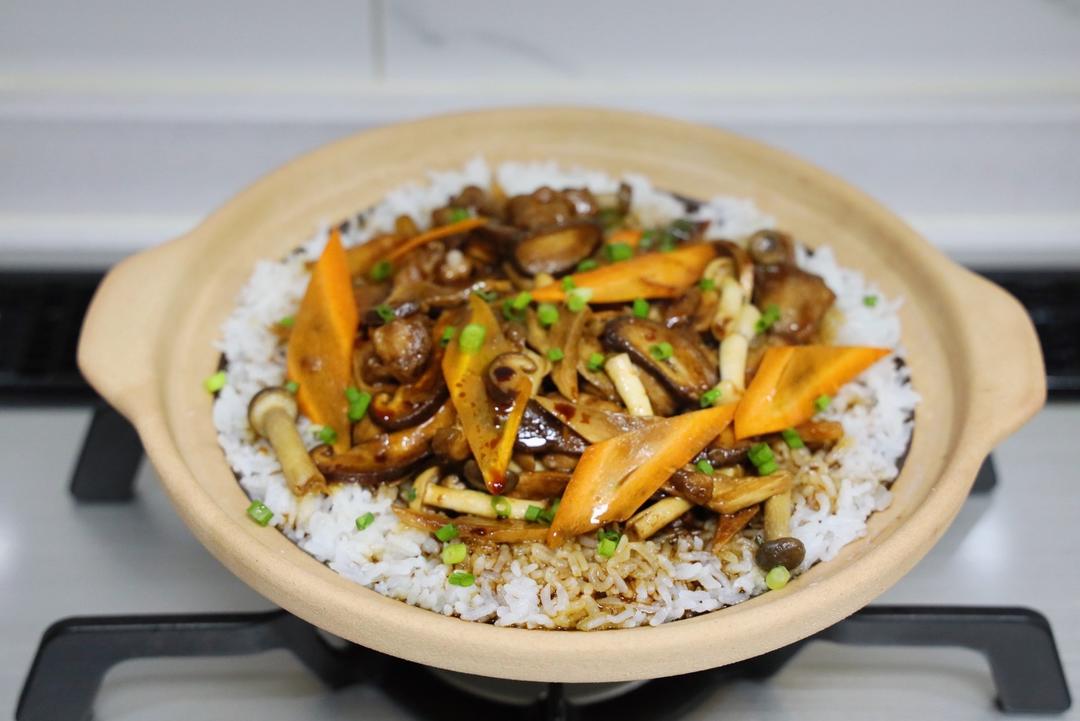
For another one-pot rice with the same cozy logic, my mushroom chicken clay pot rice layers umami the same way.
1Mushroom Chicken Clay Pot Rice (Bao Zai Fan)A classic Cantonese one-pot meal featuring tender marinated chicken and earthy mushrooms steamed over fluffy jasmine rice. The highlight is the golden, crispy rice crust formed at the bottom of the pot. A complete, healthy dinner ready in 45 minutes.Check out this recipe
Why This Recipe Works
- Frying the pumpkin first changes everything. Caramelized kabocha tastes sweet and nutty; raw squash boiled with rice tastes watery and separate.
- Pork belly provides the fat and the flavor. Rendered slowly with no added oil, the pork crisps and leaves golden drippings that season everything after it.
- Peanuts add crunch and aroma. Toasted with the pork, they turn nutty and stay crisp against the soft rice.
- Seasoning while frying beats seasoning after. Salt, soy, and oyster sauce worked into the hot pumpkin penetrate the pieces instead of just coating the rice.
- Mashing some pumpkin into the cooked rice finishes it. That final stir spreads color and sweetness through every grain.
Equipment Needed
- Wok or large skillet for frying
- Rice cooker (or a heavy pot for the stovetop)
- Cutting board and knife
Ingredients
- 3 rice-cooker cups raw rice (serves 4)
- 1 small kabocha pumpkin (贝贝南瓜)
- 1 head garlic, some cloves sliced
- A handful of peanuts
- A little fatty pork belly, sliced (五花肉)
- Optional: a little lean pork, if the belly is not fatty enough
- Salt, to taste (season slightly salty — the water will dilute it)
- Light soy sauce
- Oyster sauce
- A little peanut oil (optional)
Ingredient Notes
Kabocha (贝贝南瓜). The small, dense Japanese squash is ideal — sweet, dry, and creamy. The cook notes that if you want a more fragrant result, an older-style “old pumpkin” (老式南瓜) is even more aromatic than the sweet kabocha.
Pork belly (五花肉). A small piece of fatty belly, sliced thin and rendered in a dry pan, gives the dish its savory backbone. If your belly is lean, the cook suggests adding a little lean pork too.
Seasoning balance. The cook seasons the pumpkin slightly saltier than final taste, because the water added for the rice will dilute it. Soy and oyster sauce both add salt, so go easy.
Peanuts. A handful of raw peanuts, toasted in the pan, add texture. Use unsalted peanuts so the seasoning stays in your control.
Prep & Mise en Place
Slice the pork belly thinly and cut the kabocha into small chunks (the skin is edible once cooked). Slice the garlic, and wash the rice so it is ready to add. Measure the soy sauce and oyster sauce into a small bowl so the seasoning step goes fast while the pan is hot. If your kabocha is very sweet, the cook’s tip applies: an older, less sweet pumpkin actually gives a more savory, fragrant result.
Cooking Process
Step 1 — Render the Pork Belly Slowly
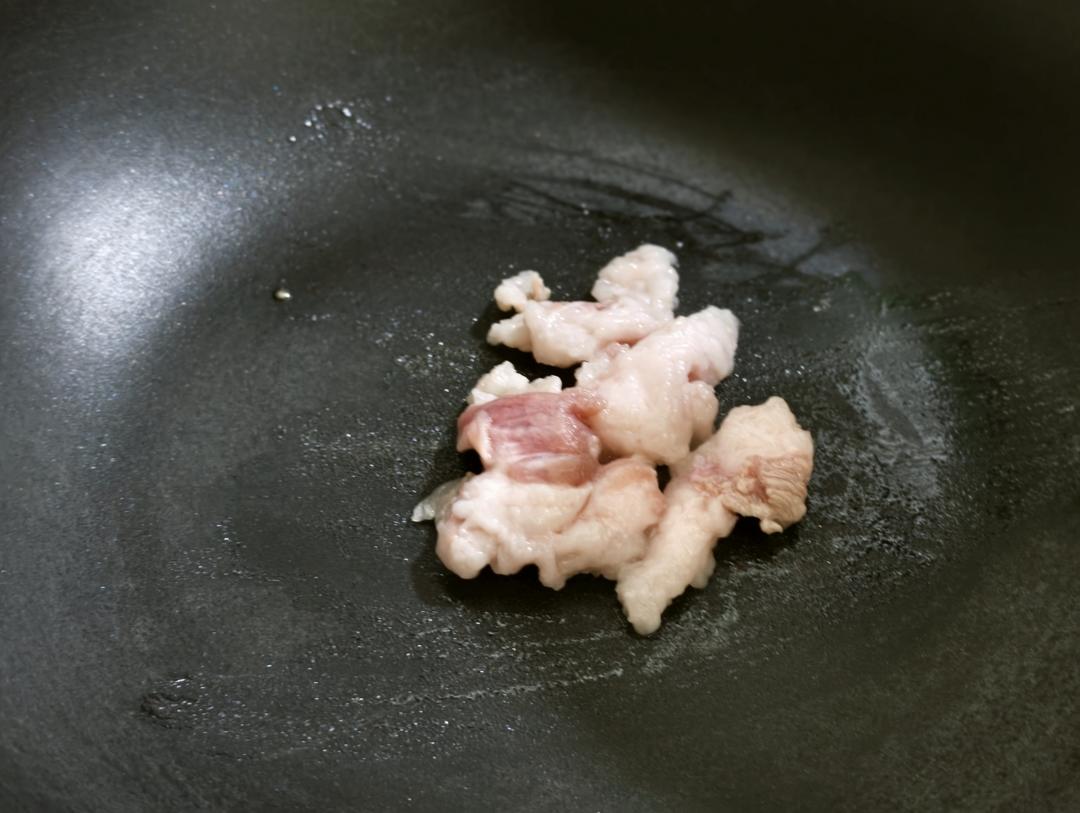
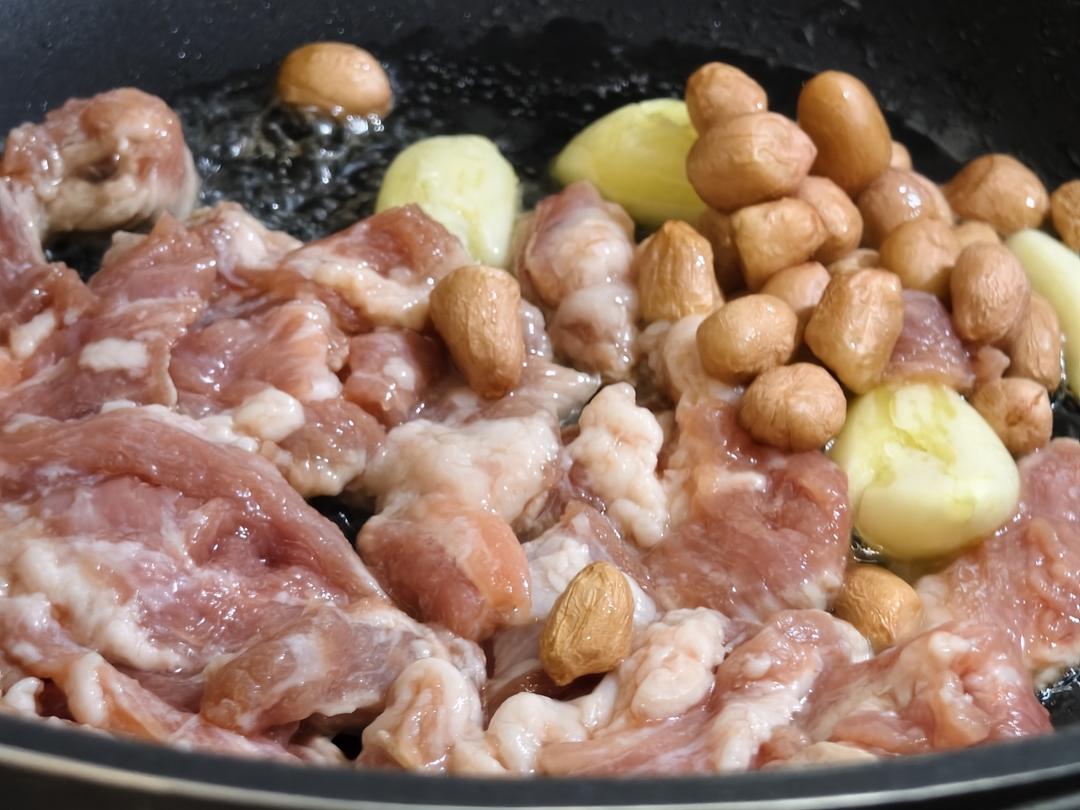
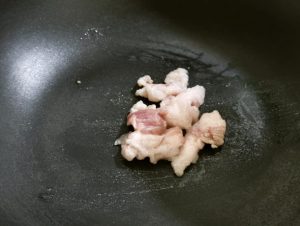
Put the sliced pork belly in a dry pan over low heat and cook slowly until the fat renders and the pieces crisp. The cook notes this pork is medium-fat but workable; scoop the crisped pieces out and set them aside.
Step 2 — Fry the Garlic and Pork
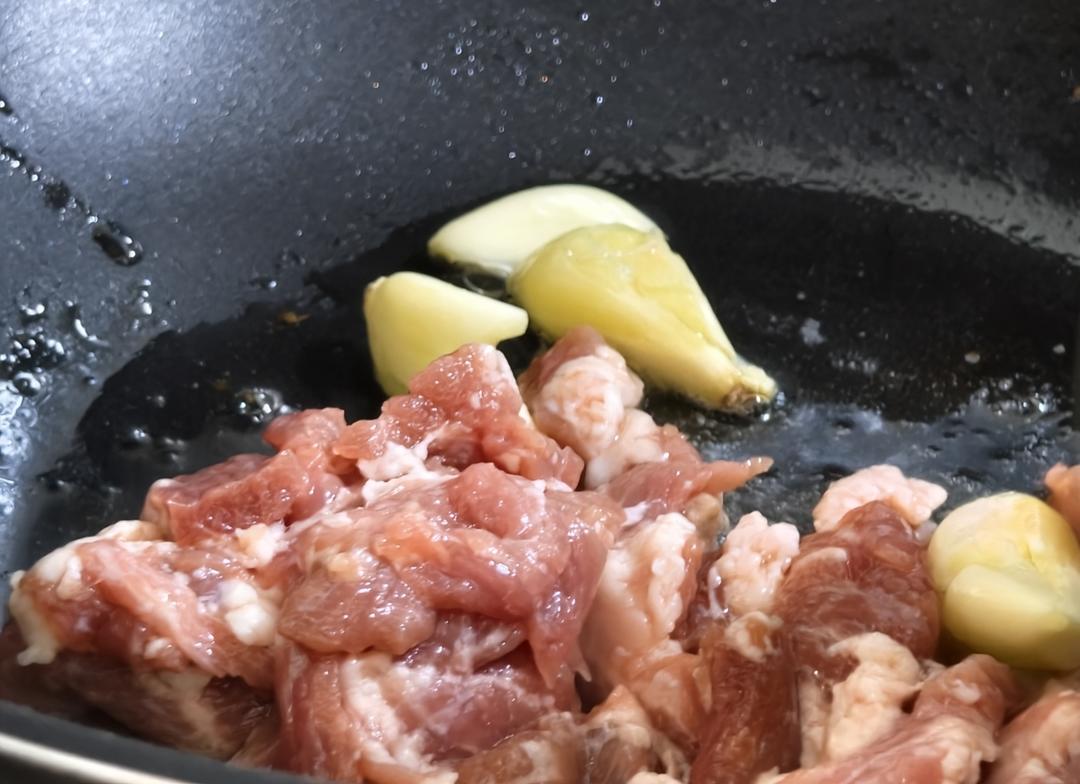
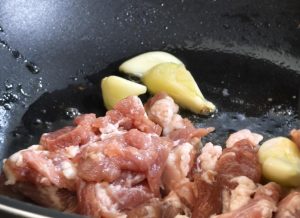
Add the sliced garlic and the pork (marinating is optional) to the rendered fat and stir-fry until fragrant.
Step 3 — Add the Peanuts and Set Aside
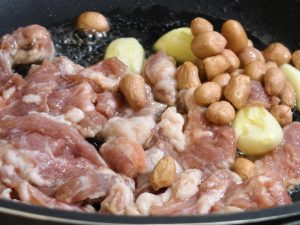
Add the peanuts, fry briefly until they smell toasted, then scoop everything out of the pan and set it aside.
Step 4 — Caramelize the Pumpkin With Seasonings
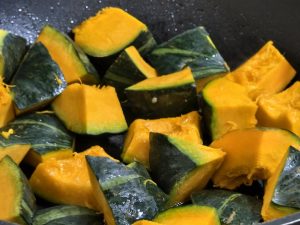
Add the kabocha chunks to the pan and fry, seasoning along the way with a little salt, soy sauce, and oyster sauce — slightly saltier than final taste, since the rice water will dilute it. You can add a splash of peanut oil, though it is not strictly necessary. Stir the reserved pork and peanuts back in, then wash the rice: for four people, three cups of rice.
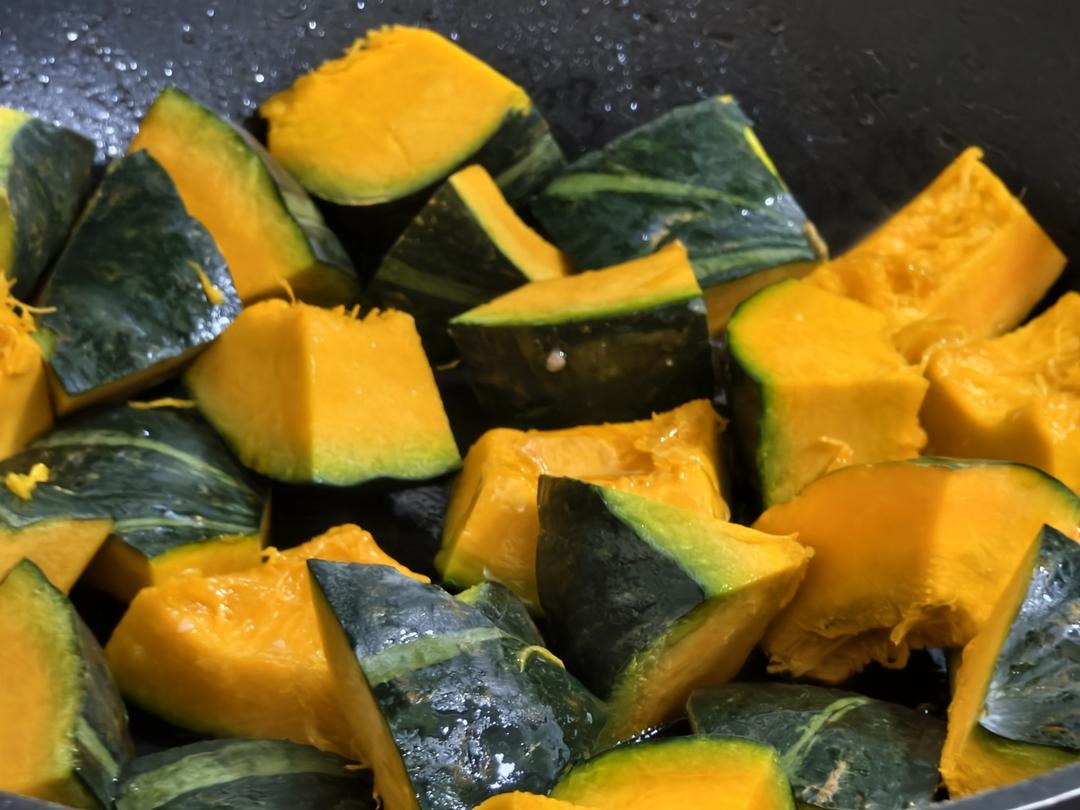
Seasoning the pumpkin in the pan is what makes this dish taste layered instead of flat. Salt, soy, and oyster sauce penetrate the hot squash and caramelize onto its surface, so when the rice later steams with the same pieces, the seasoning diffuses outward into every grain rather than staying in a bland broth.
Step 5 — Cook, Then Mash Some Pumpkin Into the Rice
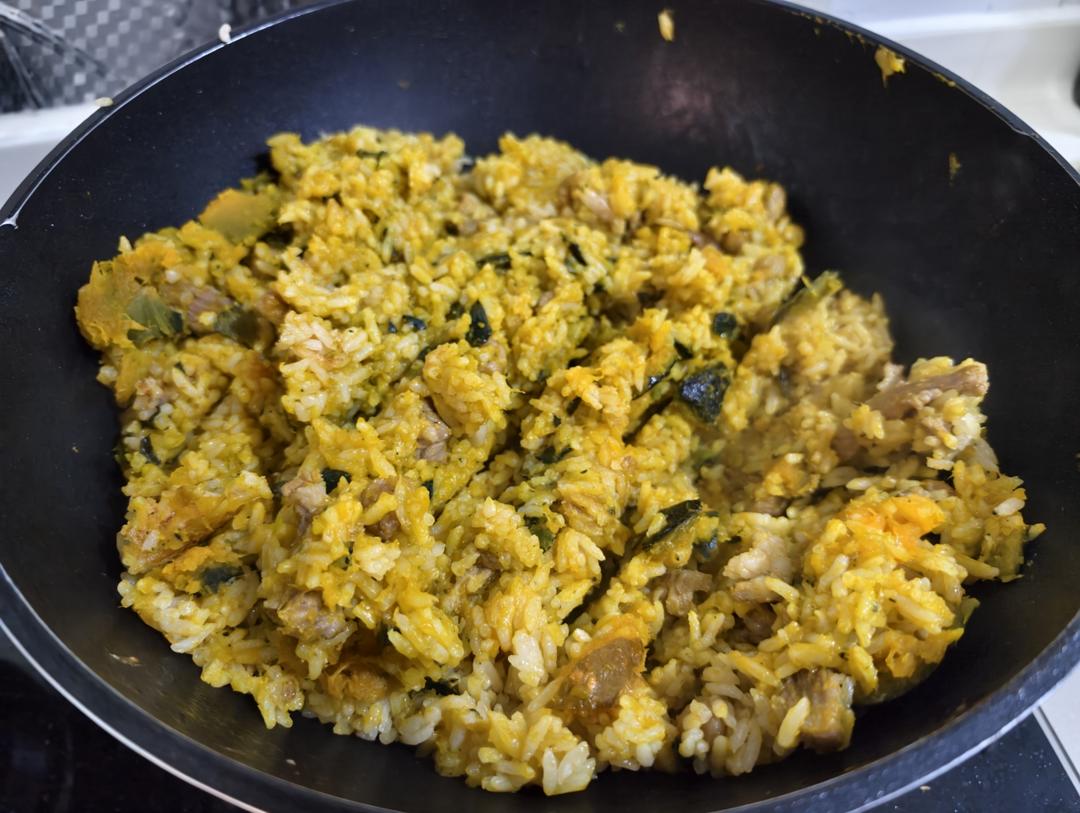
Combine the seasoned pumpkin mixture with the washed rice and water, and cook as usual. When it is done, mash some of the softened pumpkin into the rice so the color and flavor spread evenly, then serve. The cook notes kabocha leans sweet — for a more savory fragrance, choose an older-style pumpkin.
Common Mistakes When Making Pumpkin Rice
1. The rice and pumpkin taste separate. Cause: skipping the fry or the final mash. Fix: caramelize the pumpkin first, then mash some into the cooked rice so the flavors merge.
2. The dish is bland. Cause: underseasoning the pumpkin. Fix: season slightly saltier than you think, because the rice water will dilute it.
3. The pumpkin turns to mush. Cause: cooking too long or cutting too small. Fix: keep the chunks medium and cook just until tender.
4. The garlic burns. Cause: heat too high in the frying stage. Fix: fry garlic over medium heat just until fragrant.
5. Too sweet or not sweet enough. Cause: the wrong pumpkin. Fix: kabocha is sweet; an older, drier “old pumpkin” gives a more savory, aromatic result — choose by what you want.
Variations
With greens. Stir in a handful of baby spinach or chard at the end for color and a fresh note.
Spicy. Add a sliced dried chili with the garlic for gentle heat.
Chicken version. Swap the pork for diced chicken thigh — the same technique as my clay pot chicken rice, just with pumpkin.
Rib rice. For a meatier one-pot, fold in pork ribs before cooking, like my rice-cooker pork ribs and rice.
Frequently Asked Questions
Can I make this in a rice cooker? Yes — the cook’s version is a rice-cooker recipe: fry the pumpkin and aromatics, add the washed rice and water, and cook on the regular cycle. It also works in the same pot used for my rice-cooker beef rice.
Do I need to peel the kabocha? No — thin-skinned kabocha softens completely when cooked. Older pumpkins with tougher skin are easier to peel first.
Can I skip the pork? Yes — use a little oil instead and add the peanuts for richness; the dish becomes vegetarian (check the oyster sauce, or use mushroom sauce).
How much water should I use? Use the same water ratio you normally use for rice; the pumpkin adds moisture, so err on the slightly drier side.
Can I use leftover rice? Yes — stir-fry the pumpkin mixture with cold cooked rice instead of steaming, like a fried rice.
How to Serve
Serve the pumpkin rice as a complete one-bowl meal, or beside steamed egg in pumpkin for a double-squash dinner. It is also lovely with rice-cooker chicken wings or rice-cooker pork ribs and rice for a one-pot feast, and pairs beautifully with my pumpkin steamed buns if you want the full squash spread.
For a mushroom-and-rice night, serve it beside Yunnan ganba jun fried rice or the mushroom chicken clay pot rice and let everyone choose their rice.
Storage & Reheat
Refrigerate leftovers in an airtight container for up to 3 days. Reheat in the microwave with a splash of water, or in a covered pan over low heat, until steaming hot. The rice also freezes well for up to a month; thaw and reheat gently.
Allergen Notice
Contains soy (soy sauce) and shellfish-derived oyster sauce. Peanuts are a common allergen — omit them or substitute toasted sesame if needed.
Nutrition Disclaimer
Nutrition information is calculated using an ingredient database and should be considered an estimate. In cases where multiple ingredient alternatives are given, the first listed is calculated for nutrition. Garnishes and optional ingredients are not included.
About the Author & Recipe Development
I am Lin, and I grew up in my parents’ restaurant kitchen in Chengdu, where rice was a blank canvas and the cooks judged a kitchen by what it could do with a plain pot of it. This pumpkin rice from xiachufang is exactly the kind of resourceful one-pot cooking I admire. I tested it twice: the first time I skipped the frying and just steamed the pumpkin with the rice — serviceable, but the flavors stayed separate. The second time, following the cook’s method of caramelizing the squash in pork fat first, the whole pot turned golden and fragrant. The final step — mashing a little pumpkin into the rice — is the small move that makes it taste like one dish instead of two.
Authoritative References
USDA Safe Temperature Chart for cooking and holding rice and pork safely, and FDA food safety guidance for general kitchen practice.
Savory Pumpkin Rice (南瓜饭): One-Pot Comfort in a Rice Cooker

Equipment
- Wok or Skillet
- Rice Cooker
Ingredients
For the Rice
- 3 cups raw rice (rice-cooker cups) serves 4
- 1 small kabocha pumpkin (贝贝南瓜)
- 1 head garlic, some cloves sliced
- 1 handful peanuts unsalted
- 4 oz fatty pork belly, sliced
- 1 pinch salt slightly salty — rice water dilutes
- 2 tsp light soy sauce
- 1 tsp oyster sauce
Instructions
- Render the sliced pork belly slowly in a dry pan over low heat until the fat melts and the pieces crisp. Scoop out and set aside.

- Add the sliced garlic and pork to the rendered fat and stir-fry until fragrant.

- Add the peanuts, fry briefly, and scoop everything out to set aside.

- Fry the kabocha chunks, seasoning with salt, soy sauce, and oyster sauce (slightly salty — rice water dilutes). Stir the pork and peanuts back in, then wash 3 cups of rice.
- Cook the rice with the pumpkin mixture as usual, then mash some pumpkin into the cooked rice so the color and flavor spread evenly. Serve.







Leave a Reply