Growing up in Sichuan and spending time in Northern China, I learned that the true test of a home cook isn’t always the banquet dishes; it’s how they handle a simple bowl of noodles for lunch.
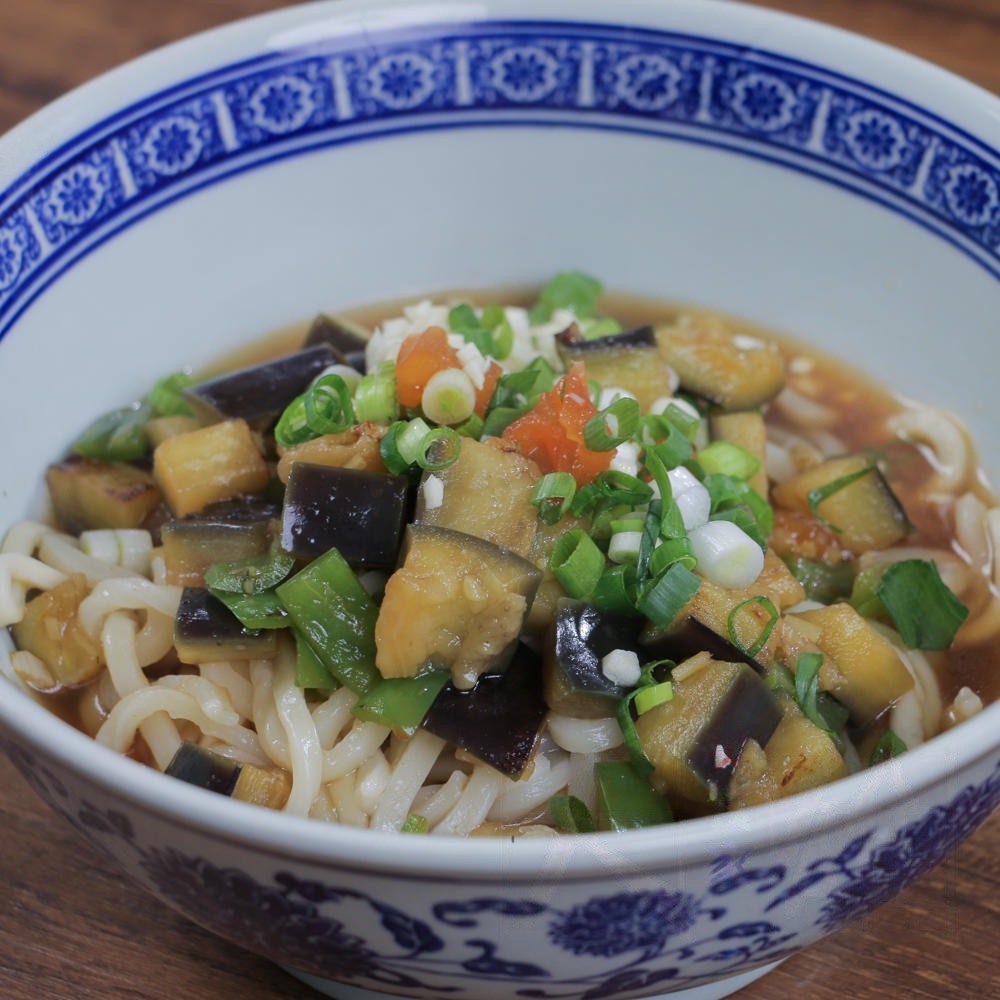
This Eggplant and Tomato Noodle Soup (Su Qie Ding Mian) is the definition of comfort. It is a “Su” (vegetarian) version of a classic “Da Lu Mian” (noodles with gravy/sauce). My mother used to whip this up when the summer eggplants were at their peak—glossy, purple, and tender.
The magic happens when the eggplant acts like a sponge, absorbing the savory soy sauce and the tart sweetness of the tomatoes. It’s saucy, savory, and incredibly satisfying, even without meat.
About the Author & Recipe Development
I have tested this recipe multiple times in my home kitchen to ensure the ratio of water to sauce creates a broth that is flavorful enough to coat the noodles but light enough to drink. While traditional recipes often use “appropriate amounts,” I have quantified the oil and seasonings here to ensure you get that consistent, savory depth every time. This recipe reflects the authentic homestyle method used in Northern Chinese households, adapted for modern kitchens.
What Is Su Qie Ding Mian?
“Su” means vegetarian, “Qie Ding” means diced eggplant, and “Mian” means noodles.
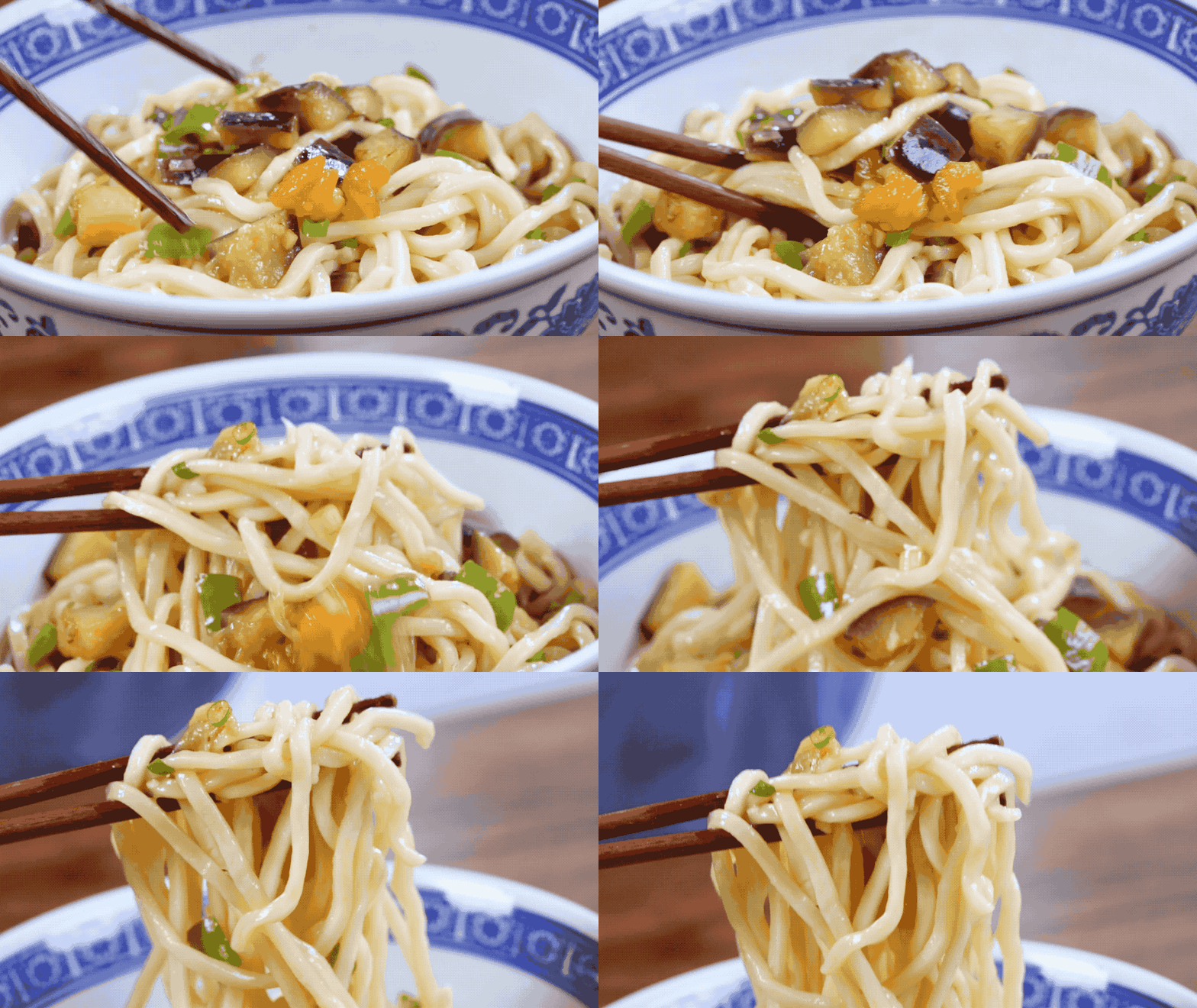
In Chinese cuisine, noodle dishes often feature a “Lu” (gravy) that is poured over boiled noodles. This specific version combines three garden staples: eggplant, tomato, and peppers. The eggplant provides a meaty texture, the tomato creates a natural umami-rich broth, and the pepper adds a subtle fresh crunch.
Why This Recipe Works
- Texture Contrast: We fry the eggplant first until the edges are golden, ensuring it holds its shape within the savory broth rather than turning into mush.
- Umami Synergy: Combining tomatoes with Light Soy Sauce creates a natural MSG-like effect (glutamates), making the soup taste rich without heavy meat stocks.
- Versatility: You can make this “dry” (less water) for a tossed noodle dish, or “wet” (more water) for a comforting noodle soup.
Key Ingredients & Substitutions
The Produce
- Eggplant: I recommend using Chinese Eggplant (the long, thin purple variety). It has thinner skin, fewer seeds, and is sweeter than the large globe eggplants found in US supermarkets.
- Comparison: If you must use a Western Globe eggplant, peel the skin (as it can be tough) and soak the diced pieces in salted water for 15 minutes to remove bitterness.
- Tomatoes: Use ripe vine-ripened tomatoes or Roma tomatoes. They break down better to create the sauce base.
- Pointed Green Pepper: The original recipe calls for “Jian Jiao.” You can use an Anaheim pepper or Cubanelle for a mild kick. If you want zero heat, a green bell pepper works perfectly.
- Aromatics: Fresh ginger, garlic, and scallion (green onion) are non-negotiable for that authentic base flavor.
The Seasonings
- Light Soy Sauce: This provides the salty, savory flavor. I recommend Pearl River Bridge or Lee Kum Kee.
- MSG (Optional): The original recipe calls for a pinch of MSG (“Wei Jing”). It truly elevates the dish. If you are sensitive to it, you can substitute with a pinch of chicken bouillon powder or mushroom powder.
- Noodles: “Wet noodles” (fresh wheat noodles) are best. You can find these in the refrigerated section of Asian markets (often labeled as Shanghai noodles or plain wheat noodles). Dried udon or linguine are acceptable substitutes in a pinch.
Equipment: Wok vs. Skillet
While I always prefer a carbon steel wok for the “wok hei” (breath of the wok), this recipe is very moisture-heavy.
- Non-stick Skillet: If you are a beginner, a large non-stick skillet works great here because eggplant loves to stick to stainless steel.
- Wok: If using a wok, ensure it is well-seasoned. The sloping sides help toss the eggplant cubes evenly.
Recipe Notes Before You Start
- Prep is Key: Stir-frying happens fast. Have your “Qie Ding” (diced eggplant), tomatoes, and aromatics chopped and ready before you turn on the heat.
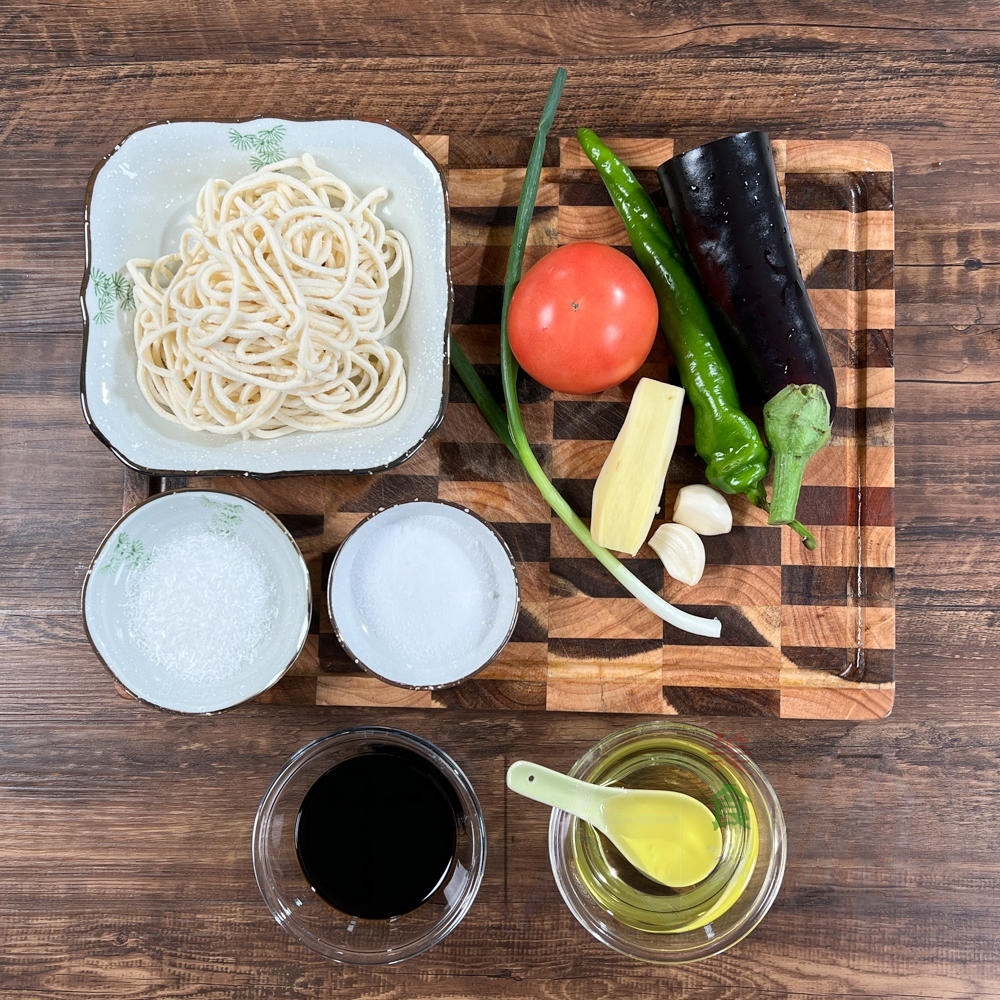
- Oil Usage: Eggplant is like a sponge; it will drink up the oil immediately. Don’t panic! As it cooks down, it will release some of that oil back into the sauce, making it rich and glossy.
How to Make Eggplant and Tomato Noodle Soup
Step 1: Mise en Place (Prep)
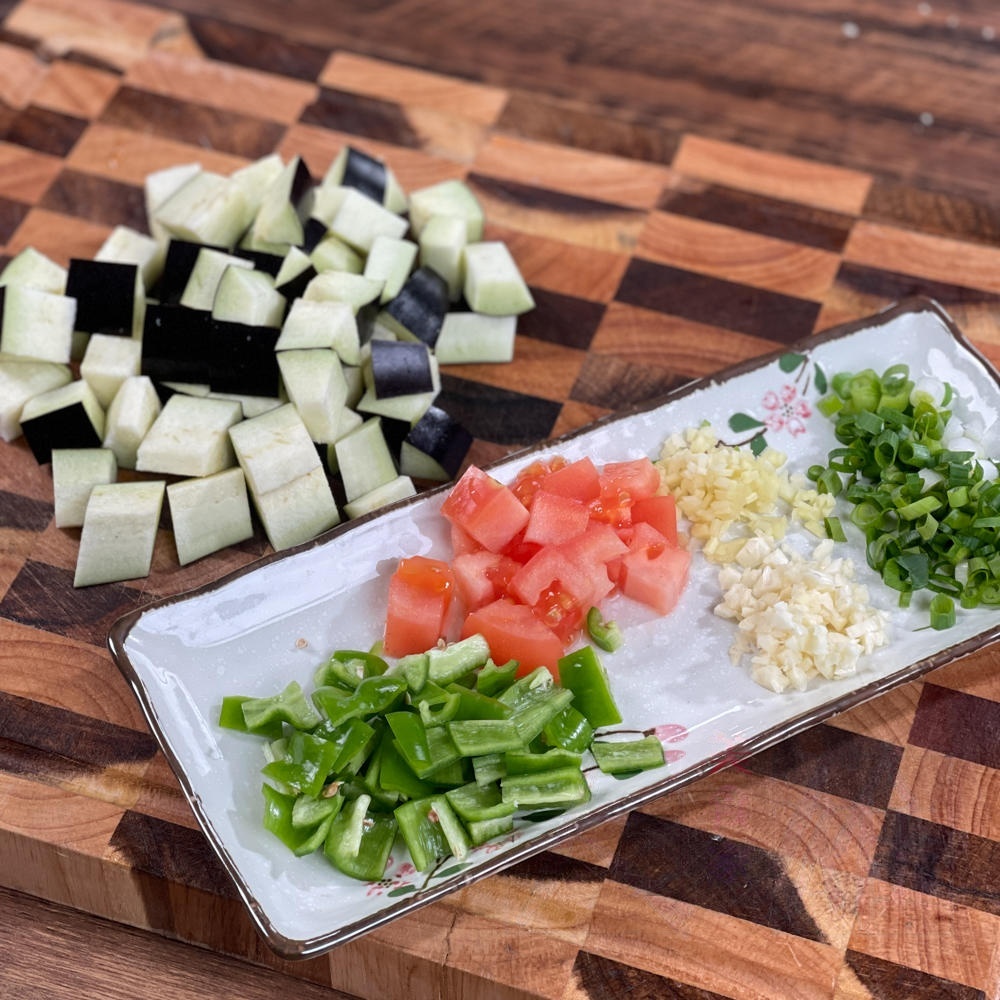
Wash all vegetables. Cut two large slices of ginger and mince them. Finely chop the garlic and slice the scallions into rings.
Dice the tomato into small cubes (about 1/2 inch). Remove the seeds from the green pepper and dice it.
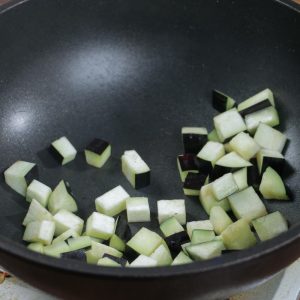
For the eggplant: Do not peel it (unless using a thick-skinned western variety). Slice it into rounds, then cut into uniform 1/2-inch cubes. Uniformity ensures even cooking.
Step 2: Sear the Eggplant
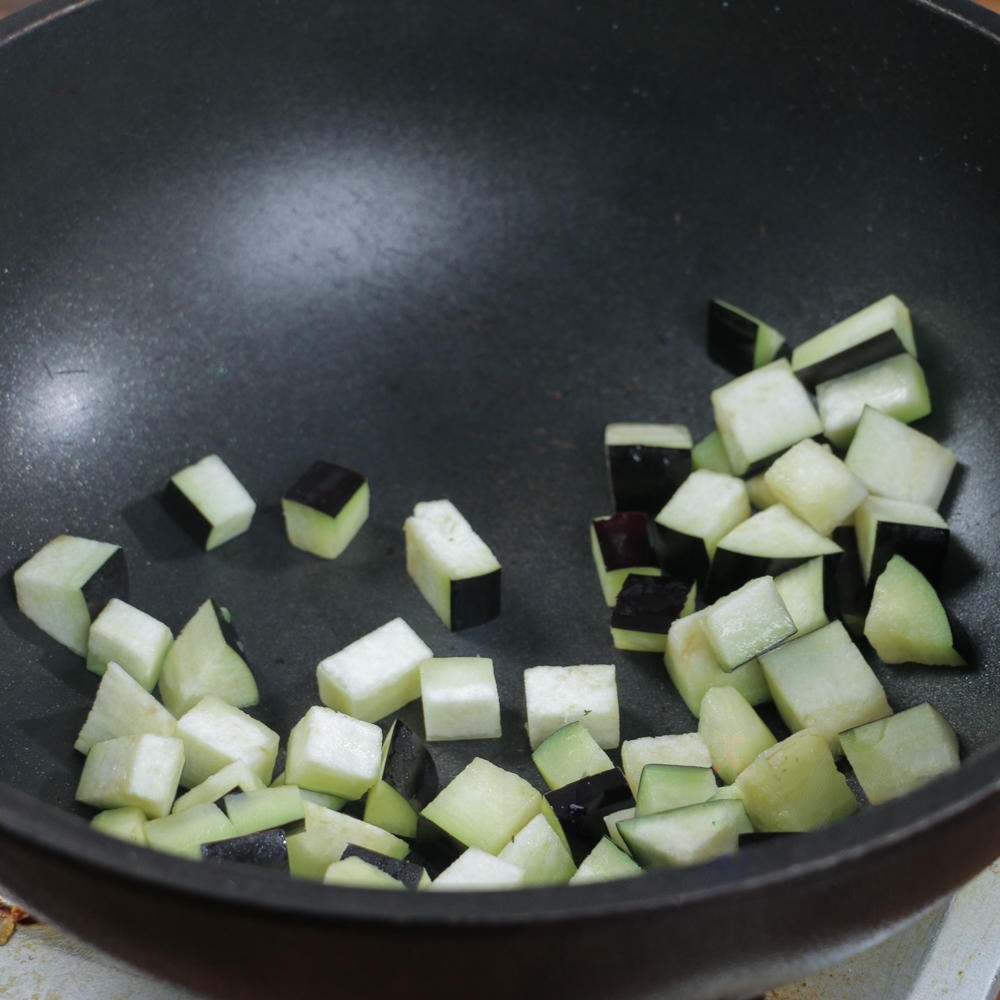
Heat your wok or large skillet over medium-high heat. Add 2-3 tablespoons of neutral cooking oil.
Once the oil is shimmering, add the eggplant cubes. Stir-fry for about 2-3 minutes.
Observation: You will notice the eggplant absorbs the oil instantly. Keep stirring. We want the eggplant to soften and the edges to turn slightly translucent or golden.
Step 3: Add Aromatics
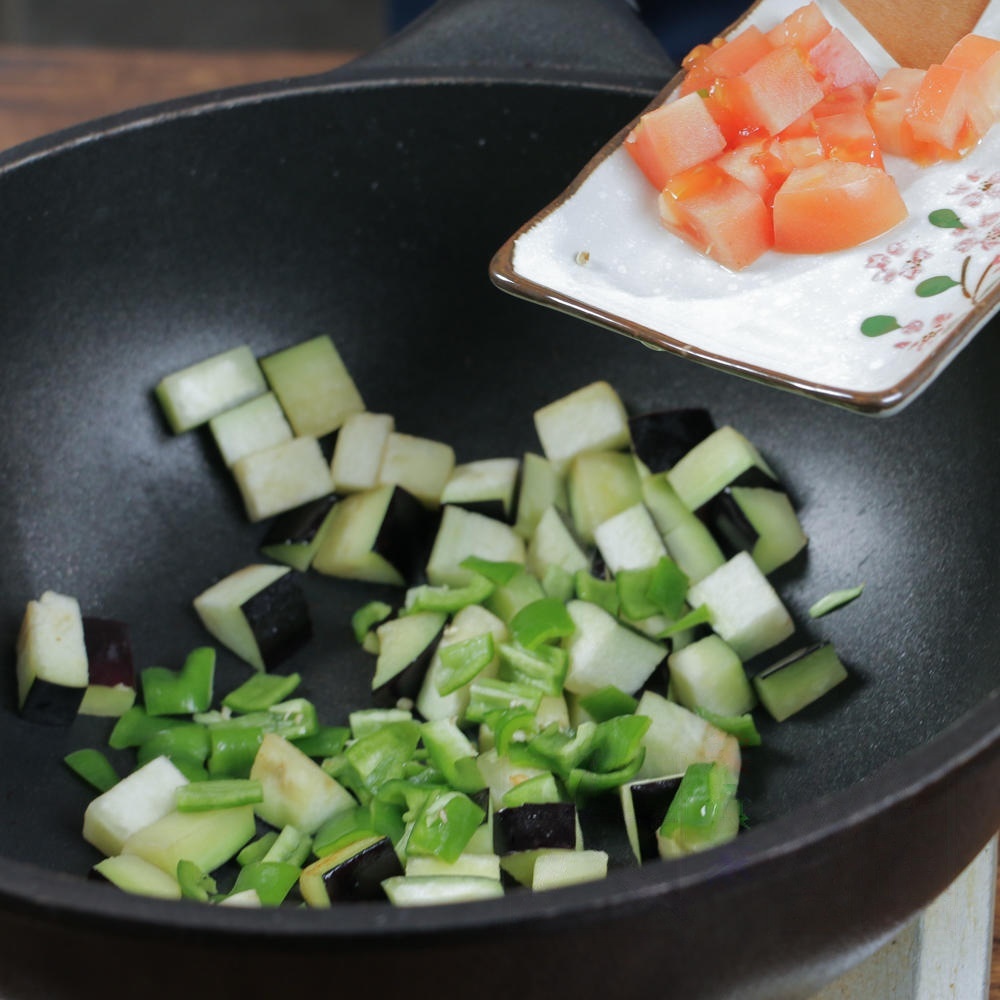
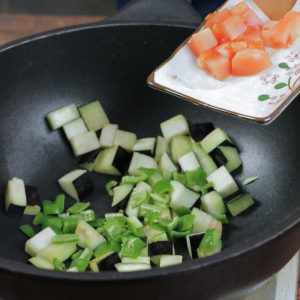
Once the eggplant softens, add the diced green pepper, tomatoes, and minced ginger. Stir-fry for another 30 seconds until the tomatoes begin to soften and release their juices.
Step 4: Create the Broth
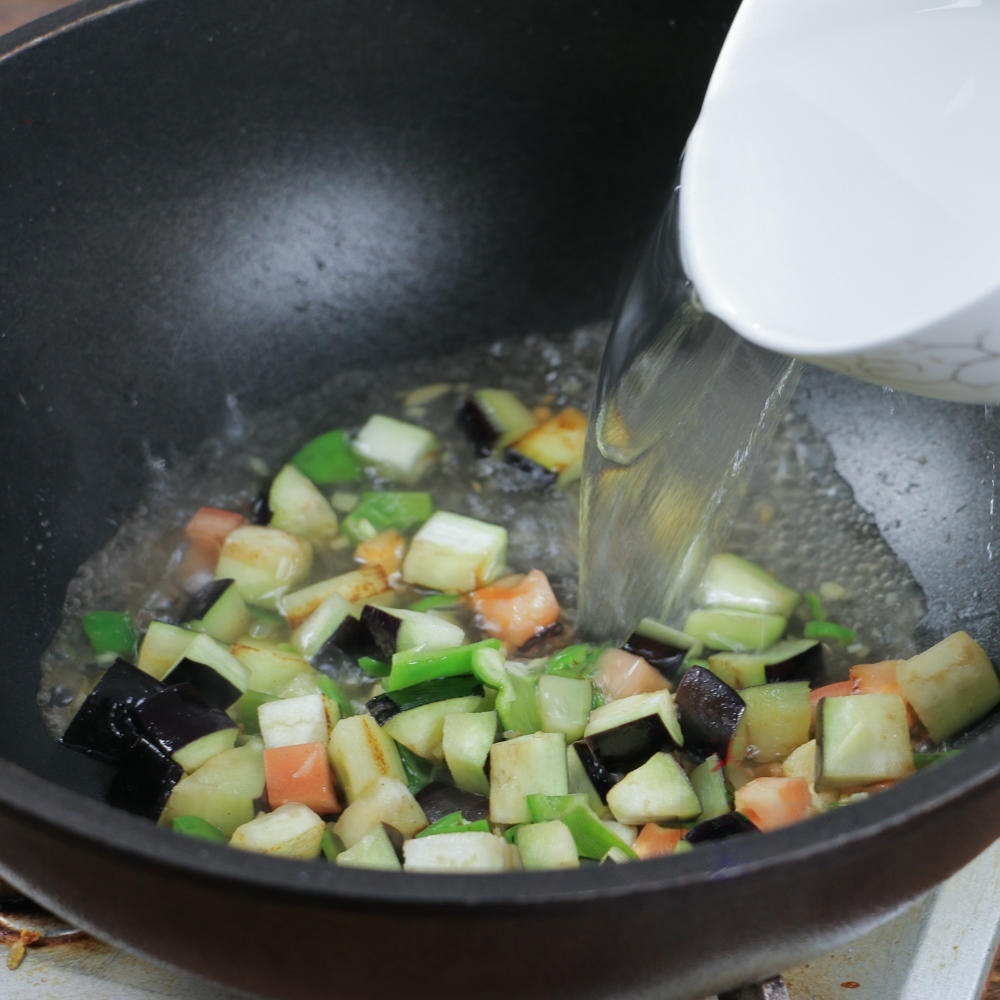
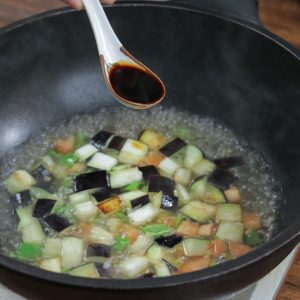
Pour in a large bowl of water (about 2 cups, or more if you prefer a soupier consistency).
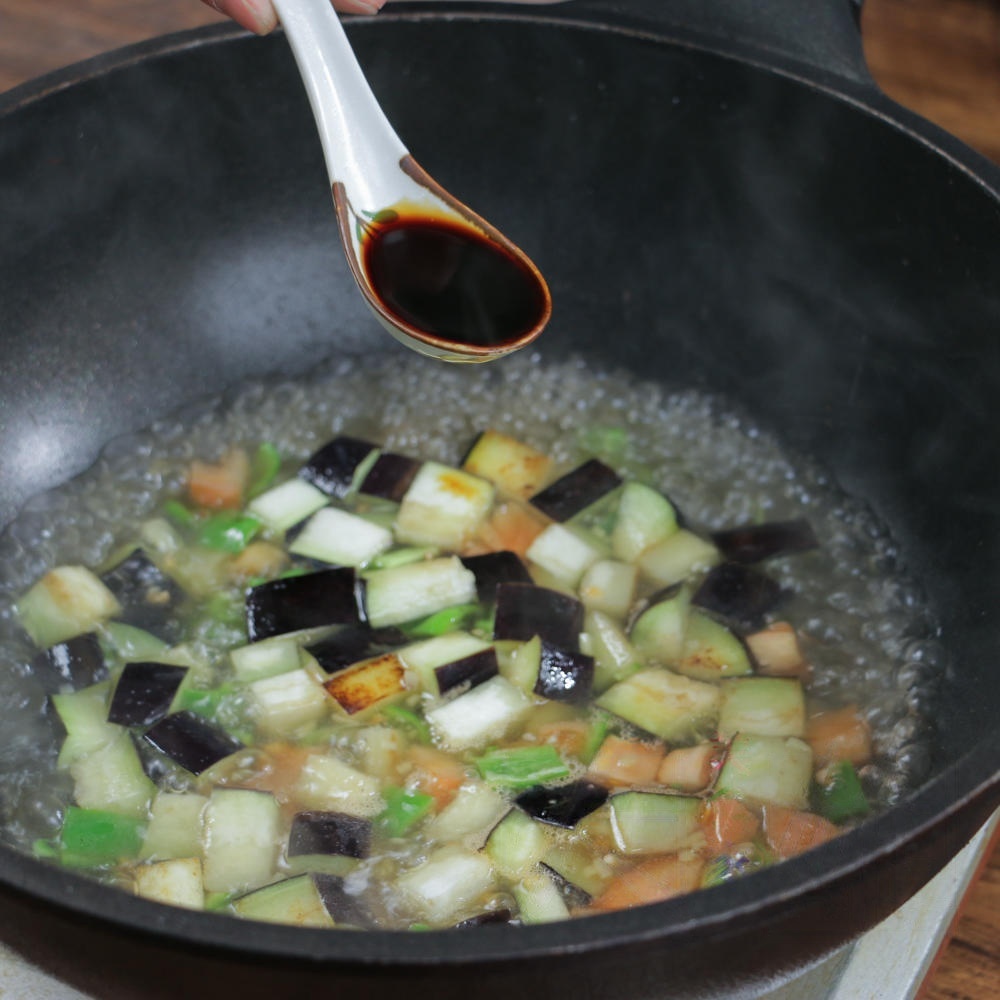
Add your seasonings:
- 1 tablespoon Light Soy Sauce
- 1/2 teaspoon salt (adjust to taste)
- 1/4 teaspoon MSG (or chicken bouillon)
Step 5: Simmer
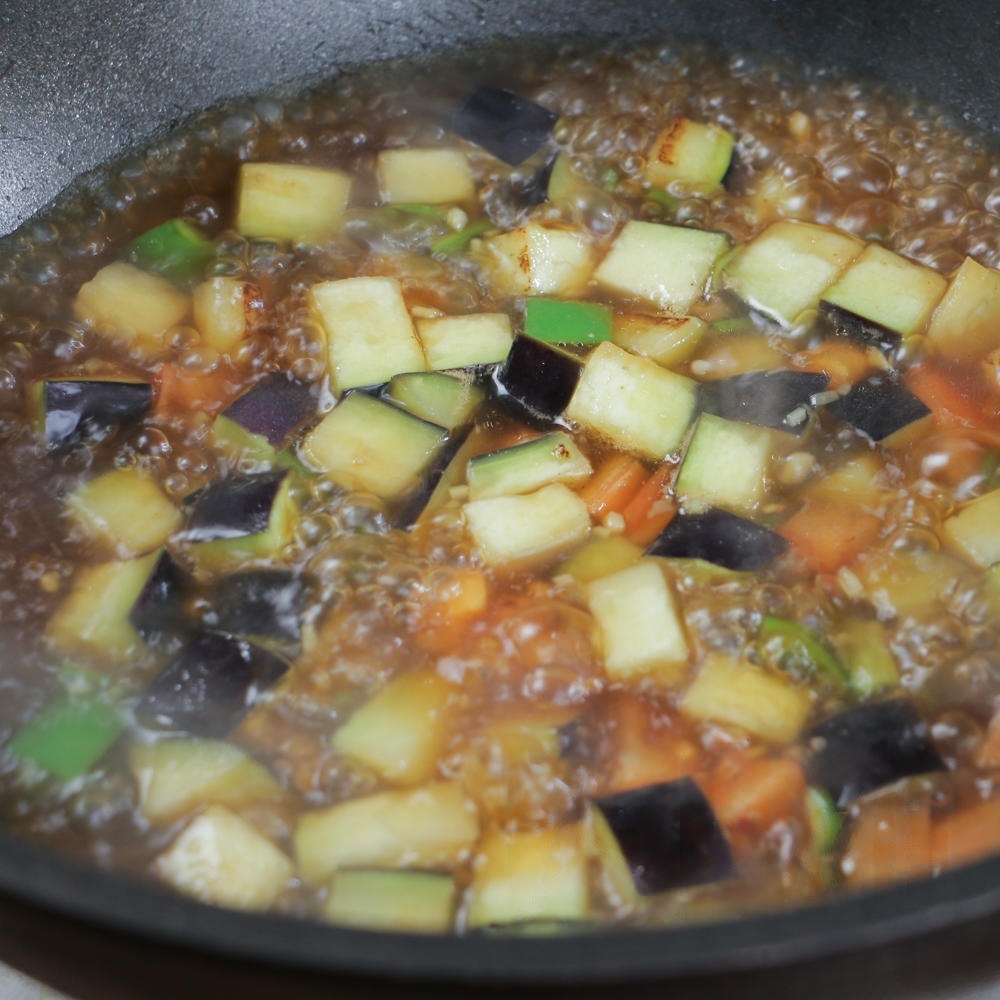
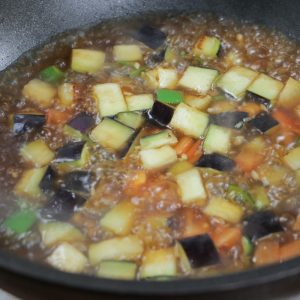
Bring the mixture to a boil. Reduce heat slightly and let it simmer.
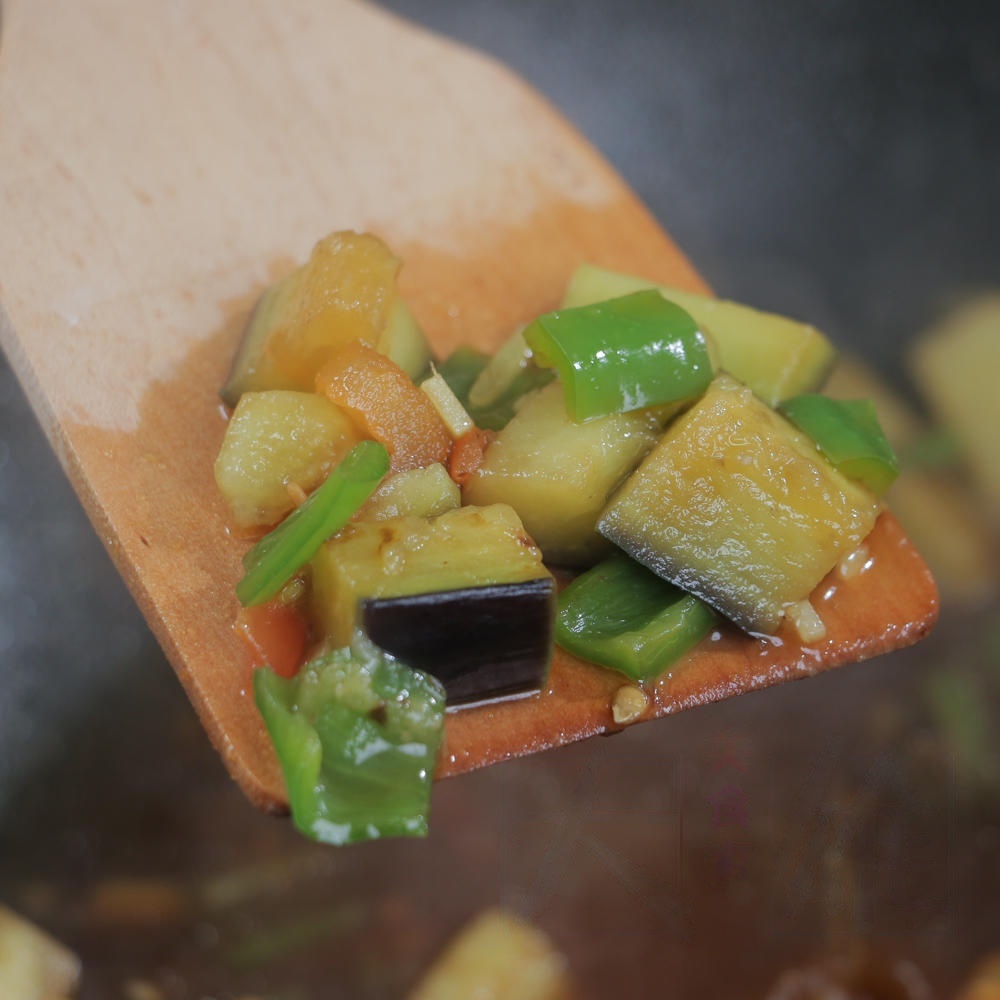
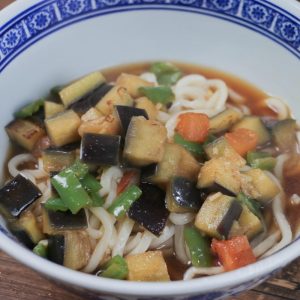
Visual Cue: You want to cook until the eggplant turns transparent and soft, but not dissolving. The liquid should look slightly rich from the tomato and oil emulsion. Turn off the heat.
Step 6: Cook the Noodles
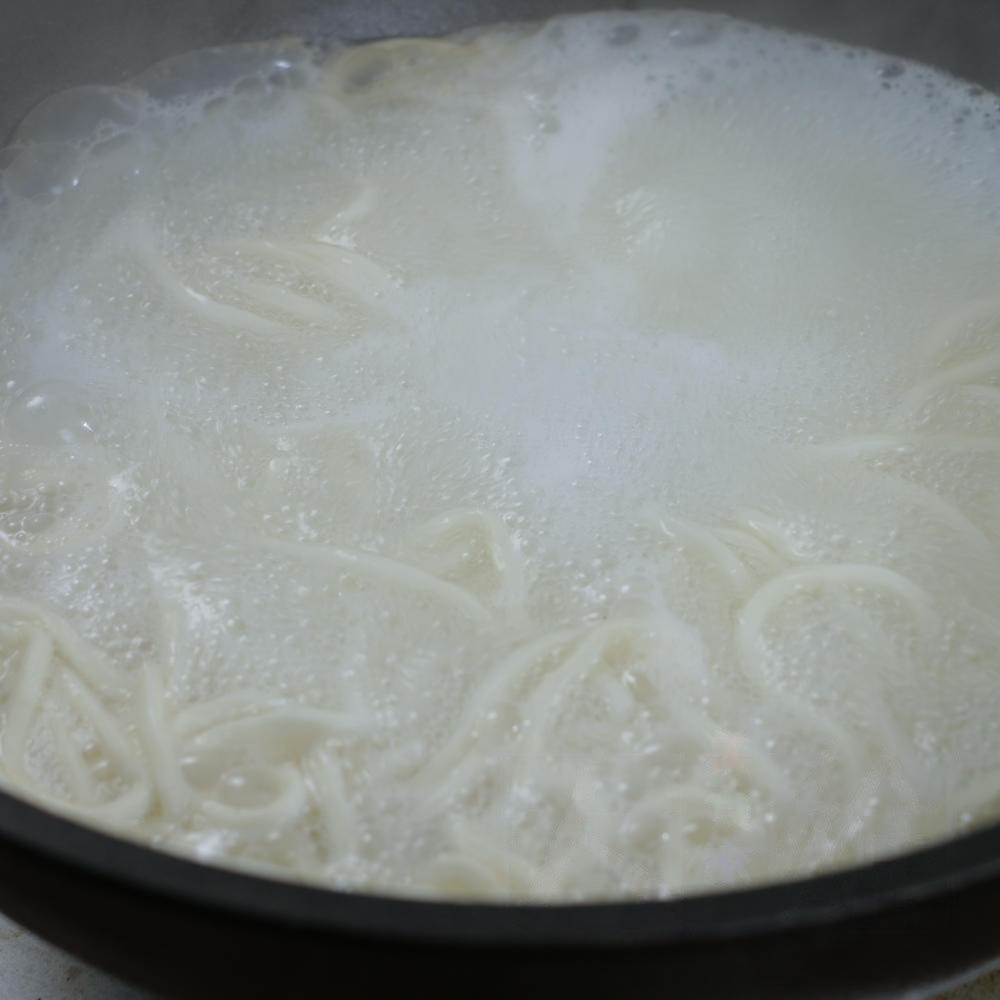
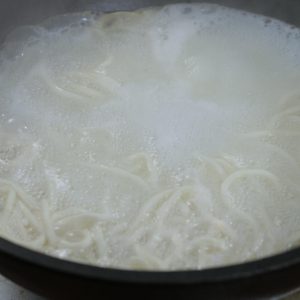
In a separate pot, bring water to a rolling boil. Add the fresh noodles.
- Tip: Stir immediately with chopsticks to prevent sticking.
- Cooking Time: Fresh noodles cook fast. Once the water returns to a boil, they usually need just 2-3 minutes (check package instructions). If you like them “al dente” (Q-texture), test a strand early.
Step 7: Assemble
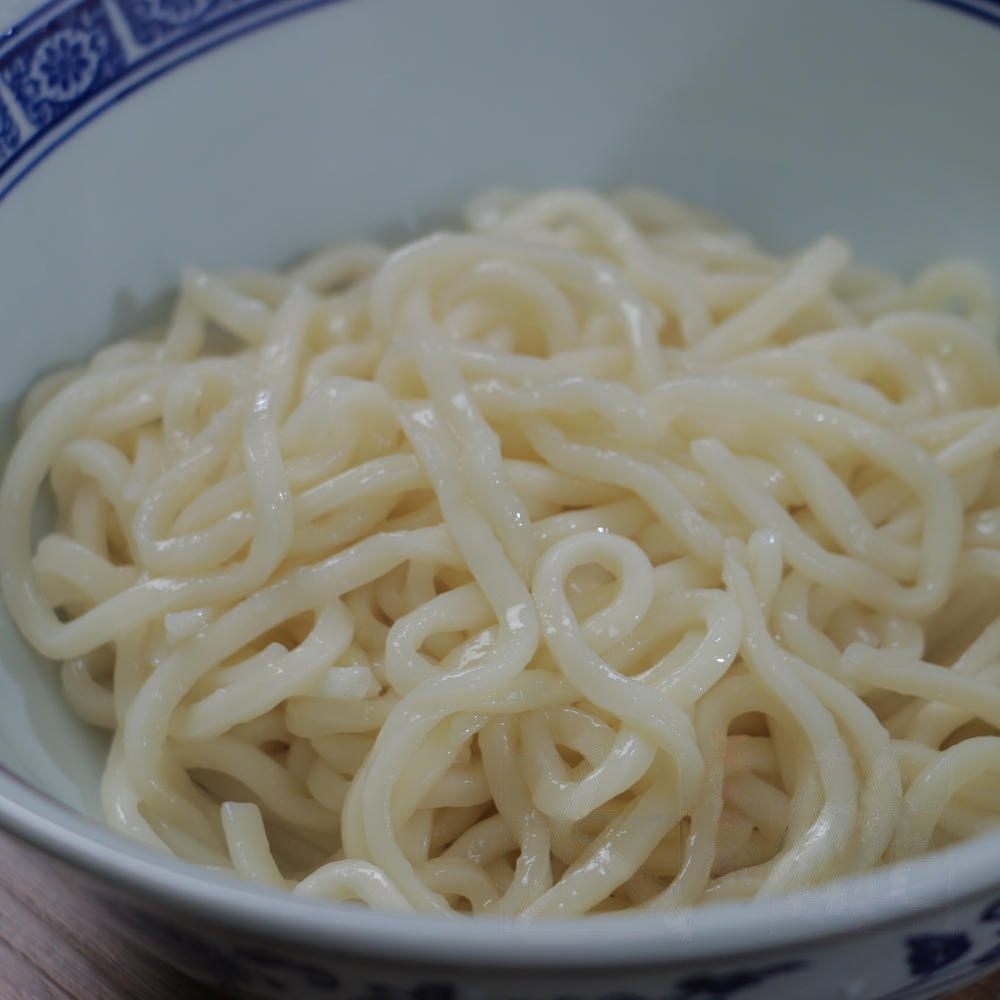
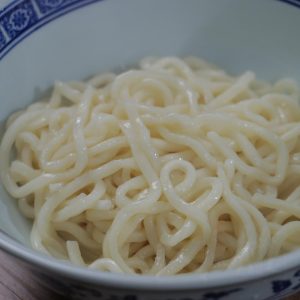
Drain the noodles and transfer them to serving bowls.
Option: If you prefer a cleaner taste, you can rinse the noodles under cold water (refer to my Easy Tomato Meat Sauce Noodles post for more on noodle prep), but for this hot soup, serving them straight is fine.
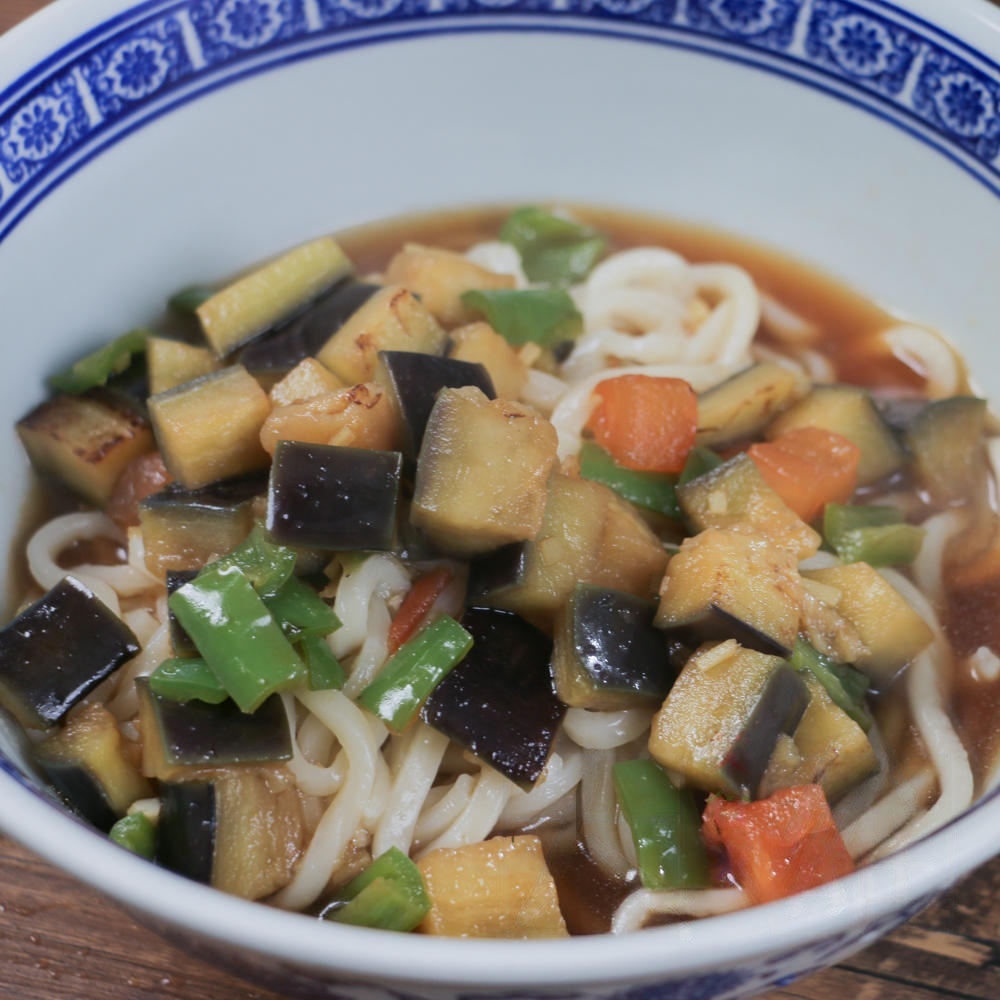
Ladle the hot eggplant and tomato broth over the noodles.
Step 8: Garnish
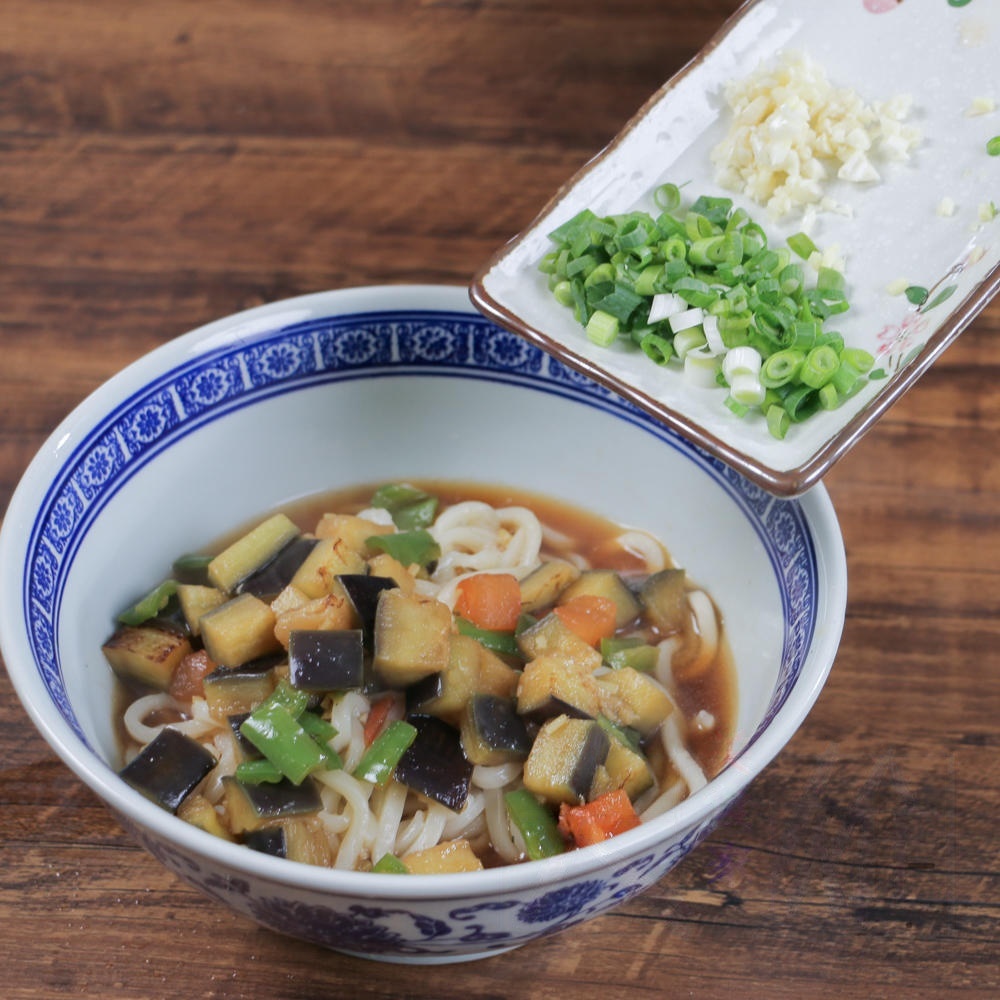
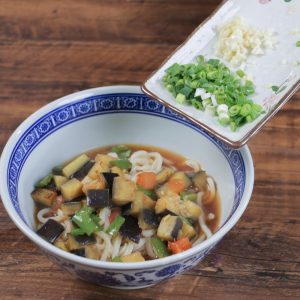
Top with the minced garlic and scallions.
Why raw garlic? In Northern China, raw garlic is essential for noodle dishes. The heat from the broth will slightly “cook” the raw garlic aroma, creating an irresistible fragrance. Stir well and enjoy!
Tips for Success
- The “Double Eggplant” Trick: If you have access to both Chinese and Thai eggplant, mixing them adds great texture variation, though Chinese purple eggplant is the standard.
- Protein Addition: As mentioned in the original recipe tips, if you aren’t strictly vegetarian, you can render some pork belly slices or ground pork at the very beginning before adding the eggplant. This adds a savory richness similar to my Minced Pork Noodles.
- Serving Temperature: This dish is best served piping hot. The starch from the noodles mixes with the broth to create a silky mouthfeel.
Common Troubleshooting (FAQ)
Q: My eggplant absorbed all the oil and tastes dry. What happened? A: Eggplant structure is full of air pockets. If the heat is too low, it soaks up oil like a sponge. Use medium-high heat. Also, don’t worry—once you add the water and simmer, the eggplant will release the oil back into the soup, balancing the texture.
Q: Can I make this gluten-free? A: Yes! Swap the wheat noodles for rice noodles or glass noodles, and ensure your soy sauce is gluten-free (tamari).
Q: Can I use dried noodles? A: Absolutely. Dried wheat noodles or even spaghetti work. Just be sure to boil them separately; do not boil them in the eggplant soup, or the soup will become too starchy and thick.
Nutrition Information (Estimate)
- Calories: 380 kcal
- Carbohydrates: 65g
- Protein: 12g
- Fat: 10g
- Saturated Fat: 1.5g
- Cholesterol: 0mg
- Sodium: 980mg
- Potassium: 450mg
- Fiber: 6g
- Sugar: 5g
- Vitamin A: 600 IU
- Vitamin C: 35mg
- Calcium: 40mg
- Iron: 3mg
Disclaimer: Nutrition information is calculated using an ingredient database and should be considered an estimate. In cases where multiple ingredient alternatives are given, the first listed is calculated for nutrition. Garnishes and optional ingredients are not included.
Food Safety & Preparation
- Allergen Warning: This recipe contains Wheat (noodles) and Soy (soy sauce). If cooking for someone with celiac disease, use certified gluten-free tamari and rice noodles.
- Hot Oil Safety: Eggplant contains moisture. When adding it to hot oil, it may splatter. Gently slide the vegetables into the wok away from your body to prevent burns.
- Storage: Store the sauce and noodles in separate airtight containers in the refrigerator for up to 3 days. Do not freeze the noodles as the texture will degrade.
- Reheating: Reheat the sauce on the stovetop until it reaches a rolling boil (165°F / 74°C) before serving over reheated noodles.
Our Systematic Test Kitchen Notes
- The “Sponge” Effect: Eggplant is porous and absorbs oil rapidly. Do not add more oil immediately if the pan looks dry; simply continue stirring. As the eggplant structure collapses during cooking, it will release the absorbed flavorful oil back into the sauce, creating a rich emulsion without needing cornstarch thickeners.
- Texture Control: For the noodles, we recommend the “Guo Shui” (passing through water) method mentioned in the original recipe tips if you prefer a cleaner, chewier texture. To do this, drain the boiled noodles and rinse them briefly under cold tap water before adding the hot gravy. This prevents them from sticking and clumping.
- Meat Variation: While this is a vegetarian (“Su”) classic, the original recipe notes that pork lovers can render small slices of pork belly or pancetta in the wok before adding the eggplant. This adds an extra layer of animal fat richness that complements the absorbent eggplant perfectly.
Authoritative References
- The Science of Eggplant: For a deeper dive into why eggplant behaves the way it does with oil and heat, read Serious Eats’ guide on cooking eggplant. https://www.southernliving.com/how-to-cook-eggplant-7553004
- Understanding MSG: This recipe uses MSG to enhance the savory profile of the vegetables. For safety information and scientific facts regarding Monosodium Glutamate, refer to the U.S. Food & Drug Administration (FDA). https://www.fda.gov/food/food-additives-petitions/questions-and-answers-monosodium-glutamate-msg
- Glutamates in Tomatoes: Tomatoes provide natural umami. Learn more about the glutamate content in vegetables from the Umami Information Center. https://www.umamiinfo.com/richfood/foodstuff/vegetables.html
Eggplant and Tomato Noodle Soup (Su Qie Ding Mian)

Equipment
- Wok or large skillet Carbon steel or non-stick
- Large Pot For boiling noodles
Ingredients
Fresh Produce
- 9 oz fresh noodles (approx. 250g, wet/fresh wheat noodles preferred)
- 1/2 Chinese eggplant (medium size)
- 1/2 tomato (large, vine-ripened)
- 1 green pepper (pointed pepper/Anaheim or bell pepper)
- 2 cloves garlic
- 1 inch ginger (small piece)
- 1 scallion (green onion)
Seasonings
- 2 tbsp neutral cooking oil
- 1 tbsp Light Soy Sauce
- 1/2 tsp salt (adjust to taste)
- 1/4 tsp MSG (or chicken bouillon powder)
- 2 cups water (add more for soupier consistency)
Instructions
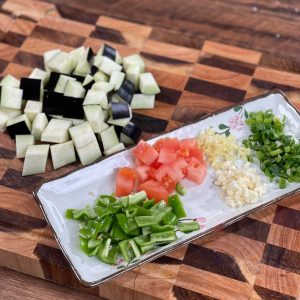
- Wash all vegetables. Finely mince the ginger and garlic. Slice the scallions into rings. Dice the tomato and green pepper into small cubes.

- Cut the eggplant into 1/2-inch thick slices, then cut those slices into uniform 1/2-inch cubes. Do not peel Chinese eggplant.
- Heat the cooking oil in a wok or skillet over medium-high heat. Add the eggplant cubes and stir-fry for 2-3 minutes until they absorb the oil and soften slightly.
- Add the diced green pepper, tomato, and minced ginger to the pan. Stir-fry for 30 seconds until fragrant.
- Pour in the water. Add the light soy sauce, salt, and MSG (or bouillon).
- Bring the mixture to a boil, then reduce to a simmer. Cook until the eggplant turns transparent and tender (but not falling apart). Remove from heat.
- Meanwhile, bring a separate pot of water to a boil. Add the fresh noodles and cook according to package instructions (usually 2-3 minutes). Stir to prevent sticking.
- Drain the noodles and transfer to serving bowls.
- Ladle the hot eggplant tomato broth over the noodles.
- Top with the minced garlic and scallions. Stir well and serve immediately.
Notes
* For Meat Lovers: You can add stir-fried pork belly slices or ground pork at step 3 for a richer version.
* Cold Variation: If you prefer cold noodles (summer style), rinse the boiled noodles under cold water to chill them before adding the hot sauce. Nutrition Disclaimer:
Nutrition information is calculated using an ingredient database and should be considered an estimate. In cases where multiple ingredient alternatives are given, the first listed is calculated for nutrition. Garnishes and optional ingredients are not included. Allergen Info: Contains Wheat (noodles), Soy (soy sauce).








Leave a Reply