A savory, 15-minute egg stir-fry packed with rich umami flavor. This “rice killer” dish is the perfect kid-friendly alternative when you’re tired of the classic Tomato and Eggs.
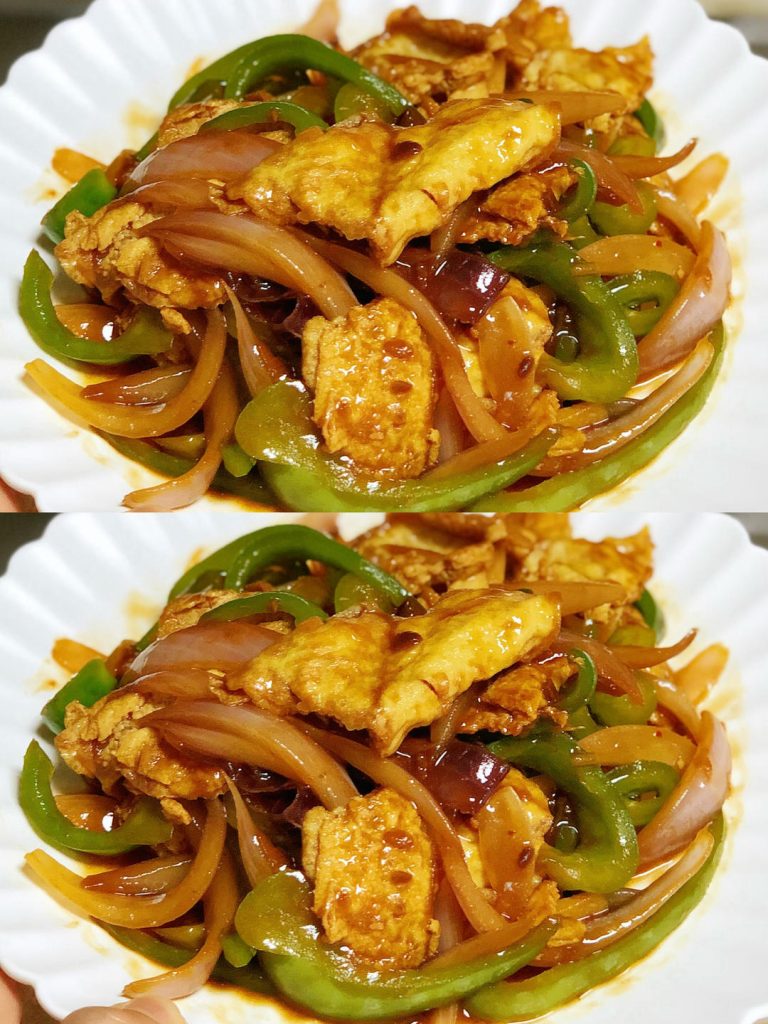
If you grew up in a Chinese household—or if you’ve been following my blog for a while—you know that Tomato and Egg Stir-fry is the undisputed king of home-style comfort food. But let’s be honest: even the best classics can get monotonous.
Growing up in Sichuan, helping out in my family’s restaurant kitchen, I watched my father—a chef with over 20 years of experience—whip up meals for the staff. One day, when I was refusing to eat yet another bowl of tomato eggs, he threw this dish together. He called it Jiang Chao Ji Dan (酱炒鸡蛋), or Sauce Stir-Fried Eggs.
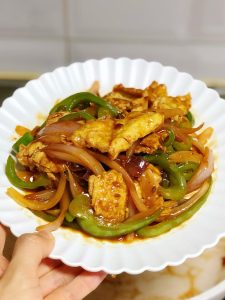
It was a revelation. Unlike the sweet and tart profile of the tomato version, this dish is deeply savory, glossy with a rich brown sauce, and packed with the crunch of onions and peppers. It is an absolute “rice killer” (a Chinese term for dishes that make you eat way more rice than intended).
Today, I’m sharing my dad’s method for this quick, nutritious, and incredibly flavorful dish. It’s perfect for busy weeknights and a guaranteed way to get picky eaters to finish their vegetables.
What is Sauce Stir-Fried Eggs?
Sauce Stir-Fried Eggs is a northern-style Chinese home-cooking staple. The star of the show is the “Bowl Sauce” (Wan Zhi) or “Bowl Juice”—a pre-mixed combination of soy sauce, oyster sauce, sugar, vinegar, and aromatics.
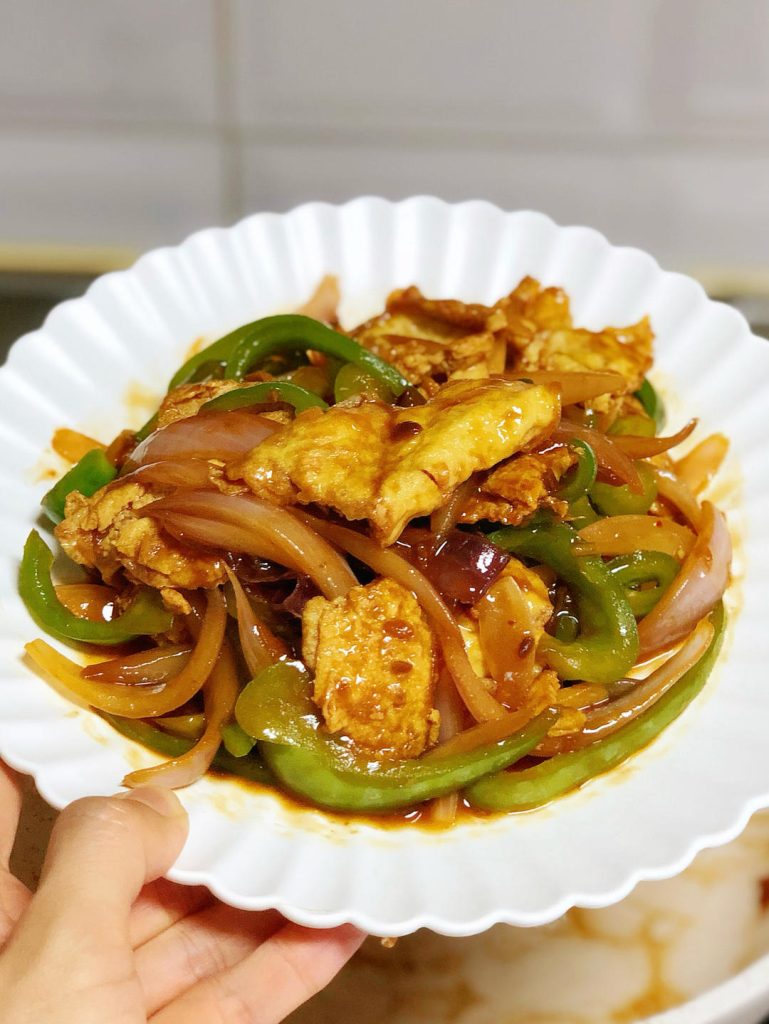
By cooking fluffy scrambled eggs and crisp vegetables in this savory, slightly thickened sauce, you create a dish that coats every grain of rice it touches. It’s salty, slightly sweet, and possesses a depth of flavor (umami) that simple scrambled eggs lack.
Why This Recipe Works
- The “Bowl Sauce” Technique: By pre-mixing the sauce ingredients (soy sauce, oyster sauce, starch, water, etc.) before you start cooking, you avoid fumbling with bottles while the wok is hot. This ensures consistent flavor every time.
- Textural Contrast: We cook the eggs first to keep them fluffy, then stir-fry the onions and peppers separately to maintain their crunch. This prevents the dish from becoming a mushy mess.
- Balanced Acidity: A splash of vinegar in the sauce might seem odd, but it cuts through the richness of the eggs and oil, brightening the entire dish without making it sour.
Key Ingredients & Substitutions
You likely have most of these in your pantry. If not, here is how to source them:
- Eggs: Use large eggs. Since eggs are the main protein, buy the best quality you can afford (free-range or pasture-raised have richer yolks).
- Green Pepper: The original recipe calls for “green pepper.” I recommend using Green Bell Pepper for a kid-friendly version. If you want a kick (more like the Hunan style), use Anaheim peppers or even a jalapeño.
- Doubanjiang (Pixian Bean Paste): This is the soul of Sichuan cooking. The recipe calls for a small amount to add a fermented savory depth.
- Note: If you can’t find it, you can substitute it with Sweet Bean Sauce (Tian Mian Jiang) for a non-spicy version, or simply omit it and add a pinch more soy sauce.
- Light Soy Sauce: This provides the salty, savory base. I recommend Pearl River Bridge or Kikkoman.
- Dark Soy Sauce: Used primarily for that beautiful amber color. It is thicker and less salty than light soy sauce.
- Oyster Sauce: Adds a thick, sweet umami punch. Vegetarian option: Use Mushroom Stir-fry Sauce.
- Cornstarch: Essential for thickening the sauce so it clings to the eggs rather than pooling at the bottom.
Recipe Notes Before You Start
The Importance of “Wok Hei” vs. Home Cooking
In a restaurant, my dad would flash-fry this in seconds using a jet-engine burner. At home, we don’t have that power. Don’t worry. You can achieve excellent results by using a heavy-bottomed skillet or a flat-bottomed wok and letting it preheat properly.
Equipment You Will Need
- 12-inch Skillet or Wok: A non-stick pan works great for eggs, but a carbon steel wok yields better flavor.
- Whisk or Fork: For beating the eggs thoroughly.
- Small Bowl: For mixing the sauce.
Food Safety Reminder
Eggs cook quickly. To ensure safety without creating rubbery eggs, cook them until they are set but still soft. According to the USDA, eggs should be cooked until the yolk and white are firm. In this recipe, they are cooked twice (scrambled then braised), so they will be fully cooked.
How to Make Sauce Stir-Fried Eggs
Step 1: Mise en Place (Prep Work)
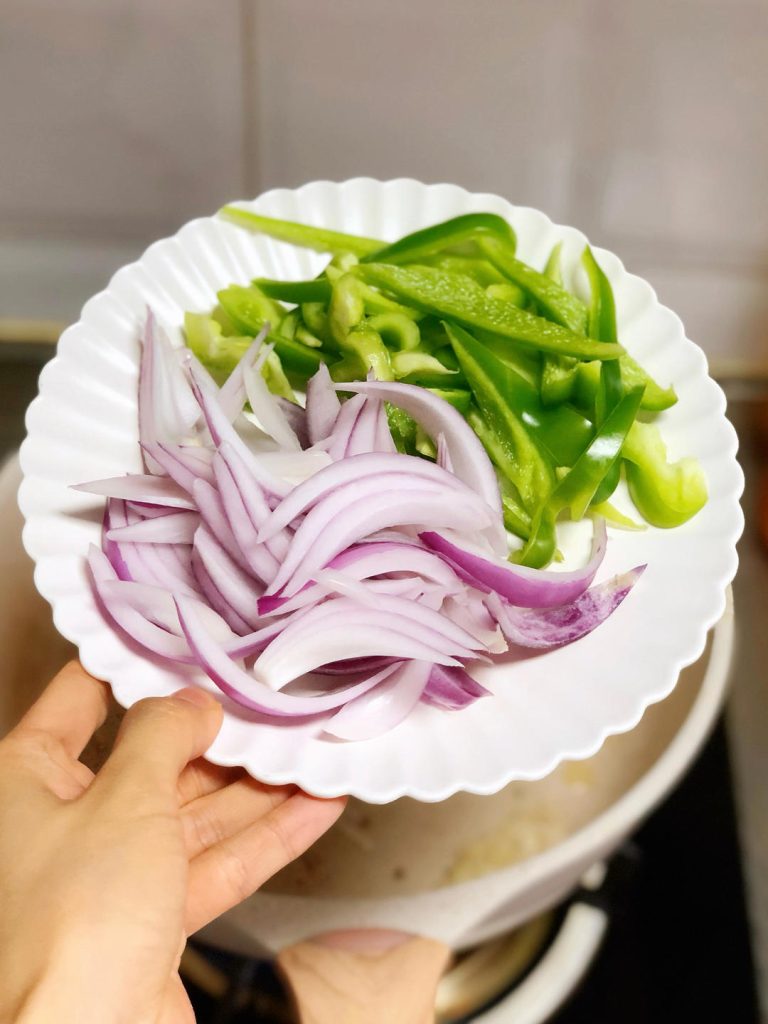
First, slice your 1/2 onion and 1/2 green pepper into strips or bite-sized chunks. Mince the 3 cloves of garlic and chop the scallion. Crack 3 eggs into a bowl and beat them well.
Step 2: Make the “Bowl Sauce” (Wan Zhi)
In a small bowl, combine:
- 2 tbsp Light Soy Sauce
- 1 tbsp Oyster Sauce
- 1/2 tbsp Dark Soy Sauce
- 1 tsp Doubanjiang (Bean Paste)
- 1 tbsp Sugar
- 1 tbsp Cornstarch
- 1 tbsp Rice Vinegar (or Cider Vinegar)
- 1/2 cup Water
Mix well until the cornstarch and sugar are dissolved.
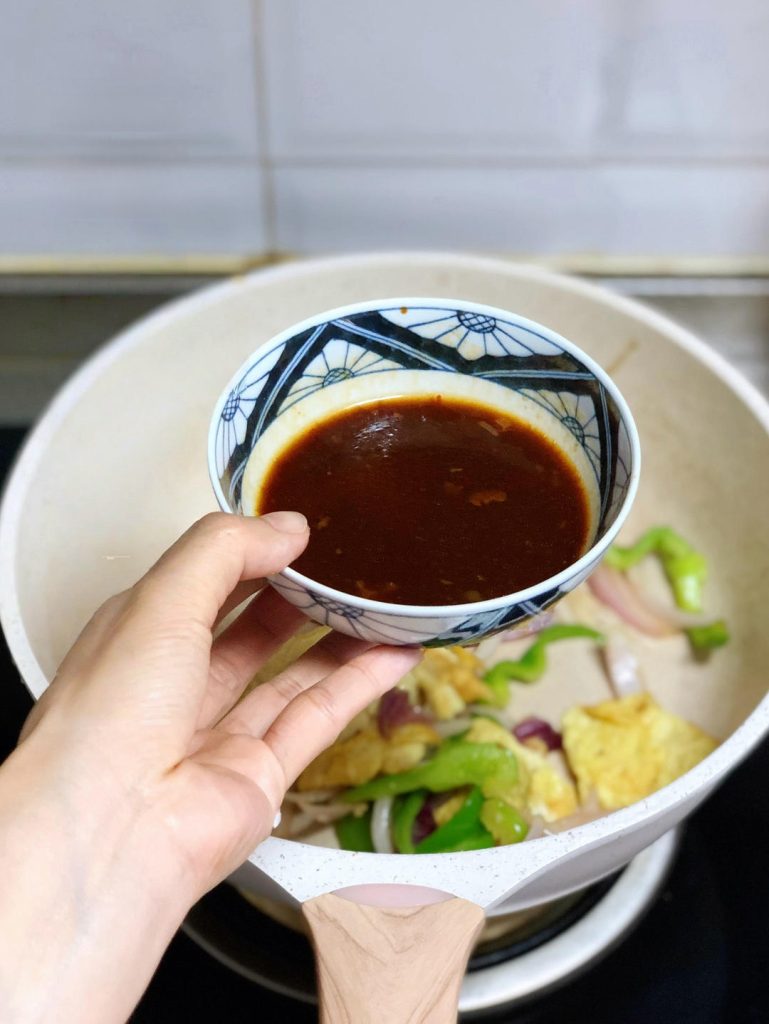
Chef’s Tip: Pre-mixing the sauce is a game-changer. It prevents you from burning the aromatics while looking for seasonings during the stir-fry.
Step 3: Scramble the Eggs
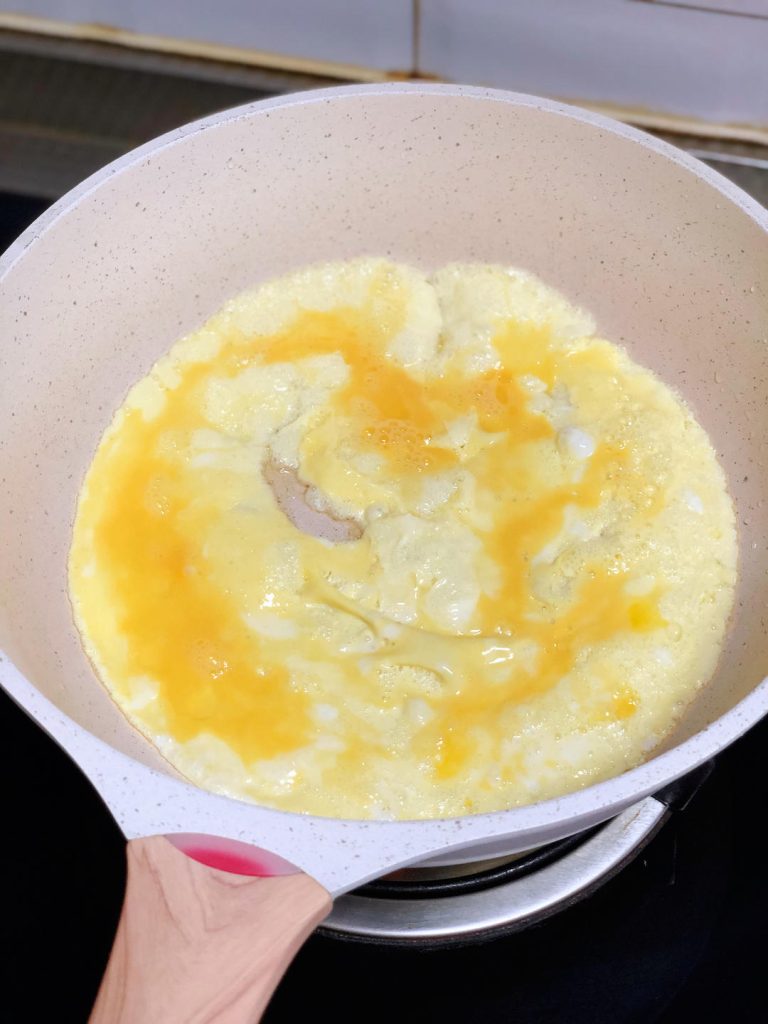
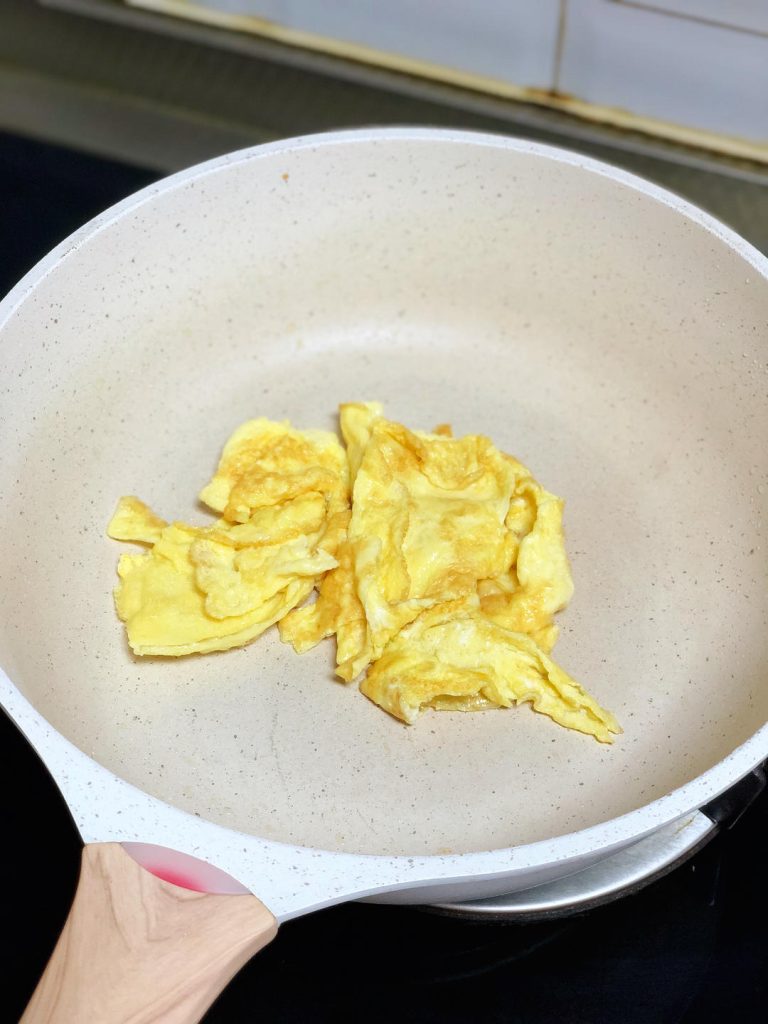
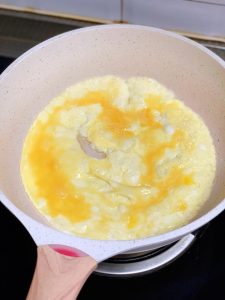
Heat your wok or skillet over medium-high heat. Add 2 tablespoons of oil. Once the oil shimmers, pour in the beaten eggs. Let them sit for 5-10 seconds to set the bottom, then gently push them. Once the eggs are solid but still tender (about 80% cooked), remove them from the pan and set aside.
Why? Removing the eggs prevents them from becoming rubbery while we cook the vegetables.
Step 4: Sauté Aromatics and Veggies
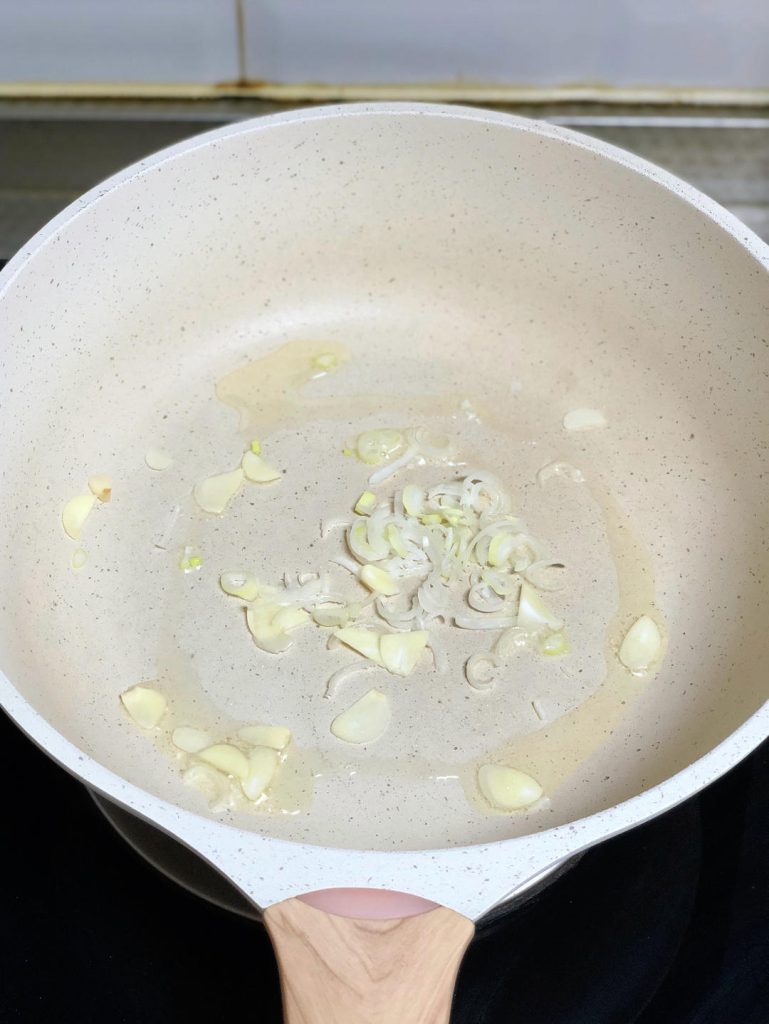
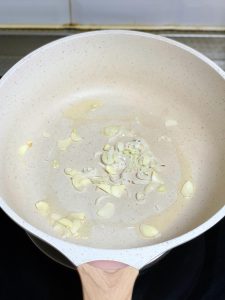
Add another 1 tablespoon of oil to the pan. Add the scallion whites and garlic. Stir-fry until fragrant (about 30 seconds). Add the onion and green pepper. Stir-fry for 2-3 minutes until they soften slightly but still retain a snap.
Step 5: Combine and Braise
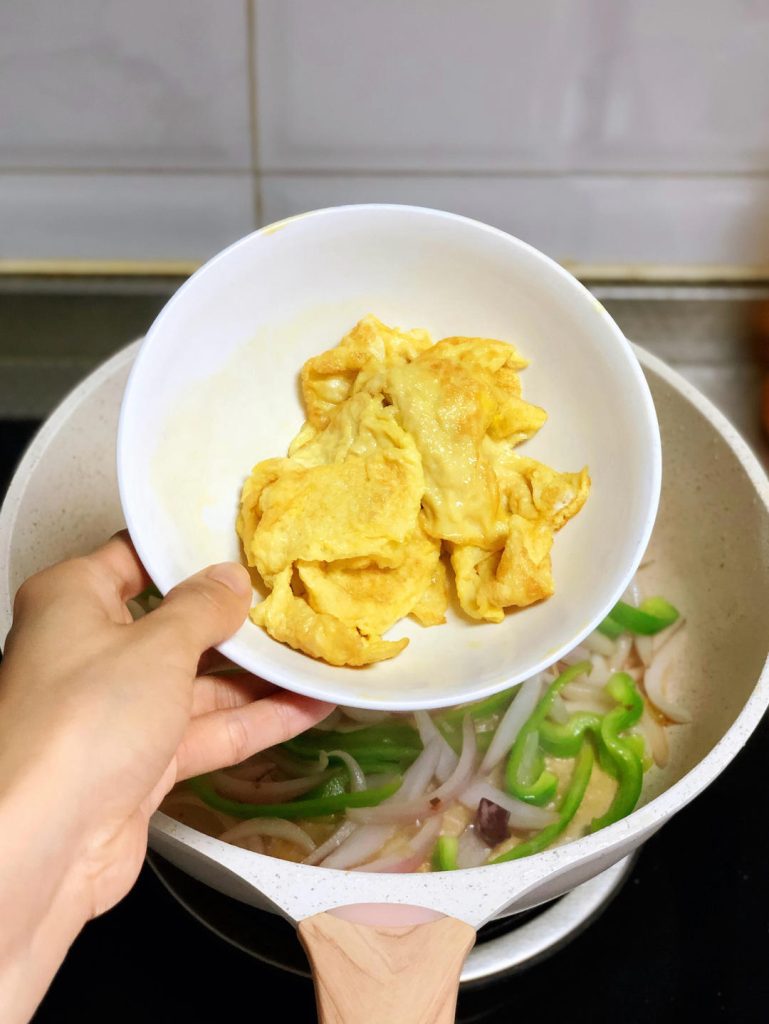
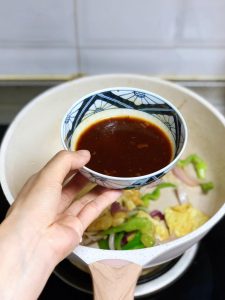
Return the cooked eggs to the pan. Break them up into bite-sized chunks with your spatula. Give your “Bowl Sauce” a quick stir (cornstarch settles!), then pour it over the mixture.
Step 6: Thicken and Serve
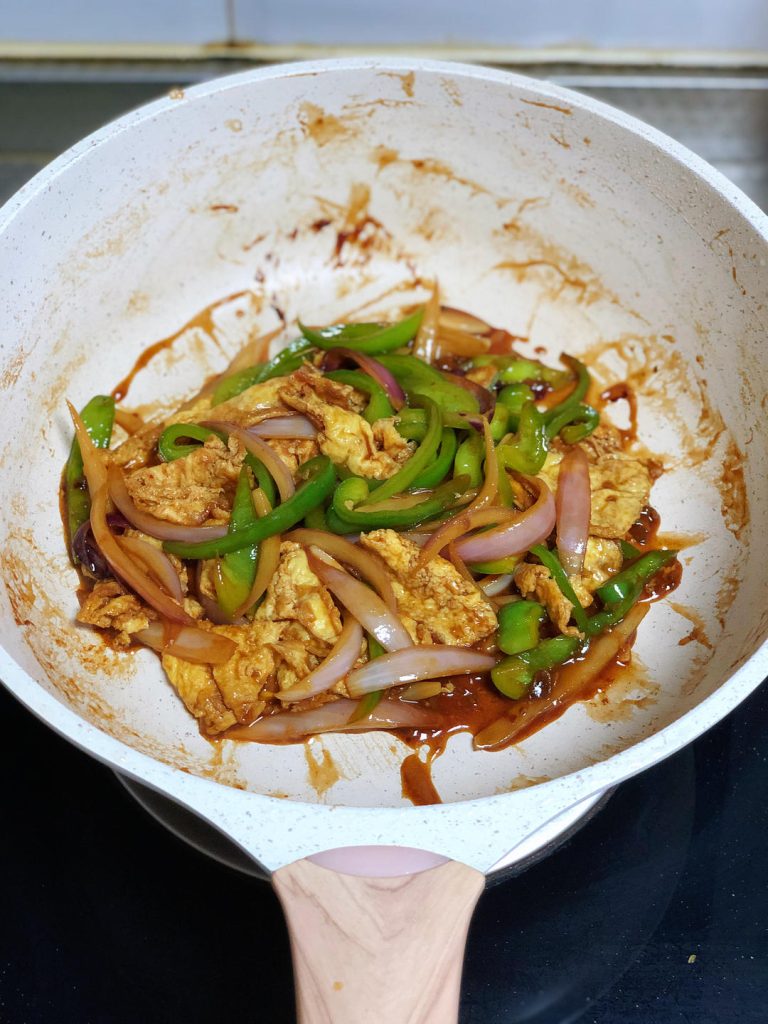
Stir everything together. The sauce will bubble and thicken rapidly (within 30-60 seconds). Once the sauce is glossy and coats the eggs and vegetables, turn off the heat. Serve immediately over steamed rice.
Tips for Success
- Don’t Skip the Vinegar: You might be tempted to leave out the vinegar, but please don’t! It balances the sugar and oyster sauce, cutting the greasiness and making the dish appetizing.
- Adjusting Salt: The sauce contains soy sauce, oyster sauce, and bean paste, which are all salty. Do not add extra salt to the eggs or vegetables unless you have tasted it at the end.
- Vegetable Variations: This recipe is flexible. You can swap peppers for wood ear mushrooms (for crunch) or add carrots for sweetness.
Serving Suggestions
This dish is a classic “Xiafan” (rice-downing) dish. It needs white rice to soak up that delicious gravy. To make a complete Chinese meal, I recommend pairing it with:
- Green Pepper and Egg Stir-fry (If you really love peppers!)
- Tomato and Egg Stir-fry (For a comparison of flavors)
- A simple vegetable soup like Seaweed Egg Drop Soup.
Troubleshooting & FAQ
Q: My sauce is too thick/gooey. A: This happens if there is too much cornstarch or not enough water. Simply add 1-2 tablespoons of hot water to the pan and stir; it will loosen up immediately.
Q: Can I make this spicy? A: Absolutely. Increase the Doubanjiang to 1 tablespoon, or add a teaspoon of Homemade Chili Garlic Sauce alongside the garlic in Step 4.
Q: Can I use red onions? A: Yes, red onions work perfectly and add a nice sweetness, though they may darken the dish slightly.
Storage and Reheating
- Fridge: Store leftovers in an airtight container for up to 3 days.
- Reheat: Microwave for 1-2 minutes, or reheat in a pan with a splash of water to loosen the sauce.
- Freezer: I do not recommend freezing this dish, as the texture of the cooked eggs and peppers will become rubbery and mushy upon thawing.
Nutrition Information (Per Serving):
- Calories: ~280 kcal
- Protein: 12g
- Carbohydrates: 14g
- Fat: 20g
- Sodium: 980mg
- Cholesterol: 280mg
- Fiber: 2g
- Sugar: 8g
- Disclaimer: Nutrition information is calculated using an ingredient database and should be considered an estimate. Actual values may vary based on specific brands and cooking methods used.
Food Safety & Preparation:
- Egg Safety: To prevent foodborne illness, ensure eggs are cooked until both the yolk and white are firm. This dish involves a two-stage cooking process (scrambling then braising), which ensures the eggs reach a safe internal temperature of 160°F (71°C).
- Allergen Warning: This recipe contains Eggs, Soy, and Wheat (found in soy sauce and bean paste). For a gluten-free version, substitute with Tamari and gluten-free oyster sauce.
- Sodium: This dish is naturally high in sodium due to the sauces. Do not add extra salt.
Recipe Notes
Chef’s Note on the “Bowl Sauce” Technique: The secret to a successful stir-fry is the “Bowl Sauce” (Wan Zhi). In professional Chinese kitchens, we pre-mix the soy sauce, sugar, aromatics, thickeners, and water into a single bowl before the wok is even heated. This prevents the panic of searching for ingredients while your oil is smoking, and ensures the cornstarch is evenly distributed, creating a glossy, lump-free gravy that coats every piece of egg and vegetable perfectly. Remember to give it a quick stir right before pouring it into the pan, as cornstarch tends to settle!
Authoritative References
- Food Safety Guidelines: U.S. Department of Agriculture (USDA). “Shell Eggs from Farm to Table.” Food Safety and Inspection Service. https://www.fsis.usda.gov/food-safety/safe-food-handling-and-preparation/eggs/shell-eggs-farm-table
- Nutritional Data: U.S. Department of Agriculture (USDA). “FoodData Central.” Agricultural Research Service. https://fdc.nal.usda.gov/
- Sichuan Cuisine History: Dunlop, Fuchsia. “The Food of Sichuan.” W. W. Norton & Company, 2019. https://wwnorton.com/books/9781324004837
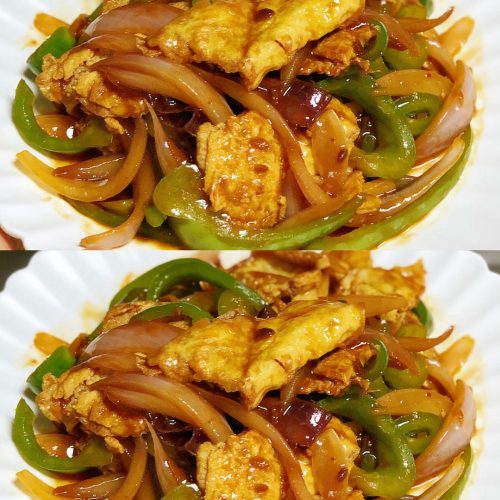
Sauce Stir-Fried Eggs (Jiang Chao Ji Dan)

Equipment
- 1 Wok or large skillet Carbon steel preferred for flavor
- 1 Small Mixing Bowl For the sauce
Ingredients
Main Ingredients
- 3 large eggs
- 0.5 medium onion sliced
- 0.5 medium green bell pepper sliced (can substitute with Anaheim for heat)
- 3 tbsp neutral oil divided usage
- 1 stalk scallion chopped
- 3 cloves garlic sliced
The Bowl Sauce (Wan Zhi)
- 2 tbsp light soy sauce
- 1 tbsp oyster sauce
- 0.5 tbsp dark soy sauce
- 1 tsp Doubanjiang Broad Bean Paste (optional for heat)
- 1 tbsp sugar
- 1 tbsp cornstarch
- 1 tbsp rice vinegar
- 0.5 cup water
Instructions
- Mix the Sauce: In a small bowl, combine light soy sauce, oyster sauce, dark soy sauce, doubanjiang, sugar, cornstarch, vinegar, and water. Whisk until sugar and cornstarch are fully dissolved. Set aside.

- Scramble Eggs: Crack eggs into a bowl and beat well. Heat a wok or skillet over medium-high heat with 2 tablespoons of oil. Pour in eggs. Stir gently until large curds form and eggs are set but soft. Remove eggs from pan and set aside.
- Sauté Aromatics: Add remaining 1 tablespoon of oil to the pan. Add scallions and garlic. Stir-fry for 30 seconds until fragrant.
- Cook Vegetables: Add sliced onions and green peppers. Stir-fry for 2 minutes until just tender-crisp.
- Combine: Return the cooked eggs to the pan. Give the sauce a quick stir (to suspend starch) and pour it over the mixture.
- Thicken: Toss everything together for 30-60 seconds. The sauce will bubble and thicken into a glossy gravy. Turn off heat once coated. Serve with rice.












Leave a Reply