Hey there! Lin here.
If you grew up where I did—in the middle of a loud, chaotic Sichuan restaurant in Chengdu—you’d know that the “rhythm” of the kitchen isn’t just the clanging of the spatulas. It’s the sound of the salt crock lid opening and closing. My parents used to tell me that a dish without salt is like a story without a plot; it just doesn’t go anywhere.
In culinary school, I spent years obsessing over the “why” behind the techniques I saw my parents perform by instinct. Today, I want to pull back the curtain on the most fundamental ingredient in your pantry: Salt (盐, yán). Whether you are making a complex dish or a simple stir-fry, understanding salt is the difference between “okay” food and “I can’t stop eating this” food.
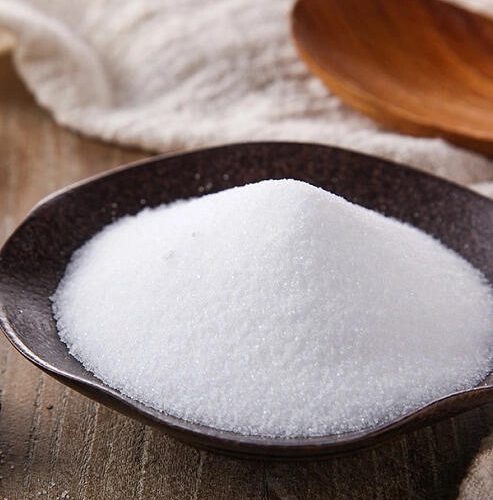
Why Salt is the “Soul” of the Wok
In Chinese cuisine, salt does more than just make things salty. It’s a tool for texture and chemistry.
- Osmosis and Moisture Control: When we treat meats like Pork Belly for roasting, salt draws out moisture from the skin. This is the secret to that “glass-like” crunch. According to the Science of Salt by the Harvard T.H. Chan School of Public Health, salt alters the protein structure, allowing it to hold more moisture during the high-heat stir-frying process.
- The Flavor Bridge: Salt suppresses bitterness and enhances sweetness. If you’re using a hit of Shaoxing Wine or a splash of vinegar, the salt is what marries those sharp, acidic notes into a cohesive sauce.

The Hidden Salt: Watch Your Sauces!
Here’s a professional chef’s secret: stop thinking of salt as only the white stuff in your shaker. In a Chinese kitchen, we get our salt from many sources. When you’re using “salty” condiments like the funkier fermented Doubanjiang, you’ve often already hit your salt quota for the dish.
For example, when making my Authentic Mapo Tofu, the fermented broad beans carry so much savory saltiness that adding extra sea salt can actually ruin the balance. The same goes for any standard Soy Sauce; it is essentially liquid salt with a massive umami punch. Trust me on this—always taste your sauce base first. If it already makes your tongue tingle, skip the salt shaker entirely!
Not All Salts Are Created Equal
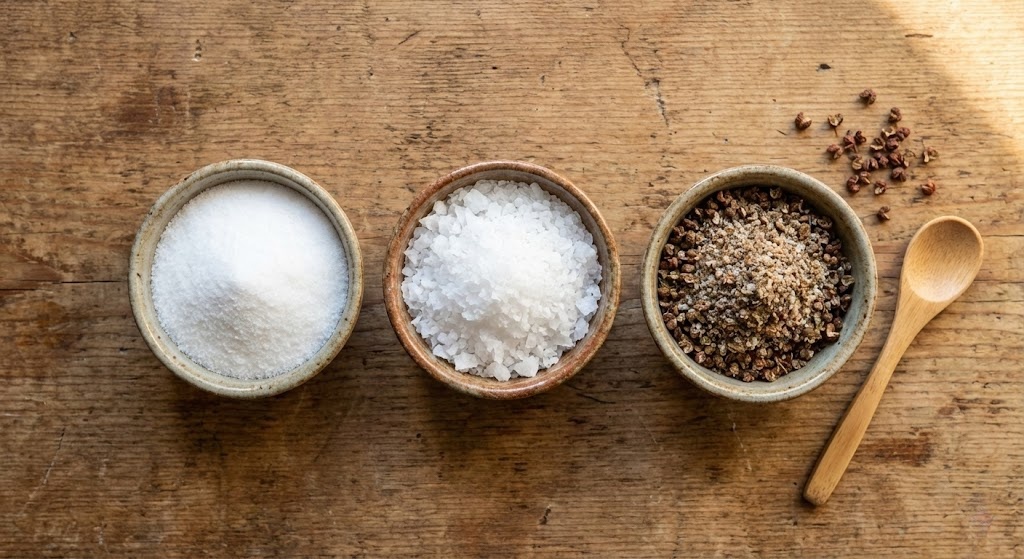
Let’s be real: I know most Western kitchens use Kosher salt because it’s easy to pinch. But in a professional Chinese kitchen, we often use a finer grain salt that dissolves instantly in the high-heat environment of a wok.
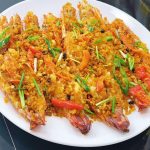
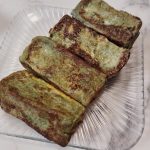
If you are trying to replicate my Salt and Pepper Squid, the grain size matters. Too coarse, and you get a “crunch” of salt; too fine, and it clumps. I always recommend toasted Sichuan peppercorn salt—it’s a game-changer for dishes like Salt and Scallion Pork Steaks.
Lin’s “No Secrets” Tips for Perfect Seasoning
- Season in Layers: Don’t just dump salt at the end. Season your proteins during the marinade—usually with a bit of Light Soy Sauce for depth—and then adjust the “final” salt levels at the very end.
- Sensory Cues: In a hot wok, salt should smell like nothing, but the ingredients it hits should suddenly bloom with aroma. If you smell “burning” minerals, your wok is too dry!
- Western Kitchen Reality: If you’re cooking on an electric stove, your heat won’t be as responsive as my parents’ restaurant burner. This means salt takes a second longer to dissolve, so give it a stir and wait 5 seconds before tasting again.


Leave a Reply