There is a whole category of Chinese bread that most people outside Yunnan have never heard of, and it is called posu bao — “broken crisp bun.” The name is literal: the dough is laminated with lard the way puff pastry is laminated with butter, so when you tear one open it doesn’t stretch, it shatters into dozens of paper-thin ribbons. Fill that bun with honey-marinated Xuanwei ham, toasted peanuts, and rose petals, and you get the rose sugar ham crisp bun, a Kunming breakfast institution that is sweet, savory, salty, and floral all in the same bite.
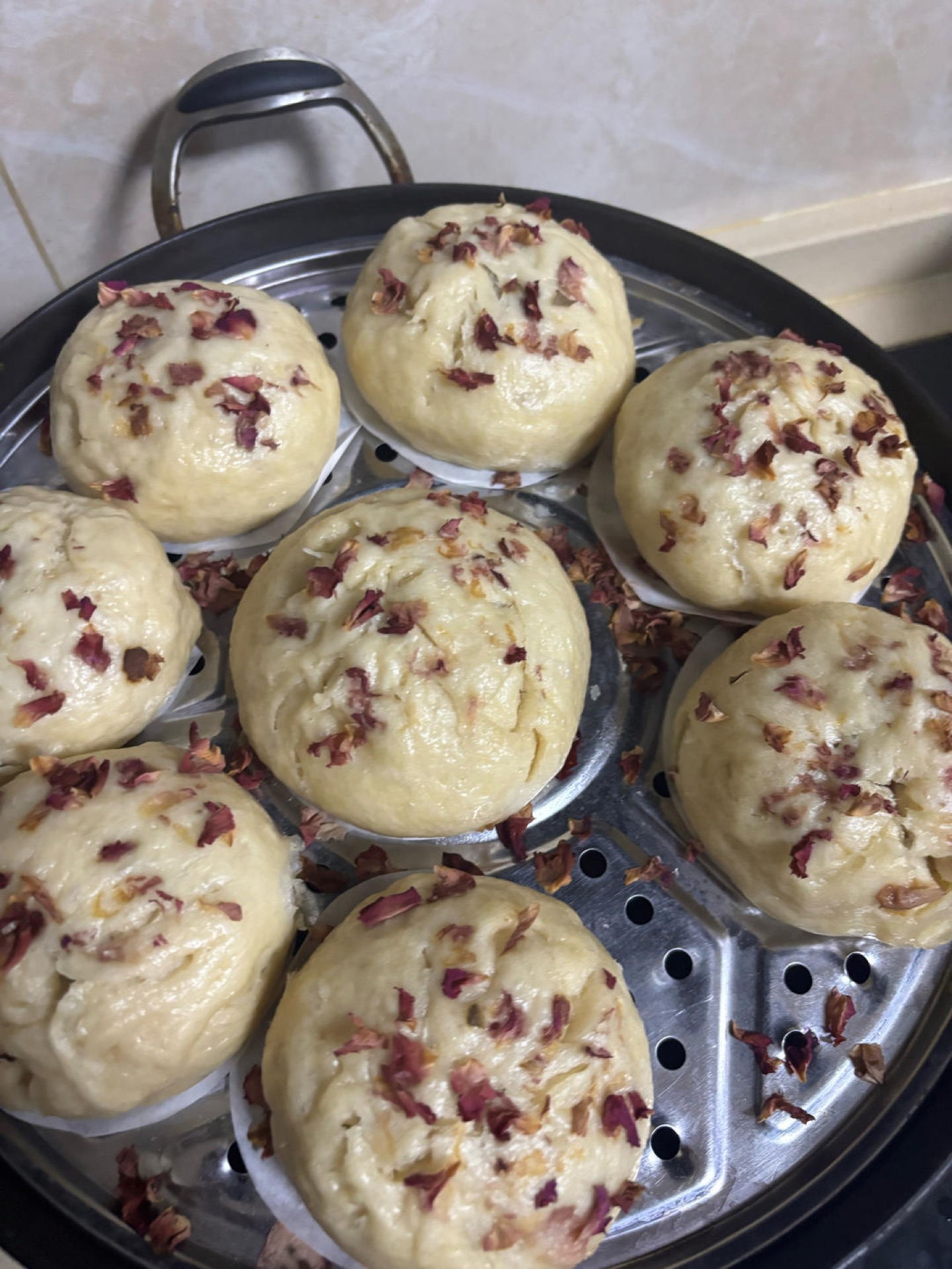
What makes this recipe worth your weekend is that the flakiness is not a garnish — it is the entire point. The lard layer traps steam as the bun cooks, and that steam pushes the dough apart into sheets. Get the lamination right and a plain steamed bun becomes something closer to a croissant that never saw an oven. Get it wrong — roll the dough with a pin after laminating, or skip the second rise — and you get a dense puck. So the recipe below is mostly about protecting that structure.
I should be upfront: this is a project bake, not a weeknight dinner. The ham soaks and steams, then marinates in honey; the dough cold-ferments overnight. But almost all of that is hands-off time, and the payoff is a tray of buns that look like they came from a Yunnan bakery counter.
What Is a Rose Sugar Ham Crisp Bun?
玫瑰糖腿破酥包 — meigui tang tui posu bao — is a steamed bun from Kunming, the capital of Yunnan province. Three things define it. First, the 破酥 (posu) lamination: a lean yeast dough is rolled thin, painted with lard, rolled into a cylinder, and cut into pieces, so each bun carries dozens of alternating dough-and-fat layers. Second, the 糖腿 (tang tui) filling: Xuanwei ham — Yunnan’s famous dry-cured ham, salty and deeply savory — diced, steamed, and marinated in honey so it turns sweet-savory. Third, the 玫瑰 (meigui): edible rose petals, both in the filling and scattered over the lard layer, which perfume the whole bun.
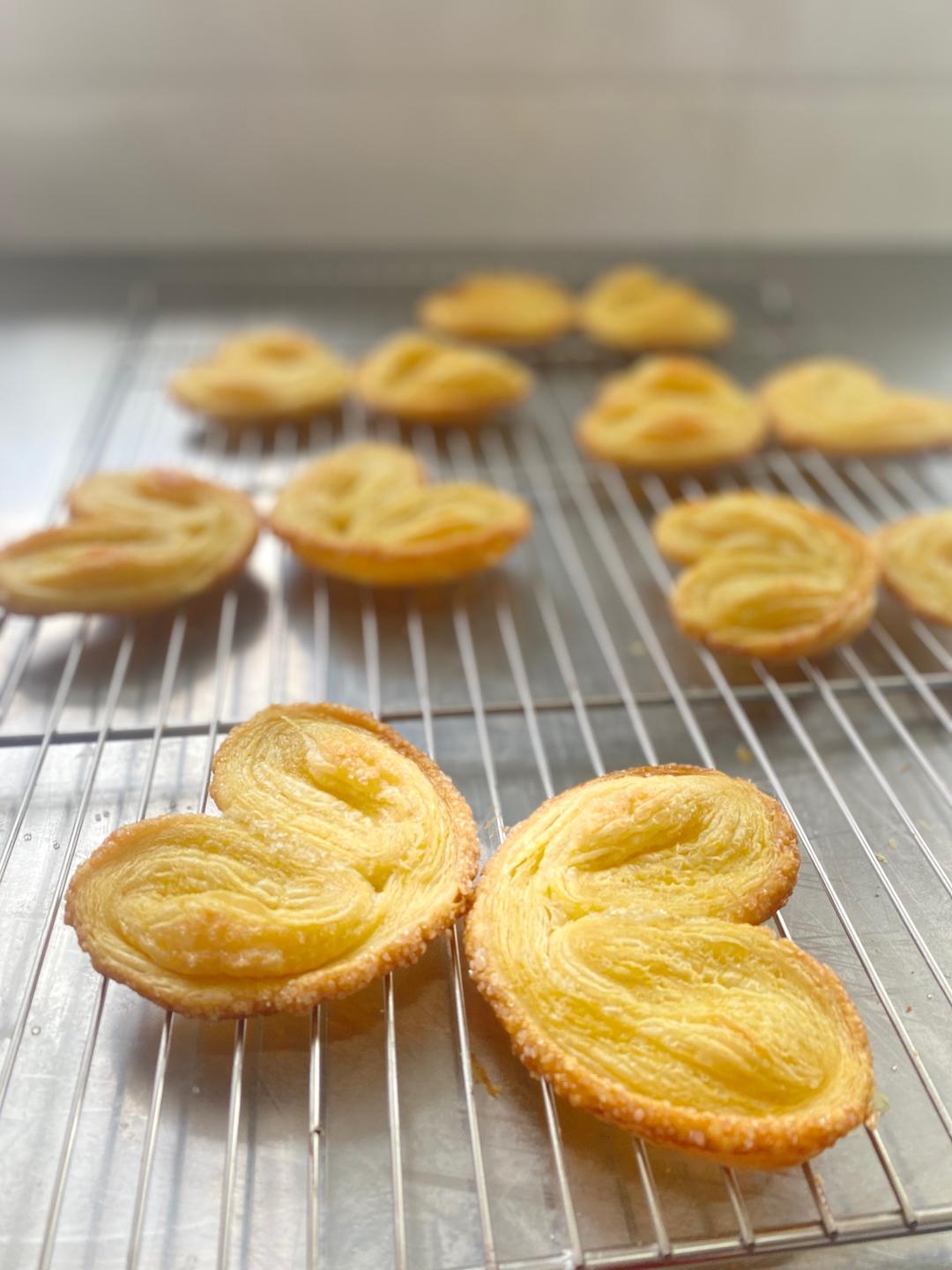
If you love the shattering layers of Chinese butterfly pastry, this ham-and-rose bun is the savory-sweet steamed cousin you should try next — same lard-laminated dough, a very different filling.
1Homemade Butterfly Pastry (Hu Die Su)Flaky, caramel-sweet butterfly pastry (hu die su), the Chinese name for French palmiers: buttery laminated dough folded with sugar into paper-fan strips and baked until golden and shattering. Made with a rolling pin, no sheeter needed.Check out this recipe
For another sweet treat built on a crisp, crackly shell, these crispy sticky rice apple cakes make a lovely companion bake — chewy inside, golden outside, and just as good warm.
2Crispy Sticky Rice Apple Cakes (Mini Apple Pies)A lazy, no-oven dessert featuring a crispy Panko crust and a chewy, mochi-like center filled with fresh apples. Known in Chinese as ‘Mini Pingguo Pai’, these are pan-fried to golden perfection in just 5 minutes without deep frying.Check out this recipe

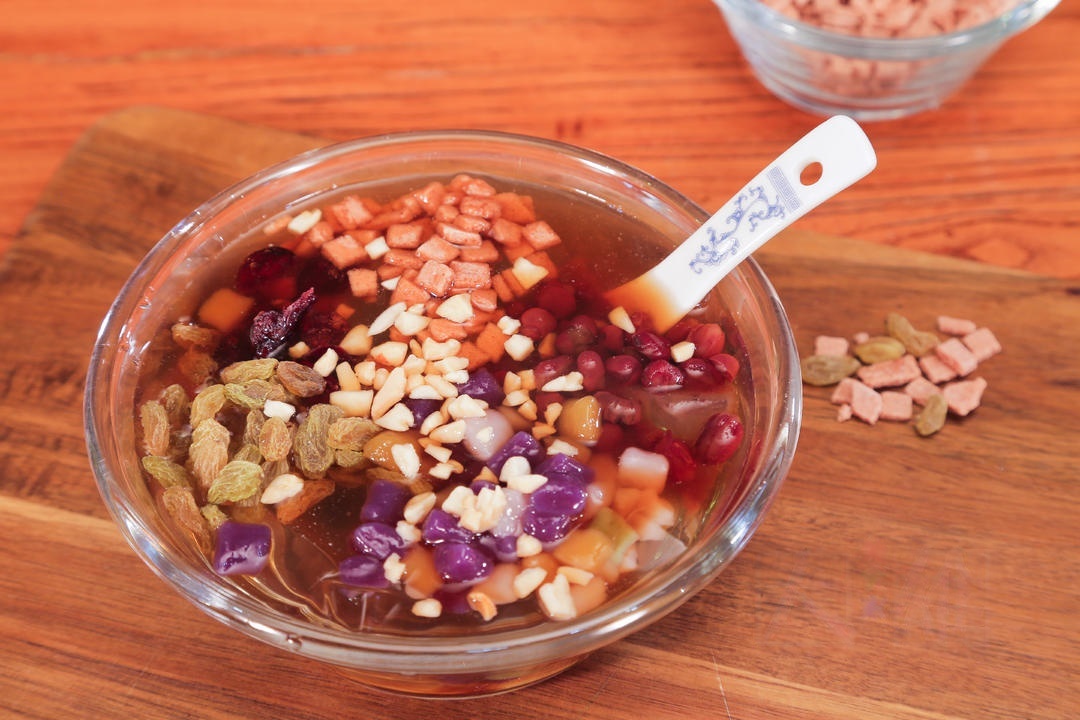
And if you enjoy the rose-and-honey flavor direction here, Sichuan ice jelly is a cooling, floral-sweet dessert from the same broad Chinese sweet tradition.
3Authentic Sichuan Ice Jelly (Bingfen)A crystal-clear, refreshing Sichuan dessert perfect for cooling down in the summer heat. This authentic recipe uses simple Bingfen powder and traditional toppings like brown sugar syrup, taro balls, and hawthorn.Check out this recipe
Ingredient Notes
Xuanwei ham (宣威火腿). This is the non-negotiable ingredient and also the hardest to find. It is a dry-cured Yunnan ham, aged for at least a year, salty and intensely savory with a slight sweetness. Chinese grocers sell it vacuum-packed in slices; if you can only find Jinhua ham or a good dry-cured country ham (Prosciutto di Parma is a workable stand-in, though saltier), use it. Do not substitute deli ham — it is wet, sweet, and will make the filling soupy.
Lard. Two roles, two textures. The 15 g in the dough is for tenderness; the 50 g for laminating must be soft and spreadable, like room-temperature butter. Cold lard will tear the dough; melted lard will soak in and give you no layers at all. If you keep lard in the fridge, microwave it in 5-second bursts.
Cooked (toasted) flour. The 70 g of flour in the sweet filling is toasted in a dry wok until it smells nutty and turns pale tan. This does two things: it cooks out the raw-flour taste and it absorbs the lard and ham juices so the filling holds together instead of leaking out of the bun.
Dried rose petals. Food-grade only — the kind sold for tea or baking, not craft or potpourri roses, which may be treated with non-food chemicals. Look for small, deep-pink buds; crush them lightly between your fingers to release the aroma before adding.
Ice water. The dough is mixed with ice water to keep it cool during kneading. A warm dough starts fermenting before it is properly mixed, which shortens the gluten and hurts the layers.
Ingredients
Here is everything you need, in US measures with metric weights. The dough makes enough for 15 buns, which is more than four people will eat in one sitting — the extras freeze beautifully.
- Dough: 4 cups (500 g) all-purpose flour, 1 tbsp (15 g) sugar, 1 1/2 tsp (5 g) instant yeast, 1 1/4 cups (290 g) ice water, 1 tbsp (15 g) lard
- Lamination: 3 1/2 tbsp (50 g) softened lard, 2 tbsp (5 g) food-grade dried rose petals
- Ham filling: 9 oz (250 g) Xuanwei ham, 3 tbsp (60 g) honey
- Sweet filling: 1/2 cup (70 g) toasted flour, 2 tbsp (20 g) toasted sesame seeds, 2/3 cup (80 g) crushed toasted peanuts, 1/3 cup plus 1 tbsp (80 g) sugar, 2 tbsp (5 g) dried rose petals, 4 tbsp (60 g) lard, 1 1/2 tbsp (20 g) peanut oil
Equipment Needed
You do not need much, but a couple of pieces matter more than you would think.
- A bamboo or metal steamer that fits over your wok, with a lid. Line it with parchment or cabbage leaves so the buns do not stick.
- A kitchen scale. This recipe is weight-driven — 60 g dough pieces and 36 g filling balls are what make the buns uniform and the timing predictable.
- A rolling pin for the initial sheet only. After lamination, your hands do all the work.
- A wide, heavy wok for toasting the flour and crushing the peanuts, and for holding the steamer.
- A large cutting board and a bench scraper for portioning the dough roll.
Why This Recipe Works
Three decisions carry this recipe. The first is the cold overnight ferment. A slow, cold rise builds flavor and, more importantly, relaxes the gluten so the dough can be rolled to 2 mm without fighting back. A fast warm rise gives you a dough that springs back and tears.
The second is the lard-and-rose lamination with a dry border. Leaving a 1 cm ungreased margin around the sheet sounds fussy, but it is the difference between a clean roll and fat squeezing out of the sides and pooling on your board. The roses go on top of the fat, not into the dough, so their perfume is trapped between layers and releases when the bun is torn.
The third is restraint after lamination. The 20-minute rest lets the gluten relax so you can press the pieces flat by hand. Every time you touch a rolling pin to laminated dough, you compress the layers you just built. Hand-pressing keeps them intact, which is exactly why the buns shatter instead of chewing.
Why steam rather than bake? Steam transfers heat far faster than dry oven air, so the outside of the bun sets almost immediately while the lard layers inside stay intact long enough to separate. In an oven, the fat would melt and run before the structure set, and you would lose the flake. It is the same reason a Shandong steamed bun rises so tall in a steamer.
Prep & Mise en Place
This is a two-day bake if you use the overnight ferment, so plan accordingly. Day one is the ham and the dough; day two is lamination, filling, and steaming.
- Soak and steam the ham (30 minutes soak, 30 minutes steam), then cool and dice.
- Marinate the ham in honey for 2 hours in the fridge.
- Toast the flour in a dry wok until nutty, and crush the toasted peanuts.
- Mix the sweet filling and set it aside at room temperature.
- Mix the dough with ice water and lard, then refrigerate to ferment 6–8 hours.
By the time you start laminating, everything is measured, the filling is portioned into 36 g balls, and the steamer water is already heating. If you like this style of bun, my whole wheat steamed buns use the same cold-ferment logic with a much simpler dough.
Cooking Process
Step 1 — Soak and Steam the Ham
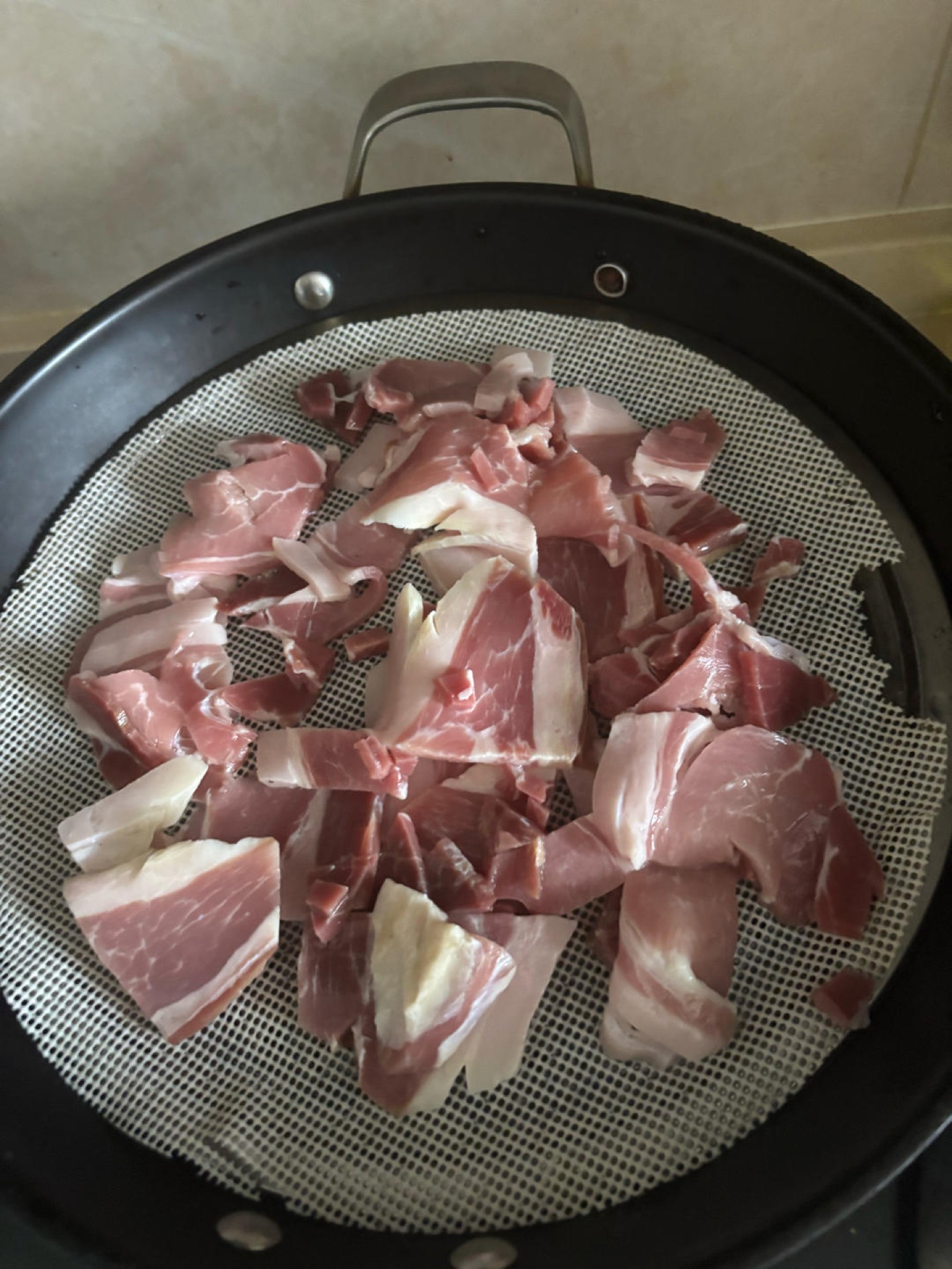
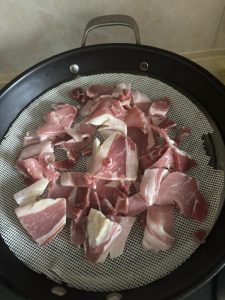
Slice 250 g of ham and soak it in clean water for 30 minutes to draw out excess salt; then steam it for 30 minutes, let it cool, and cut it into soybean-sized dice — do not pulse it to a paste, you want texture. The steaming takes a while, so watch that the pot water does not boil dry.
Step 2 — Marinate the Ham in Honey
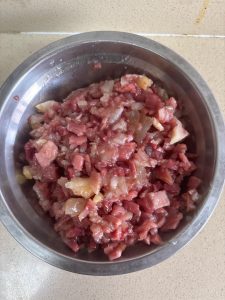
Mix the 250 g of diced ham with 60 g of honey, cover with plastic wrap, and refrigerate for 2 hours so the ham absorbs the sweetness.
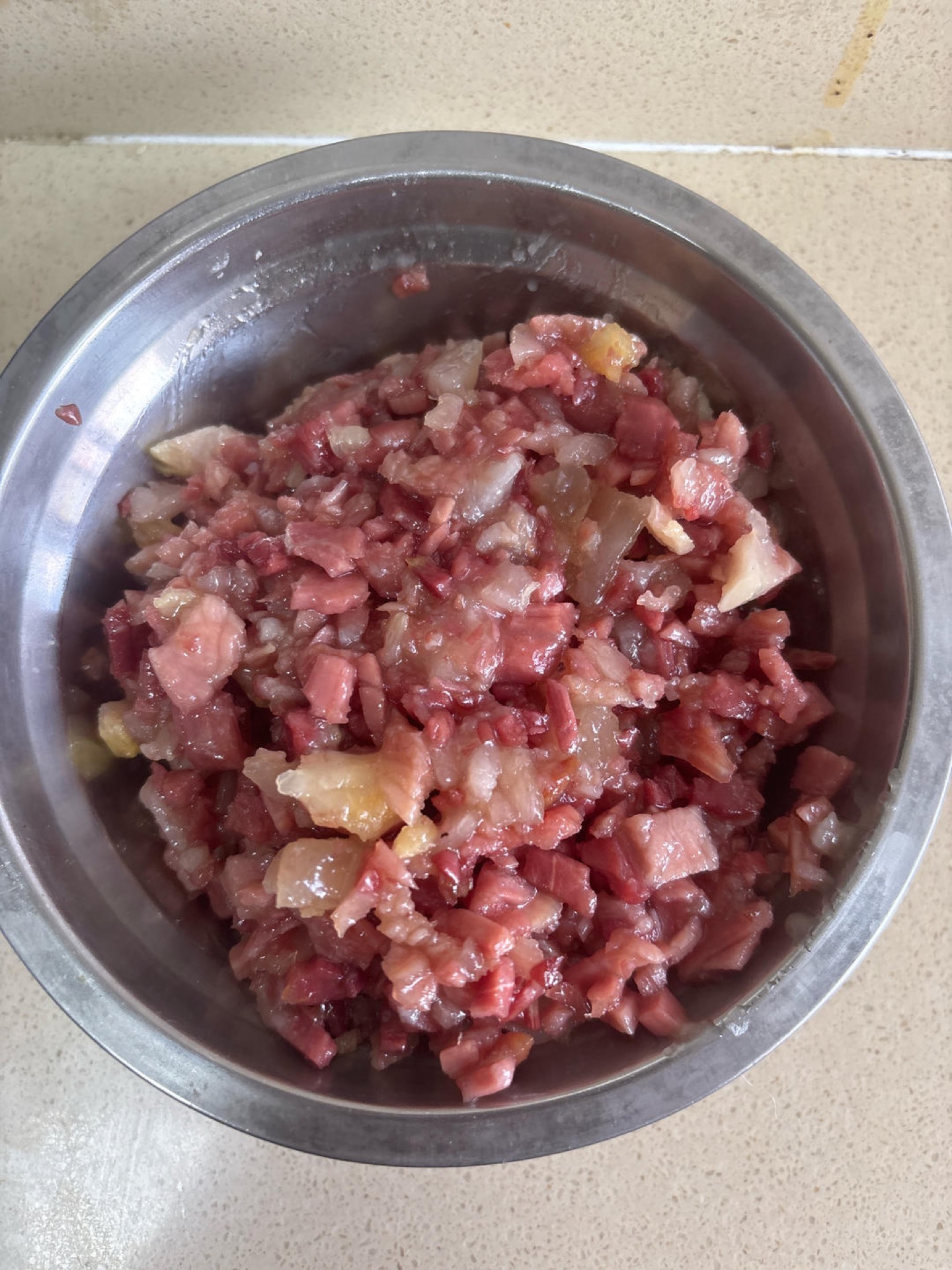
Step 3 — Mix the Sweet Filling
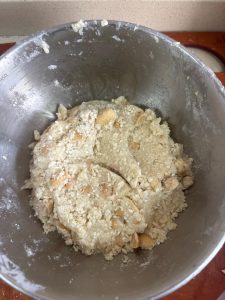
Stir together 80 g sugar, 80 g crushed toasted peanuts, 20 g sesame seeds, 5 g rose petals, 70 g cooked flour, 60 g lard, and 20 g peanut oil until completely combined, then set aside at room temperature.
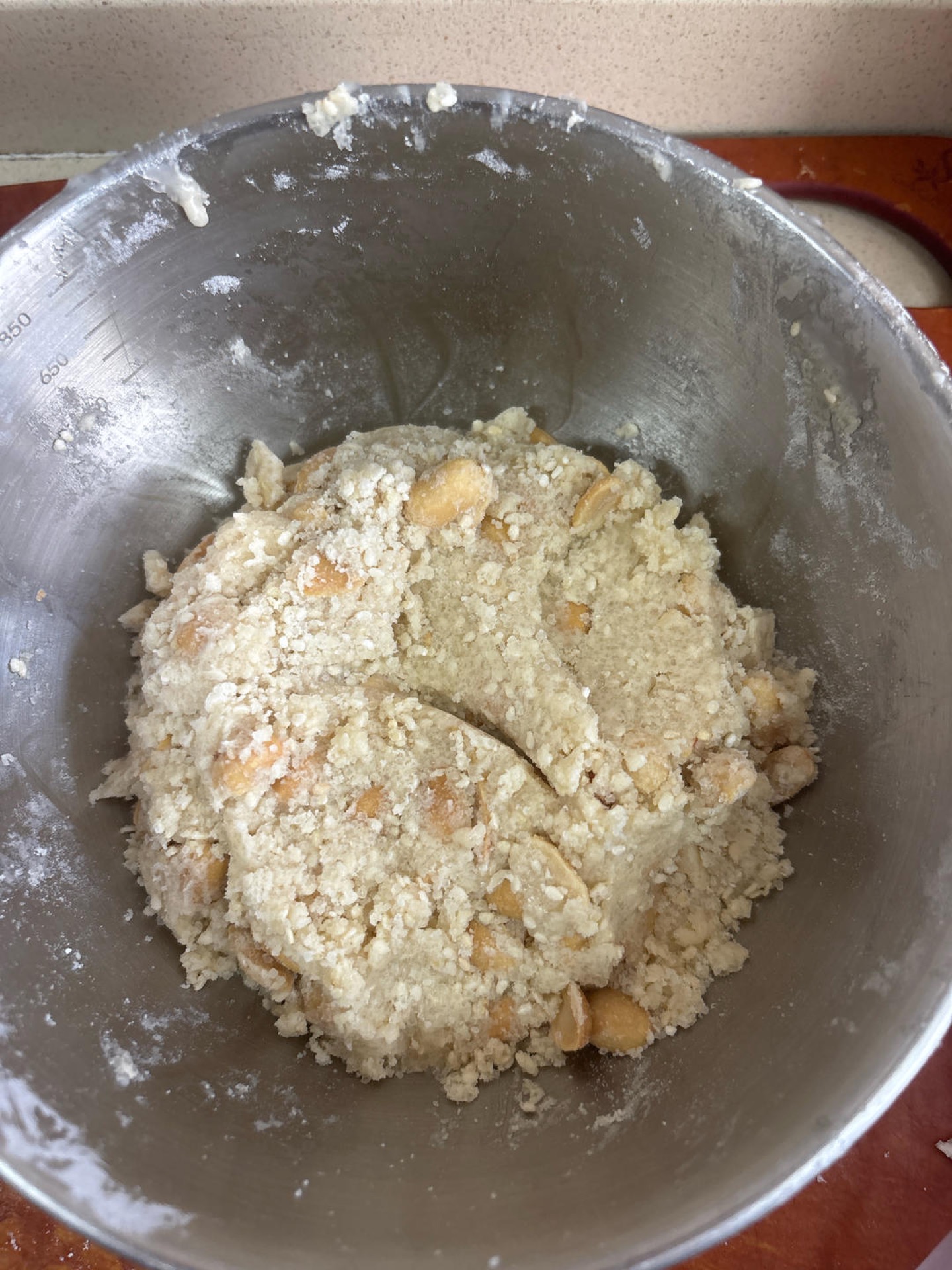
Step 4 — Combine and Portion the Filling
Stir the two fillings together, then divide into 15 balls of 36 g each.
Step 5 — Make the Dough
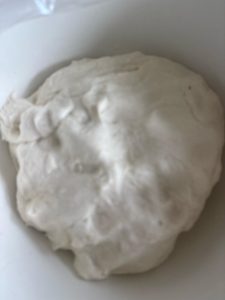
Mix 500 g flour, 15 g sugar, and 5 g yeast, add 290 g ice water and stir into shaggy flakes, then add 15 g lard and knead just until the dough is smooth and no longer sticky — no need to develop a strong gluten network.
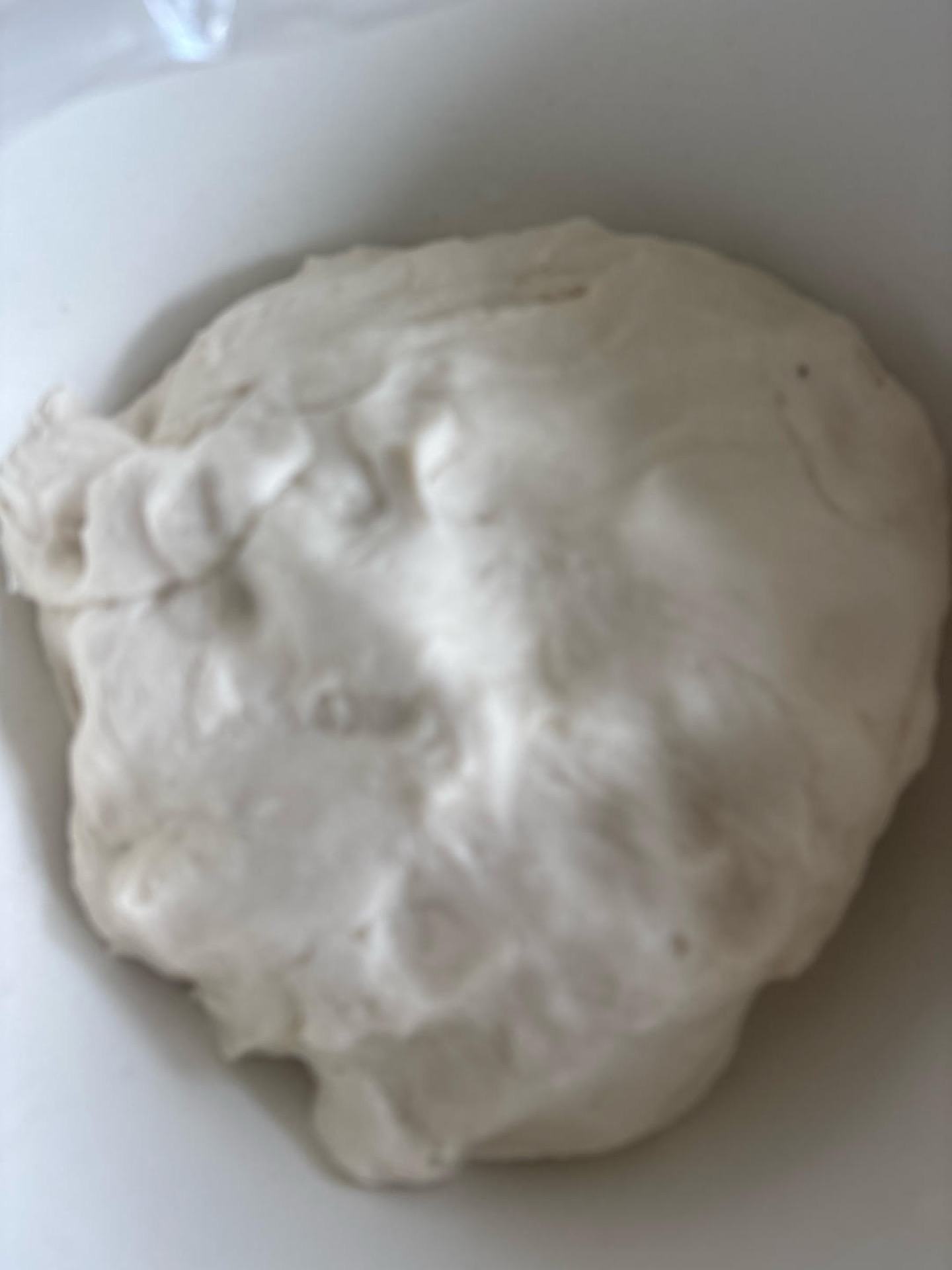
Step 6 — Cold Ferment the Dough
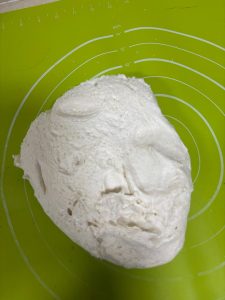
You can slow-ferment the dough in the refrigerator for 6–8 hours (overnight) until it has grown to 1.8 times its size with a honeycomb interior — this gives better layers.
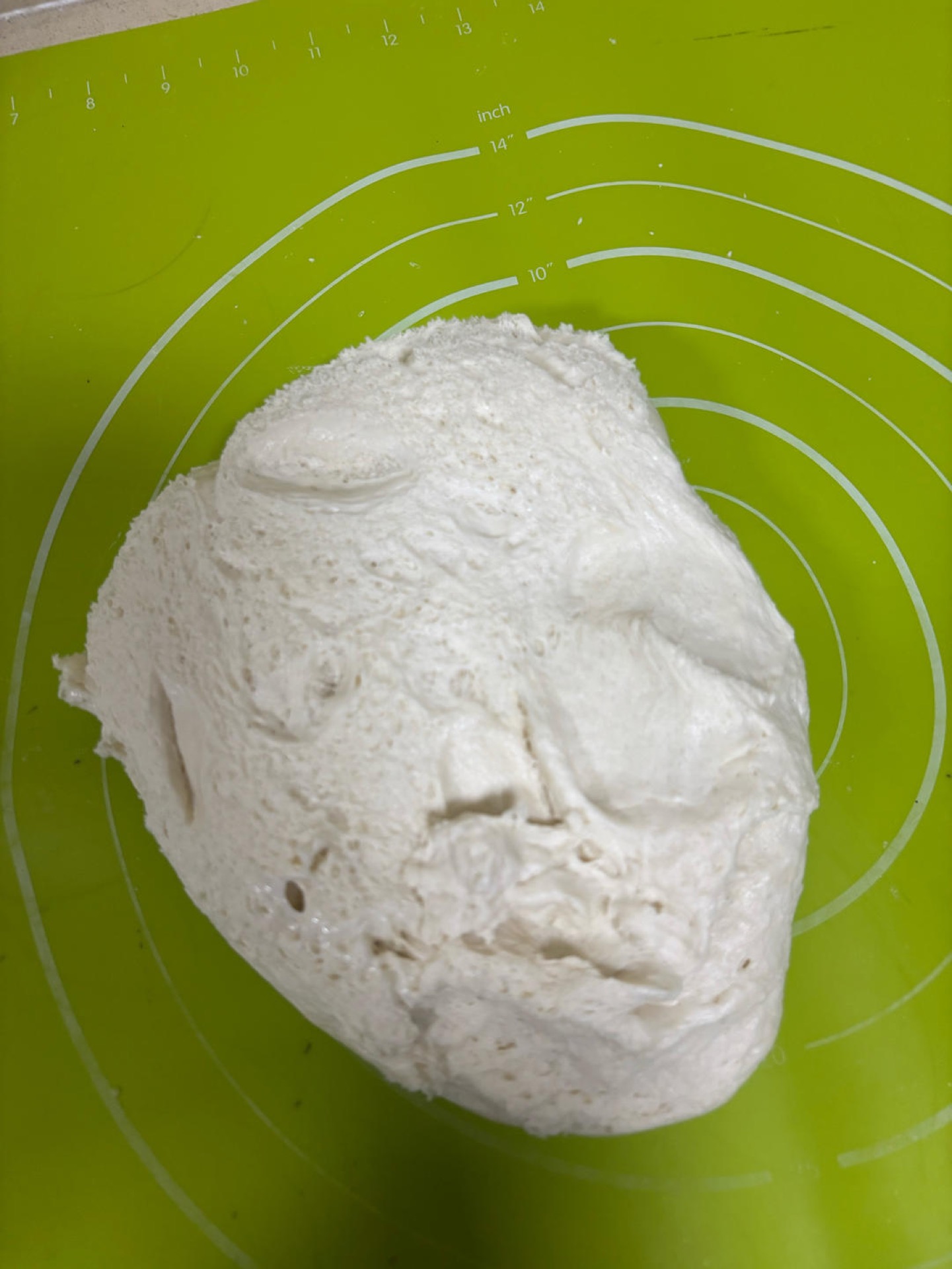
Step 7 — Laminate with Lard and Rose
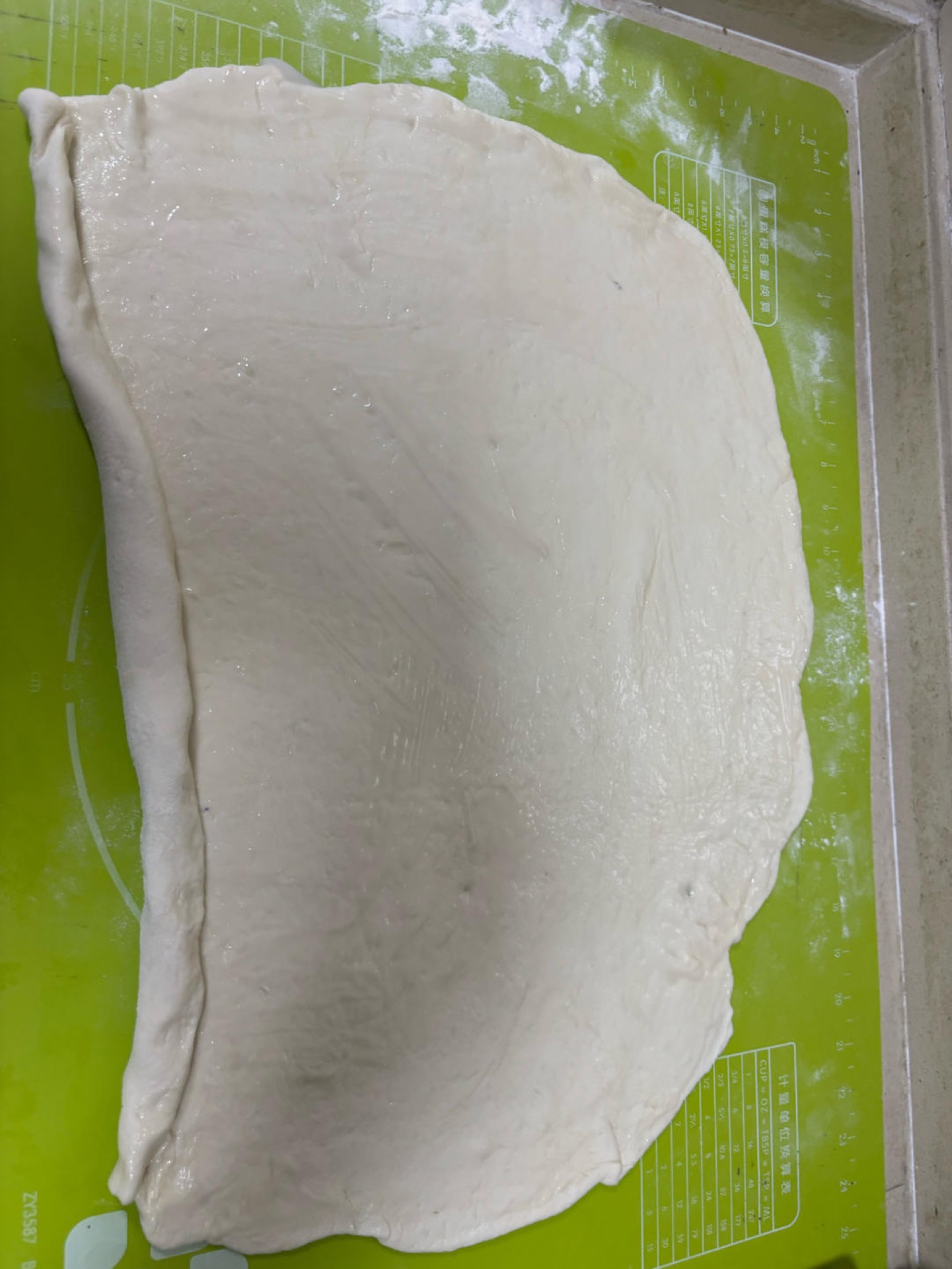
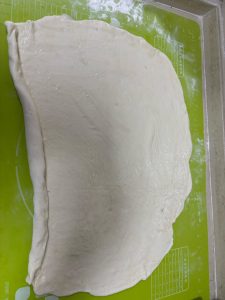
Take the fermented dough out, lightly degas it, cut it in half, and roll each half into a large thin rectangle about 2 mm thick. Spread 25 g of softened lard evenly over the whole sheet in a thin layer, scatter rose petals on top (I forgot), and leave a 1 cm border ungreased on all sides so the fat does not leak out. Repeat with the second half.
Step 8 — Roll into Tight Cylinders
Starting from a long edge, pull and roll the sheet into a tight cylinder, gently stretching the roll outward as you go.
Step 9 — Portion and Rest the Dough
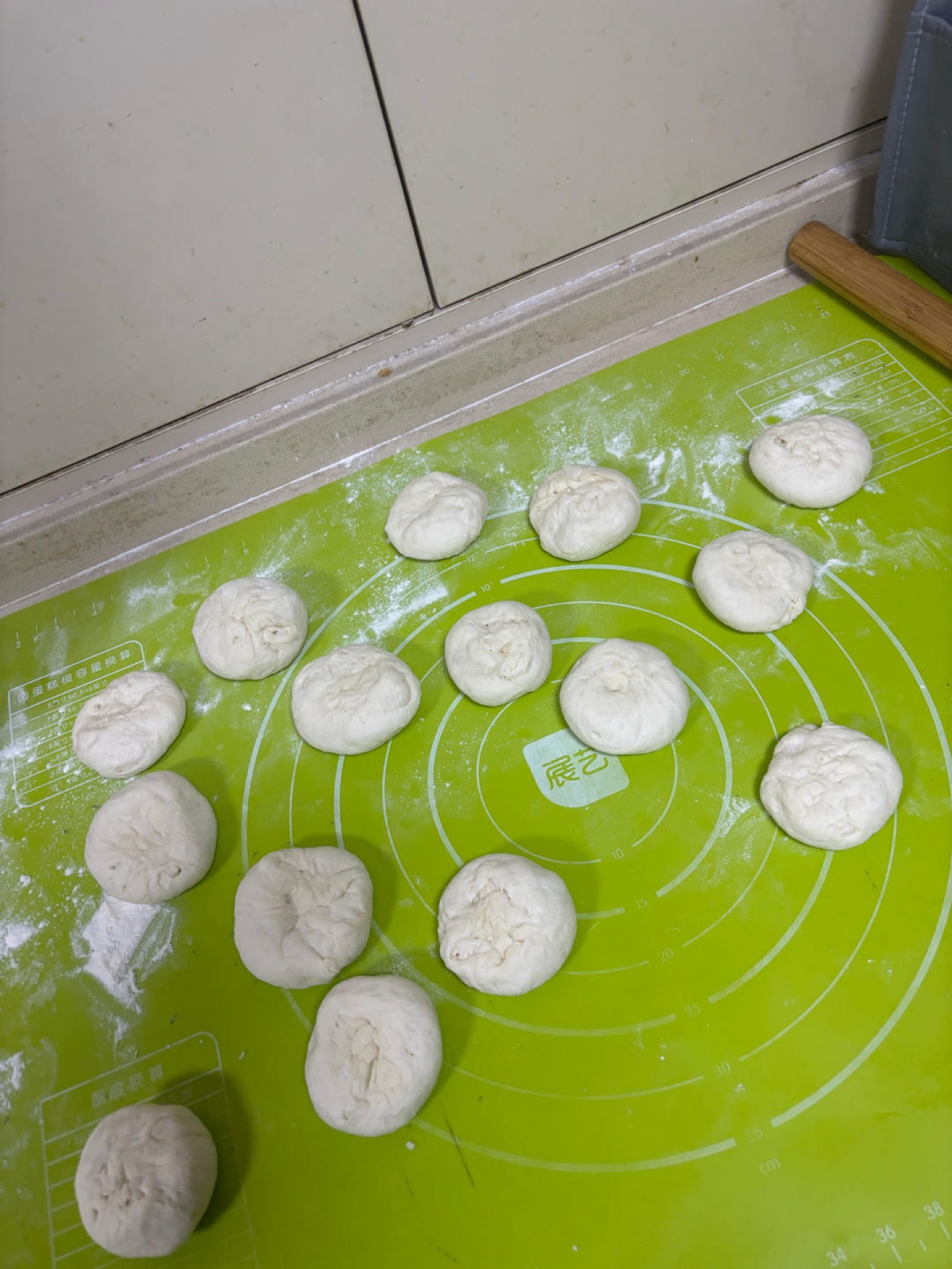
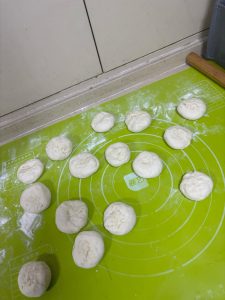
Cut the roll into 60 g pieces, place each cut side up and down, fold both ends toward the center and press, cover with plastic wrap, and rest for 20 minutes — do not roll these with a pin, just flatten them with your hand, because a rolling pin will crush the layers dead.
Step 10 — Fill and Shape the Buns
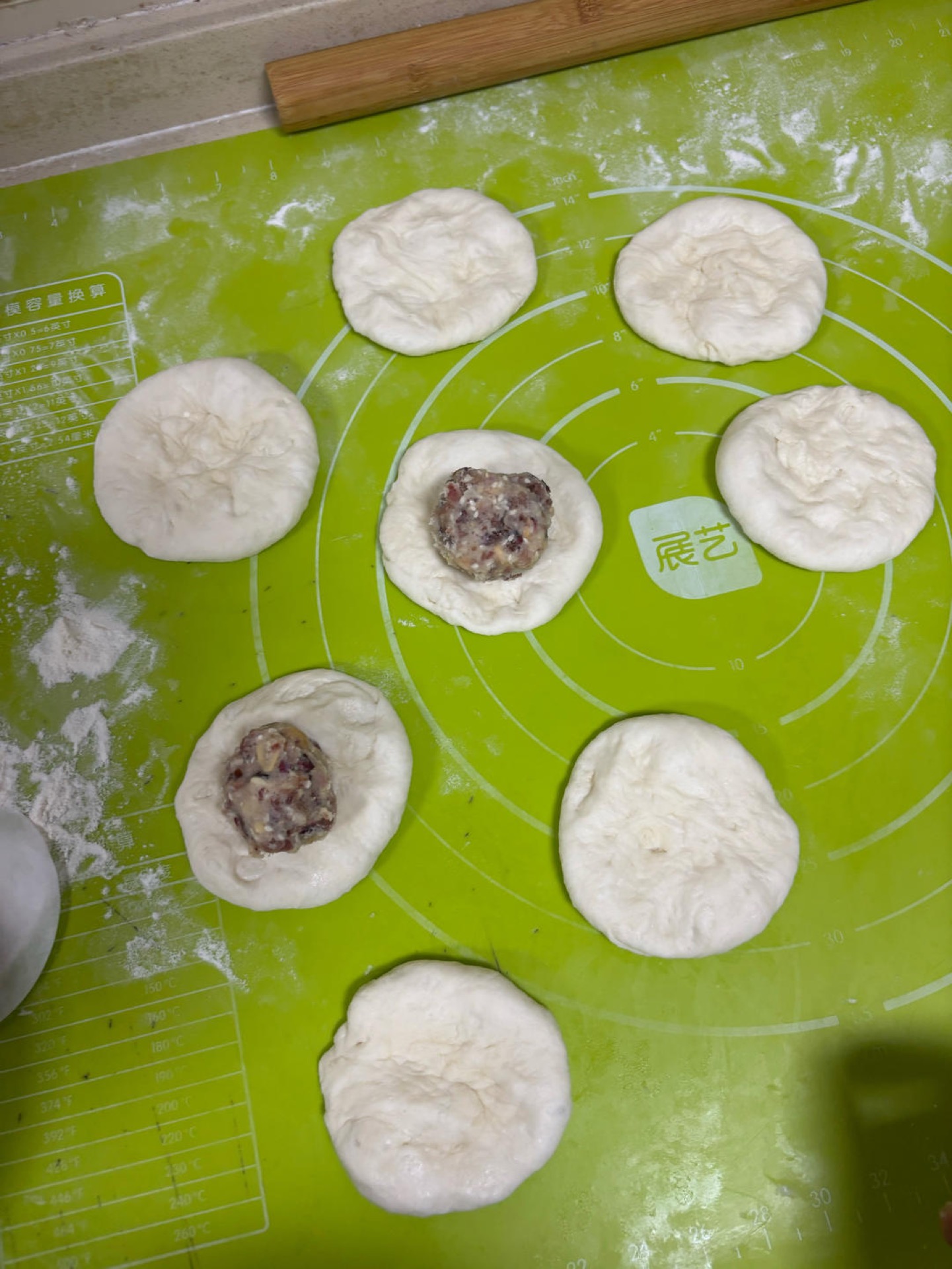
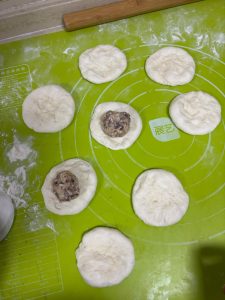
Press each rested piece by hand into a round with a thick center and thin edges — no rolling pin — wrap it around the sugar-ham filling, pinch the seam tightly closed, and set it seam-side up; the pleats do not need to look pretty.
Step 11 — Second Rise
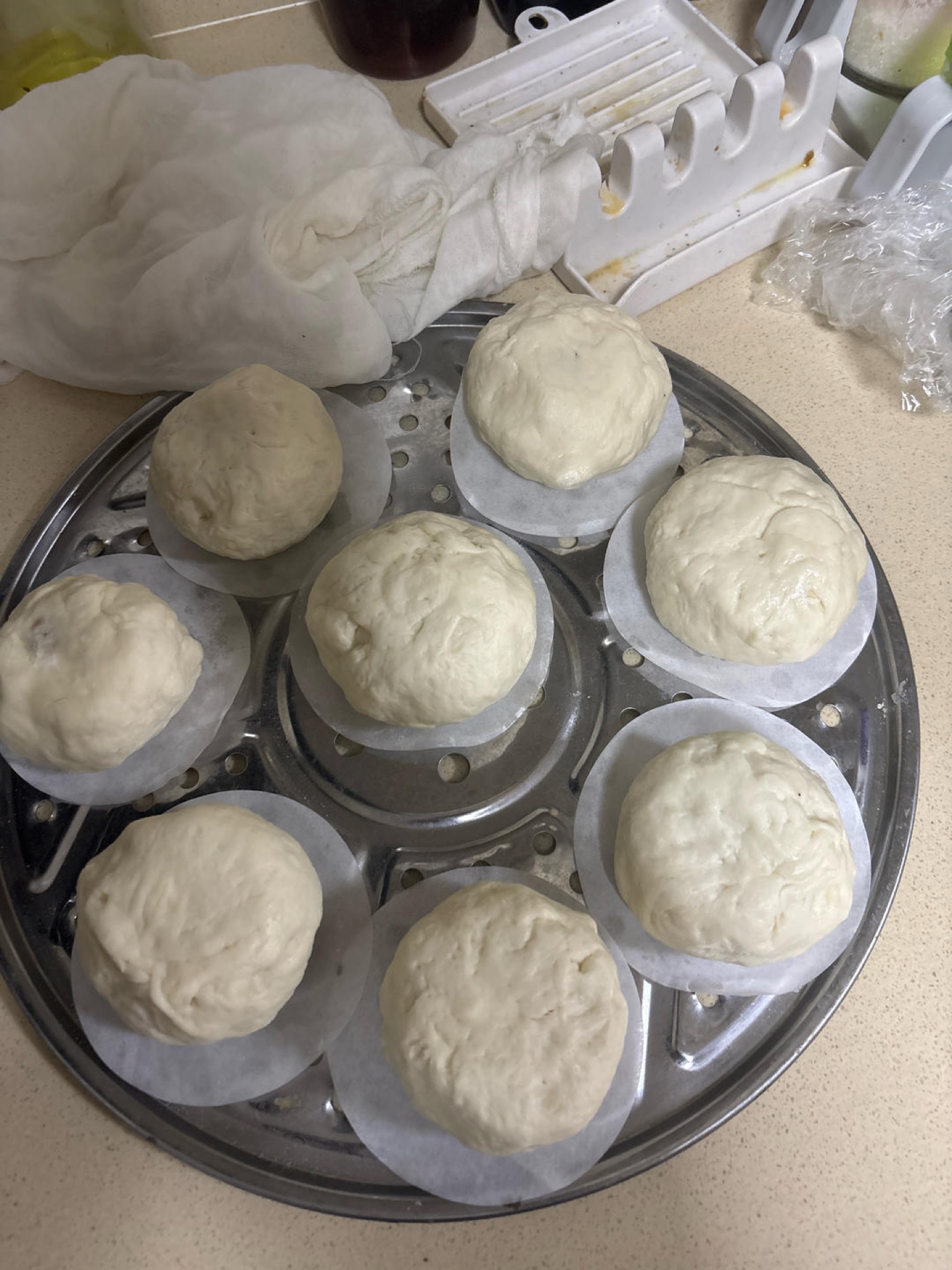
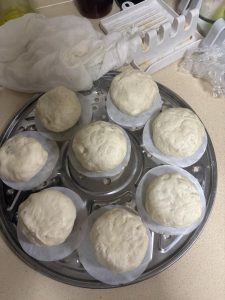
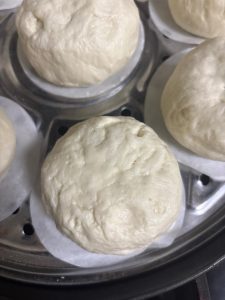
Proof at 26–28°C for 20–25 minutes, until the buns feel light and spring back slowly when pressed.
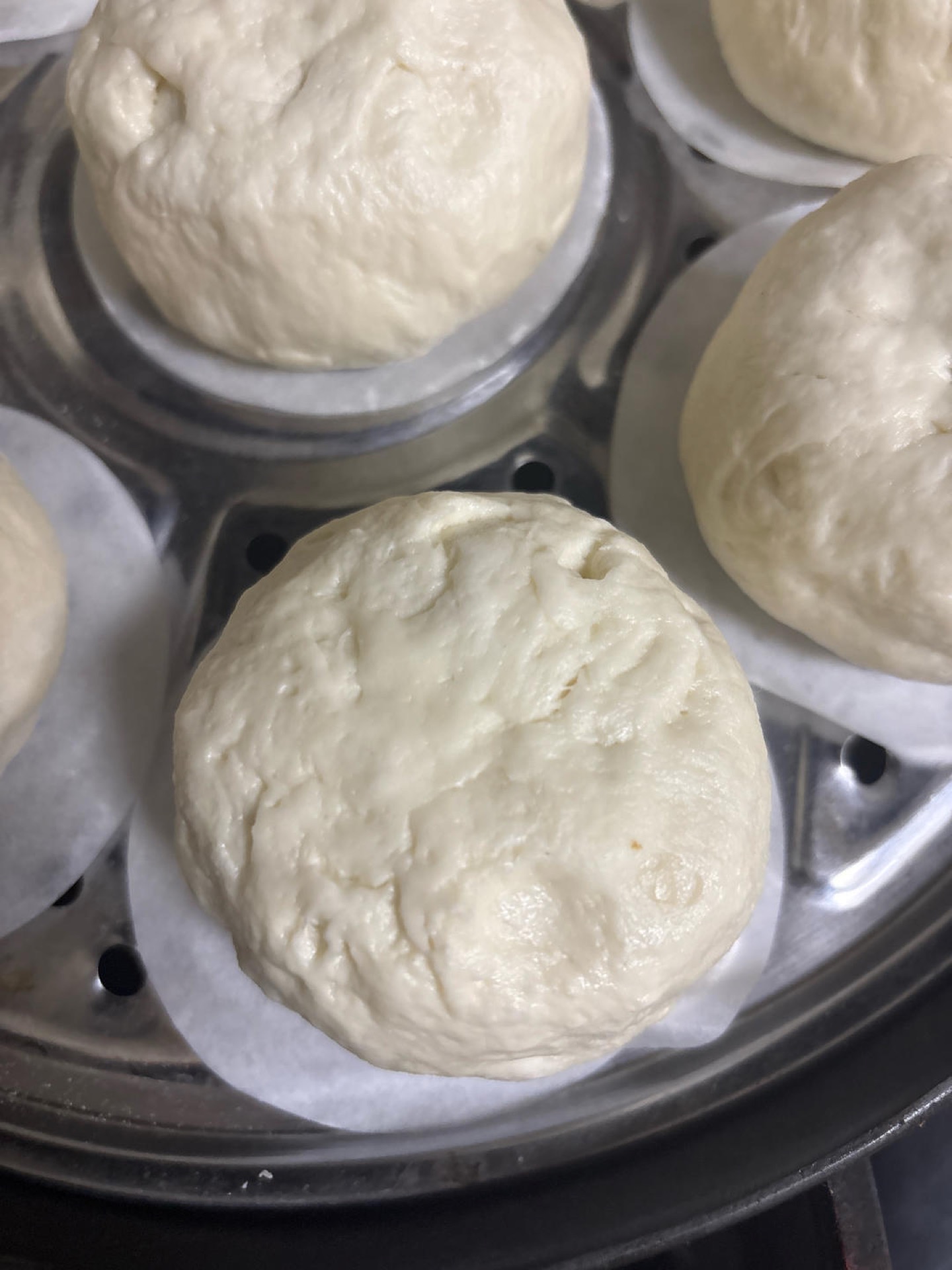
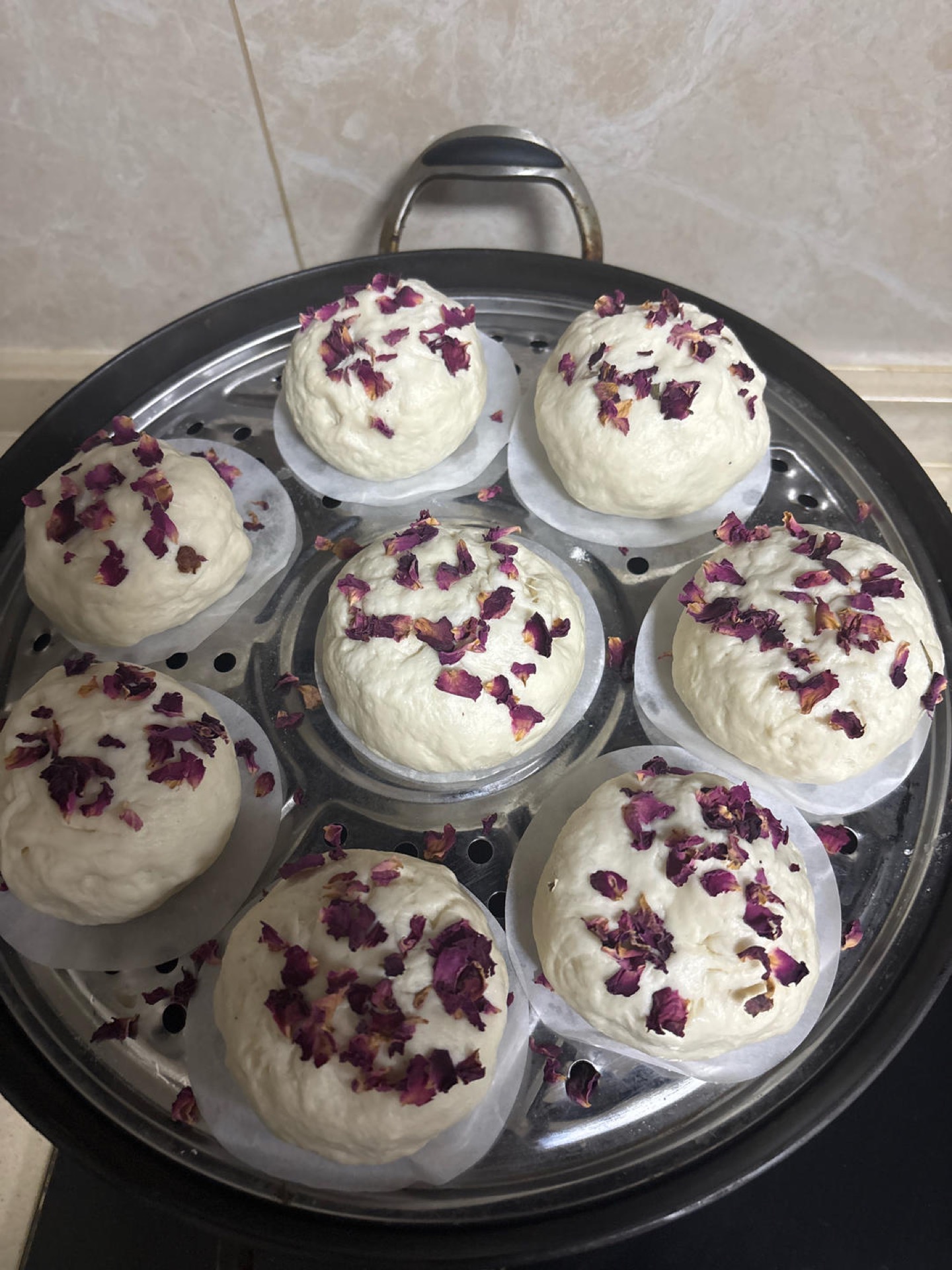
Step 12 — Steam
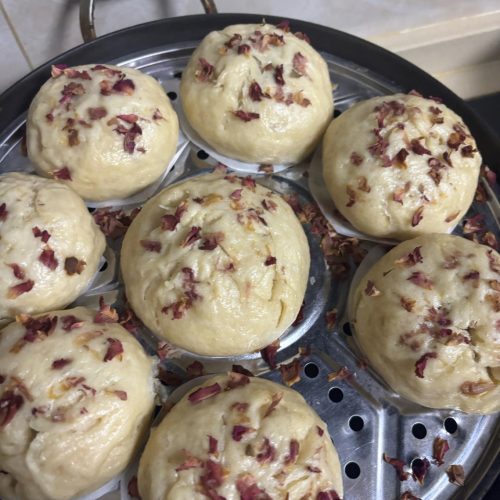
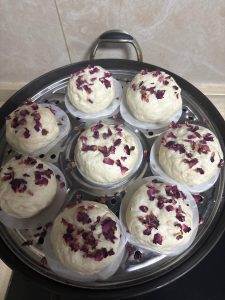
Once the water is boiling, put the buns in the steamer, steam over high heat for 15 minutes from the moment steam rises, then turn off the heat and wait 5 minutes before lifting the lid to prevent shrinking and collapsing.
Common Mistakes When Making Rose Sugar Ham Crisp Buns
1. Using a rolling pin after laminating. Cause: habit, and the dough looks like it needs flattening. Fix: press each piece flat with your palm only. A pin compresses the lard layers into a solid sheet and the bun turns bready.
2. Laminating with cold or melted lard. Cause: lard straight from the fridge, or a shortcut in the microwave. Fix: aim for the texture of soft butter — spreadable but not runny. Too cold and it tears the dough; too hot and it soaks in and disappears.
3. Skipping the 20-minute rest before shaping. Cause: impatience. Fix: cover the pieces and wait. Rested dough presses flat without springing back, so the filling seals and the layers stay even.
4. Over-kneading the dough. Cause: treating it like bread. Fix: stop as soon as it is smooth and no longer sticky. Strong gluten makes a chewy bun, not a flaky one.
5. Lifting the steamer lid too early. Cause: wanting to check. Fix: steam 15 minutes, turn off the heat, and wait a full 5 minutes. Cold air hitting a hot bun makes it collapse and wrinkle.
6. Wet ham filling. Cause: skipping the soak, or using deli ham. Fix: soak the cured ham to draw out salt, steam it dry, and dice it small but not to a paste — the texture is part of the point.
Variations
All-rose, no ham. Skip the ham entirely and double the sweet filling for a purely sweet rose-petal bun. Add 2 tbsp of toasted black sesame for depth.
Walnut instead of peanut. Swap the crushed peanuts for toasted walnuts — slightly less sweet, more bitter-edged, and very good with the rose.
Butter lamination. Lard gives the most traditional flake, but softened unsalted butter works and tastes richer. Use the same weight.
Smaller buns. Portion the dough at 40 g and the filling at 24 g for cocktail-sized buns; steam 12 minutes instead of 15.
If you enjoy the sweet-savory contrast here, my smiling sesame cookies hit a similar note in a crisp, fried form.
Frequently Asked Questions
Can I make these without an overnight ferment? Yes. Let the dough rise at room temperature for about 1 hour, until 1.8 times its size. The layers will be slightly less even and the flavor less developed, but it works.
My buns did not flake. What went wrong? Almost always one of three things: the lard was too warm and soaked in, the dough was rolled with a pin after lamination, or the dough was over-kneaded. Check all three before changing the recipe.
Can I use a different ham? Jinhua ham or a dry-cured country ham are the closest substitutes. Prosciutto works but is saltier, so soak it longer. Avoid wet, sweet deli ham entirely.
Can I steam these ahead of time? Yes. Steam, cool completely, refrigerate up to 3 days, and re-steam 6–8 minutes to serve. They will not be quite as shattery as fresh, but they are still very good.
Why are my buns collapsing after steaming? Lifting the lid too soon. The 5-minute rest with the heat off lets the structure set before the cold air hits.
How to Serve
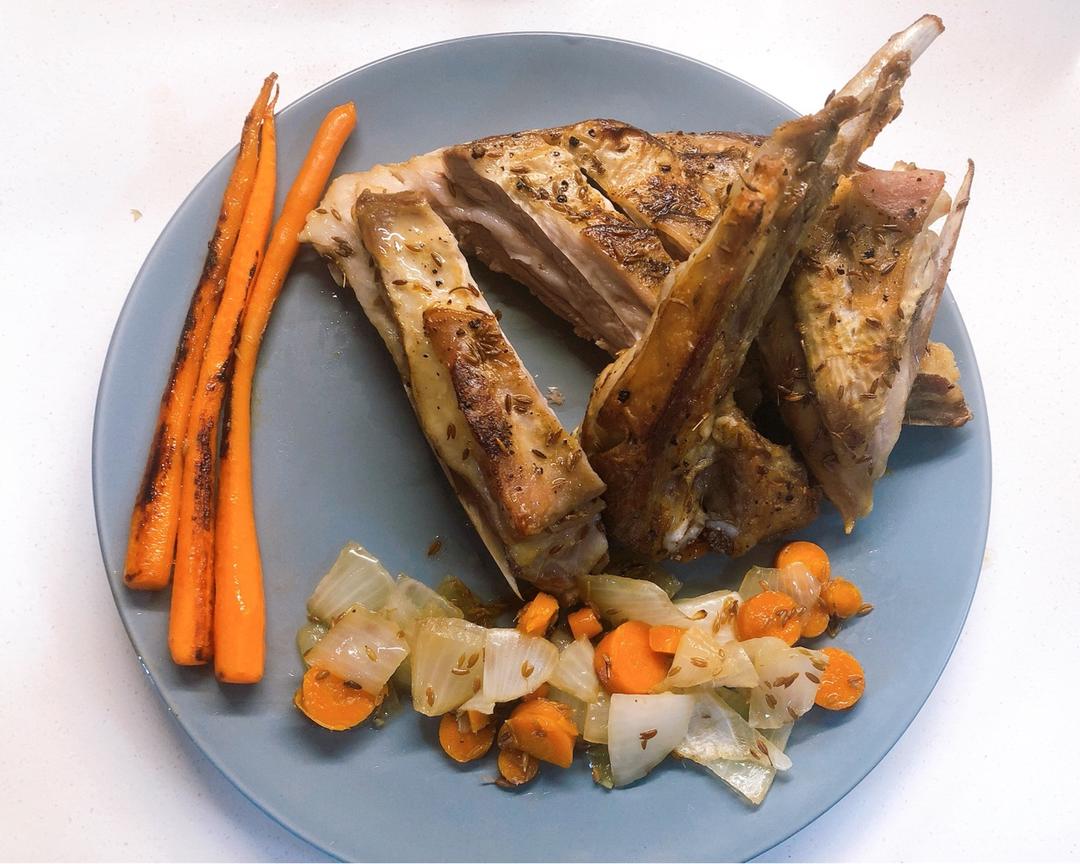
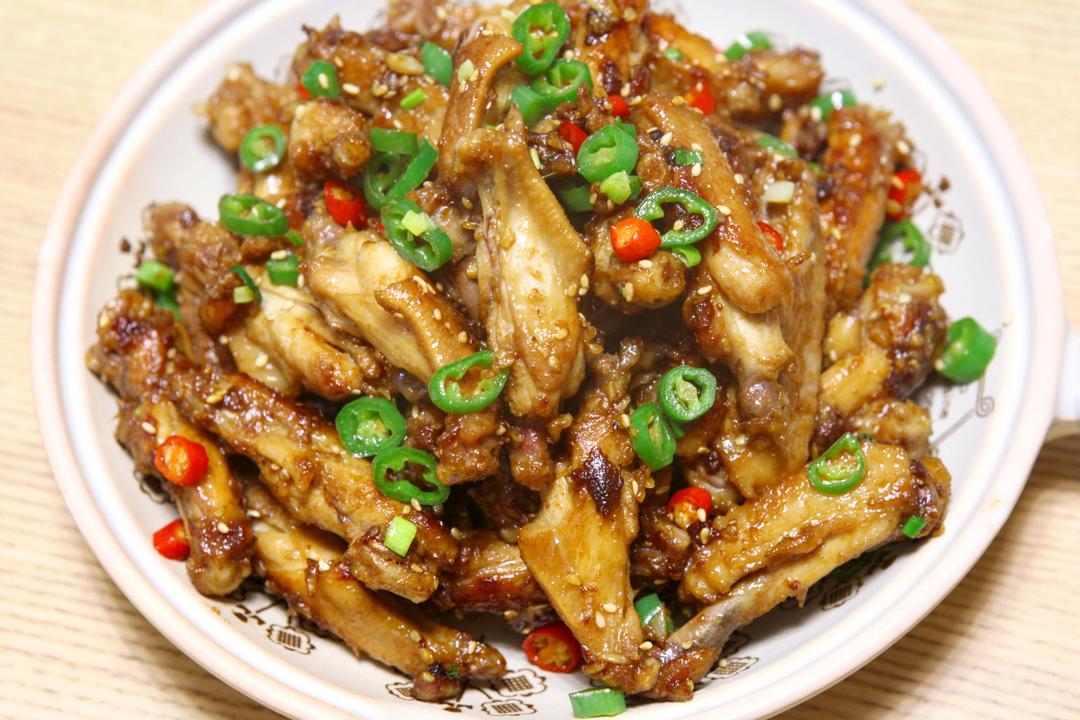
These buns are a breakfast and teatime food in Kunming, and they are best eaten warm, within an hour of steaming, when the layers are still distinct. Serve them with strong tea — pu’er or jasmine — to cut the richness of the lard and ham. For a bigger spread, pair them with roasted cumin lamb chops for a savory counterpoint, or with garlic chicken wings for a casual family table. A simple bowl of congee or a light soup rounds out the meal without competing with the buns.
If you are serving a crowd and want a second bread on the table, my pumpkin steamed buns are soft and sweet and make a nice visual contrast with the flaky, golden-brown ham buns.

Storage & Reheat
Cool any leftovers completely, then refrigerate in an airtight container for up to 3 days, or freeze individually wrapped for up to 2 months. To reheat, steam from chilled for 6–8 minutes, or from frozen for 12–15 minutes, until steaming hot throughout. The microwave works in a pinch but softens the crust and dulls the flake — steam is always better. Do not refrigerate the raw filling for more than 2 days before baking.
Allergen Notice
This recipe contains wheat (gluten), peanuts, and sesame. The lard is rendered pork fat, so the buns are not vegetarian. If you have a peanut allergy, substitute toasted sunflower seeds, but note that the texture will be slightly different.
Nutrition Disclaimer
Nutrition information is calculated using an ingredient database and should be considered an estimate. In cases where multiple ingredient alternatives are given, the first listed is calculated for nutrition. Garnishes and optional ingredients are not included.
About the Author & Recipe Development
Lin developed this recipe after a trip to Kunming, where she ate rose sugar ham buns every morning for a week and then spent months reverse-engineering the lamination at home. The technique here — cold ferment, lard-and-rose lamination, hand-pressing only — is the result of many dense, non-flaky failures. If you want to go deeper into Chinese bread, her milk cream cheese bread is a good next step for a richer, softer dough, and her braised fish with mushrooms is the kind of homey dish she cooks on the same day.
Authoritative References
For safe handling and cooking temperatures, see the FDA Food Code. For guidance on edible flowers and food safety, the WHO food safety fact sheet is a useful starting point. For the science of laminated dough and steam-leavening, Harold McGee’s On Food and Cooking remains the standard reference.
Rose Sugar Ham Crisp Bun (玫瑰糖腿包): Flaky Layers, Sweet-Savory Ham

Equipment
- Wok
- Steamer basket
- Cutting Board
- Rolling Pin
- Mixing bowls
- Kitchen Scale
Ingredients
For the Dough
- 500 g all-purpose flour about 4 cups
- 15 g granulated sugar 1 tbsp
- 5 g instant yeast 1 1/2 tsp
- 290 g ice water about 1 1/4 cups
- 15 g lard for the dough, 1 tbsp
- 50 g lard for laminating, softened, about 3 1/2 tbsp
- 5 g dried rose petals food-grade, about 2 tbsp
For the Ham Filling
- 250 g Xuanwei ham or other cured ham, sliced
- 60 g honey 3 tbsp
For the Sweet Filling
- 70 g cooked flour toasted until nutty, about 1/2 cup
- 20 g toasted white sesame seeds 2 tbsp
- 80 g toasted peanuts finely crushed, about 2/3 cup
- 80 g granulated sugar about 1/3 cup plus 1 tbsp
- 5 g dried rose petals food-grade, about 2 tbsp
- 60 g lard softened, about 4 tbsp
- 20 g peanut oil 1 1/2 tbsp
Instructions
- Slice 250 g of ham and soak it in clean water for 30 minutes to draw out excess salt; then steam it for 30 minutes, let it cool, and cut it into soybean-sized dice — do not pulse it to a paste, you want texture. The steaming takes a while, so watch that the pot water does not boil dry.

- Mix the 250 g of diced ham with 60 g of honey, cover with plastic wrap, and refrigerate for 2 hours so the ham absorbs the sweetness.
- Stir together 80 g sugar, 80 g crushed toasted peanuts, 20 g sesame seeds, 5 g rose petals, 70 g cooked flour, 60 g lard, and 20 g peanut oil until completely combined, then set aside at room temperature.
- Stir the two fillings together, then divide into 15 balls of 36 g each.
- Mix 500 g flour, 15 g sugar, and 5 g yeast, add 290 g ice water and stir into shaggy flakes, then add 15 g lard and knead just until the dough is smooth and no longer sticky — no need to develop a strong gluten network.
- You can slow-ferment the dough in the refrigerator for 6–8 hours (overnight) until it has grown to 1.8 times its size with a honeycomb interior — this gives better layers.
- Take the fermented dough out, lightly degas it, cut it in half, and roll each half into a large thin rectangle about 2 mm thick. Spread 25 g of softened lard evenly over the whole sheet in a thin layer, scatter rose petals on top (I forgot), and leave a 1 cm border ungreased on all sides so the fat does not leak out. Repeat with the second half.
- Starting from a long edge, pull and roll the sheet into a tight cylinder, gently stretching the roll outward as you go.
- Cut the roll into 60 g pieces, place each cut side up and down, fold both ends toward the center and press, cover with plastic wrap, and rest for 20 minutes — do not roll these with a pin, just flatten them with your hand, because a rolling pin will crush the layers dead.
- Press each rested piece by hand into a round with a thick center and thin edges — no rolling pin — wrap it around the sugar-ham filling, pinch the seam tightly closed, and set it seam-side up; the pleats do not need to look pretty.
- Proof at 26–28°C for 20–25 minutes, until the buns feel light and spring back slowly when pressed.
- Once the water is boiling, put the buns in the steamer, steam over high heat for 15 minutes from the moment steam rises, then turn off the heat and wait 5 minutes before lifting the lid to prevent shrinking and collapsing.






Leave a Reply