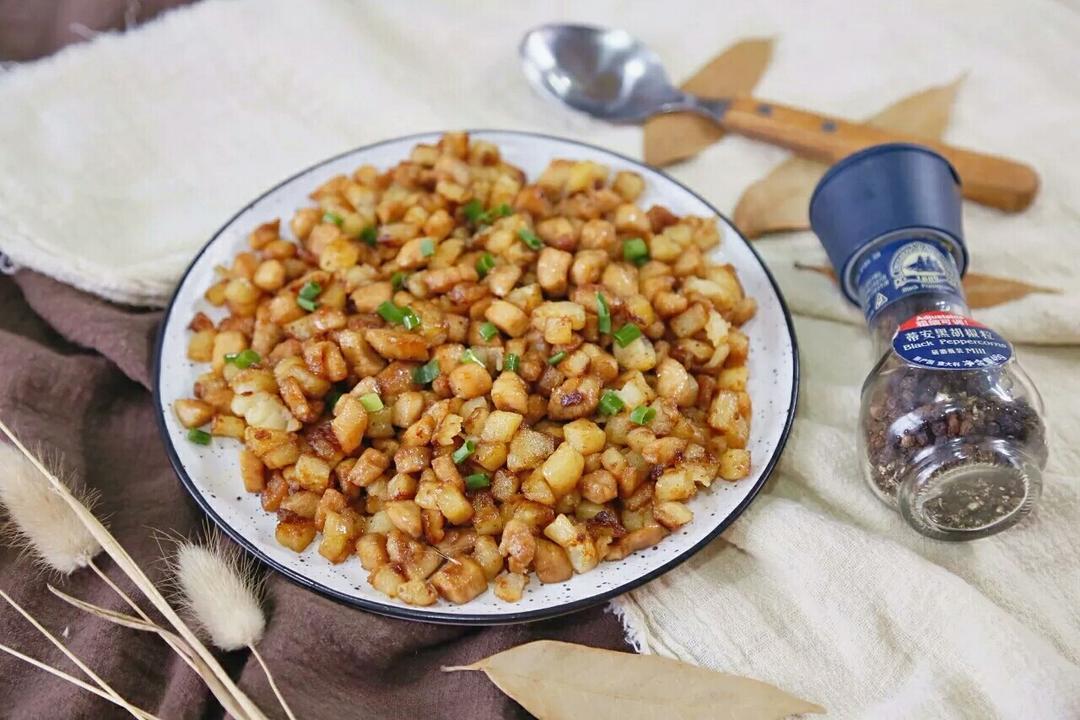
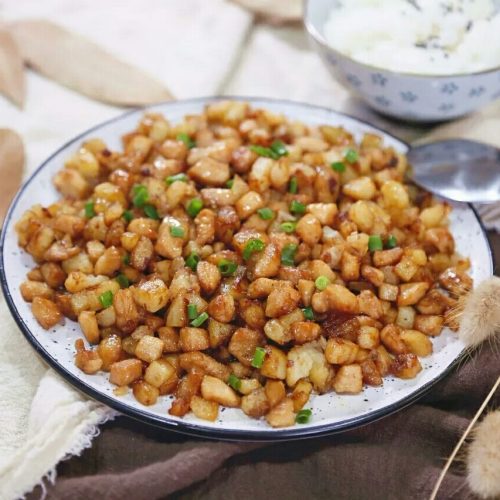
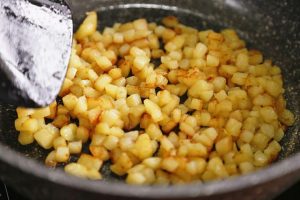
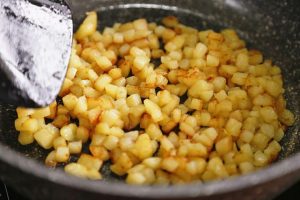
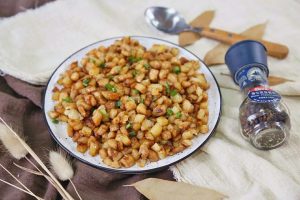
The hardest part of this dish is doing nothing: the potato cubes go into the pan, are spread flat, and are then left alone until one side turns golden. The home cook behind this recipe states the instruction plainly – “lay the potato cubes flat and do not stir; wait for one side to turn golden before tossing” – and it is the entire difference between golden, crisp-edged potatoes and a pan of gray mush. I tested it as written, and it is the simplest cooking lesson I have made in a while: browning takes patience, not heat.
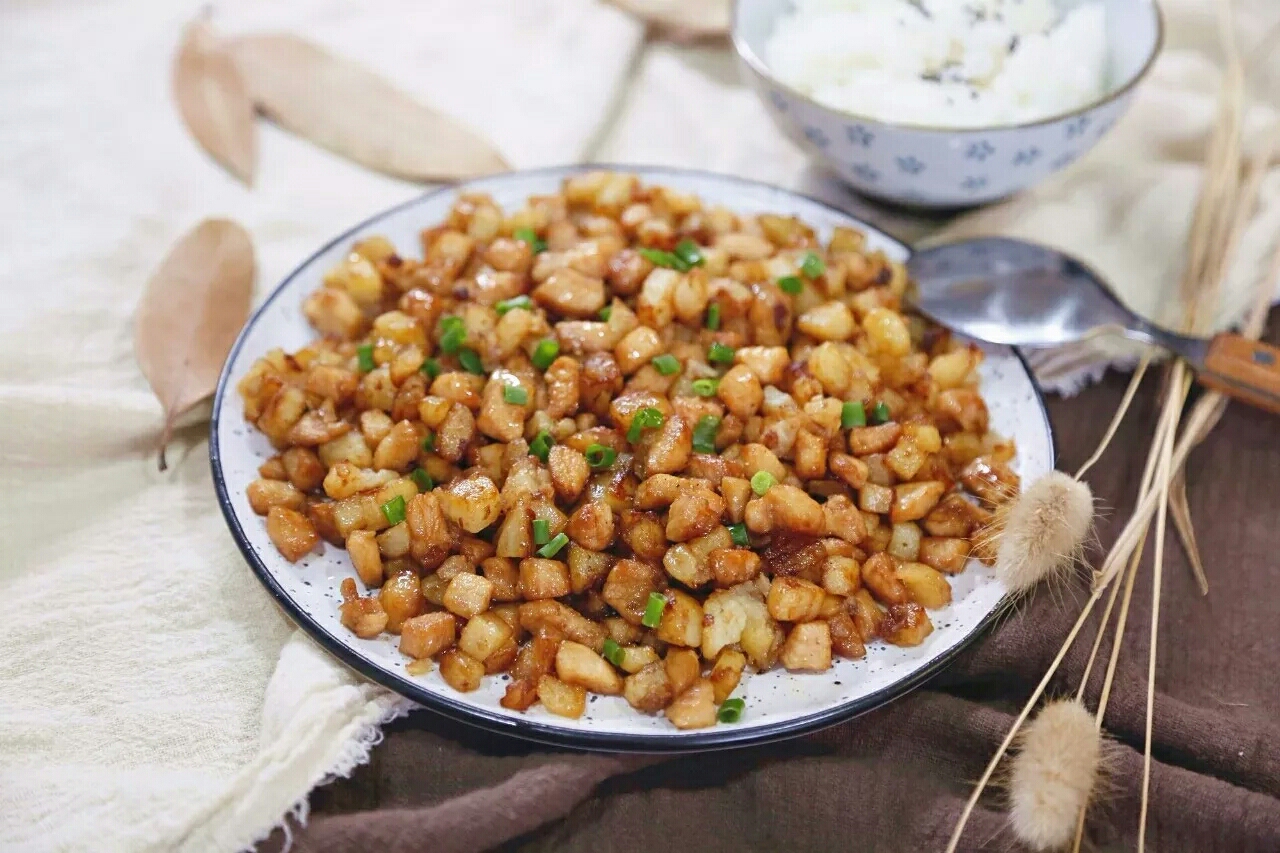
Tu dou ji xiong rou ding (土豆鸡胸肉丁) is a one-pan homestyle dish of diced potato and chicken breast: the potatoes are pan-fried until golden, the velveted chicken joins to cook alongside, and the whole thing is seasoned simply with soy, salt, and a final shower of scallion. The original is a 6-step recipe with one essential piece of technique – the do-not-stir browning – and a gentle note that pepper or ketchup can finish it to your taste.
What Is Potato and Chicken Breast (Tu Dou Ji Xiong Rou Ding)?
Tu dou ji xiong rou ding (土豆鸡胸肉丁) is a homestyle Chinese one-pan dish: diced potatoes pan-fried golden, diced chicken breast velveted and cooked alongside, and the two combined in a light soy seasoning. It is the kind of recipe that lives on the “fast home cooking” end of the spectrum – cheap, fast, and built on one good technique.
The technique is the potatoes. Diced and washed of excess starch, they are laid flat in a hot pan and left untouched until one side browns – the contact time is what creates the golden crust. The chicken, marinated with wine, soy, starch, and salt for 15 minutes, cooks to just done beside them, and the two meet in a simple soy-and-salt finish. The original’s final note is a permission slip: pepper or ketchup to taste, because the base is already good.
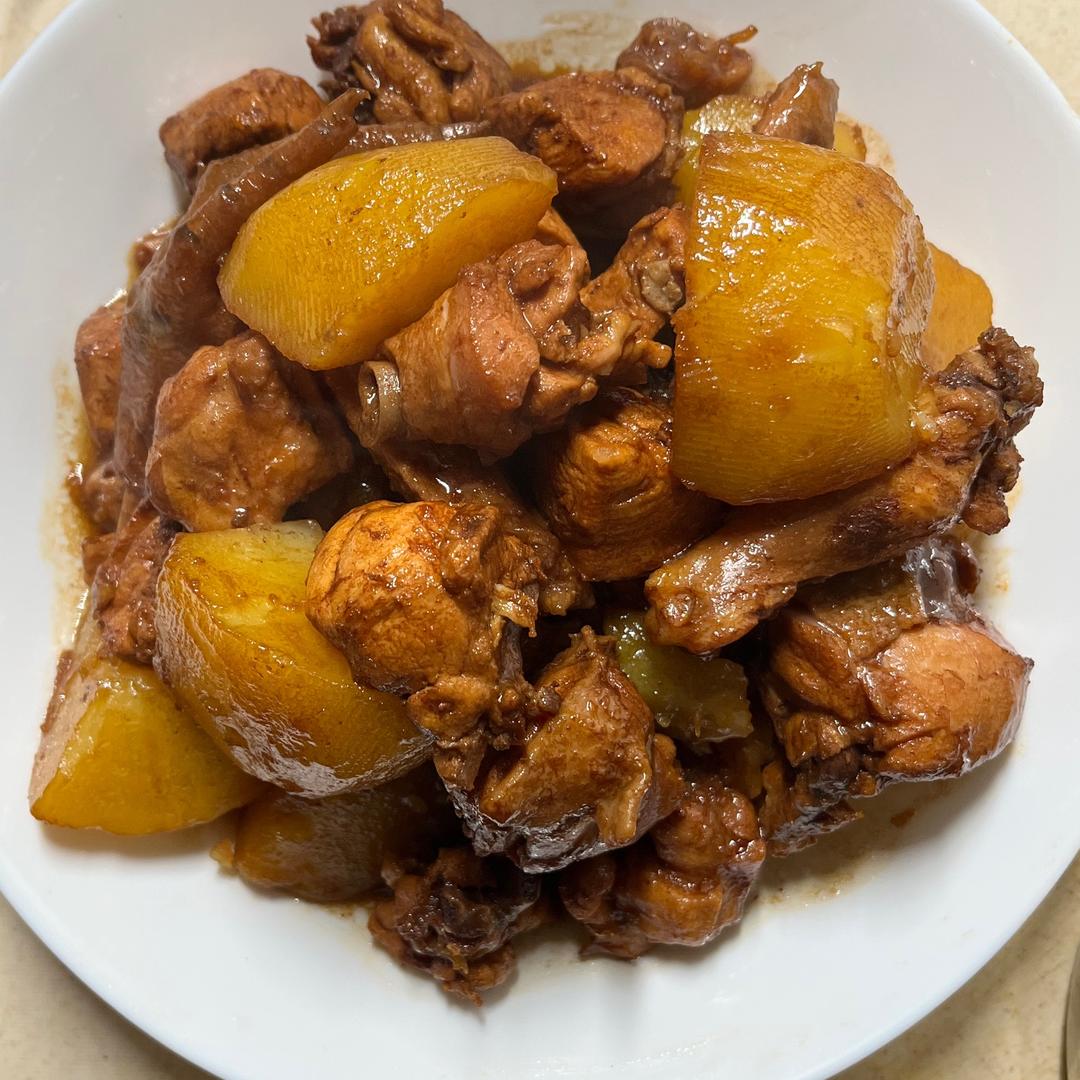
For the braised, saucy version of this pairing, my homestyle potato braised chicken is the one-pot cousin of this fast plate.
1Homestyle Potato Braised Chicken (Tu Dou Shao Ji)A classic Chinese comfort food! This easy, homestyle Potato Braised Chicken (Tu Dou Shao Ji) features tender chicken and potatoes braised in a rich, savory, and glossy “hong shao” (red-braised) sauce.Check out this recipe
Why This Version Works
- The potatoes are left alone to brown. Laid flat and unstirred, the cubes develop a golden crust on one side before being tossed – the dish’s one essential technique.
- Starch is washed off first. Rinsing the diced potatoes removes excess starch, so they crisp instead of clumping or steaming.
- The chicken is velveted for tenderness. A 15-minute marinade with wine, soy, starch, and salt keeps the lean breast silky in the quick cook.
- Chicken cooked to 80% beside the potatoes. The original’s cue: cook the chicken until about 80% done, then combine – the residual heat finishes it.
- Simple seasoning, optional finish. Soy and salt carry the dish; pepper or ketchup are the cook’s own “to taste” additions.
Equipment Needed
- A wide skillet or wok
- A knife for the dice
- A spatula
Ingredients
- 2 potatoes (about 400 g / 14 oz), peeled and diced
- 1 chicken breast (about 250 g / 8.8 oz), diced
- 1 scallion, chopped
- 1 tbsp (15 ml) light soy sauce
- 1 tbsp (15 ml) Shaoxing wine
- 1 tbsp (8 g) cornstarch
- 1/2 tsp (3 g) salt
- 2 tbsp (30 ml) neutral oil
- Optional: black pepper or ketchup, to finish
Ingredient Notes
Potatoes: Two medium potatoes, peeled and diced to match the chicken pieces. The original’s key step: wash the diced potatoes to remove excess starch, then drain – this is what lets them crisp.
Chicken breast: One breast, diced. The 15-minute marinade (wine, soy, starch, salt) is the velvet that keeps it tender. My velveting guide explains the full technique.
The browning: The pan must be hot, the oil generous enough to coat, and the potatoes left still until one side is golden. Patience is the ingredient.
Finish: The original suggests pepper or ketchup to taste – the base is simple, and the finish is yours.
Prep & Mise en Place
Dice the chicken and marinate it with the wine, soy, cornstarch, and salt for 15 minutes. Peel and dice the potatoes, wash the cubes well to remove excess starch, and drain them. Chop the scallion.
Heat the pan with the oil, lay the potato cubes flat, and do not stir until one side is golden. Then toss to brown the rest, push the potatoes aside, and cook the chicken to 80% before combining and seasoning.
Cooking Process
Step 1 – Prep all the ingredients
Prep all the ingredients.
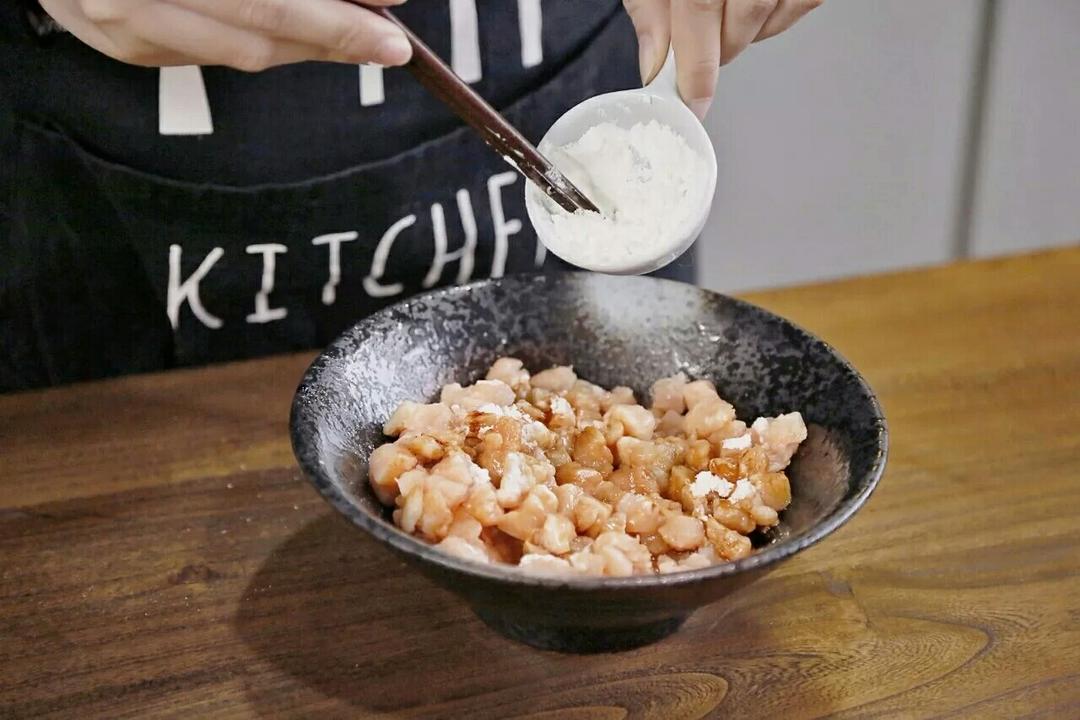
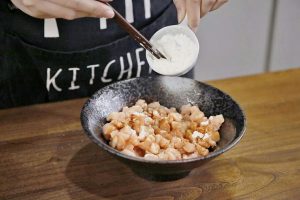
Step 2 – Rinse the chicken breast and dice; marinate with cooking win
Rinse the chicken breast and dice; marinate with cooking wine, soy sauce, cornstarch, and salt for 15 minutes.
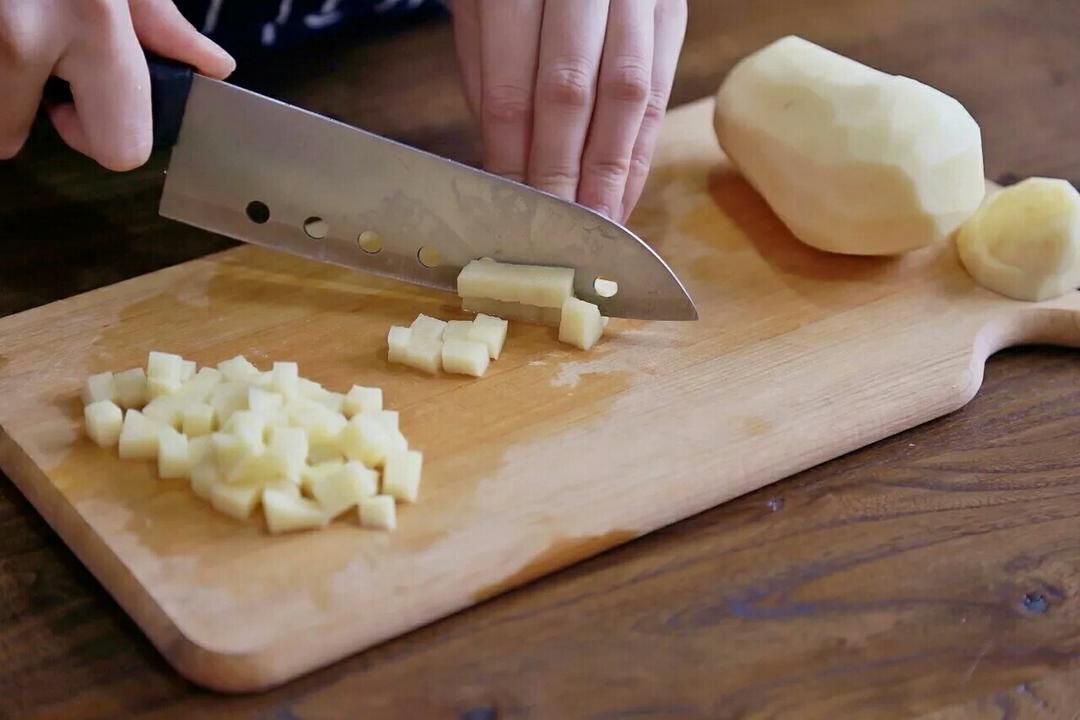
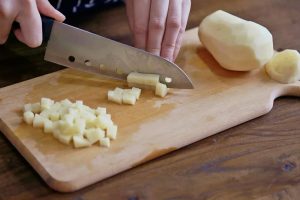
Step 3 – Dice the potato, rinse off excess starch, and drain
Dice the potato, rinse off excess starch, and drain.
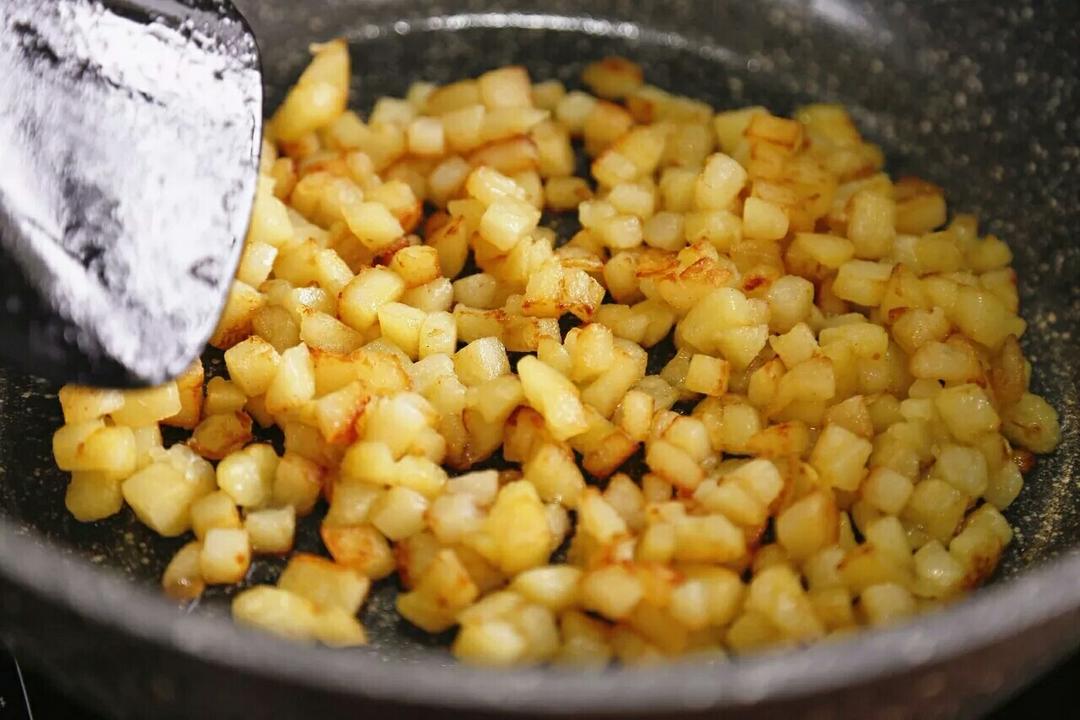
Step 4 – Heat oil in the pan, lay the potato dice flat without stirri
Heat oil in the pan, lay the potato dice flat without stirring; when one side is golden, stir-fry until the whole batch is browned.
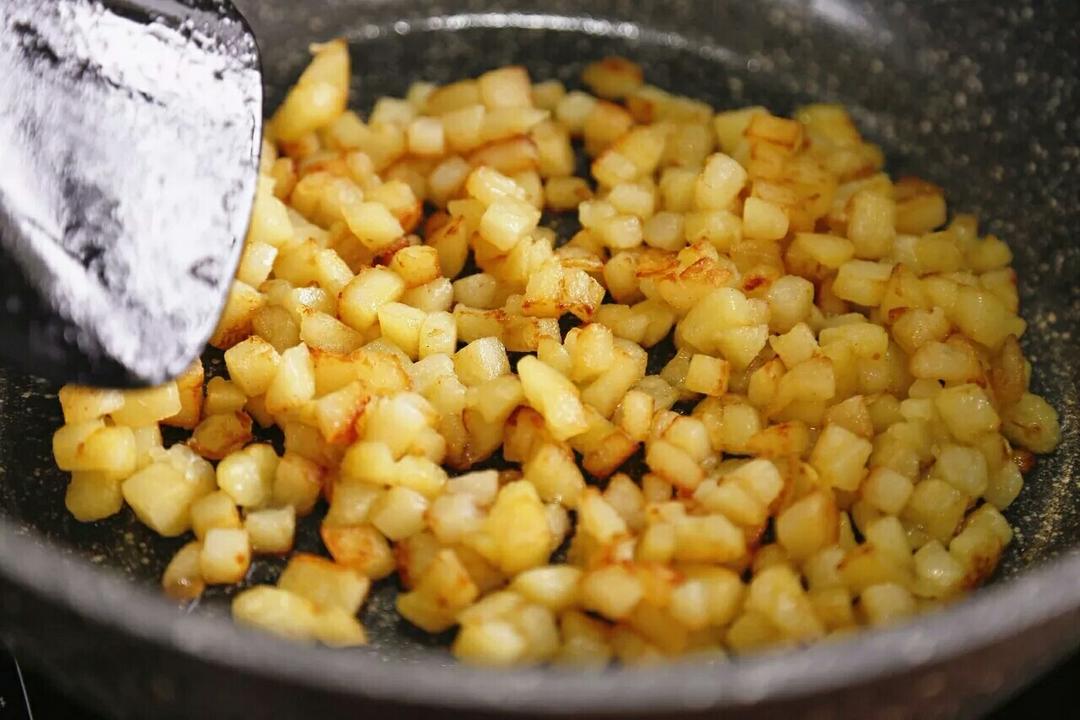
Step 5 – Push the potato aside, add the chicken and stir-fry to 80% d
Push the potato aside, add the chicken and stir-fry to 80% done, then combine both and keep pan-frying.
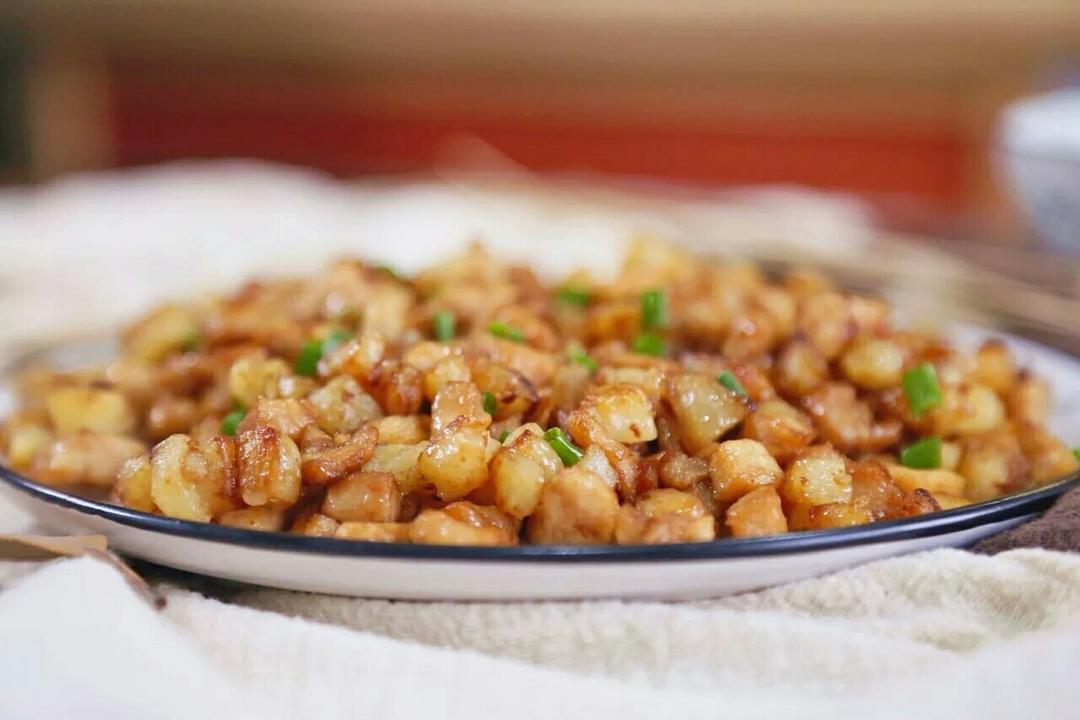
Step 6 – Add a splash of soy sauce and salt, toss gently, and finish
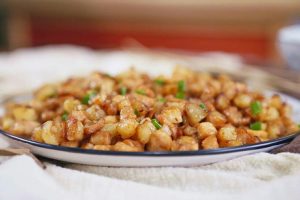
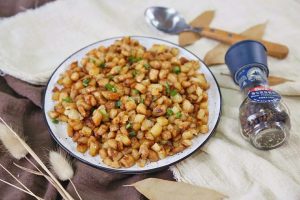
Add a splash of soy sauce and salt, toss gently, and finish with scallion.
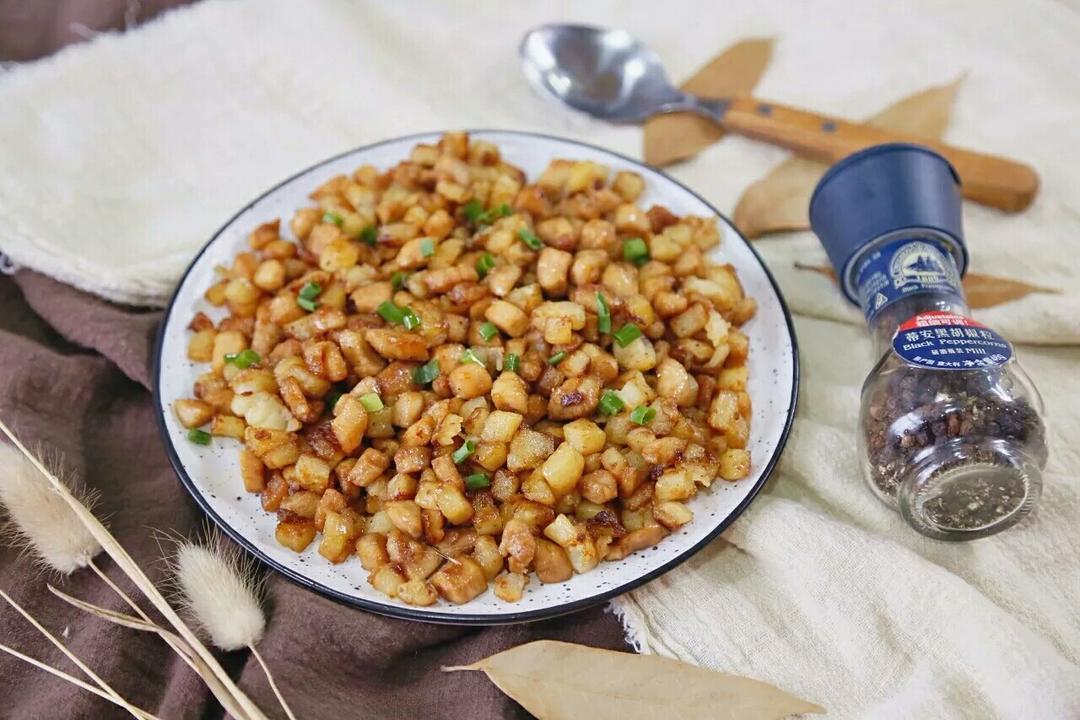
Step 7 – Season to taste with pepper or ketchup if you like
Season to taste with pepper or ketchup if you like.
Common Mistakes When Making Potato and Chicken Breast
1. Gray, mushy potatoes. Cause: stirring too early. Fix: lay the cubes flat and leave them until one side turns golden – the recipe’s one essential rule.
2. Clumped, sticky potatoes. Cause: not washing off the starch. Fix: rinse the diced potatoes and drain them well before the pan.
3. Dry, chalky chicken. Cause: skipping the marinade or overcooking. Fix: the 15-minute velvet and the 80% cue – the chicken finishes beside the potatoes.
4. Undercooked potatoes. Cause: too-small dice or too-short contact. Fix: dice to match the chicken, and give the first side its full golden time.
5. A bland plate. Cause: undersalting. Fix: the soy-and-salt seasoning is the base – taste before serving, and the original’s pepper or ketchup finish is a real suggestion.
6. A sticky, burnt pan. Cause: too little oil. Fix: enough oil to coat the cubes, and medium-high heat that lets them brown without scorching.
Variations
Spicier: A sliced bird’s eye chili with the chicken, or a spoon of chili crisp at the end – my spicy chicken stir-fry is the heat-first cousin.
Other potatoes: Sweet potato cubes brown beautifully the same way – my potato and green bean stir-fry shows the vegetable family.
Mongolian-style: A darker soy-and-sugar glaze turns it into the Mongolian chicken bowl – my Mongolian chicken stir-fry is that version.
More vegetables: Green beans or bell pepper join the pan – my green bean and potato stir-fry is a related one-pan plate.
Frequently Asked Questions
Do I really not stir the potatoes? Correct – the untouched browning is the technique. Let one side go golden before the first toss.
Can I use chicken thigh? Yes – thigh is more forgiving; cook it the same way.
Why wash the potatoes? The starch wash is what lets them crisp instead of clump – the original’s quiet detail.
Can I make it ahead? It is best fresh; leftovers keep a day and reheat in a hot pan.
Is this gluten-free? Only if your soy sauce is – the recipe uses light soy.
How to Serve
Serve the dish hot over rice with the scallion on top – a complete one-pan meal. It pairs with moo goo gai pan and garlic mushroom chicken for a chicken night, or chicken and king oyster mushroom stir-fry for more of the same speed.
Storage & Reheat
Refrigerate leftovers for up to 1 day. Reheat in a hot pan with a splash of water; reheat chicken to at least 74°C (165°F). Do not freeze – the potatoes degrade. Never leave the dish out for more than 2 hours.
Allergen Notice
This recipe contains soy (light soy sauce) and may contain gluten depending on the soy sauce brand – check labels. It is free of nuts, eggs, dairy, and shellfish.
Nutrition Disclaimer
Nutrition information is calculated using an ingredient database and should be considered an estimate. In cases where multiple ingredient alternatives are given, the first listed is calculated for nutrition. Garnishes and optional ingredients are not included.
About the Author & Recipe Development
I am Lin, a professional Chinese chef and food writer with a decade in restaurant kitchens before turning to recipes. This xiachufang recipe is a one-pan lesson disguised as a fast dinner – the do-not-stir browning is the kind of instruction that seems trivial until you see the difference. I tested it as written, confirmed the starch wash matters, and kept the 80% chicken cue from the original. I have not tested every potato variety’s browning time, so treat the golden-first-side as the guide, not a timer.
Authoritative References
USDA Food Safety and Inspection Service – Safe Temperature Chart for chicken handling and storage guidance.
Potato and Chicken Breast (Tu Dou Ji Xiong Rou Ding)

Equipment
- Wide skillet or wok
- Knife
- Spatula
Ingredients
For the Stir-Fry
- 2 potatoes, peeled and diced about 400 g / 14 oz
- 1 chicken breast, diced about 250 g / 8.8 oz
- 1 scallion, chopped
- 1 tbsp light soy sauce 15 ml
- 1 tbsp Shaoxing wine 15 ml
- 1 tbsp cornstarch 8 g
- 1/2 tsp salt 3 g
- 2 tbsp neutral oil 30 ml
- black pepper or ketchup, to finish optional, per the original
Instructions
- Prep all the ingredients.

- Rinse the chicken breast and dice; marinate with cooking wine, soy sauce, cornstarch, and salt for 15 minutes.
- Dice the potato, rinse off excess starch, and drain.
- Heat oil in the pan, lay the potato dice flat without stirring; when one side is golden, stir-fry until the whole batch is browned.
- Push the potato aside, add the chicken and stir-fry to 80% done, then combine both and keep pan-frying.
- Add a splash of soy sauce and salt, toss gently, and finish with scallion.
- Season to taste with pepper or ketchup if you like.


Leave a Reply