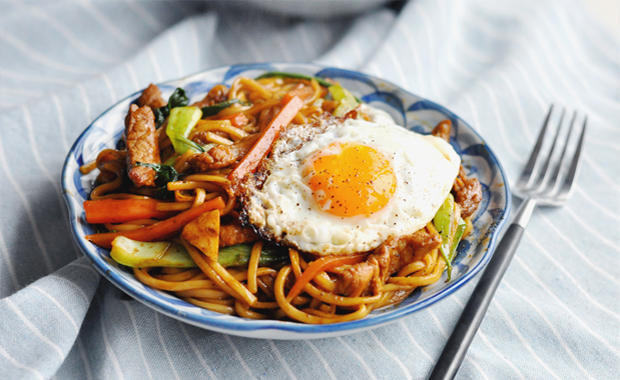
There is something primal and deeply satisfying about a plate of really good chow mein. Growing up in Sichuan, and later working in busy restaurant kitchens, I learned that noodles aren’t just a filler—they are a canvas for texture.
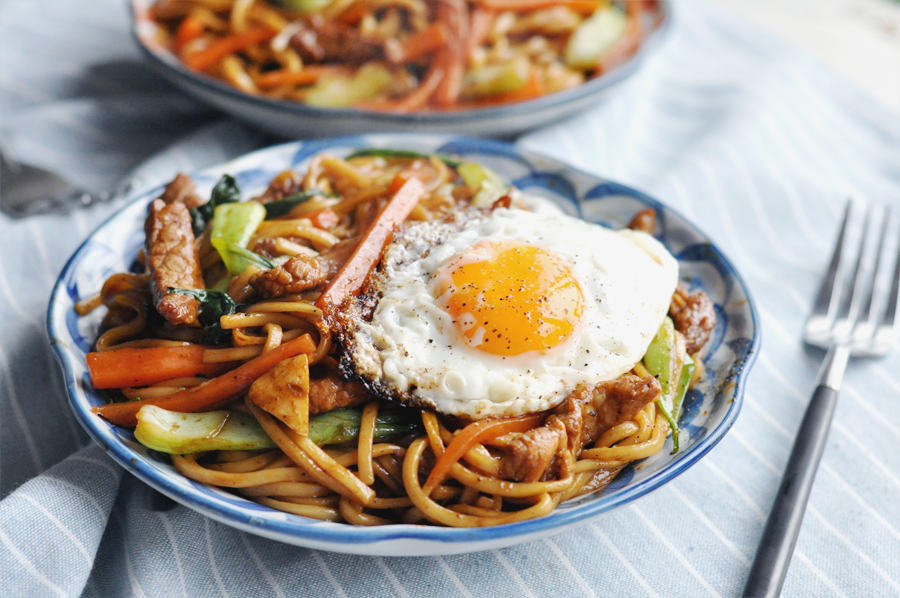
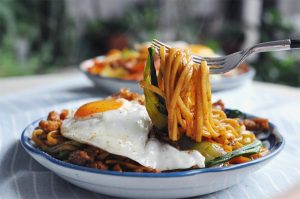
This recipe for Pork and Assorted Vegetable Chow Mein (肉丝什锦炒面) is inspired by the bustling Dai Pai Dongs (open-air food stalls) found across China. The magic here isn’t just the savory soy sauce glaze or the “wok hei” (breath of the wok); it is the crowning jewel on top: a soft-fried egg. When you break that runny yolk and let it coat the hot, savory noodles, it creates a rich, creamy sauce that makes you want to scream with joy (or “howl,” as we say in the original Chinese recipe!).
About the Author & Recipe Development
I’m Lin, and I have spent over a decade in professional kitchens, starting from my family’s restaurant in Sichuan to culinary training at the Sichuan Tourism University. In professional Chinese kitchens, we obsess over texture.
For this recipe, I tested the noodle cooking time repeatedly on both gas and electric stoves to ensure home cooks can achieve that signature “chewy” (Q-texture) without the noodles turning into mush. I also adapted the seasoning. While traditional home recipes might just use Dark Soy Sauce, my restaurant training dictates balancing it with Light Soy Sauce for savory depth, ensuring the “Assorted” (Shi Jin) vegetables remain vibrant and the pork stays tender.
What Is Pork Shreds Assorted Chow Mein?
This dish is a flexible, homestyle staple. Rousi means shredded pork, and Shi Jin essentially means “assorted” or “ten fancy things,” implying you can use whatever crunchy vegetables you have on hand. It serves as a complete meal—protein, starch, and fiber all in one bowl.
If you enjoy flat rice noodles, you might also like our Easy Vegetable Chow Fun, which uses a similar stir-fry technique but offers a different, slippery mouthfeel compared to these wheat noodles.
Why This Recipe Works
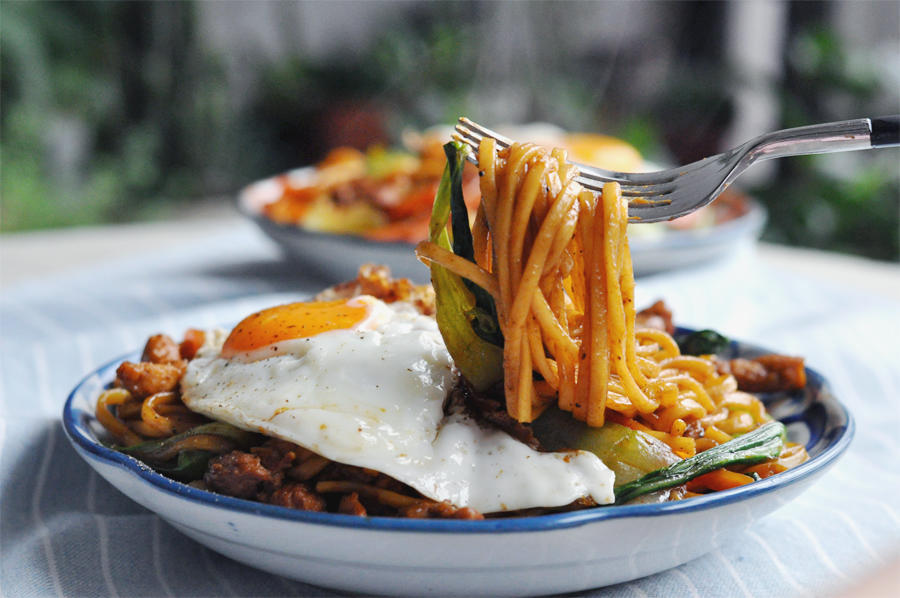
- Cold Water Shock: Rinsing the par-boiled noodles stops the cooking process immediately, washing away excess starch. This ensures the noodles don’t clump and stay springy.
- Double Soy Method: We use Dark Soy Sauce for that appetizing caramel color and Light Soy Sauce for the savory saltiness, creating a balanced flavor profile.
- The Yolk “Sauce”: Leaving the fried egg about 60% cooked allows the yolk to act as a secondary, creamy sauce that binds the pork and vegetables together.
Key Ingredients & Substitutions
- Noodles: Use fresh thin wheat noodles (often labeled “Hong Kong Style Pan Fry Noodles”) or dried egg noodles. If you can’t find them, spaghetti is a surprisingly decent substitute if boiled al dente.
- Pork: The original recipe calls for lean meat. I recommend pork tenderloin or loin. For tips on handling this cut, read my guide on Pork Tenderloin: Proper Cutting and Common Mistakes.
- Vegetables: We are using bok choy and carrots for crunch and color. You can substitute with cabbage, bell peppers, or bean sprouts.
- Soy Sauces:
- Dark Soy Sauce: Essential for color. It’s less salty but thicker.
- Light Soy Sauce: Essential for savory flavor (umami).
Ingredients
- The Noodles:
- 8 oz (225g) fresh or dried wheat noodles (about 2 servings)
- The Pork:
- 4 oz (115g) pork tenderloin or lean pork, julienned
- 1/4 tsp salt
- 1/2 tsp Dark Soy Sauce
- 1 tsp cornstarch (optional, for velveting)
- 1 tsp oil (for marinade)
- The Vegetables:
- 2 heads baby bok choy (or Shanghai bok choy), washed and sliced
- 1/2 medium carrot, julienned
- 2 cloves garlic, sliced or roughly chopped
- The Stir-Fry Seasoning:
- 1 tbsp Light Soy Sauce
- 1 tsp Dark Soy Sauce (adjust for color)
- 1/4 tsp sugar (to balance saltiness)
- 2 tbsp neutral oil (for frying)
- The Topping:
- 2 large eggs
Recipe Notes Before You Start
- Preparation is Key: Stir-frying happens fast. Have your sauce mixed and veggies chopped before you turn on the heat.
- Velveting: While the original recipe keeps it simple, adding a pinch of cornstarch to the pork marinade (a technique called velveting) seals in moisture, ensuring the meat doesn’t get tough.
- Wok Heat: If using a flat stovetop, let your pan get hot enough that a drop of water sizzles and evaporates immediately before adding oil.
How to Make Pork Chow Mein
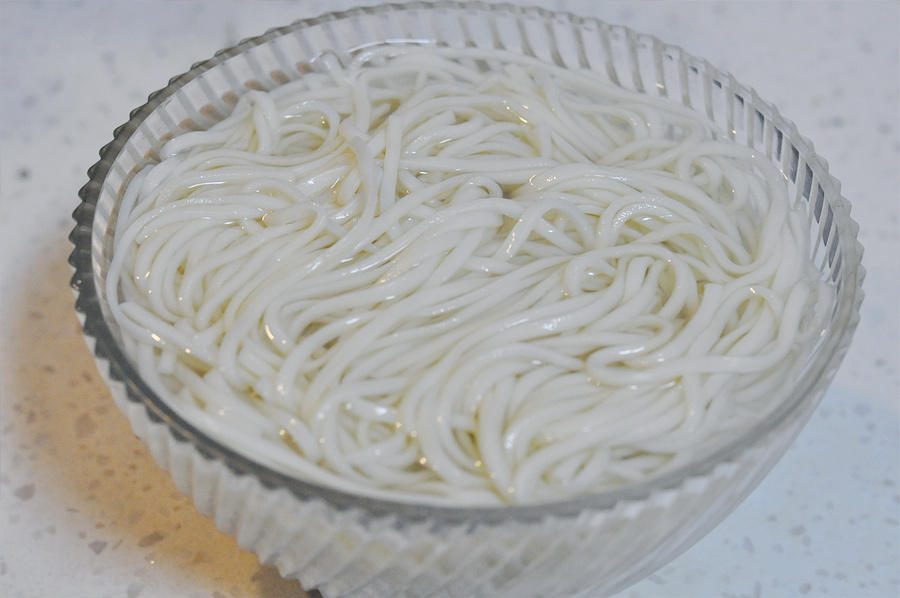
Step 1: Par-boil the Noodles Bring a large pot of water to a boil. Add the noodles and cook until they are about 80% done (still slightly hard in the center). Drain immediately and rinse thoroughly under cold running water. Shake dry and toss with 1 teaspoon of oil to prevent sticking.
- Why? The cold water shock stops the cooking and removes surface starch, giving the noodles a “Q” (bouncy) texture.
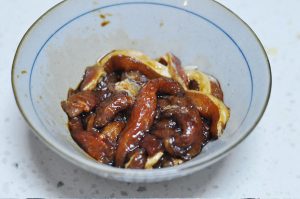
Step 2: Marinate the Pork Slice the pork against the grain into thin shreds. In a small bowl, mix the pork with 1/4 tsp salt, 1/2 tsp Dark Soy Sauce, and (optional) cornstarch. Let it sit for 10 minutes.
- Why? Marinating infuses flavor inside the meat, not just on the surface.
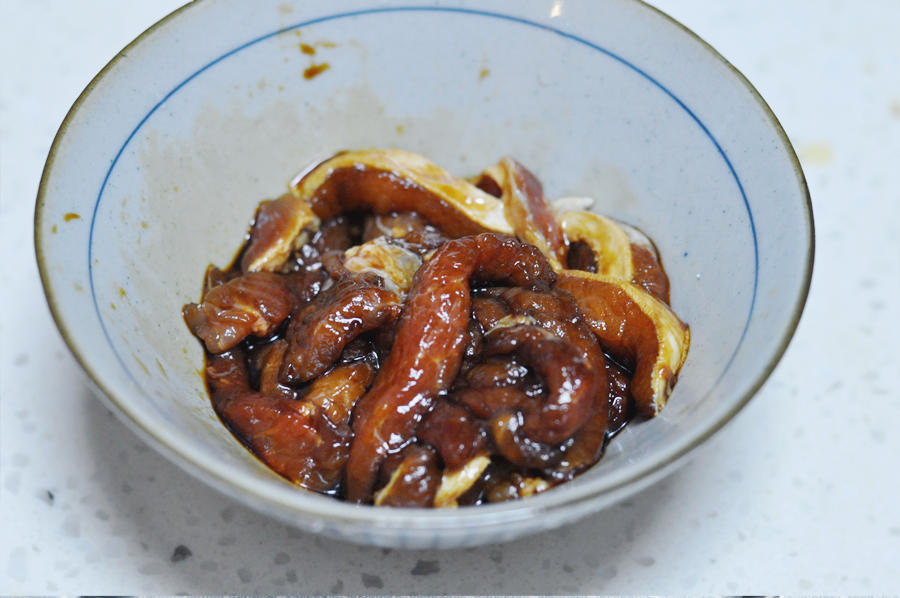
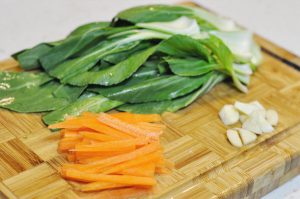
Step 3: Prep Vegetables Wash the bok choy and carrots. Cut the carrots into thin matchsticks (julienne) so they cook at the same rate as the pork. Slice the garlic.
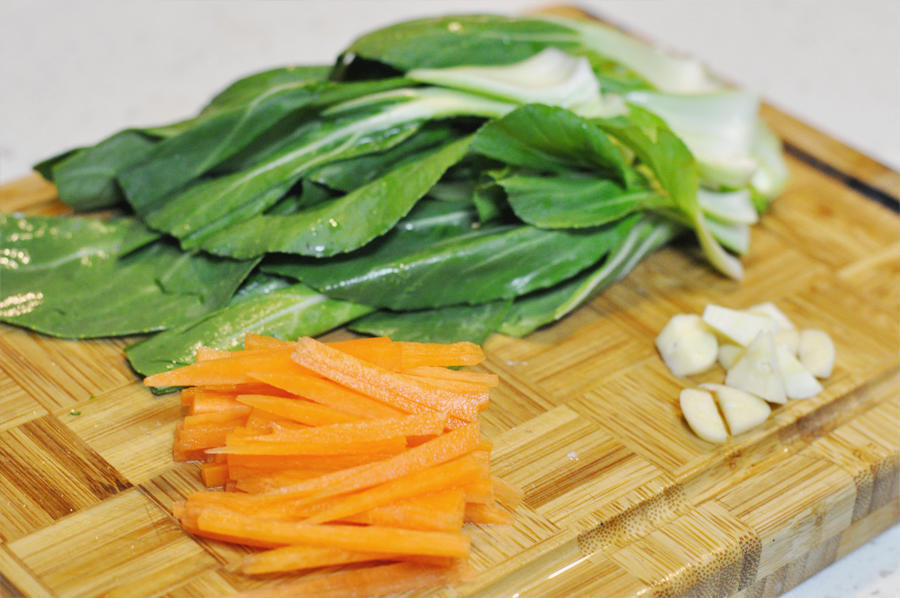
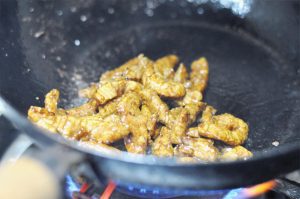
Step 4: Stir-fry the Pork Heat your wok or large skillet over medium-high heat. Add 1 tablespoon of oil. Add the pork shreds and stir-fry briskly until they turn white and are cooked through. Remove the pork from the pan and set aside.
- Safety Note: Pork should be cooked to an internal temperature of at least 145°F (63°C) according to USDA guidelines.
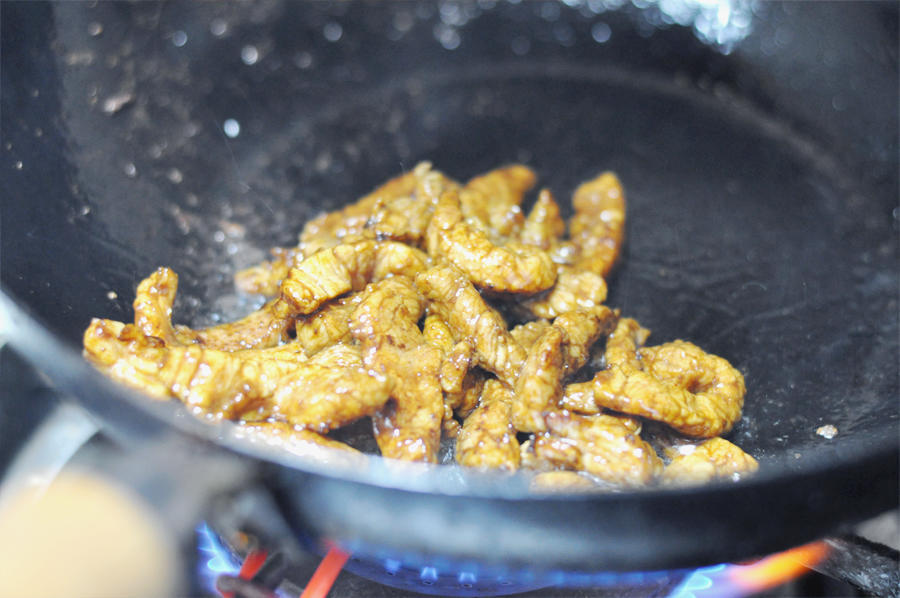
Step 5: Cook Vegetables and Combine Add another tablespoon of oil to the wok. Add the garlic, carrots, and bok choy stems (save the leaves for later if you want them crisp). Stir-fry for 1 minute until softened. Add the noodles and the cooked pork back into the pan.
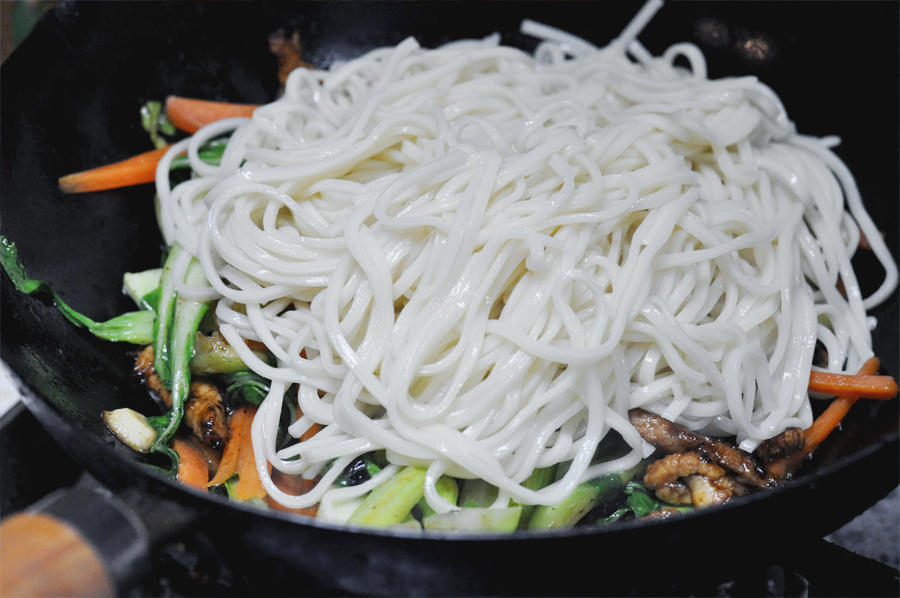
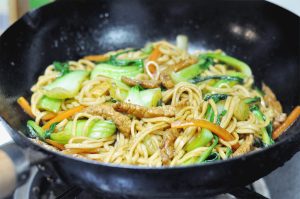
Step 6: Season and Toss Add the bok choy leaves. Drizzle the Light Soy Sauce and remaining Dark Soy Sauce over the noodles. Using tongs or chopsticks, toss everything vigorously for 1-2 minutes until the noodles are uniformly brown and hot. Taste and add salt if needed. Plate the noodles.
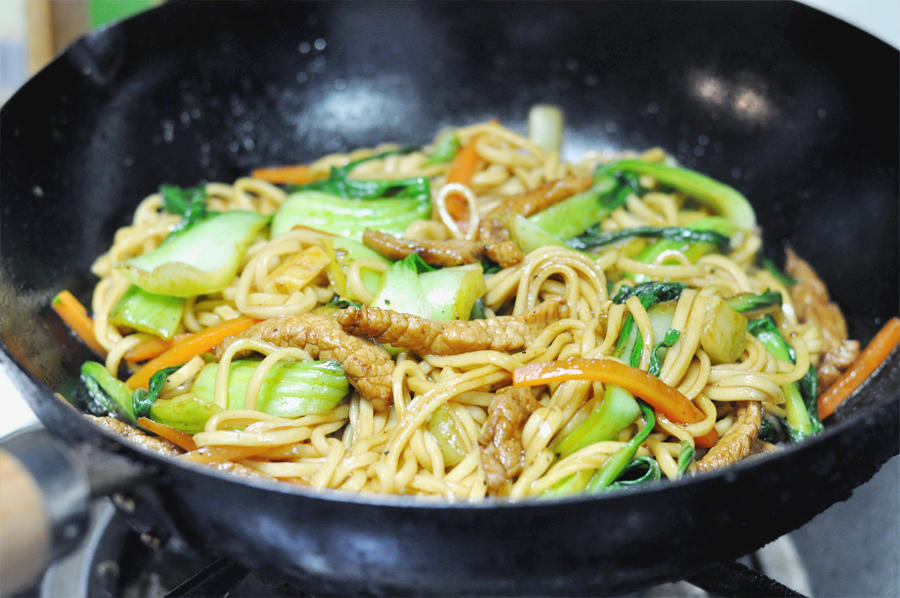
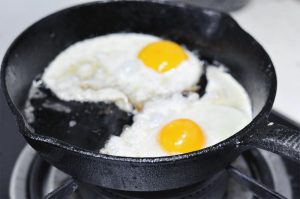
Step 7: The Crown Jewel (Fried Egg) In the same pan (wipe it out if needed), fry two eggs. Cook them to your preference, but I highly recommend “Sunnyside Up” or “Over Easy” (about 60% cooked) so the yolk remains runny.
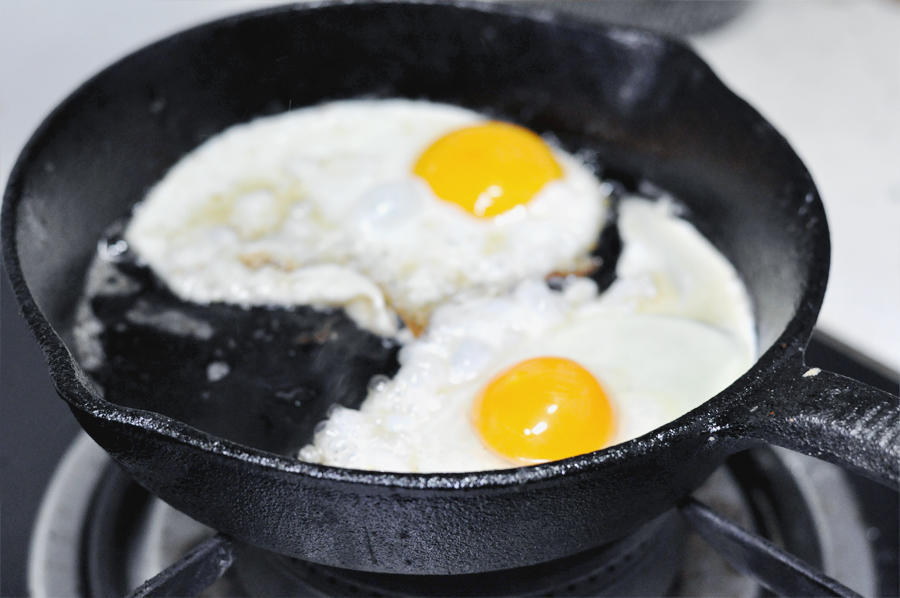
Step 8: Serve Place the egg directly on top of the noodles. Break the yolk, mix it in, and enjoy the rich, creamy coating on the savory noodles!
Explore Another Classic: If you are looking to try a lighter, everyday approach to Chinese fried noodles, I highly recommend checking out my Easy Homestyle Chow Mein (Jia Chang Chao Mian). Unlike heavy restaurant takeout versions, that recipe uses a clever parboiling technique and separate vegetable stir-frying to create a vibrant, nutritious meal without the excess oil. It is the perfect clean and comforting noodle dish to add to your weeknight rotation!
1Easy Homestyle Chow Mein (Jia Chang Chao Mian)A vibrant, nutritious, and balanced homestyle Chinese fried noodle recipe utilizing minimal oil and packed with fresh vegetables and lean pork.Check out this recipe
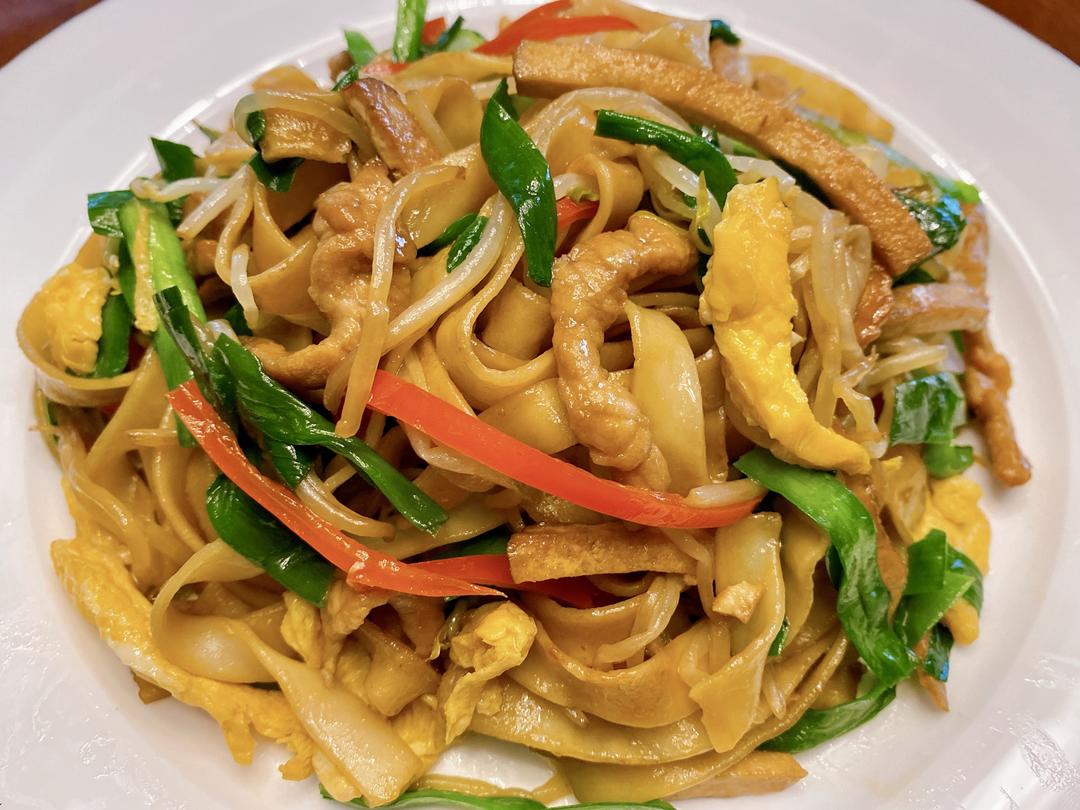
Common Mistakes When Making Chow Mein
- Overboiling the Noodles: If you boil the noodles until they are fully soft, they will break and turn mushy when you stir-fry them. Always undercook them slightly in the water.
- Overcrowding the Pan: If your wok isn’t large enough, the vegetables will steam instead of fry. If cooking for more than 2 people, cook in batches.
- Adding Sauce Directly to Noodles: Try to drizzle the soy sauce around the edges of the hot wok. This “flashes” the soy sauce, creating a smoky, caramelized aroma before it hits the noodles.
Authoritative References
For more information on the science of gluten development in noodles and why rinsing helps texture, you can refer to the Science of Cooking. Additionally, ensuring your vegetables are properly washed is critical; refer to the FDA Guide on Selecting and Serving Produce.
Serving Suggestions
This dish stands well on its own, but it pairs beautifully with:
- A soothing soup like Tomato Egg Drop Soup.
- A refreshing cold dish like Smashed Cucumber Salad to cut through the richness.
- For spice lovers, drizzle with Homemade Chinese Chili Oil.
- You can also drizzle a little Universal Scallion Oil at the very end for an extra aroma boost.
Nutrition Information (Estimate)
- Calories: ~550 kcal
- Protein: 28g
- Carbohydrates: 65g
- Fat: 22g
- Sodium: 980mg
- Allergens: Wheat (Gluten), Soy, Egg.
- (Disclaimer: Nutrition information is calculated using an ingredient database and should be considered an estimate. Garnishes and optional ingredients are not included.)
Pork Chow Mein with Soft-Fried Egg

Equipment
- Wok or large skillet Carbon steel preferred for wok hei
- Large Pot For boiling noodles
Ingredients
The Pork
- 4 oz pork tenderloin or lean pork julienned (sliced into thin strips)
- 1/4 tsp salt
- 1/2 tsp Dark Soy Sauce for marinade
The Noodles & Vegetables
- 8 oz wheat noodles fresh or dried (Hong Kong style preferred)
- 2 heads baby bok choy washed and sliced
- 1/2 carrot medium size, julienned
- 2 cloves garlic sliced
Stir-Fry Sauce
- 1 tbsp Light Soy Sauce
- 1 tsp Dark Soy Sauce
- 2 tbsp vegetable oil divided
Topping
- 2 large eggs fried sunny side up
Instructions
- Bring a pot of water to a boil. Cook noodles until 80% done (al dente). Drain and immediately rinse under cold water to stop cooking. Drain well.

- Slice pork into shreds. In a bowl, mix pork with 1/4 tsp salt and 1/2 tsp dark soy sauce. Let sit for 10 minutes.
- Wash vegetables. Julienne the carrot and slice the garlic and bok choy.
- Heat a wok over medium-high heat with 1 tbsp oil. Stir-fry pork shreds until cooked through (white color). Remove and set aside.
- Add remaining 1 tbsp oil to wok. Stir-fry garlic, carrots, and bok choy stems for 1 minute.
- Add the noodles, bok choy leaves, and cooked pork back to the wok. Add light soy sauce and dark soy sauce. Toss vigorously for 1-2 minutes until evenly coated and hot.
- In a separate pan (or clean wok), fry the eggs until the whites are set but yolks are runny (about 60% cooked).
- Serve noodles immediately, topped with the fried egg. Break the yolk and mix it into the noodles before eating!
Notes
Cooking Safety: Ensure pork reaches an internal temperature of 145°F (63°C). If you are immunocompromised, cook eggs until yolks are firm.
Storage: Noodles are best eaten fresh. Leftovers can be stored in the fridge for 2 days but will lose the “Q” texture. Nutrition (Estimate per serving):
Calories: 550 kcal
Protein: 28g
Carbohydrates: 65g
Fat: 22g
Sodium: 980mg
(Disclaimer: Nutrition information is calculated using an ingredient database and should be considered an estimate. Garnishes and optional ingredients are not included.)


Leave a Reply